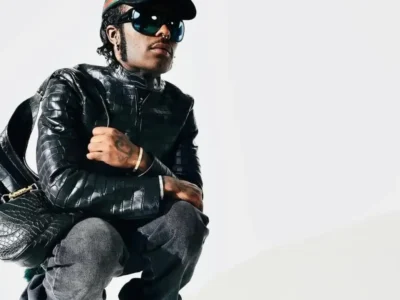
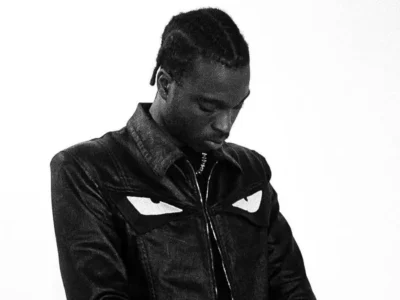
Annyeonghaseyo (Sik-K Remix) by Yuki Chiba, Lil Moshpit, and Sik-K

May 2, 2026
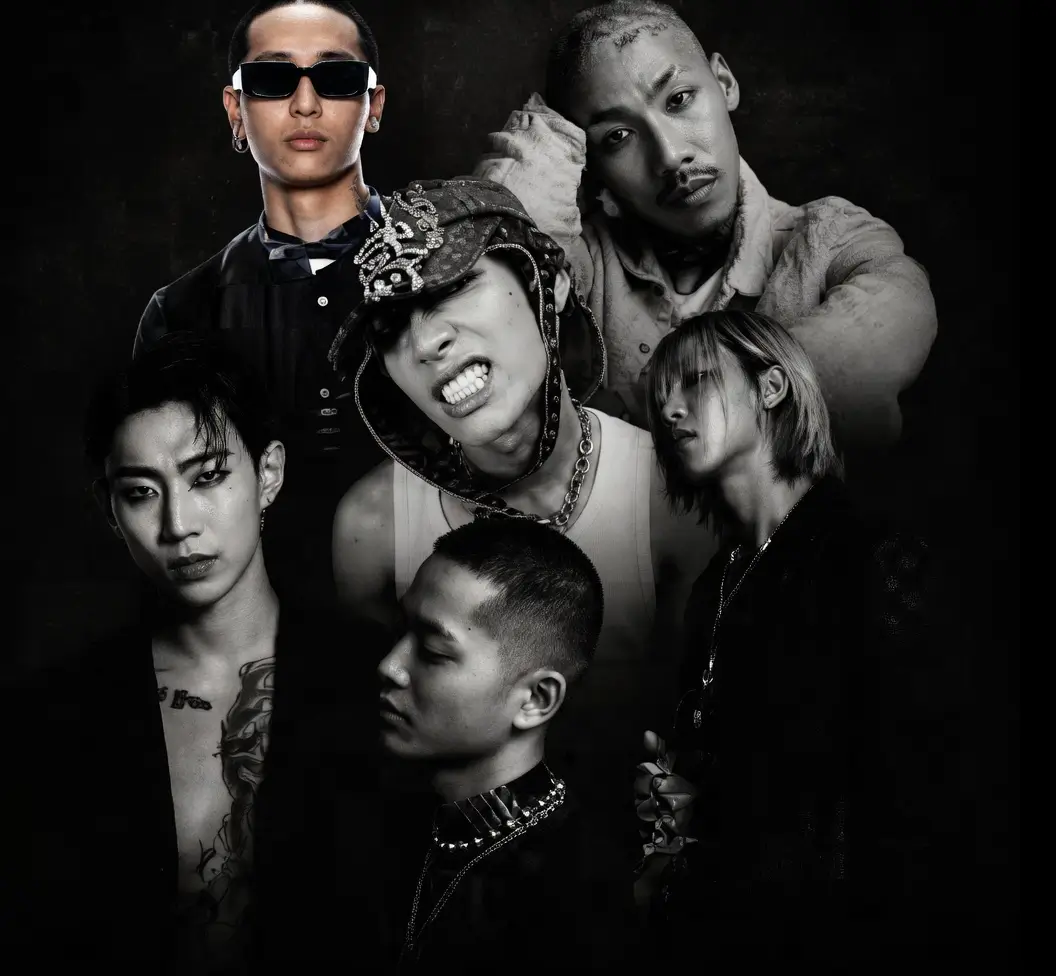
released on April 15, 2026 (via Warner Music Japan / 300 Entertainment Japan).
It’s a remix of the original “Annyeonghaseyo” collection between Yuki Chiba (Japanese rapper, formerly KOHH) and producer Lil Moshpit. The Sik-K version adds a verse from the South Korean rapper Sik-K, blending Japanese and Korean lyrics with a bouncy, catchy beat centered on greetings and reunions.
View this post on Instagram
- Length: ~1:56 (short and punchy).
- Producers/Arrangers: Lil Moshpit (with BADTREE on composition).
- Lyrics: Yuki Chiba + Sik-K.
- Style: Fun, repetitive “hello” hooks mixed with rap verses—playful K/J-hip-hop vibe celebrating Korean-Japanese connections.
Yuki Chiba built his reputation in the mid-2010s under the name KOHH, emerging from Tokyo’s underground with a raw, autobiographical style that reshaped modern Japanese hip-hop. His work balanced minimal production with stark personal narratives, gaining international attention through collects with artists like Frank Ocean and appearances that positioned him beyond a domestic audience. The transition to Yuki Chiba marked a reset—less chaotic, more controlled, but still rooted in the same introspective core, now reframed for a broader, cross-market presence.
Lil Moshpit operates as a producer bridging underground texture and digital-era polish within Japan’s rap ecosystem. Known for elastic, bass-forward beats that leave space for vocal personality, his work often leans into simplicity as a structural advantage. His stylistic tends to function as frameworks rather than centerpieces, eliciting artists like Chiba to dictate tone while still maintaining a distinct rhythmic identity.
Sik-K emerged through Show Me the Money and quickly became one of the defining voices in contemporary Korean hip-hop. His style—melodic rap with fluid phrasing and Western trap influence—helped globalize the K-hip-hop sound. As part of the H1GHR MUSIC roster led by Jay Park, Sik-K has consistently moved between mainstream view and subcultural trust, making him a natural connector in cross-border arises maybe similar.
fin
Collectively, the three artists represent parallel evolutions within East Asian hip-hop—Tokyo’s introspective minimalism, producer-led digital adaptability, and Seoul’s globally fluent rap style—converging into a shared, transnational lane.