DRIFT AUDIO
Listen to this story
Choose a voice, then press play.
stir
Martin grew up in France with a love for design, especially cars and their sleek, functional shapes. During his studies at the Design Academy Eindhoven in the Netherlands, he graduated with honors in 2018. A simple suggestion from his girlfriend helped shift his focus: “Why not design shoes?” That nudge opened a new world. He loved how footwear mixes engineering, materials, and everyday wear.
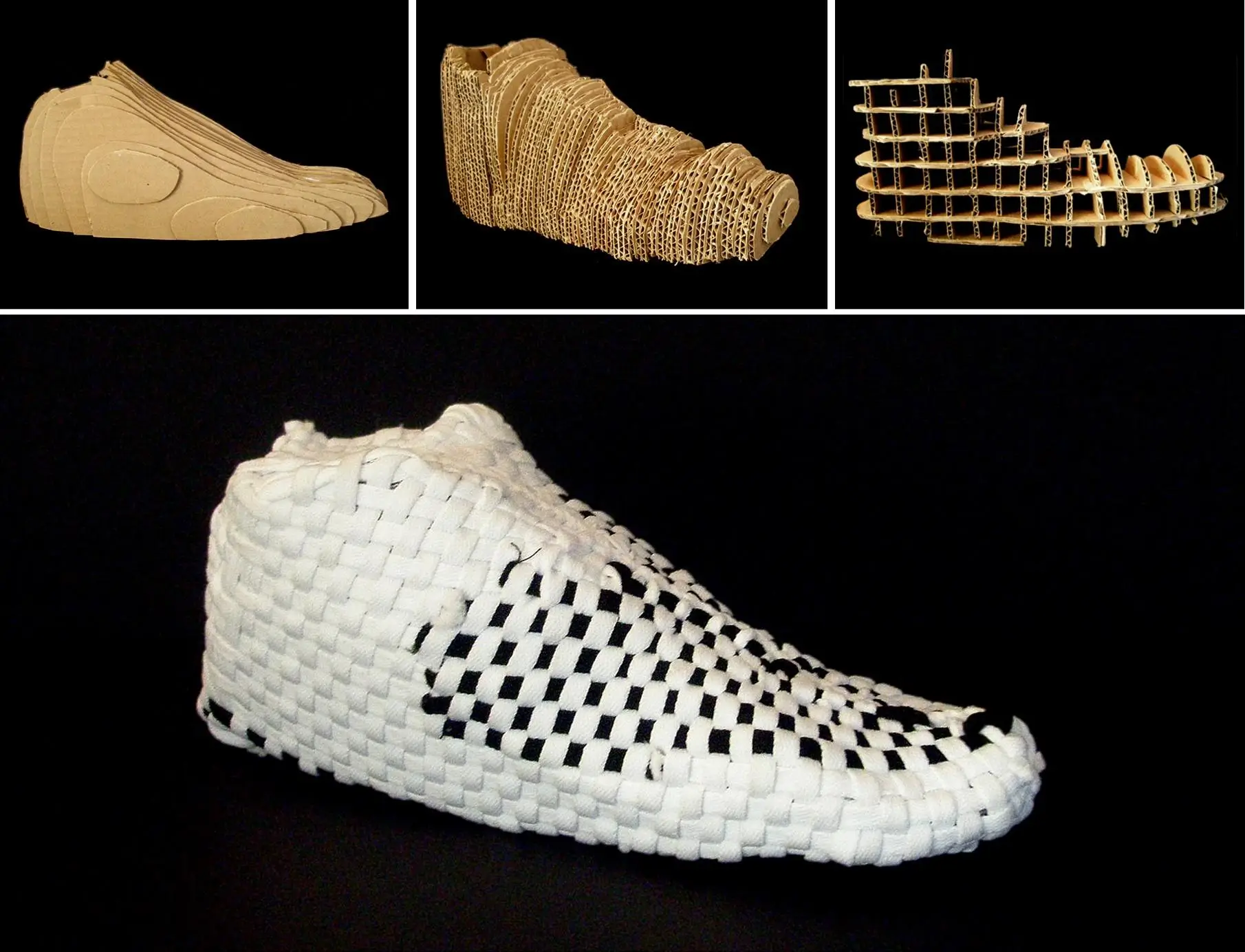
One of his student projects, called Shoelab, conjured with 3D weaving and single-material construction inspired by nature. He shared his process on social media, and the positive feedback gave him confidence. These early experiments taught him to think about how forms can develop naturally—something you still see in his current work, like that gentle heel-to-toe growth on the outsoles.
edu
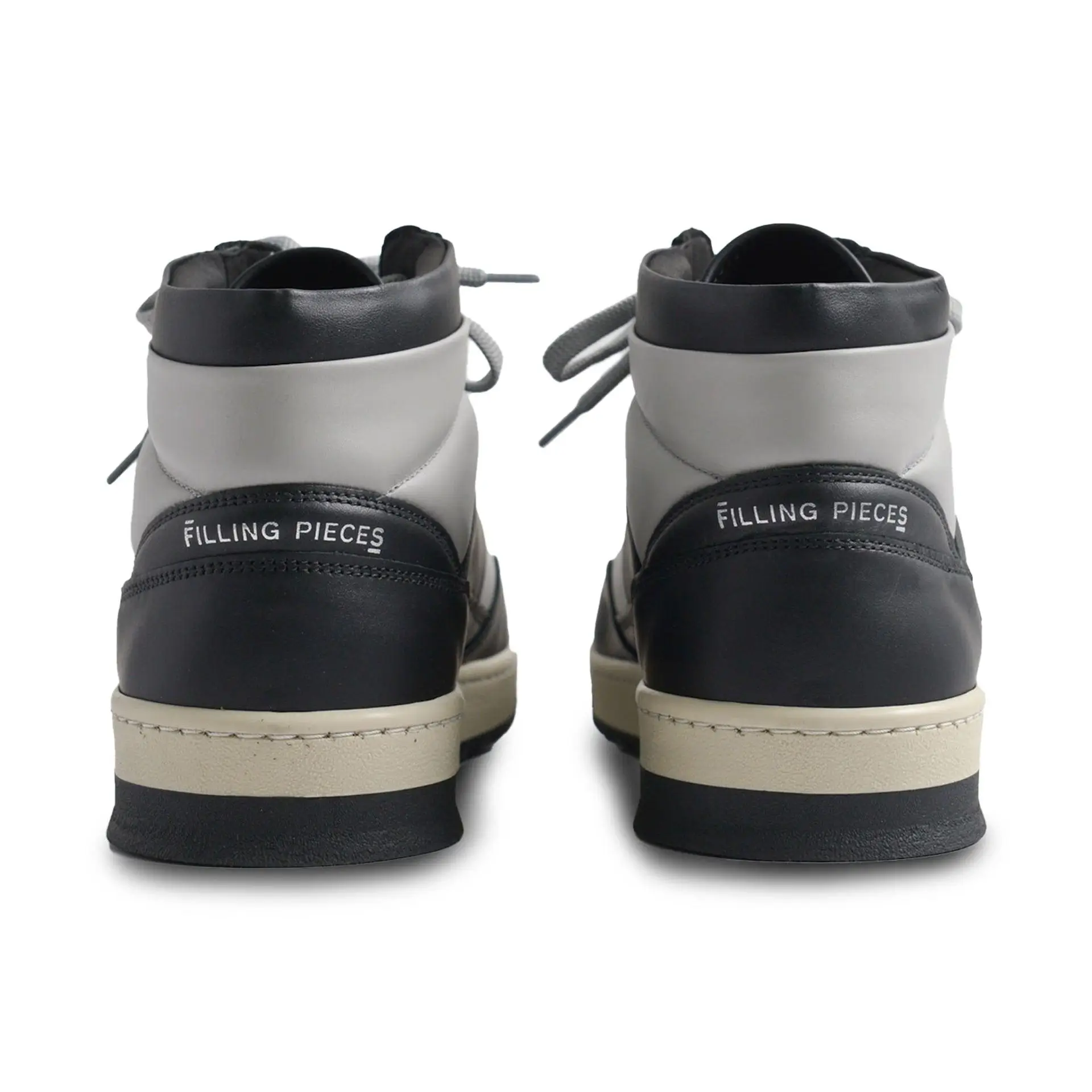
Right after school, Martin joined Filling Pieces in Amsterdam. He started as a footwear designer and quickly took on big responsibilities. Within his first year, he helped create the brand’s first full shoe collection. He rose to senior designer fast, working on everything from everyday styles to more fashion-forward pieces. One popular model he contributed to was the Crease Runner, with its bold ’70s-inspired waffle sole that caught attention for its fun, exaggerated look.
In 2022, he moved to Sunnei in Italy as lead footwear designer. This role gave him more creative space to explore proportions and materials. He worked under the brand’s founders and gained valuable experience consulting for other houses along the way. These years were like an intensive training ground—learning factory processes, material choices, and what actually works when people wear the shoes all day.
But even as he succeeded in these roles, personal ideas kept piling up. Sketches of unique shapes and details that didn’t quite fit other brands’ needs. He wanted a place to try things out freely, without worrying if they made sense for a big commercial line. That’s when the decision to go independent felt right.
Martin officially started his label in 2025 as a personal “working space” for experimentation. The focus has always been small-scale production, high-quality materials, and designs you can actually live in. The debut Spring/Summer 2026 collection introduced key styles that show his approach clearly.
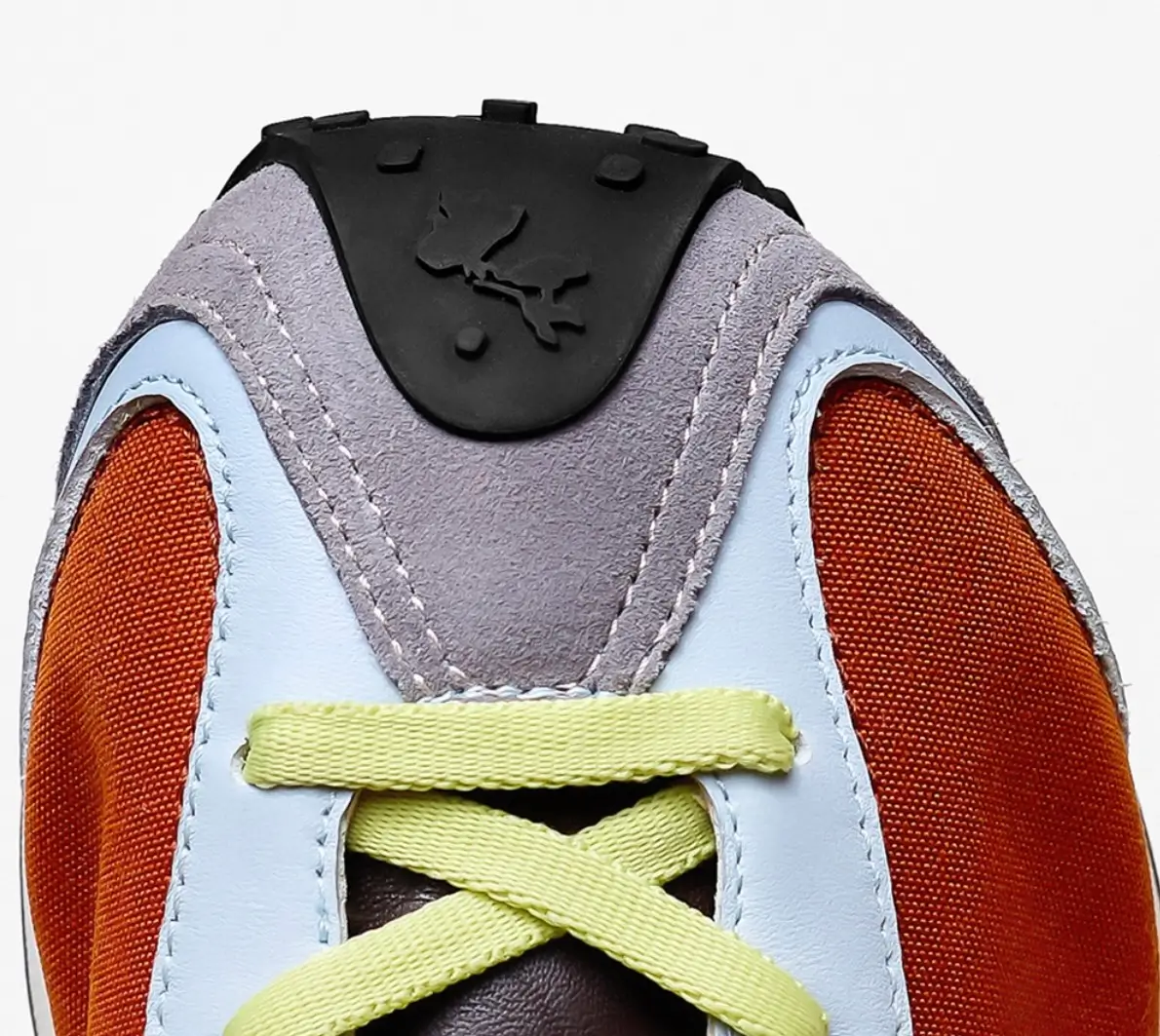
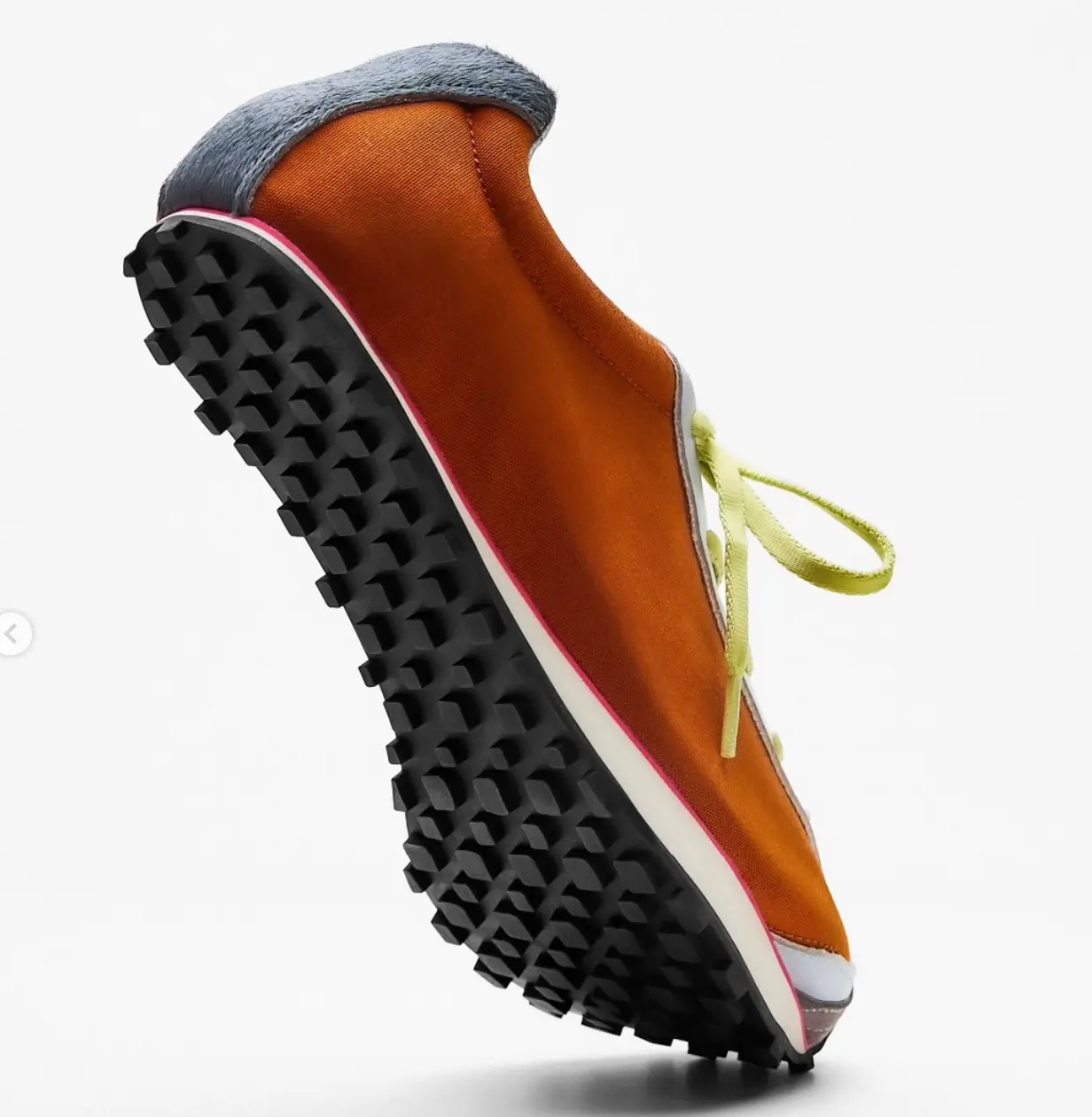
The Heel Drop Racer is a low-profile sneaker inspired by ’70s runners but updated with a lifted toe box for a lighter feel and better view flow. It uses natural leathers and Cordura fabric, often left unlined for lightness and breathability. Then came the Bumper, a fresh silhouette with prominent but balanced bumpers at the toe and heel. These add personality and protection while keeping the overall shape clean and wearable.
What makes these shoes memorable is the outsole design. The tread pattern grows gradually from a supportive heel area toward the front. It creates a sense of natural movement, and right at the toe, the brand logo is impressed clearly. You don’t need a huge side logo or bright colors—just a quick glance at the bottom during a step or in a photo, and you know the brand. This detail works supposedly for social media close-ups and real-life wear.
cadence
Martin keeps things genuine online. His Instagram accounts (@martzer_ and @martinsallieres) share studio shots, process work, and honest wear tests rather than heavy marketing. You’ll see prototypes on lasts, color experiments, and shoes in everyday settings—like paired with ballet rehearsals at the Royal Swedish Opera. These images help people connect with the craft behind each pair.
Retailers like Dover Street Market, forecast.space, Solar MTP, Road Sign, and UNION carry the line, giving it a thoughtful presence without flooding the market. Pop-ups and launches tend to feel intimate—opportunities to see the shoes up close, touch the materials, and understand the proportions. Connections, such as with Igor Dieryck, add variety while staying true to the core language.
On TikTok and Instagram Reels, the shoes shine in short videos: slow pans across the bumper details, walking shots that highlight the sole transition, or quick unboxings. Fans and creators appreciate the “unfamiliar but familiar” vibe—echoes of classic runners mixed with fresh tweaks. It’s not for everyone, as Martin himself notes, but that’s part of the appeal for those who value quiet quality.
fin
As we move through 2026, the brand continues to evolve with new colorways—rich rusts, deep greens, blacks, and burgundies—and refinements on existing models. Sandals with the same careful detailing have appeared, showing how the design language stretches across categories. The goal stays consistent: comfortable shoes with personality that improve with time rather than chasing seasons.
Martin Sallières’ path—from student experiments and corporate roles to running his own small-batch label—shows what happens when technical skill meets personal view. He creates pieces that feel modern and wearable, with smart details like that gradual sole that make you smile when you notice them. In a crowded shoe world full of loud drops and retro repeats, his work offers something calmer and interesting.
If you’re into thoughtful design that works in real life, whether paired with jeans or sharper outfits, these shoes are worth checking out at martinsallieres.com or select stores. The story is still early, but the foundation is solid: passion turned into practical, beautiful objects you’ll reach for again and again. One careful step at a time, Martin is building something meaningful.
Previous article
← New Balance 992 “Sea Stone” Made in USA - Teddy SantisRelated Articles
Converse Japan Drapes Its Pointed All Star in Velvet for Autumn
A shoe cut to read like a pump now wears the fabric of an evening […]