DRIFT AUDIO
Listen to this story
Choose a voice, then press play.
Rob Dillingham’s passage through the NBA’s early seasons has resisted anything resembling a straight line. Drafted No. 8 overall, the expectations arrived fully formed—electric guard out of University of Kentucky, creative, unpredictable, built for pace. Yet his rookie year with the Minnesota Timberwolves unfolded in near silence, a season defined less by opportunity than by observation. It was an apprenticeship without view, a place where development existed, but rarely in public view.
A modest sophomore campaign followed—moments, not momentum. Flashes surfaced, then receded. Before any rhythm could take hold, a mid-season trade rerouted him to the Chicago Bulls, a franchise not chasing stability, but embracing rupture—a full rebuild, deliberate and necessary.
stir
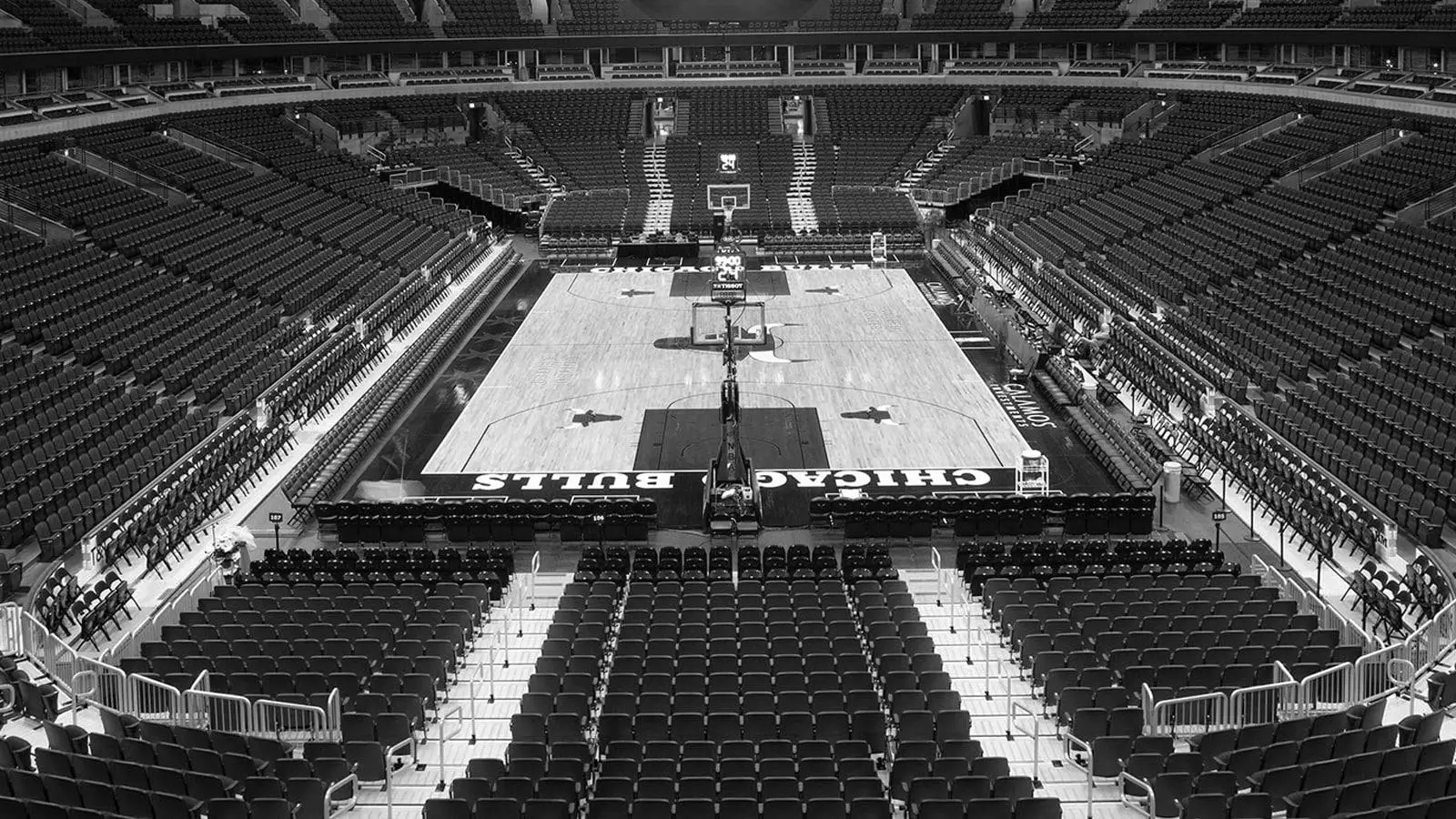
In Minnesota, Dillingham was peripheral. In Chicago, he is positional. The difference is not cosmetic—it’s structural. The Bulls, recalibrating around youth and timeline elasticity, have shifted away from urgency and toward cultivation. With emerging pieces like Matas Buzelis anchoring that direction, the environment has changed from compressed to expansive.
For Dillingham, this is less a relocation than a recontextualization. Minutes are no longer conditional—they are instructive. He is being asked to exist within the game rather than orbit it. To absorb contact, to navigate starting-caliber defenses, to measure himself not in glimpses, but in sustained sequences. It’s the difference between appearing and becoming.

stats
The 2025–26 season offers a statistical outline, if not a conclusion: 30 games, just under 22 minutes per night, 9.6 points, 3.0 rebounds, 2.8 assists. On paper, the numbers sit quietly. Efficiency lags—42% from the field, a true-shooting mark that places him among the league’s less efficient guards with comparable usage. But raw output, here, misleads.
The real narrative exists in fragments: hesitation crossovers that stall defenders mid-step, pull-up threes created out of compressed space, a first step that doesn’t explode so much as disappear and reappear. These are not yet consistent weapons—but they are unmistakable indicators. The ceiling doesn’t announce itself statistically. It flickers.
scope
And now, Nike is choosing to lean into that flicker.
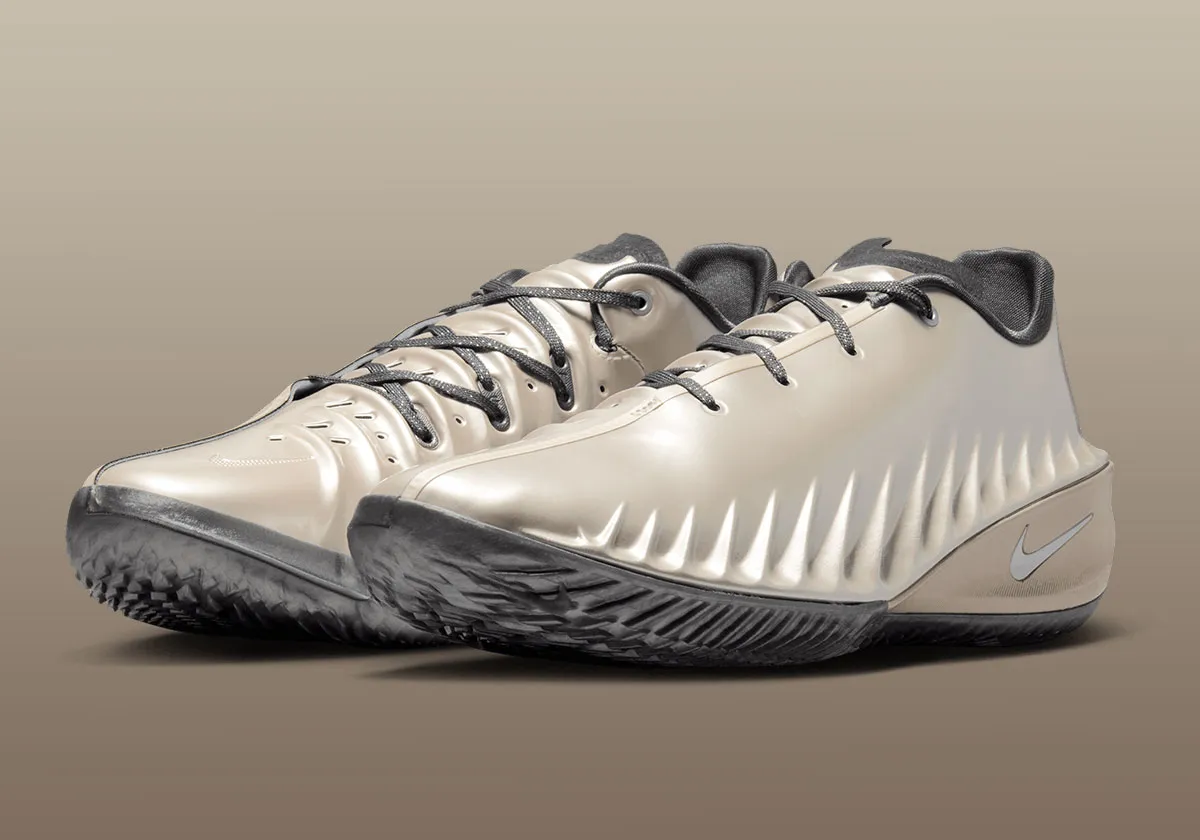
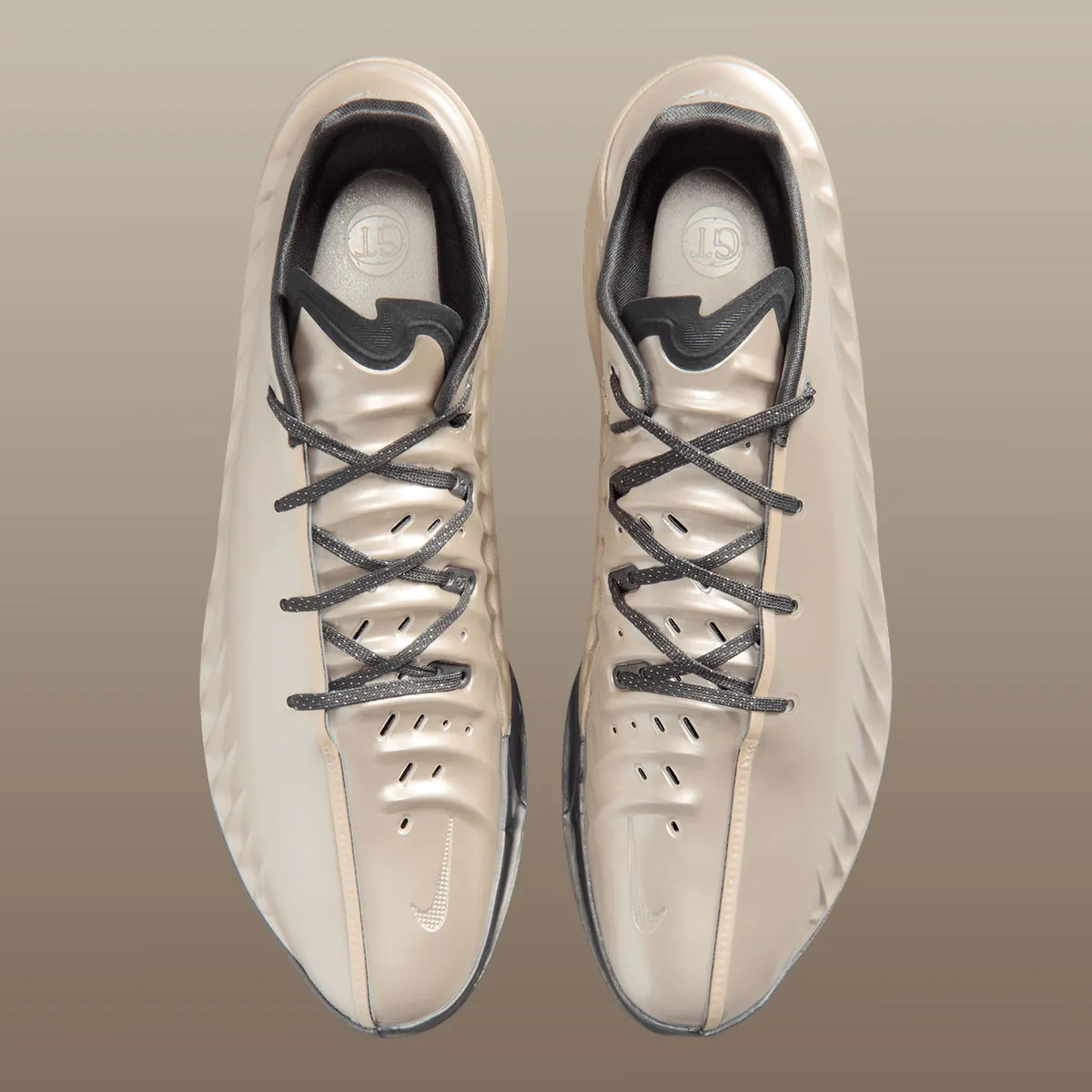
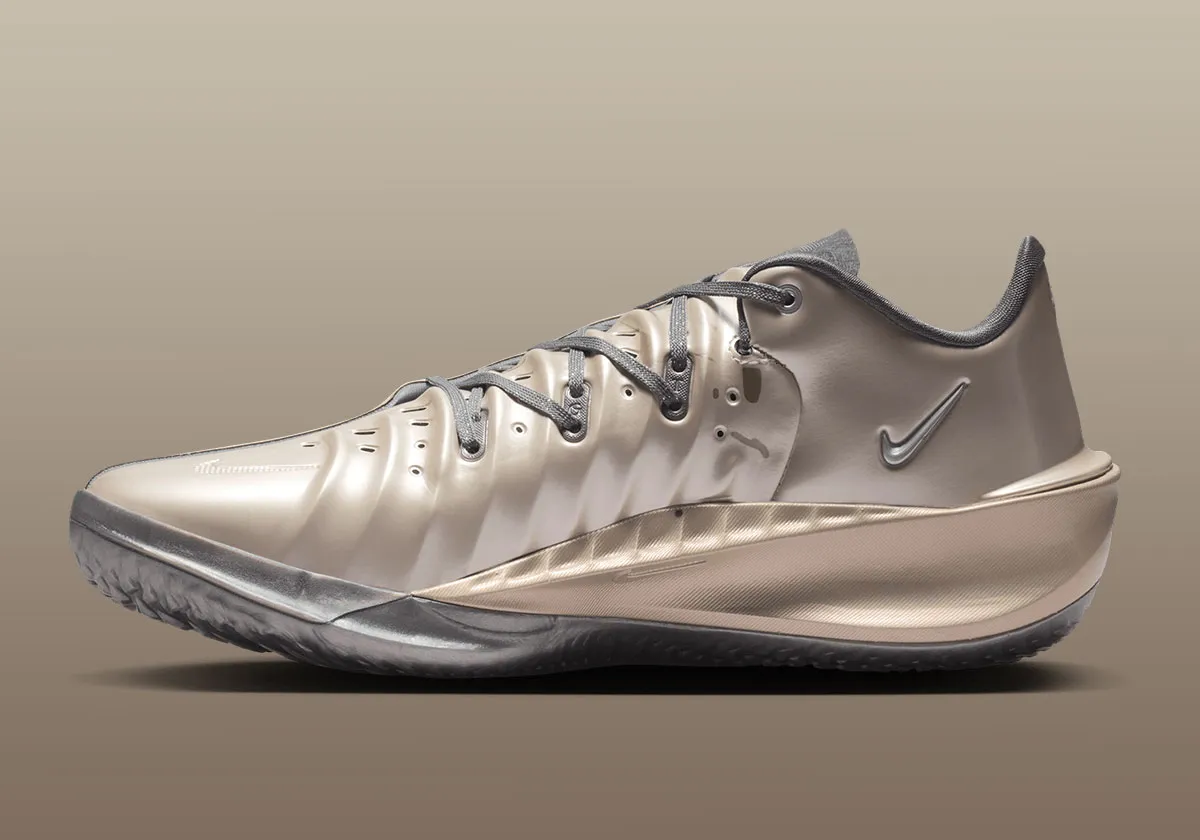
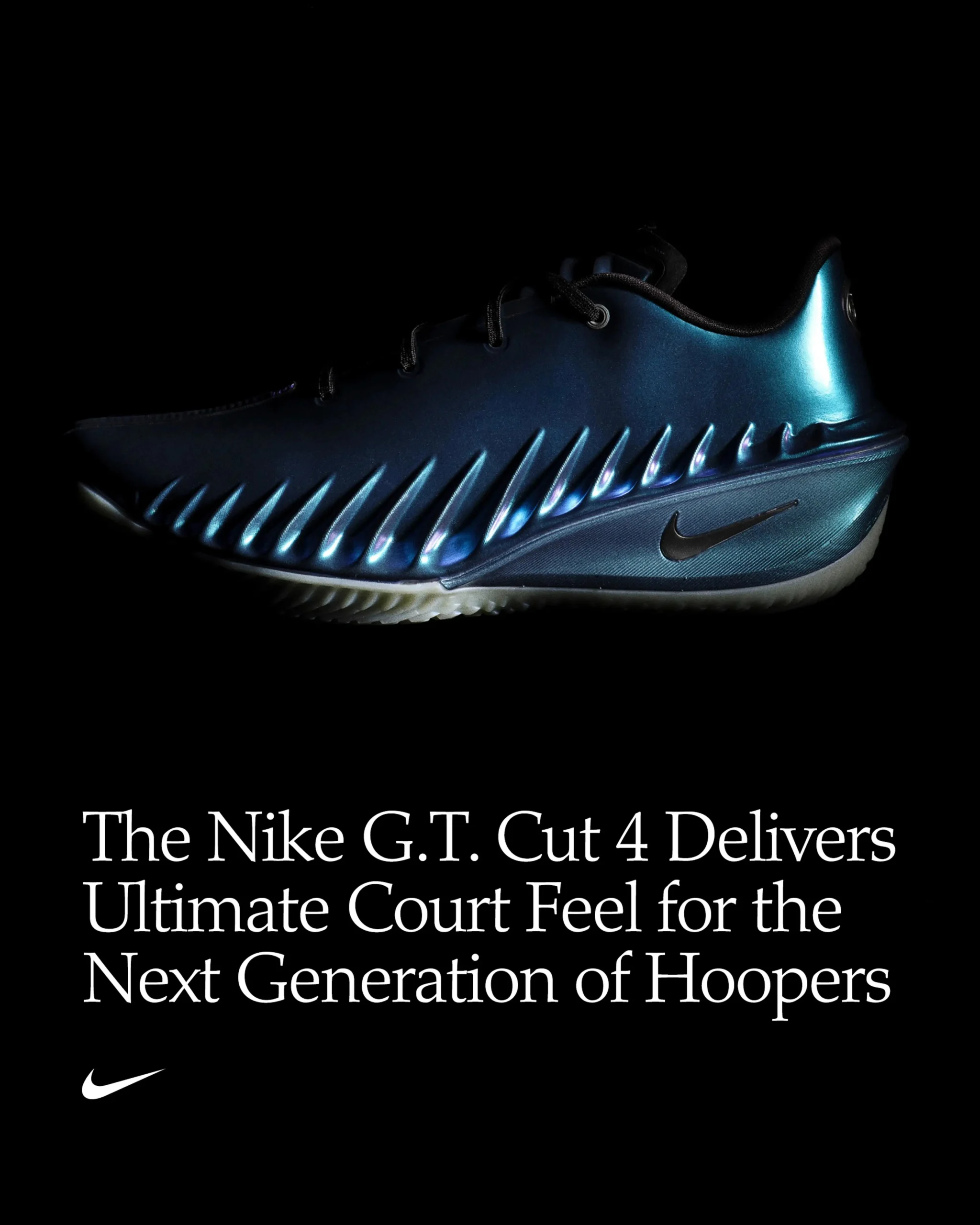
The forthcoming Nike Zoom GT Cut 4 “Rob Dillingham” edition—arriving May 4, 2026, at $200 (style code IR1829-001)—extends beyond the category of player exclusives. It reads as intent. In a league where signature validation is typically deferred until stardom is undeniable, a PE at this stage signals something more speculative, more forward-looking. Nike is not responding to arrival; it is underwriting trajectory.
engine
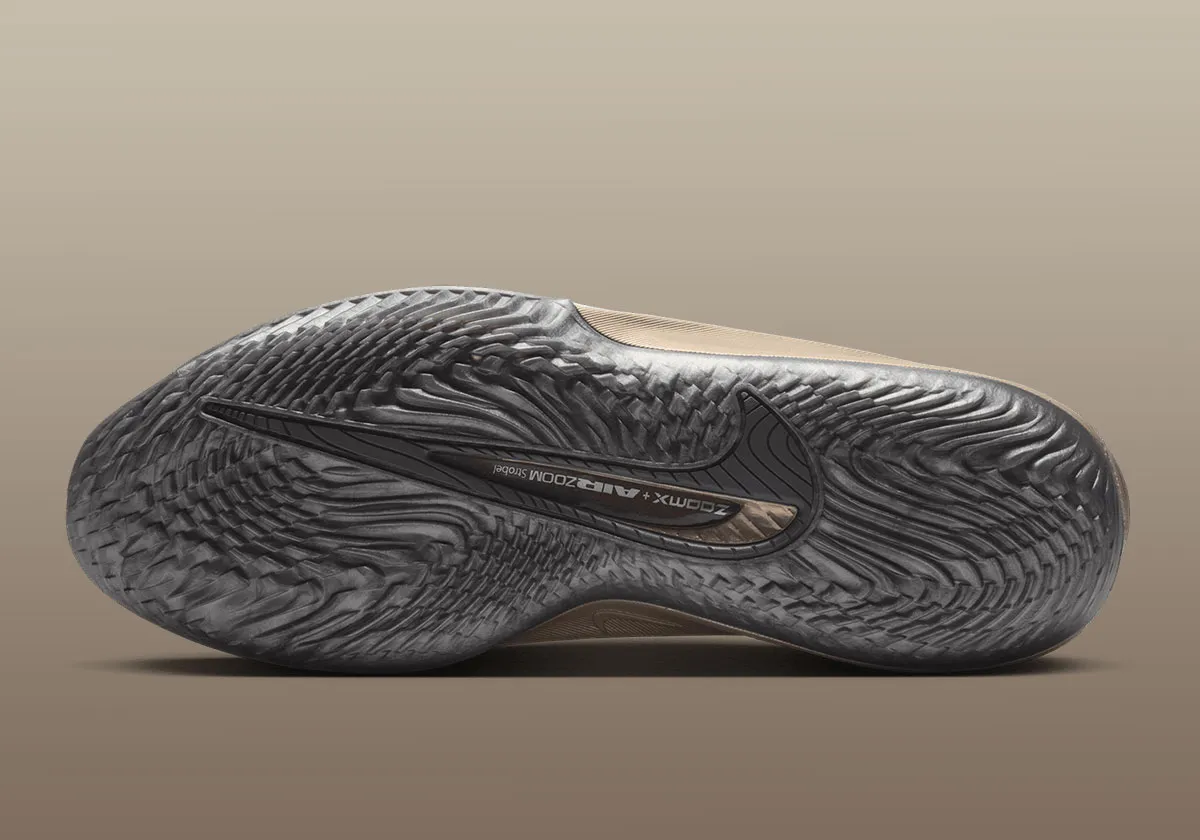
The shoe itself continues the technical lineage of the Greater-Than series—performance architecture built for the modern guard economy. At its foundation, a layered cushioning system: ZoomX 3.0 foam paired with a parabolic Zoom Strobel and RBR-X foam stabilizer. The sensation is calibrated—compressive yet responsive, soft without loss of control. Not simply comfort, but tuned feedback. A system designed to translate micro-movements into immediate reaction.
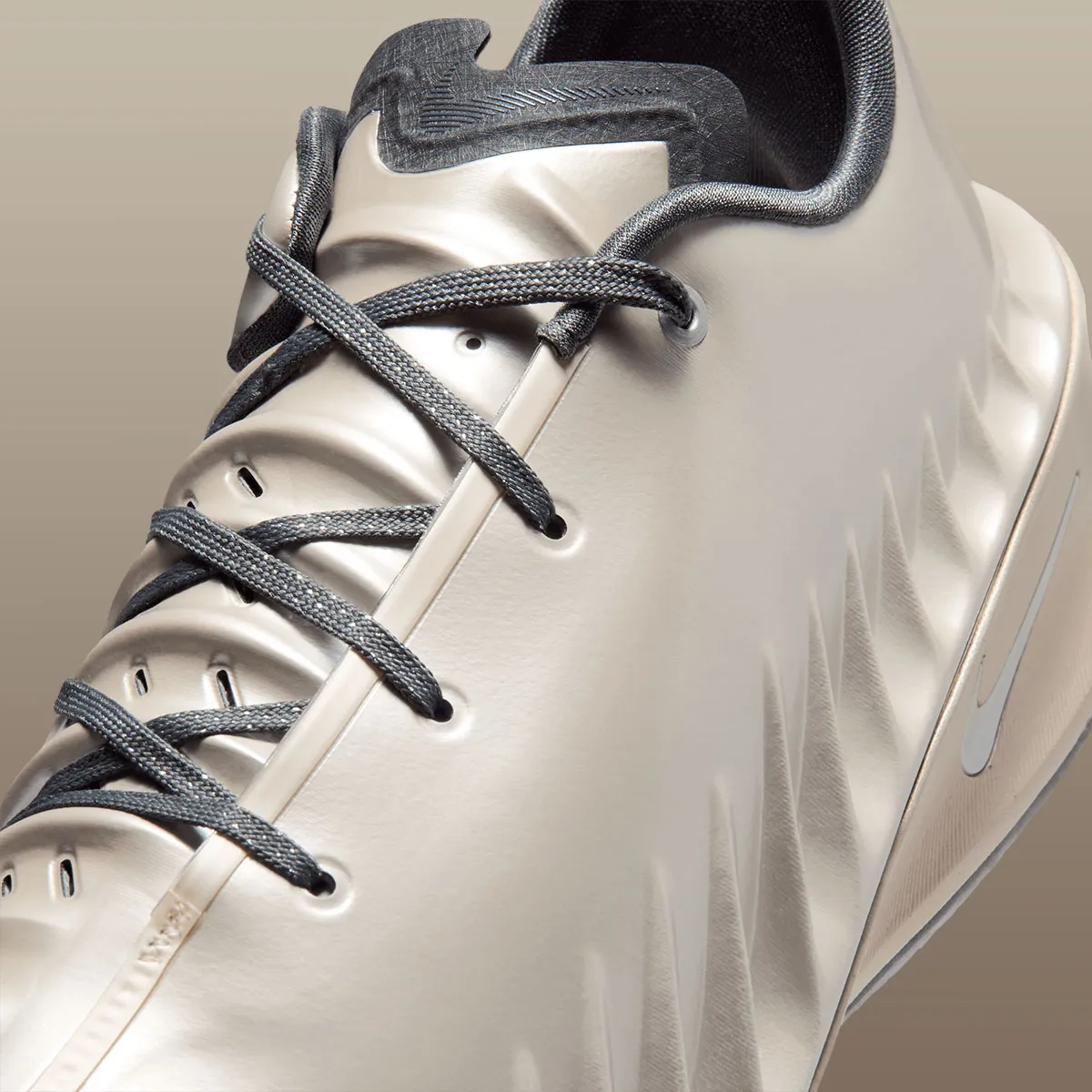
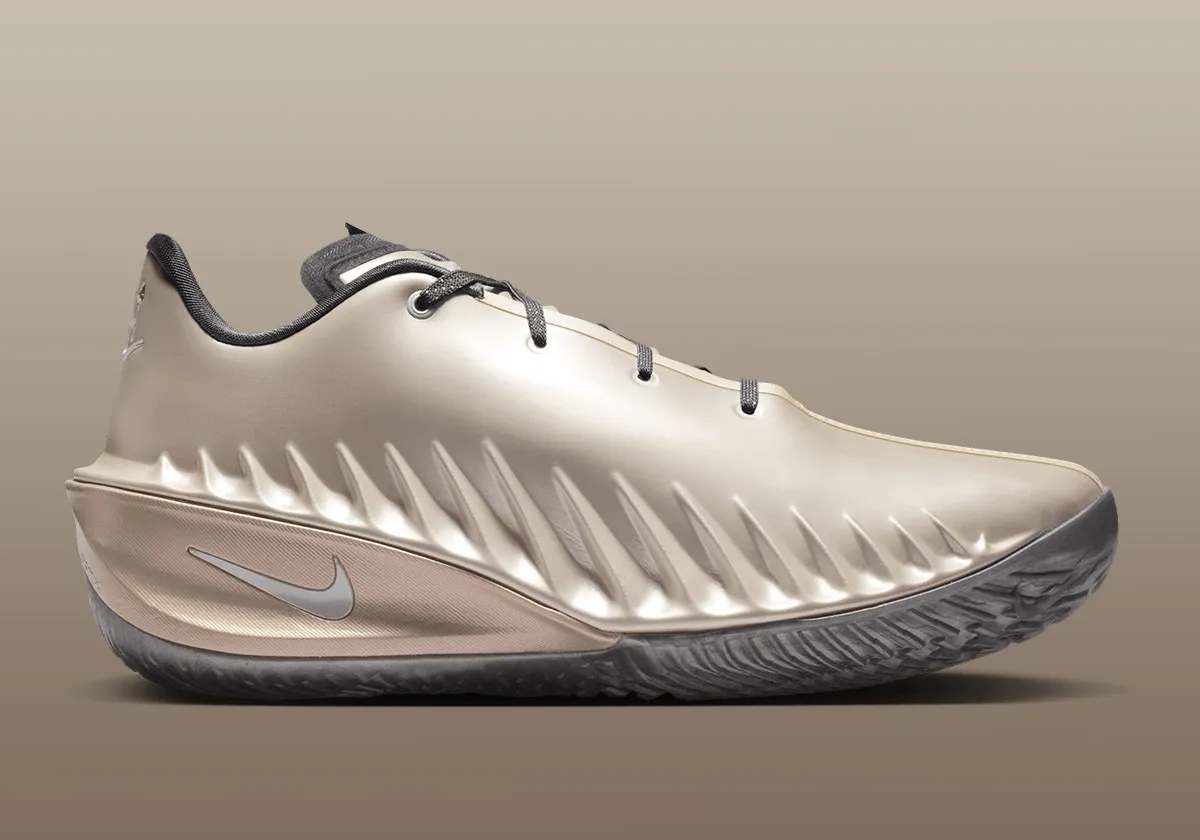
Up top, the construction sharpens. An exoskeleton-casted upper, anchored by a 3D-molded collar and sculpted tongue, creates a containment system that feels less worn than integrated. The fit sits low, precise, almost anatomical—aligned with players who rely on pace variance and directional ambiguity. Beneath it, a generative traction pattern maps movement rather than prescribing it, gripping through abrupt deceleration and lateral fragmentation.
xp
But the “Rob With Da Shifts” edition carries its distinction view. Rendered in metallic silver and gold, the shoe moves with a reflective density—closer to ornament than equipment at first glance. It captures light, redirects it, asserts presence. Yet the finish is not ornamental alone; it’s reinforced, treated for durability under game conditions. Performance isn’t compromised—it’s reframed.
sig
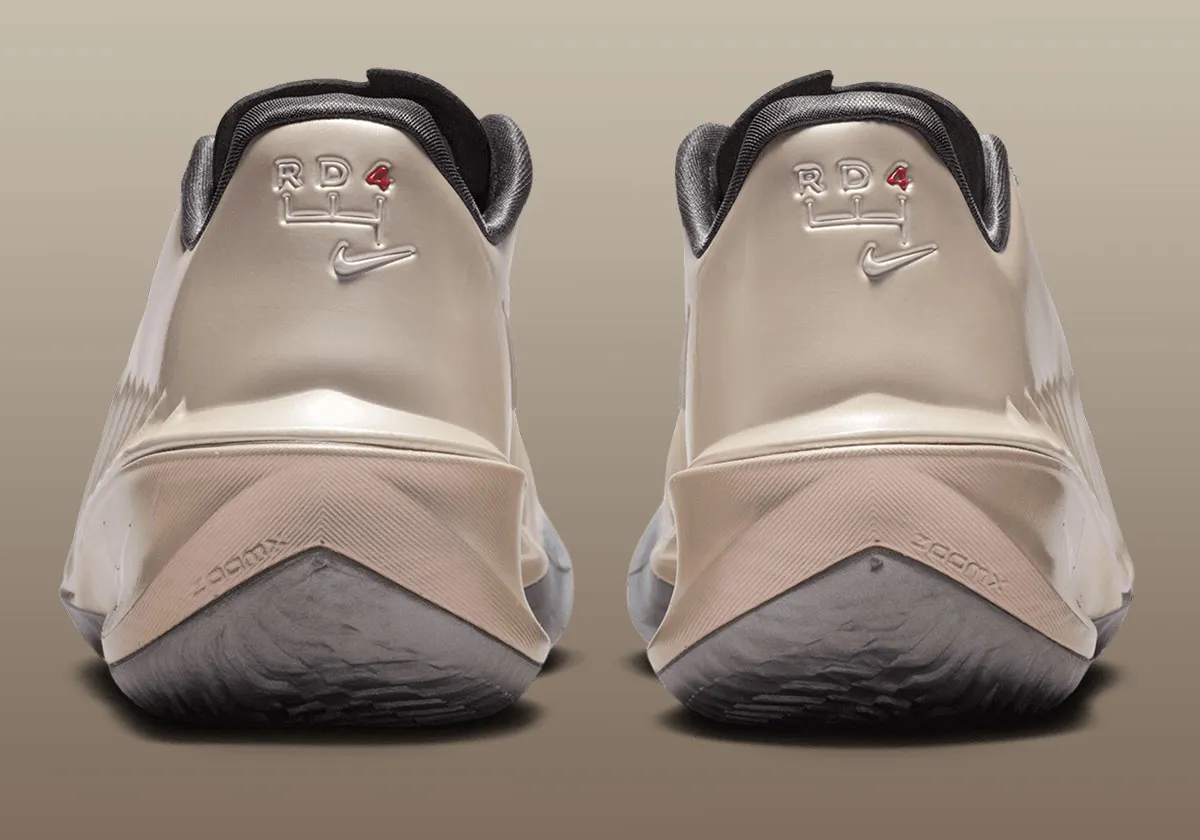
At the heel, the defining gesture: the custom “Rob With Da Shifts” gear emblem. Minimal in scale, maximal in specificity. A reference to RD4, to his handle cadence, to the way he modulates speed rather than simply accelerating through it. It avoids excess, opting instead for intimacy—branding that reads personal rather than imposed.
flow
The GT Cut 4, in this context, becomes less product and more extension. It mirrors the player it’s built around—reactive, fluid, operating within the margins where most players reset. It’s designed for those who create advantage not in straight lines, but in hesitation.
And in Chicago, within a system that prioritizes time over immediacy, Dillingham has space to refine that identity. There is no urgency to finalize him—only to expand him. The conditions are imperfect, but intentional.
close
May 4 is, on paper, a release date. In practice, it functions as a marker. For the audience, it offers early access to a narrative still forming. For Dillingham, it registers as recognition—subtle, but significant. And for Nike, it reinforces a longer-standing strategy: invest before consensus forms, shape perception before it solidifies.
In a league preoccupied with legacy, the GT Cut 4 “Rob With Da Shifts” operates in the opposite direction. It concerns itself with emergence—with the unfinished, the unresolved.
Because the future, more often than not, doesn’t arrive fully formed. It builds in motion—one crossover, one cut, one shift at a time.
Related Articles
Tom Sachs Put Black And Team Royal On The General Purpose Last Again
NikeCraft GPS. FZ1363-002. Black field. White Swoosh. Royal pull tabs. Gum sidewall. European calendars point […]