DRIFT AUDIO
Listen to this story
Choose a voice, then press play.
Inside “Style in Progress,” the Seoul studio’s SS27 presentation, and the “Altered States” capsule that reimagines racing armor as everyday fashion
In This Story
- A Presentation Built Around Process
- Who Is Protocol Index
- Style in Progress: Fashion as an Unfinished Sentence
- Altered States: Reworking Alpinestars RSRV’s Language of Protection
- Inside Alpinestars RSRV
- Backstage as Stage: The Exhibition Design
- What Comes Next
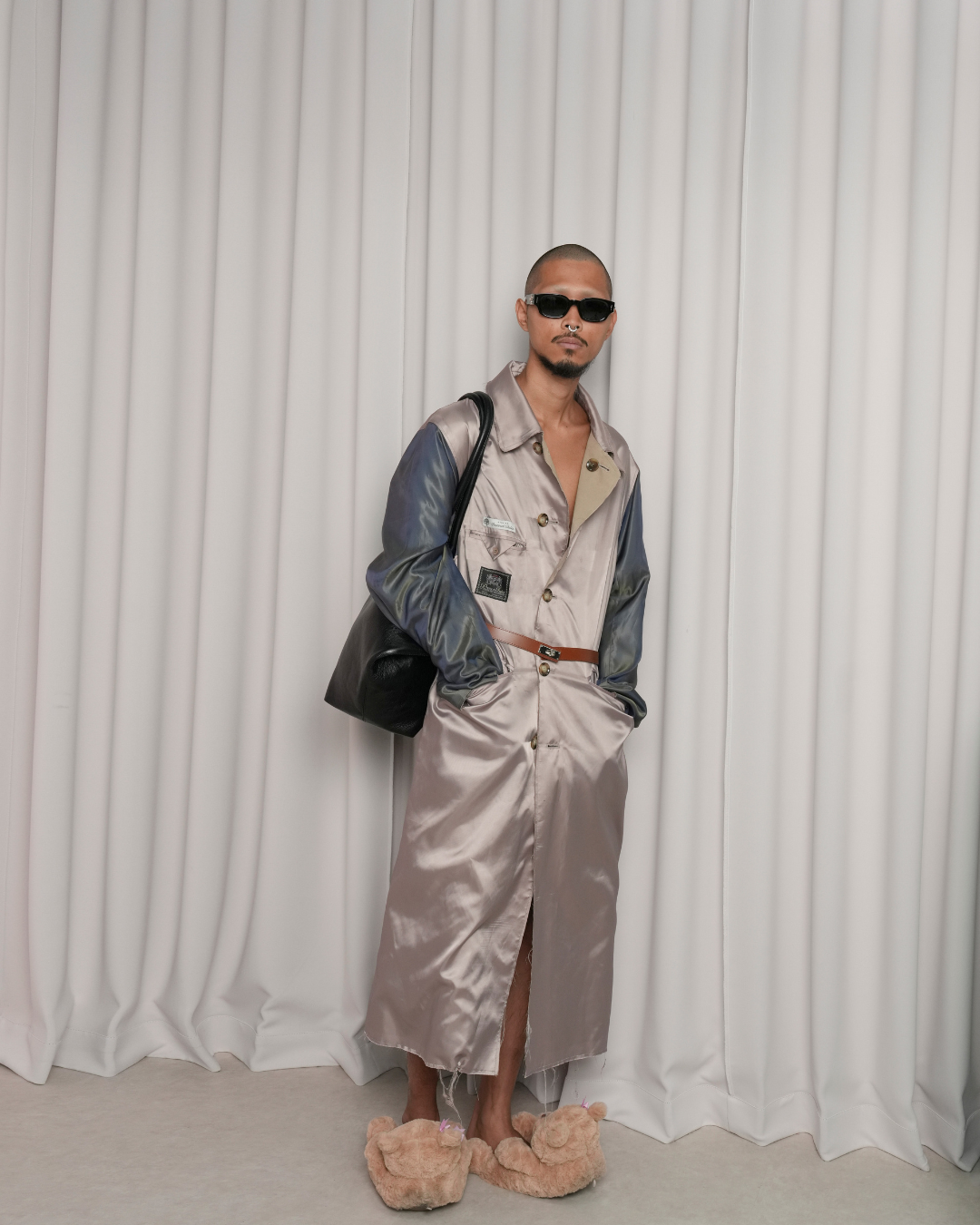
On June 24th, in the middle of Paris Fashion Week Men’s SS27, Protocol Index took its newest collection to “Style in Progress” — not as a conventional runway show, but as something closer to an open working document. The Seoul-based studio used the presentation to make its point for the season unmistakably clear: fashion, as the brand sees it, isn’t a finished outcome handed down from a designer’s sketchbook. It’s an evolutionary process that keeps moving after the clothes leave the studio.
That idea ran through everything on display, but it found its sharpest expression in a specific project unveiled alongside the main collection: Altered States, a capsule and pair of one-off looks developed in collaboration with Alpinestars RSRV, the fashion-facing offshoot of the six-decade-old Italian motorsport safety brand. Together, the two labels asked a fairly direct question — what happens when you take a system engineered purely to protect the body and ask it to dress the body instead — and answered it with pieces built from the same materials and construction logic Alpinestars has spent sixty years refining for the racetrack.
It’s a pairing that makes sense on paper and looked even more coherent in the room. Protocol Index has built its short but attention-grabbing run around taking familiar garments apart and rebuilding them into something structurally new; Alpinestars RSRV has spent the past several seasons doing something similar with race suits, leather jackets, and protective gear pulled from its own archive. Putting the two studios’ methods in the same space turned “Style in Progress” into less of a single-brand showcase and more of a conversation between two design philosophies that happen to arrive at the same conclusion from opposite starting points — one from streetwear looking outward toward performance, the other from performance gear looking inward toward fashion.
The timing also matters. Paris Fashion Week Men’s SS27 closed out a six-day run of shows from major houses including Saint Laurent, Rick Owens, Louis Vuitton, and Dior, with Jonathan Anderson continuing to build out his new direction for Dior Homme. Against that backdrop, a presentation from a two-year-old Seoul studio built around backstage aesthetics and a collaboration with a motorsport brand’s fashion offshoot was always going to read as something of an outlier — and that seems to have been precisely the point. Protocol Index didn’t try to compete with the scale of the week’s marquee runway shows; instead it used “Style in Progress” to stake out a smaller, more conceptually dense space alongside them.
View this post on Instagram
who
Protocol Index is a Seoul-based multidisciplinary design studio founded by creative director Augustine Hyeongseok Oh and co-founder Jude Lee, operating across fashion, spatial design, and view direction. The label grew out of an earlier project the pair ran together called PROJECT G/R, which began less as a commercial venture and more as an open-ended design experiment — a space to test new proportions, structures, and visual languages without the pressure of a retail calendar attached.
That research-first instinct carried over when the studio rebranded as Protocol Index in 2025. The label has become known for an experimental approach built on deconstruction, expanded proportions, and visible paneling, taking familiar garments — hoodies, track jackets, thermals, sweatpants — and rebuilding them until each piece reads as its own silhouette rather than a variation on something already in the market. Its most widely discussed signature is a multi-layered pants construction with stacked waistbands, designed to create the illusion of several garments merged into one; according to the brand, the idea originated from something as ordinary as watching a friend wear two pairs of pants at once, later developed into one of the label’s most recognizable design languages.
Oh and Lee have been explicit about where they want the studio to land long-term. Rather than chasing seasonal trend cycles, the pair has talked about building something with the kind of durable cultural relevance associated with houses like Comme des Garçons or Yohji Yamamoto — brands that outlast any single collection because they’re organized around an idea rather than a look. Protocol Index has moved quickly toward that ambition for a label still in its first couple of years: the studio now stocks at retailers spanning Seoul, Tokyo, Vancouver, New York, and Milan, and has taken on collaborations across fashion, art, and celebrity styling alongside its own seasonal drops.
That growth trajectory is notable given how young the label technically is. Protocol Index only adopted its current name and identity in 2025, meaning the studio built out an international stockist network, a recognizable design signature, and a Paris Fashion Week presentation with a heritage motorsport brand within its first year of operating under that name. Much of that momentum appears to trace back to the design language established during the PROJECT G/R years, which gave Oh and Lee a body of work — and a recognizable visual signature in the stacked-waistband trousers — to build on rather than starting entirely from scratch when the studio rebranded.
style
The SS27 collection’s reference point is specific: the late 2000s, the years when platforms like Tumblr and personal style blogs cracked open fashion’s gatekeeping and let street style become a genuine creative force in its own right. It was a moment, as Protocol Index frames it, when personal style stopped being a straightforward reflection of what appeared on the runway and became something people constructed for themselves out of whatever was available — thrifted pieces, borrowed silhouettes, deliberate mismatches.
That’s the sensibility “Style in Progress” tries to reclaim: the idea that personal interpretation carries more weight than technical perfection. Rather than presenting a collection of finished, static looks, Protocol Index built the SS27 range to invite alteration, treating the wearer’s own choices — how a piece gets layered, cinched, cut, or reworked over time — as part of the design rather than a deviation from it. The clothing is positioned as a starting point rather than a conclusion, with meaning generated by use rather than fixed at the moment of production.
It’s a framing that also explains why Altered States fit so naturally alongside the main collection rather than reading as a bolted-on collaboration. If the core SS27 range treats garments as objects that keep changing after they leave the studio, a project built around repurposing protective racing equipment into everyday fashion follows the same logic almost exactly — taking something designed for one specific, fixed purpose and asking what else it can become in someone else’s hands.
alter
Altered States starts from a technical premise: Alpinestars RSRV’s materials and structures were never designed with fashion in mind. They were engineered to absorb impact, manage heat, and keep a rider’s body intact at speed. Protocol Index’s collaboration takes those same technical materials and protective structures and displaces them from that original context entirely, asking what they communicate once the function that justified their existence is no longer the point.
The result, according to the presentation, is two one-off looks alongside a limited-edition capsule — a smaller output than a full collection, but a deliberate one. Rather than diluting Alpinestars RSRV’s technical construction across a wide range of pieces, the collaboration concentrates its ideas into a tight, focused output: garments where the protective structure is still legible even after it’s been reassigned to a purely expressive role. The pieces sit at the intersection of functionality, protection, and transformation — the same three words that could describe both labels’ broader design philosophies independently, made literal in a single joint capsule.
It’s worth noting how unusual this kind of pairing still is within Alpinestars RSRV’s own collaboration history. The division has worked with major fashion houses and labels including Balenciaga, JUUN.J, Heliot Emil, and Supreme, typically applying its racing-derived materials and silhouettes to those partners’ existing design languages. Protocol Index represents a newer, smaller-scale, more conceptually driven collaborator — evidence that Alpinestars RSRV’s model has room for research-first studios operating well outside the scale of its bigger-name partners, not just established houses with global retail footprints.
There’s also a scale argument buried in the format itself. A two-piece one-off output paired with a limited capsule is a far smaller commitment than a full seasonal collaboration, which makes Altered States function almost like a proof of concept — a way for both studios to test whether their respective design languages translate into a shared product before committing to something larger. If the reception in Paris is any indication, that test appears to have gone well; the project drew enough attention during “Style in Progress” to become one of the standout elements of Protocol Index’s presentation rather than a footnote to the main SS27 collection.
in
Alpinestars itself has been building motorsport protective gear since 1963, an Italian manufacturer whose equipment has outfitted riders across MotoGP, motocross, and mountain biking for over sixty years. RSRV, launched as the brand’s fashion-facing division, takes that same 60-year archive of materials, construction methods, and craftspeople and runs the process in reverse — starting from a form-first design approach rather than a purely functional one, while still relying on the same production capabilities that define Alpinestars’ protective equipment.
Some RSRV pieces go a step further, built from materials salvaged directly from race suits that have been damaged in actual competition. When an Alpinestars-sponsored rider crashes, the suit is recovered by the brand’s Racing Services team and returned to its research and development facility in Asolo, Italy, for assessment; suits too damaged for repair are sometimes archived and later repurposed into RSRV garments, carrying the discoloration and wear patterns of the crash itself into the finished piece. It’s a detail that gives even RSRV’s most fashion-forward output a direct, literal connection back to the racetrack — exactly the kind of tension between heritage and reinvention that made the label a natural fit for a studio like Protocol Index, whose entire practice is built on reworking existing material into something new.
RSRV has spent the past several seasons building a collaboration roster to match that ambition, pairing with Balenciaga across multiple seasons, JUUN.J, Heliot Emil, Supreme, and Cactus Plant Flea Market, along with brand moments tied to Formula 1 and MotoGP weekends around the world. The division has also become a fixture of Paris Fashion Week specifically, having thrown its own PFW events in past seasons and dressed artists including Destroy Lonely, Future, and Ken Carson — positioning RSRV as much within streetwear and music culture as within motorsport.
show
The presentation’s set design mirrored its central idea. Rather than staging a conventional runway or a fully resolved showroom, Protocol Index built the space around backstage imagery — draping, carpeting, exposed clothing racks, shoes still in transit, and models’ name tags left visible rather than tucked out of frame. It’s the machinery that normally stays hidden until a show is fully assembled, pulled forward and presented as the main event instead.
That choice blurred the line between exhibition, showroom, and presentation, letting order and disorder occupy the same space without either one winning out. It’s a fitting way to close a presentation built around the idea that style never actually finishes — that even a finished garment on a finished rack is still, in some sense, in the middle of becoming something else, waiting for whoever wears it next to decide what it means.
fin
Following its Paris debut, the Altered States capsule is set to reach select retailers worldwide as part of Protocol Index’s broader Spring/Summer 2027 rollout, alongside the studio’s main SS27 collection. Given Protocol Index’s existing retail footprint — including stockists across Seoul, Tokyo, New York, Vancouver, and Milan — the collaboration is likely to reach a similar spread of specialty and streetwear-adjacent retailers, though specific stockists for the Alpinestars RSRV capsule had not been confirmed publicly as of this writing.
For a studio barely two years into its current form, landing a joint capsule with an established motorsport-fashion crossover brand at Paris Fashion Week is a significant marker — both for Protocol Index’s own trajectory and for what it signals about where Alpinestars RSRV is willing to take its collision strategy next.
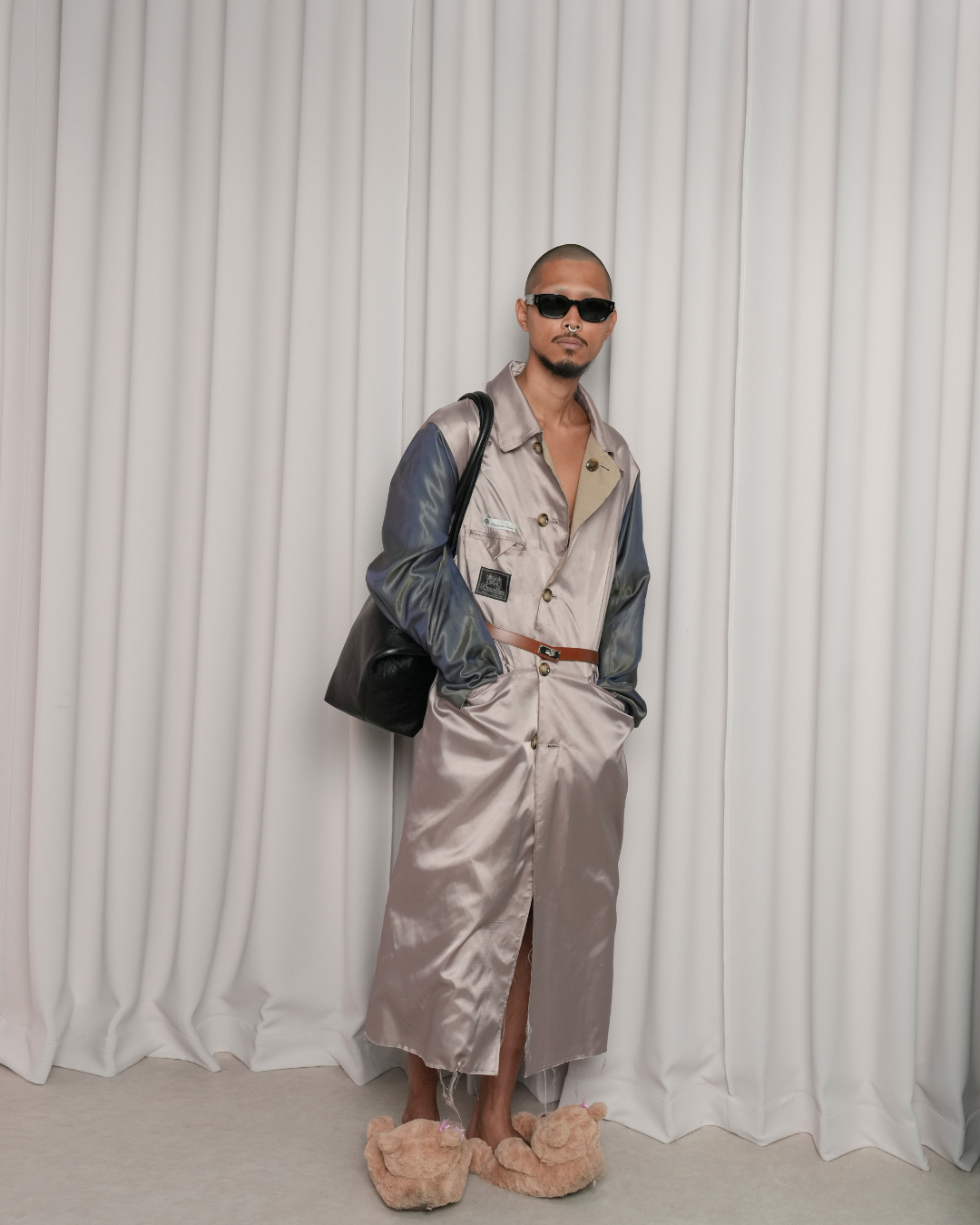
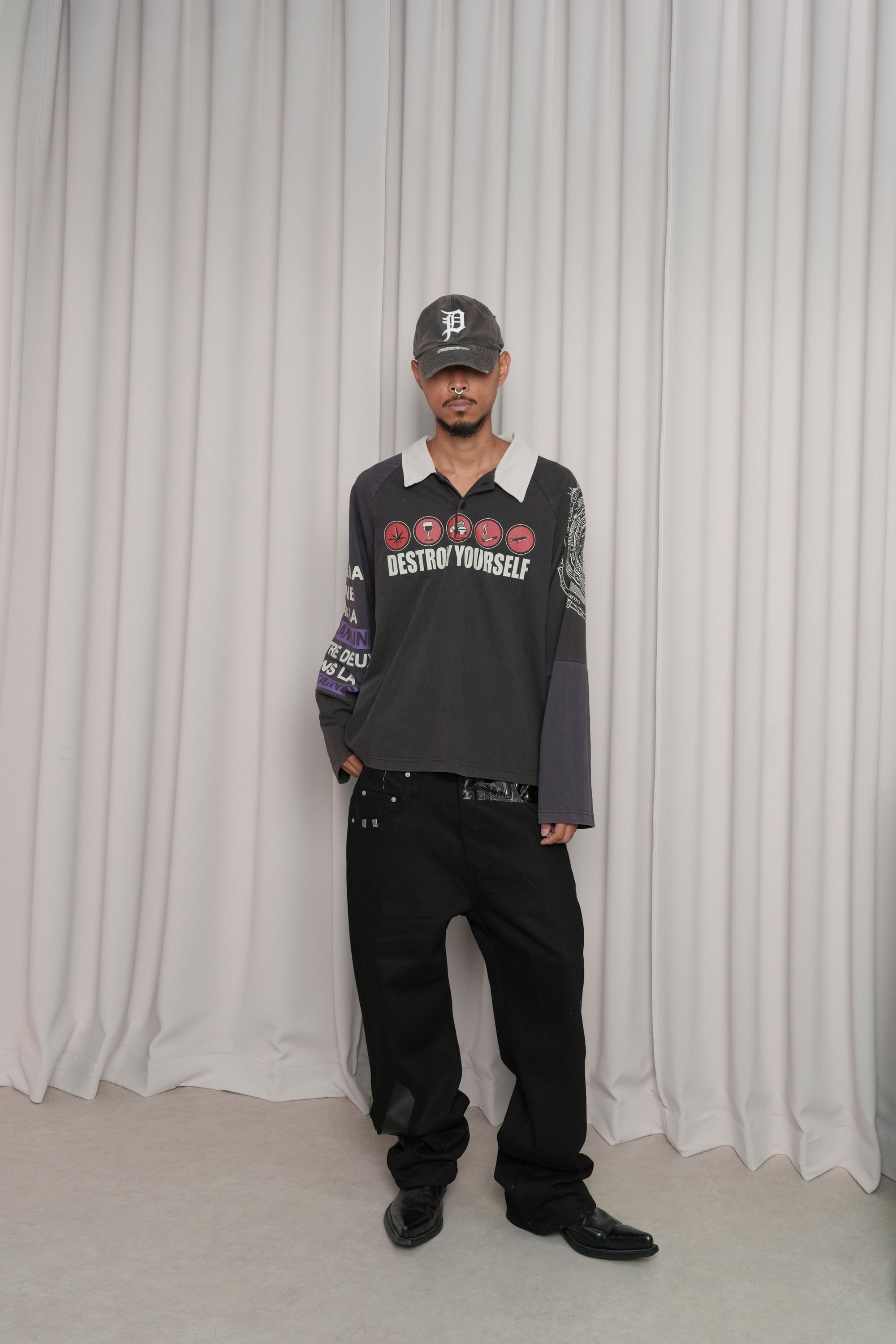
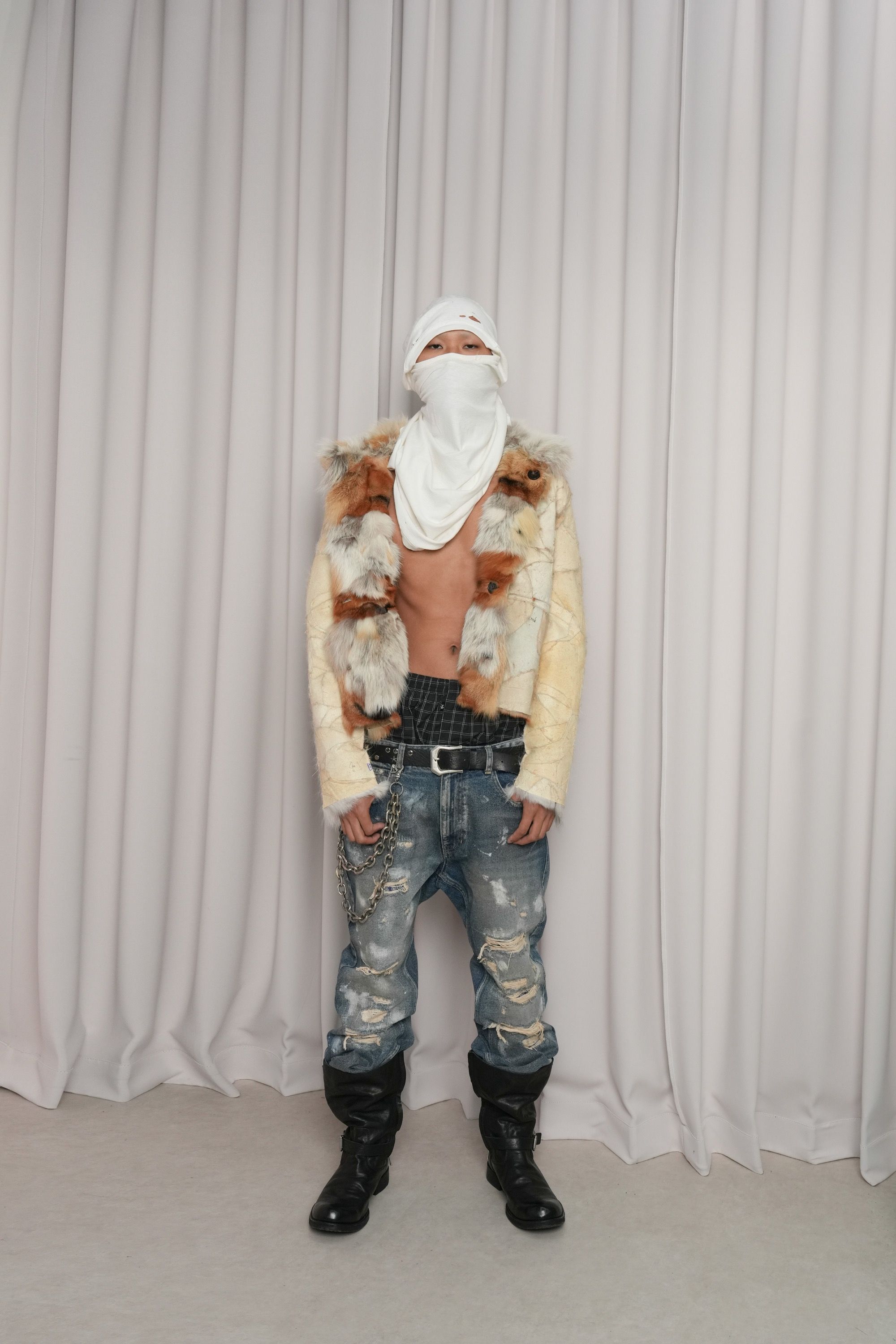
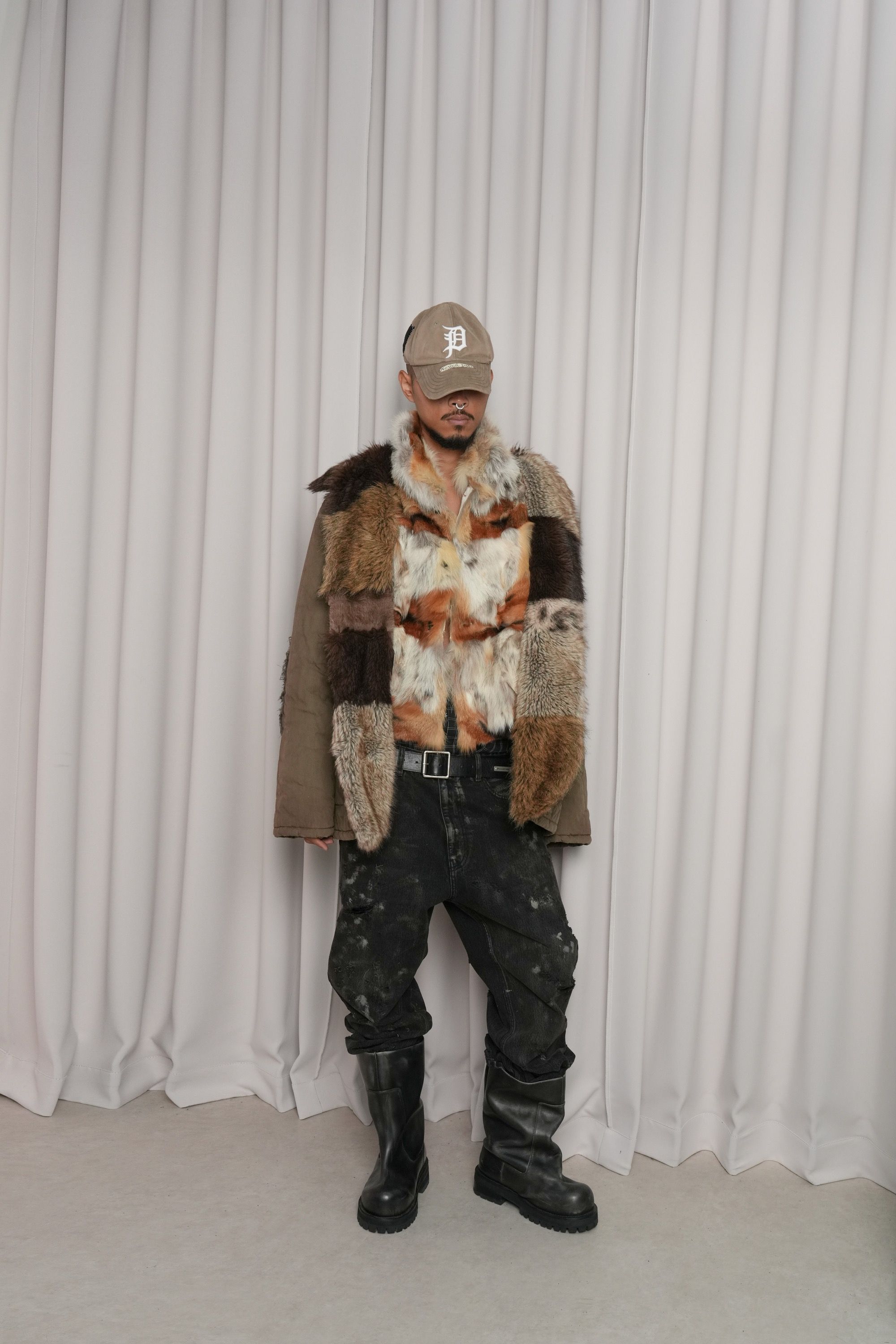
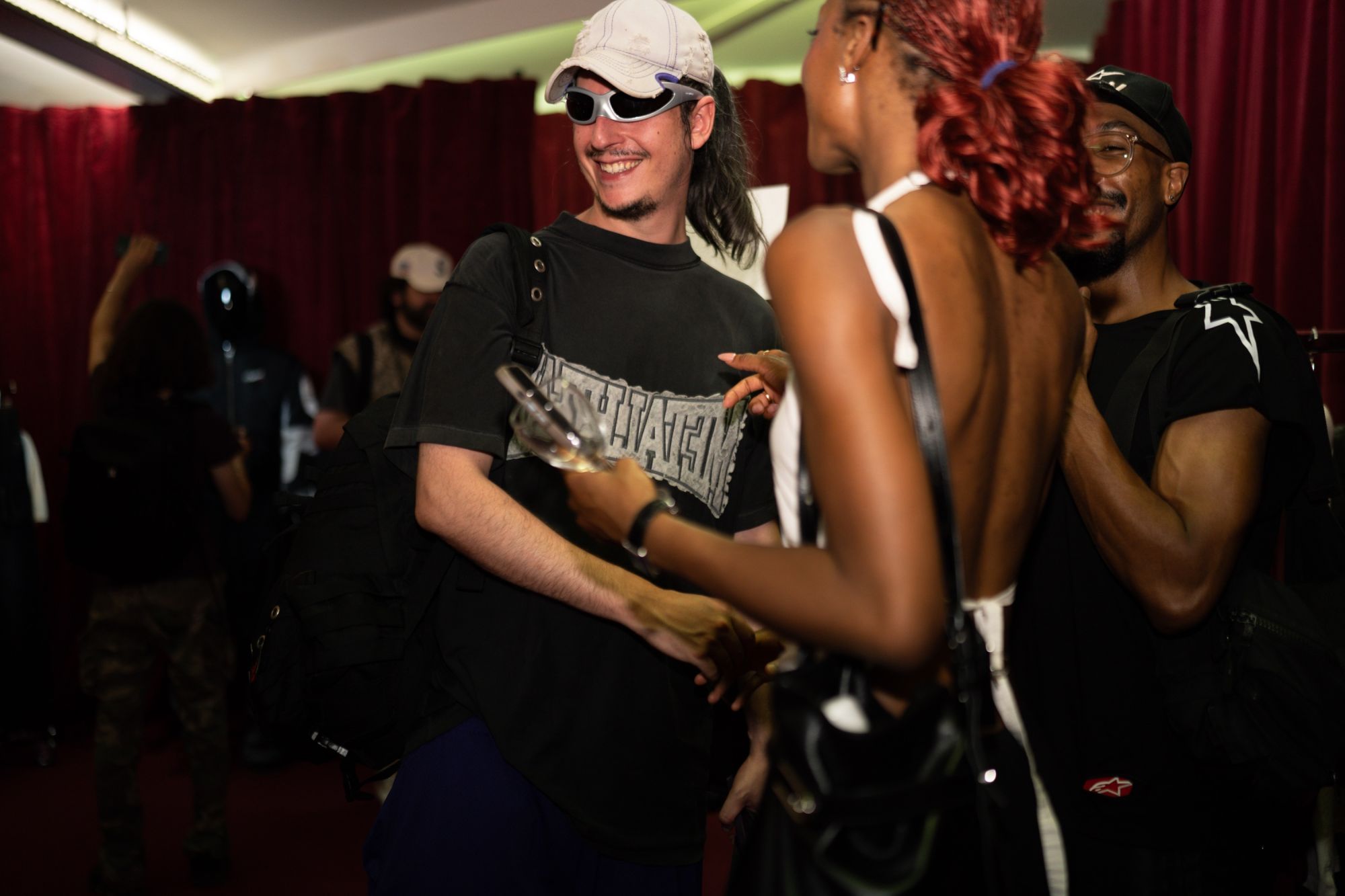
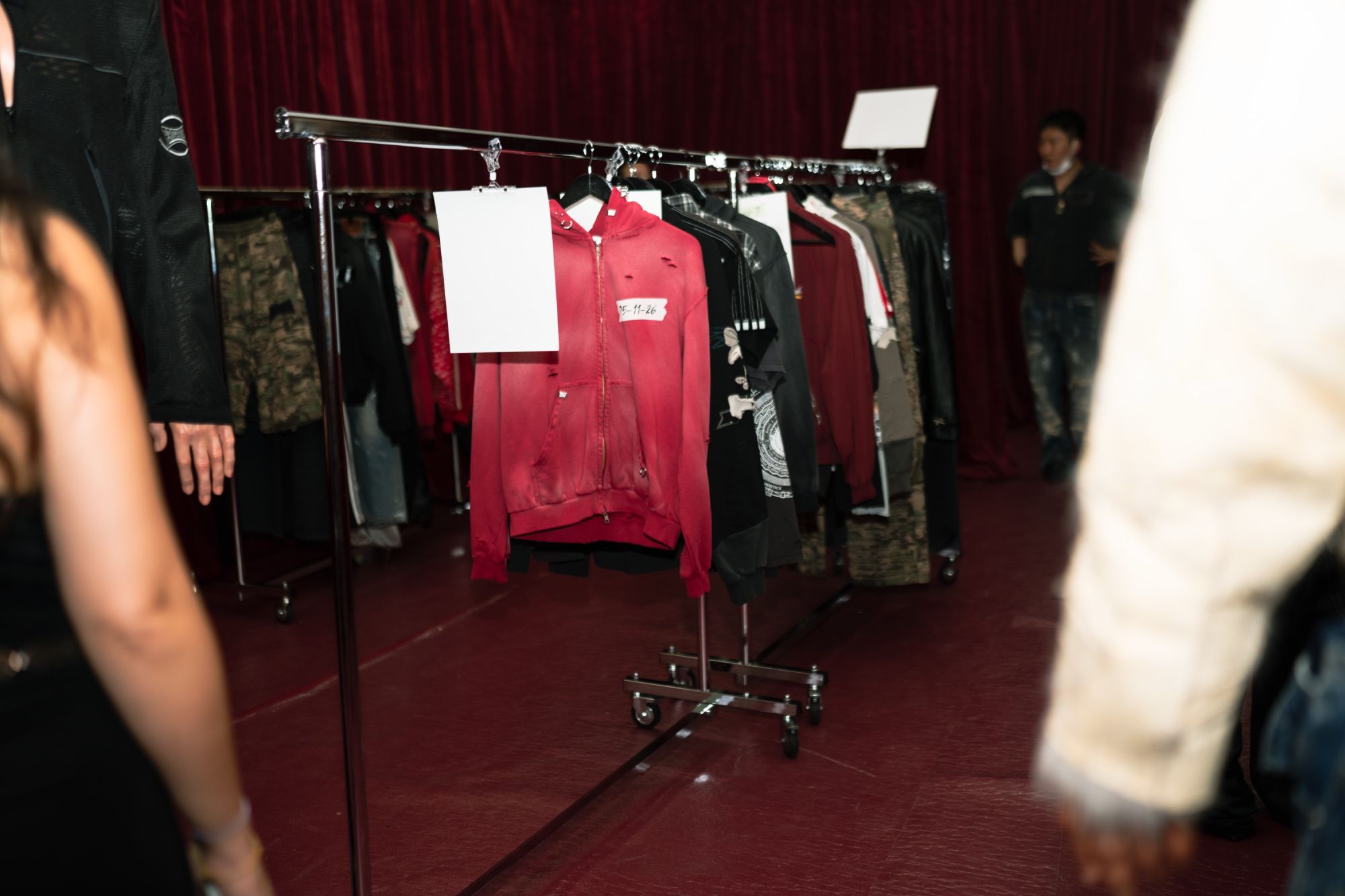
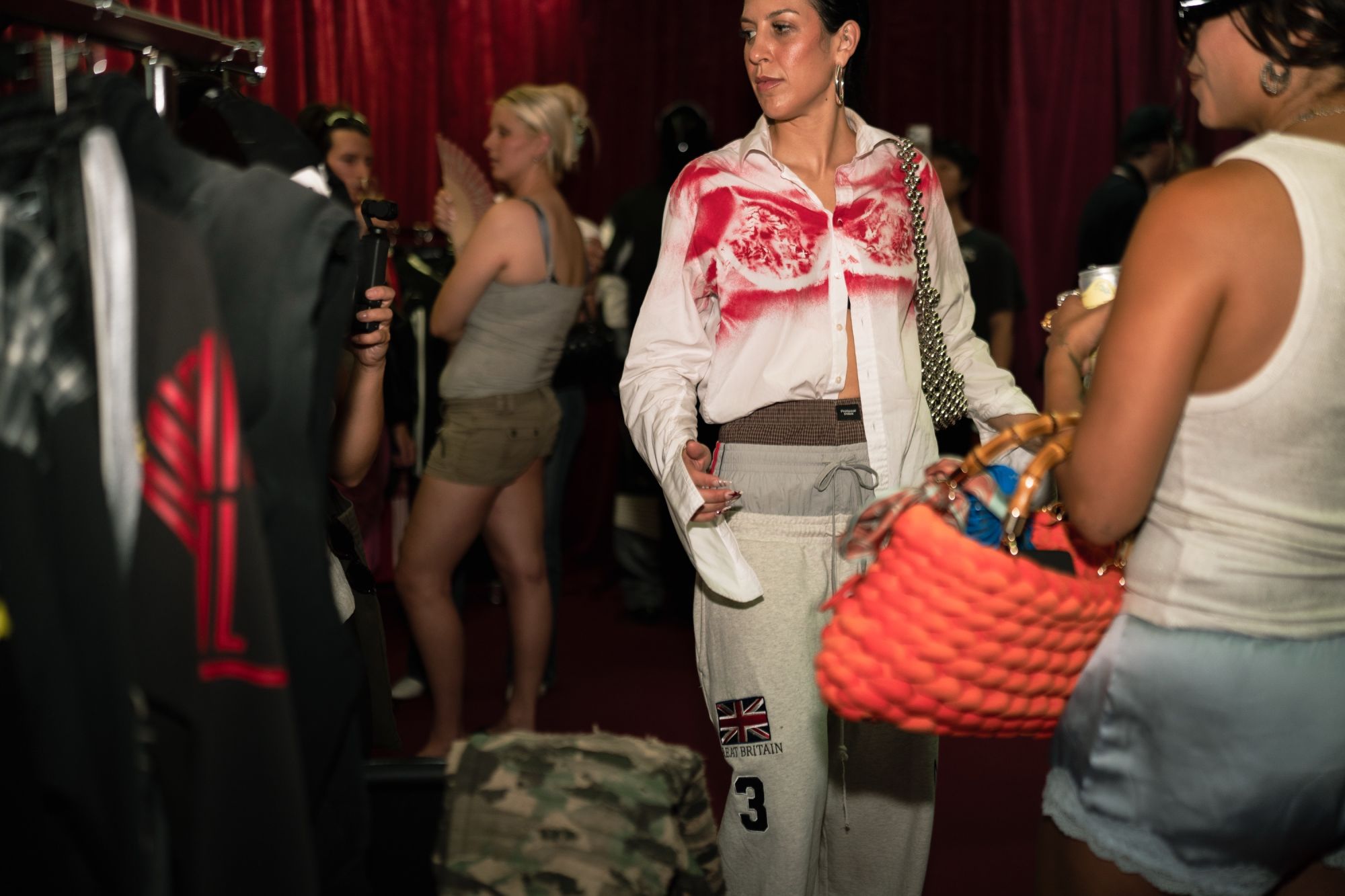
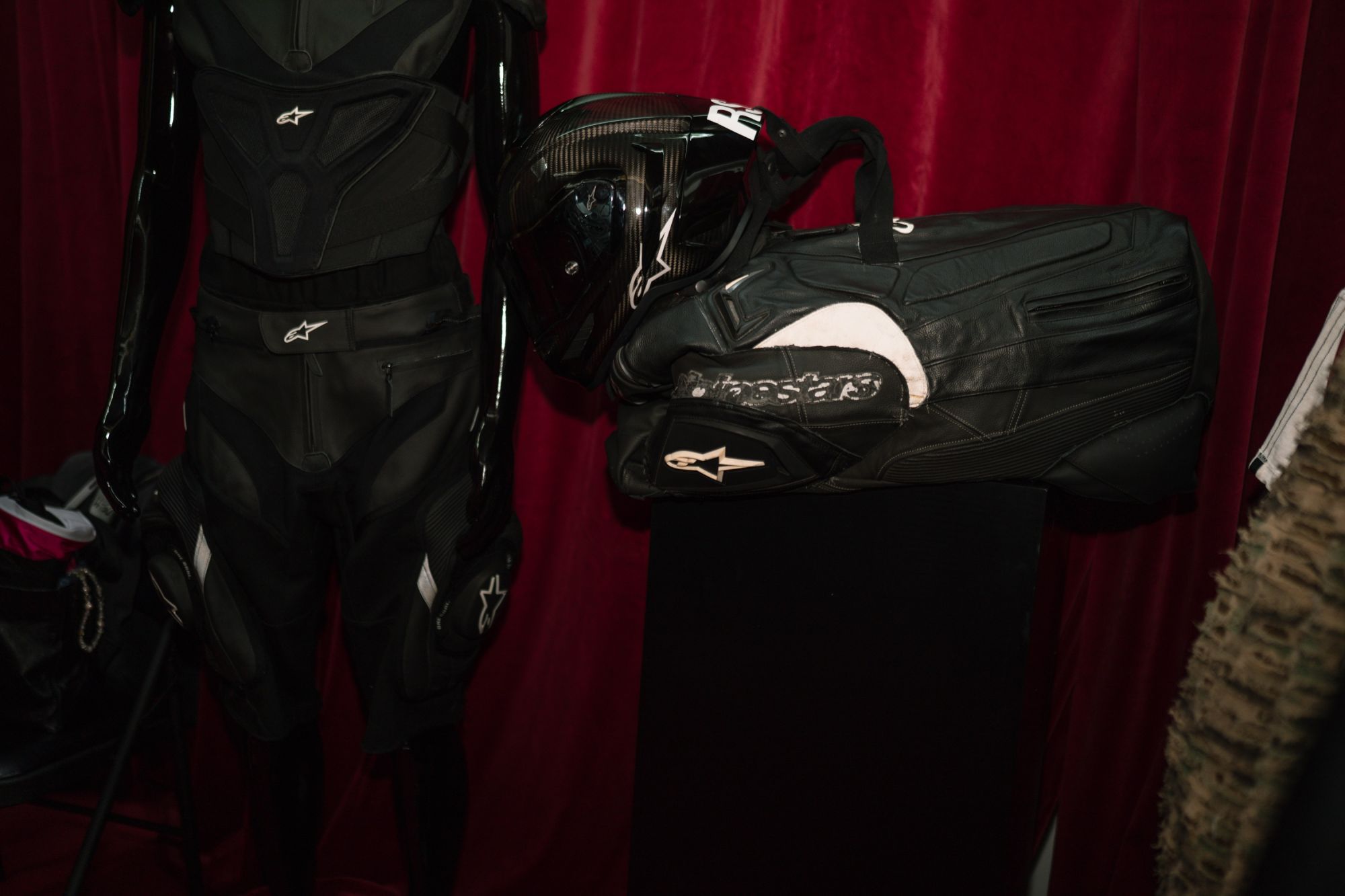
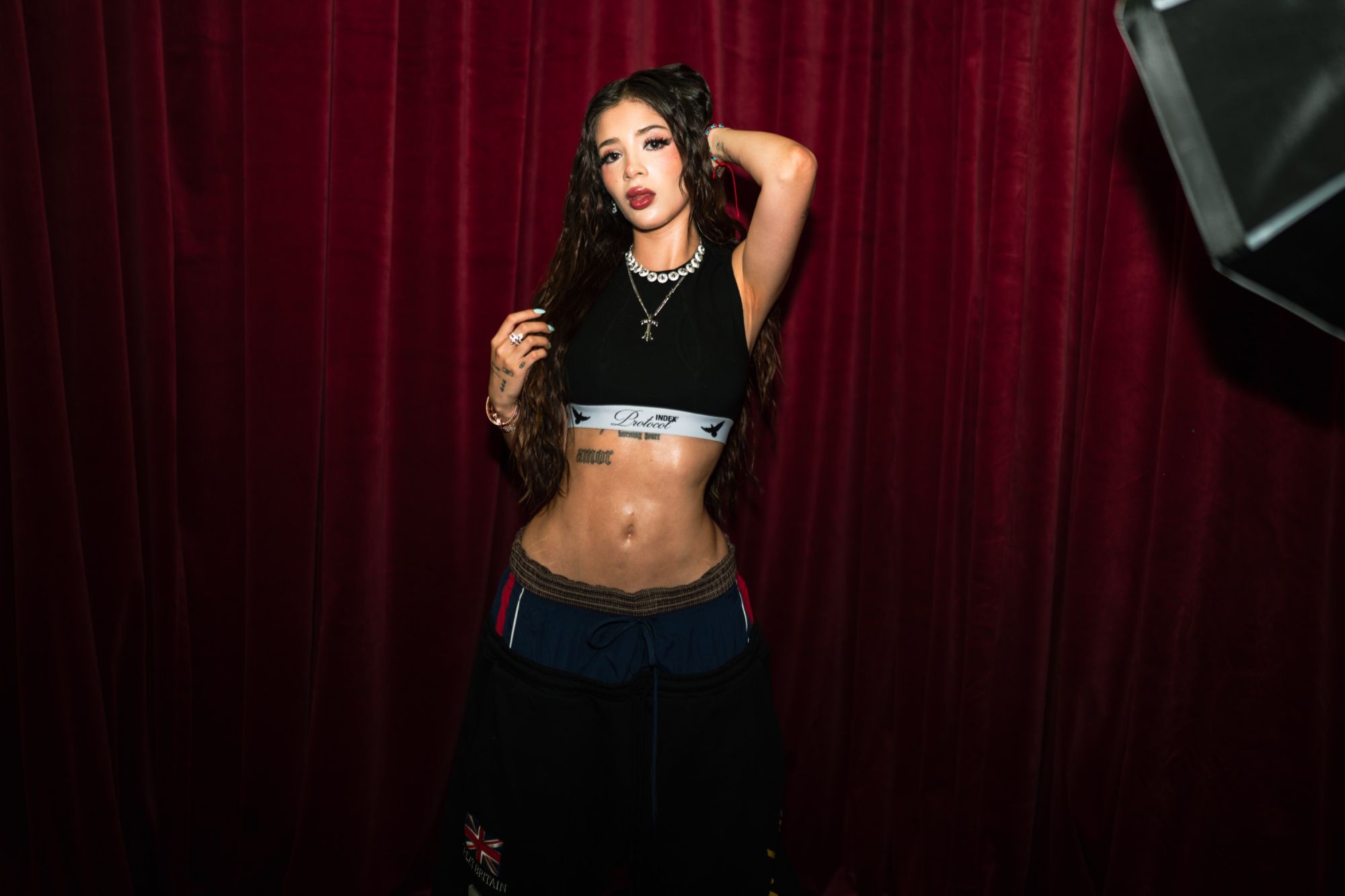
Image credit: nss magazine
#dzSlider1.dz-slider-wrap {
position: relative;
max-width: 900px;
margin: 2em auto;
overflow: hidden;
border-radius: 8px;
background: #111;
}
#dzSlider1 .dz-slider-track {
position: relative;
width: 100%;
aspect-ratio: 4 / 5;
}
#dzSlider1 .dz-slide {
position: absolute;
inset: 0;
opacity: 0;
transition: opacity 0.5s ease;
pointer-events: none;
}
#dzSlider1 .dz-slide.active {
opacity: 1;
pointer-events: auto;
}
#dzSlider1 .dz-slide img {
width: 100%;
height: 100%;
object-fit: cover;
display: block;
}
#dzSlider1 .dz-arrow {
position: absolute;
top: 50%;
transform: translateY(-50%);
background: rgba(0,0,0,0.5);
color: #fff;
border: none;
width: 40px;
height: 40px;
border-radius: 50%;
font-size: 16px;
cursor: pointer;
z-index: 2;
display: flex;
align-items: center;
justify-content: center;
}
#dzSlider1 .dz-arrow:hover { background: rgba(0,0,0,0.8); }
#dzSlider1 .dz-prev { left: 12px; }
#dzSlider1 .dz-next { right: 12px; }
#dzSlider1 .dz-dots {
position: absolute;
bottom: 14px;
left: 0;
right: 0;
display: flex;
justify-content: center;
gap: 8px;
z-index: 2;
}
#dzSlider1 .dz-dot {
width: 8px;
height: 8px;
border-radius: 50%;
background: rgba(255,255,255,0.4);
cursor: pointer;
border: none;
padding: 0;
}
#dzSlider1 .dz-dot.active { background: #fff; }
#dzSlider1 .dz-caption {
position: absolute;
bottom: 4px;
right: 12px;
margin: 0;
font-size: 11px;
color: rgba(255,255,255,0.6);
z-index: 2;
}
Read Drift’s related feature, Y-3 Fall/Winter 2025 Backstage Paris Week.
From the DRIFT archive: Saint Laurent Unveils New Visuals For Its Spring 2026 Collection
Related Articles
review: Paris Fashion Week Just Quietly Revived the Shoe Collaboration
After years of oversaturation and reseller-bot fatigue nearly killed the format, Celine x Reebok, Rick […]