Measles Returns: Why the US Faces Its Worst Outbreak in 33 Years

July 10, 2025
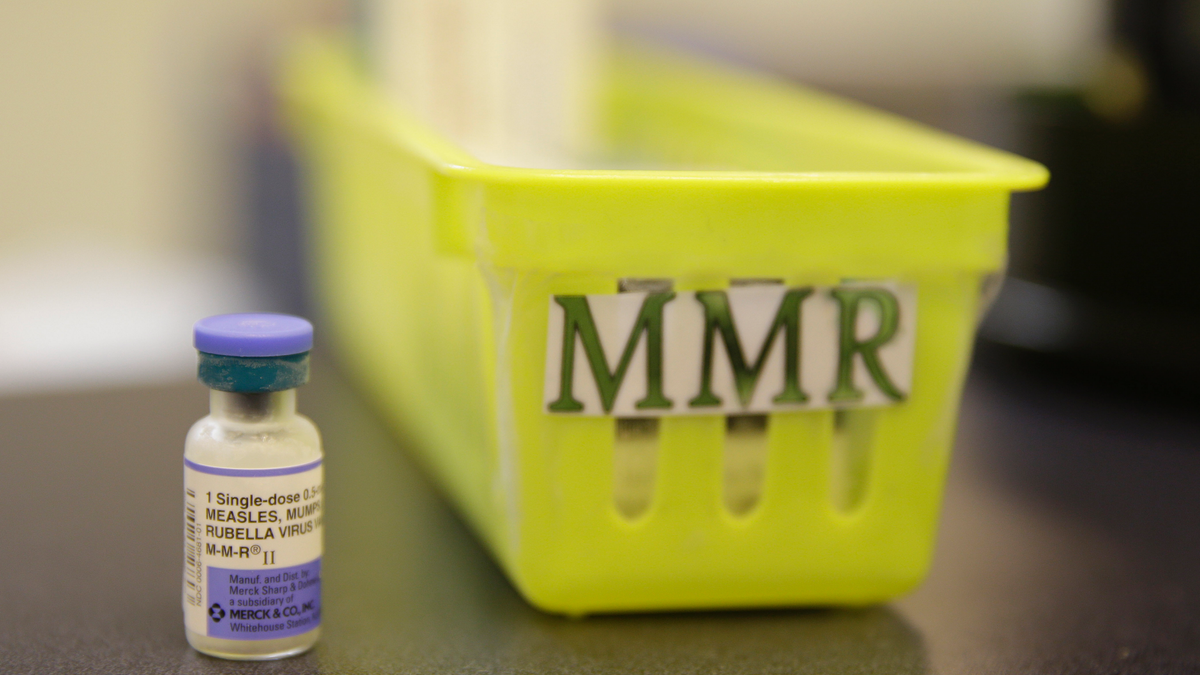
In 2000, the United States achieved what had once seemed impossible: the elimination of measles, a highly contagious and often deadly viral disease that had haunted humanity for centuries. This milestone was not just a public health victory; it was a testament to the power of modern science and coordinated vaccination campaigns.
However, in 2025, that achievement is being silhouette by a troubling resurgence. According to data from the Centers for Disease Control and Prevention (CDC), more than halfway through this year, the US has already reported 1,288 measles cases. This figure represents the highest yearly total since 1992 — a sobering reversal and a reminder of how fragile public health gains can be.
The outbreak has been particularly severe in Texas, where hundreds of cases have been reported and, heartbreakingly, the first measles-related deaths in the US in over a decade have occurred. These deaths highlight the very real human toll of vaccine hesitancy and public health complacency.
A preventable disease returns
Measles is not a new or mysterious threat. It is caused by a virus from the Paramyxoviridae family and is primarily spread through respiratory droplets when an infected person coughs or sneezes. Notoriously contagious, the virus can remain active in the air and on surfaces for up to two hours, allowing it to infect those who might not even come into direct contact with an infected person.
Symptoms begin with high fever, cough, runny nose, and conjunctivitis, followed by Koplik spots inside the mouth and a widespread red rash. While some still mistakenly view measles as a mild childhood illness, it can lead to severe complications, including pneumonia, encephalitis (brain swelling), permanent disabilities, and death.
Before the introduction of the measles vaccine in 1963, the disease infected an estimated 3 to 4 million Americans every year, hospitalizing tens of thousands and killing hundreds. Widespread vaccination dramatically reduced cases, culminating in the declaration of measles elimination in 2000 — a landmark moment indicating there was no continuous domestic transmission.
The roots of resurgence: Declining vaccination rates
Why is measles making a comeback now? The short answer: declining vaccination rates.
According to the 2025 CDC data, an alarming 92% of those infected were unvaccinated or had an unknown vaccination status. This figure lays bare a trend years in the making: a slow erosion of immunization rates across certain communities, often fueled by misinformation and mistrust.
Vaccine hesitancy is not new, but it has gained momentum over the past decade. The rise of social media has amplified anti-vaccine rhetoric, allowing conspiracy theories to spread unchecked. Persistent myths — such as the debunked claim that vaccines cause autism — continue to influence parents’ decisions, leading to delays or outright refusals to vaccinate children.
Moreover, the COVID-19 pandemic indirectly contributed to this decline. Lockdowns, overwhelmed health systems, and the public’s general fear of healthcare settings during the pandemic led to missed pediatric appointments and lapses in routine childhood vaccinations. Today, we are seeing the consequences of these missed vaccinations play out.
Texas: The epicenter of the 2025 outbreak
Texas has become the focal point of the current measles crisis. The state has reported hundreds of cases, with outbreaks often concentrated in communities where vaccination rates are significantly below the national average. These clusters frequently form around shared cultural, religious, or ideological beliefs that oppose vaccination, creating fertile ground for outbreaks to spread rapidly.
The Texas outbreak has also been responsible for the first measles-related deaths in the US in over a decade. In response, public health authorities have been racing to contain the spread through aggressive contact tracing, emergency vaccination drives, and targeted public education campaigns. However, these efforts have often faced resistance, demonstrating the complex challenges at the intersection of public health policy and personal freedom.
The national landscape: A patchwork of vulnerability
Outside of Texas, measles cases have been reported in 39 states so far this year, highlighting how quickly and widely the virus can spread when herd immunity is compromised.
While the national MMR (measles, mumps, and rubella) vaccination rate hovers around 90–93%, this statistic hides significant local disparities. Herd immunity against measles requires approximately 95% vaccination coverage to prevent sustained outbreaks. Even small pockets of lower vaccination can open the door to large-scale transmission.
States like California, New York, and Florida have also experienced smaller clusters of cases, often in schools or communities with higher rates of personal or religious exemptions. These outbreaks underscore the vulnerability created by uneven vaccination coverage.
The human toll: Beyond the numbers
While statistics can give us a sense of scale, they fail to capture the profound human cost of these outbreaks. Measles is not just a rash or a fever; it can lead to hospitalization, lifelong disabilities, and death. For every 1,000 children infected, one or two may die, and many more may suffer lasting complications such as hearing loss or cognitive impairments.
Parents who have watched their children endure severe measles cases often speak of terror and helplessness — the frantic rush to the hospital, the beeping monitors, the sleepless nights beside their child’s bed.
Healthcare workers, many of whom have dedicated their careers to eliminating vaccine-preventable diseases, describe feelings of deep frustration and sadness seeing illnesses they thought were consigned to history returning to pediatric wards.
Additionally, outbreaks place a massive strain on healthcare systems. Each suspected case demands strict isolation procedures to prevent further spread. Contact tracing, public information campaigns, and emergency vaccination efforts consume critical resources that could be used to address other pressing health needs.
Rebuilding trust: Public health communication in crisis
Controlling this outbreak and preventing future ones will take more than simply distributing vaccines; it will require rebuilding trust in public health institutions and science.
Effective communication is crucial but increasingly challenging in an era dominated by misinformation and ideological polarization. Successful strategies include working closely with community leaders and local influencers, developing culturally tailored messages, and addressing fears and misconceptions head-on rather than dismissing them outright.
Physicians and local healthcare providers remain the most trusted voices for many parents. Supporting these frontline professionals with clear information and resources is vital to restoring confidence in vaccination.
In Texas and other affected states, health departments have launched town halls, mobile vaccine units, and targeted school outreach programs. These efforts reflect a growing understanding that a one-size-fits-all communication strategy is inadequate; community engagement must be nuanced and empathetic.
Policy responses: Strengthening the safety net
The 2025 measles resurgence has reignited fierce debates around vaccine mandates and exemptions. Evidence shows that states with stricter vaccination requirements — particularly those that limit non-medical exemptions — consistently achieve higher immunization rates and experience fewer outbreaks.
In recent years, states such as California and New York have moved to tighten exemption laws in response to previous outbreaks. However, these policies often face strong pushback from groups citing personal freedom and parental rights.
Public health experts counter that the protection of community health sometimes necessitates difficult choices. Measles poses a severe threat to vulnerable individuals who cannot be vaccinated, such as infants under 12 months and people with compromised immune systems.
Several policy proposals are currently under discussion, including expanding vaccine education programs, increasing funding for local public health departments, and improving outbreak surveillance systems to allow quicker, more precise responses. The current outbreak has shown that a reactive approach is no longer sufficient; proactive, sustained measures are needed to safeguard public health.
The global context: A warning beyond US borders
The resurgence of measles is not a uniquely American phenomenon. Worldwide, measles cases have been climbing in recent years. According to the World Health Organization (WHO), global measles cases increased by nearly 80% in the first quarter of 2022 compared to the same period the previous year, with continued upward trends into the mid-2020s.
The disruptions caused by the COVID-19 pandemic, ongoing conflicts, and declining routine vaccination efforts have created ideal conditions for outbreaks. Regions in Europe, Africa, and Asia have all reported significant surges, revealing that the threat of measles remains a truly global challenge.
The US outbreak serves as a stark warning: even countries with advanced healthcare systems and strong vaccination programs are not immune when pockets of unvaccinated populations exist. In our interconnected world, infectious diseases know no borders, and complacency anywhere can have consequences everywhere.
Moving forward: Lessons and opportunities
Despite the disheartening statistics, this resurgence offers an opportunity for reflection and renewal. The tools to control and eliminate measles remain effective and widely available: the MMR vaccine is over 97% effective after two doses and has an excellent safety profile.
Addressing the crisis requires more than increasing vaccination numbers. It demands a deeper understanding of the cultural, social, and psychological roots of vaccine hesitancy. Public health must be framed not merely as a series of medical interventions but as an ongoing partnership based on trust, transparency, and respect.
At the personal level, parents and guardians have a vital role in protecting their children by keeping them up-to-date on vaccinations and seeking reliable information from trusted medical sources. Schools and community organizations can support these efforts by providing accessible, accurate educational resources and facilitating immunization clinics.
For policymakers, this moment demands decisive, forward-thinking action that balances individual freedoms with the collective responsibility to protect vulnerable populations. Strengthening vaccine mandates, investing in robust local health systems, and aggressively combating misinformation are all essential steps in rebuilding the nation’s public health foundation.
A fragile victory, a renewed battle
The elimination of measles in 2000 represented one of the great triumphs of public health, a shining example of what collective action and scientific innovation can achieve. The resurgence in 2025 is a sobering reminder that such victories are never permanent. Public health is a living, dynamic endeavor requiring constant vigilance and sustained commitment.
As the US faces its worst measles outbreak in 33 years, it stands at a pivotal crossroads. The lessons from history are clear: when vaccination rates decline, preventable diseases return, and it is always the most vulnerable who bear the brunt of these failures.
In the coming years, the choices made now — by parents, communities, and governments — will determine not only the course of this outbreak but the future resilience of a nation once celebrated for conquering a devastating childhood disease. Either America recommits to collective protection or allows misinformation and complacency to erode hard-won gains will define the next chapter in this ongoing public health story.
Related Articles

The $960,000 Jacket: How Jensen Huang’s Leather Uniform Became a Collector’s Item
A worn Tom Ford jacket with a $60,000 ceiling closed at $960,000 on Friday, and […]