DRIFT AUDIO
Listen to this story
Choose a voice, then press play.
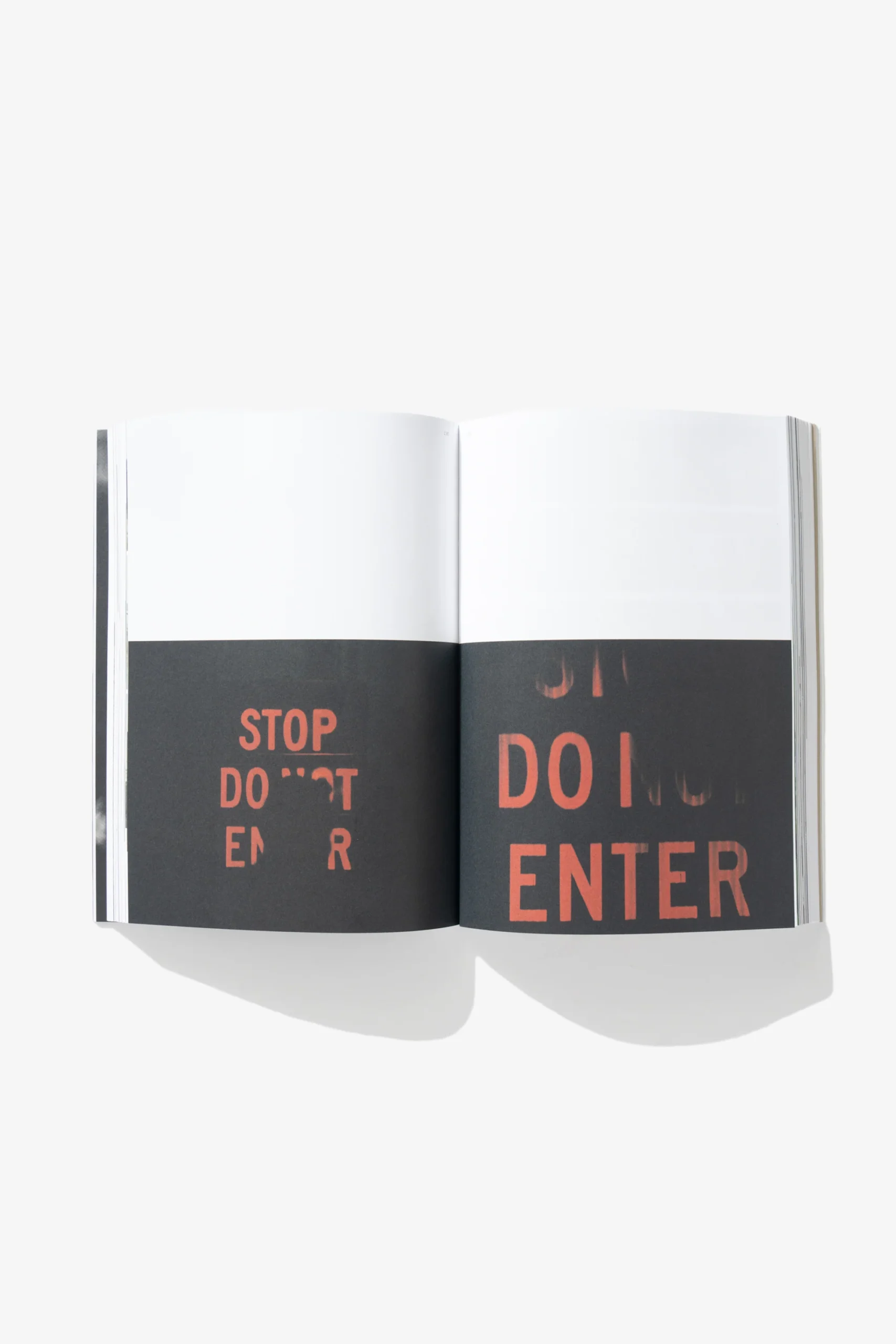
This unassuming softcover, now stocked in Lady White Co.’s arrival section, opens a window onto one of the 20th century’s most vital yet underseen artistic transitions. At 272 pages with 513 images, printed and bound in Germany by Steidl (first edition 2009, like new), it captures the filmmaker Robert Frank as fully as his legendary photography once did. Edited by Brigitta Burger-Utzer and Stefan Grissemann, the book arrives as both companion and counterpoint to Steidl’s ambitious DVD releases of Frank’s oeuvre.
View this post on Instagram
pivot
Robert Frank (1924–2019) turned to filmmaking at the end of the 1950s, right after The Americans (1958/59) cemented his reputation as a photographic revolutionary. That book—83 images shot on a Guggenheim fellowship during a cross-country road trip—shattered the polished myth of postwar America. Frank’s camera found alienation in diners, jukeboxes, flags, and faces. Success followed, but so did restlessness. “I put my Leica in a cupboard,” he later recalled. The still image, however powerful, could no longer contain what he wanted to say.
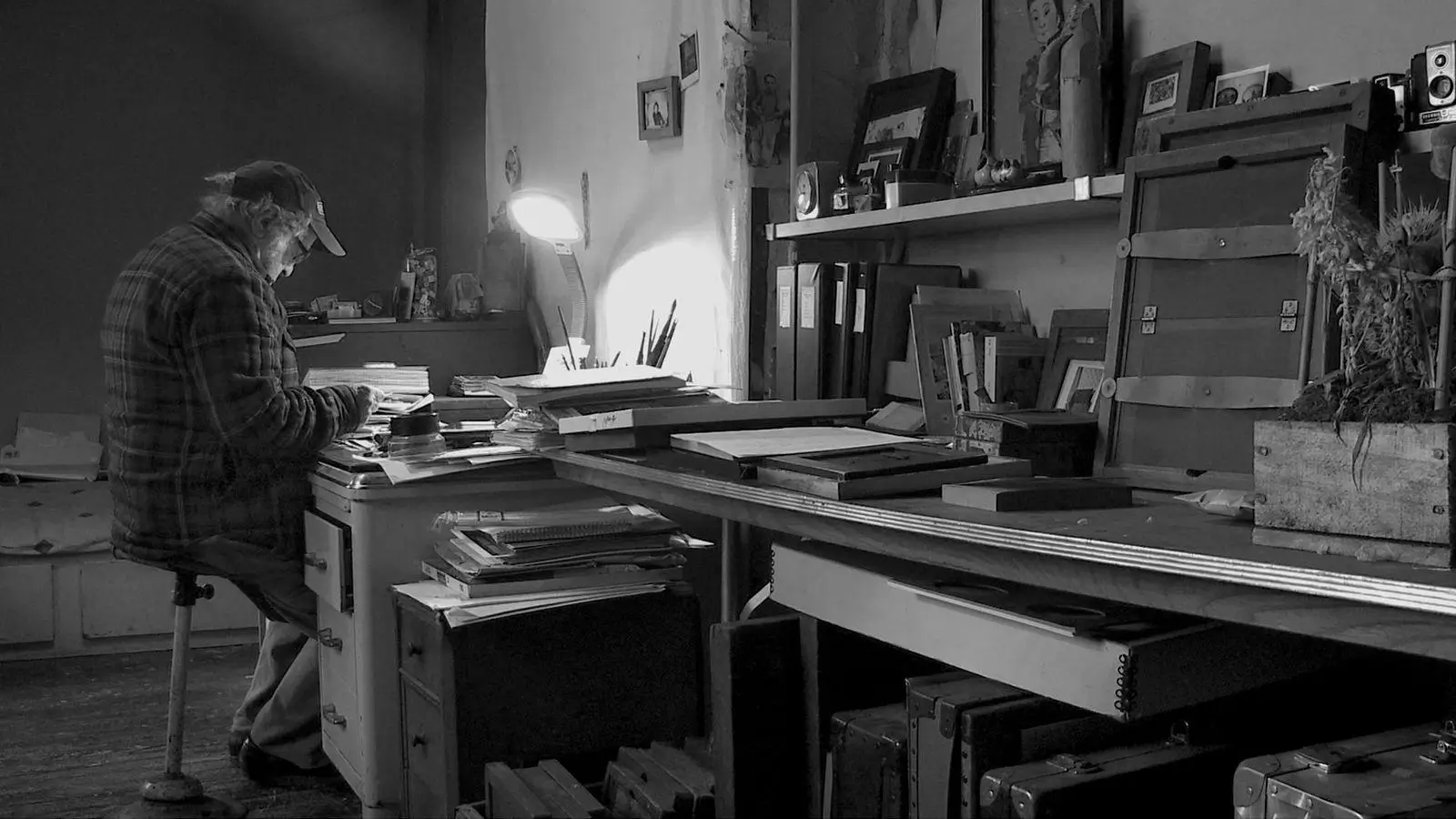
Over the next decades, Frank completed roughly 27 films and videos. Many remained largely a “well kept secret,” screened sporadically or withheld for legal or personal reasons. He approached each project as a new experience, challenging the medium’s possibilities at every turn. Documentary, fiction, and autobiography bleed into one another. Genres dissolve. The camera becomes diary, confession, protest, and love letter.
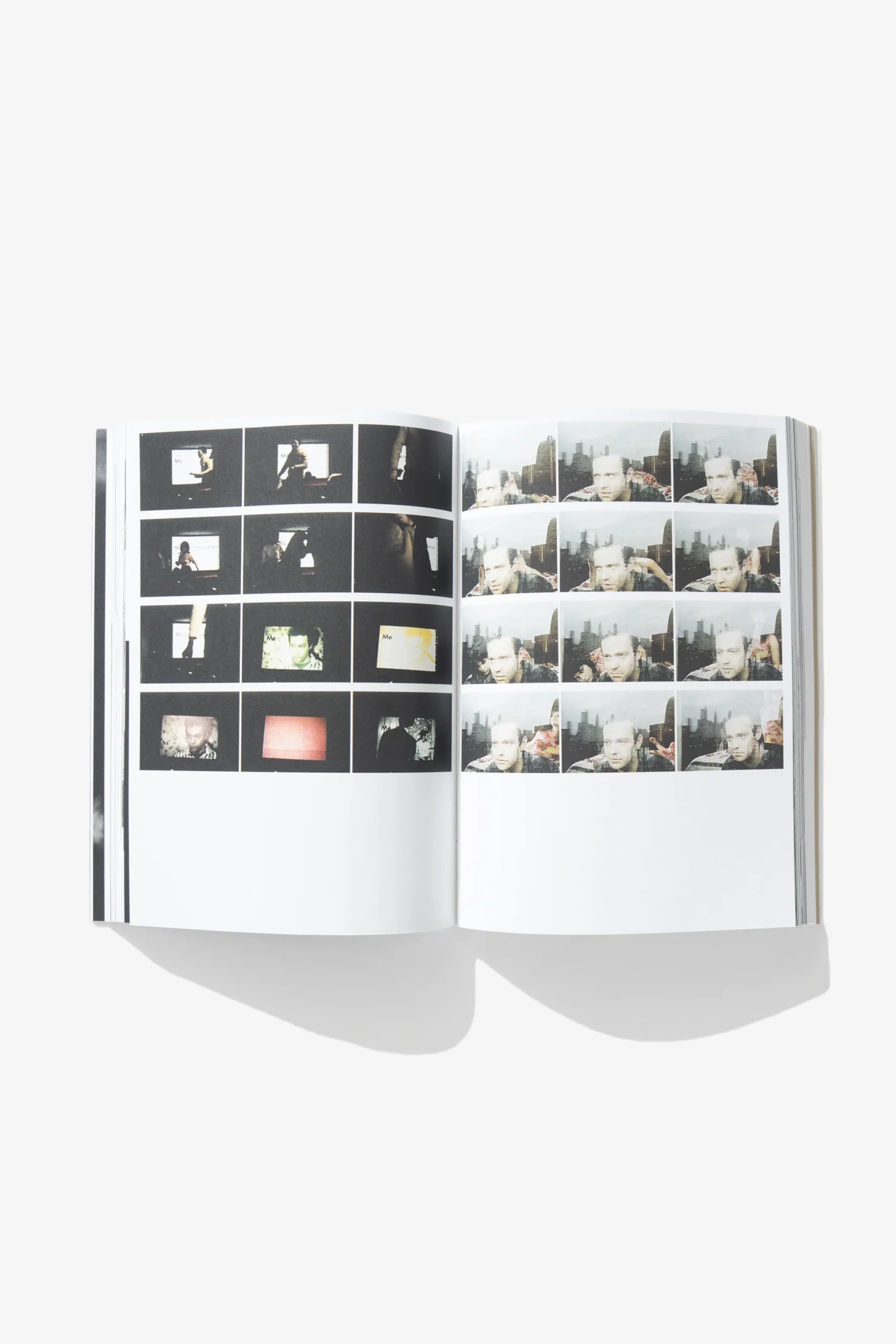
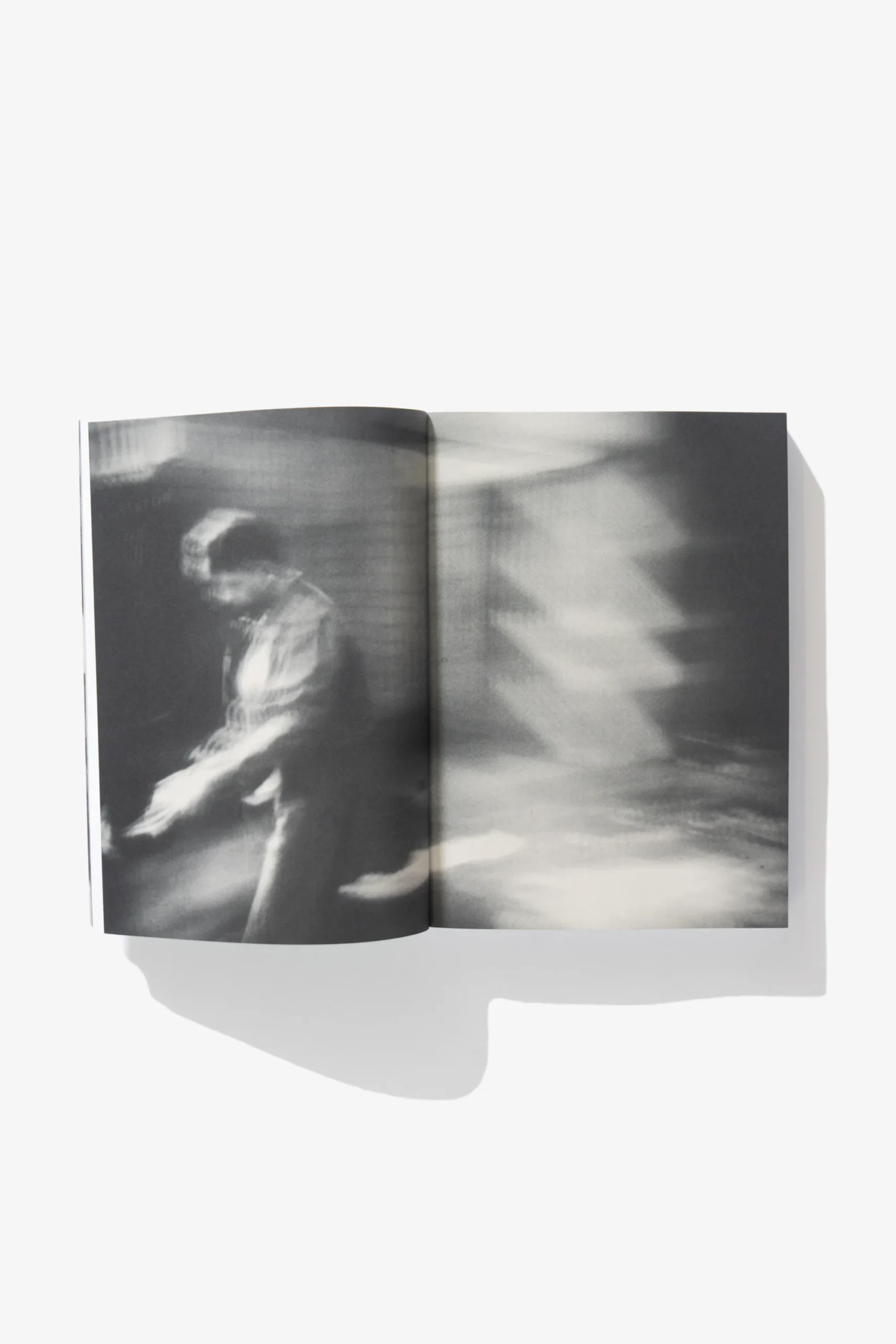
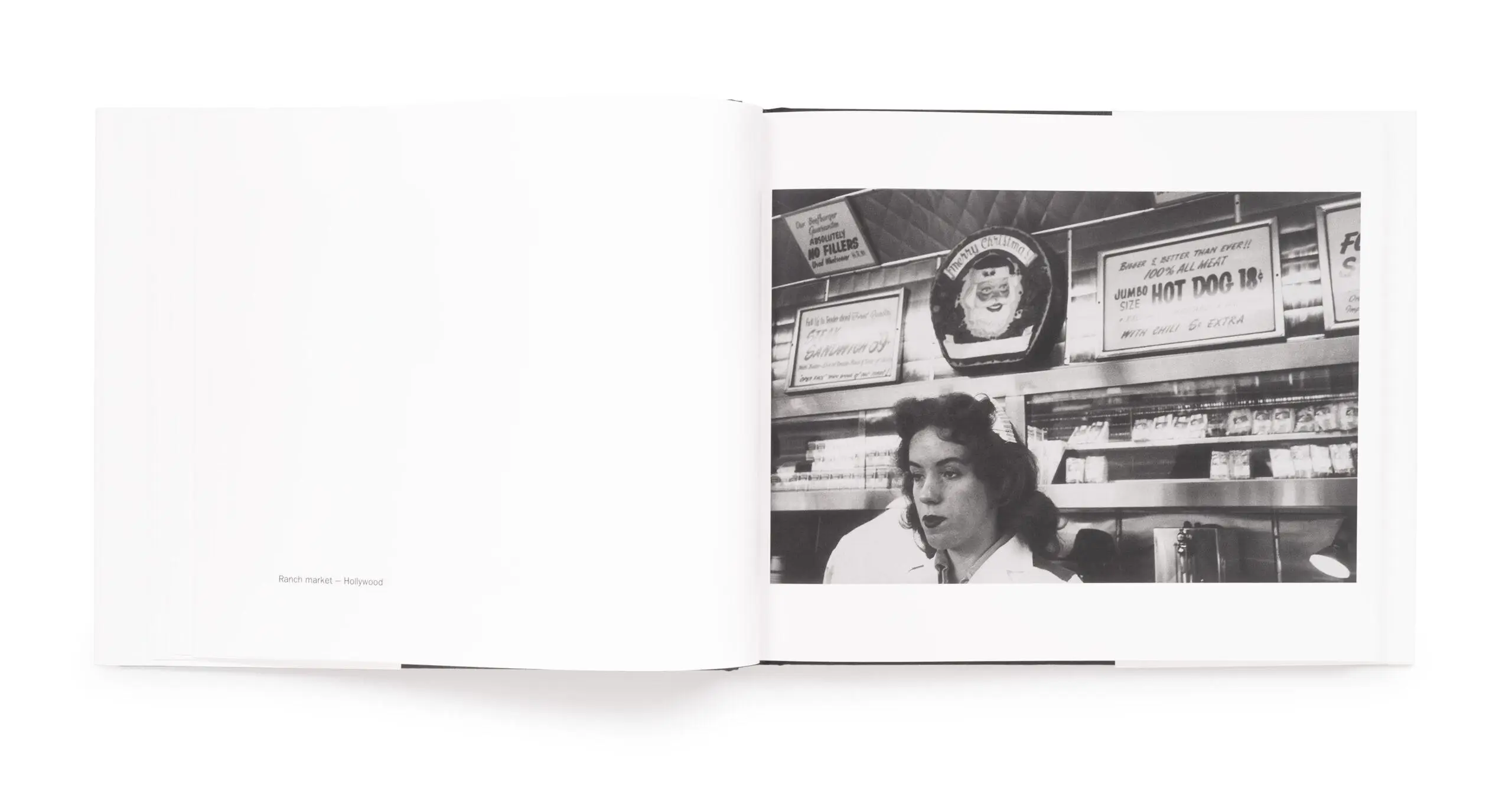
FRANK FILM (often presented as FRANK-FILM) makes this hidden body of work visible and visceral. At Frank’s request, the book uses only new stills taken directly from videotapes—not production photos or behind-the-scenes shots. These 513 frames form a flowing visual essay that dialogues intimately with his still photography. Grain, blur, repetition, and raw texture echo the scratched negatives and sequenced spreads of The Americans or later Polaroid-infused works like The Lines of My Hand. Motion is frozen just enough to reveal its poetry—and its pain.
inside
The volume offers detailed analyses for each major film and video, discussing history, production context, and aesthetics. Contributors include Amy Taubin, Philip Brookman, Stefan Grissemann, Thomas Miessgang, Kent Jones, Michael Barchet, Pia Neuman, and Bert Rebhandl—voices that situate Frank within New American Cinema, Beat culture, and experimental traditions.
An extended interview with Allen Ginsberg provides an insider’s view. Ginsberg, a close friend and frequent collaborator, illuminates Frank’s methods, doubts, and breakthroughs. Their conversations reveal a shared pursuit of unvarnished truth—spontaneous, flawed, alive. Ginsberg’s presence threads through the book, reminding readers that Frank’s cinema grew from the same soil as Howl and Jack Kerouac’s spontaneous prose.
Physically, the book feels like an object Frank himself might have assembled: modest format (170 x 240 mm), softcover, German craftsmanship that respects the work without fetishizing it. At $50 on Lady White’s site, it democratizes access to material that once circulated only among cinephiles and insiders.
works
Pull My Daisy (1959)
Frank’s first major film, co-directed with Alfred Leslie. Adapted from a Kerouac play and featuring figures like Ginsberg and Gregory Corso, it captures a loose, improvisational energy. Kerouac recorded the voiceover in a single session. The result is chaotic yet precise—an “illusion of truth” leading toward something deeper.
Me and My Brother (1965–68)
A feature-length meditation on mental illness, family, and representation. Centered on Julius Orlovsky, the film layers documentary, reenactment, and meta-commentary. Frank questions his own role as observer, exposing the tension between empathy and exploitation.
Cocksucker Blues (1972)
Perhaps Frank’s most notorious work. Commissioned to document The Rolling Stones’ American tour, it delivers unfiltered access—excess, boredom, and the collapse of glamour. Legal disputes limited its release, turning it into a near-mythic object. The stills reproduced in the book capture both spectacle and emptiness with equal force.
Later works from Mabou, Nova Scotia—where Frank lived with his wife June Leaf—turn inward. Films such as Conversations in Vermont and various video diaries incorporate Polaroids, voiceovers, scratches, and domestic fragments. They confront grief, aging, and memory without resolution. Even into his 90s, Frank continued experimenting.
examine
Frank’s cinema rejects mastery. Each film begins from zero, often embracing limitation as method. Handheld camera, imperfect sound, abrupt edits—these become tools for authenticity. Genres collapse because lived experience resists categorization. A scene of casual play might cut to mourning; spectacle dissolves into silence.
The book’s visual strategy reinforces this ethos. By extracting stills from videotapes, the editors preserve the low-resolution, time-marked quality of Frank’s later work. These images establish an active dialogue with his photography: off-kilter framing, marginal attention, emotional immediacy. Frank valued the image over the object; the book honors that by refusing polish in favor of presence.
scope
In an era shaped by algorithmic feeds and aesthetic pure, Frank’s work feels resistant—almost oppositional. His films insist that truth emerges through friction: between still and moving image, between public persona and private reality, between success and doubt.
Lady White Co. operates within a parallel framework. The brand’s foundation—a precisely constructed white tee—expands gradually into hoodies, wovens, and trousers without abandoning its core principle: material honesty. There is no rush toward novelty. Each garment is iterative, cumulative.
Stocking FRANK FILM alongside heavyweight tees or sage twill trousers is not incidental. Both the book and the clothing foreground foundational acts—fabric as structure, raw footage as revelation. Purchasing the book extends the wardrobe into a conceptual space: garments for the body, images for the mind.
The contributors—and Frank himself—suggest a discipline of creation rooted in experimentation but anchored in human feeling. Ginsberg’s interview grounds abstraction in lived connection. Frank’s later works demonstrate that even loss can generate new forms.
fin
Steidl’s broader efforts—DVD releases, exhibitions, and this volume—have gradually brought Frank’s cinematic work into clearer view. Filmmakers and critics across generations cite him as a foundational figure in personal, independent cinema. Yet for many, these films remain discoveries rather than fixed canon.
Within Lady White’s Silver Lake and Arts District stores—or through its online platform—this $50 first edition becomes an accessible entry point. Pair it with a tubular-knit tee: the gesture is not symbolic, but experiential. Turning pages mirrors threading film; the 513 stills form a private screening room.
Frank described his life as an education in America—an outsider perspective evolving into something more complex, more internal. His films trace that trajectory without closure. FRANK FILM does not resolve him; it keeps him in motion.
In a world saturated with images, this book restores weight. It asks the viewer—like the wearer of thoughtfully made clothing—to slow down, to look again, to feel the cut between frames. The same cut that separates a unique white tee from mere fabric.
Related Articles
Fragment and Mammut Bring the Barryvox Back in Glacier Blue
Hiroshi Fujiwara’s second Mammut avalanche beacon leaves the Barryvox S2’s rescue brain untouched and changes […]