DRIFT AUDIO
Listen to this story
Choose a voice, then press play.
There are only two positions on a toggle switch: on or off. You flip it one way, a current flows. Flip it the other, and everything goes dark. Simple. Mechanical. Final.
In an age obsessed with nuance, ambiguity, and endless gradients of choice, the toggle switch feels like a relic. A throwback to simpler logic. But maybe it’s time to reconsider its value. Not just as a component of machines, but as a metaphor for how we live, decide, and act.
Because despite our high-resolution lives—where every app, platform, and device offers a thousand options—we’re still creatures of binary instinct. Love or hate. Fight or flight. Yes or no. Stay or go. We may flatter ourselves with the illusion of complexity, but deep down, we operate on switches. We toggle.
The Binary Trap
We’re addicted to grey areas until they make us uncomfortable. Then we demand a side.
Politics is the obvious arena. Red or blue. Left or right. Freedom or tyranny, depending on which network you watch. It’s the ultimate switchboard. And while we like to imagine our politics are nuanced, they usually come down to tribal toggling. You’re either with us or against us. Every election becomes a referendum on who gets to flip the switch.
But the real toggle isn’t out there. It’s inside us. We toggle between versions of ourselves—one that scrolls passively at 2 a.m., and one that vows to change everything by morning. We toggle between authenticity and performance, courage and comfort, truth and convenience.
The danger isn’t in the existence of the switch. It’s in forgetting that we’re the ones flipping it.
Digital Dominion
Nowhere is the toggle more literal than in our devices. Notifications on or off. Airplane mode. Dark mode. Block, mute, unfollow. Power.
We like to pretend we’re in control, but increasingly, it’s the systems toggling us. Algorithms curate our outrage. Apps push dopamine. AI learns what keeps us engaged, then hits us with more of it. We’ve outsourced our preferences to code.
The irony is brutal: we live in a world of infinite sliders, yet we behave like switches ourselves. Scroll or don’t. Like or pass. Swipe right or left. Tap to buy. It’s mechanical, predictable, and by design. Each “choice” we make feeds a feedback loop we didn’t write.
This is the dark side of the toggle: when it’s not our hand doing the flipping.
Toggle as Power
But let’s flip it back.
There’s power in the toggle. In its finality. In the way it forces a decision. It’s the discipline to say: this, not that. Now, not later. Me, not them.
The toggling mindset can be a tool of liberation. You walk out of a toxic job—not ease out, not half-leave—you toggle: you’re done. You delete the number. You say no. You switch it off.
In an era addicted to soft exits and endless buffering, the toggle demands clarity. It doesn’t ask for permission. It acts.
This isn’t recklessness. It’s resolve. And sometimes, that’s what’s needed.
Memory and Identity
Memory toggles, too. Especially trauma. Something turns it on, uninvited. A smell. A voice. A song. Suddenly, you’re back in that room, that moment. Fully powered up.
You can’t always control when it flips, but you can decide what to do next. You can toggle the reaction. The story you tell about what happened. The meaning you assign to it. And that’s no small thing.
Identity, likewise, is not fixed. It’s made of switches. You grow up toggling between roles: the good kid, the rebel, the achiever, the dropout. And as you age, the stakes just get higher. Parent or partner. Artist or accountant. Dreamer or realist.
The real trick is knowing when to toggle—and when to stop. Because you can’t be everything at once. You have to choose.
The Courage to Commit
Toggle thinking is also about commitment. Not the watered-down kind people call “showing up” but real commitment: burning the bridge behind you and stepping into something new. No turning back.
It’s terrifying.
That’s why we avoid it. We prefer situations with soft landings, escape hatches, and backup plans. But toggling demands a clean break. A cut wire. You don’t halfway flip a switch.
This is where transformation lives—not in half-measures, but in bold toggles. The day you quit drinking. The day you say, “I love you.” The day you walk away. Not maybe. Not soon. Now.
Toggle.
Mental Health and the Invisible Switches
Not all switches are physical. Some are hidden.
For people struggling with anxiety, depression, or trauma, there are invisible toggles that short-circuit at random. You can be functioning, productive, bright—and then, without warning, you’re off. Down. Numb.
The world often misunderstands this. It expects consistency. Predictability. But mental health doesn’t operate on a schedule. It runs on flickering, faulty circuits. Some days the switch works. Some days it doesn’t.
Acknowledging this is part of the process. Not trying to force a false “on” but recognizing when the system needs repair, rest, or compassion. The goal isn’t to be always “on.” It’s to understand your wiring.
Toggle and Time
Time toggles, too—especially memory. The past isn’t static. It flickers, reshapes, reformats.
You can remember a childhood moment as joyous at ten, traumatic at thirty. You can love someone at twenty, despise them at forty, and forgive them at fifty. Time toggles perspective.
This is both beautiful and brutal. It means we’re never finished. That the story keeps rewriting itself. That you can come back to something you thought was dead and find it alive. Or discover that what once sustained you no longer fits.
Toggle.
That word again. It keeps echoing because it’s not just about decisions. It’s about renewal. The courage to reconfigure.
Flip It Yourself
There’s something sacred about choosing your own switches.
In a world that pressures you to conform—to follow the currents of culture, politics, productivity—the most radical act might be this: reach for the switch and flip it yourself.
Turn off the noise. Turn on your voice.
Turn off fear. Turn on action.
Turn off passivity. Turn on responsibility.
Not in theory. In practice. Today. Now.
The Switchboard Within
Picture your life as a switchboard. Not the digital kind, but an old analog panel: wires, levers, lights. Each switch connected to something real. A value. A belief. A habit. A relationship.
Now ask yourself:
- What’s currently on that should be off?
- What’s still lit up out of guilt, fear, or habit?
- Which circuits are draining power but serving no purpose?
- And where are the dead switches—dreams long forgotten, purpose left idle?
Start toggling.
Not frantically. Not recklessly. But honestly.
That’s the editorial charge here. Not to tell you what switches to flip, but to remind you that you still have hands. That even when everything feels automated, programmed, set—there’s a switch within reach. And it works.
Impression
We often pretend life is a smooth dimmer: we can gradually adjust, blend, ease in and out.
But more often than not, it’s a hard switch. Moments arrive where you either rise or retreat. Speak or stay silent. Live or just exist.
And when those moments come, you won’t have time to ponder nuance. You’ll have a second. One move. One flip.
So practice now. Practice clarity. Practice resolve. Get comfortable with the sharpness of the switch.
Because life, ultimately, toggles.
And the question is: who’s flipping yours?
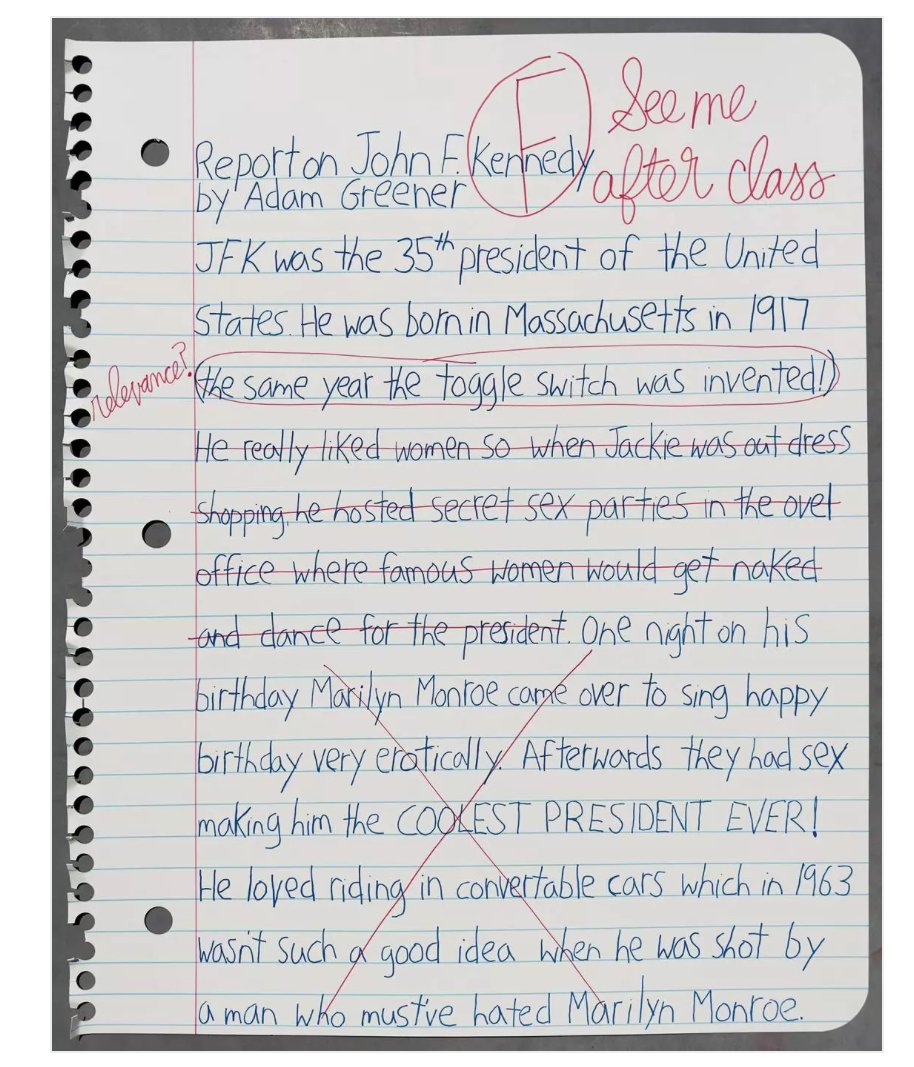
Read Drift’s related feature, Mix Tapes 2 | By Adam Greener (Edition of 25).