adidas “Backyard Legends”: The Greatest Football Story Ever Told – A Cinematic Celebration of Street Football and the 2026 World Cup
May 9, 2026
0
DRIFT AUDIO
Listen to this story
Choose a voice, then press play.
stir
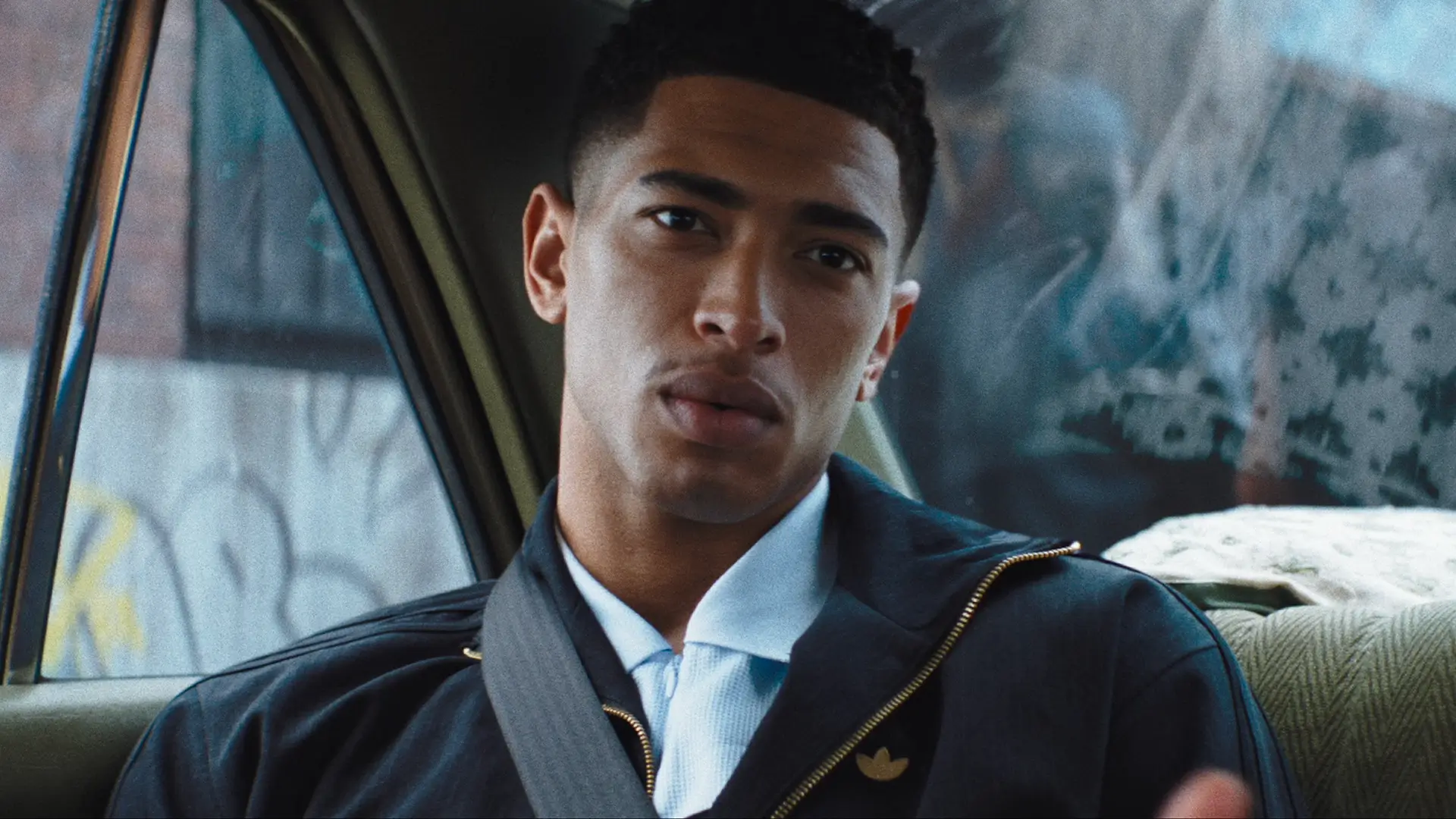
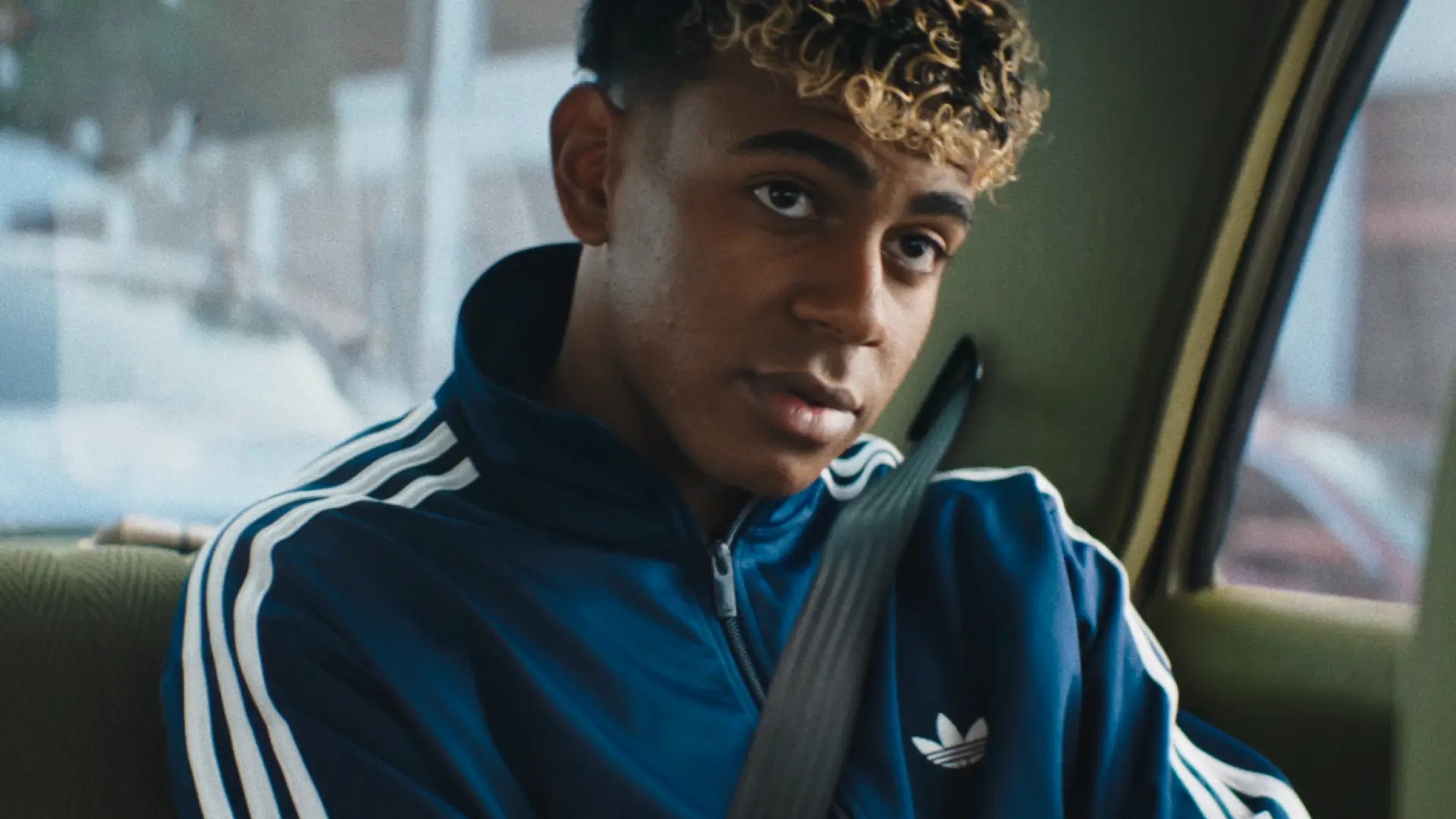
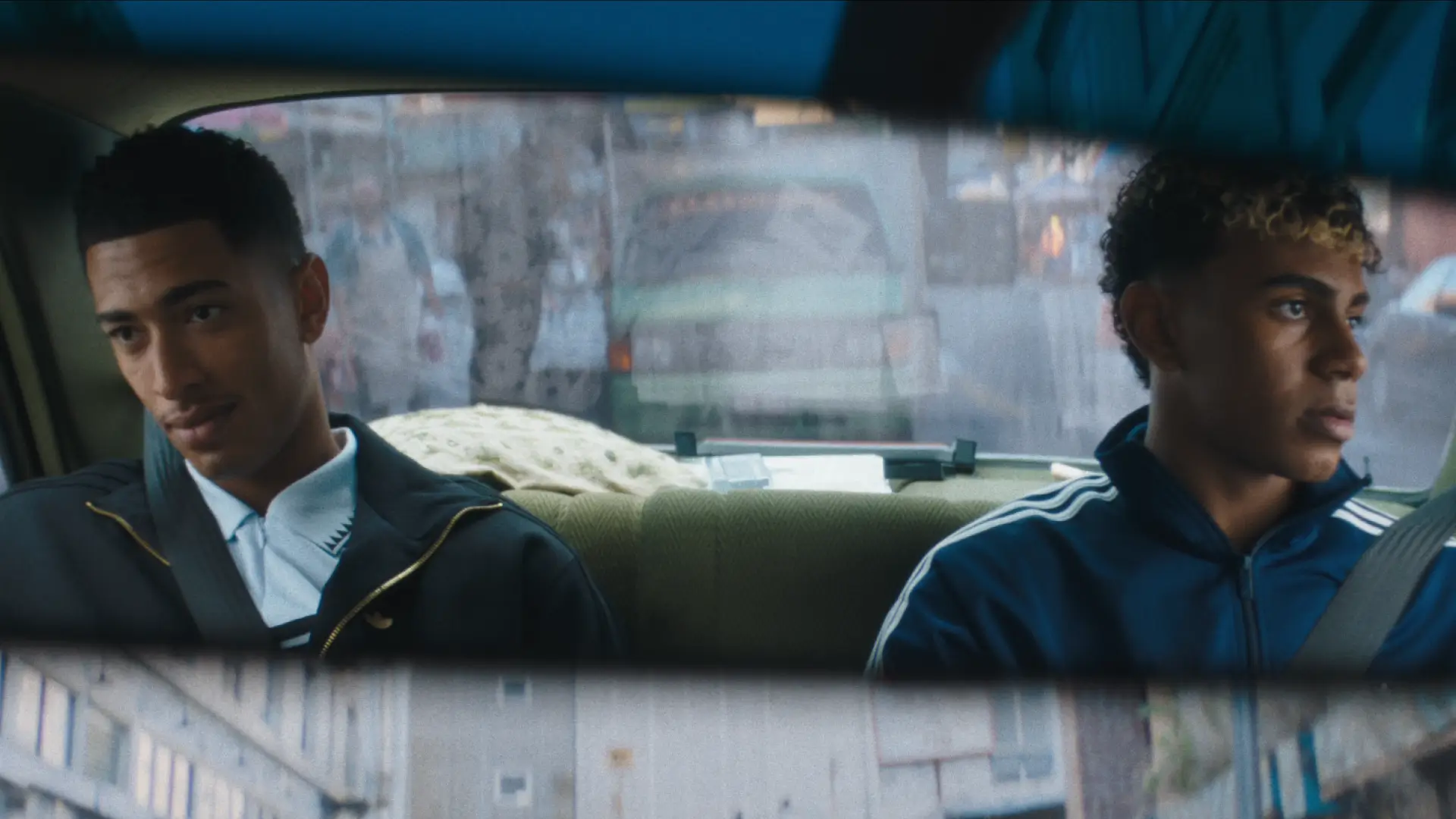
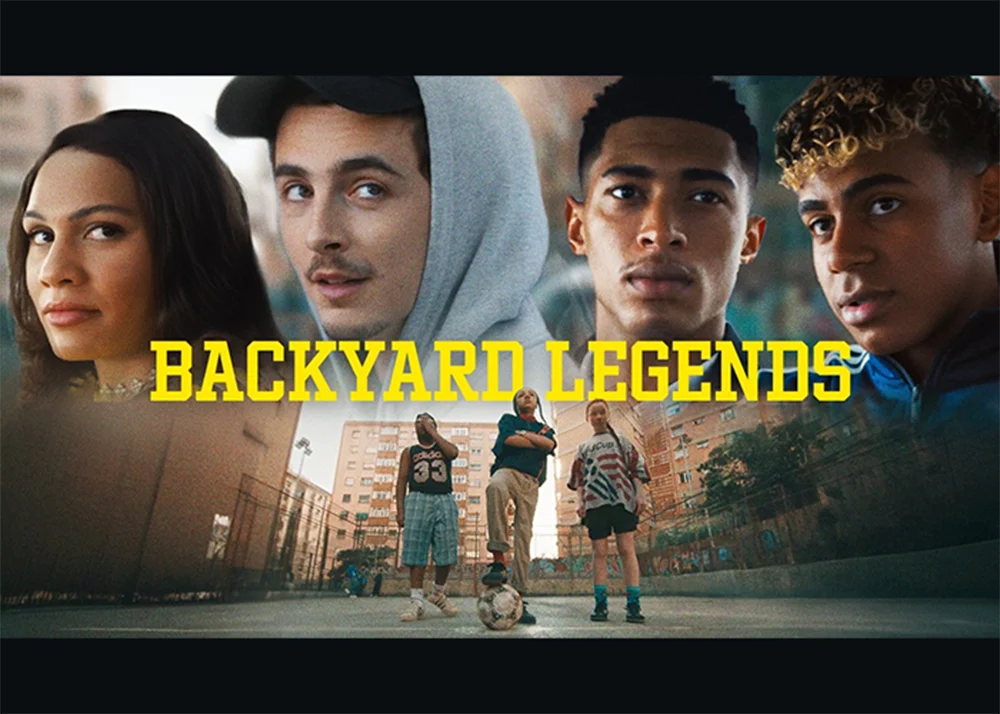
The story opens with Timothée Chalamet portraying an obsessive football romantic and self-appointed manager. Sitting in the backseat of a car alongside Jude Bellingham, Lamine Yamal, and Trinity Rodman, Chalamet passionately recounts the myth surrounding Clive, Ruthie, and Isaak — the so-called “Invincibles” of a legendary local pitch. Their neighborhood ground has maintained a ruthless “win or go home” legacy for decades, becoming folklore within the film’s universe.
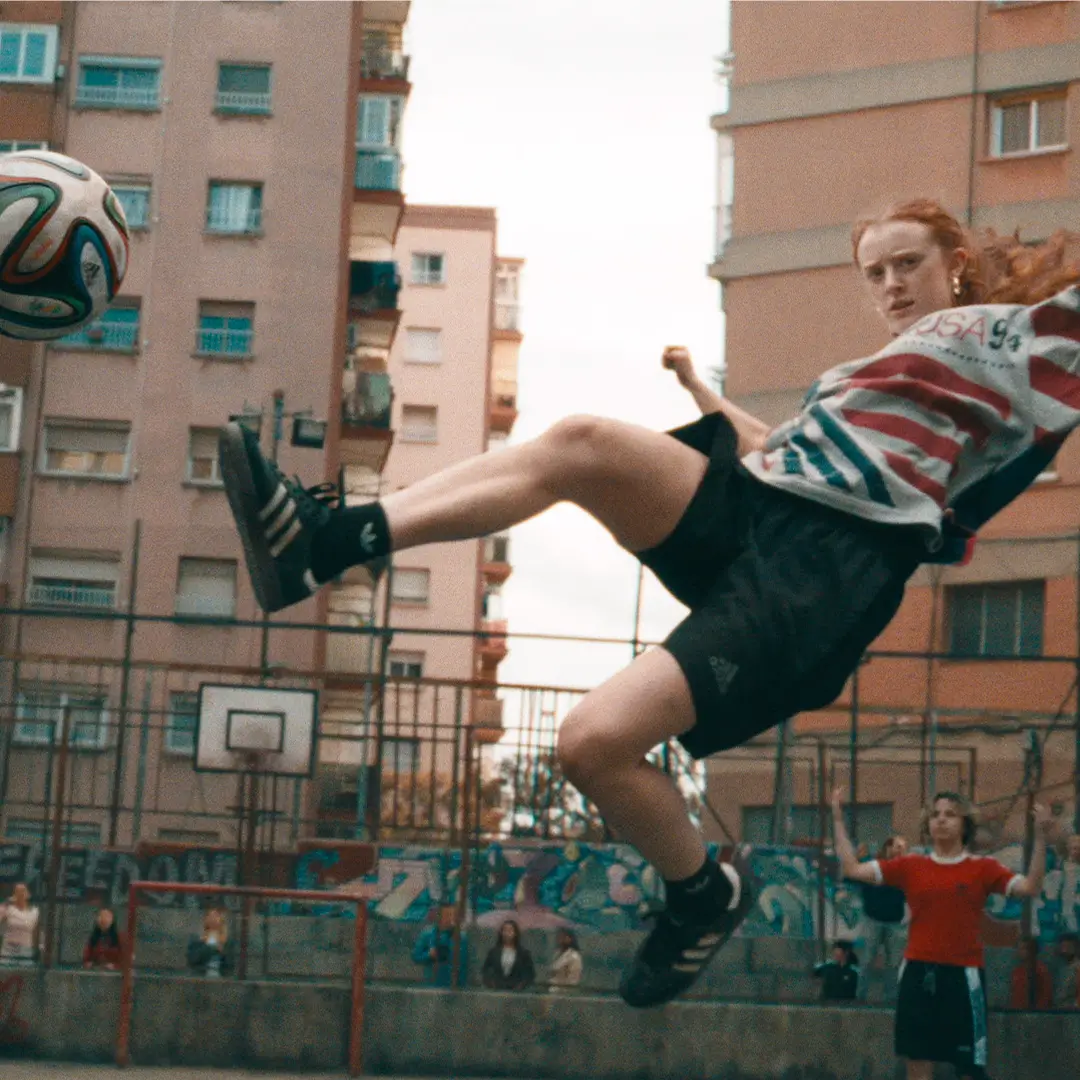
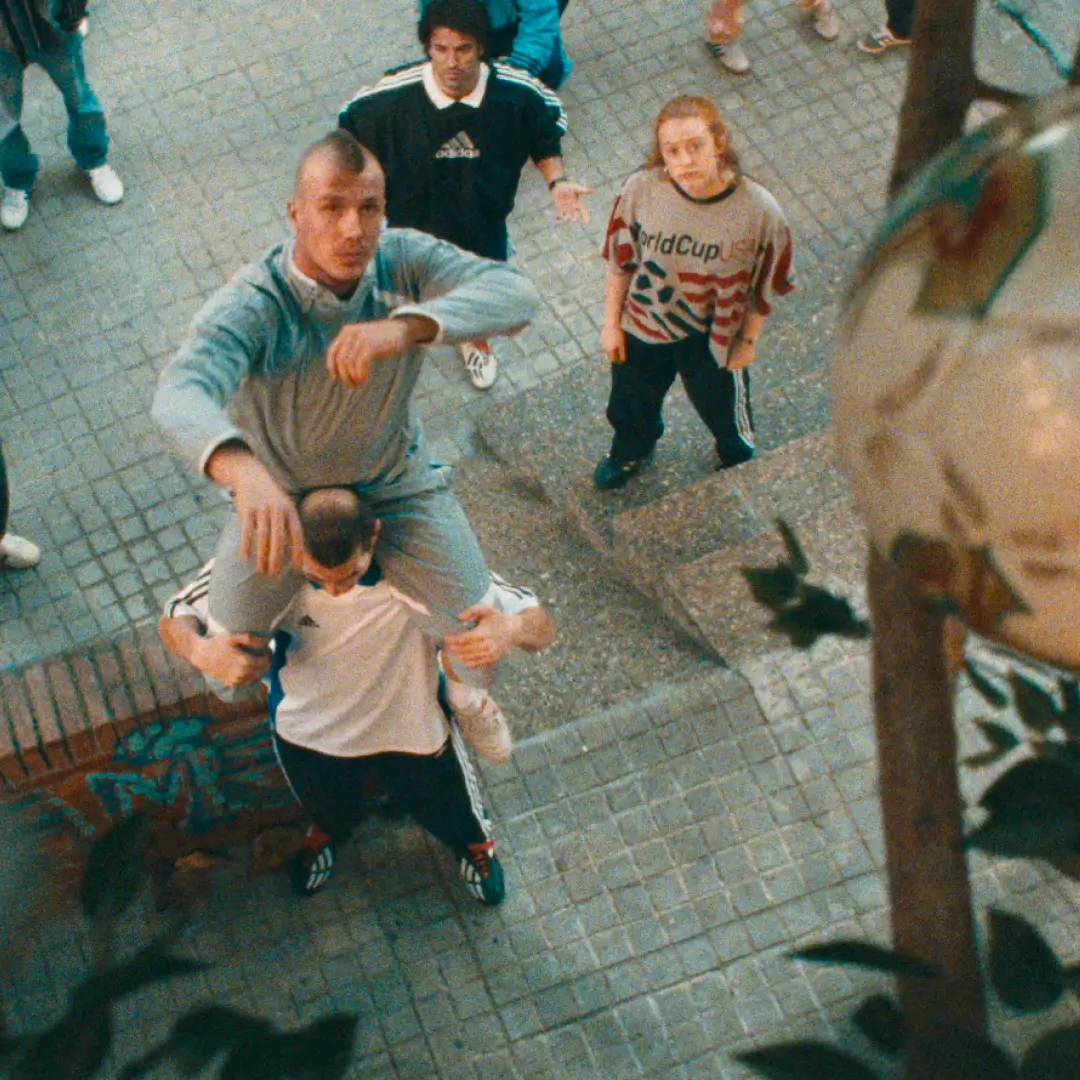
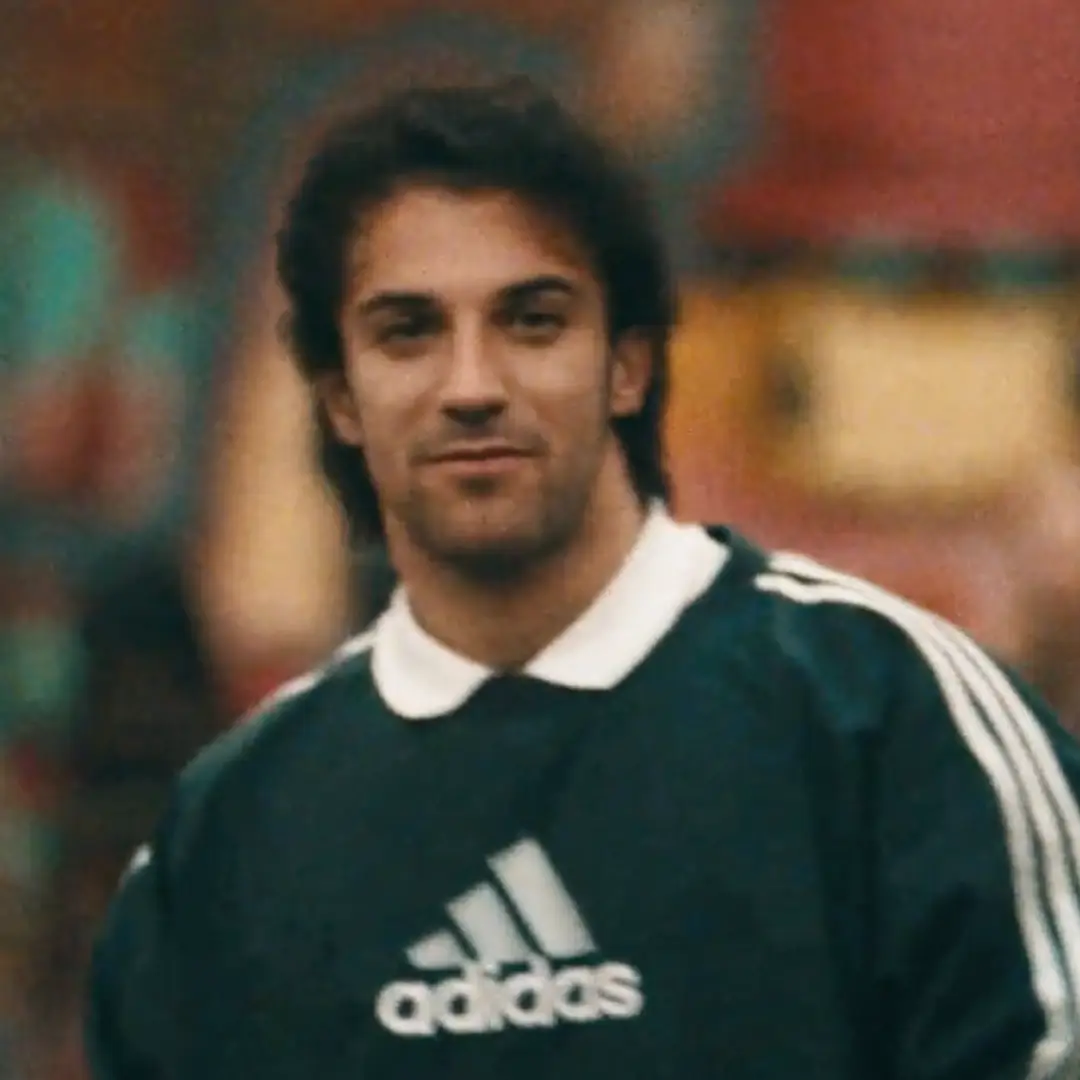
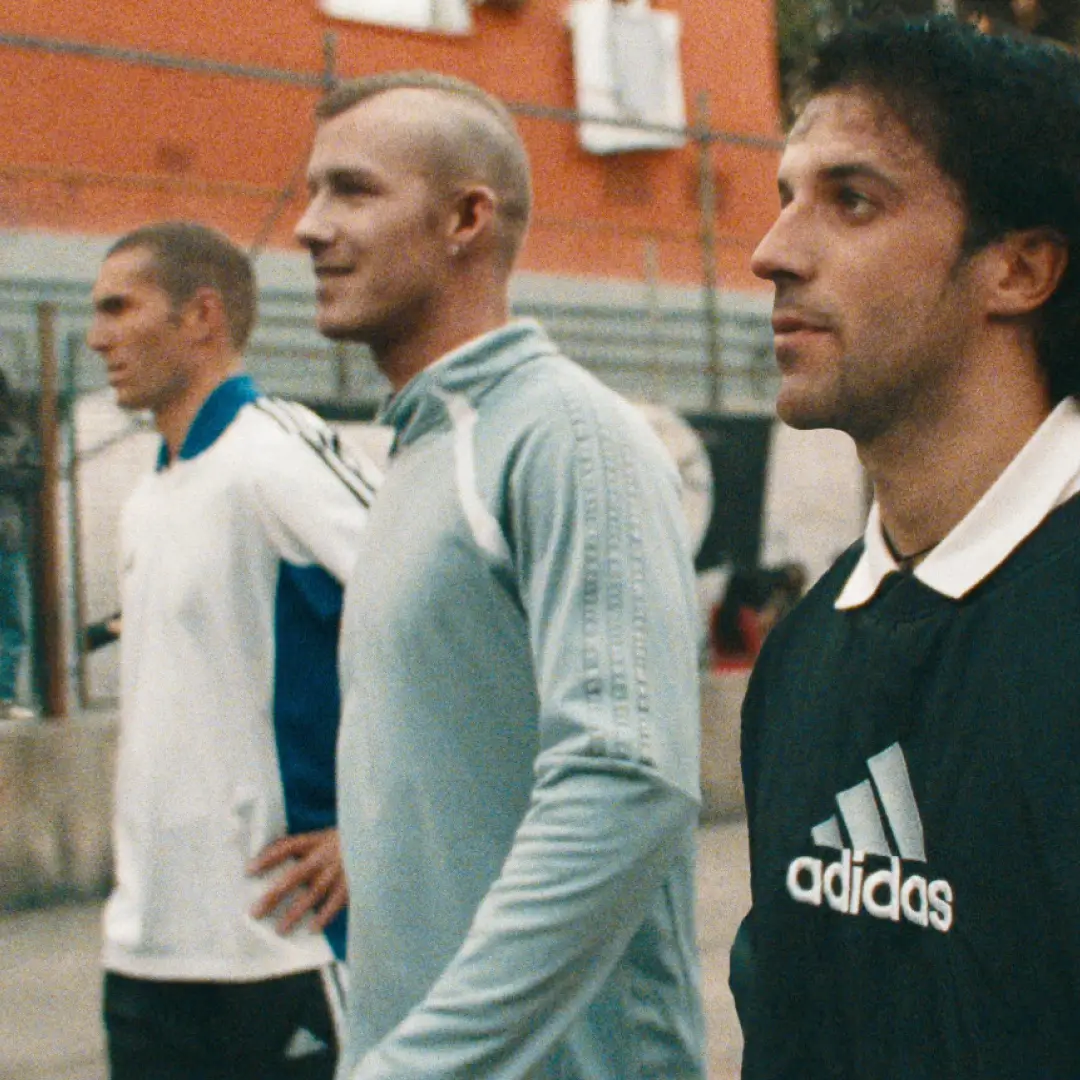
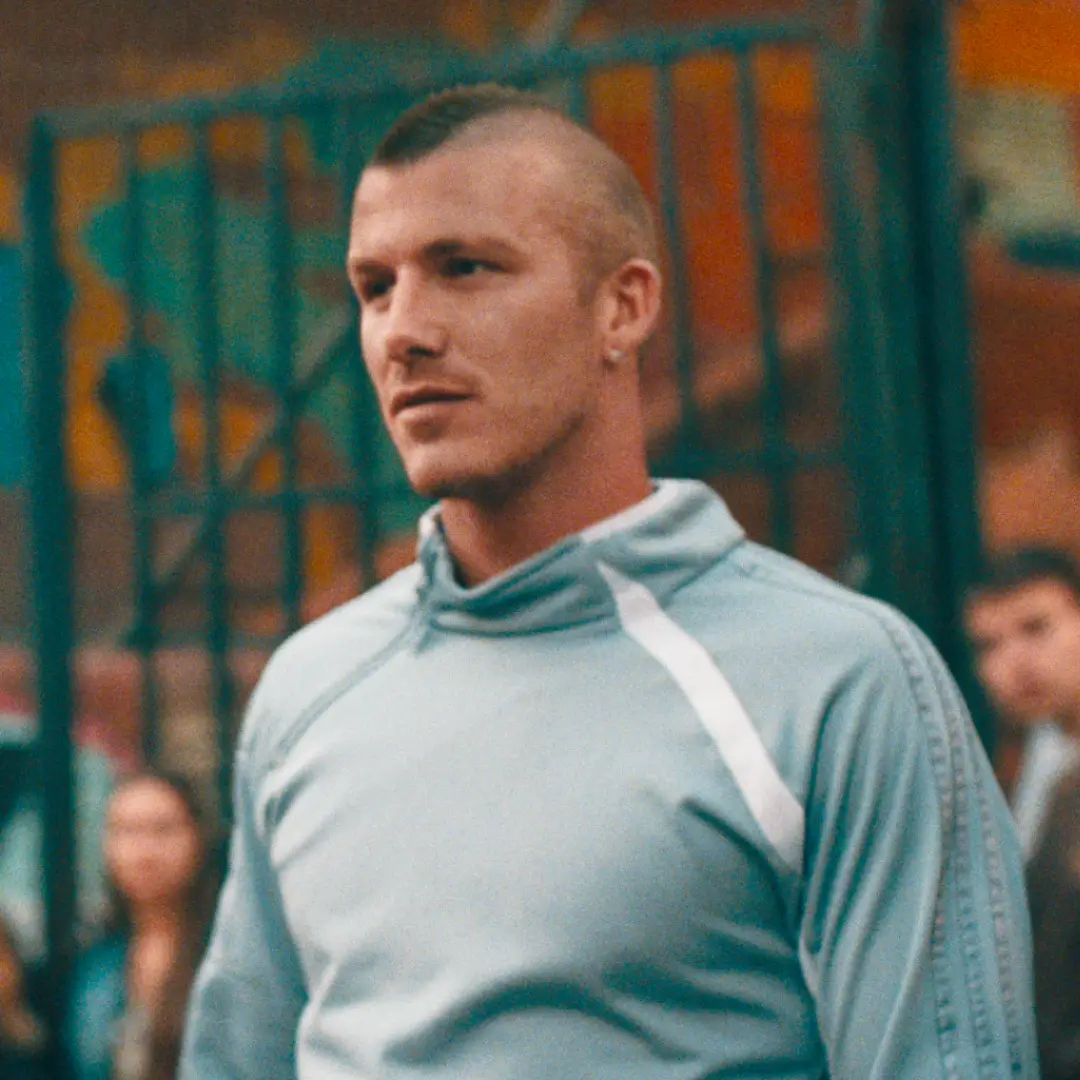
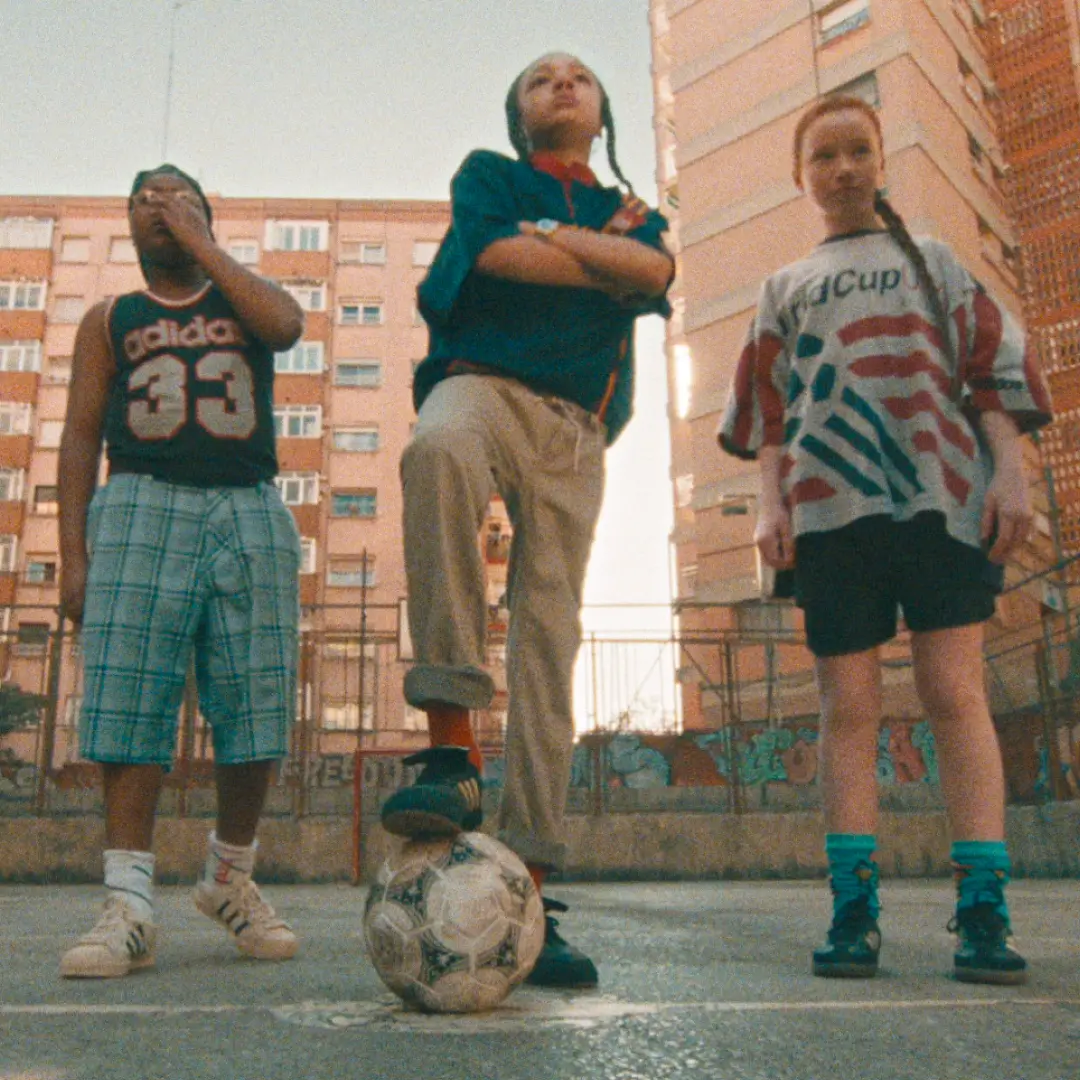
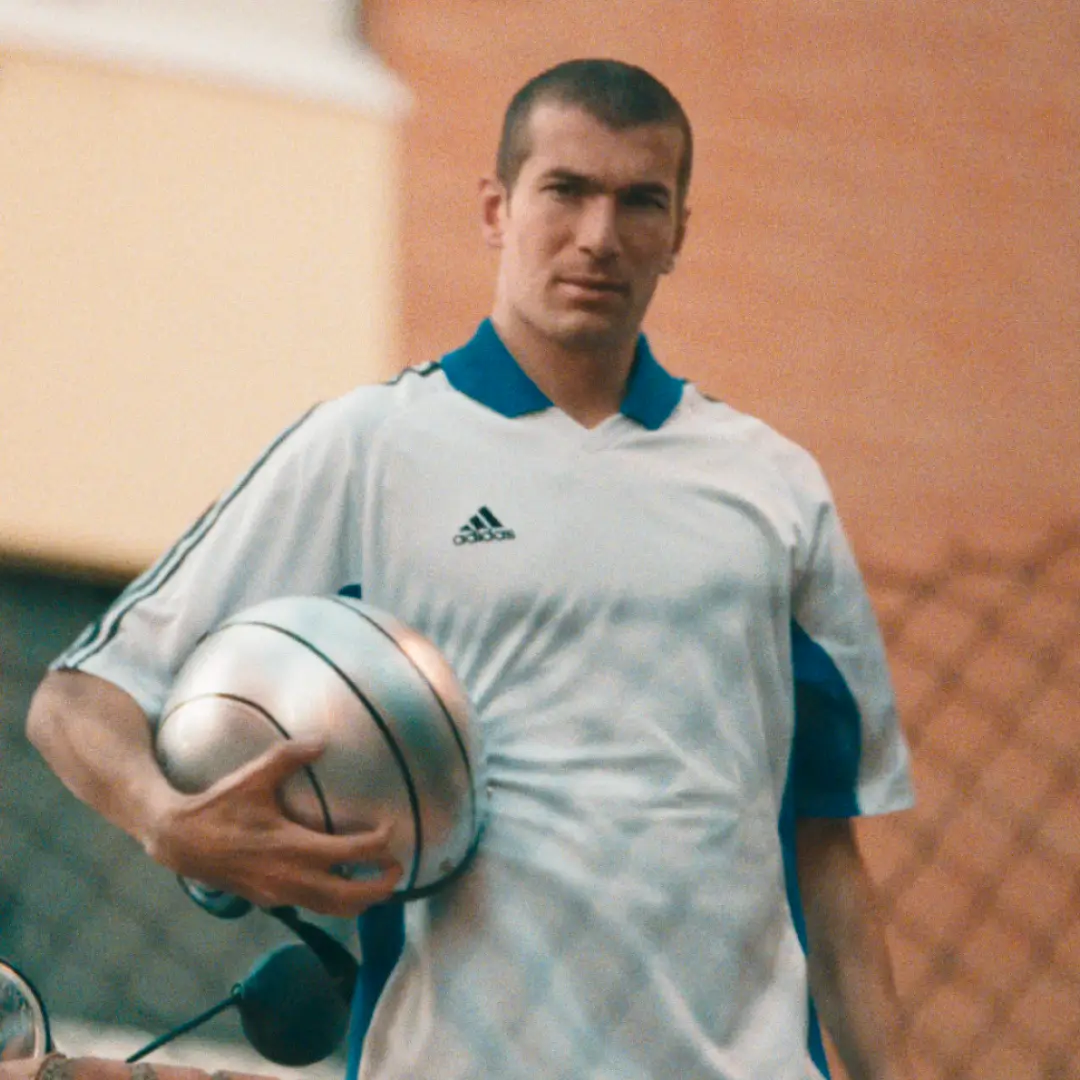
The film quickly expands into layered flashbacks where even football royalty struggles to conquer the pitch. A younger-looking Zinedine Zidane, a buzz-cut David Beckham, and Alessandro Del Piero all appear in stylized throwback sequences attempting — and failing — to dethrone the local trio. adidas leans heavily into 1990s viewl language here: grainy analogue textures, oversized streetwear silhouettes, old handheld camcorder aesthetics, chain-link fences, concrete courts, and footballs disappearing into trees after wild shots. The campaign deliberately romanticizes pickup football culture as mythology rather than merely sport.
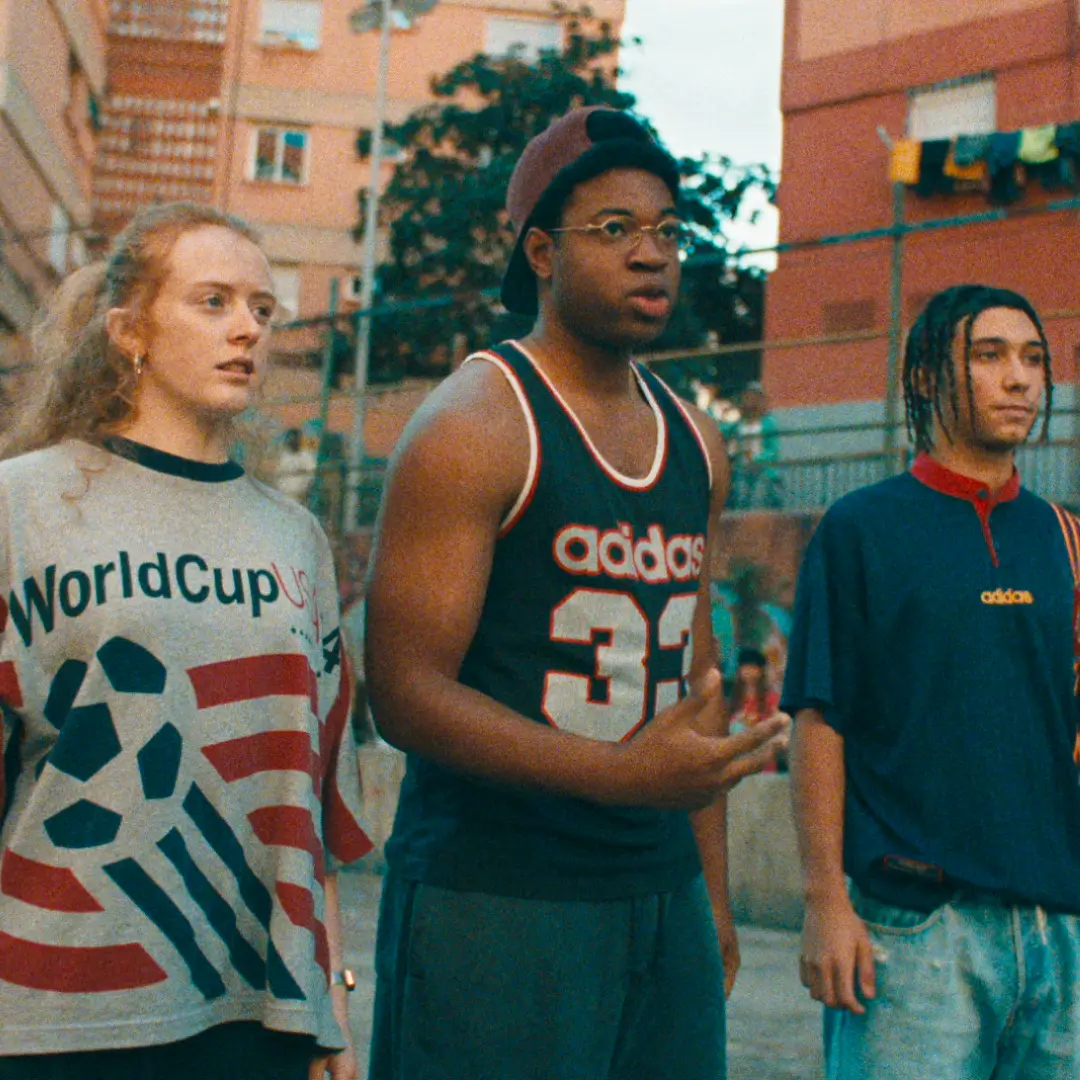
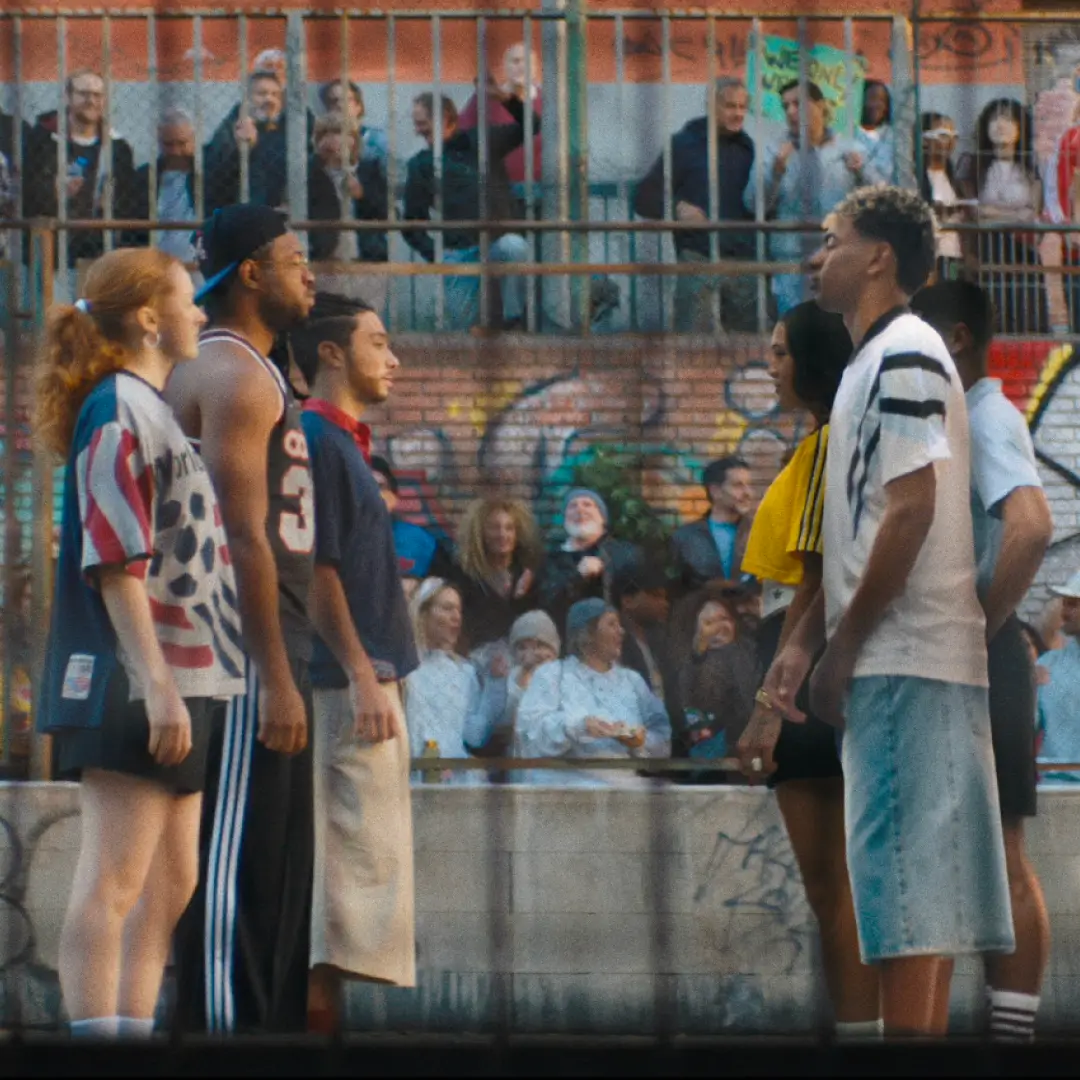
Chalamet eventually arrives at the iconic neighborhood cage pitch with the new generation in tow, determined to finally break the Invincibles’ reign. The environment itself feels alive — covered in graffiti, enclosed by fencing, and overflowing with the restless energy associated with spontaneous street football. The film balances absurd humor with genuine affection for the culture surrounding local football communities.
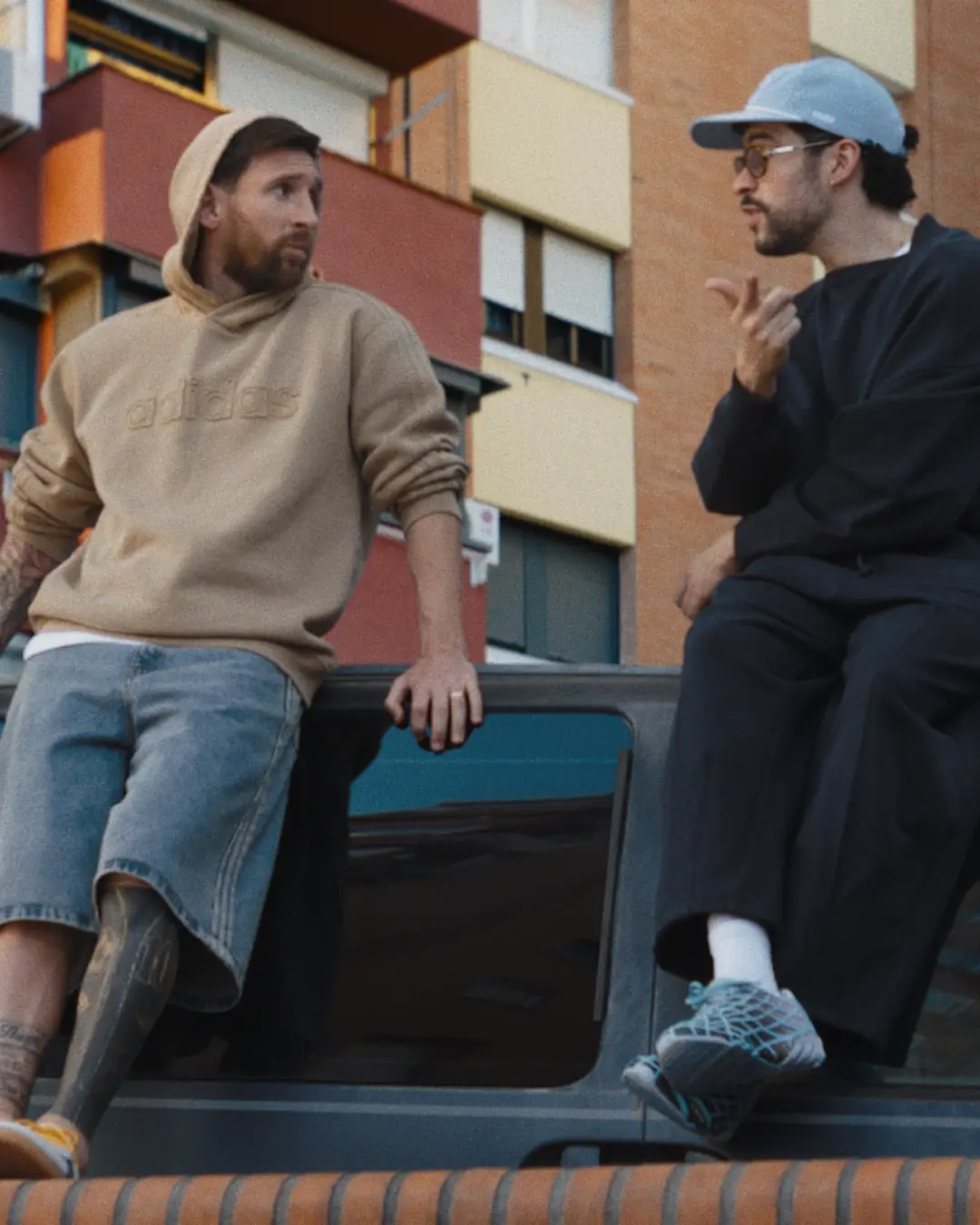
Along the way, Lionel Messi appears with a scene-stealing cameo from Bad Bunny, both questioning whether the challengers are truly prepared for what awaits them. Their interactions with Chalamet inject play unpredictability into the narrative, including a tongue-in-cheek moment where Chalamet jokingly suggests Messi himself could become his next recruit.
The climactic showdown unfolds with exaggerated cinematic energy: impossible skills, chaotic movement, dramatic reactions, and tightly choreographed football sequences that feel closer to superhero myth than traditional sports advertising. The soundtrack togethers terrace chants, hip-hop production, and modern electronic textures, reinforcing the film’s collision of eras and cultures. It ultimately closes on the campaign message: “You’ve Got This” — positioning belief, confidence, and accessibility as the emotional center of adidas’ 2026 football vision.
flow
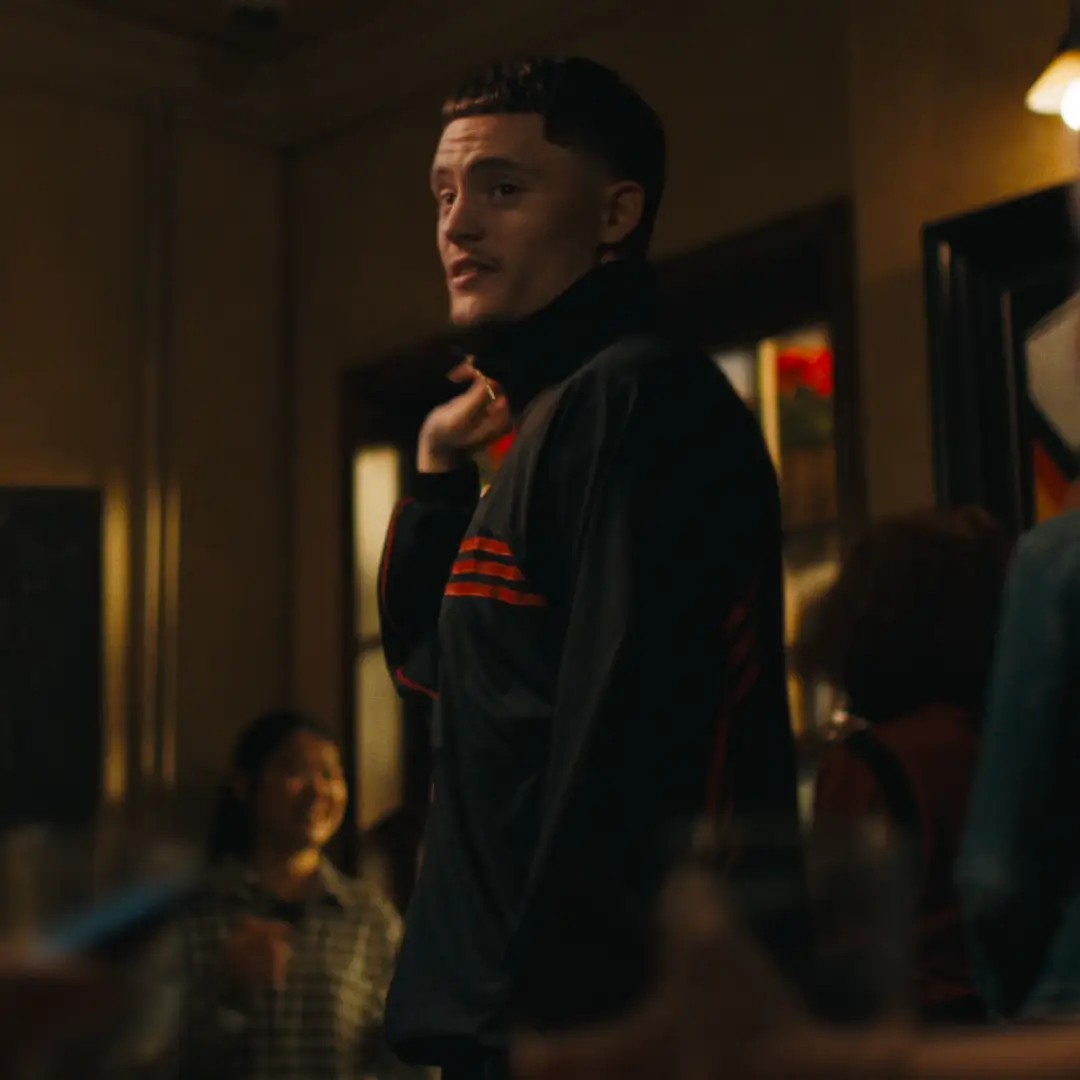
What elevates “Backyard Legends” beyond a typical global football commercial is the sheer breadth of its casting. Chalamet’s presence immediately broadens the campaign beyond football audiences, while simultaneously feeling believable due to his openly documented passion for the sport. Appearing in his first major adidas football campaign, the actor delivers the film’s emotional glue with an intentionally over-serious performance that borders on parody while still remaining affectionate toward football culture itself.
In accompanying campaign interviews, Chalamet explained his personal relationship with football culture, recalling memories of playing at Pier 40 in New York while imagining Beckham free kicks, Zidane volleys, and Del Piero goals. That enthusiasm translates naturally on screen, preventing the crossover from feeling artificially corporate.
The football roster itself is intentionally generational. Messi represents permanence and legacy. Bellingham and Yamal symbolize football’s present and future. Rodman’s inclusion reinforces the continued global rise of women’s football, while legends like Zidane, Beckham, and Del Piero anchor the campaign in nostalgia. Additional featured appearances from players including Ousmane Dembélé, Raphinha, Pedri, Florian Wirtz, and Santiago Giménez deepen the campaign’s international reach.
Bad Bunny’s appearance feels particularly strategic. adidas has increasingly positioned football as inseparable from music, fashion, and broader youth culture, and his cameo reinforces that crossover organically rather than awkwardly. Street football culture has always existed alongside sound systems, local style codes, graffiti, nightlife, and music scenes; the campaign understands this deeply instead of treating football as an isolated product category.
view
“Backyard Legends” operates as a love letter to pre-digital football mythology. The campaign uses grain overlays, VHS-style textures, retro wardrobe styling, practical urban environments, and deliberately exaggerated flashback structures to recreate the emotional memory of neighborhood football rather than literal realism.
This nostalgic framing is essential to why the film resonates. The campaign understands that for many fans, football mythology begins before professional fandom — before television rights, transfer fees, algorithms, and sponsorship ecosystems. It begins on asphalt, in cages, on dirt patches, behind apartment blocks, or under dim floodlights where rules constantly shift and reputations are defended match after match.
The direction captures the emotional chaos of those environments: arguments over fouls, improvised skill moves, local reputations, and the intense seriousness that informal football games somehow always carry. The film succeeds because it understands that small local pitches often feel more emotionally significant than stadiums to the people who grew up on them.
scope
As football moves toward the 2026 FIFA World Cup across the United States, Canada, and Mexico, adidas is clearly positioning accessibility and emotional connection at the center of its football messaging. Rather than focusing entirely on elite competition or technical innovation, “Backyard Legends” reconnects the sport with its origins.
The campaign also arrives during a moment when audiences increasingly expect entertainment value from advertising itself. Instead of functioning like a traditional commercial, “Backyard Legends” operates closer to a miniature cinematic universe. Online reactions immediately reflected this. Viewers across YouTube and Instagram began requesting expanded sequels, spin-offs, or even full episodic adaptations centered around the Invincibles mythology.
The film’s success lies in how naturally it balances multiple audiences simultaneously. Older viewers recognize echoes of classic adidas football campaigns from previous decades. Younger audiences connect through Chalamet, Yamal, Rodman, and internet-native humor. Global audiences engage through Messi and Bad Bunny. Football traditionalists appreciate the grassroots emphasis. Fashion audiences recognize the heavy styling influence throughout the production.
commune
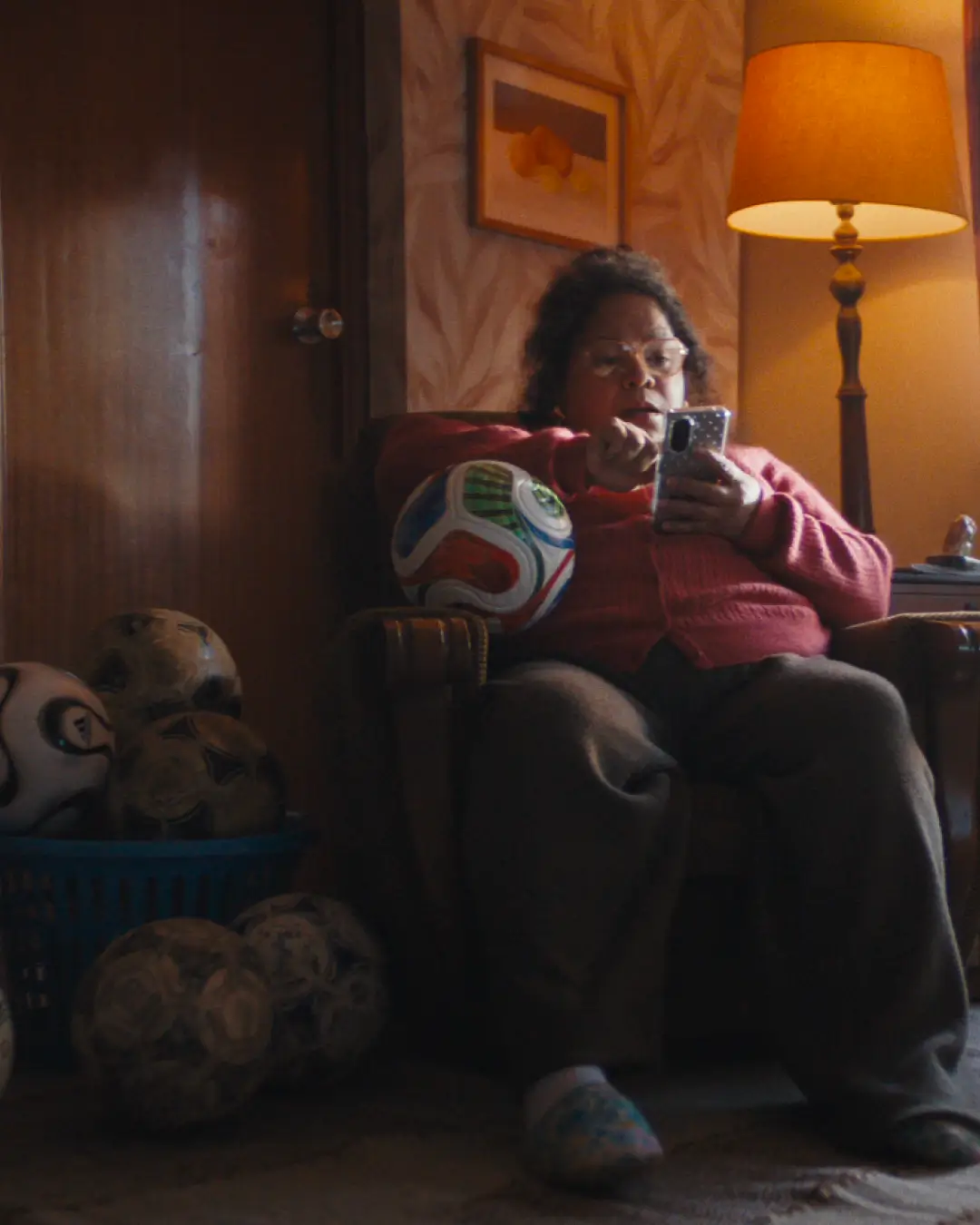
Beneath the spectacle, the film carries a surprisingly effective emotional core. Clive, Ruthie, and Isaak are not wealthy athletes or celebrity figures. They represent neighborhood mythology — the unbeatable local players everyone remembers growing up. Their invincibility is tied to pride, loyalty, chemistry, and defense of their community space rather than fame itself.
Rodman’s presence subtly reinforces the film’s broader inclusivity. adidas avoids isolating women’s football into a separate conversation and instead positions her naturally within the same football mythology as the male stars. The younger challengers collectively symbolize generational transition — football constantly renewing itself through new personalities and environments.
Chalamet’s repeated insistence that he knows “football” rather than “soccer” also taps into broader cultural conversations surrounding authenticity, globalization, and football identity in North America. The film smartly acknowledges commercialization while still embracing spectacle, proving the two can coexist when handled with genuine affection for the sport’s grassroots culture.
impression
“Backyard Legends” succeeds because it never feels cynical. It is undeniably a global marketing campaign, yet it understands football emotionally enough to transcend traditional advertising limitations. The film is funny, visually ambitious, emotionally nostalgic, and culturally aware without becoming overly self-important.
More importantly, it knows why football continues to matter globally in the first place. Before elite contracts, haute sponsorships, and billion-dollar tournaments, football begins locally — with one ball, one patch of ground, and a small group of people convinced their game means everything. “Backyard Legends” captures that feeling with remarkable clarity.
As the 2026 World Cup approaches, adidas has delivered a campaign that celebrates not only the future spectacle of football, but the neighborhood origins that continue to give the sport its emotional power. And in doing so, the message lands exactly as intended: You’ve Got This.
From the DRIFT archive: Inside the World’s Most Iconic Ski Experiences
Related Articles
René’s Crocodile Cut Into Beams In Plaid
Lacoste, 1933. Beams, 1976. A hood and pant in check. Japan, 3 October. Fifty years […]