

DRIFT AUDIO
Listen to this story
Choose a voice, then press play.
Recently, a new chapter in adidas history quietly but powerfully unfolded. After twelve months of existing almost entirely in whispers — seen only through friends-and-family previews, insider conversations, and tightly controlled seeding — the A-TYPE collection from adidas Originals finally steps into public view.
But A-TYPE does not arrive like a traditional sneaker launch. It enters more like a fashion house unveiling a new atelier line: deliberate, restrained, and deeply aware of the cultural weight behind every detail. This is adidas moving beyond sportswear nostalgia into something more refined — a serious attempt at positioning heritage athletic design within the language of modern luxury.
What makes the project compelling is not simply the pricing, exclusivity, or premium fabrication. It is the restraint. Rather than chasing spectacle, adidas chooses precision. Rather than leaning on collaborators to authenticate haute credibility, the brand looks inward, excavating its own archive and rebuilding it through a couture-level lens.
The result feels less like merchandise and more like a thesis statement.
know
A-TYPE functions as adidas Originals’ flagship premium imprint — a distilled interpretation of the brand’s identity at its most elevated. The name itself implies origin and archetype: foundational forms revisited with obsessive care.
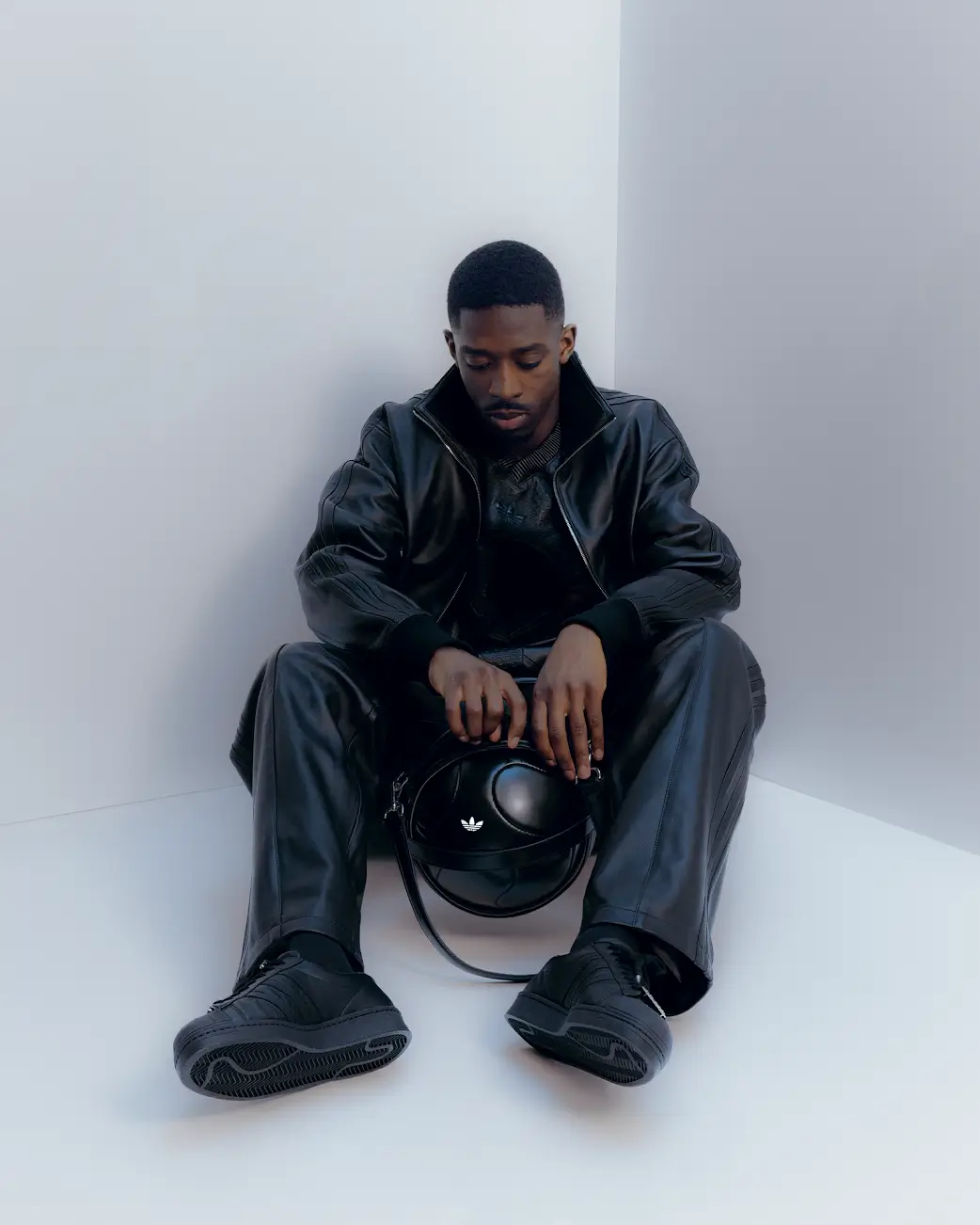
Instead of inventing new silhouettes, adidas refines icons already embedded into global culture. The debut capsule centers around three pillars: a reconstructed Superstar shoe, a transformed Firebird tracksuit, and football-inspired garments tied conceptually to the upcoming 2026 FIFA World Cup.
A revived 1970s Trefoil graphic quietly anchors the collection across labels, hardware, and packaging, reinforcing the idea that A-TYPE is less about reinvention and more about elevation through historical continuity.
The broader strategy is equally important. adidas intentionally avoids mass accessibility here. Distribution is microscopic. Production feels meticulous. The brand is clearly signaling that scarcity and craftsmanship — not hype velocity — define this project’s value.
built
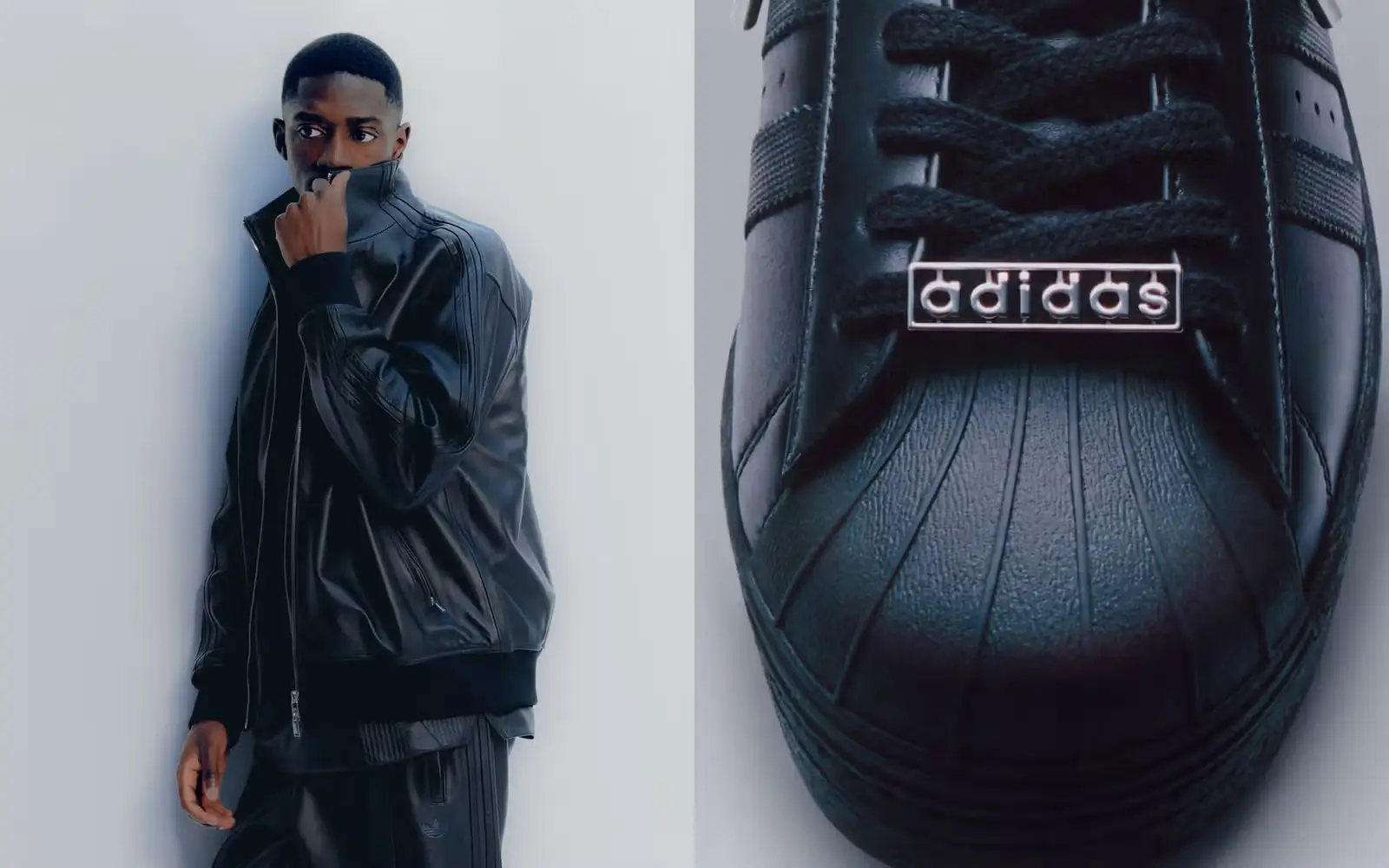
At the midst of the collection sits the A-TYPE Superstar, arguably the clearest expression of the line’s ambitions.
The silhouette remains recognizable, but nearly every material and surface has been reconsidered. Full-grain Italian leather replaces standard construction. Debossed Three Stripes reduce view noise. Cashmere-blend laces soften the sneaker’s familiar geometry. Silver jewelry-inspired hardware introduces subtle ornamentation without tipping into excess.
Even the detachable lace tips matter because they reinforce the collection’s larger obsession with ownership and personalization. The shoe is not simply worn; it is curated.
Underneath, adidas integrates Lightstrike Pro cushioning while preserving vintage proportions, allowing modern comfort to exist without compromising archival authenticity.
Then arrives the presentation.
Wooden shoe trees. Protective gloves. Dust bags. Molded premium packaging. Every element transforms the unboxing process into ceremony rather than transaction.
And yet the shoe never feels loud enough to resemble costume. That restraint becomes its strongest feature.
flow
The Firebird transformation may actually be the collection’s boldest gesture.
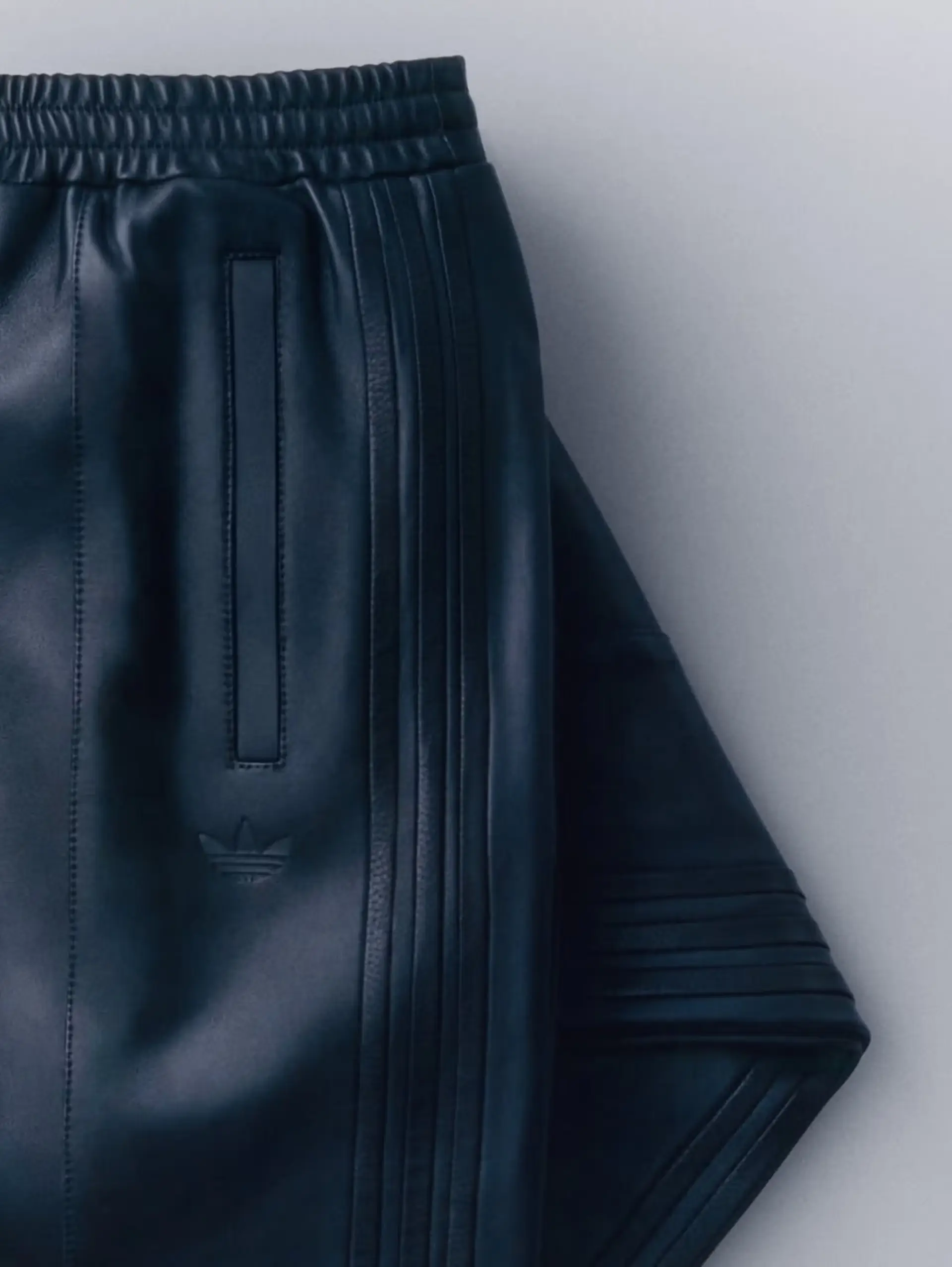
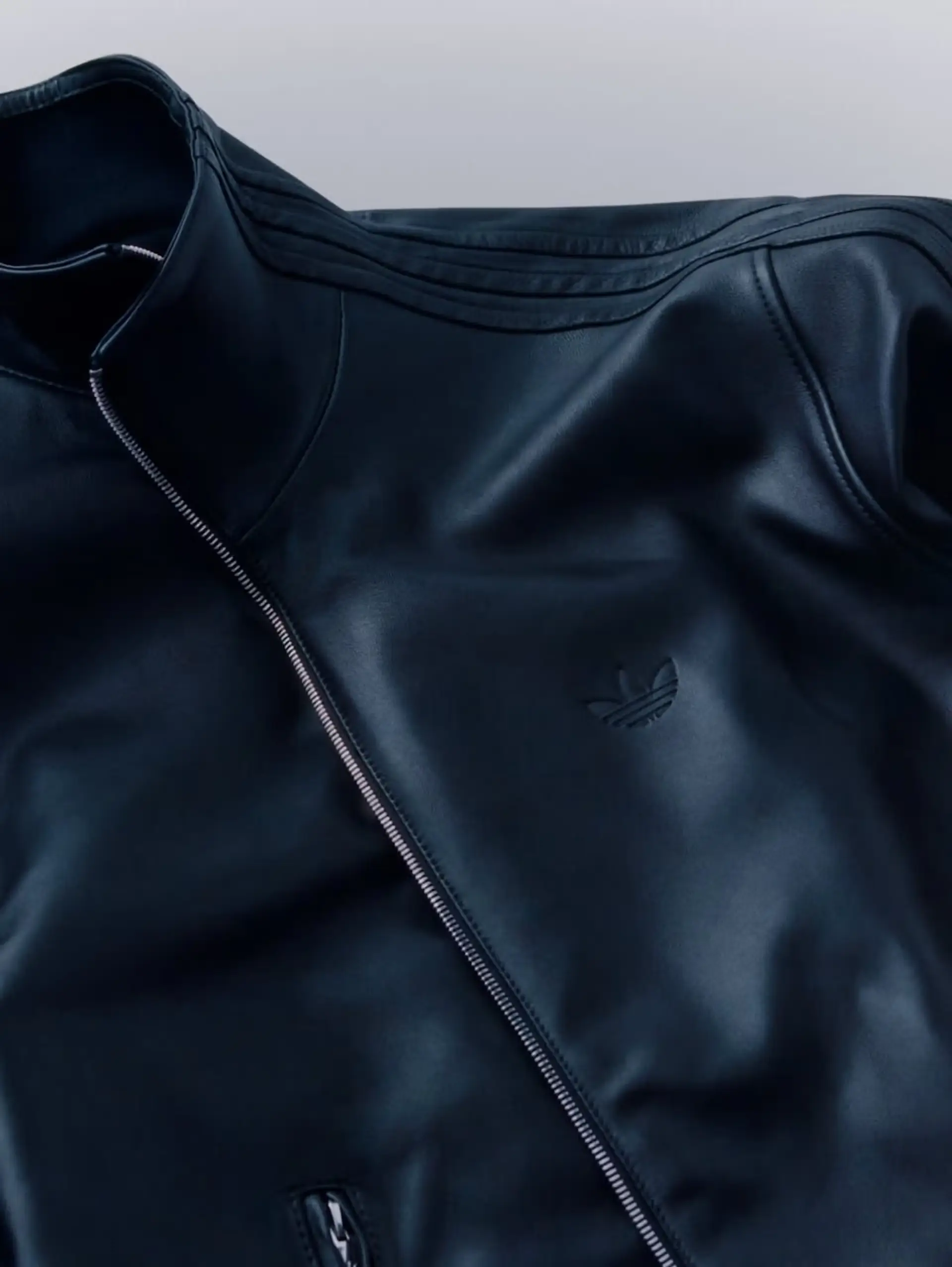
For decades, the Firebird existed as democratic sportswear — ubiquitous, accessible, culturally fluid. Here, adidas reconstructs it using premium sheep leather sourced and cut in Milan, dramatically altering both silhouette behavior and emotional perception.
The leather drapes softly while still maintaining structure. Embossed Trefoil patterns remain understated. Metal hardware replaces overt branding theatrics.
What emerges is not simply a luxury tracksuit. It becomes a meditation on how sportswear can age with dignity.
Unlike fast-moving hype products designed for immediate obsolescence, the A-TYPE Firebird seems intentionally built for long-term wear. The leather is expected to develop character over time, creating a relationship between garment and owner closer to traditional outerwear than athletic apparel.
idea
Even while A-TYPE pushes toward luxury positioning, football remains integral to the collection’s emotional core.
The football pieces connected to the upcoming World Cup preserve adidas’ sporting lineage while reframing it through collector-minded craftsmanship. The move matters strategically because football has always represented one of adidas’ most authentic cultural territories.
Rather than abandoning athletic heritage to pursue high-end legitimacy, A-TYPE argues that heritage itself is the luxury.
That distinction separates this project from many contemporary premium sportswear initiatives that feel disconnected from the histories they reference.
live
The smallest details often reveal the clearest intentions.
Custom packaging. Wooden shoe trees. Handling gloves. Jewelry-like Trefoil accessories. Refined archival branding.
These additions are not incidental. They are carefully orchestrated signals meant to reposition the consumer experience itself. adidas wants ownership to feel ceremonial, tactile, and emotionally elevated.
This holistic approach moves A-TYPE closer to established opulent houses than traditional athletic brands. The products are important, but the atmosphere surrounding them becomes equally essential.
scope
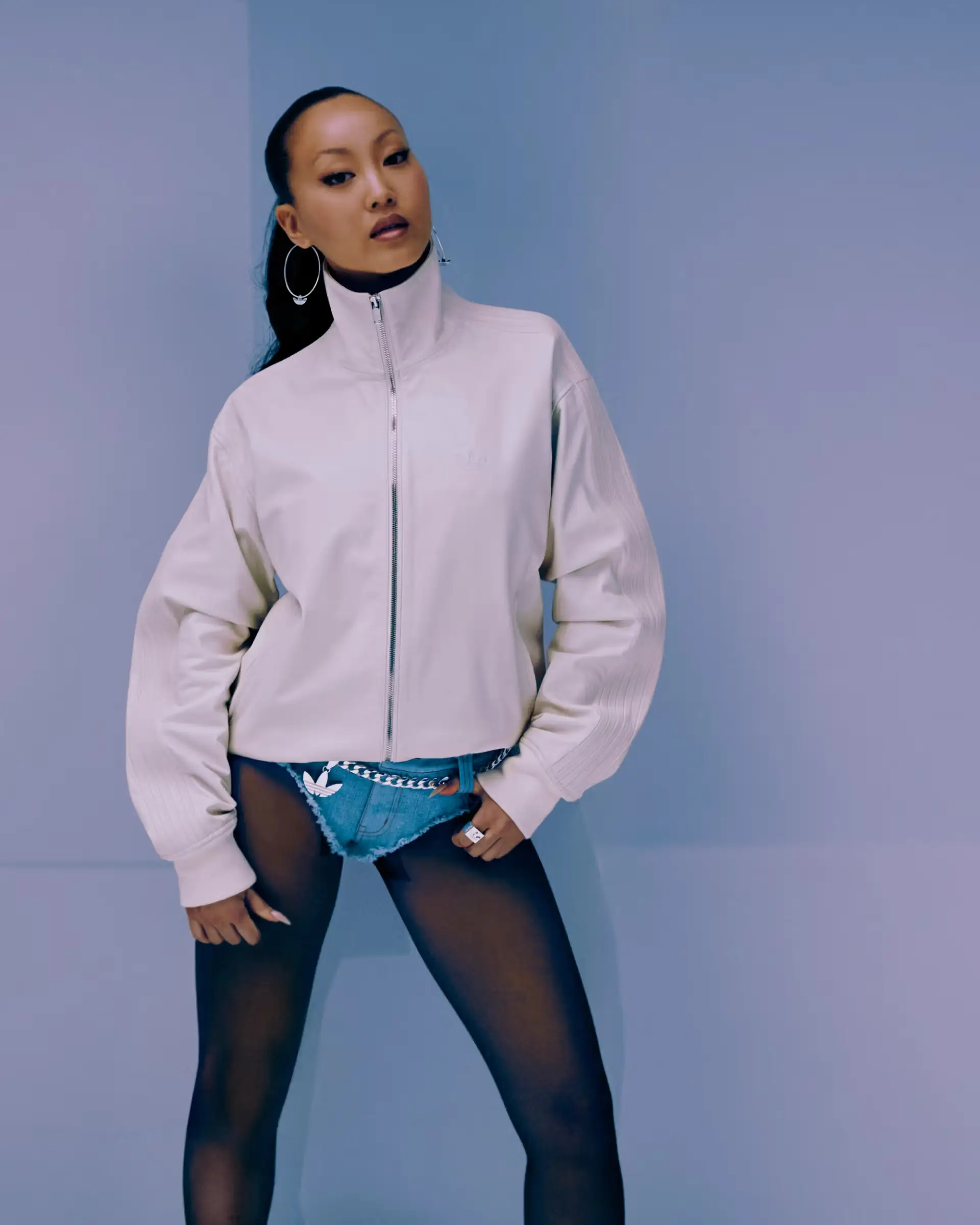
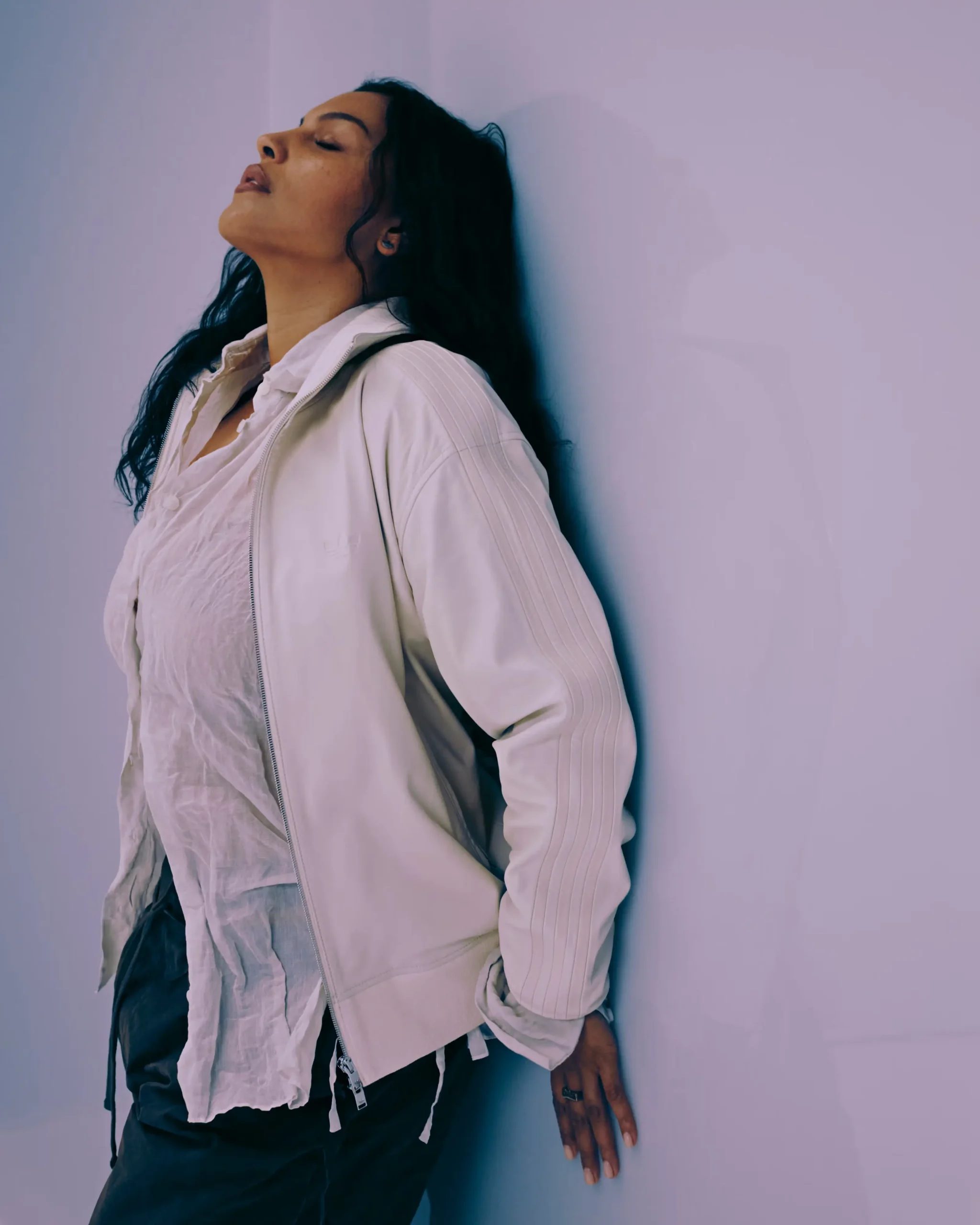
The campaign imagery, captured by Gabriel Moses with styling direction from Matthew Henson, reinforces the collection’s tonal ambition.
Featuring figures like Pusha T, Tyshawn Jones, and Paloma Elsesser, the campaign avoids overt commercial energy in favor of cinematic intimacy.
Soft lighting emphasizes texture. Tight framing highlights tailoring and material surfaces. Celebrity presence exists, but it never overwhelms the clothing itself.
That choice feels intentional.
A-TYPE is not selling aspiration through loud status signaling. It is selling reverence for construction, proportion, and permanence.
ltd
The release strategy further amplifies exclusivity. adidas limits the launch to just eight global retailers.
Those locations include:
- A Ma Maniere
- Casestudy
- ESSX
- GR8
- Maxfield
- Slam Jam
- SSENSE
- The Broken Arm
The retailer list itself reads like a map of globally influential fashion ecosystems rather than a standard sneaker rollout.
That distinction matters because adidas is carefully choosing context. A-TYPE is meant to exist beside contemporary haute retail environments, not within mass-market sneaker saturation.
rel
The broader implications may ultimately prove more important than the products themselves.
For years, opulent fashion and sportswear have continued collapsing into one another. Yet many brands still rely heavily on connectis to create cultural legitimacy at the high end. A-TYPE suggests adidas believes its archive alone possesses enough authority to compete in that space.
That confidence changes the conversation.
If successful, the platform could easily expand into elevated Sambas, Gazelles, or deeper basketball archival projects. More importantly, it positions adidas as a brand increasingly interested in emotional craftsmanship rather than purely performance-driven innovation.
In many ways, A-TYPE feels like an answer to the growing exhaustion surrounding disposable hype culture. Instead of chasing constant acceleration, adidas slows things down — focusing on materials, aging, tactility, and permanence.
That is what makes the collection resonate beyond haute pricing or scarcity mechanics.
It feels patient.
And in today’s fashion landscape, patience itself has become a novel standard.
Related Articles

Master Chief Reports to Call of Duty Now: Inside Xbox’s Second Reset Wave
Twenty-five years after Halo launched the original Xbox, the next mainline game belongs to Activision. […]