
DRIFT AUDIO
Listen to this story
Choose a voice, then press play.
BEAMS marks its 50th year with a first ever HOKA connection: a Bondi 7 redone in stone colored camouflage, arriving August 7 in Harajuku ahead of a nationwide rollout.
HOKA and BEAMS have crossed paths before in a loose, retailer sense: the Tokyo select shop has stocked HOKA runners on its shelves for years the way any well curated store stocks a brand people actually want. This is different. “Bondi 7 BEAMS” is the first time the two have built something together, and the shoe lands as part of BEAMS’ fiftieth anniversary calendar, a year the company has spent leaning into its archive and its relationships in roughly equal measure.
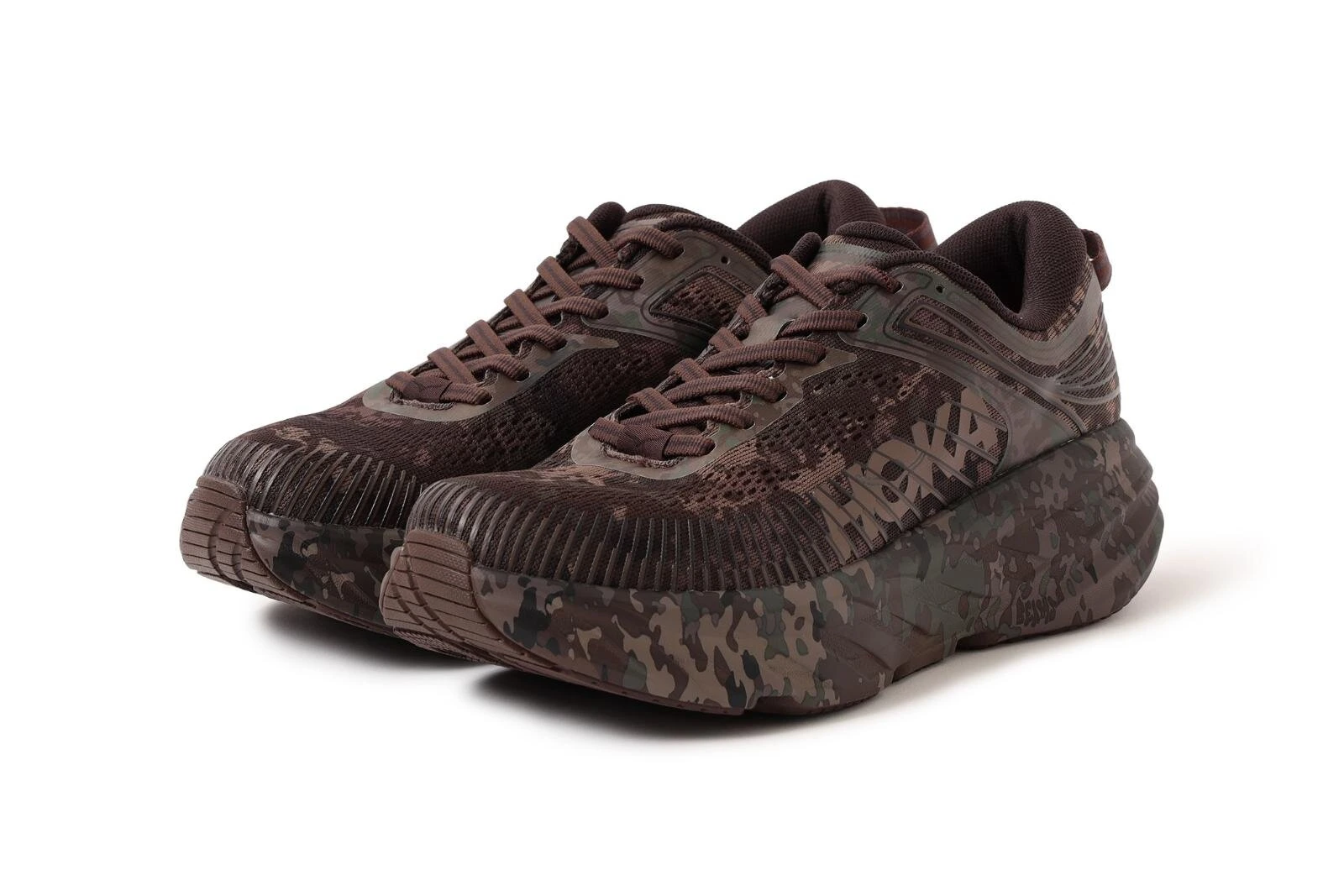
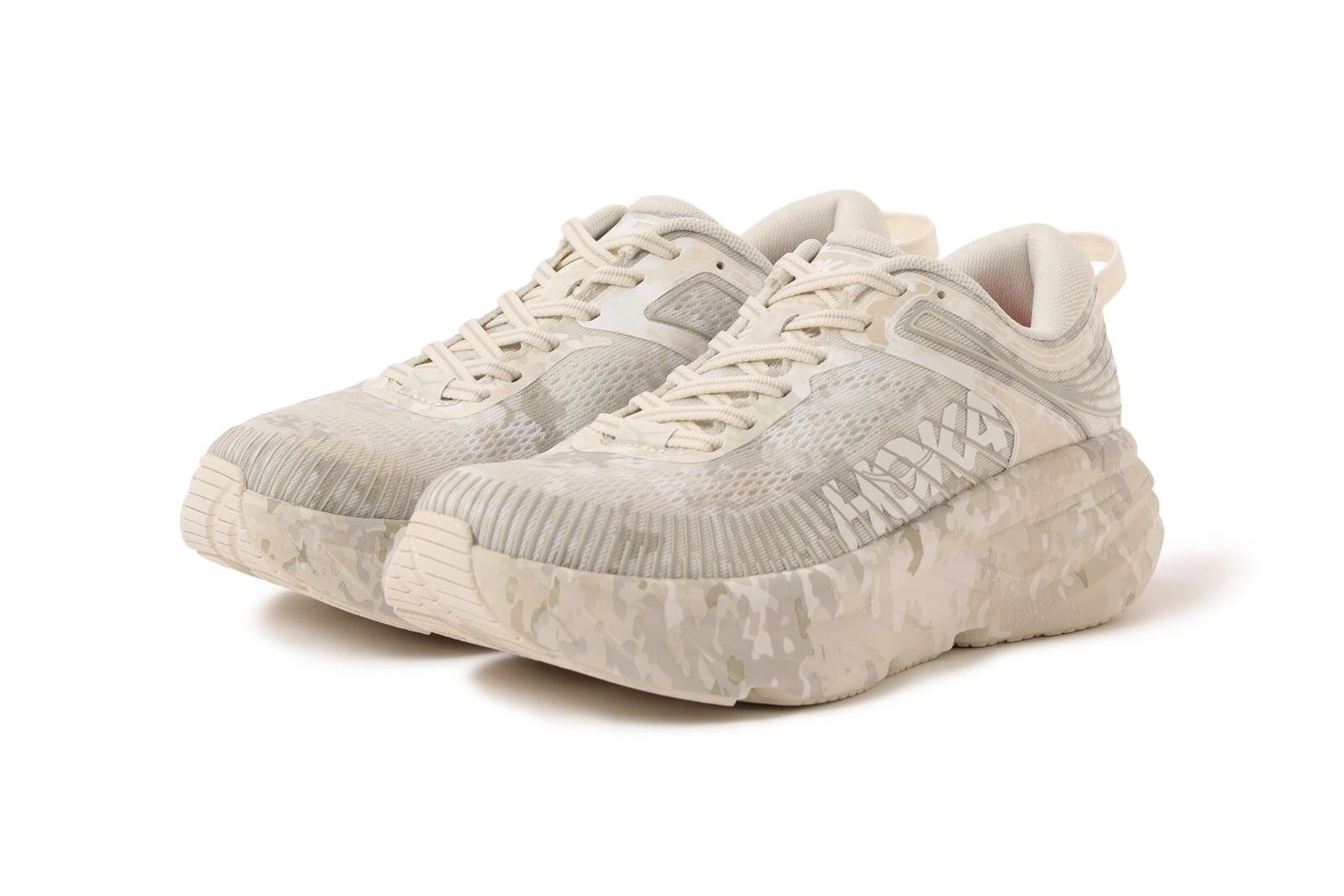
The rollout comes in stages. Beams Harajuku and Beams Boy Harajuku get it first, on Friday, August 7, in a pre release window limited to those two addresses. The following day, Saturday, August 8, the shoe opens up to Beams and Beams Boy label stores nationwide and to the BEAMS official online store. HOKA joins the release itself a week later, on August 14, when the pair becomes available through HOKA Shibuya, a select group of other HOKA retailers, and HOKA’s own storefronts. The shoe is unisex, priced at 27,500 yen, and comes in two colorways: a warm brown and an off white.
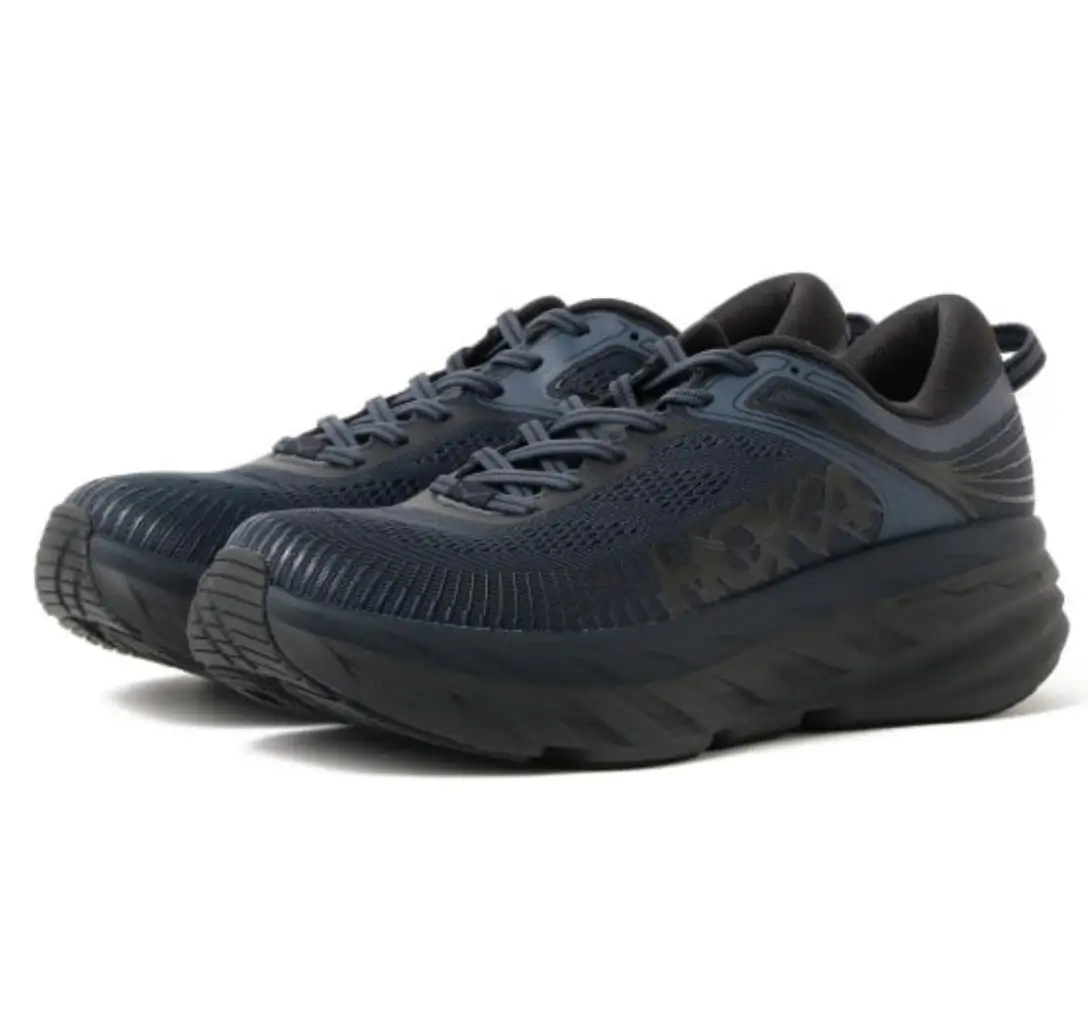
The HOKA Project Transport arrives in a deep navy colorway with a breathable engineered mesh upper, understated camouflage HOKA branding, tonal overlays, and the brand’s signature oversized cushion midsole, blending everyday comfort with a restrained utilitarian aesthetic.
flow
The concept sits somewhere between a footwear brief and a design essay. BEAMS built the connection around the shh aesthetics of the Japanese Zen garden, drawing directly from karesansui, the raked gravel and stone gardens found at old Japanese temples, where nothing moves and everything is arranged. That stillness gets translated into an original camouflage pattern applied across the Bondi 7’s upper and midsole, framed around the idea of harmony with nature rather than the tactical or military reference points camo usually carries in sneaker design.
View this post on Instagram
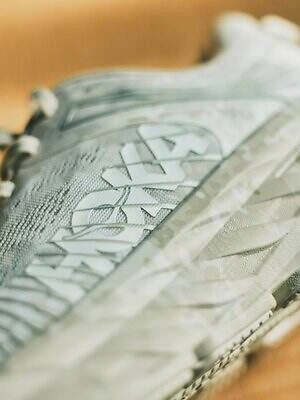
It reads more like a stone path than a hunting pattern: a speckled, tonal break up in either brown or white that keeps the shoe’s silhouette intact while giving the surface a texture that changes depending on the light. Nothing about the exterior architecture of the Bondi 7 has been altered. This is a pattern project layered onto an existing shape, and the two colorways read as companions rather than a pick one situation, closer to two ends of the same idea than two competing options.
show
The Bondi has been HOKA’s flagship cushioning statement since it first appeared in 2011, and the version underneath this collaboration, the Bondi 7, arrived in 2020 as a road and trail runner built around a thick, compression molded EVA midsole and a memory foam ankle collar. It landed right as the platform shoe moment was picking up steam outside of running circles, and the Bondi 7 became something of an accidental icon of that shift: a shoe engineered for long distance comfort that ended up on plenty of feet that never ran a mile in it. HOKA reissued the model this year, which is part of why it made sense as the base for a design forward connection rather than one of the brand’s newer, more technical releases.
That crossover appeal, comfort first but legible as fashion, is presumably what put the Bondi 7 in front of BEAMS in the first place. HOKA itself was founded in 2009 in Annecy, France, by Nicolas Mermoud and Jean Luc Diard, two former Salomon employees chasing a shoe built for faster downhill running, and it has spent the years since being folded into Deckers Brands while growing into one of the more visible names in both performance running and, increasingly, the kind of shops that also sell tailored jackets.
The name itself points at Bondi Beach in Sydney, a nod HOKA has kept even as the shoe’s audience shifted well past distance runners. Ultramarathon competitors were the first to adopt HOKA’s oversized midsoles, drawn to the extra cushioning on long descents, and that endurance pedigree still sits underneath every version of the Bondi line, this collaboration included. Nothing about the underlying ride, the compression molded foam or the rocker geometry that shapes the toe off, has been touched here. BEAMS applied a surface treatment to a shoe that was already doing its job well, which is a fairly different exercise than building a collaboration from a blank silhouette.
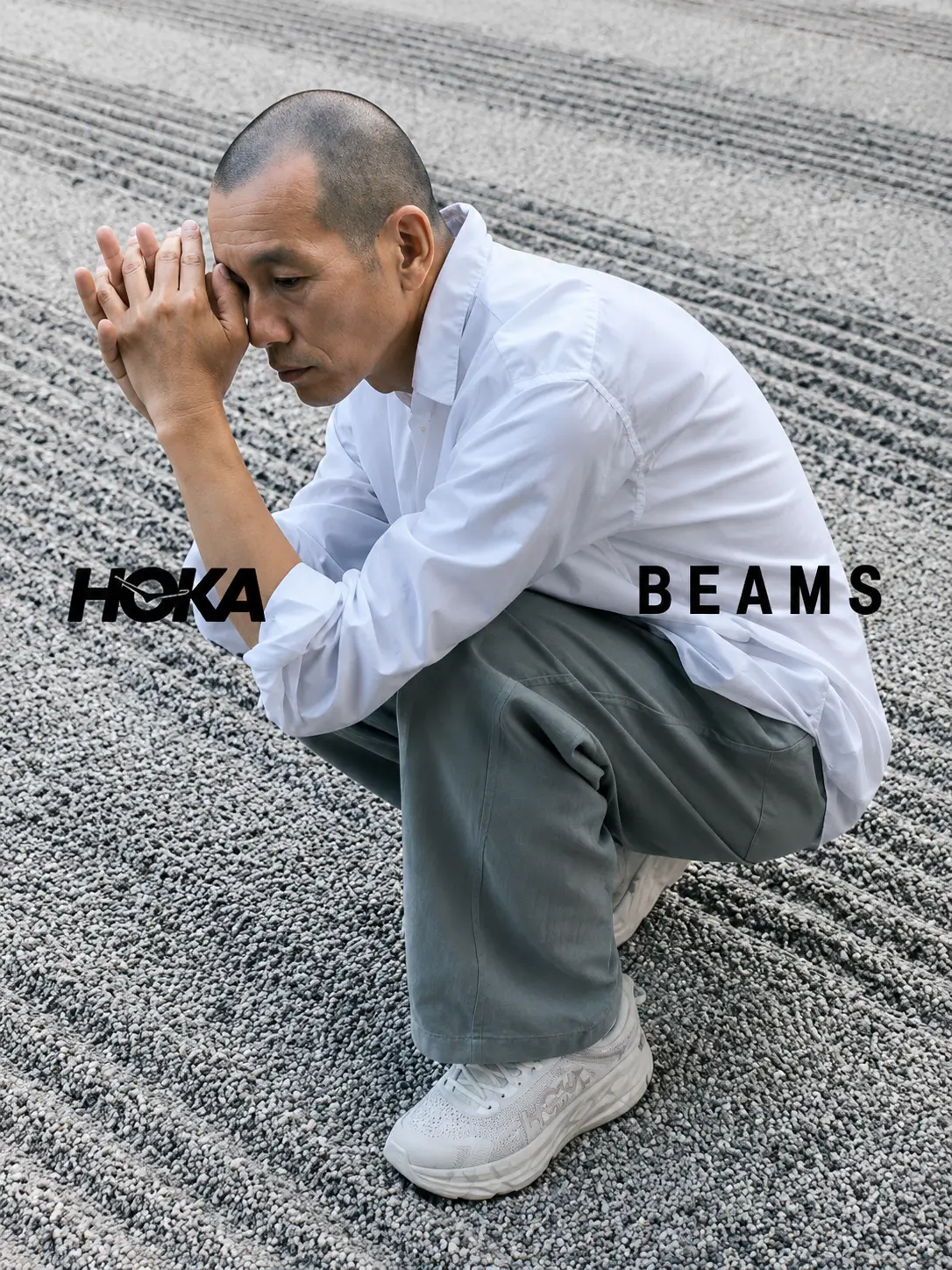
The BEAMS × HOKA Project Transport campaign places the collaboration within the calm setting of a traditional Japanese Zen garden, pairing minimalist styling with the shoe’s understated design language to emphasize comfort, craftsmanship, and quiet versatility.
fin
BEAMS opened its first shop in Harajuku in 1976 and has spent five decades since building a reputation less on any single house line than on its instincts as a curator and collaborator, a résumé that runs through fashion, music, and design without settling permanently in any one lane. The fiftieth anniversary program has already included a renovation of the flagship Harajuku store itself, and a first ever HOKA project fits the shape of a year built around new relationships layered onto old ground.
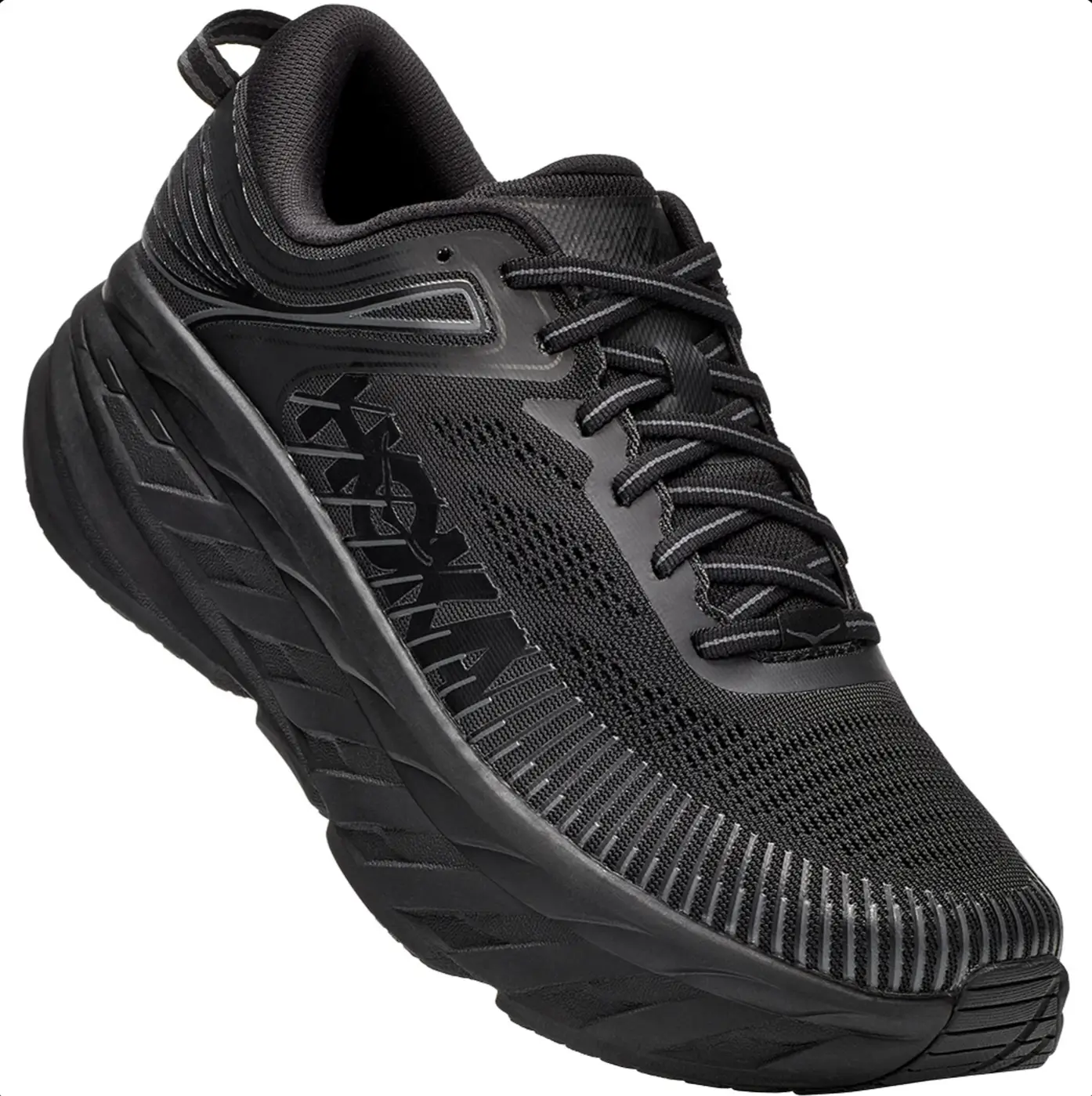
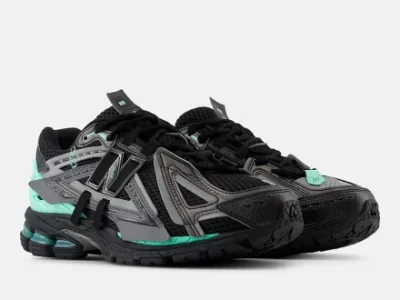
The HOKA Project Transport in an all-black finish pairs a breathable engineered mesh upper with tonal overlays, reflective laces, oversized monochromatic HOKA branding, and the brand’s signature sculpted cushion midsole for a streamlined everyday silhouette.
For HOKA, a brand still closer to its running store roots than to the collaboration circuit that adidas or Nike have run for decades, the pairing marks a step toward the kind of fashion facing partnership that companies like Salomon and On have leaned into more aggressively in recent seasons. The staggered release, BEAMS first, HOKA a week later, suggests each side is treating this as their own moment with the shoe rather than a single simultaneous drop, a structure that gives the karesansui concept two separate audiences before it becomes available everywhere at once.
It also mirrors how BEAMS has handled its own anniversary year so far, spreading fifty years of milestones across a rolling calendar of store renewals, reissues, and outside partnerships rather than compressing them into a single headline moment. A HOKA connection slots into that rhythm without needing to be the loudest thing on the schedule. The shoe carries its own reference point quietly, a garden built to be looked at rather than walked through, now built onto something meant for exactly the opposite.
Related Articles
Tom Sachs Put Black And Team Royal On The General Purpose Last Again
NikeCraft GPS. FZ1363-002. Black field. White Swoosh. Royal pull tabs. Gum sidewall. European calendars point […]