
DRIFT AUDIO
Listen to this story
Choose a voice, then press play.
SPECS. $2,195. $200 deposit. Fall 2026 ship. US, UK, France. 132 or 136 grams. No puck.
Snap is selling SPECS as its first consumer standalone augmented reality glasses. Evan Spiegel calls them a wearable computer in see-through frames. Price $2,195. Pre-order takes a $200 refundable deposit. Remainder closer to ship. Up to five units per reserve. Fall 2026 delivery aimed at the United States, United Kingdom, and France. A Wi-Fi plus cellular bundle with a 5G-capable case is $2,395 in the US. Verizon is the US connectivity partner. Orange in France, EE in the UK.
Hardware and platform landed at AWE 2026 in June. Software, partnerships, and SPECS Intelligence followed in mid-September. In-person try-on starts 1 October at SPECS First Look, Westfield Century City, Los Angeles. Other regions sit on waitlists.
This is not the 2016 camera Spectacles and not the 2024 developer kit. Snap says the consumer frames are about 40 percent lighter than that 226-gram developer pair.
Signal. What happened: Snap opened consumer SPECS at $2,195 with fall 2026 shipping in three countries. Exact product: standalone see-through AR glasses, two frame sizes. When and where: pre-order now, LA demos 1 Oct. Why it matters: a glasses computer with no tether, sold as daily wear instead of a kit. Earlier DRIFT: none on SPECS.
sit
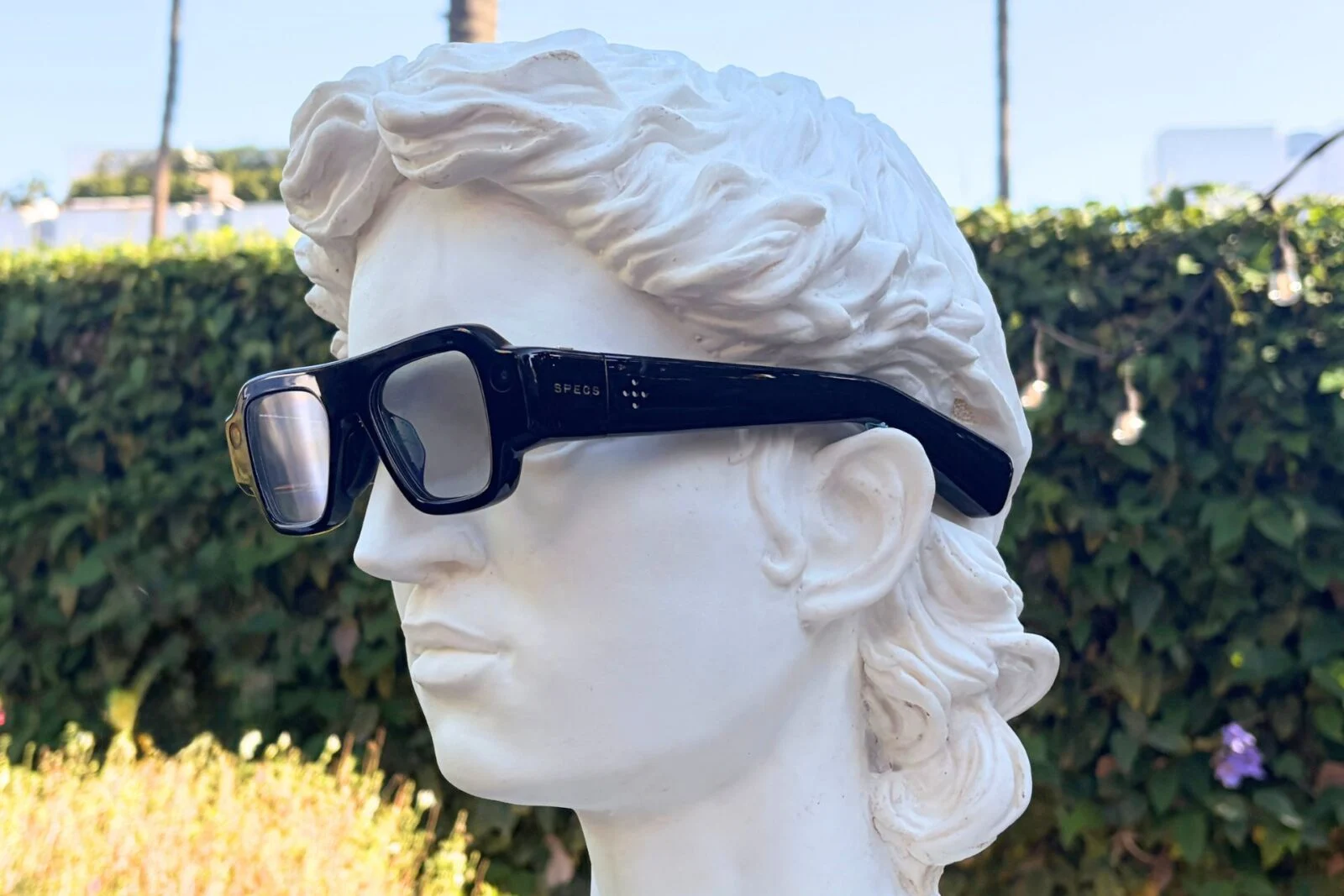
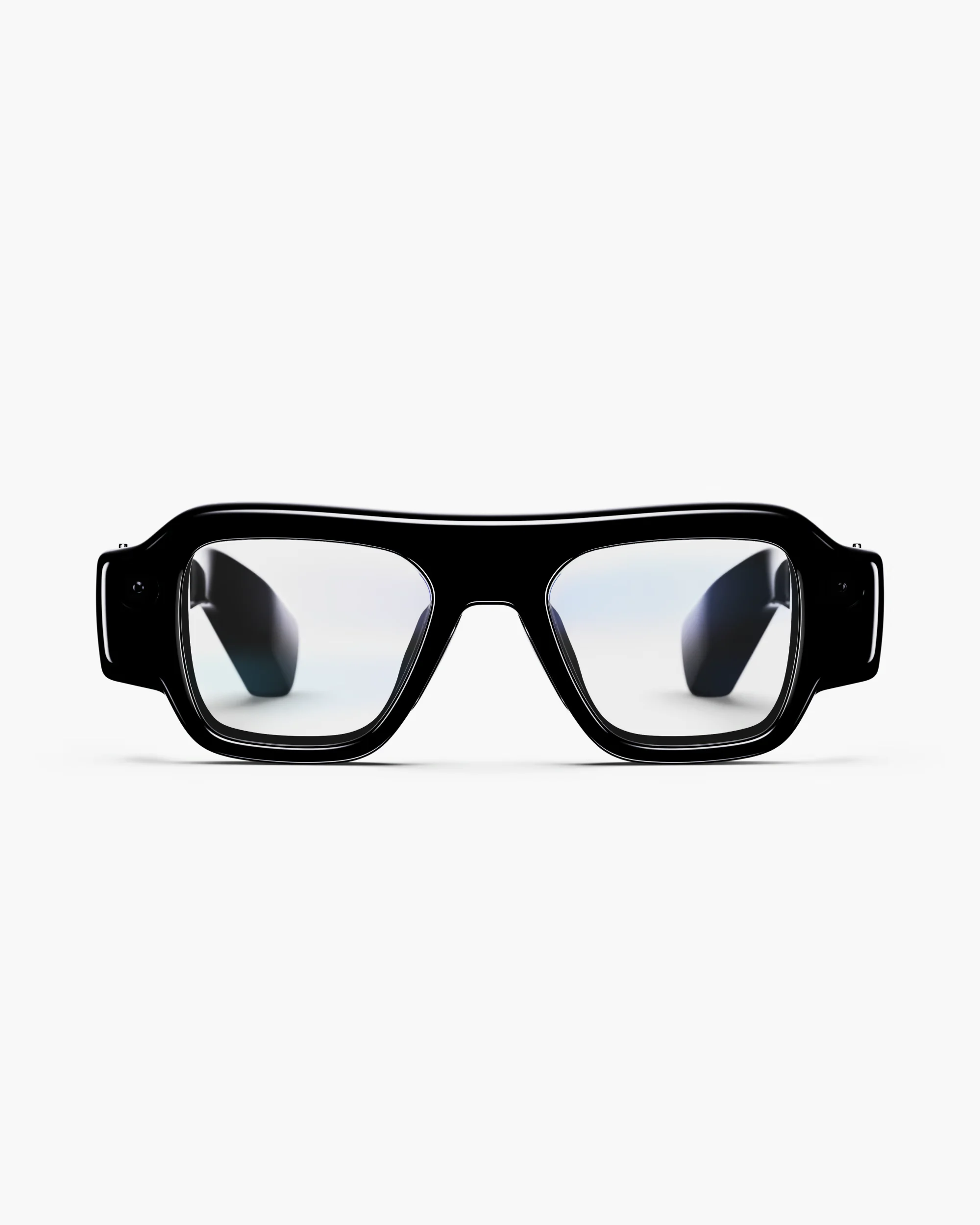
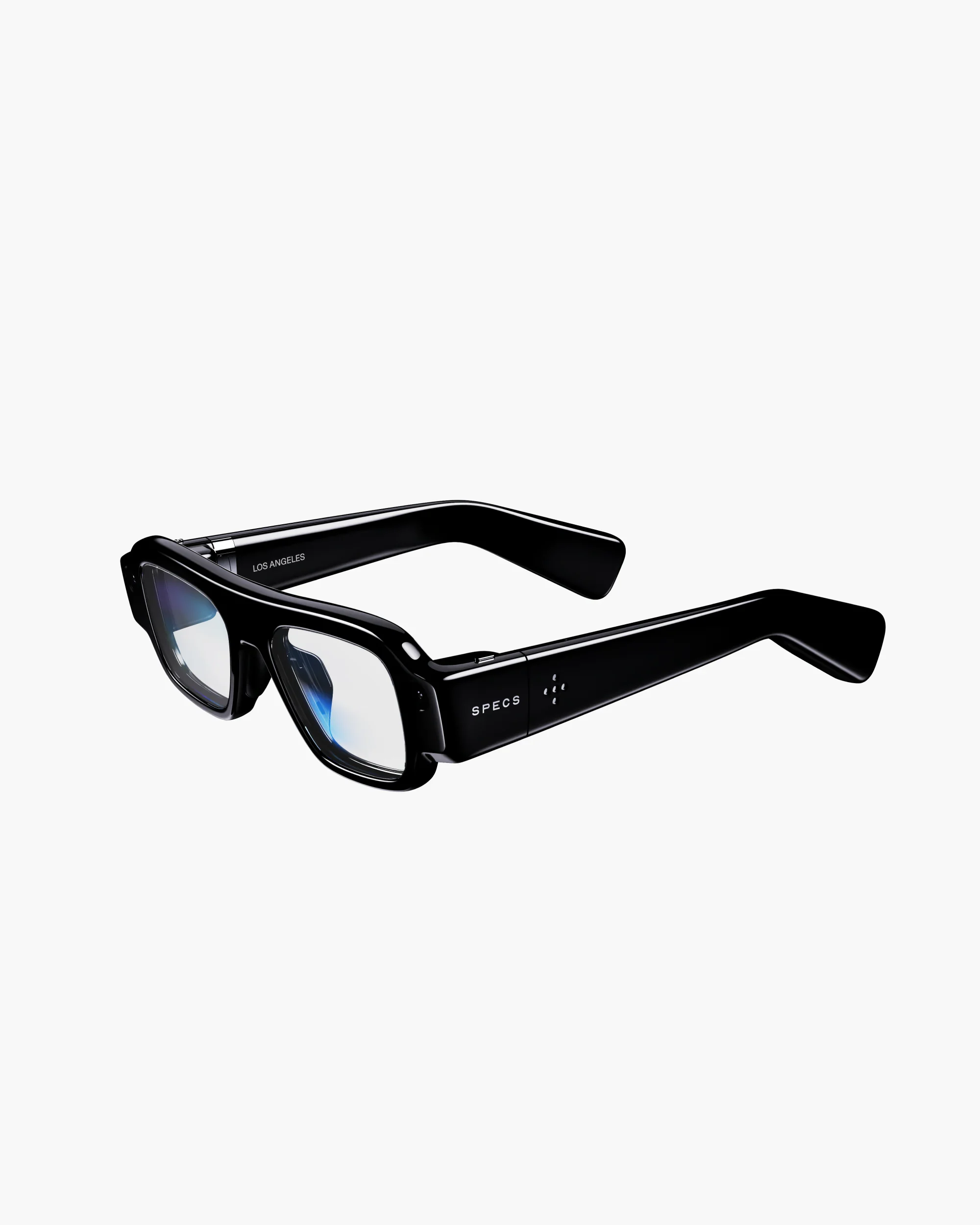
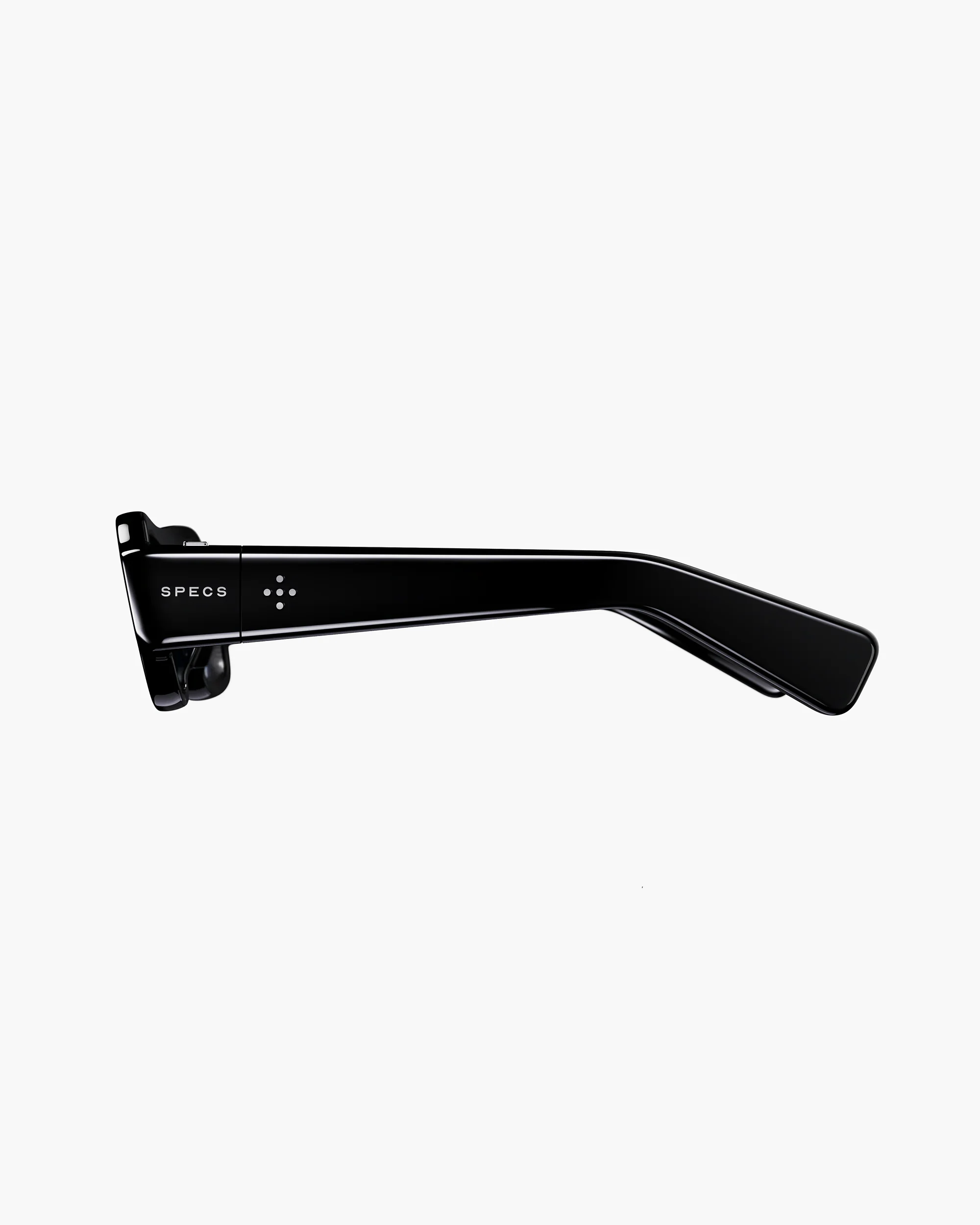
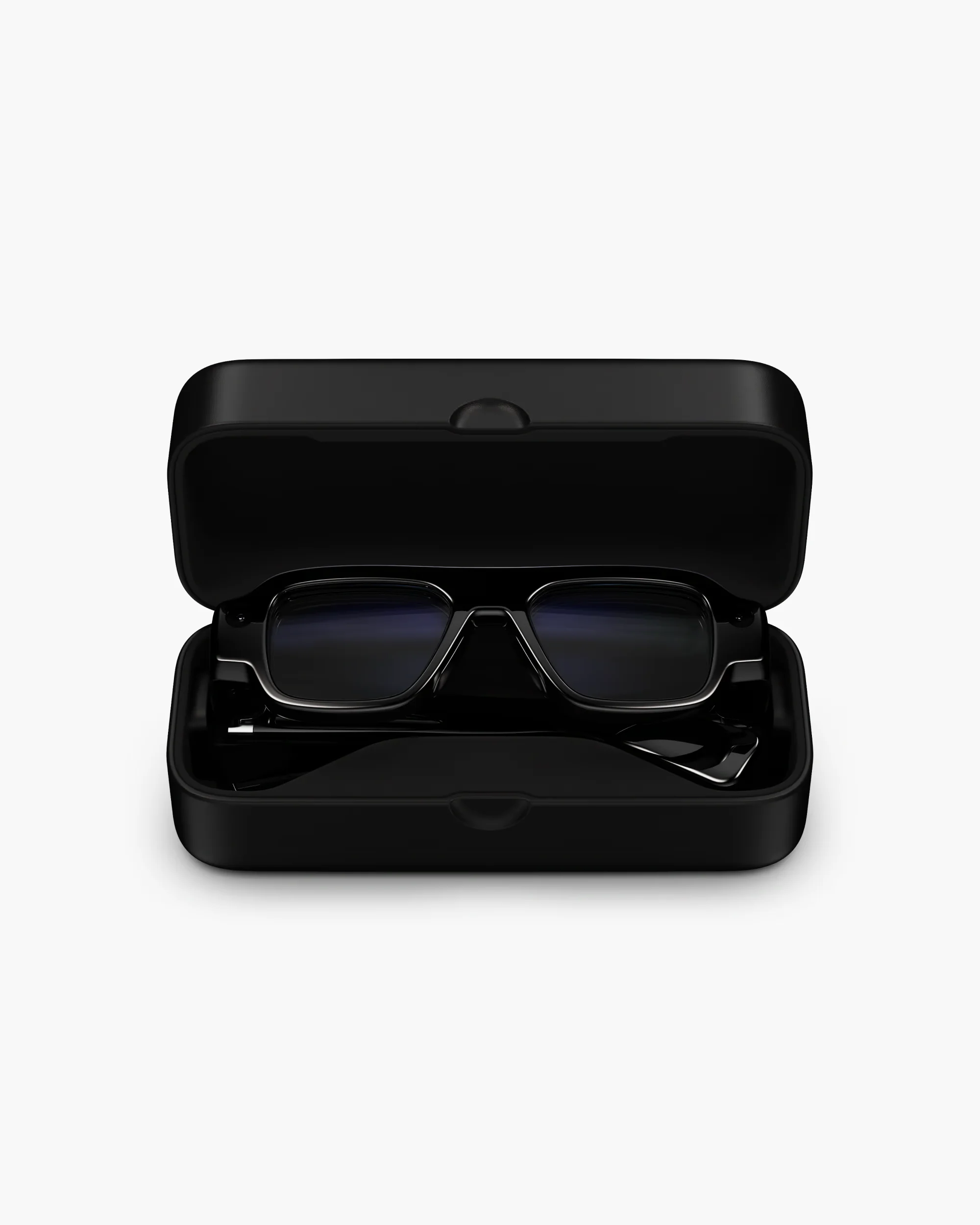
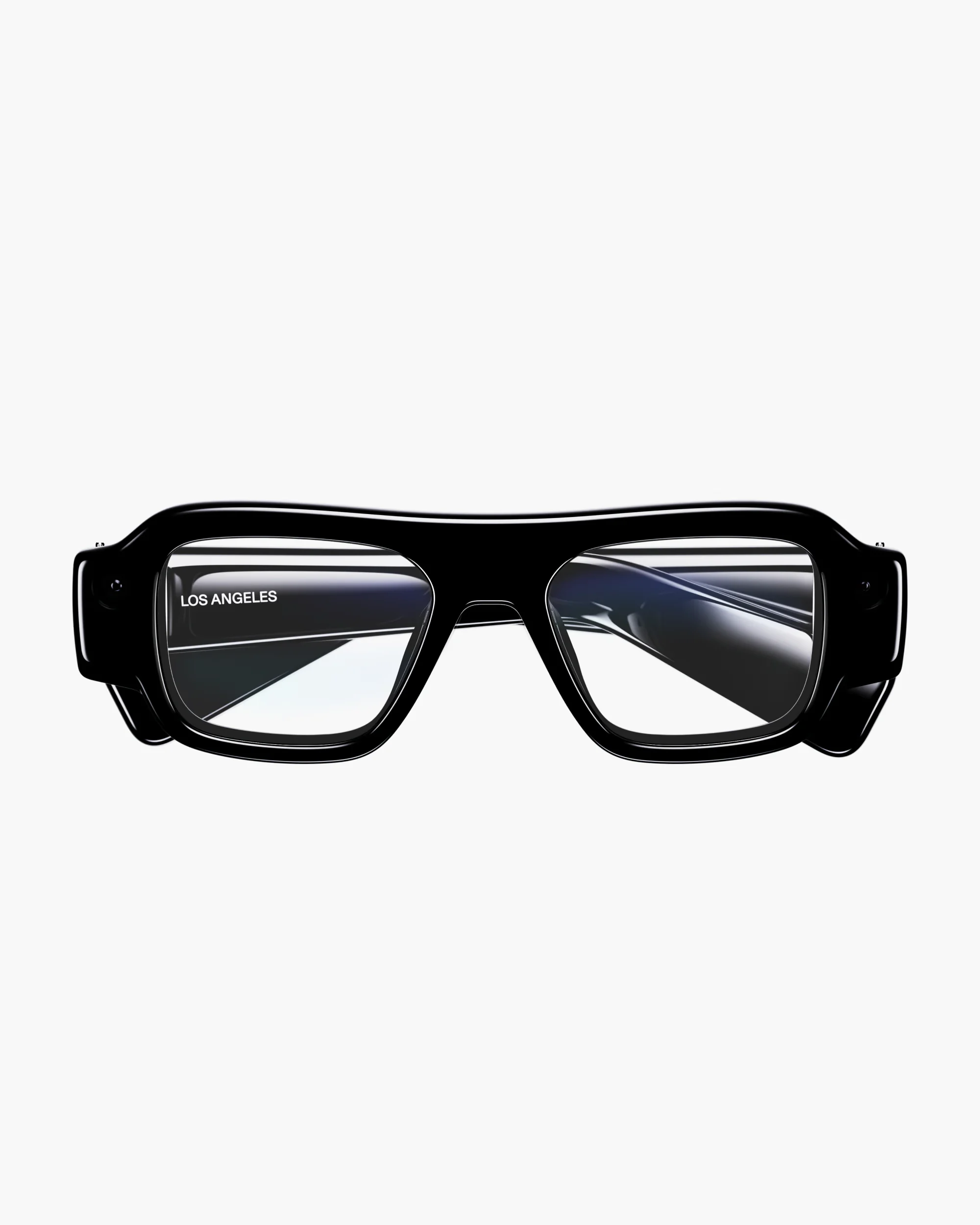
Swiss TR90 polymer. Narrow Fit 47 mm at 132 g. Wide Fit 52 mm at 136 g. Swappable nose pads in the box. Prescription inserts (single-vision, about -8 to +2) ship separately through certified partners.
The sil is oversized next to ordinary spectacles or Meta’s Ray-Ban Display line. Snap’s argument is packing: dual processors, battery, cameras, speakers, sensors, display, no puck. Electrochromic lenses go clear to tint in about 10 seconds. A magnetic 5-pin port takes charge or a USB-C streaming cable from phone, PC, or console.
Open-ear stereo lives in the temples. Ambient sound stays. Multiple microphones (reports cite six high-SNR MEMS) handle voice and capture. A visible LED marks recording. Third-party Lenses need explicit consent for camera or mic.
Optics are Snap’s LCoS microdisplays into transparent waveguides rebuilt with nanostructures Snap describes as billions, more than 10,000 on a hair tip. Field of view 51 degrees. 16 million hues. The company compares work to a 24-inch desktop and media to a 115-inch screen from about 10 feet. Motion-to-photon latency is stated at 7 milliseconds, measured on robots. The point is see-through. The world stays. Overlays sit inside it.
Two Qualcomm Snapdragon chips: one for computer view (world, hands, anchors), one for Lenses and graphics. Exact SKUs unpublished. Input is voice and hands. No controller. Mixed-use battery up to 4 hours. The case adds four charges, about 20 hours across a day if the rating holds.
claim
SPECS run Snap’s Lens platform. Hundreds of Lenses at launch: entertainment (Harry Potter HBO moments, NBA), navigation, translation, spatial whiteboards, view screens, education, fitness, shopping, shared sessions. Developers use Lens Studio and new CLAD tooling. Commerce Kit handles in-Lens buys. Enterprise names include NVIDIA, AWS, Salesforce.
SPECS Intelligence, from the September software wave, is an anticipatory layer across iPhone, Mac, and the glasses. It is supposed to learn priorities, draft replies, organize, suggest next steps, and wait for approval before acting. iOS preview is live in the US for 18+. Mac is waitlist. Continuity is the pitch: pick up work across slab, laptop, and face.
Bluetooth notifications from iPhone and Android. Wired, the glasses can be a private second screen.
extend
$2,195 base. $200 deposit, refundable if you cancel before final payment. 14-day returns after receipt. One-year limited warranty on materials and workmanship. Klarna in select markets. Free ship and returns in launch countries.
View this post on Instagram
In the box: glasses, charging case, cable, cloth, quick-start, nose-pad kit. Prescription is extra. Cellular is extra money and a carrier plan.
Four hours mixed is short next to a phone and longer than many current headsets on one charge, especially with the case counted. 132 to 136 grams is light next to the 2024 kit and heavy next to drugstore frames. 51 degrees is a real FOV for consumer AR and still a window, not a wrap. Success is whether Lenses and Intelligence get used after the unboxing photo.
Fall 2026 is the ship sentence. Until a tracking number exists, the path is deposit, LA demo floor, iOS preview, and whatever Lens Studio keeps shipping. SPECS are Snap’s bet that the next computer hangs on a face and leaves the world view
Related Articles
Pocket-sized Xbox Ctrl
Xbox Nano Controller. Announced 14 October 2026 by James Hunter. $49.99. Rechargeable battery. Programmable Action Button. Xbox Wireless and Bluetooth.