DRIFT AUDIO
Listen to this story
Choose a voice, then press play.
For something so small, the cassette tape carries an outsized presence. It doesn’t glow, doesn’t connect, doesn’t notify. It simply exists—waiting. And yet, in a moment defined by constant connectivity and frictionless access, it’s precisely this stillness that feels new again.
The cassette isn’t returning because people suddenly forgot streaming exists. It’s returning because streaming became too easy.
For years, digital platforms have refined listening into something nearly invisible. Music starts instantly. It continues automatically. It adjusts itself based on your behavior. The entire experience is engineered to remove pause, hesitation, or decision. And while that efficiency is undeniable, it comes at a cost: listening becomes passive. Songs blur together. Albums lose their shape. Music turns into atmosphere rather than event.
The cassette interrupts that flow.
It asks something of you—small things, but meaningful ones. You choose the tape. You insert it. You press play. You wait a second as the mechanism engages. These steps aren’t dramatic, but they create awareness. They make you conscious of the moment you’re entering.
That’s the difference. With a cassette, listening begins.
View this post on Instagram
stir
The renewed interest in analog formats isn’t just about aesthetics or retro appeal. It reflects a broader shift in how people want to experience technology.
We’ve spent years optimizing for speed. Faster devices, faster networks, faster access to everything. But speed, by itself, doesn’t guarantee satisfaction. In fact, when everything becomes instant, it often becomes forgettable.
There’s no anticipation. No buildup. No sense of arrival.
Cassettes bring those elements back—not by adding complexity, but by refusing to remove it. They slow the process just enough to make it visible again. You feel the transition from silence to sound. You recognize when something starts and when it ends.
That awareness changes how you listen.
It’s no longer background noise. It becomes something you’re actively participating in.
idea
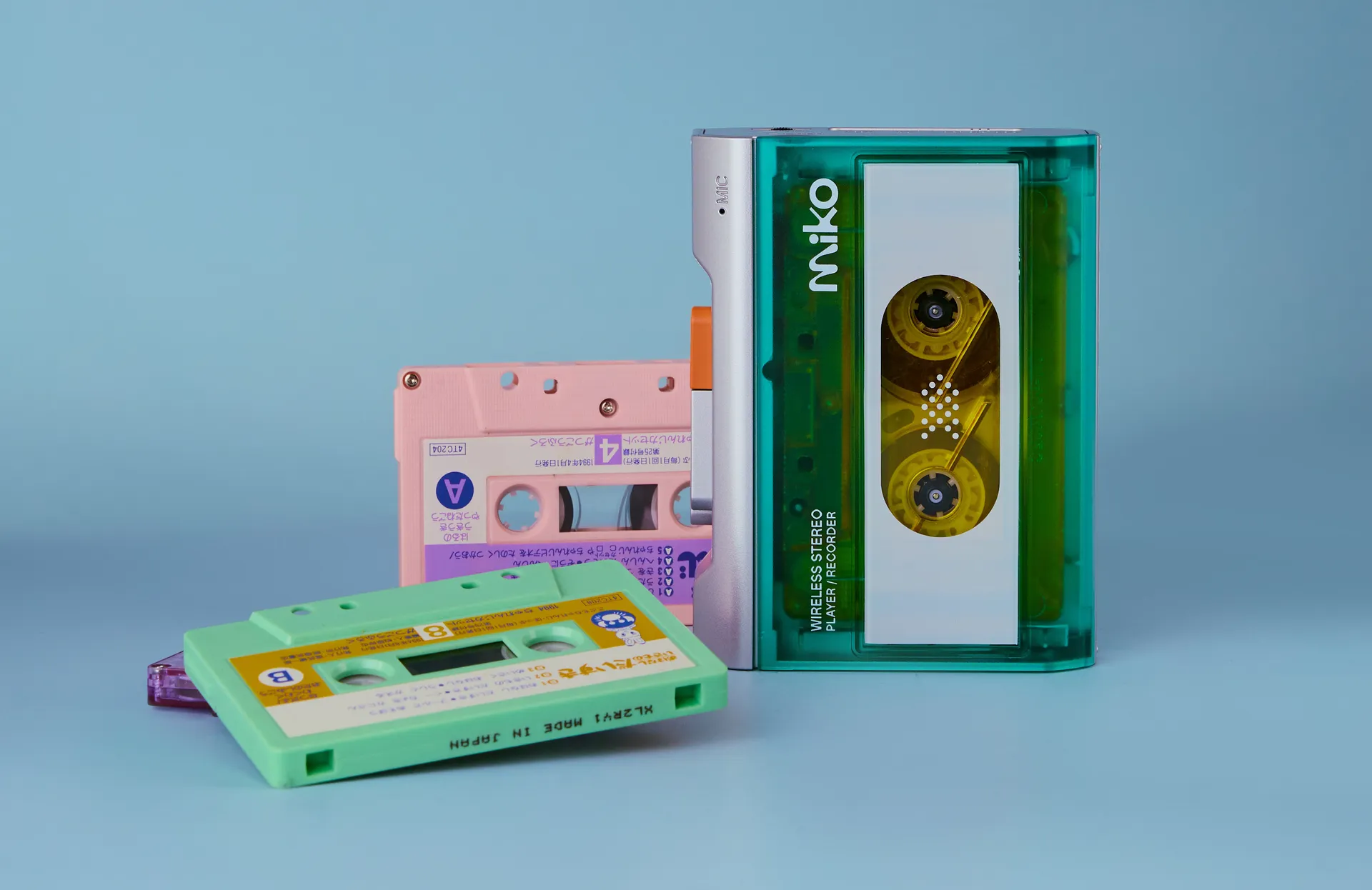
At the center of this analog resurgence are devices like the Gadhouse Miko and We Are Rewind’s WE-001. They aren’t trying to reinvent the cassette—they’re simply making it usable again.
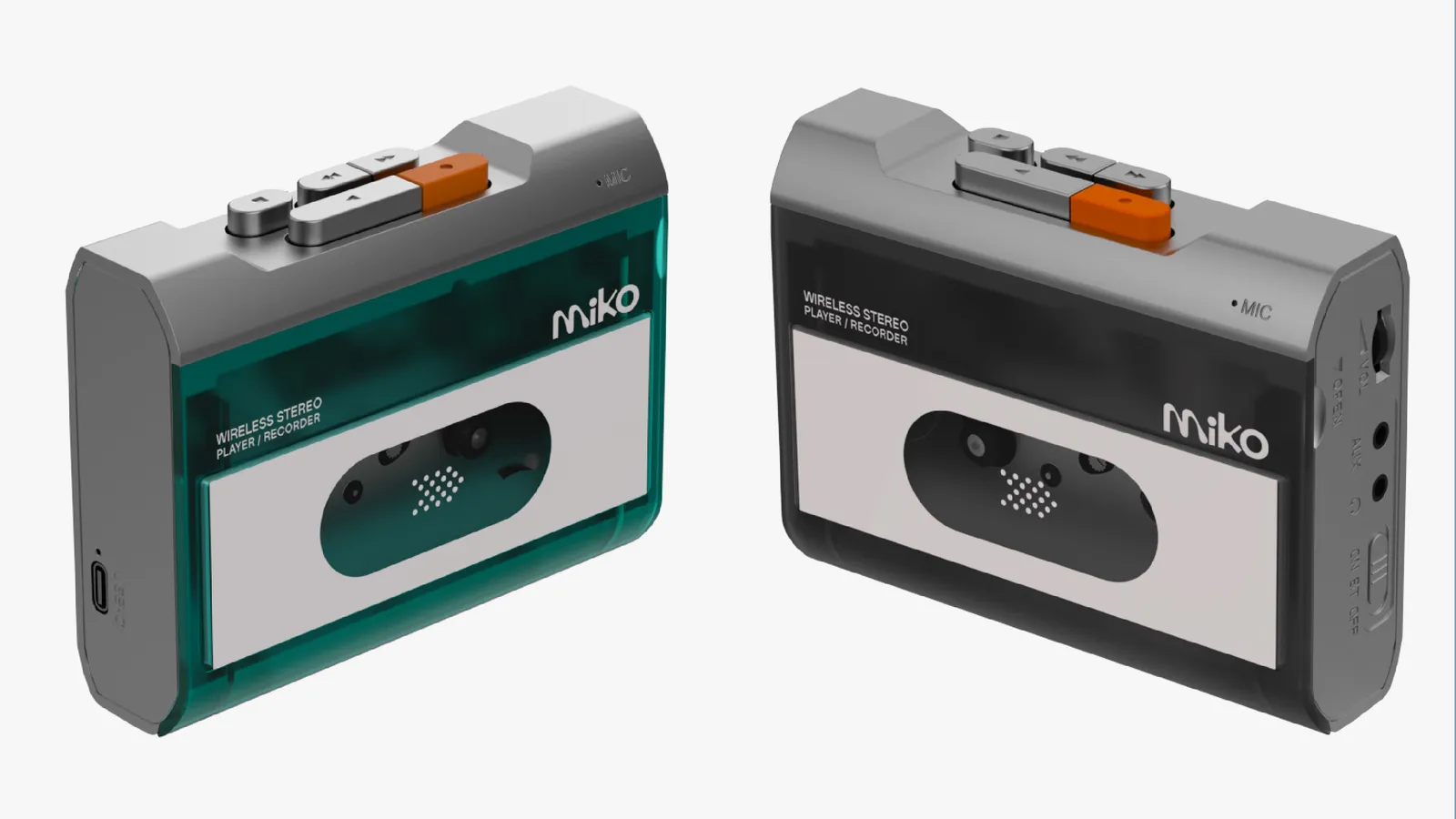
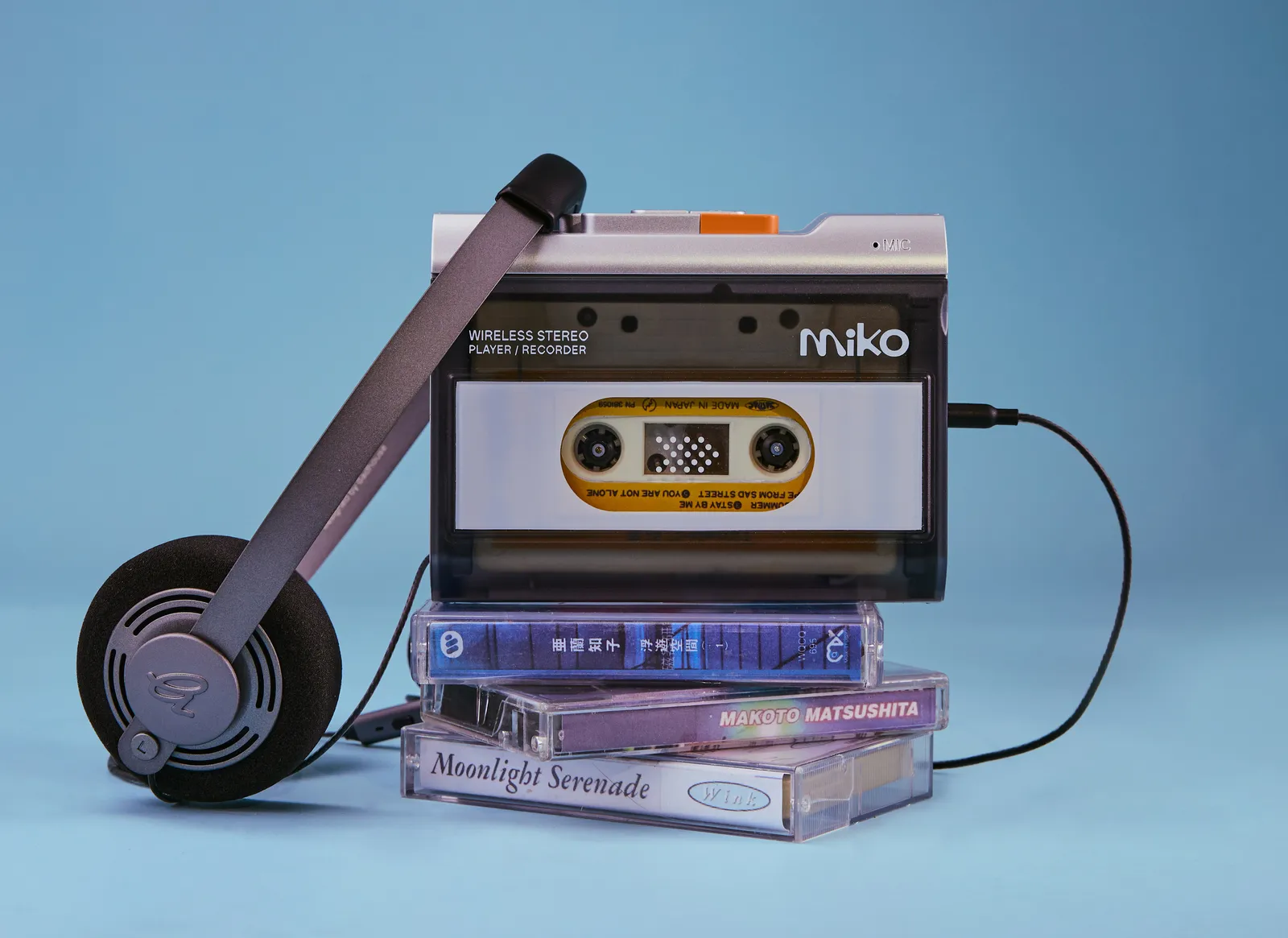
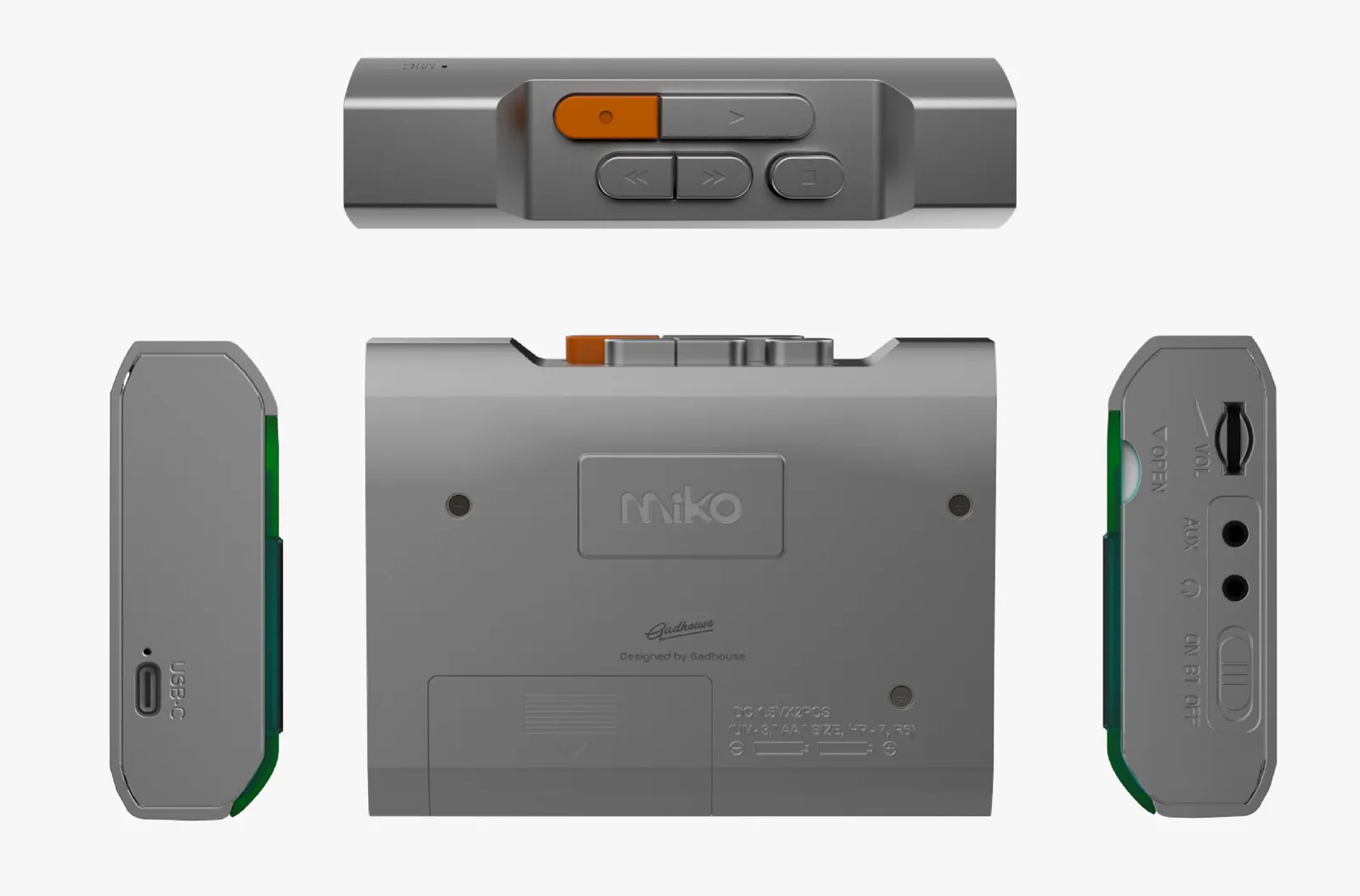
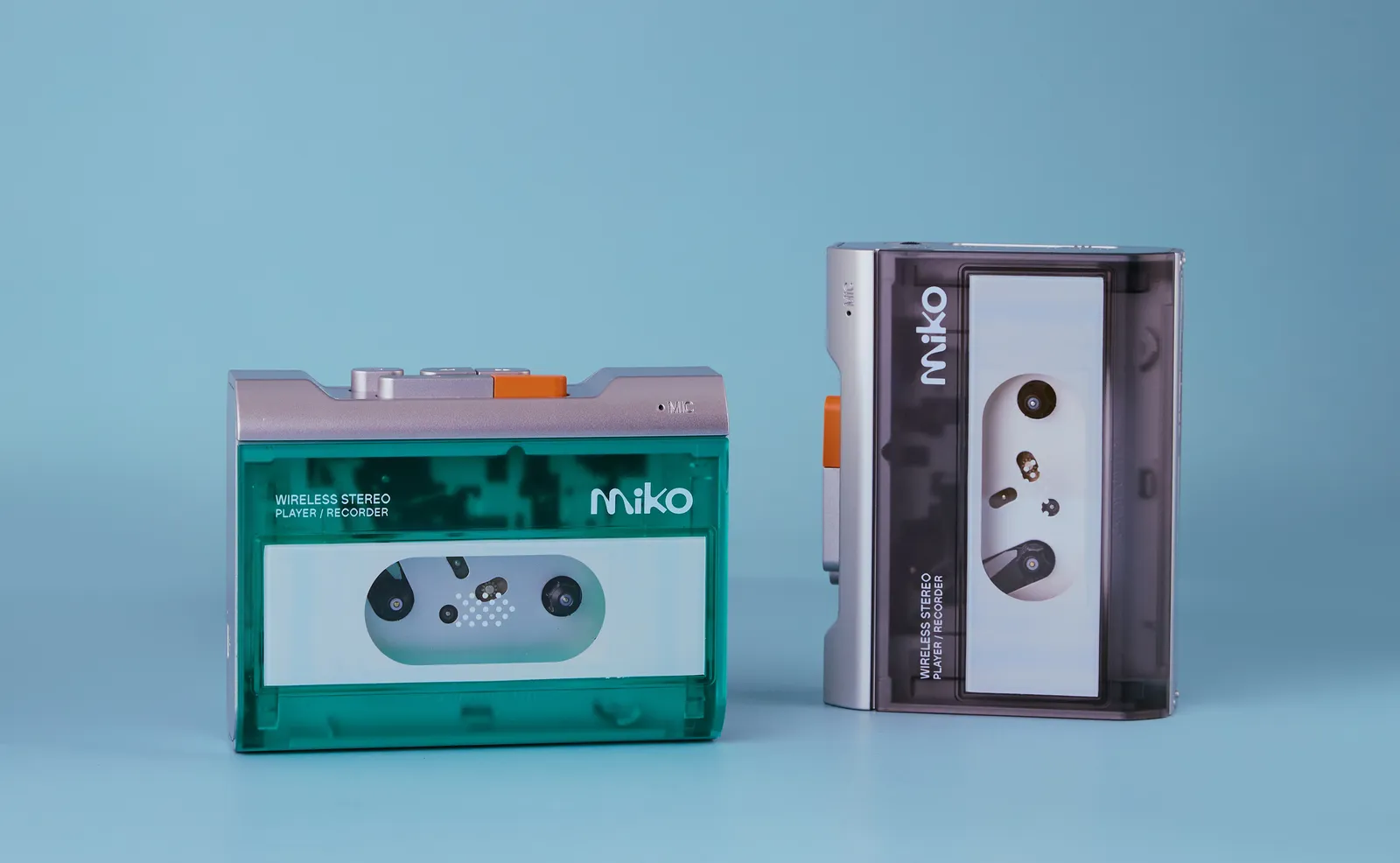
The Gadhouse Miko is straightforward in its design. Compact, durable, and intentionally simple, it focuses on the basics: play, stop, rewind, fast forward. There’s no wireless connectivity, no apps, no software updates. It runs on batteries and plays tapes. That’s it.
But that simplicity is exactly the point.
Without Bluetooth or Wi-Fi, the Miko doesn’t extend into other systems. It doesn’t connect to your phone. It doesn’t sync with anything. It operates independently, as a closed loop between you and the music.
That separation matters.
It creates a boundary—something increasingly rare in modern devices, which are usually designed to integrate into everything else you use.
The WE-001 takes a slightly different approach. Inspired by early Walkman designs, it leans into familiarity. It feels like something you’ve held before, even if you haven’t. There’s a weight to it, a sense of physical presence that contrasts sharply with the lightness of digital devices.
Its most notable feature is what it doesn’t do: it doesn’t skip.
There’s no easy way to jump between tracks. If you want to hear a specific song, you have to find it. That might mean fast-forwarding, rewinding, or simply listening through until it arrives.
At first, that sounds inconvenient. But over time, it changes your relationship to the music. You stop thinking in individual tracks and start thinking in sequences.
Albums become albums again.
slow
One of the most interesting aspects of cassette listening is how it transforms repetition.
In a streaming environment, replaying a song is effortless. You tap once, and it starts again. But because it’s so easy, it doesn’t feel intentional. You might replay something multiple times without really noticing.
With a cassette, repetition requires action. You have to rewind. You have to locate the point you want to hear again. That effort, however small, creates a moment of decision.
Do I want to hear this again?
If the answer is yes, the experience becomes more meaningful. You’re choosing to repeat it, not just letting it happen.
That difference changes how music stays with you.
Songs you return to manually tend to leave a deeper impression. They aren’t just played—they’re revisited.
scope
Digital music is designed to be perfect. Clean, consistent, and identical every time you hear it. There’s no variation, no degradation, no unpredictability.
Cassettes are the opposite.
There’s a slight hiss in the background. Sometimes the pitch shifts slightly. Over time, the tape itself wears down, altering the sound in subtle ways.
These imperfections aren’t flaws in the traditional sense—they’re characteristics. They make each playback feel slightly different. They remind you that what you’re hearing isn’t just data, but something physical.
That physicality adds texture.
It makes the listening experience feel grounded, less abstract. You’re not accessing a file stored somewhere in the cloud—you’re interacting with an object in your hands.
theory
Another reason cassettes are finding new relevance is the idea of ownership.
With streaming, access is constant—but it’s also conditional. Your library exists as long as your subscription does. Songs can be removed, changed, or reconfigured without your input.
A cassette doesn’t work that way.
Once you have it, it’s yours. There are no updates, no permissions, no dependencies on external systems. It doesn’t disappear if a license changes or a platform shifts its catalog.
That permanence carries a different kind of value.
It’s not just about having music—it’s about holding onto it.
aware
Modern platforms are built to capture and hold attention. Notifications, recommendations, autoplay features—everything is designed to keep you engaged for as long as possible.
Cassettes don’t compete in that space.
They don’t notify you. They don’t suggest what to listen to next. They don’t continue playing unless you let them.
They simply wait.
That waiting creates a different relationship with attention. Instead of being pulled into the experience, you move toward it. Listening becomes something you choose, not something that happens around you.
That shift—from reactive to intentional—is subtle, but important.
culture
The resurgence of cassettes isn’t happening in isolation. It’s supported by a growing network of artists, labels, and listeners who see value in the format.
Independent musicians, in particular, have embraced tapes as a way to create tangible releases. Limited runs, hand-assembled packaging, and small-batch production turn each release into something more personal.
These aren’t mass-market products. They’re artifacts.
For listeners, that adds another layer of meaning. Owning a tape isn’t just about the music—it’s about participating in a specific moment, a specific release, a specific connection to the artist.
It’s a different scale of interaction—smaller, but more direct.
shh
There’s also a quieter advantage to cassette listening: privacy.
Digital platforms collect data—what you listen to, when you listen, how long you stay. That information feeds back into recommendations, advertising, and broader analytics.
A cassette collects nothing.
It doesn’t track your habits or analyze your preferences. It doesn’t know what you’re listening to or how often you play it.
That absence isn’t something you configure—it’s built in.
In a world where most technologies are designed to gather information, the cassette stands out by doing the opposite.
sustain
Cassettes also offer a different perspective on longevity. Unlike many modern devices, they aren’t tied to rapid upgrade cycles. A cassette player can last for years, even decades, with basic maintenance.
The tapes themselves can be reused, recorded over, and preserved.
This durability contrasts with the disposable nature of much contemporary technology, where devices are often replaced rather than repaired.
While cassettes aren’t a complete solution to sustainability concerns, they represent a shift in thinking—one that values longevity over constant replacement.
option
It’s important to recognize that the cassette isn’t here to replace streaming. It doesn’t offer the same convenience, the same breadth of access, or the same immediacy.
What it offers is something else.
A different pace.
A different relationship to music.
A different way of paying attention.
For most people, the two formats will coexist. Streaming for discovery and convenience. Cassettes for focus and engagement.
Each serves its purpose.
process
The idea of “rewinding” carries more meaning than it used to. It’s no longer just a mechanical function—it’s a metaphor.
To rewind is to go back, but not necessarily to stay there. It’s to revisit something with awareness, to slow down enough to notice what was missed the first time.
That’s what the cassette represents now.
Not a return to the past, but a reconsideration of the present.
In a system designed to move forward constantly, without pause or reflection, choosing to rewind—even briefly—becomes a deliberate act.
move
The resurgence of the cassette isn’t about the format itself. It’s about what people are looking for.
More control.
More presence.
More intention.
These aren’t new desires, but they’re becoming more visible as digital systems continue to expand.
The cassette doesn’t solve these issues entirely. But it offers a reminder—a different way of engaging with something as simple as music.
And sometimes, that’s enough.
fin
There’s a small moment, right after you press play on a cassette, where nothing happens immediately. The mechanism engages. The tape moves into position. Then, gradually, the sound arrives.
It’s a brief delay, but it matters.
It gives you time to settle in, to prepare, to listen.
In a world where everything starts instantly, that pause feels almost unfamiliar.
And maybe that’s why it’s returning.
Because sometimes, the most meaningful experiences don’t begin right away.
They begin when you’re ready to hear them.
n
From the DRIFT archive: PANTONE’s 2026 Color of the Year Takes Shape With Play-Doh and Post-It Editions