DRIFT AUDIO
Listen to this story
Choose a voice, then press play.
The 2026 edition of Milan Design Week 2026 unfolded as a dense field of experimentation—where sustainability, authorship, and material intelligence converged across disciplines. Within this landscape, Sigma Aizu Japan – Every Part Tells the Whole emerged not as a conventional showcase, but as a quietly rigorous proposition: that the integrity of an image begins long before the shutter clicks.
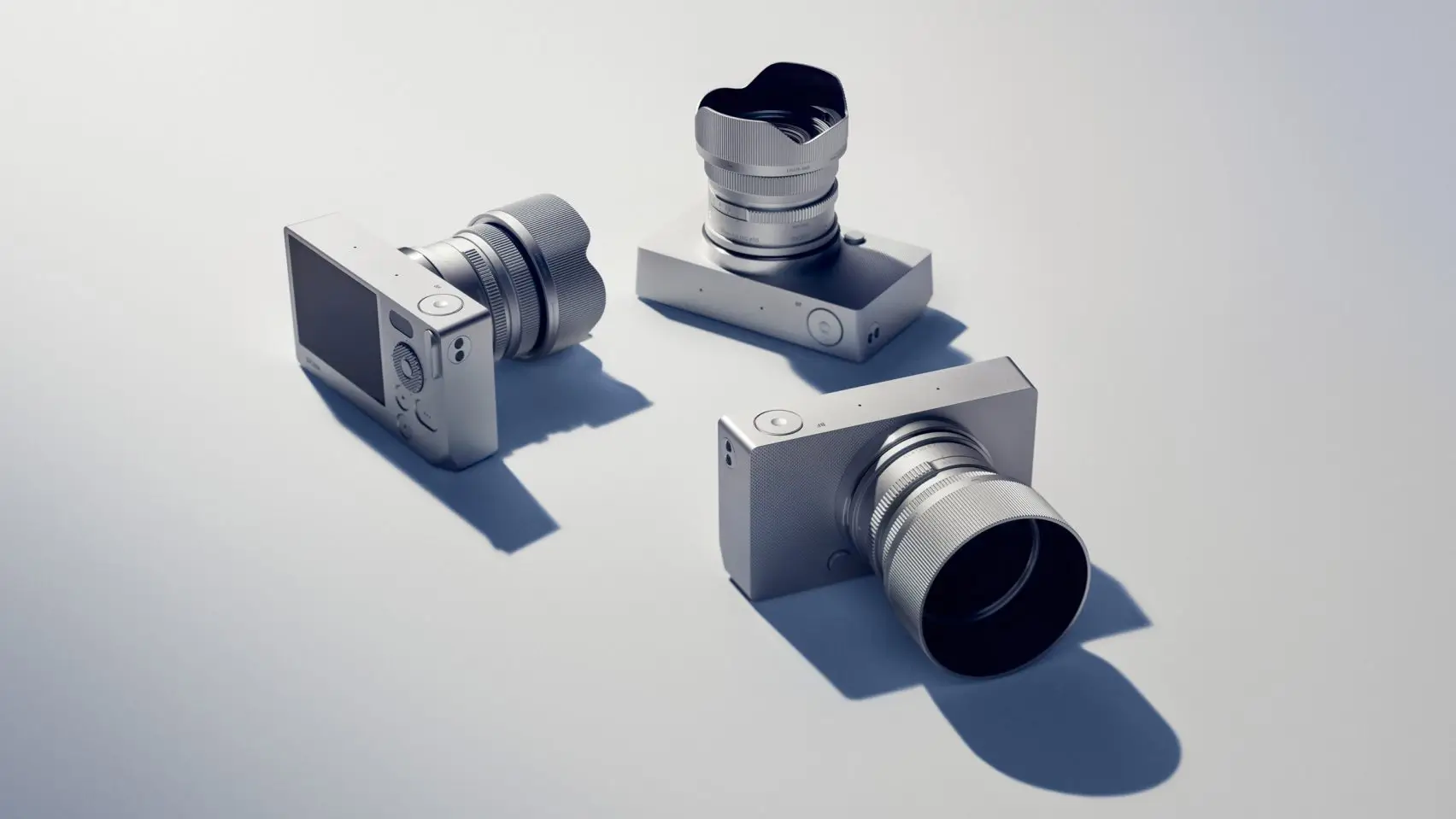
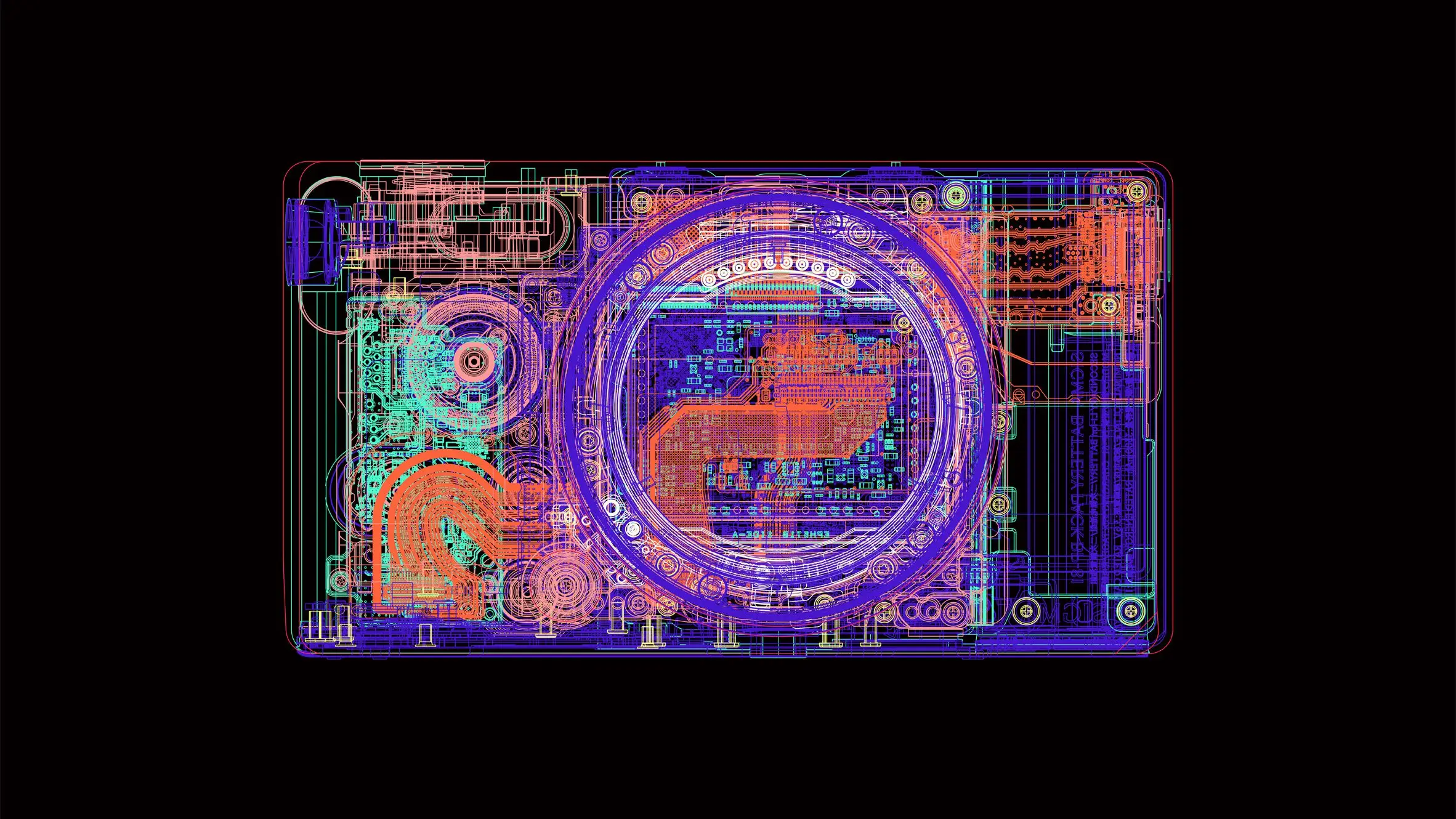
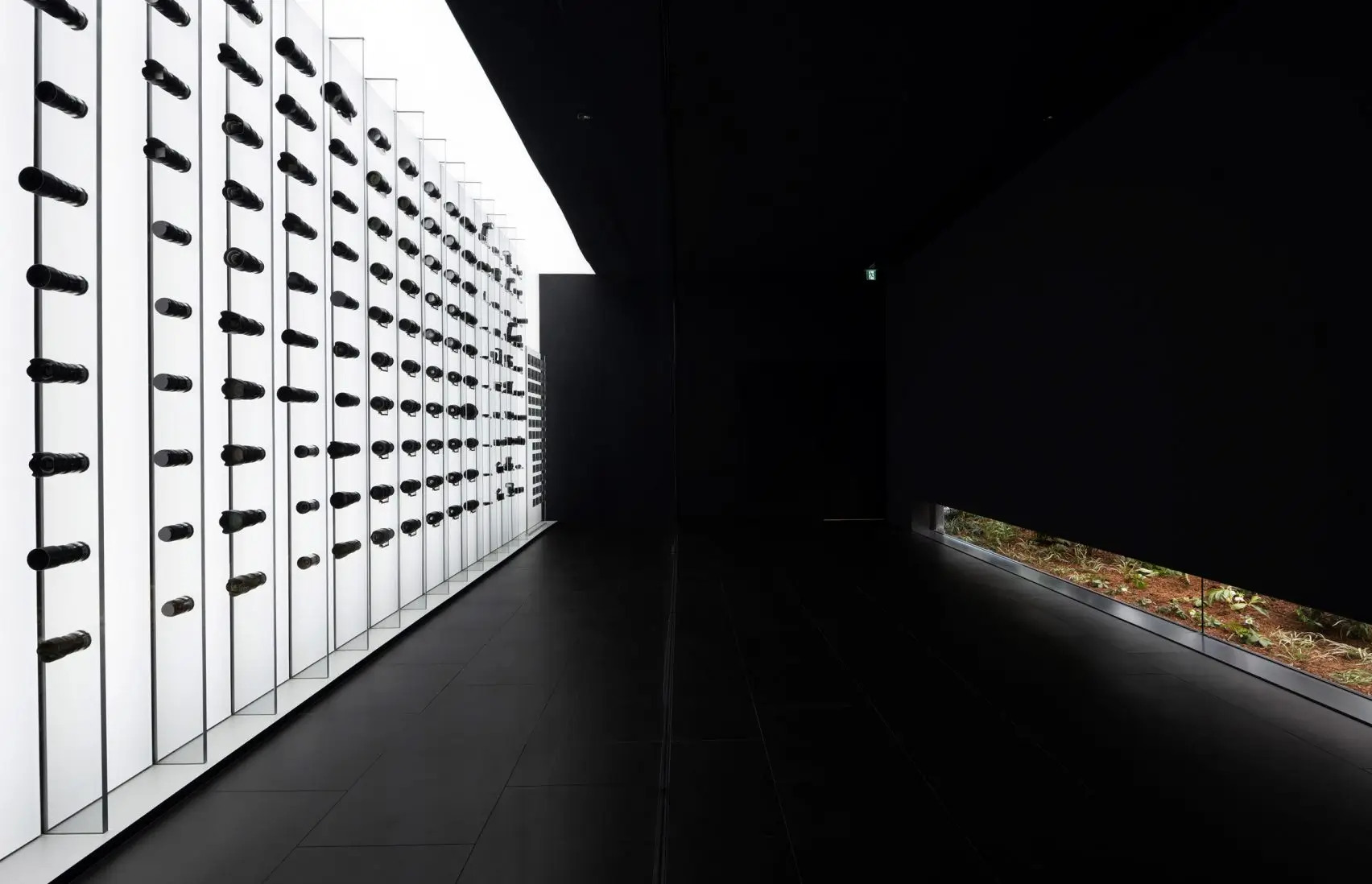
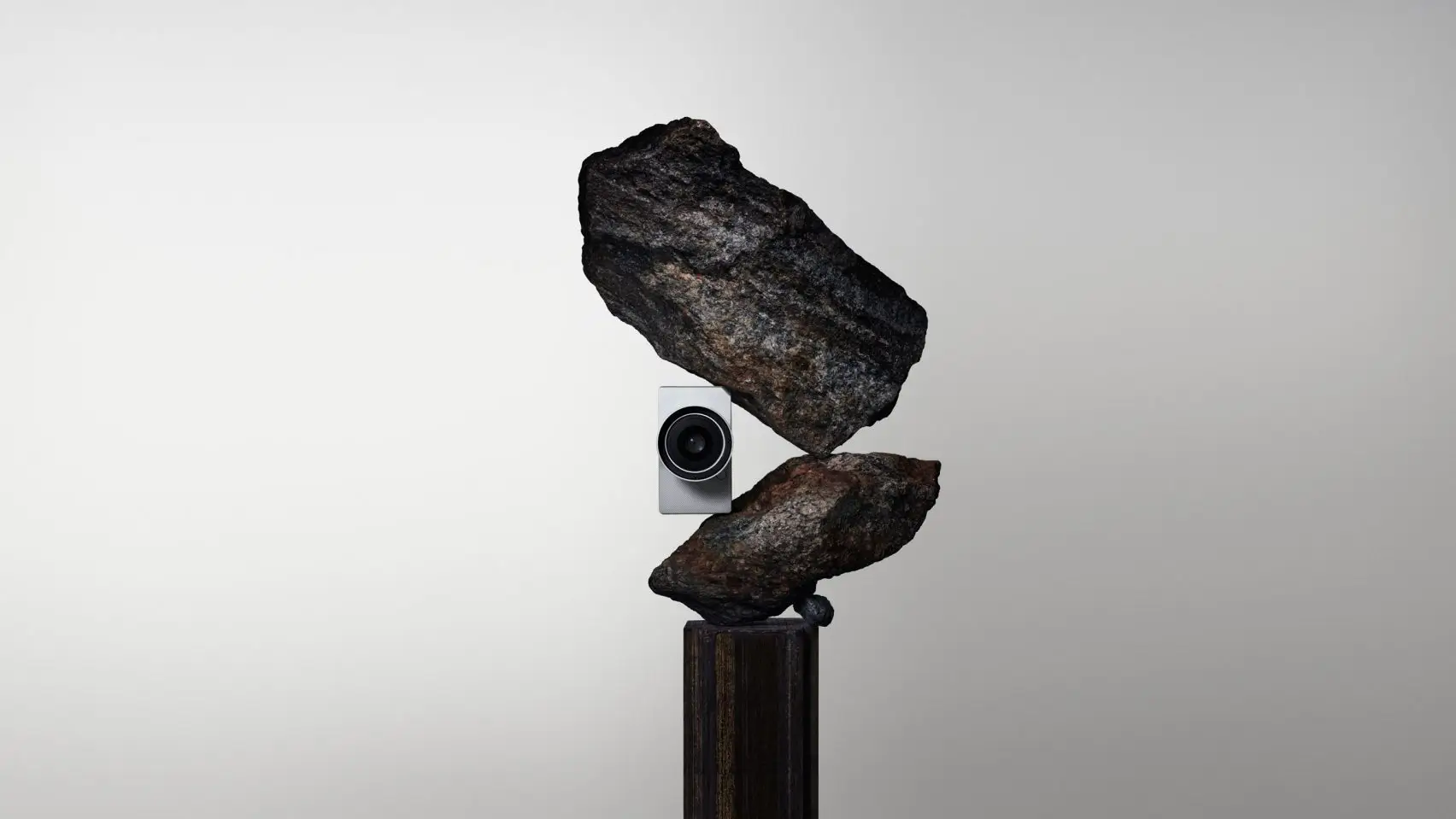
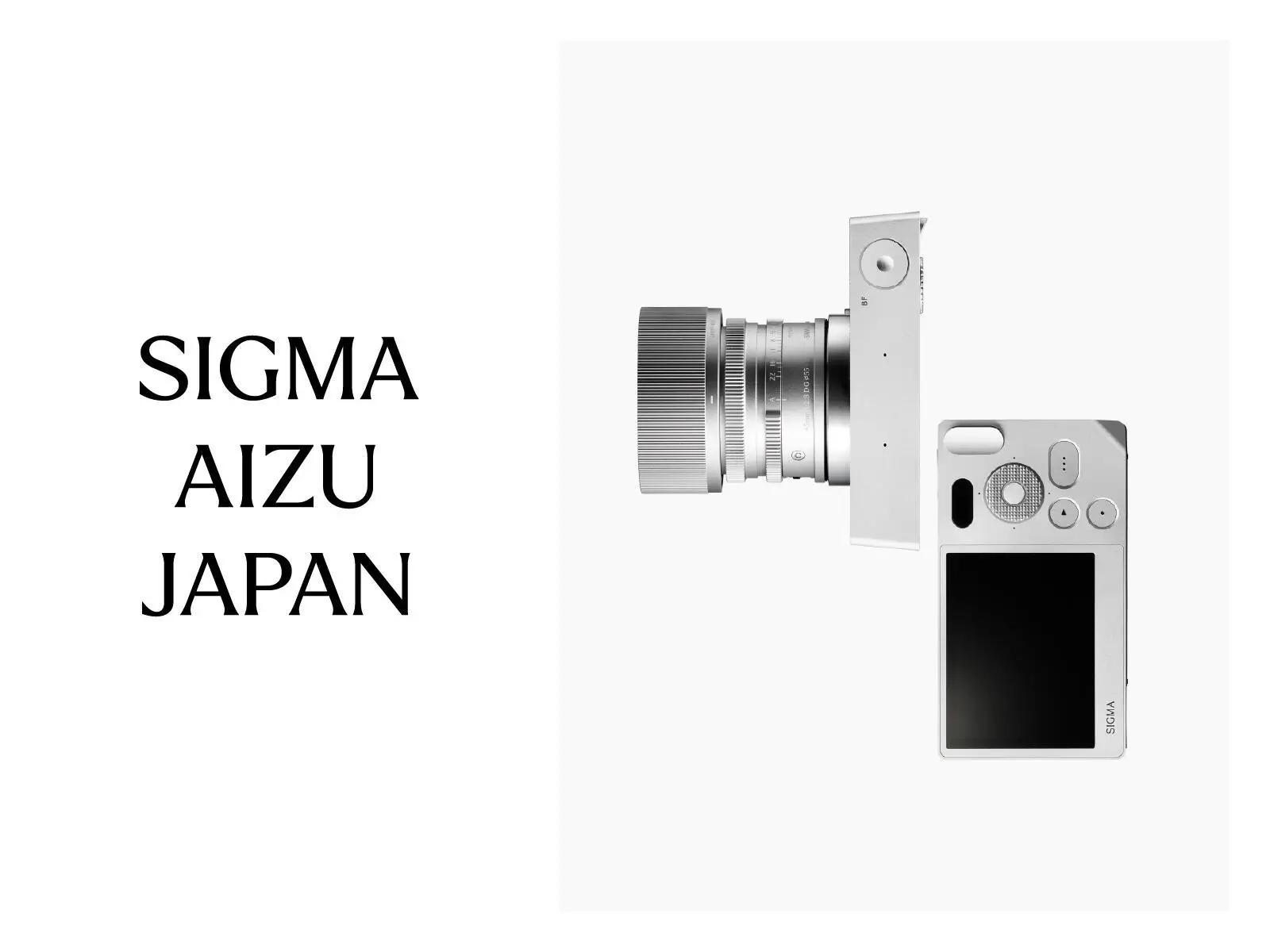
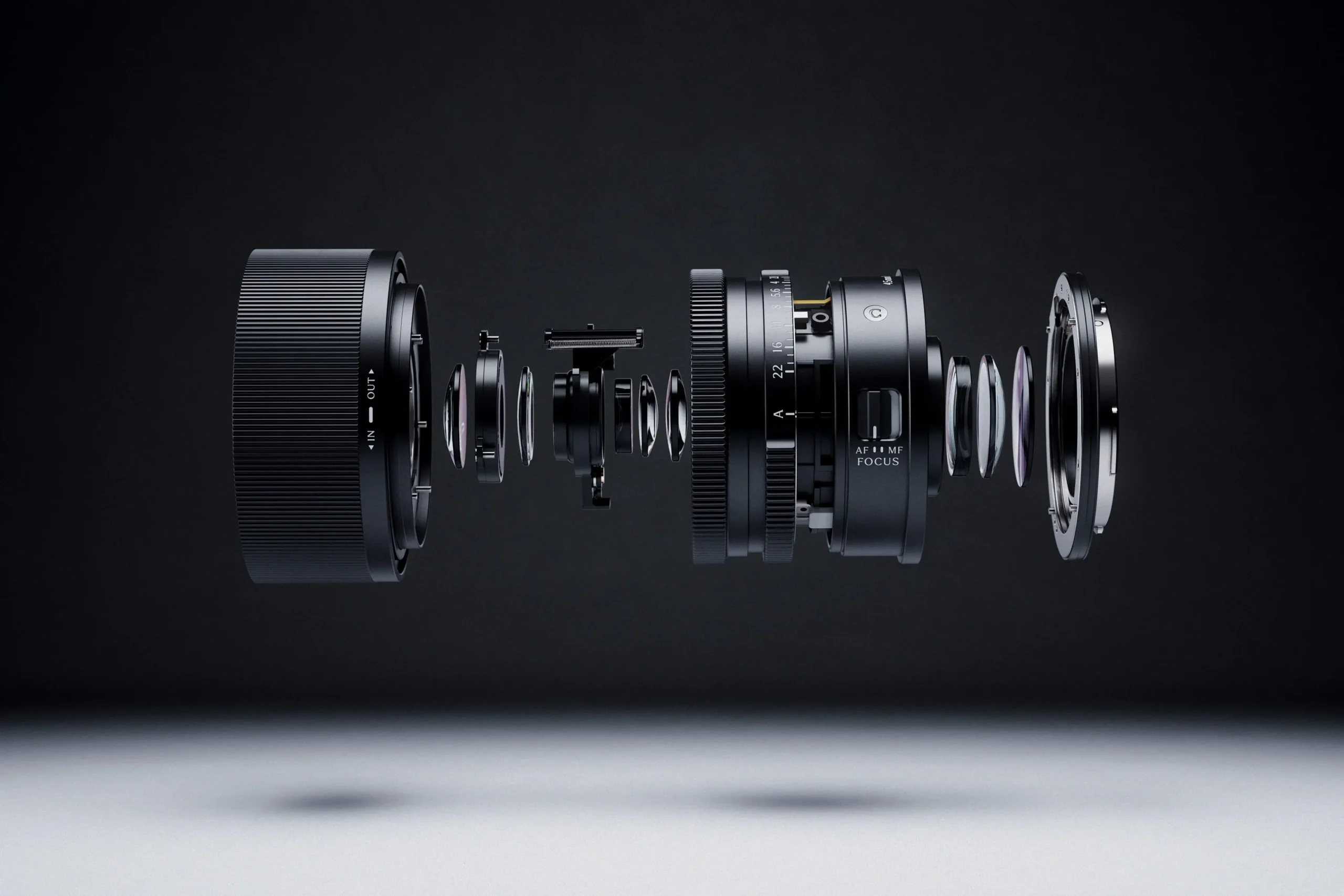
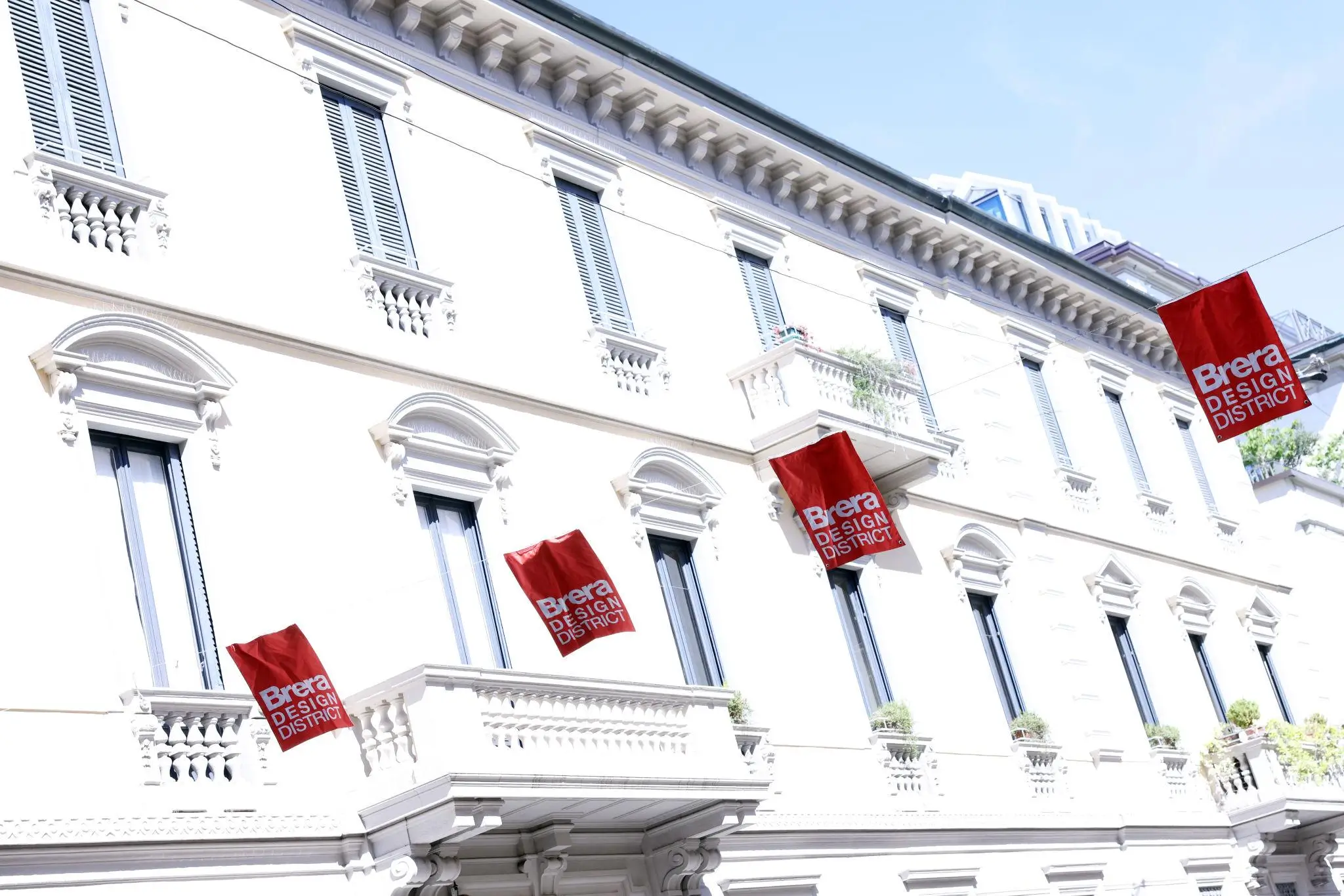
Staged from April 20 to 26 inside the Green Wise Italy showroom in Brera, the exhibition reframed the camera as both object and system—an accumulation of decisions, materials, and philosophies distilled into form. Rather than presenting finished products as endpoints, Sigma reversed the gaze, inviting viewers into the anatomy of making. Every screw, every optical layer, every polished surface was treated not as a hidden mechanism, but as a narrative fragment.
At its core was a proposition both simple and expansive: that each component contains the logic of the whole.
a know
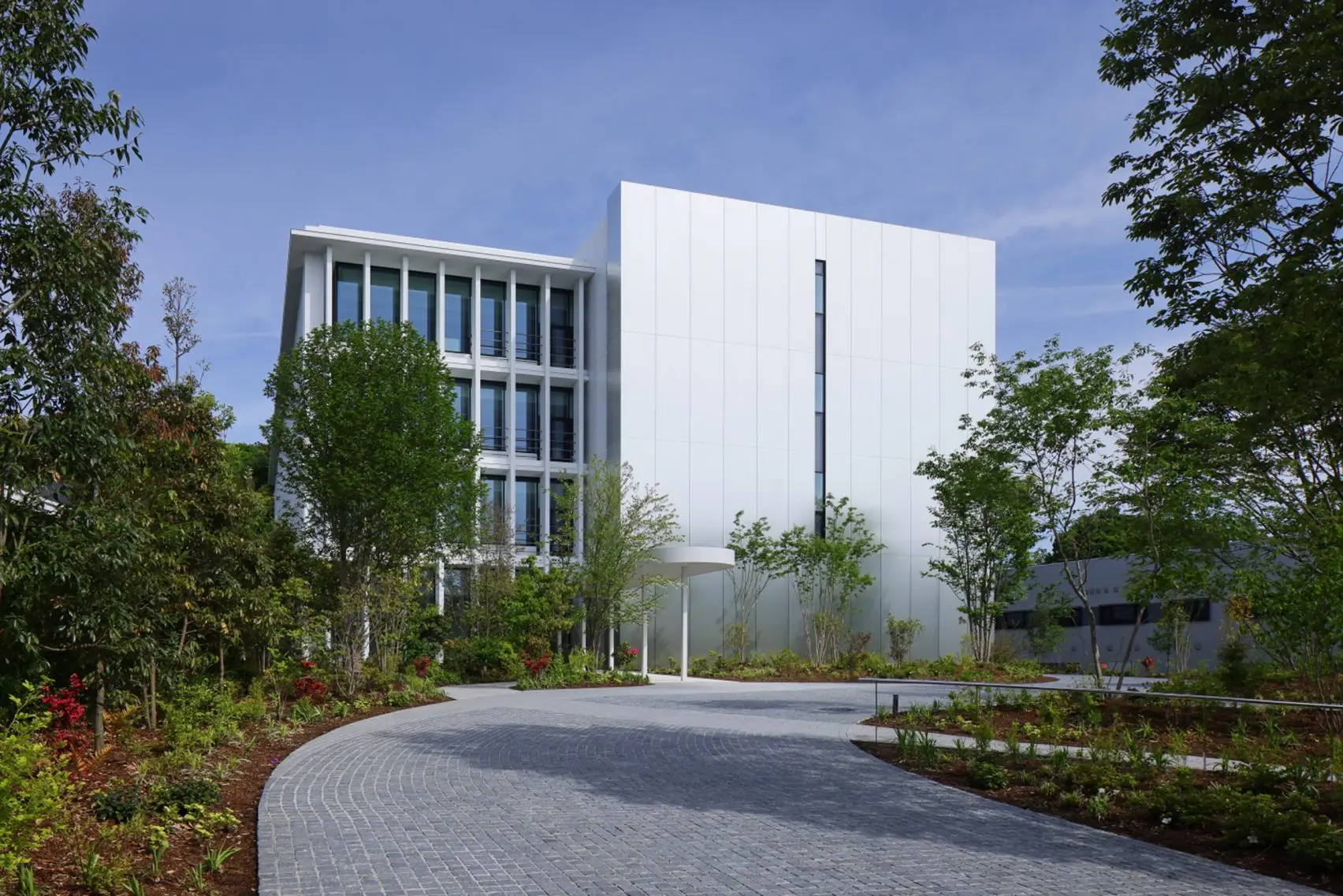
The exhibition’s guiding philosophy—Every Part Tells the Whole—draws directly from Sigma’s manufacturing base in Aizu, Fukushima. Since 1973, the company has operated under a vertically integrated model, producing cameras and lenses entirely within a single ecosystem. This continuity collapses the distance between design and execution, ensuring that intention is carried through every stage of production.
What could read as a corporate principle instead unfolds as something closer to cultural methodology. The idea resonates with Japanese aesthetic frameworks such as Wabi-sabi—where imperfection and temporality are not flaws, but essential conditions—and Kaizen, which positions refinement as an ongoing, iterative process.
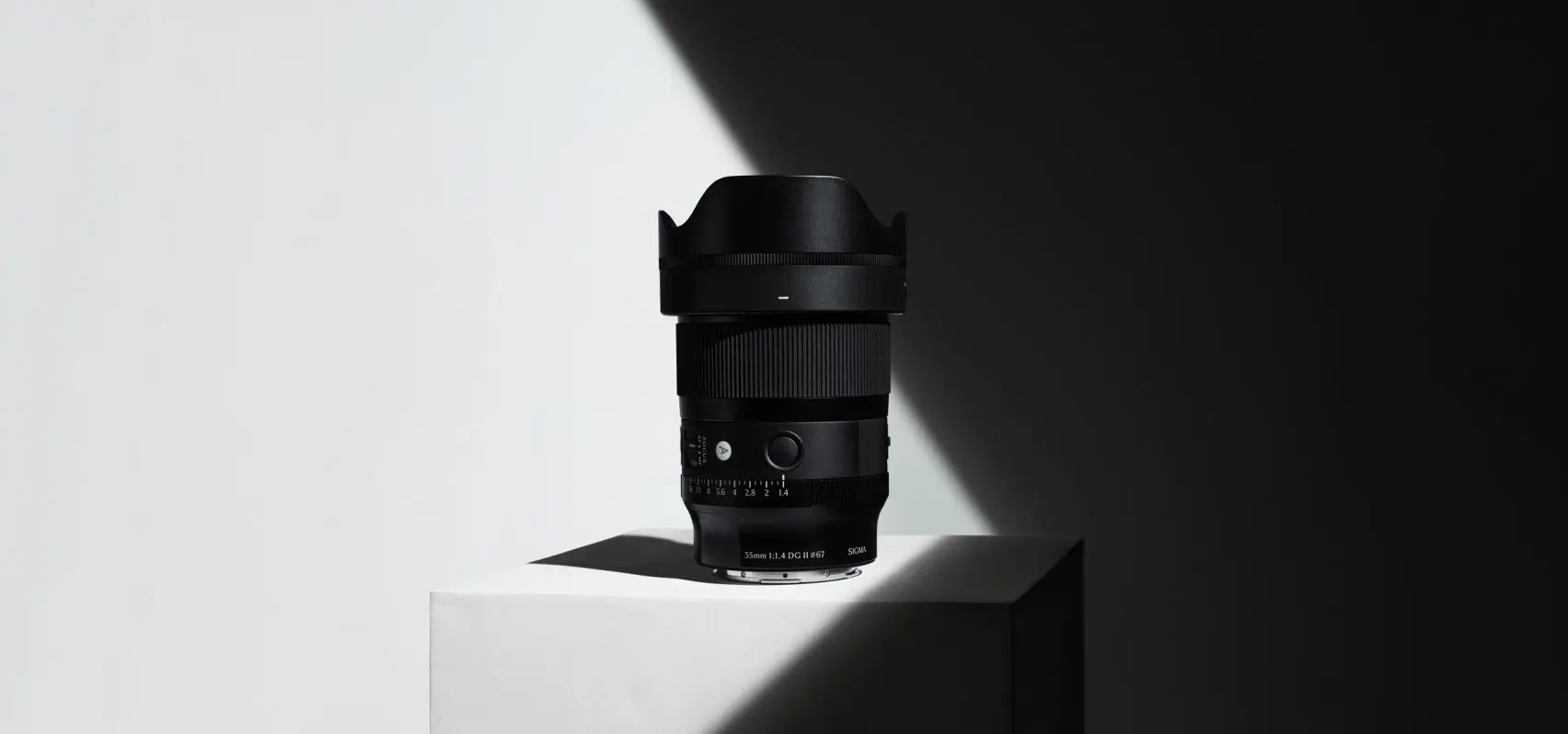
Within this lens, the camera becomes less a product and more a living system. Each internal element—optical glass, mechanical shutter, housing alloy—operates not in isolation, but in relational tension with the others. The exhibition translates this abstraction into physical space through deconstructed displays, where lenses are stripped to their elemental layers and bodies are opened into visible frameworks.
The result is not didactic. It is experiential. Viewers are not told how the system works—they are allowed to encounter it, piece by piece.

stir
The spatial logic of the exhibition resists linear storytelling. Instead, it unfolds as an open system—one that mirrors the very philosophy it articulates. Visitors move without prescribed direction, constructing meaning through proximity and repetition rather than sequence.
Creative direction by Ichiro Iwasaki, alongside exhibition design by Takashi Nakahara and visual identity from Stockholm Design Lab, results in a restrained yet deeply intentional environment. Materials are not ornamental—they are declarative. Recycled wood structures and bio-based resins form modular display systems that emphasize durability, repairability, and circular thinking.
At the center of the space, One Lumen—an audiovisual work produced by WOW inc. with sound by Cornelius—introduces a different rhythm. Here, imagery from the Aizu landscape dissolves into abstract renderings of light itself, moving through glass, refracting, dispersing, returning.
It functions less as a spectacle and more as a hinge—bridging the natural and the engineered, the seen and the constructed.
flow
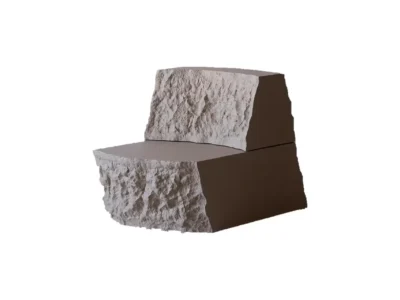
Running parallel to Sigma’s mechanical exposition is Slow Sculpture, a living installation by Green Wise. Composed of reclaimed wood, biodegradable materials, and native Mediterranean plant life, the work evolves over time—its textures shifting, its surfaces softening, its presence deepening.
Where Sigma dissects, Green Wise allows accumulation. Where the camera freezes time, the sculpture insists on duration.
This dialogue is not oppositional, but complementary. Together, they construct a shared language around observation: one rooted in precision, the other in patience. The installation embodies principles of biophilic design, creating a spatial pause within the exhibition—a moment where visitors recalibrate their pace, their gaze, their attention.
Yet its subtlety is also its challenge. Without overt framing, its ecological message risks passing quietly through the flow of foot traffic. The absence of digital augmentation or guided interpretation preserves its purity, but also limits accessibility.
scope
Beyond its formal qualities, the exhibition operates as a cultural bridge—linking Japanese industrial philosophy with Italian design discourse. In an era defined by fragmented global supply chains, Sigma’s insistence on localized production stands as both anomaly and proposition.
Within the broader theme of Milan Design Week, the exhibition positions the viewer not as consumer, but as witness. It asks: what does it mean to understand an object fully? And what responsibility follows that understanding?
This framing subtly challenges dominant Western narratives of innovation, which often prioritize speed, scale, and disruption. In contrast, Sigma offers continuity, control, and depth—a model where design, engineering, and production are not outsourced processes, but integrated acts.
think
From an academic perspective, Sigma Aizu Japan – Every Part Tells the Whole offers a compelling case study in systems thinking. It demonstrates that meaning in design does not reside in isolated elements, but in their interrelations.
It also foregrounds sustainability—not as an aesthetic, but as an operational logic. Modularity, reparability, and material traceability are not presented as features, but as conditions of responsibility.
Equally significant is its narrative strategy. Sigma does not rely on spectacle. Instead, it constructs identity through coherence—through the repetition of values across every scale, from micro-component to macro-installation.
View this post on Instagram
phenomenon
Despite its conceptual clarity, the exhibition is not without friction. The absence of interactive elements limits tactile engagement, particularly in a context where audiences increasingly expect participatory experiences. The reliance on brand-centric storytelling, while cohesive, narrows the field of critique.
There is also a tension between its analog purity and the digital expectations of contemporary exhibition design. Augmented layers—if sensitively implemented—could have extended the narrative without compromising its restraint.
fin
As articulated in your original draft , the exhibition ultimately functions as more than a presentation—it becomes a manifesto for a different design ethic. One that privileges integrity over spectacle, sustainability over speed, and narrative over novelty.
By foregrounding the unseen—those internal components typically hidden from view—it reframes design as a discipline of attention. It suggests that integrity is not an outcome, but a process. That objects are not static, but accumulative. That every part, no matter how small, carries within it a story.
And in doing so, it proposes a future grounded not in excess, but in precision. Not in acceleration, but in care.