DRIFT AUDIO
Listen to this story
Choose a voice, then press play.
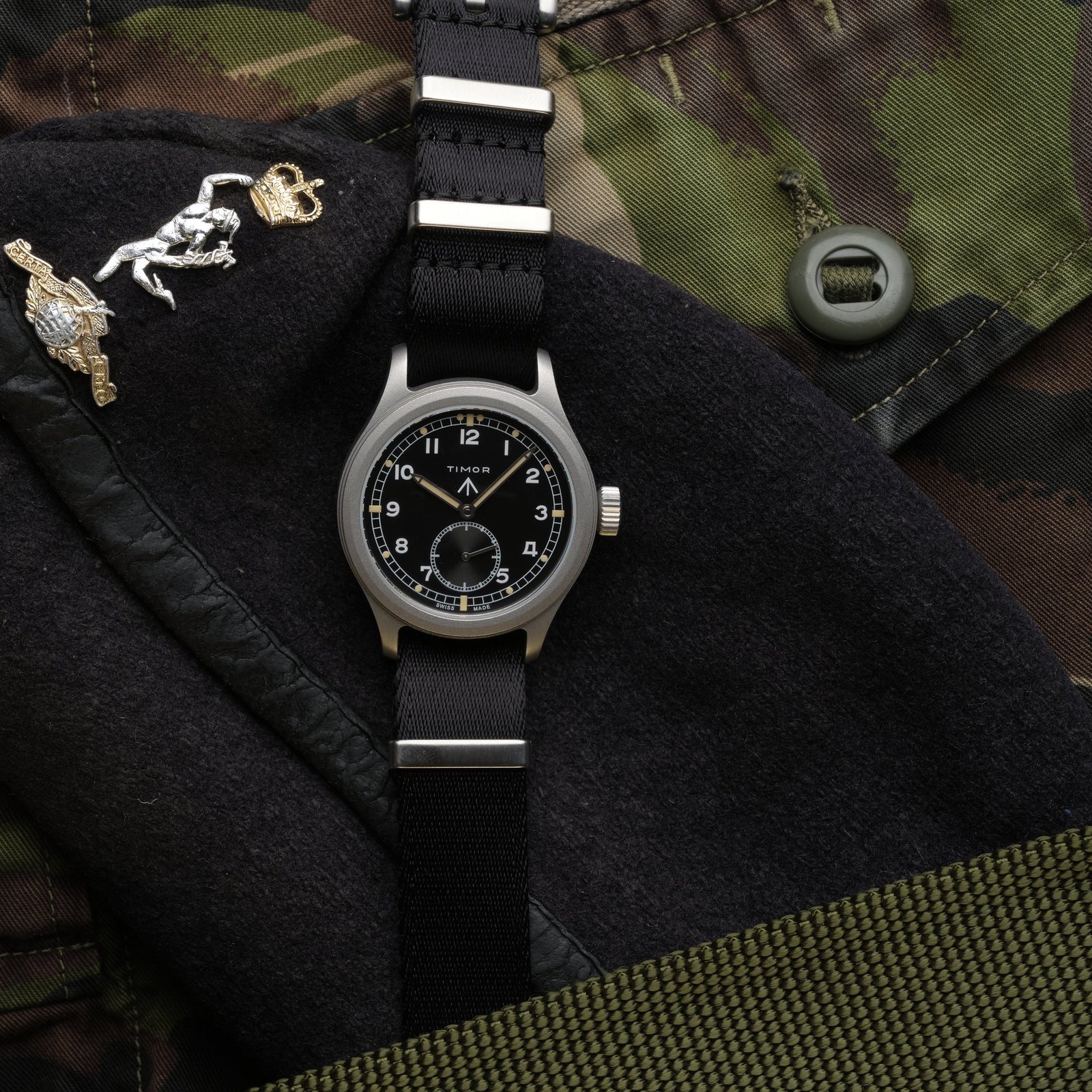
There’s a moment—quiet, almost cinematic—where time feels less like measurement and more like instinct. Picture a soldier, crouched beneath a diluted wash of moonlight, gloved hand lifting just enough to reveal the dial of a worn field watch. No theatrics. No excess. Just clarity. The faint glow of numerals, the sweep of hands, and the assurance that time, in its most essential form, is still there—reliable, unbroken.
That is the origin point. Not luxury. Not status. Purpose.
The Heritage Field exists within that lineage. It is not designed to impress at a glance, nor to compete with ornamental complication. Instead, it carries something quieter, more deliberate: a fidelity to function, a reverence for history, and an understanding that true design is often invisible when it works perfectly.
This is not merely a watch. It is a continuation—a conversation between past and present, between battlefield necessity and contemporary refinement. It speaks to those who value restraint over noise, precision over spectacle.
At its core, the Heritage Field is where military heritage meets Swiss mastery. It is built for individuals who recognize that the most enduring objects are not those that shout, but those that endure—silently, consistently, without compromise.
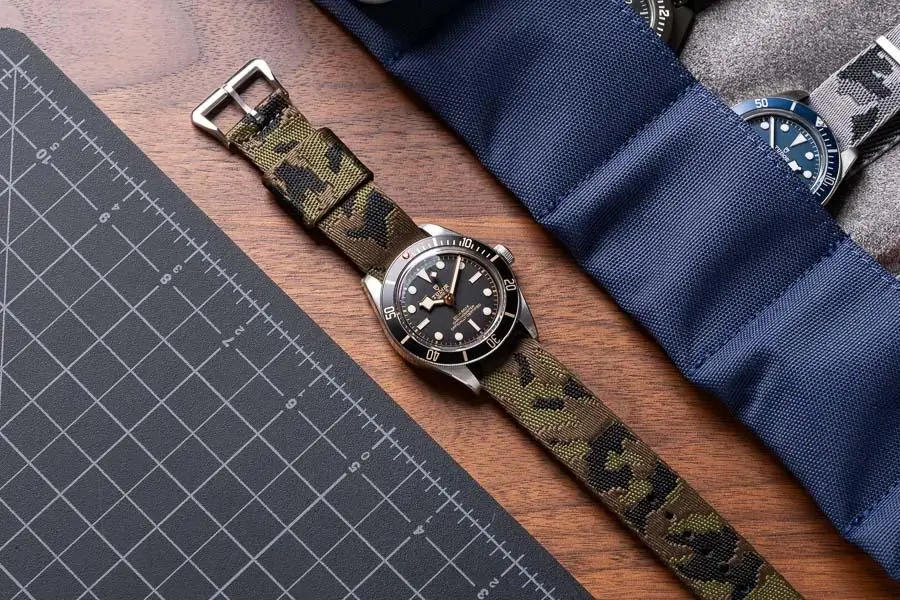
legacy
To understand the Heritage Field, one must return to 1945—an inflection point in both history and horology. As the Second World War neared its end, the British Ministry of Defence issued a specification that would quietly define an entire category of watches: the “WWW” standard—Watches, Wrist, Waterproof.
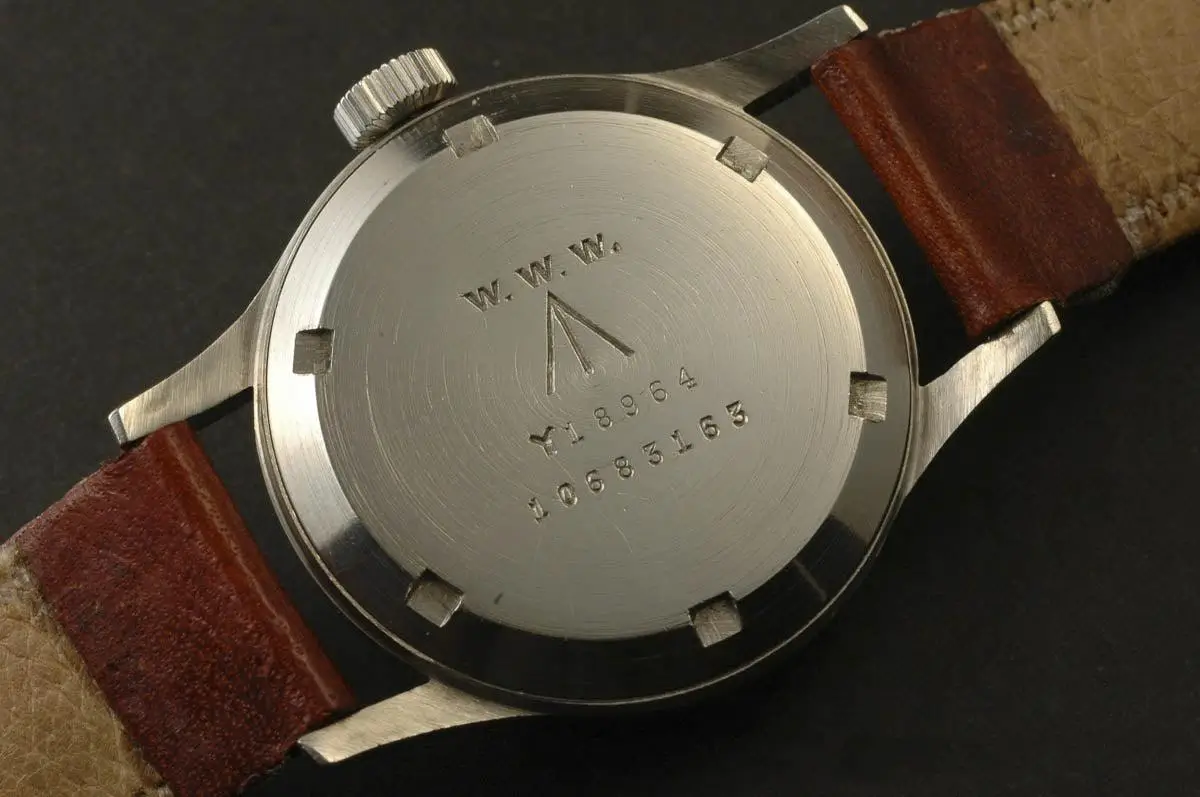
It was not a marketing exercise. It was a directive born of necessity.
Twelve manufacturers were commissioned to produce these timepieces, each adhering to strict guidelines. The watches had to be robust, legible, and dependable under extreme conditions. There was no room for ambiguity. In the field, time was not abstract—it was tactical. A misread dial could mean a failed maneuver; a compromised case could mean total loss.
Simplicity became doctrine. Black dials with stark white Arabic numerals ensured immediate readability. Luminous markers allowed visibility in darkness without reliance on external light. Cases were engineered for durability, often modest in size yet formidable in construction. These watches were not designed to age gracefully—they were designed to survive.
Yet survival breeds character.
After the war, these watches did not fade into obscurity. They followed their wearers home, carrying with them the imprint of lived experience. Over time, they transitioned from instruments of necessity to objects of cultural significance. Collectors began to recognize their understated brilliance—the purity of design, the honesty of purpose.
What emerged was something unexpected: the combat watch became an icon. Not because it was rare, but because it was real.
The Heritage Field draws directly from this lineage. It does not reinterpret history loosely—it respects it precisely. Every proportion, every marking, every decision echoes the original mandate: clarity, durability, purpose.
View this post on Instagram
flow
Reviving such a legacy requires more than technical skill. It demands perspective—one shaped not in studios, but in lived experience.
The modern iteration of the Heritage Field is guided by a designer whose foundation lies in service. A British Army veteran, their understanding of equipment is not theoretical. It is experiential. They know what it means to rely on gear without question, to trust that every component will perform when conditions deteriorate.
That knowledge changes everything.
Design, in this context, is not about aesthetic experimentation. It is about elimination—removing what is unnecessary, refining what remains. Every detail must justify its presence. Every feature must serve a function.
The placement of numerals, the texture of the crown, the resistance of the strap—these are not stylistic choices. They are decisions informed by use. When visibility is compromised, contrast matters. When dexterity is limited, tactile feedback matters. When reliability is critical, redundancy matters.
But beyond function lies something more nuanced: memory.
The Heritage Field is not a nostalgic reproduction. It is a preservation of spirit. It carries forward the discipline, restraint, and clarity that defined its predecessors, while acknowledging the expectations of the present.
There is an emotional dimension here—a quiet respect for what came before. Not romanticized, not exaggerated. Simply understood.
craft
There is a paradox at the heart of the Heritage Field: how to honor a vintage design without becoming trapped by it. The answer lies in evolution—subtle, precise, and deliberate.
Swiss craftsmanship provides the foundation. Inside the case, a modern mechanical movement—often sourced from respected calibers such as ETA or Sellita—ensures accuracy and longevity. These movements are not chosen for prestige alone, but for their proven reliability, serviceability, and consistency.
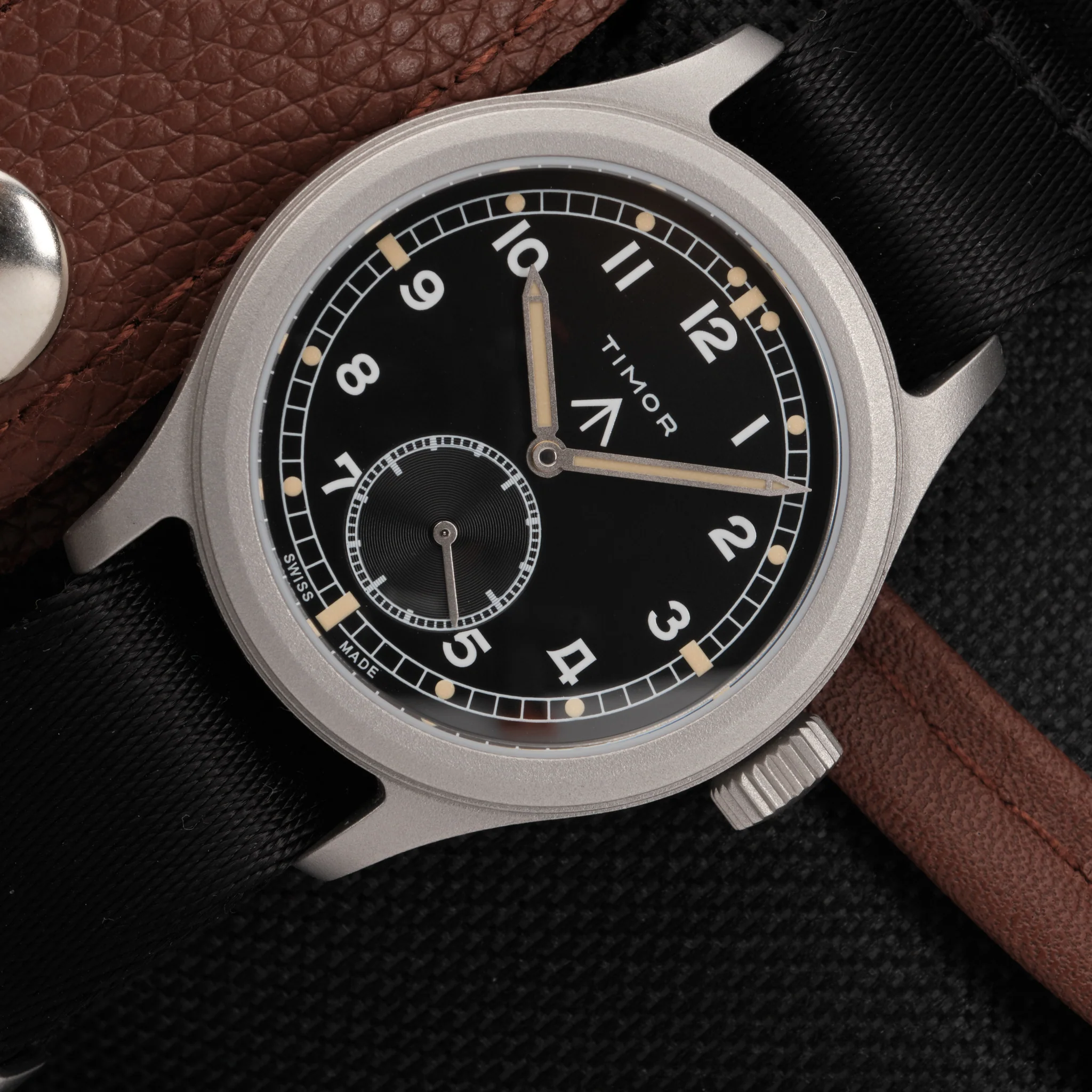
The case itself reflects a similar philosophy. Brushed finishes reduce glare, maintaining the utilitarian ethos while enhancing durability. Sapphire crystal replaces older materials, offering superior scratch resistance without compromising clarity. Water resistance exceeds original specifications, acknowledging contemporary expectations while preserving historical intent.
Materials are selected with care. Alloys are chosen not only for strength but for wearability. Dials are constructed to maintain contrast over time, resisting fading or degradation. Straps—whether NATO, leather, or alternative textiles—are engineered for both comfort and resilience.
What emerges is a balance: handcraft and precision engineering in quiet collaboration. The watch does not announce its complexity, but it is there—embedded in tolerances, finishes, and materials that elevate performance without altering identity.
This is not modernization for its own sake. It is refinement in service of continuity.
fx
At first glance, the Heritage Field appears almost austere. But closer inspection reveals a design language built on intention.
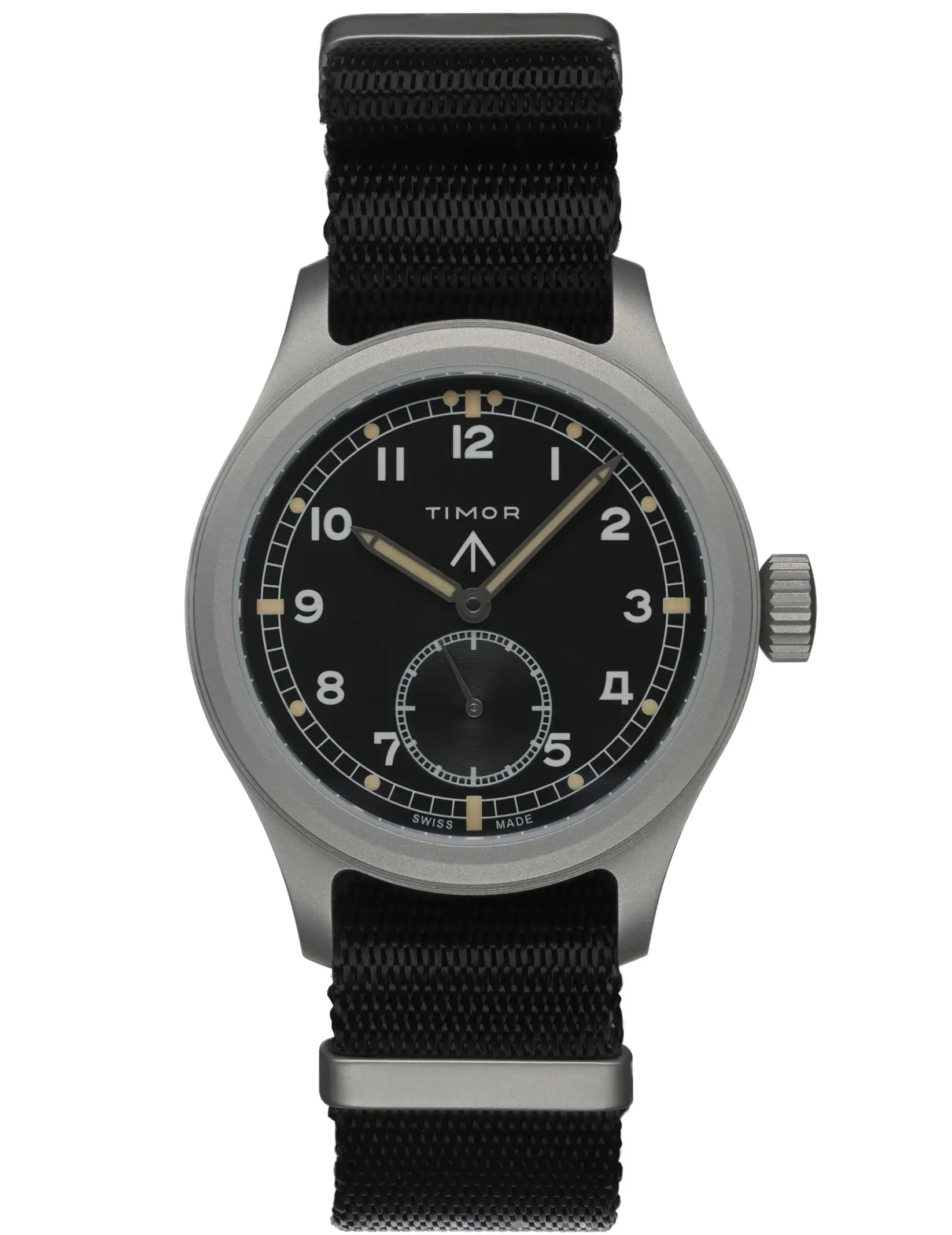
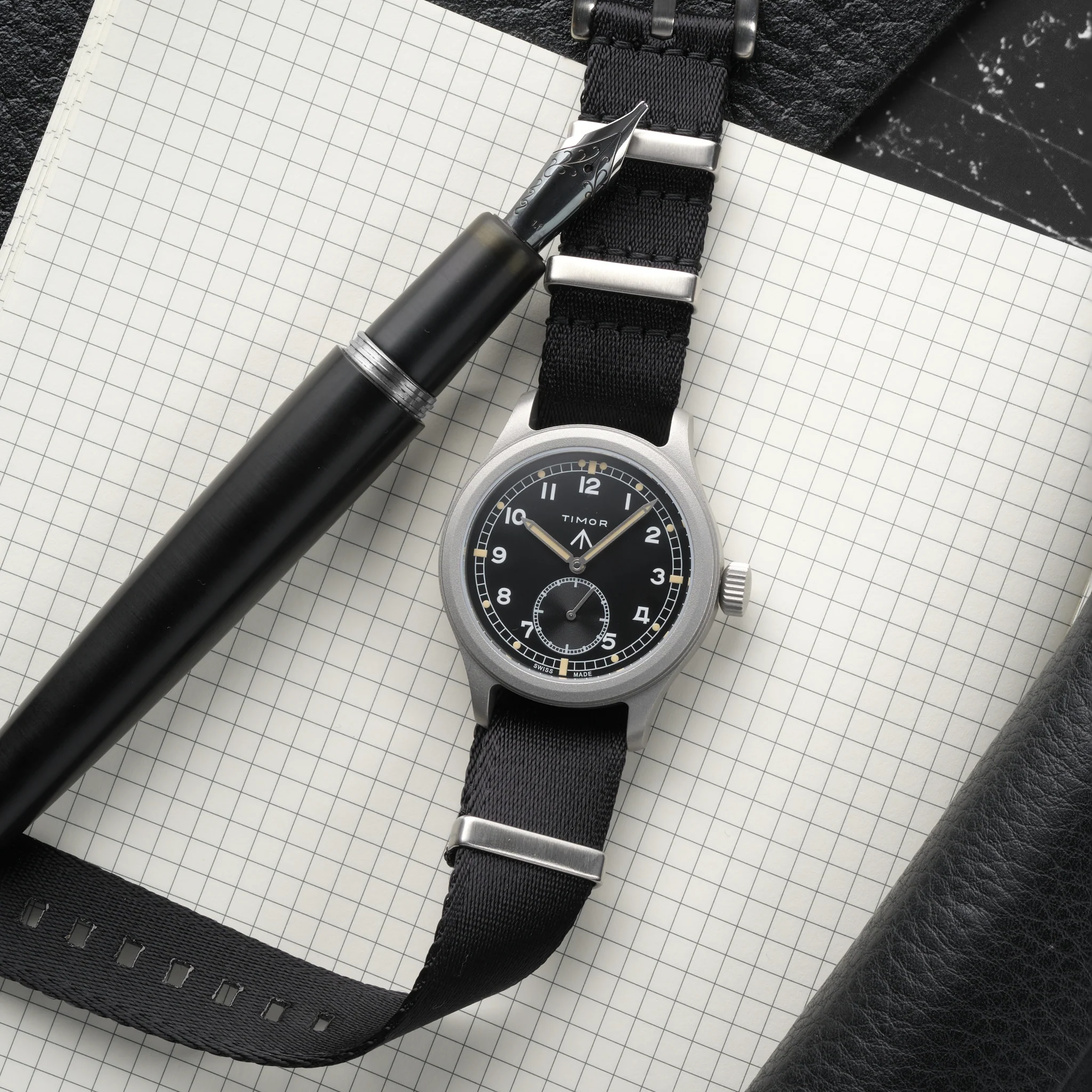
The dial is the focal point. High-contrast Arabic numerals ensure instant readability, while luminous markers provide low-light visibility. Typography is clean, unembellished—every character designed to be read, not admired.
The case adheres to historically informed proportions, typically within the 36–38mm range. This sizing is not arbitrary. It reflects a balance between presence and practicality, ensuring comfort across varied wrist sizes while maintaining authenticity. Anti-magnetic shielding protects the movement from environmental interference, while a screw-down crown enhances water resistance and durability.
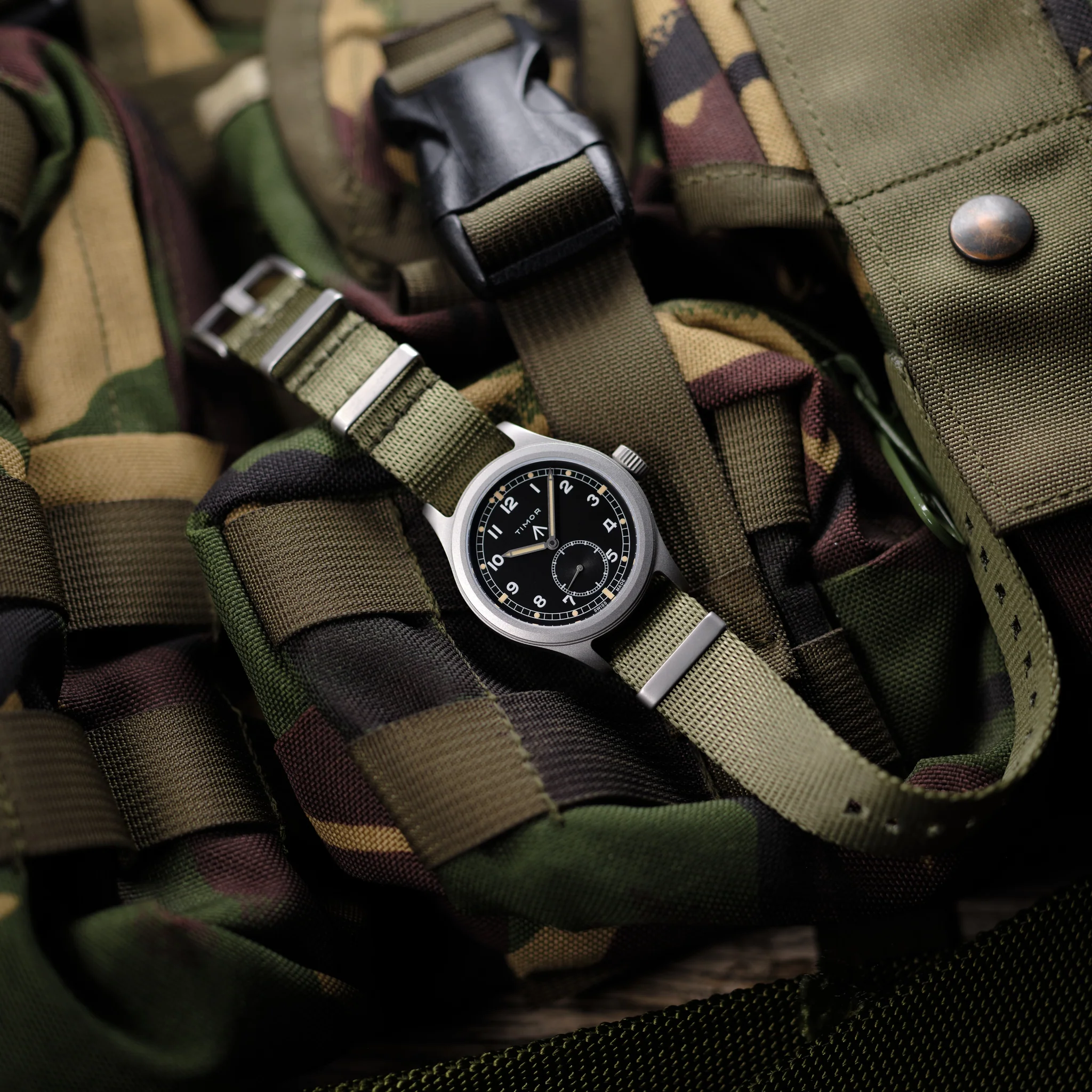
Strap options extend the watch’s versatility. NATO straps emphasize ruggedness and security, leather introduces refinement, and stainless alternatives offer durability with a different aesthetic tone. Each option serves a purpose, allowing the wearer to adapt the watch to context without altering its identity.
The “WWW” designation remains central. It is not branding—it is a declaration. Watches. Wrist. Waterproof. Three words that define capability, distilled into form.
transition
What distinguishes the Heritage Field is not just its history, but its adaptability.
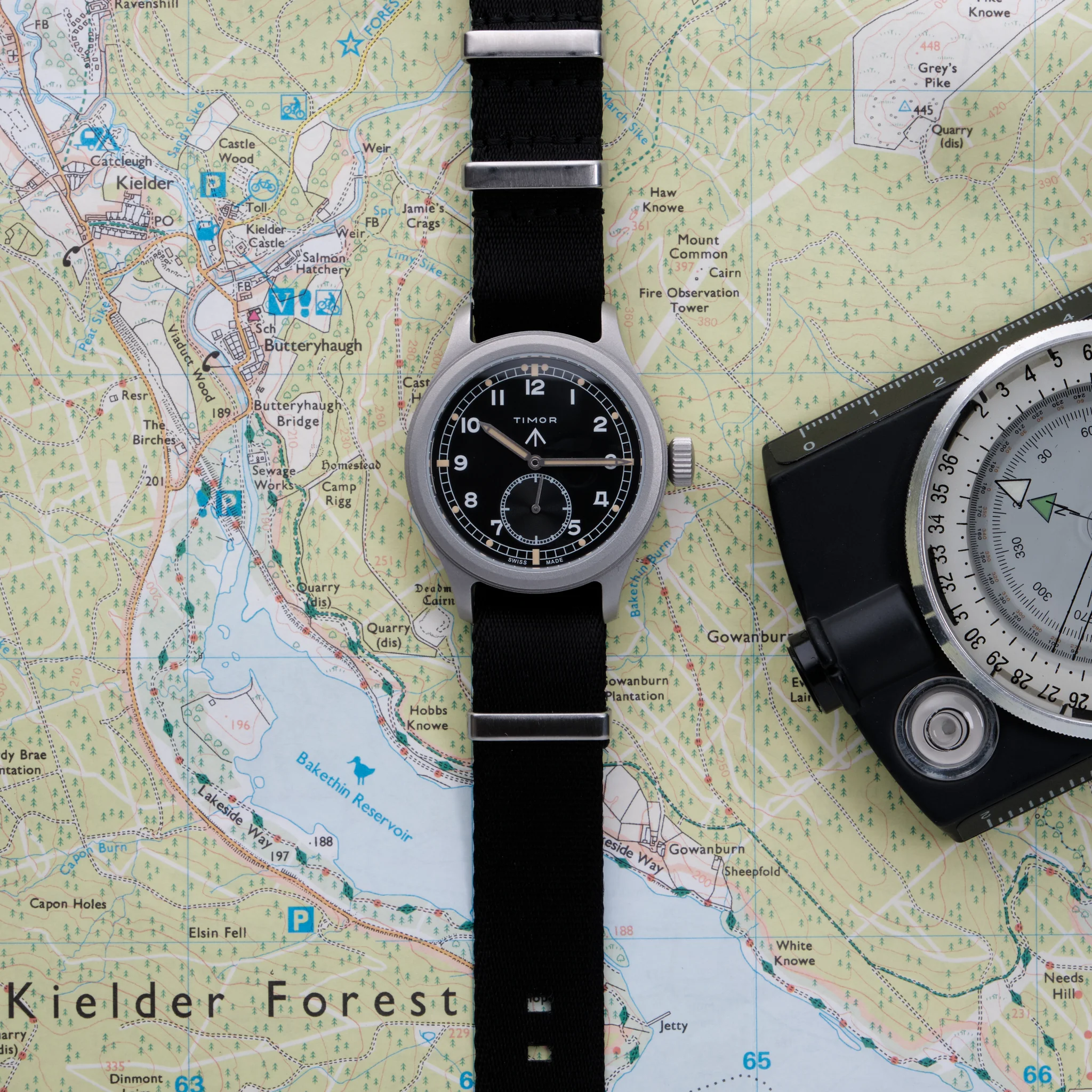
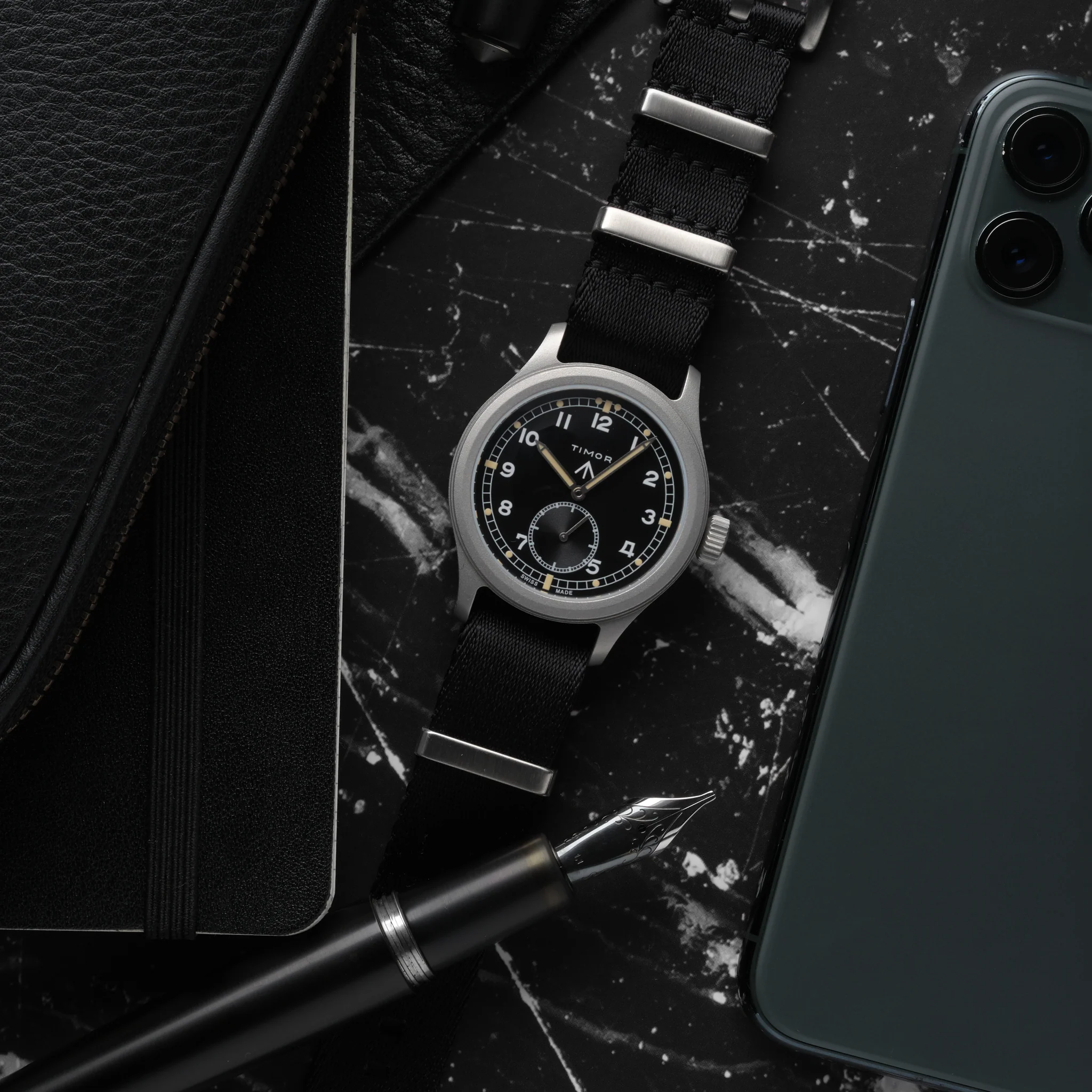
In one setting, it is entirely at home on a trail—paired with technical outerwear, exposed to the elements, functioning as it was originally intended. In another, it transitions seamlessly into a business environment, its restraint complementing tailored clothing without drawing undue attention.
This versatility is not accidental. It is a byproduct of clarity. When a design is stripped to its essentials, it becomes inherently flexible. It does not compete with its surroundings—it integrates.
Consider the rhythm of modern life. A single day might include travel, meetings, and moments of solitude. The Heritage Field does not require adjustment. It remains constant, anchoring the wearer in continuity.
There is a psychological dimension to this consistency. In a world defined by rapid change, the ability to rely on a single object—uncompromised, unaltered—creates a sense of stability. It is not about convenience. It is about trust.
rare
In an era dominated by digital interfaces and transient trends, the appeal of the mechanical tool watch has intensified. Collectors are not merely seeking objects—they are seeking meaning.
The Heritage Field occupies a distinct position within this landscape. It is neither a luxury statement nor a technological novelty. It is something quieter: a repository of history, distilled into a functional form.
Smartwatches offer connectivity, but they demand attention. Luxury watches offer spectacle, but often at the cost of subtlety. The Heritage Field offers neither distraction nor excess. It offers time—unadorned, uninterrupted.
For the modern collector, this restraint is compelling. It represents a rejection of noise, a return to essentials. Ownership becomes less about acquisition and more about alignment—choosing objects that reflect values rather than trends.
There is also an appreciation for permanence. Mechanical watches, when cared for, outlast their owners. They accumulate history, becoming artifacts in their own right.
fin
The Heritage Field exists at the intersection of past and present, where duty informs design and history shapes innovation. It is not an attempt to recreate the past, but to carry it forward—faithfully, respectfully, and with purpose.
In a world increasingly defined by ephemerality, it stands apart. Not through excess, but through endurance.
It asks nothing of its wearer beyond attention. And in return, it offers something rare: consistency, clarity, and a connection to something larger than the present moment.
Because ultimately, a watch is more than a device. It is a statement—quiet, persistent, and deeply personal.
The question remains: what does yours say?
n
From the DRIFT archive: Lara Croft’s Dual Guinness Records Cement an Icon: How a Digital Explorer Became a Cultural Artifact Herself · Playdate: A Return to Focused Joy in a World of Infinite Noise