Chanel Cruise 2027 in Biarritz: Matthieu Blazy, Newspaper Dresses, and the Return of Fashion’s Old Rivalries
May 2, 2026
0
DRIFT AUDIO
Listen to this story
Choose a voice, then press play.
Yesterday afternoon, in the charming seaside town of Biarritz, France, Chanel presented its new Cruise 2027 collection. Among endless references to the nautical world and oversized colorful accessories, creative director Matthieu Blazy signed his fifth collection for the brand, focusing entirely on the roaring 1920s. But among the prints explored in this collection, one surprising element took shape in the 1930s, not from the mind of Coco Chanel, but from her most famous rival, Elsa Schiaparelli.
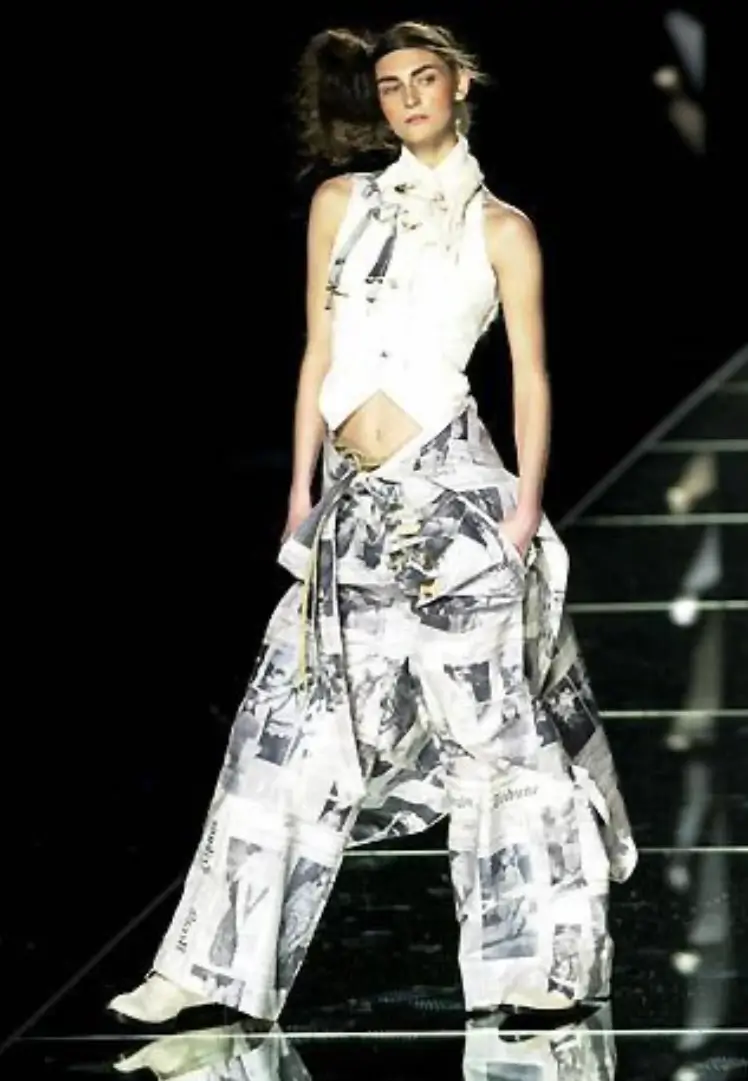
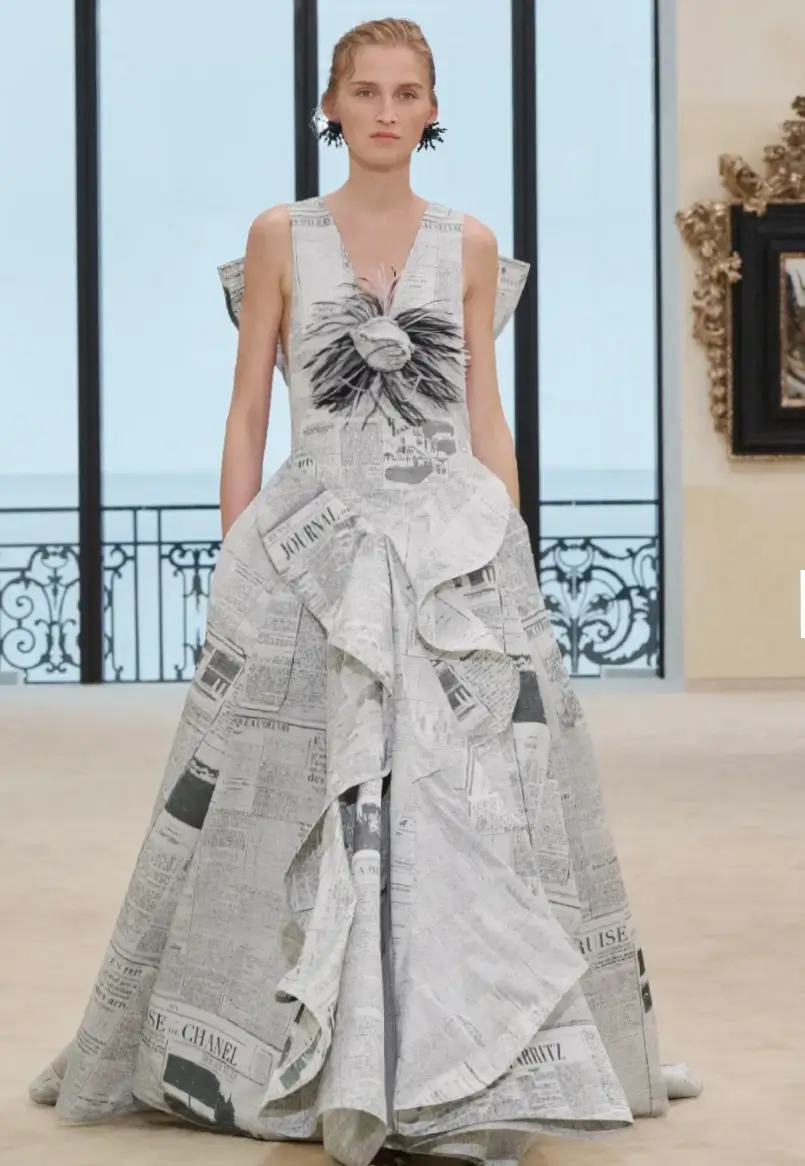
Some of the looks from Chanel’s Cruise 2027 were newspaper dresses, garments with a history nearly a hundred years long that have never stopped being controversial. Blazy explained the looks to the press as coltish nods to the idea of eating fish and chips by the sea, as well as to a famous quote by Gabrielle Chanel: “I like to read the newspaper, like men.” But perhaps there is more to it than that.
stir
Matthieu Blazy’s decision to stage the Cruise 2027 show in Biarritz was more than logistical; it was profoundly symbolic. This Basque Coast town is where Gabrielle “Coco” Chanel opened her first couture house in 1915, escaping the constraints of Paris during World War I. Here, she observed a freer way of life—sailors, artists, nobility, and the sea itself—infusing her designs with movement, comfort, and modernity.
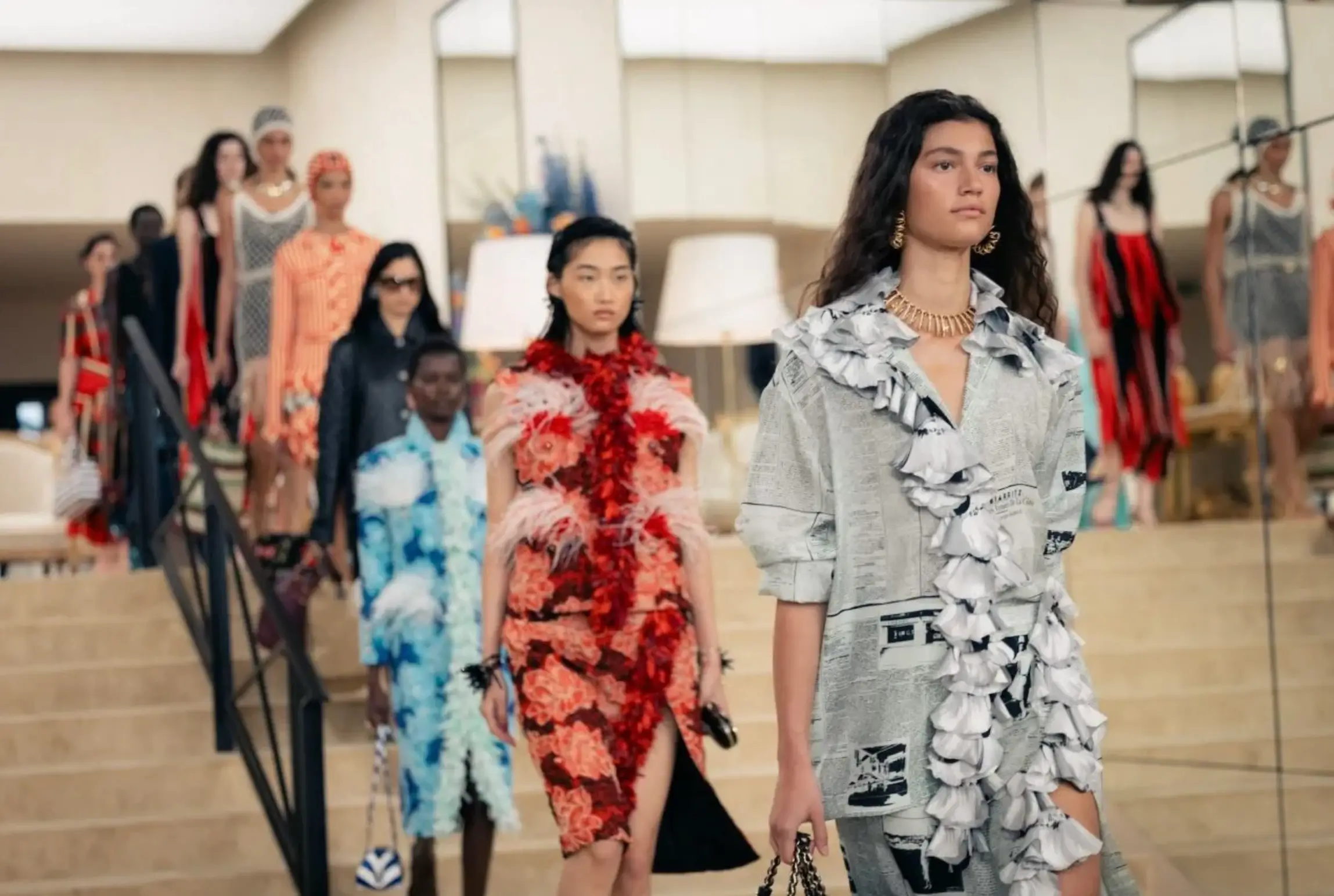
Blazy channeled this spirit, creating a collection for “women on the move, who walk, run, swim, and move without ties between the inside and the outside, the city and the ocean.”
The show at Le Casino Municipal featured sandy carpets and mirror-lined spaces evoking the ocean’s reflection, with a front row including Nicole Kidman, Tilda Swinton, A$AP Rocky, and Sofia Coppola. It opened with a reimagined Little Black Dress, drawn from archival 1920s sketches. Blazy called it the “original revenge dress,” subverting servant uniforms into high fashion.
Nautical themes dominated throughout: sailor stripes, fishing-net dresses with crystals, mermaid gowns, seashell earrings, raffia umbrella skirts, and even “heel cap” shoes that left much of the foot bare, emphasizing freedom and beach-to-evening versatility.
Yet amid Breton knits, coral-embroidered pieces, and supersized beach bags, the newspaper prints stood out as the most intriguing anomaly.
flow
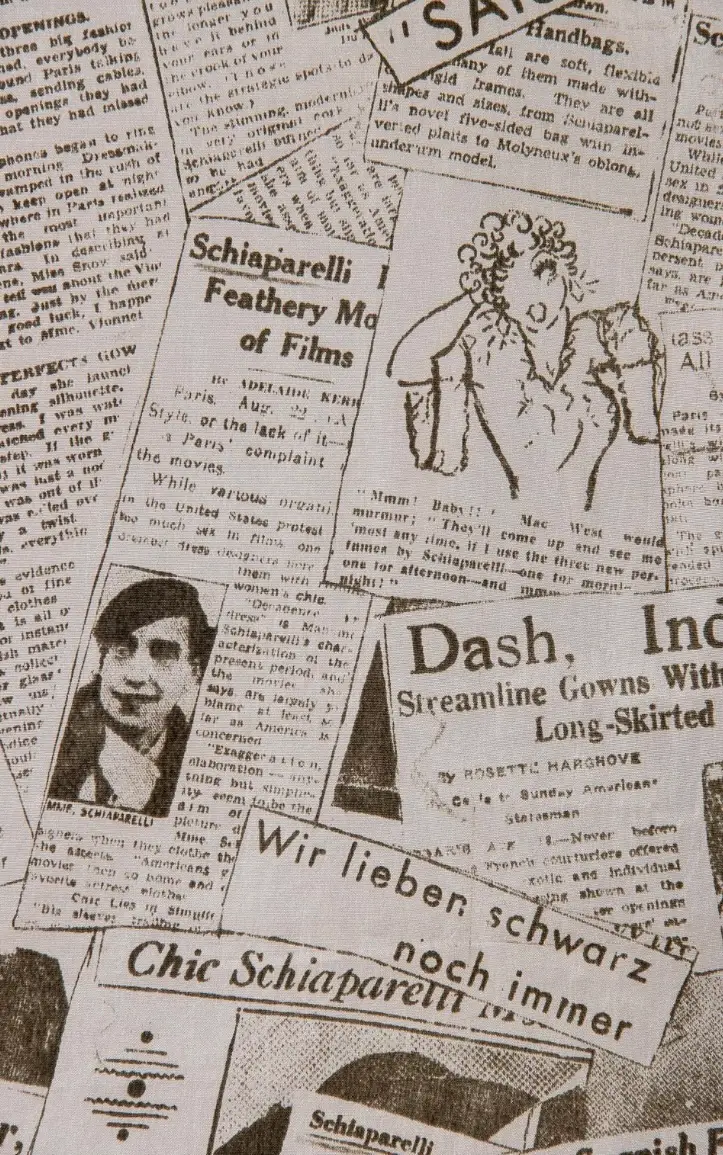
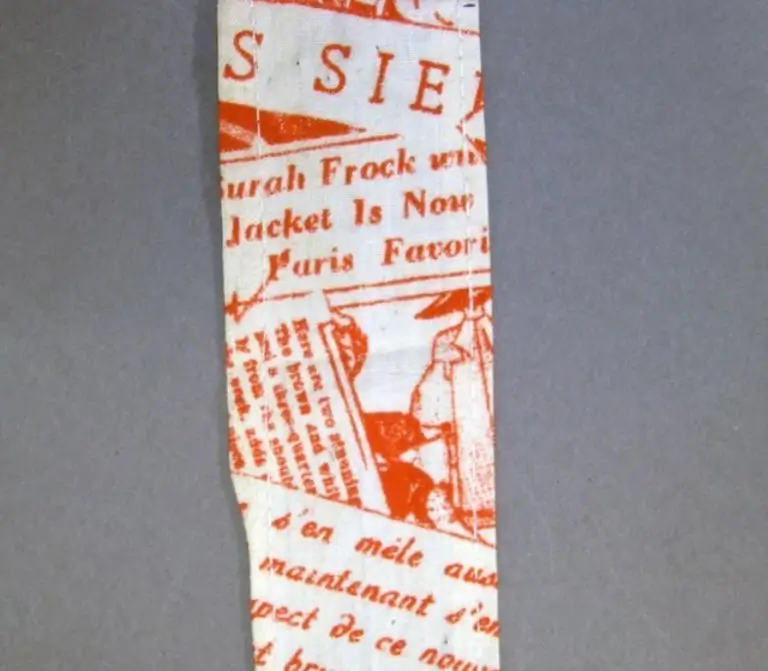
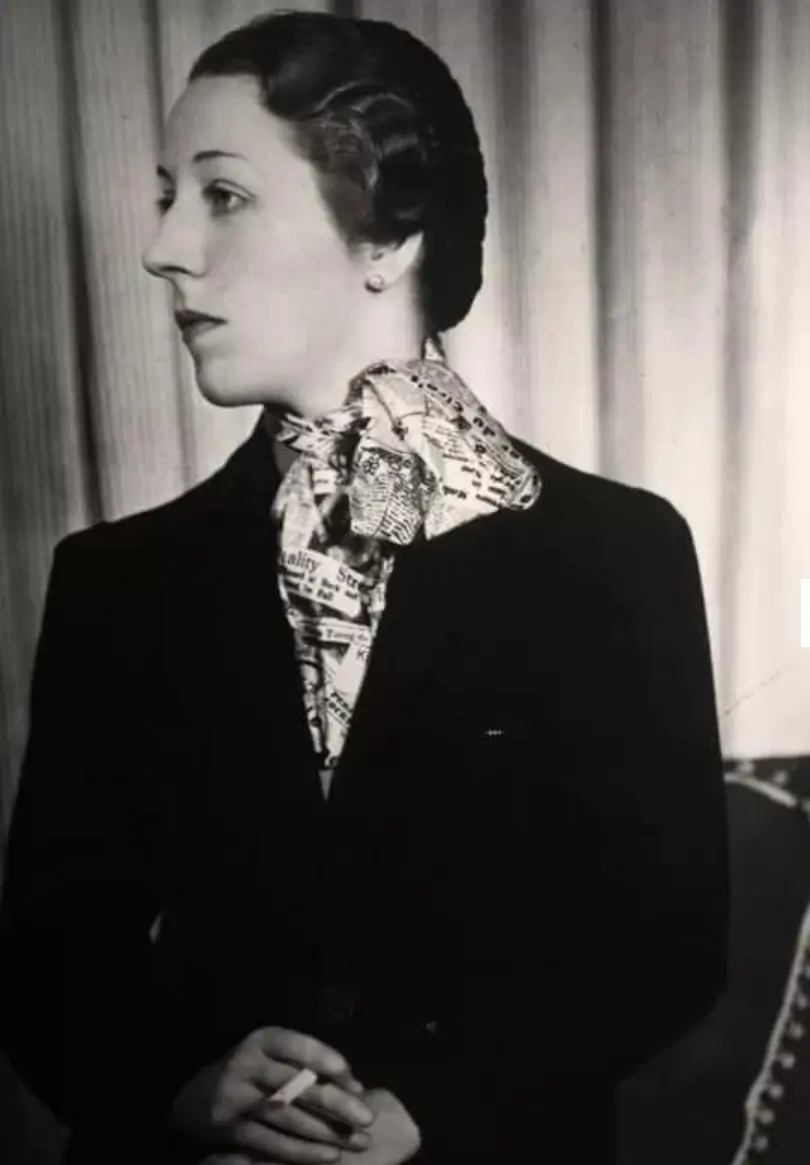
Elsa Schiaparelli introduced the first notable newspaper-print fabric in 1935. Inspired during a trip to Copenhagen by fishwives wearing twisted newspapers as hats, she commissioned a textile from Colcombet featuring press clippings about her own success—headlines in multiple languages celebrating her designs. She used it for blouses, scarves, hats, and “bathing nonsense,” selling it as yardage too.
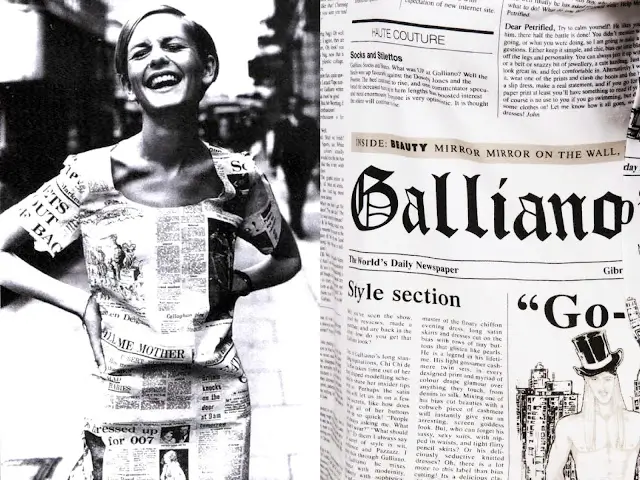
This aligned with Schiaparelli’s Surrealist collaborations, notably with Salvador Dalí, and with her witty, provocative style.
Schiaparelli and Chanel were fierce rivals. Chanel represented streamlined elegance and practicality; Schiaparelli embodied avant-garde shock, bold color, her signature “shocking pink,” and artistic surrealism. The newspaper print was pure Schiaparelli: self-referential, media-savvy, and playful in its elevation of the ephemeral daily press into fashion.
Blazy’s version for Chanel nods to fish-and-chips seaside dining and Chanel’s quote about reading newspapers “like men,” signaling intellectual equality. Yet choosing a motif so closely tied to her rival adds layers: reconciliation, subtle rivalry acknowledgment, or a broader commentary on fashion’s cyclical nature and the role of media within it.
tred
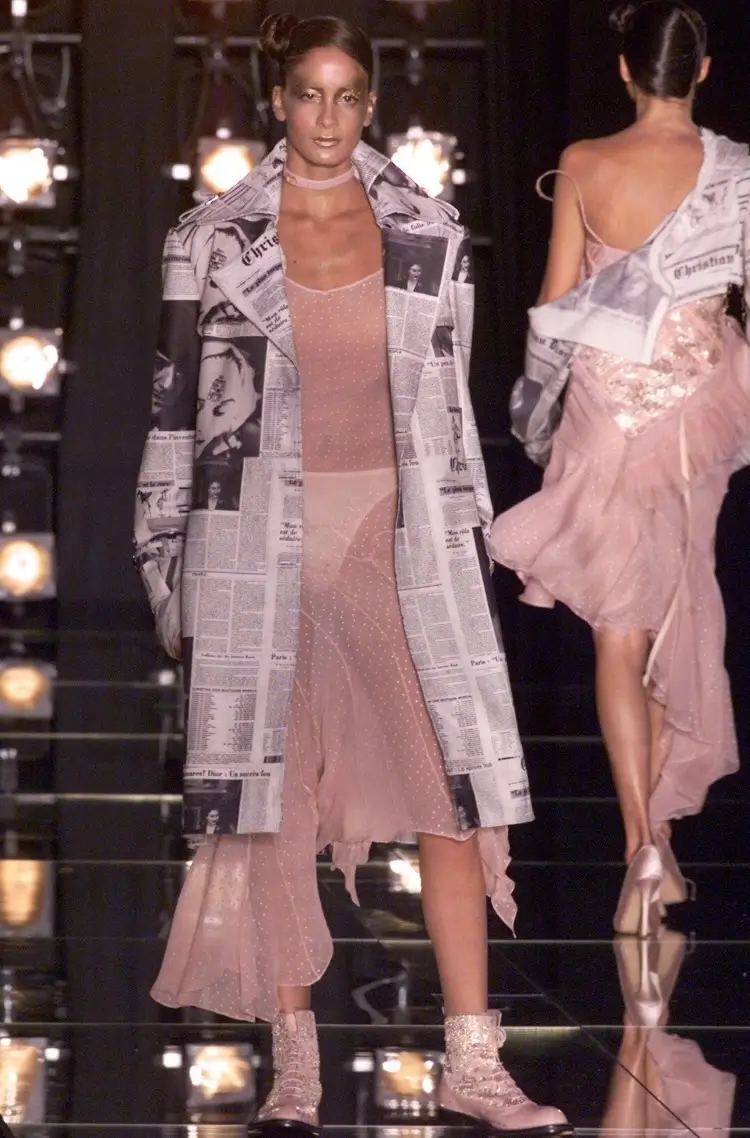
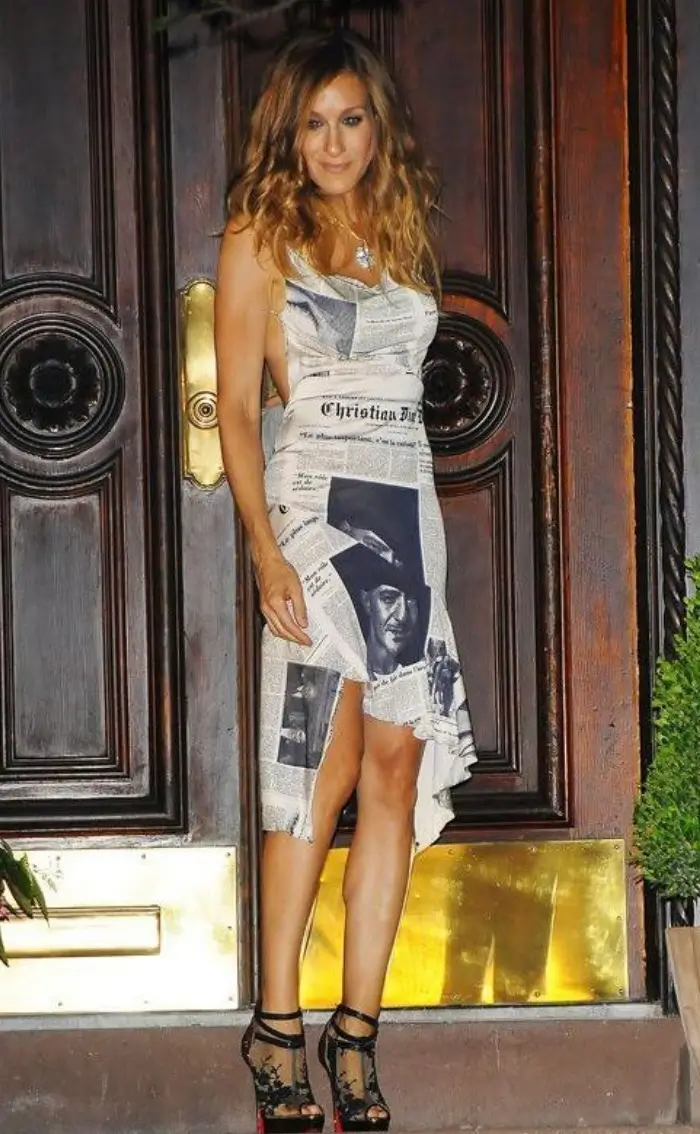
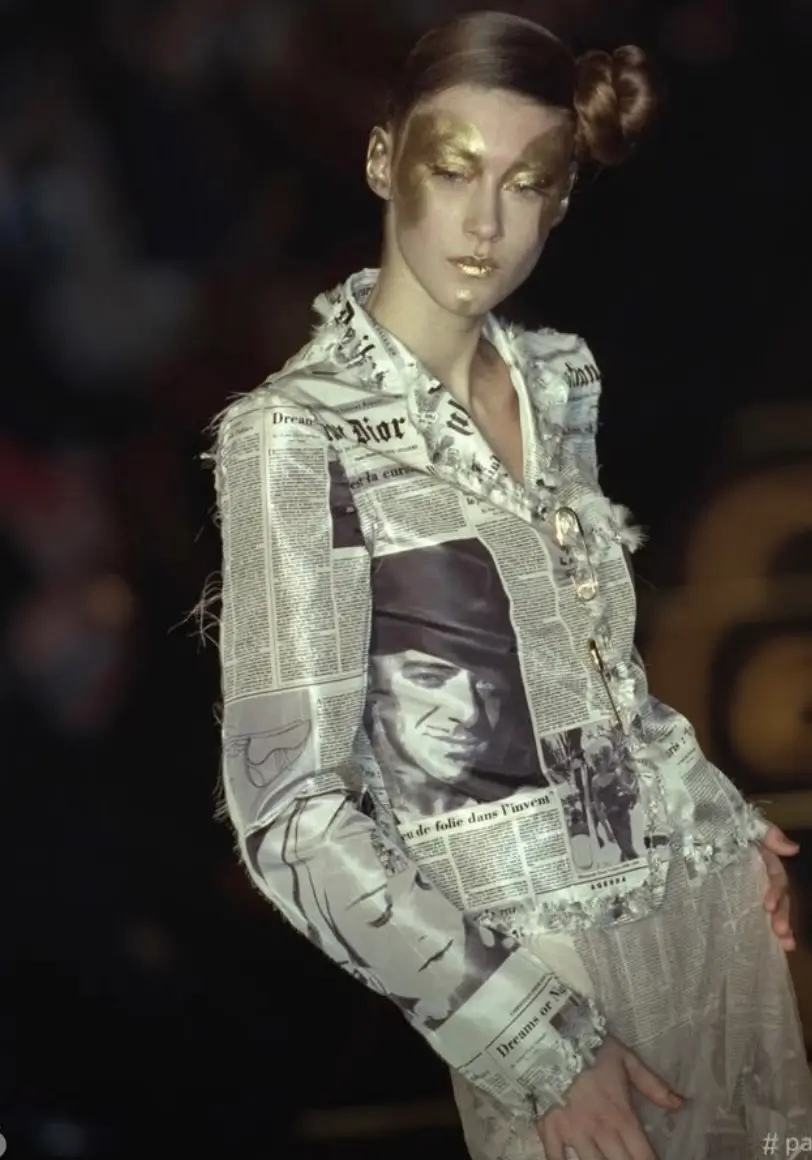
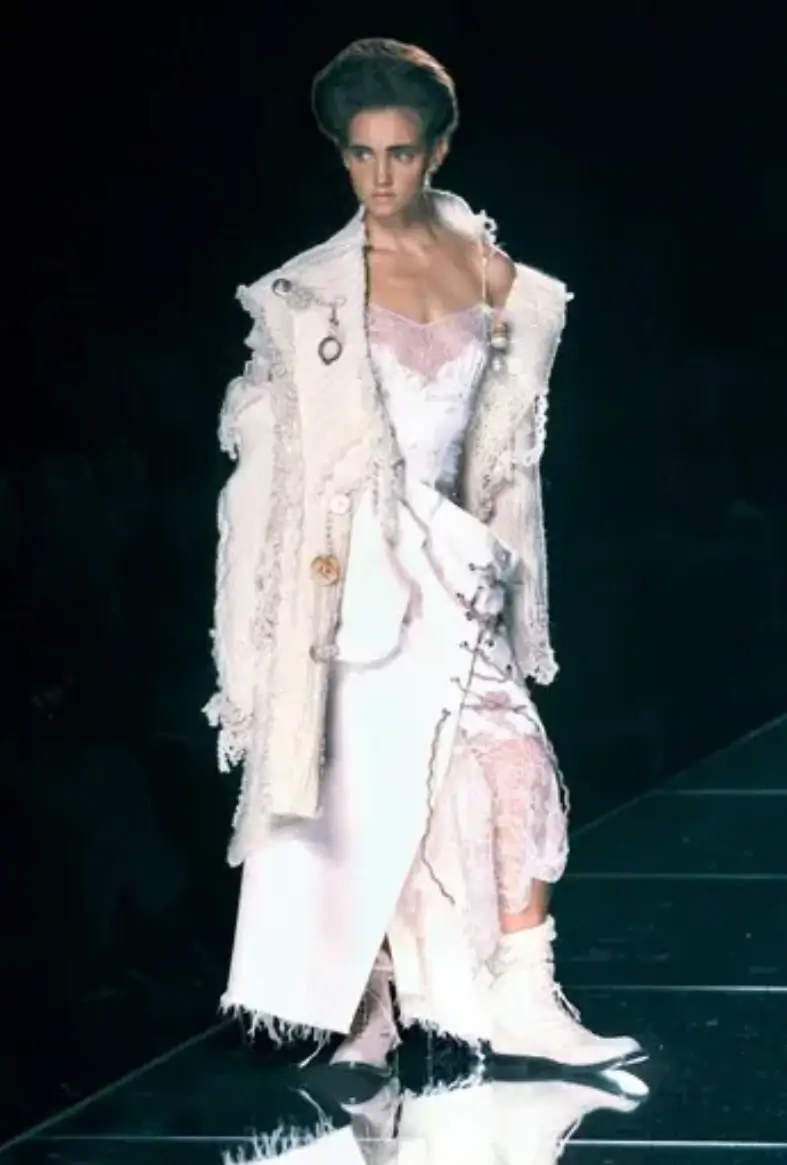
Newspaper prints have repeatedly sparked debate. Schiaparelli’s 1935 textile was whimsical rather than scandalous, but John Galliano’s 2000 Christian Dior “Hobo Chic” collection revived the motif controversially.
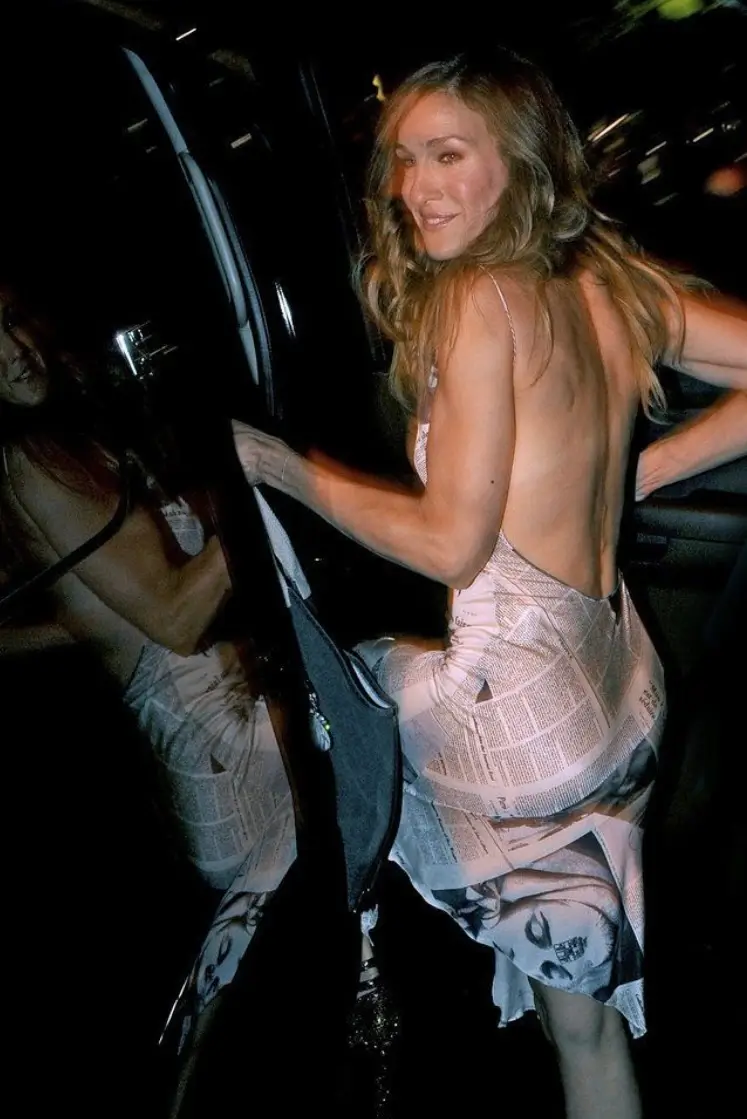
His “Christian Dior Daily” print, featuring fabricated headlines, drew from Paris street-homeless imagery and 1920s and 1930s “Tramp Balls,” where elites dressed as the poor. Carrie Bradshaw’s Sex and the City newspaper dress, from that collection, immortalized the look in pop culture, but critics also slammed the glamorization of poverty.
Later iterations—from runway experiments to fast fashion—have toggled between irony, commentary on media consumption, and disposable trend-making. Blazy’s versions avoid overt controversy, framing the print lightly within a resort context. Yet their presence inside Chanel inevitably revives questions of class, media, appropriation, and authorship.
idea
This marks Blazy’s fifth collection overall for Chanel, and his first Cruise collection for the house. His Bottega Veneta tenure brought tactile luxury and narrative depth; at Chanel, he appears to be balancing heritage with freshness through lighter tweeds, fluid silks, and joyful nautical references.
The newspaper dresses fit his eclectic mix: graphic, conversational, and tied to Biarritz’s casual seaside atmosphere. The prints appear on skirts, dresses, and suits, often layered with nets or paired with classics, making newsprint feel integrated rather than gimmicky.
Critics have noted the collection’s success in blending whimsy—mermaid scales, oversized accessories, beach-coded fantasy—with wearability. Blazy’s Chanel does not discard the house’s codes; it loosens them, lets them breathe, and allows another house’s historical provocation to enter the conversation.
Matthieu Blazy told Vogue’s Sarah Mower that Gabrielle Chanel’s quote, “I love to read newspapers, like men.” inspired these Chanel Resort 2027 looks! 🗞️📰 pic.twitter.com/T8aibwgXbe
— LEGENDARY LADE! 🇳🇬 (@LegendaryLade) April 29, 2026
show
Chanel’s quote, “I like to read the newspaper, like men,” embodies her pioneering independence. Born poor, she built an empire, rejected corsets, and championed women’s liberation through clothing. Newspaper prints, literally covering the body in words and headlines, symbolize engaging with the world on equal terms.
In the 1920s, as women gained voting rights and wider public visibility, the image of a woman reading the newspaper carried force. Today, amid digital media overload, the motif shifts again. It becomes nostalgia for print, satire of consumption, and a reminder that fashion has always understood the value of the headline.
By invoking Schiaparelli, Blazy bridges houses. Chanel’s classicism meets Surrealist wit. It suggests that fashion evolves through dialogue, not isolation, and that rivals’ ideas can enrich the canon over time. In a post-Karl Lagerfeld era, Blazy humanizes and modernizes Chanel without erasing its DNA.
culture
Newspaper motifs reflect an ongoing fascination with print media in a digital age. They suggest nostalgia for tangible news, but also the fleeting nature of information itself. In art, fashion, and viewculture, newspaper print has long carried a double meaning: immediacy and disposability, public language and private body, surface and statement.
Blazy’s version, rendered through Chanel’s luxury fabrication and resort storytelling, elevates the motif beyond novelty. It also reinforces Cruise’s contemporary role: transitional, destination-driven, heritage-conscious, and commercially vital.
Biarritz becomes more than a setting. It becomes a reminder that Chanel’s modernity began not only in Parisian salons, but by the sea, in movement, in leisure, and in the refusal of restrictive form.
fin
As Blazy deepens his Chanel tenure, more such clever references feel likely. The newspaper dresses encapsulate his approach: respectful of history, high-spirited in execution, and attuned to cultural currents. They honor Chanel’s emancipatory spirit while tipping a hat to Schiaparelli’s creativity, reminding us that fashion thrives on tension, rivalry, and cross-pollination.
In Biarritz’s sea breeze, amid mermaids and sailors, these printed looks flutter like headlines: temporary yet enduring, controversial yet captivating. Blazy has woven a rich narrative, proving that even a century-old rivalry can inspire fresh waves in fashion’s eternal tide.
Next article
Dior Café Society Fall Winter 2026 campaign →Related Articles
Fragment and Mammut Bring the Barryvox Back in Glacier Blue
Hiroshi Fujiwara’s second Mammut avalanche beacon leaves the Barryvox S2’s rescue brain untouched and changes […]