DRIFT AUDIO
Listen to this story
Choose a voice, then press play.
The Coach x Brain Dead bag collection represents a continuation of Coach’s strategy of partnering with culturally credible, community-rooted creative labels to introduce the brand’s leather craftsmanship and archival silhouettes to new consumer audiences, particularly the younger, style-conscious demographic that Brain Dead has cultivated through its decade-long presence at the intersection of skateboarding, art, music, and independent fashion.
This collaboration, which launched globally on May 29, 2026, is more than a limited-edition drop—it’s a calculated fusion of heritage luxury and subversive street culture. Under Creative Director Stuart Vevers, Coach has masterfully repositioned itself from a somewhat staid American leather goods house into a dynamic cultural player. The partnership with Brain Dead exemplifies this evolution, blending Coach’s expert craftsmanship with Brain Dead’s irreverent, maximalist graphics and community-driven ethos.
View this post on Instagram
stir
Coach was founded in 1941 in New York City as a maker of high-quality leather goods, drawing inspiration from the durable bags carried by baseball players. For decades, it symbolized accessible American luxury. However, by the early 2010s, the brand faced challenges: over-reliance on outlet sales, a perception of being dated, and difficulty connecting with younger consumers amid the rise of streetwear and fast fashion.
Enter Stuart Vevers in 2013. The British designer, with experience at Louis Vuitton and Givenchy, brought a fresh vision that honored Coach’s archives while injecting youthfulness, color, and narrative. Vevers emphasized self-expression, New York energy, and collaborations as key pillars. Under his leadership—and with support from Tapestry Inc. (Coach’s parent company)—the brand has seen consistent growth, with strong sales increases driven by Gen Z and millennial appeal.
Coach’s collaboration strategy has been central to this resurgence. Previous partnerships include high-profile names like Selena Gomez, Lil Nas X, Disney, Jean-Michel Basquiat, Peanuts, and Keith Haring. These tie-ups serve multiple purposes: they refresh archival silhouettes (like the Tabby or Rogue) with contemporary twists, generate buzz in social media and street style circles, and introduce Coach to niche audiences without diluting its core leather expertise. The Brain Dead collab fits squarely in this lineage, targeting a demographic that values authenticity, subculture, and collectibility over pure status symbols.
flow
Brain Dead, founded in 2014 in Los Angeles by Kyle Ng and Ed Davis, began as a graphic T-shirt project but rapidly evolved into a multidisciplinary creative collective. Ng, a skateboarder, film enthusiast, and subculture aficionado, drew from post-punk, underground comics, B-movies, graffiti, and skate art. The brand’s name itself signals a playful rejection of conventional thinking—being “brain dead” as a form of freeing oneself from mainstream norms.
Over a decade, Brain Dead has cultivated a loyal following through its presence at the crossroads of skateboarding, art, music, and independent fashion. It operates as more than a clothing label: it runs Brain Dead Studios (a creative space and former cinema), hosts events, sponsors festivals, and produces music and film-related content. Collaborations with brands like Adidas, Converse, The North Face, A.P.C., Brooks Brothers, and even entities like Marvel or bands such as Red Hot Chili Peppers demonstrate its versatility. These partnerships are chosen for cultural alignment rather than sheer commercial scale—emphasizing weird, unexpected, and community-focused outcomes.
Brain Dead’s aesthetic is graphic-heavy, chaotic, and collectible: oversized prints, mascots, patches, and souvenirs that feel like merch from an imagined underground universe. Characters like Kachi, Xer, and Zilly (prominent in the Coach collab) embody this mascot-driven, theme-park-meets-punk sensibility. This resonates deeply with younger consumers who seek items that signal membership in a tribe rather than broad luxury appeal.
show
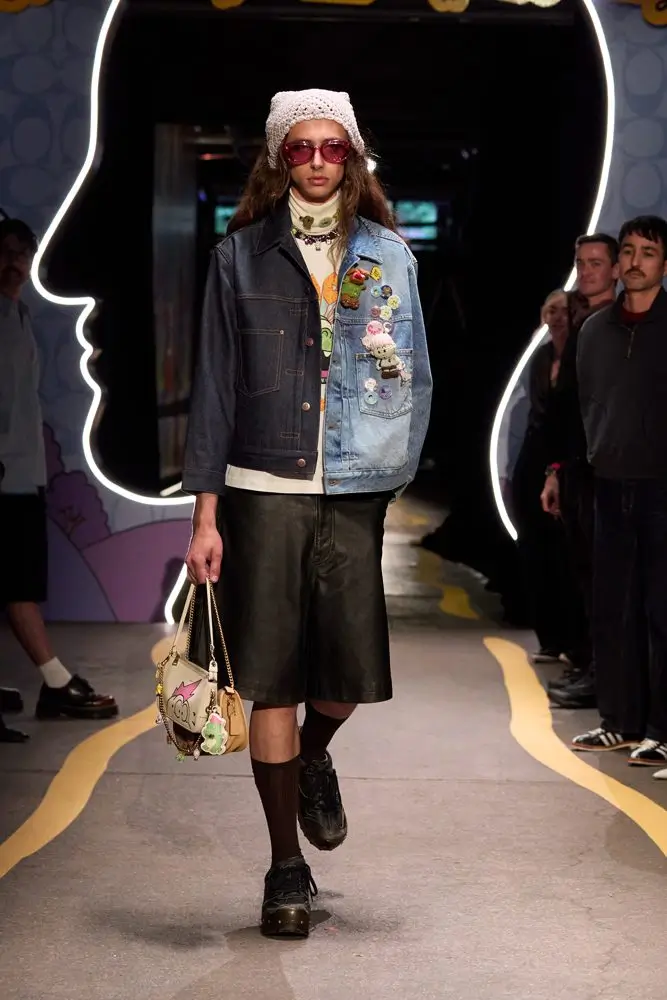
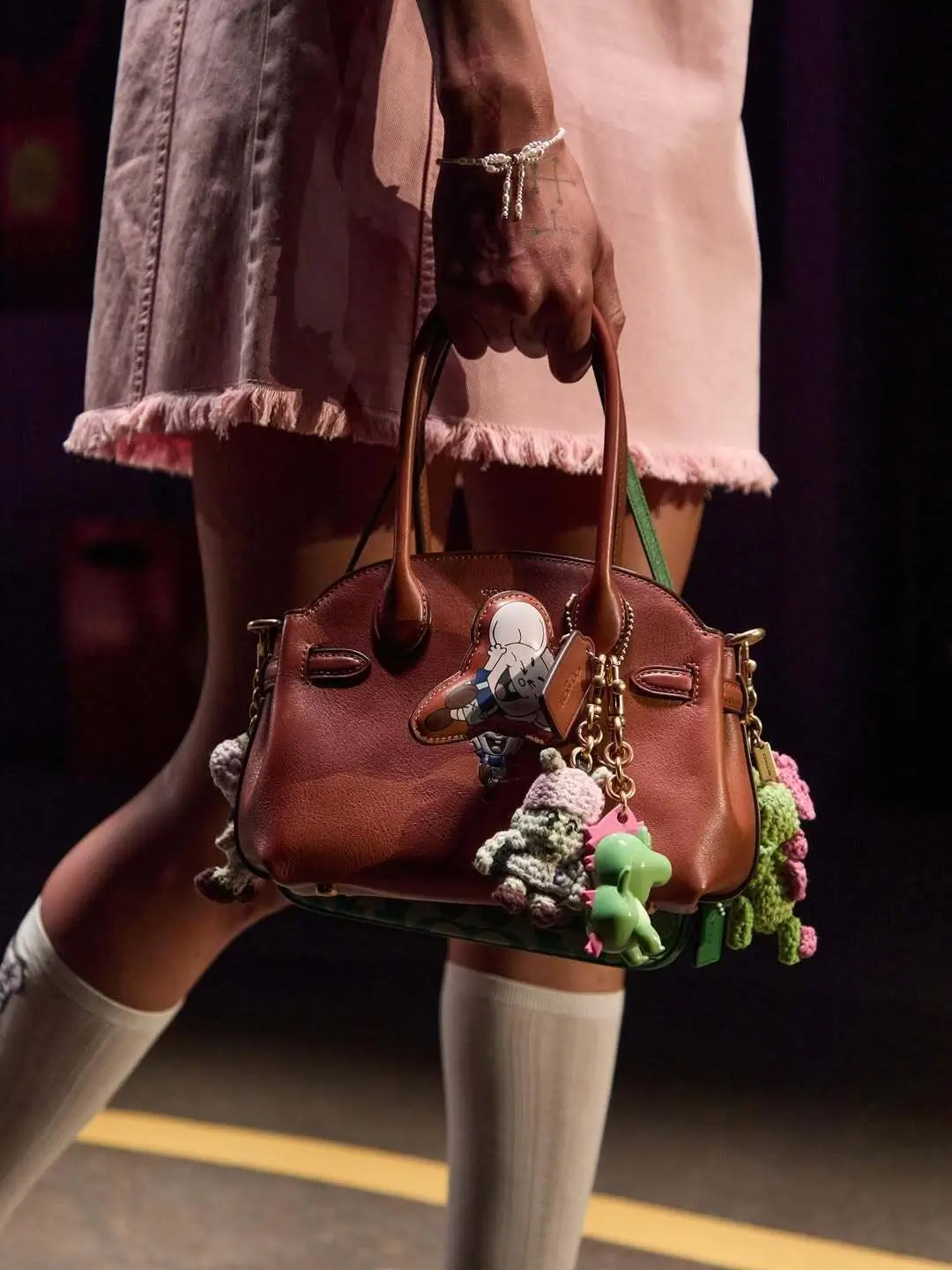
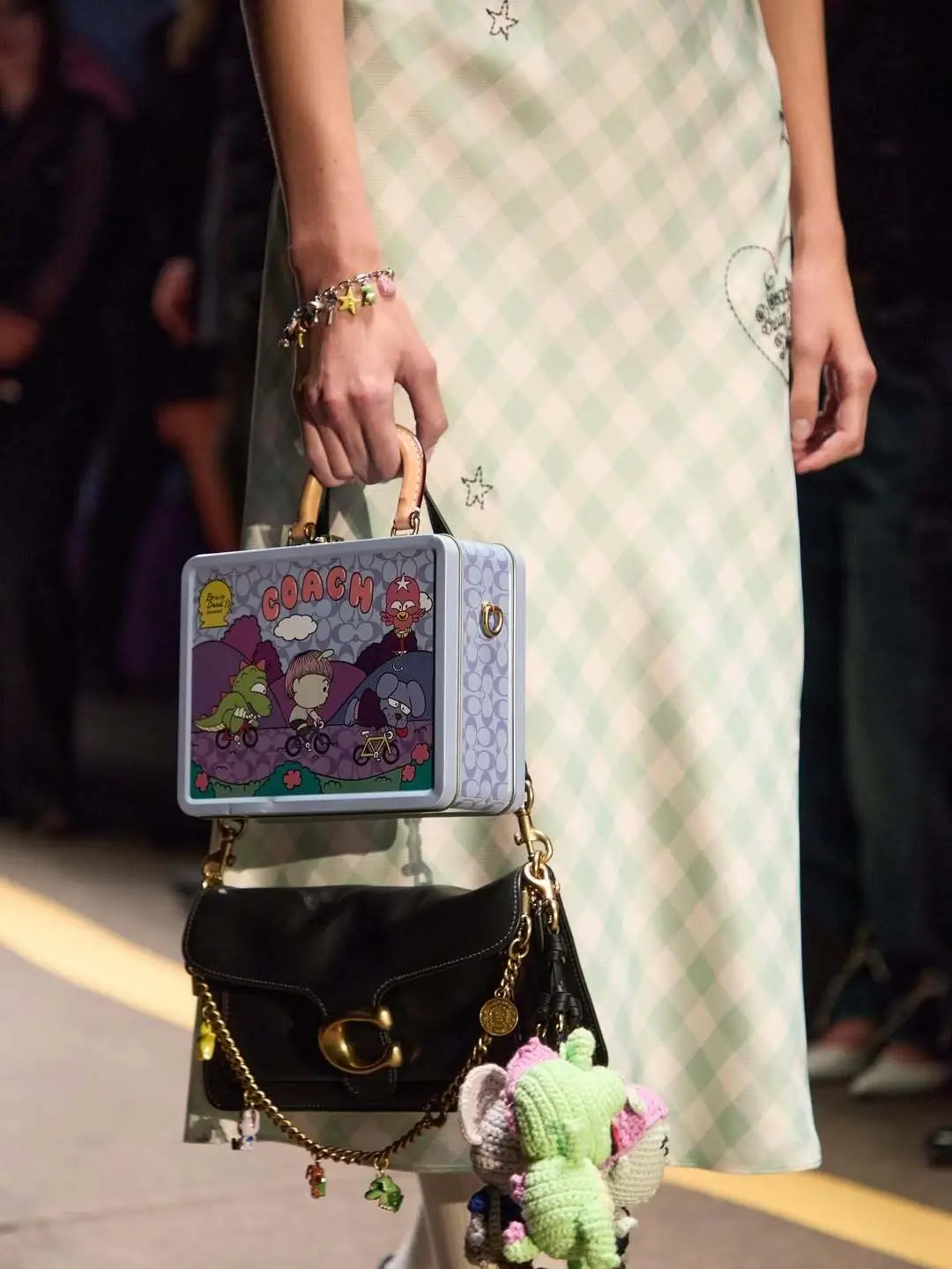
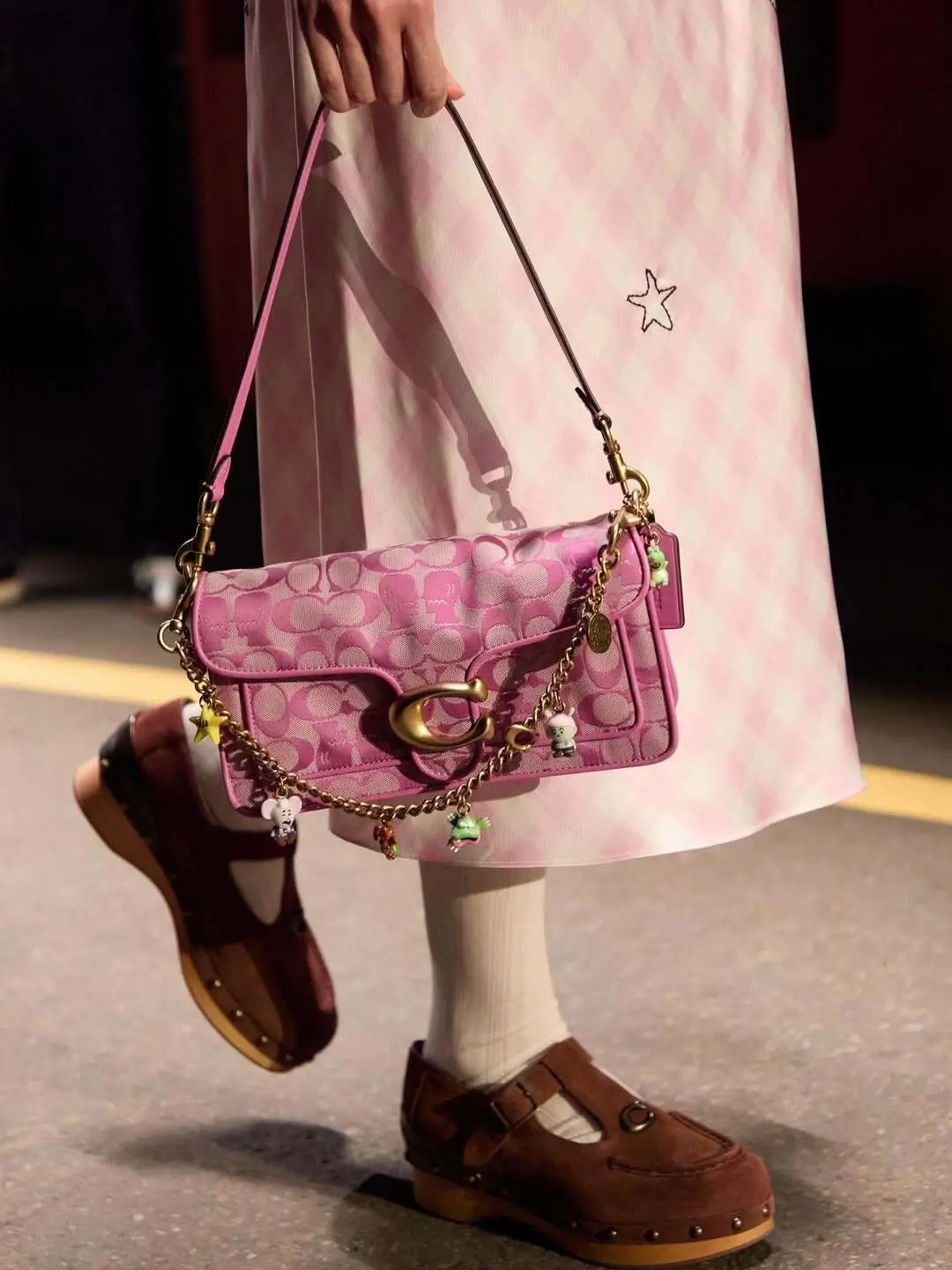
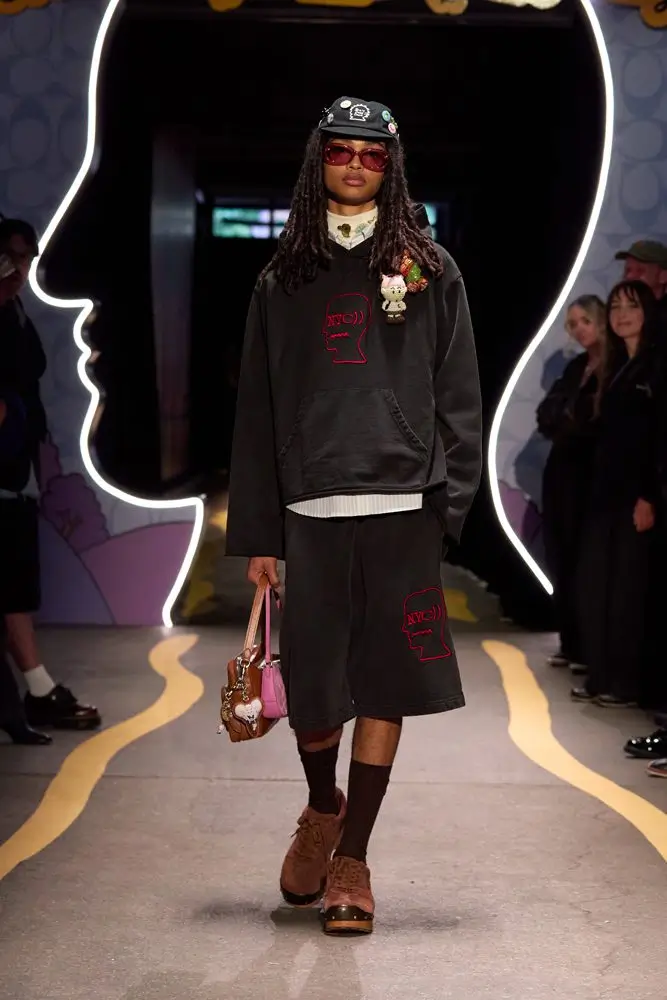
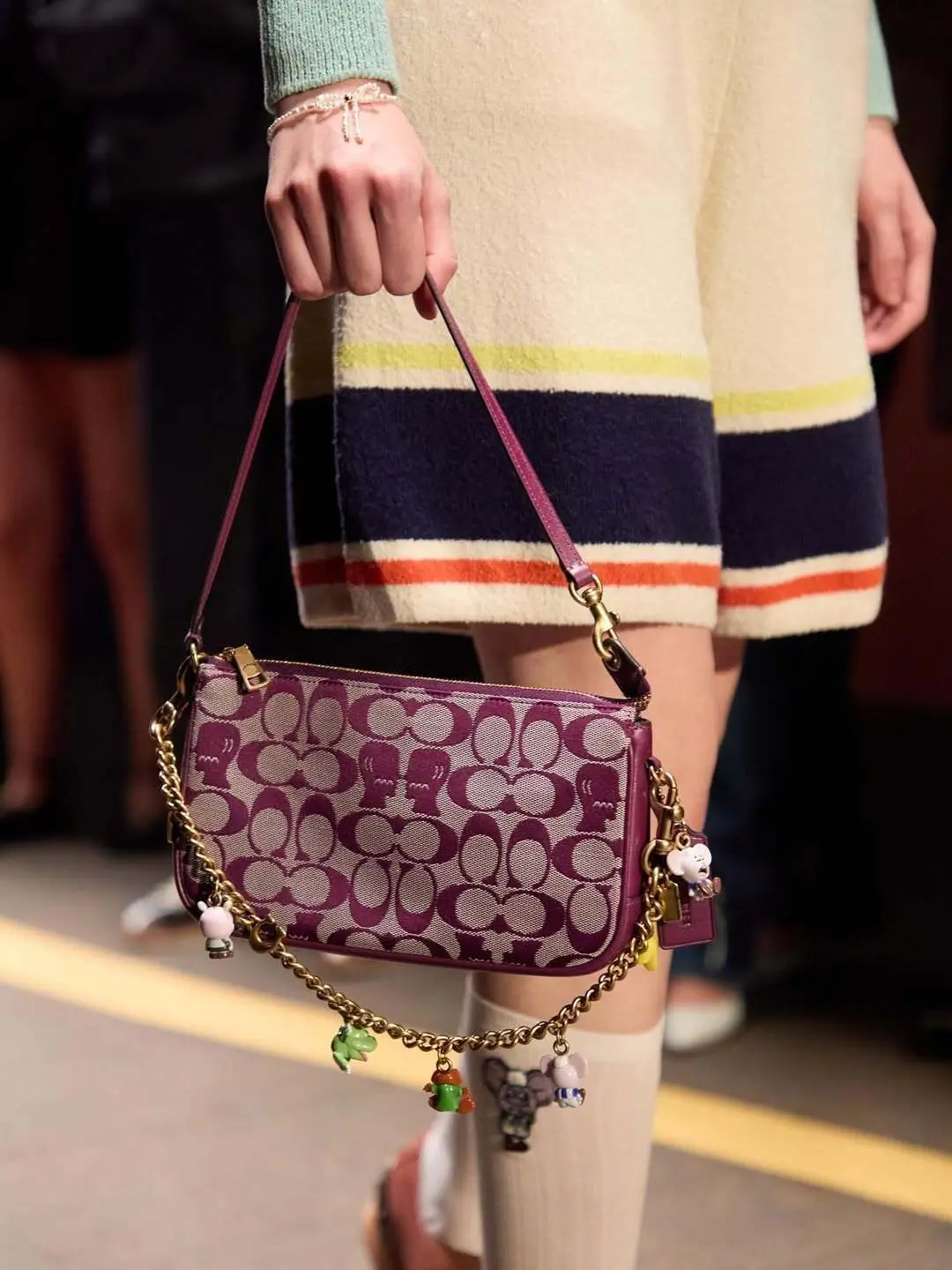
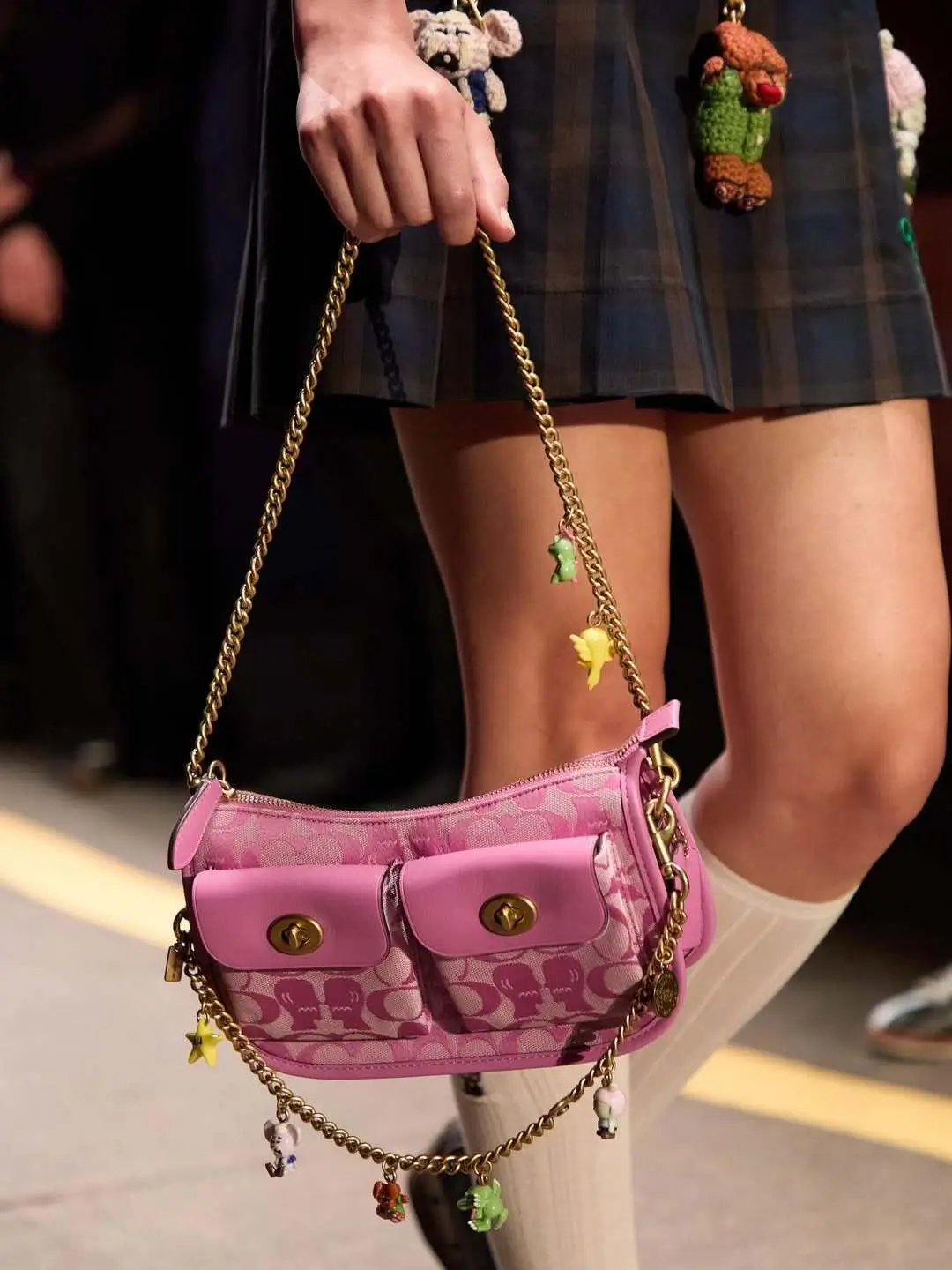
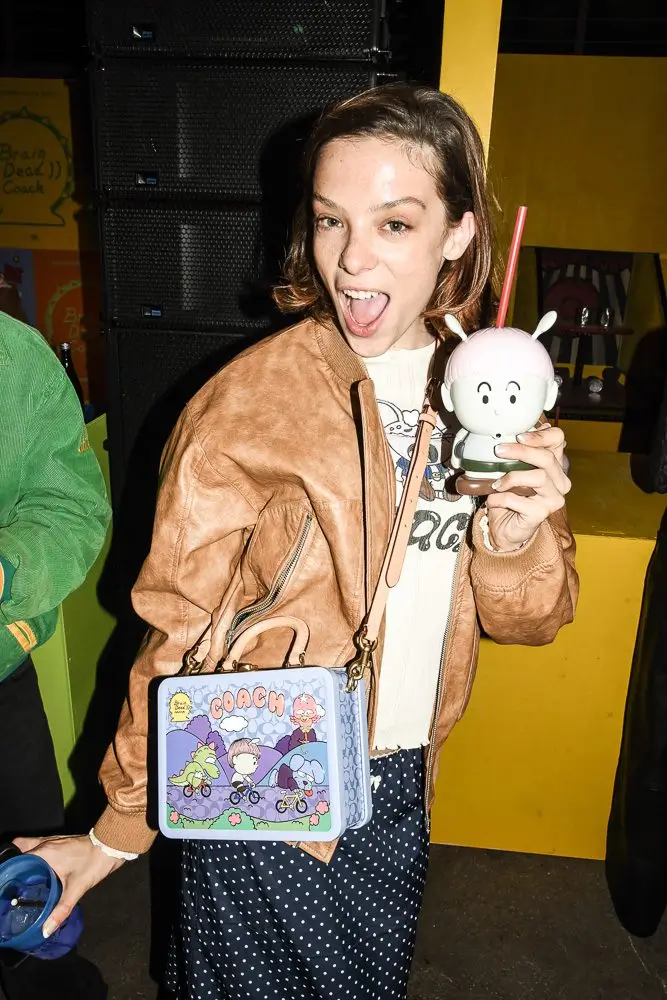
The collection masterfully merges these worlds. Coach’s signature silhouettes—the Tabby, Waverly, Empire, Plaza, and others—are reimagined with Brain Dead’s disruptive graphics. Expect jacquard canvas in vibrant pink, purple, and green featuring oversized mascot patches; shearling and furry textures on pieces like the Empire bag; crocheted charms, puff details, embossed patches, pins, and buttons. Ready-to-wear includes gingham dresses, moto jackets, bias-cut skirts, and vintage sportswear nods, while accessories feature bag charms, footwear, and even tin lunchboxes evoking souvenir culture.
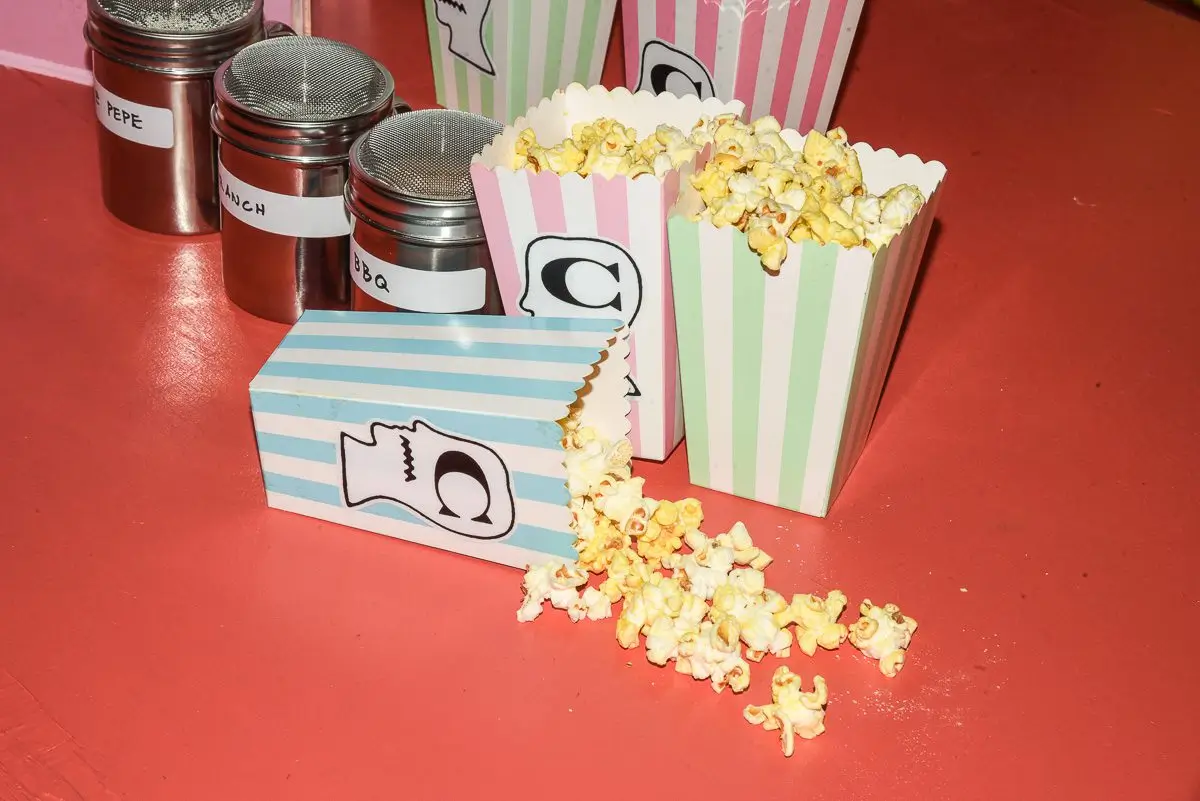
Inspiration draws from Tokyo street style (layered, eclectic, youthful), 1990s interpretations of 1970s silhouettes, and fictional amusement park merchandise. Vevers and Ng obsessed over the idea of “stylish superfans” collecting and personalizing pieces over time—mascots, souvenirs, and emotional attachments. A surprise 80-second flash runway show at a theme-park-inspired launch event in New York’s Meatpacking District in mid-May 2026 captured this playful energy, with 14 looks disrupting an immersive carnival atmosphere complete with popcorn, balloons, and flying saucers.
Craftsmanship remains Coach’s stronghold: quality leather trims, structured shapes, magnetic closures, and durable hardware ground the whimsical elements. Prices range accessibly for limited collabs—Tabby styles around $400–$700—making it attainable for the target demographic while maintaining perceived value.
This isn’t surface-level branding. Customization elements allow wearers to layer charms and patches, echoing Brain Dead’s ethos of self-expression and Coach’s history of personalizable leather goods.
culture
The collaboration arrives at a moment when luxury brands are aggressively courting Gen Z through authenticity and community. Brain Dead’s decade of grassroots credibility lends Coach indie cachet, while Coach offers Brain Dead broader visibility and premium production values. It bridges “high” and “low” culture effectively—leather heritage meets graphic disruption.
In the broader fashion landscape, this aligns with trends toward maximalism, nostalgia, and hybrid aesthetics. Post-pandemic consumers crave joy, playfulness, and items that spark conversation. The collection’s theme-park and mascot motifs tap into escapism and fandom culture, prevalent in Gen Z’s digital-native worldview (think TikTok hauls, collectible drops, and personalized styling).
Coach’s parent company Tapestry has reported strong performance, with Coach driving profits through such innovative moves. This drop is expected to perform well online and in flagship stores, amplified by social media from attendees like Troye Sivan and other influencers at the launch party.
arch
Coach’s strategy with partners like Brain Dead highlights several industry shifts. First, the value of “culturally credible” collaborators: brands with organic communities outperform pure celebrity endorsements in building long-term loyalty. Second, the importance of archival revival—recontextualizing classics like the Tabby keeps heritage relevant. Third, experiential marketing: the carnival runway event creates shareable moments that extend reach far beyond the product.
For Brain Dead, it validates the collective’s growth from niche streetwear to mainstream-adjacent player without losing edge. Kyle Ng has emphasized culture first, fashion second—a philosophy that makes such partnerships feel genuine rather than opportunistic.
Challenges remain. Over-collaboration risks diluting brand DNA, and balancing accessibility with exclusivity is tricky in a saturated market. Yet Coach has navigated this well, using drops like this to refresh without alienating core customers.
fin
The Coach x Brain Dead collection is a snapshot of modern luxury: technically proficient, culturally attuned, and joyfully irreverent. It continues Vevers’ vision of Coach as a platform for self-expression, leveraging Brain Dead’s community roots to court the next generation of style-conscious consumers.
As fashion hurtles toward greater hybridization—where skate, art, music, and luxury collide more fluidly—this partnership sets a template. It proves that heritage brands can stay vital by inviting fresh voices to reinterpret their archives, while independent creatives gain scale through thoughtful alliances.
For enthusiasts, the drop rewards close attention: hunt the limited charms, layer the graphics, and embrace the chaos. In a world of algorithmic trends, items that feel personally meaningful and tribally significant endure. Coach and Brain Dead have delivered exactly that—a bag (and wardrobe) collection that’s both a product and a portal into a more playful, expressive way of dressing.
Related Articles
WACKO MARIA Brings Its Leopard Lining to the Big Leagues
Black nylon outside, leopard fur inside: WACKO MARIA’s first Major League Baseball collection reached Japan […]