DRIFT AUDIO
Listen to this story
Choose a voice, then press play.
In the fiercely competitive flagship smartphone market of 2026, two Chinese powerhouses stand out for their extraordinary imaging capabilities: the Oppo Find X9 Ultra and the Vivo X300 Ultra. Both devices push mobile photography boundaries, particularly in telephoto show, with massive sensors, advanced periscope designs, and professional-grade optics. This head-to-head comparison focuses on their telephoto strengths while covering overall design, performance, and value.
stir
Both phones feature large 6.82-inch 2K LTPO AMOLED displays with high refresh rates (up to 144Hz) and excellent brightness, making them ideal for reviewing shots on the go. They weigh around 230-235g with premium builds, including high IP ratings for durability.
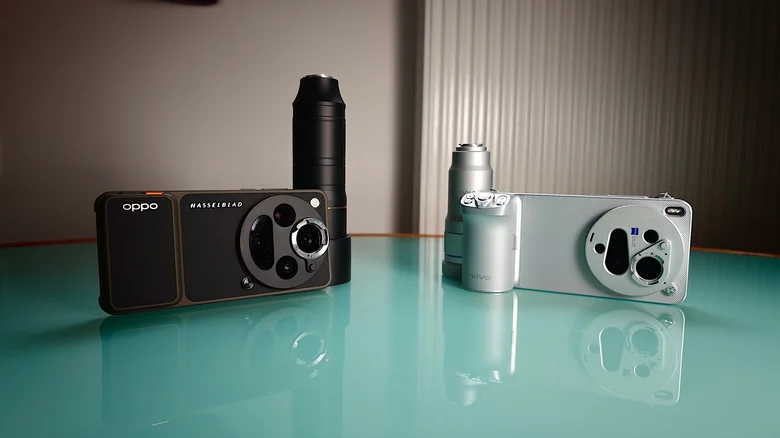
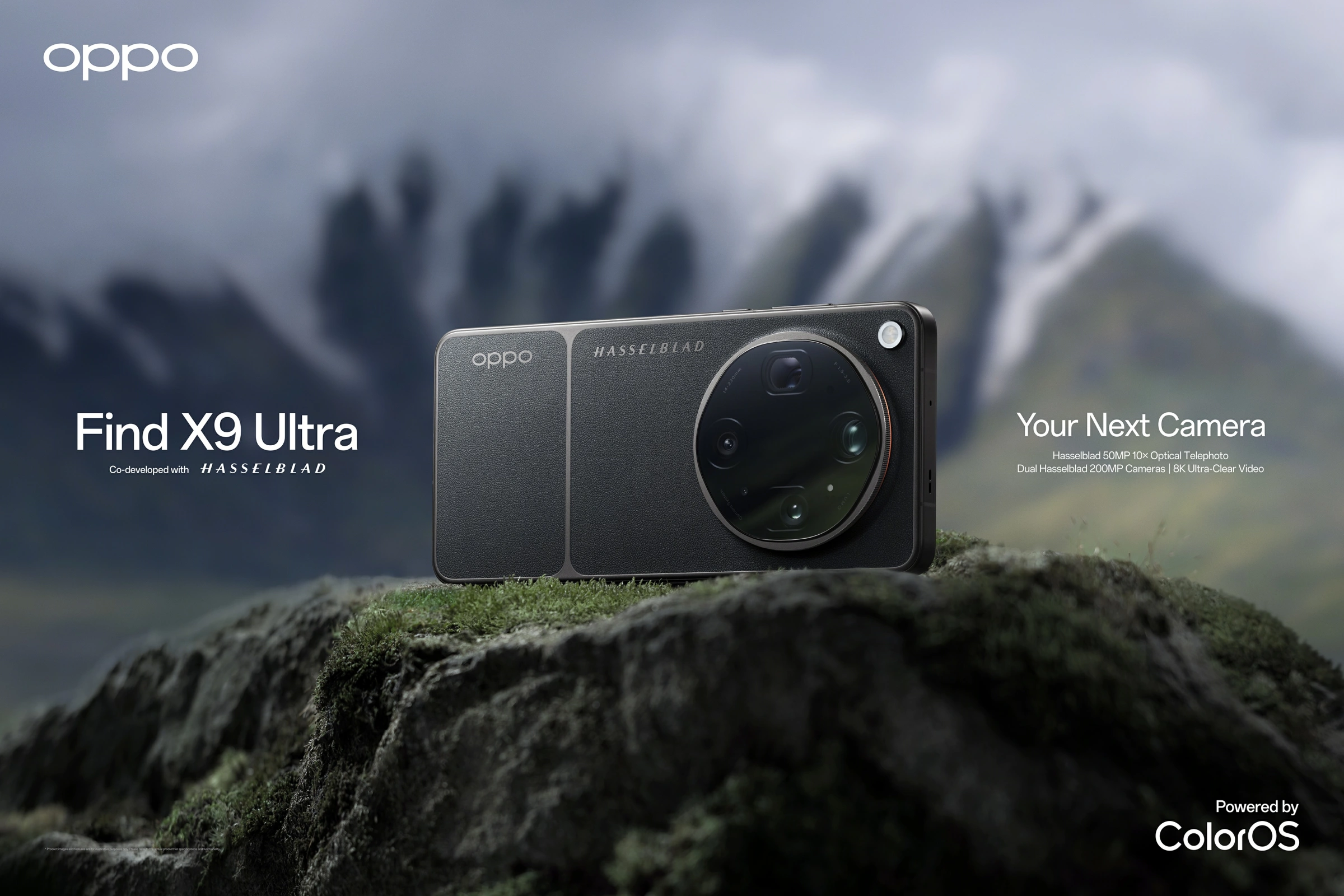
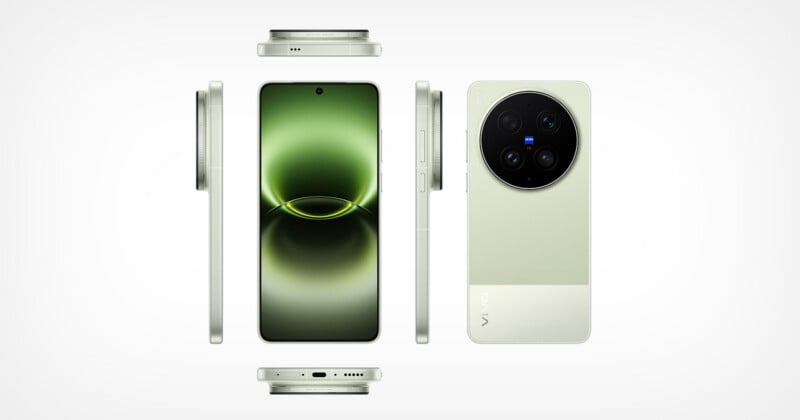
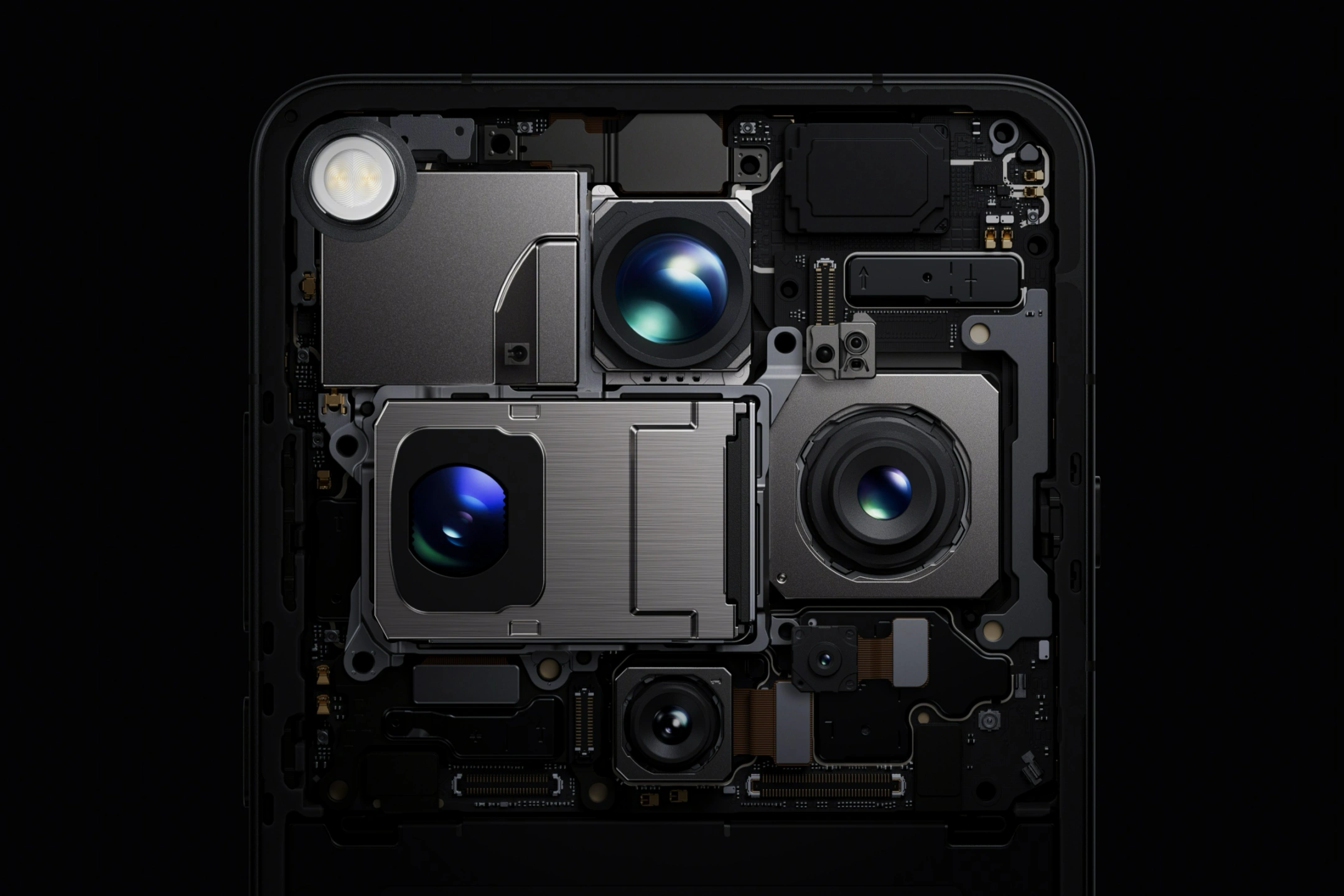
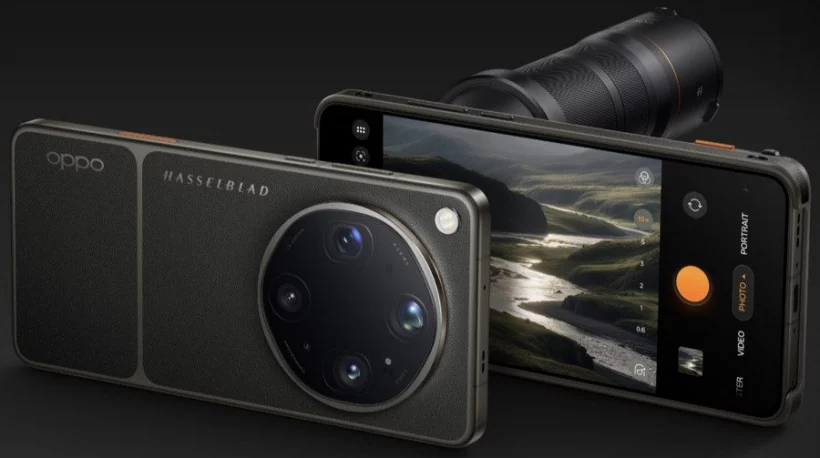
The Oppo Find X9 Ultra emphasizes a sleek, camera-centric design with Hasselblad tuning. Its quad-camera module is prominent, housing two 200MP sensors and a dedicated 10x telephoto. The Vivo X300 Ultra adopts a more modular approach with ZEISS optics and optional teleconverter attachments that transform it into a DSLR-like system.
Oppo offers a slightly larger 7050mAh battery compared to Vivo’s 6600mAh, with faster charging support in some variants. Both deliver all-day endurance under heavy camera use.
show
Both are powered by the Snapdragon 8 Elite Gen 5 chipset, ensuring top-tier performance for 4K/8K video, AI processing, and multitasking. Storage options reach up to 1TB with ample RAM (12-16GB). Software-wise, Oppo runs ColorOS 16 on Android 16 with five years of updates, while Vivo uses OriginOS 6 with strong long-term support.
vs
This is where the real competition lies. Both phones excel in zoom photography but approach it differently.
Oppo Find X9 Ultra’s Telephoto System:
- 200MP 3x Super Portrait Telephoto (70mm, 1/1.28-inch OmniVision OV52A sensor, f/2.2, OIS): This is one of the largest telephoto sensors ever in a smartphone. It delivers exceptional detail, low-light performance, and doubles as a tele-macro lens (15cm minimum focus). Cropping yields high-quality 6x shots.
- 50MP 10x Ultra Telephoto (230mm, 1/2.75-inch Samsung ISOCELL JNL sensor, f/3.5, advanced prism OIS): This native 10x optical zoom is a standout feature. It provides lossless quality up to 20x and supports high-resolution distant shots with strong stabilization. Combined with the 3x lens, it covers a wide focal range (up to 460mm equivalent via cropping).
Oppo’s Hasselblad partnership shines in natural colors, portrait bokeh, and video (up to 8K). The dual 200MP setup (including the main camera) excels in versatility, with seamless transitions across focal lengths. Reviewers praise its 10x for handheld wildlife and sports photography.
Vivo X300 Ultra’s Telephoto System:
- 200MP Periscope Telephoto (85mm, ~3.7x, 1/1.4-inch custom Samsung ISOCELL HP0 sensor, f/2.7, gimbal-grade OIS): Vivo’s expertise in telephoto delivers outstanding detail, tracking, and low-light zoom. The large sensor and stabilization make it a portrait and mid-range zoom champion.
- Optional ZEISS Telephoto Extenders (200mm and 400mm equivalents): This is Vivo’s trump card. The lightweight Gen 2 attachments turn the phone into an extreme telephoto rig, reaching up to 400mm optically (and far beyond digitally). It excels in wildlife, astrophotography, and distant subjects with pro-level compression and clarity.
Vivo’s ZEISS tuning emphasizes cinematic color science, accurate skin tones, and advanced video features like multi-focal 4K 120fps. Its ultrawide is also notably strong.

Telephoto Verdict: Oppo wins for built-in versatility with its native 10x and massive 3x sensor, ideal for users wanting everything in one device without accessories. Vivo dominates extreme zoom scenarios thanks to the 400mm extender, appealing to serious enthusiasts. In standard 3x-10x ranges, both are elite, but Oppo’s 200MP 3x often edges out in raw detail and macro flexibility.
other
- Main Camera: Both use ~200MP 1/1.12-inch sensors for stunning primary shots. Oppo’s f/1.5 aperture may have a slight low-light edge.
- Ultrawide: Vivo’s larger sensor often performs better in detail and dynamic range.
- Video: Both support high-end recording, but Oppo pushes 8K, while Vivo excels in stabilized, multi-focal cinematic modes.
- Processing: Oppo (Hasselblad) leans natural; Vivo (ZEISS) offers richer, more vibrant tones. Preferences vary by user taste.
misc
Oppo’s larger battery gives it better longevity for extended shooting sessions. Displays are comparable, with excellent HDR and color accuracy for photo editing. Both handle gaming and productivity flawlessly.
avail
Pricing is similar in premium segments (around $1,000–$1,500+ depending on config and region), with Vivo sometimes positioned as slightly better value. Oppo has strong global availability, while Vivo’s global rollout varies.
compare
Choose the Oppo Find X9 Ultra if:
- You want the best all-in-one telephoto experience with native 10x optical zoom.
- Massive sensors and Hasselblad colors appeal to you.
- You prioritize battery life and seamless focal length coverage without add-ons.
Choose the Vivo X300 Ultra if:
- Extreme telephoto reach (via 400mm extender) is essential for your photography.
- You value ZEISS optics, strong video tools, and modular creativity.
- Portrait and mid-telephoto performance with excellent tracking matter most.
fin
The Oppo Find X9 Ultra and Vivo X300 Ultra represent the pinnacle of telephoto smartphone engineering in 2026. Oppo impresses with integrated high-resolution zoom hardware, while Vivo offers unmatched extensibility. There’s no clear overall winner — it depends on whether you prefer a self-contained powerhouse or a modular photography system.
For most users chasing versatile telephoto prowess, the Oppo edges ahead due to its native capabilities. However, dedicated zoom enthusiasts will find Vivo’s ecosystem irresistible. Both elevate mobile photography closer to dedicated cameras than ever before. If budget allows, trying both in-store for color science and ergonomics is recommended.
From the DRIFT archive: PANTONE’s 2026 Color of the Year Takes Shape With Play-Doh and Post-It Editions
Related Articles

Under Rue de Castiglione, Liaigre Gives Hôtel Costes a Spa With No Hard Corners
A 20-meter lap pool, eight treatment rooms and not one sharp angle: Studio Liaigre’s spa […]