
DRIFT AUDIO
Listen to this story
Choose a voice, then press play.
A decade after its Brooklyn founding, GREATS keeps its footwear philosophy simple: soften the leather, lighten the shoe, and let the sil do the rest.
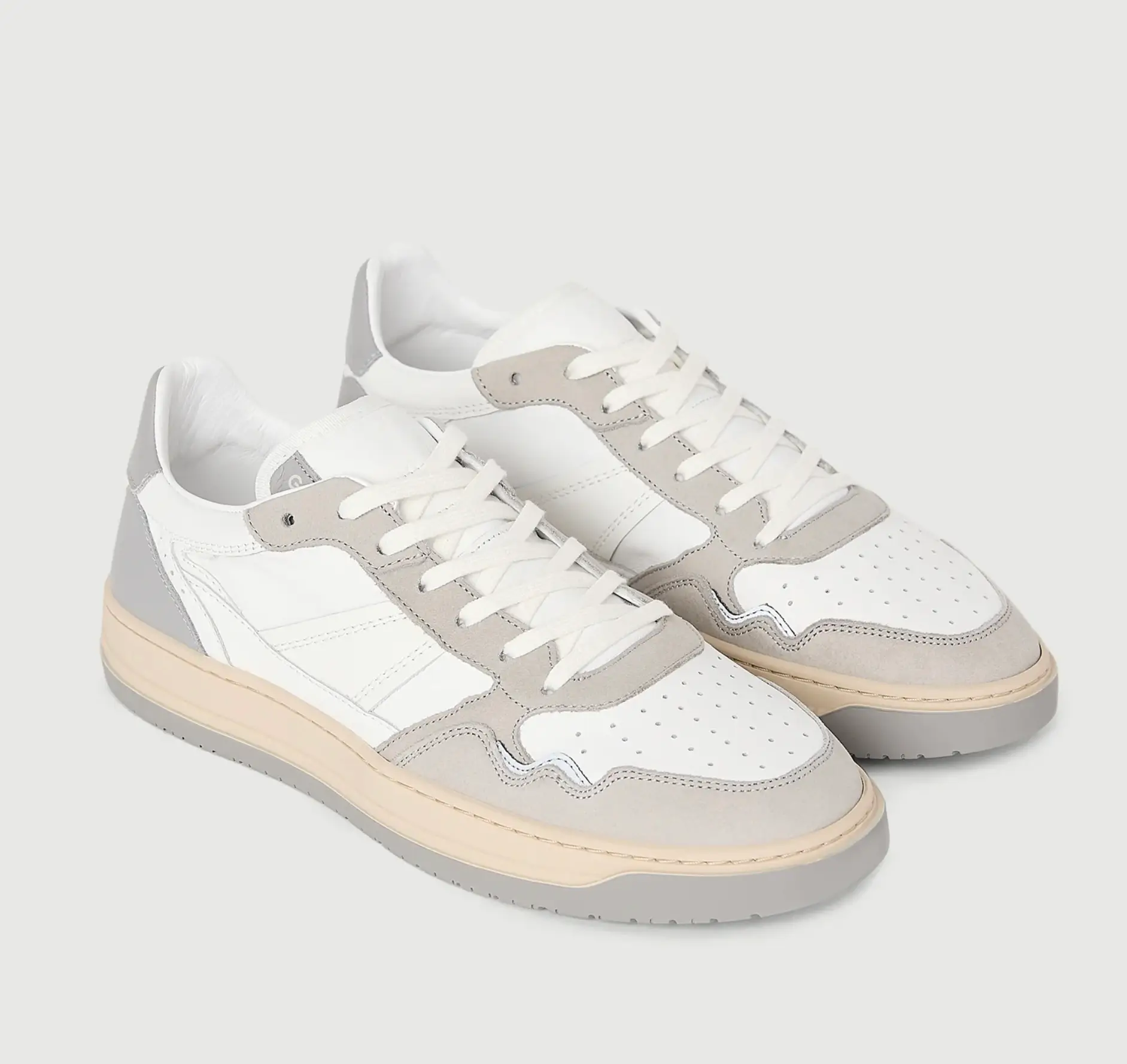
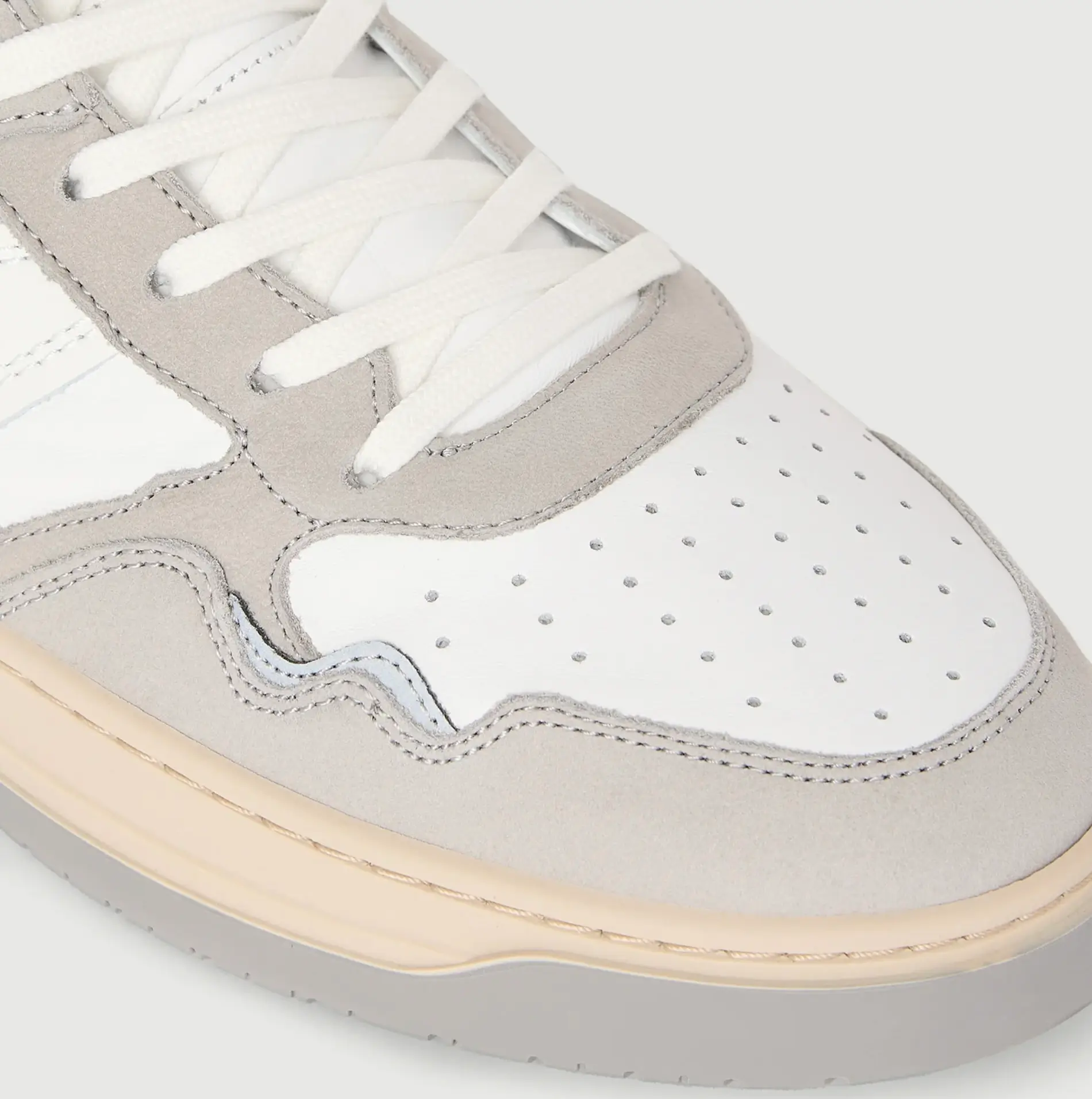
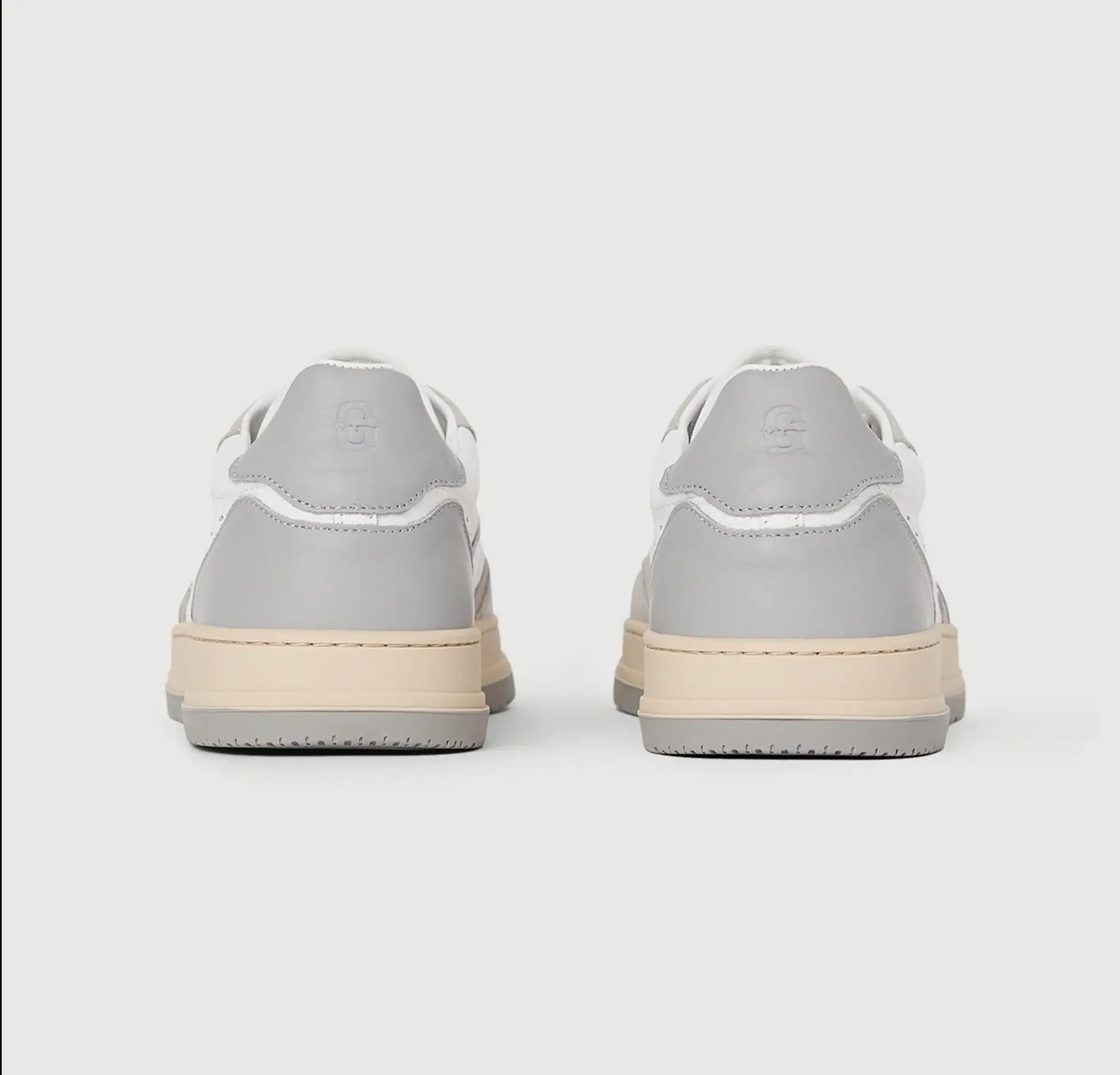
Goat leather is not the default choice for a low top shoe, and that is precisely why GREATS built the Kingston around it. Cowhide has long been the industry’s cheap, reliable answer for sneaker uppers, but it comes with a break in period that punishes the first few wears. Goat hide skips that penalty. It arrives softer, moves with the foot from the first lace up, and still holds its shape after months of daily wear. The brand sources its hides through Portuguese tanneries and finishes the shoe there as well, a detail GREATS has leaned on since shifting more of its production to Portugal following its acquisition by Steve Madden in 2019.
View this post on Instagram
The result reads more like a loafer’s comfort wrapped in a sneaker’s outline. Sheep leather and TENCEL, a fiber spun from wood pulp, line the interior, which keeps the shoe breathable without reaching for synthetic mesh. It is a quieter kind of technical shoe: nothing about it announces itself as performance footwear, yet the materials underneath are doing real work.
stir
The Kingston uses Strobel construction, a stitching method that sews the upper directly to a fabric sock rather than stiffening it against a rigid last. Runners have relied on Strobel builds for years because they cut weight and let the shoe flex naturally at the ball of the foot. Applying it to a dress leaning silhouette is a smaller move than it sounds, but it explains why the Kingston sits closer to a slipper in hand than its boxier, thicker soled stablemates like the Royale.
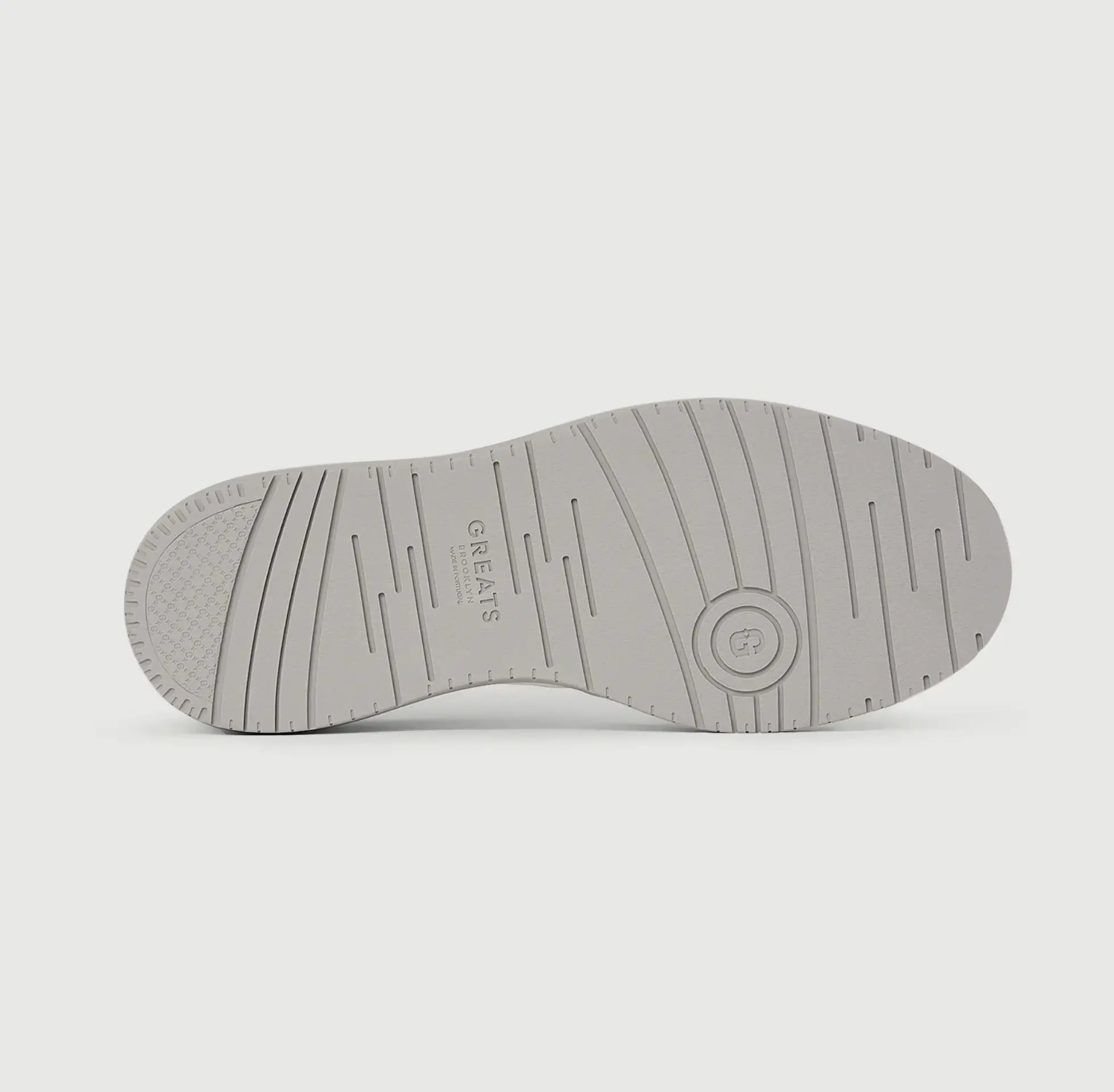
A cork footbed, made partly from recycled material, sits under the foot for cushioning that softens with wear rather than compressing flat. The outsole is rubber, produced in house since GREATS brought that piece of manufacturing under its own control rather than outsourcing it. Between the rubber base, the cork bed, and the goat leather upper, the shoe carries almost none of the stiffness associated with premium leather sneakers at this price point.
Some versions of the Kingston swap in a plant based upper made from corn derived material, aimed at buyers who want the silhouette without the animal product. GREATS has not marketed this as a headline feature so much as an option sitting quietly alongside the leather runs, a pattern consistent with how the brand tends to introduce sustainability minded choices without turning them into the whole pitch.

sit
GREATS was founded in Brooklyn in 2014 by Ryan Babenzien and John Buschemi, two people who wanted a direct to consumer alternative to the inflated pricing of European minimalist sneaker brands. The Royale became the label’s calling card almost immediately, a slim, unbranded leather sneaker that borrowed its restraint from 1980s tennis shoes and Italian football boots. Kingston arrives later in the catalog as a related idea rather than a repeat, closer in spirit to a loafer that happens to be built like a sneaker.
Steve Madden’s 2019 acquisition changed some of the mechanics behind the brand, moving portions of manufacturing to Portugal and bringing outsole production internal, but the underlying premise of GREATS has not shifted. The company still positions itself against $300 to $400 minimalist sneakers from labels like Common Projects, arguing that most of that markup pays for a name rather than better leather or construction. Kingston, priced well under those comparisons, is one of the clearer expressions of that argument currently in the lineup.
run
The Kingston ships in a range that includes White White, Blanco Navy, Blanco Grey, Nero, and a green leather option that has circulated through retail partners including Amazon and Walmart. Retail sits around 199 dollars for most leather colorways, with some runs discounted closer to 139 dollars depending on the season and retailer. Macy’s carries a version under its own listings, and the shoe has shown up periodically at Zappos as well, which points to a wider distribution strategy than GREATS used in its earlier, DTC only years.
Sizing runs true to standard men’s numbering, with GREATS offering a view sizing tool on its own site for buyers unfamiliar with the fit. The company frames the shoe’s appeal around versatility rather than any single use case, a sneaker meant to sit under jeans on a weekend and just as easily under chinos on a Friday when the rest of the office has quietly stopped wearing dress shoes altogether.
What stands out about the Kingston, set against the churn of collision driven shoe releases elsewhere in the market, is how little it depends on hype mechanics. There is no limited drop calendar, no artist tie in, no countdown timer. It is a shoe built around a leather choice and a construction method, sold at a price GREATS has spent a decade arguing is fair for what goes into it.
Related Articles
KEEN Brushes the Braid: The UNEEK Loafer Turns Up in Black Suede
Same two cords, same rocking sole, new napped upper. KEEN's UNEEK Loafer WK X in black suede reaches Japan on October 17 at ¥29,700.