
DRIFT AUDIO
Listen to this story
Choose a voice, then press play.
Movement isn’t something we do—it’s what we exist within. In 2026, the boundaries between where we go, how we sit, and what we wear are no longer defined by walls or weather, but by flow. Gramicci and Helinox, at first glance, occupy different realms: one makes garments, the other objects. But this collision isn’t a crossover of categories. It’s the alignment of two systems built on the same principle—mobility as infrastructure.
This isn’t apparel paired with furniture. It’s a unified field: clothing and structure designed to move with you, not for a moment, but as a way of being. The tone isn’t loud or performative. It’s functional, quiet, deliberate—like the click of a frame locking into place or the whisper of fabric cutting air. In an era defined by modular living and the collapse of indoor and outdoor, this isn’t just a collection. It’s a system for existing, anywhere.
flow
The relevance of this collision extends beyond product. It speaks to a cultural shift—toward portability, adaptability, and the rejection of fixed environments. We no longer live in one place, one role, one context. We move through cities, parks, transit hubs, temporary workspaces, and pop-up events. Our tools must move with us.
Gramicci and Helinox don’t just respond to this reality—they design for it. The checkered pattern that unites the collection isn’t decoration. It’s a code, a view language that signals cohesion across categories. This is design not as spectacle, but as logic.
View this post on Instagram
scope
Gramicci’s story begins in the 1980s, rooted in the technical demands of rock climbing. Founder Mike Graham didn’t set out to build a streetwear brand—he wanted to solve a problem: how to move freely on vertical terrain. The result was the G-Pant, a climbing pant with gusseted crotch, articulated knees, and a climbing belt that could be adjusted with one hand. It was functional, durable, and built for motion.
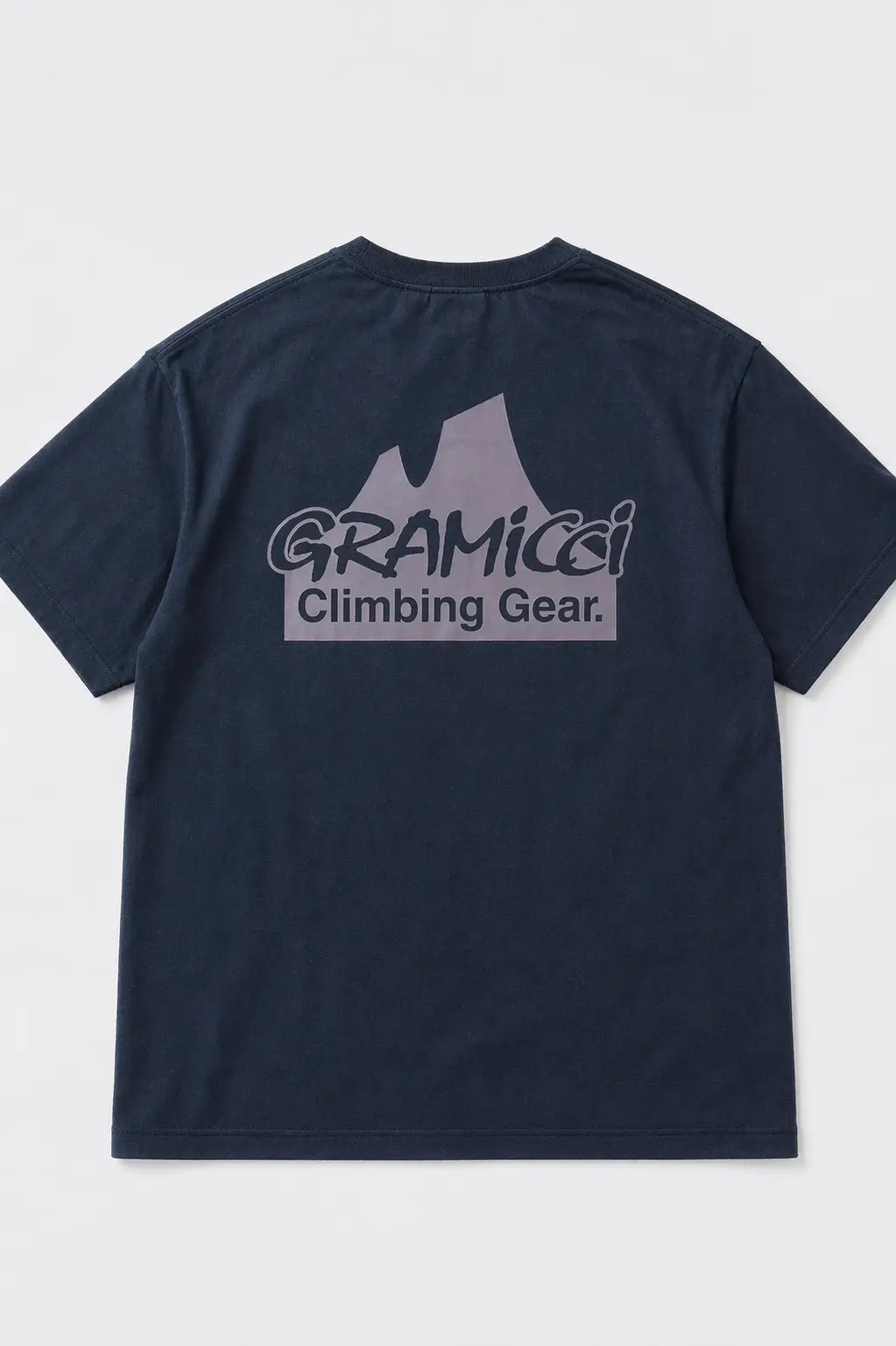
Over time, the brand’s technical DNA migrated from crags to cities. The G-Pant became a staple in urban wardrobes, not because it was fashionable, but because it worked. It allowed for a full range of motion—whether scaling a cliff or navigating a subway. This transition wasn’t a dilution of purpose. It was an expansion.
idea
Gramicci’s design philosophy—freedom of movement, durability, adaptability—translated seamlessly from outdoor to urban environments. The brand’s cultural crossover is not accidental. It reflects a broader shift in how we define function.
In the 21st century, performance isn’t just for athletes. It’s for anyone navigating complex, unpredictable environments. Gramicci’s garments are not “outdoor wear” or “streetwear.” They are tools for movement, designed to perform across contexts. The Spring/Summer 2026 “Original Freedom” theme reinforces this: lightweight, packable materials that prioritize motion over form.
link
Helinox operates in a parallel universe. Where Gramicci designs garments that move with the body, Helinox designs objects that move with the person. The brand specializes in lightweight, collapsible furniture—chairs, tables, shelters—built for portability without compromise. Its engineering is rooted in tension-based systems, using advanced aluminum alloys that are both strong and featherlight.
The Helinox chair, for example, weighs less than two pounds but supports over 300. It folds into a compact cylinder, fitting into a backpack or even a large coat pocket. This isn’t just convenience. It’s a redefinition of what furniture can be.
define
In traditional design, furniture is fixed, heavy, permanent. Helinox inverts that logic. Their products are temporary, mobile, situational. They exist to be carried, set up, used, and packed away.
Culturally, Helinox has shifted the perception of outdoor gear. It’s no longer just utilitarian. It’s a design object—minimal, precise, aesthetically coherent. Like Gramicci, Helinox doesn’t design for a single context. It designs for movement.
schedule
The alignment between Gramicci and Helinox is not forced. It’s natural. Both brands prioritize mobility, adaptability, and efficiency. Both reduce friction between the body and its environment.
Where Gramicci removes constraints on movement, Helinox removes constraints on space. This collision isn’t about merging two brands. It’s about revealing a shared logic.
style
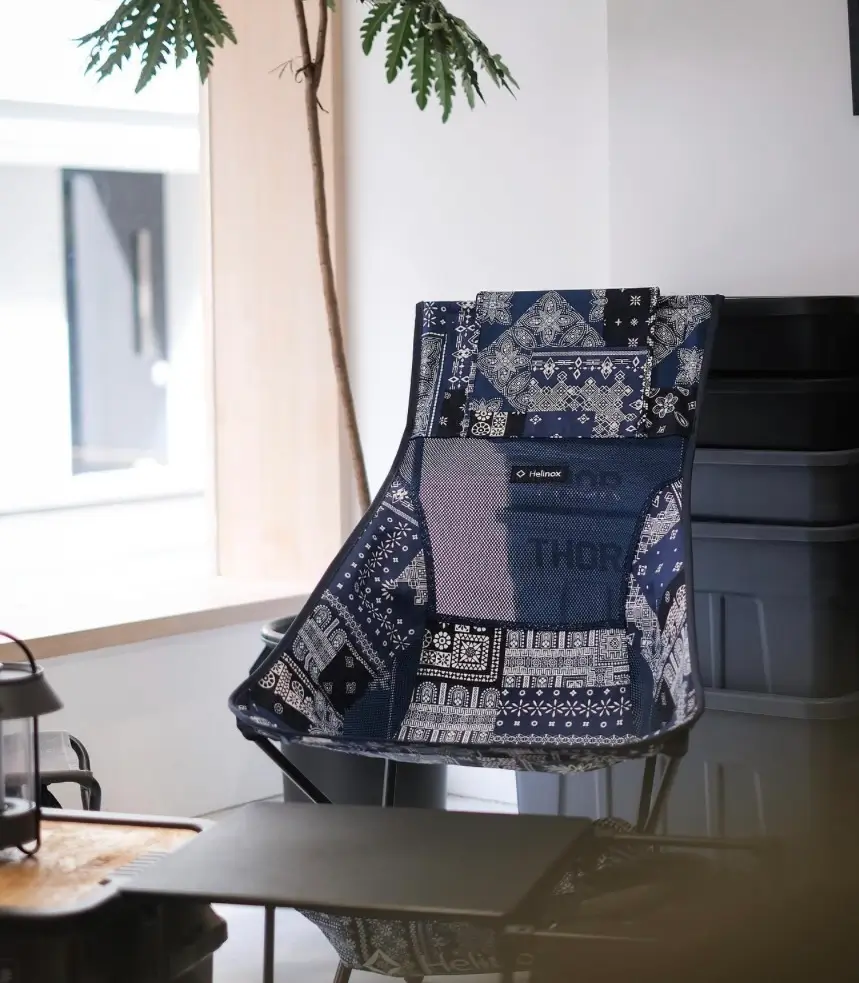
The checkered motif is the view anchor of the collision. But it’s more than a pattern. It’s a code—a design language that unifies apparel and furniture. In both applications, the checkered grid functions as a system of mapping and modularity.
On the shell jacket, the checkered pattern is not printed. It’s constructed—woven from alternating panels of fabric, each with different performance properties. Some sections are wind-resistant, others breathable. The pattern becomes a visible map of function.
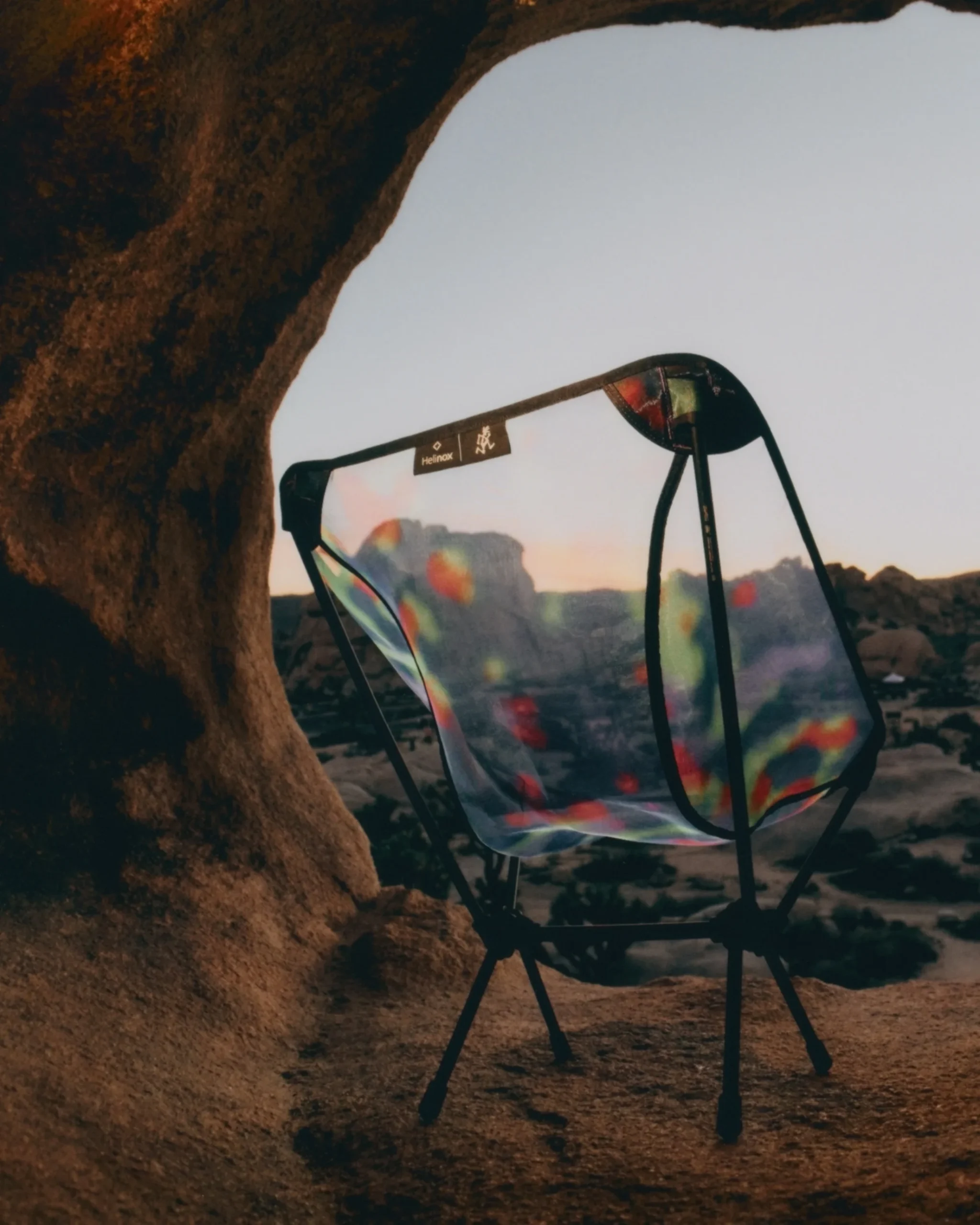
On the Helinox chair, the checkered overlay aligns with the frame’s geometry. The grid echoes the structural logic of the object—modular, repeatable, precise.
mantra
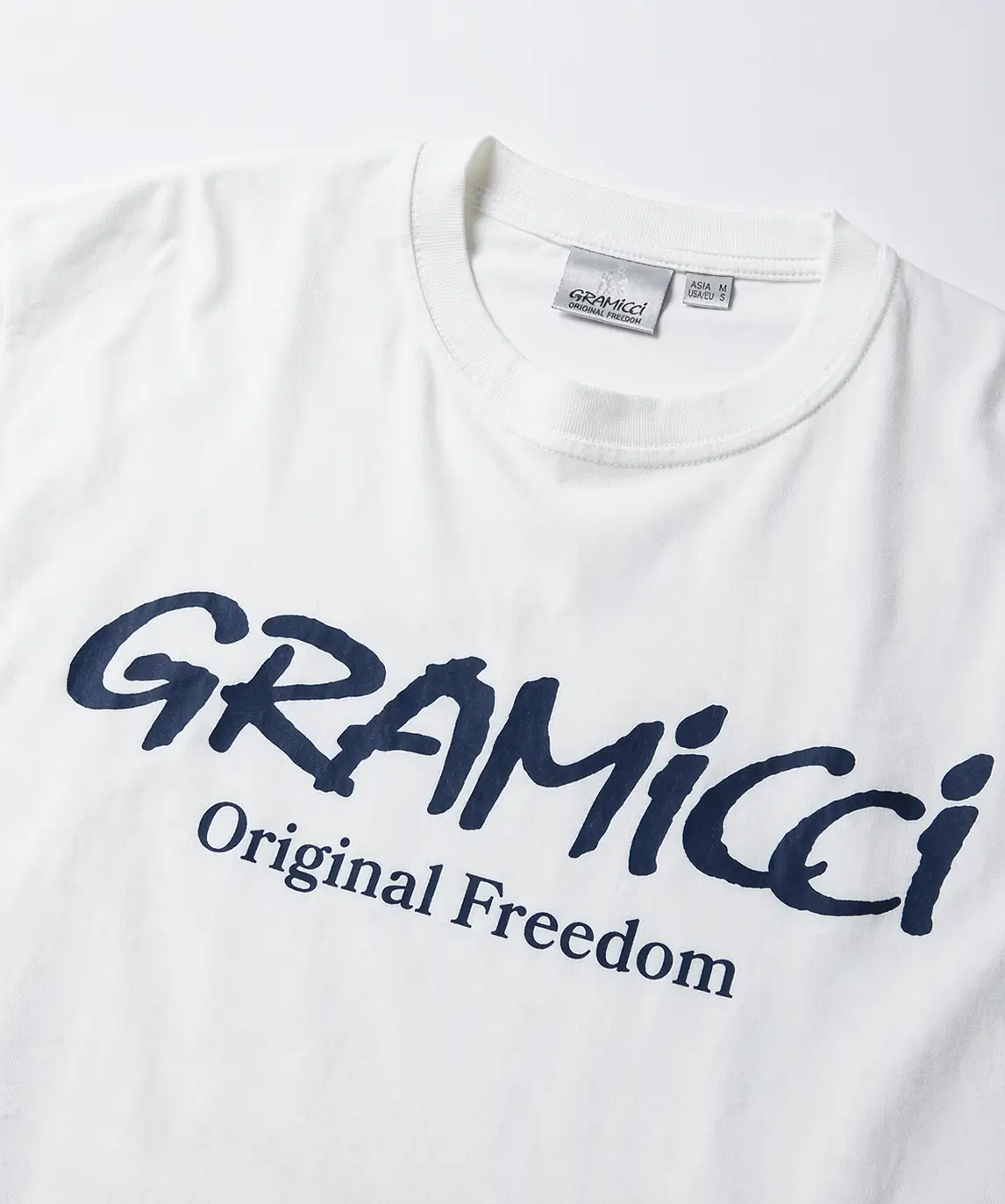
The Spring/Summer 2026 “Original Freedom” theme is not a slogan. It’s a directive. Freedom, here, is defined by material and function—the ability to move without restriction, to adapt to changing conditions, to carry your environment with you.
On a rock face, freedom is necessity. In the city, it becomes performance. The logic remains the same.
rhythm
The checkered shell jacket is the centerpiece of the collection. A lightweight, weather-adaptive outer layer, it’s built with articulated construction that allows full range of motion. The fabric balances water resistance with breathability, and the entire piece can be packed into itself.
Supporting garments—climbing pants, packable layers, transitional outerwear—follow the same logic. Lightweight, compressible, quick-dry. Built not for one setting, but for many.
There’s no strict boundary between outdoor and urban. The garments adapt. They move with the wearer across environments without interruption.
View this post on Instagram
exchange
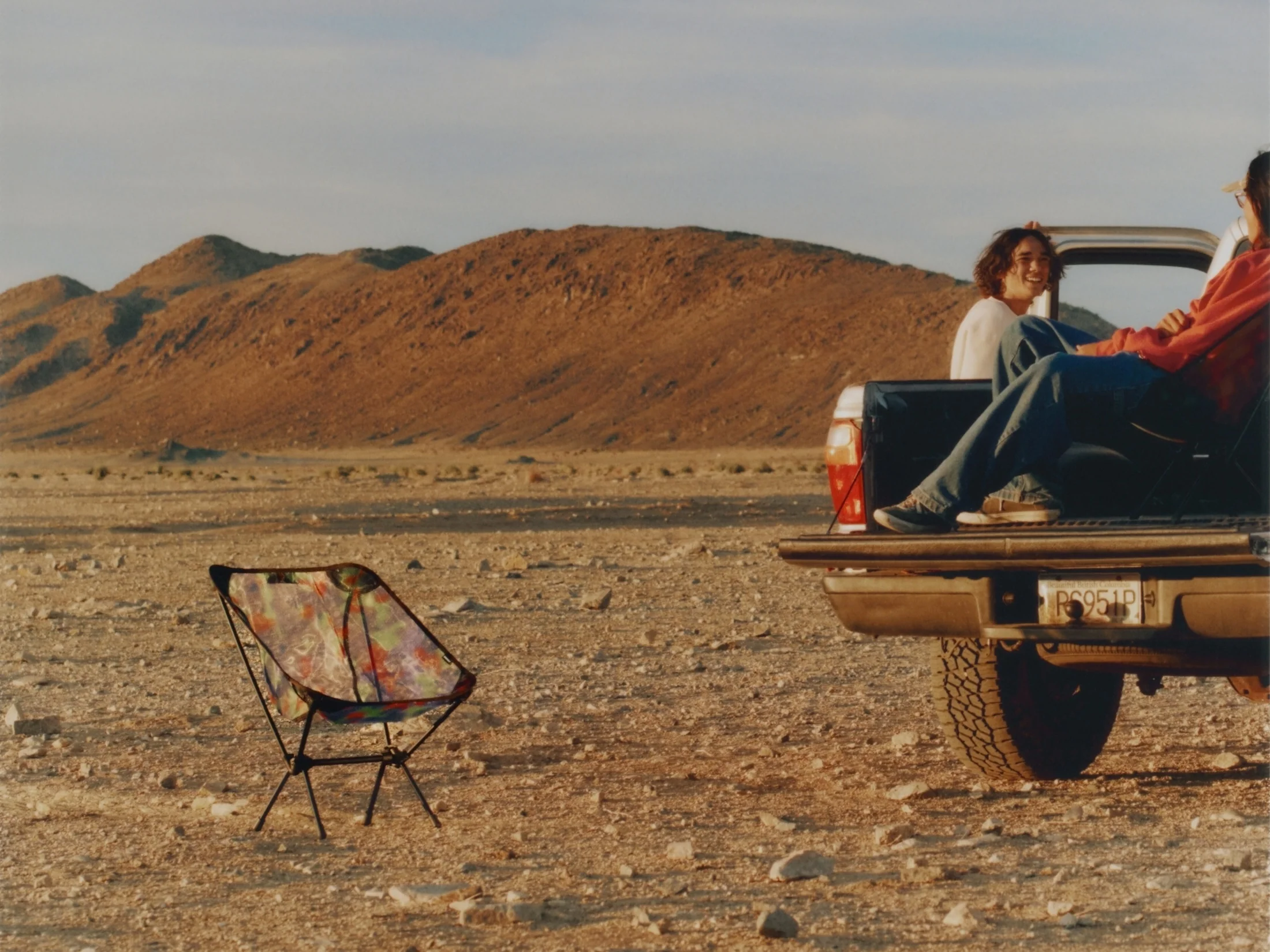
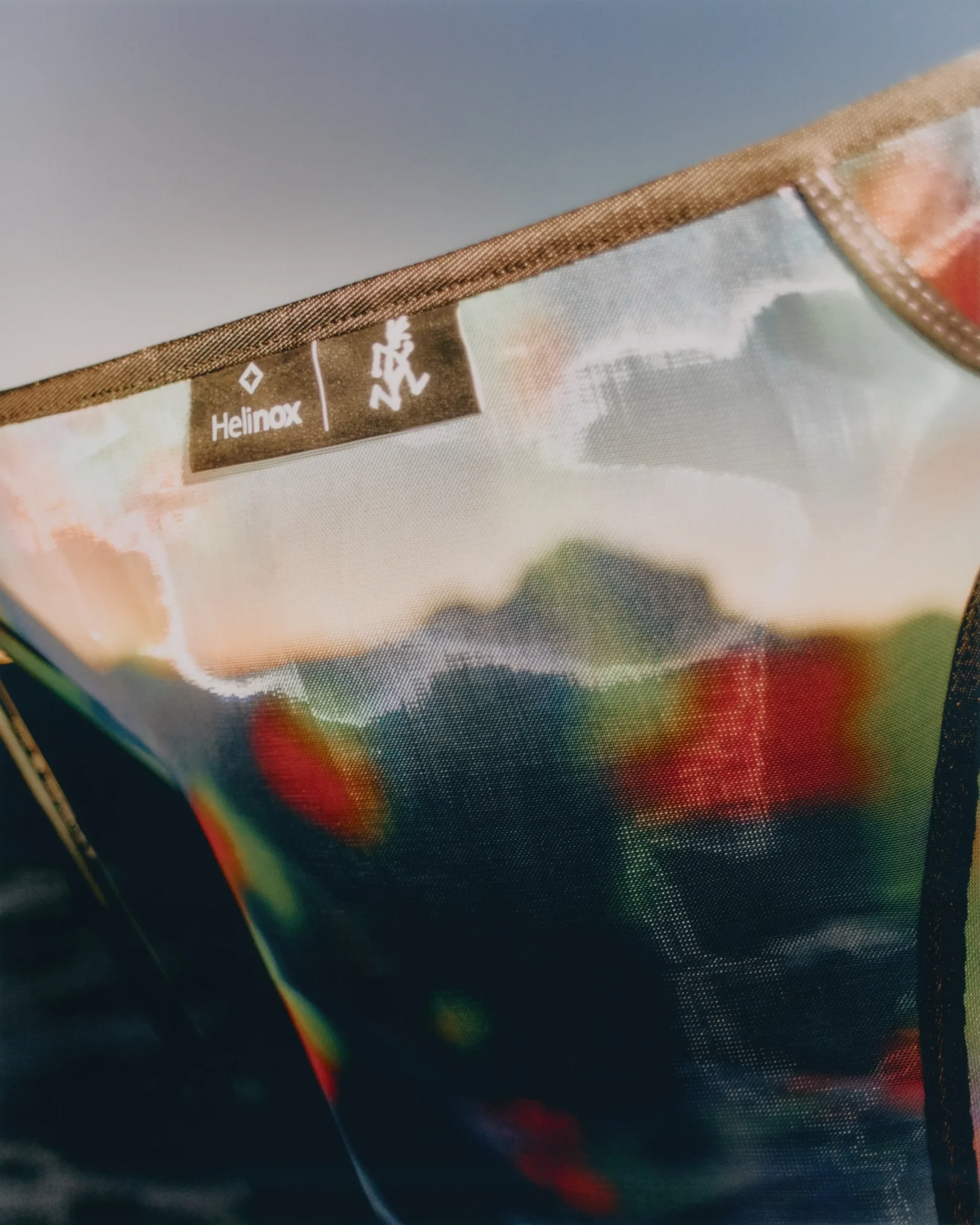
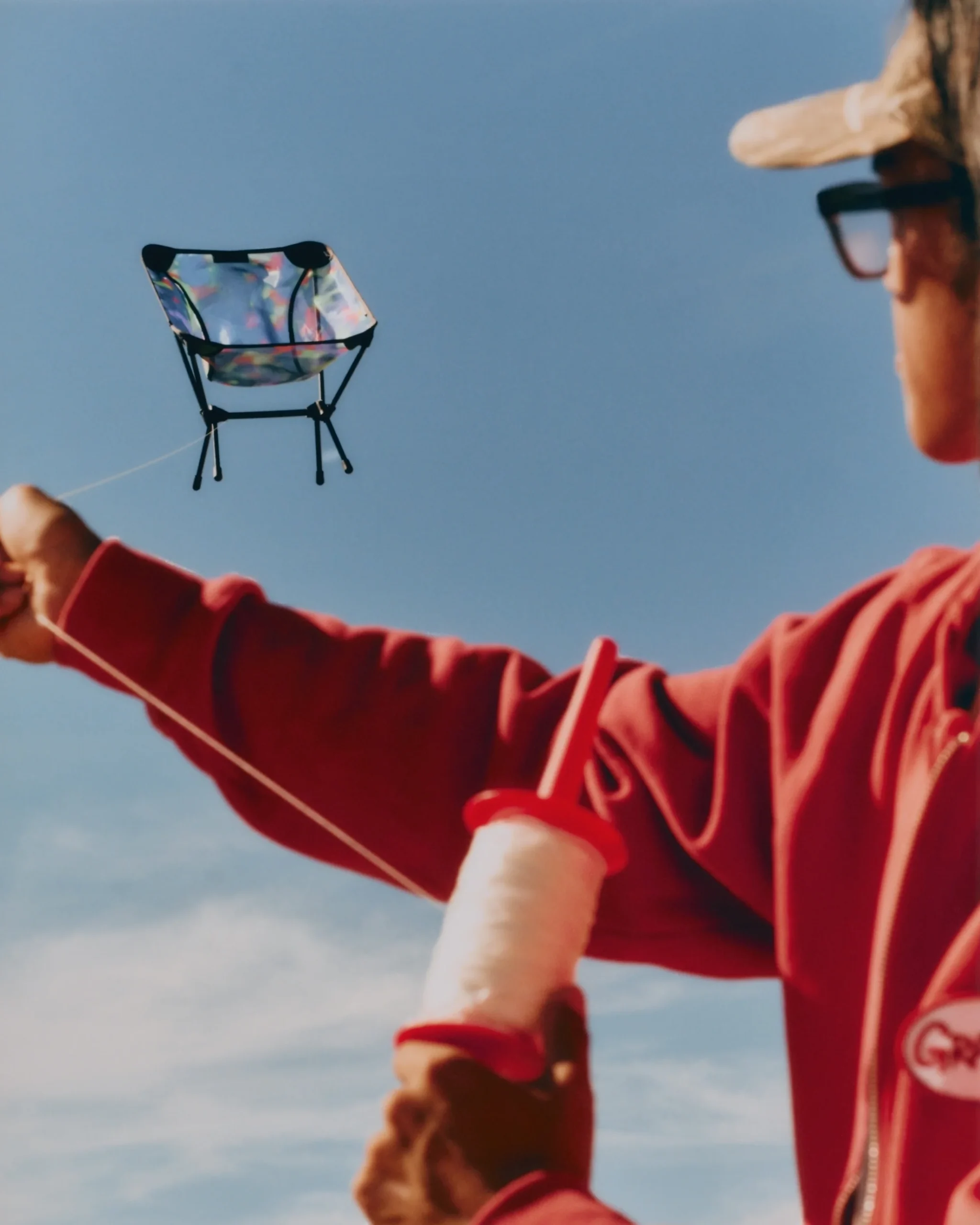
Helinox’s furniture extends this system into space itself. Chairs and tables fold into compact forms, designed to be carried as part of daily movement. In the link, they adopt the same visual language as the apparel—checkered surfaces, restrained co-branding, material continuity.
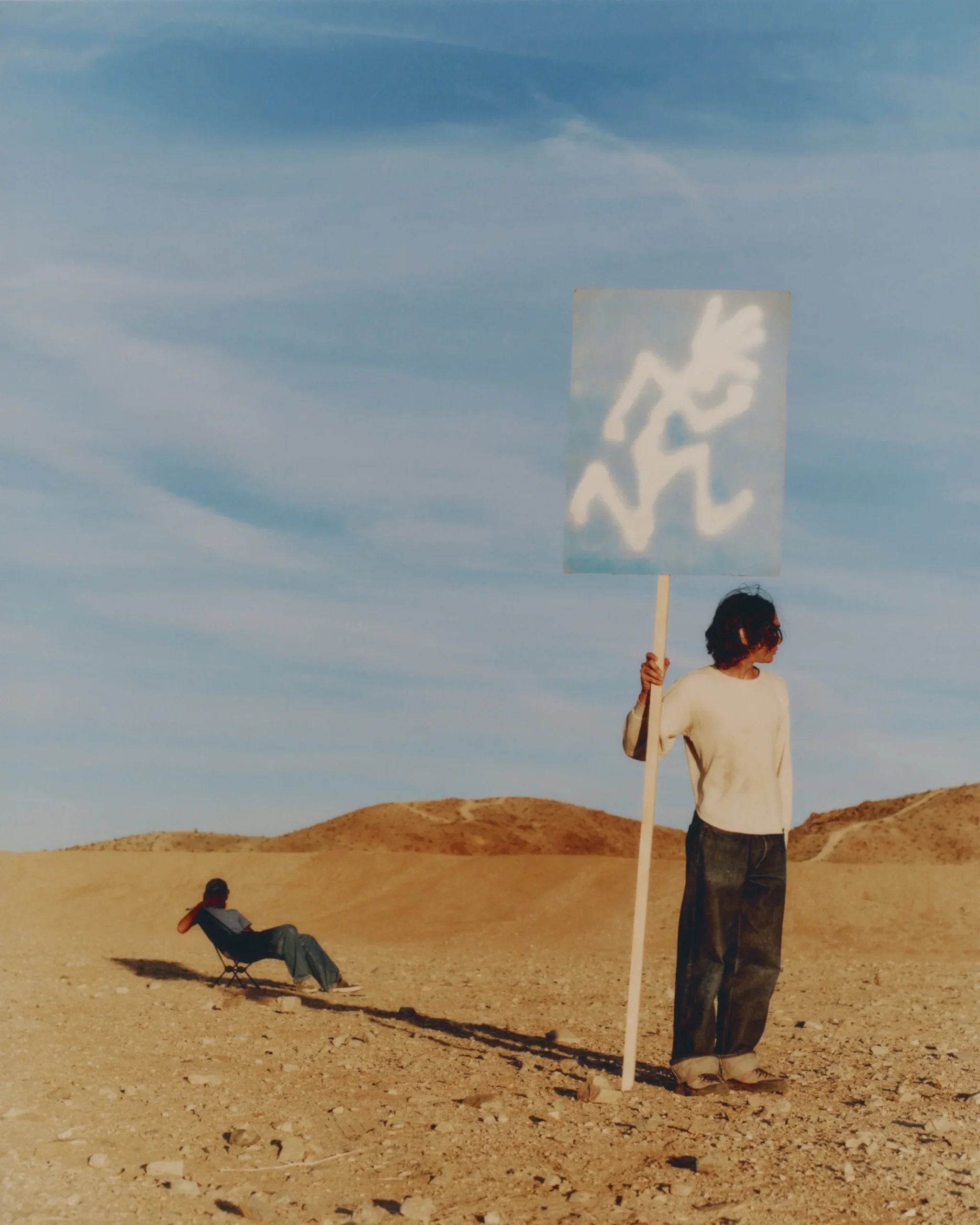
This reframes furniture entirely. It is no longer fixed. It becomes something you deploy, use, and remove. A temporary architecture.
You don’t go to space. You create it.
idea
The collection is built for micro-environments—rooftops, parks, transit zones, temporary gatherings. Spaces that are used briefly but meaningfully.
The pop-up at Shibuya Scramble Square (April 23 – May 11) reflects this idea: apparel and furniture presented together, not as separate categories, but as one system.
rel
The rollout is regional and experiential. Gramicci Korea and Gramicci Taiwan act as key nodes, while global retailers like END. Clothing extend reach.
The digital presence follows a similar logic—fragmented, Instagram-led, revealed over time rather than announced all at once.
sum
This isn’t a loud collaboration. It doesn’t need to be. Its strength lies in coherence.
Clothing that moves. Objects that follow. A shared language that binds them.
It doesn’t redefine categories. It removes them.
Related Articles

Fragment and Mammut Bring the Barryvox Back in Glacier Blue
Hiroshi Fujiwara’s second Mammut avalanche beacon leaves the Barryvox S2’s rescue brain untouched and changes […]