
DRIFT AUDIO
Listen to this story
Choose a voice, then press play.
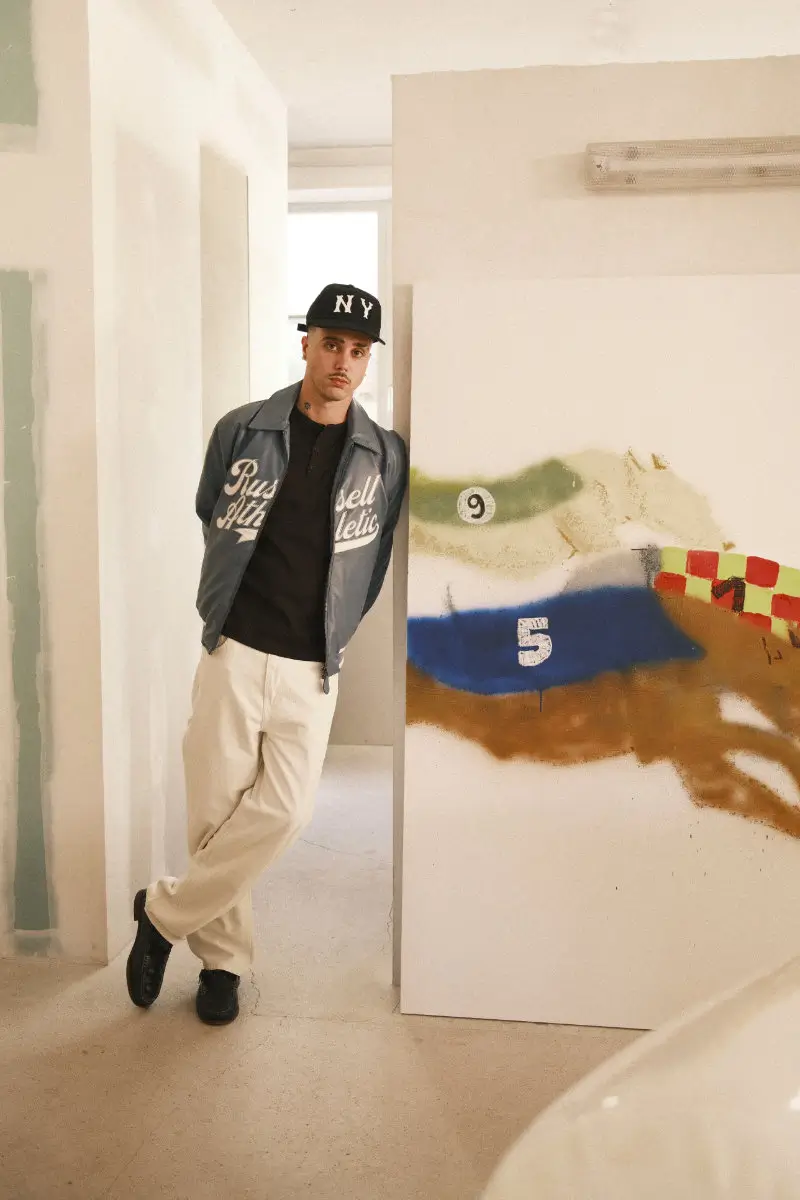
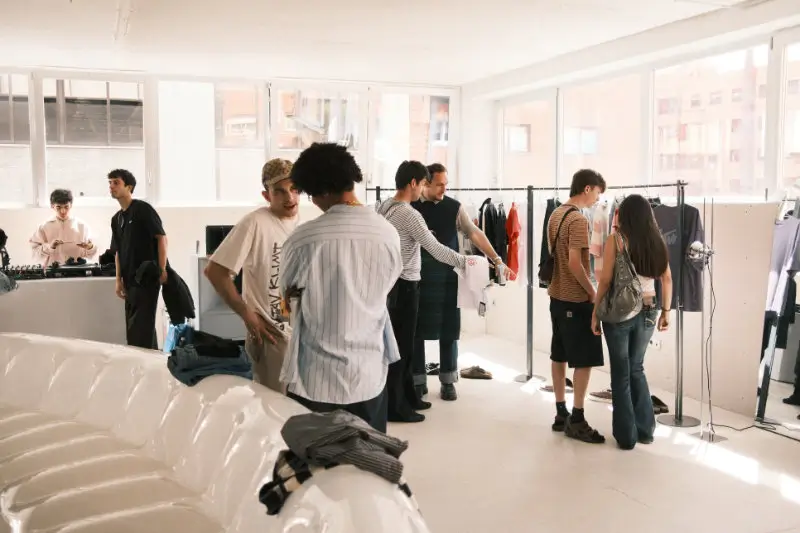
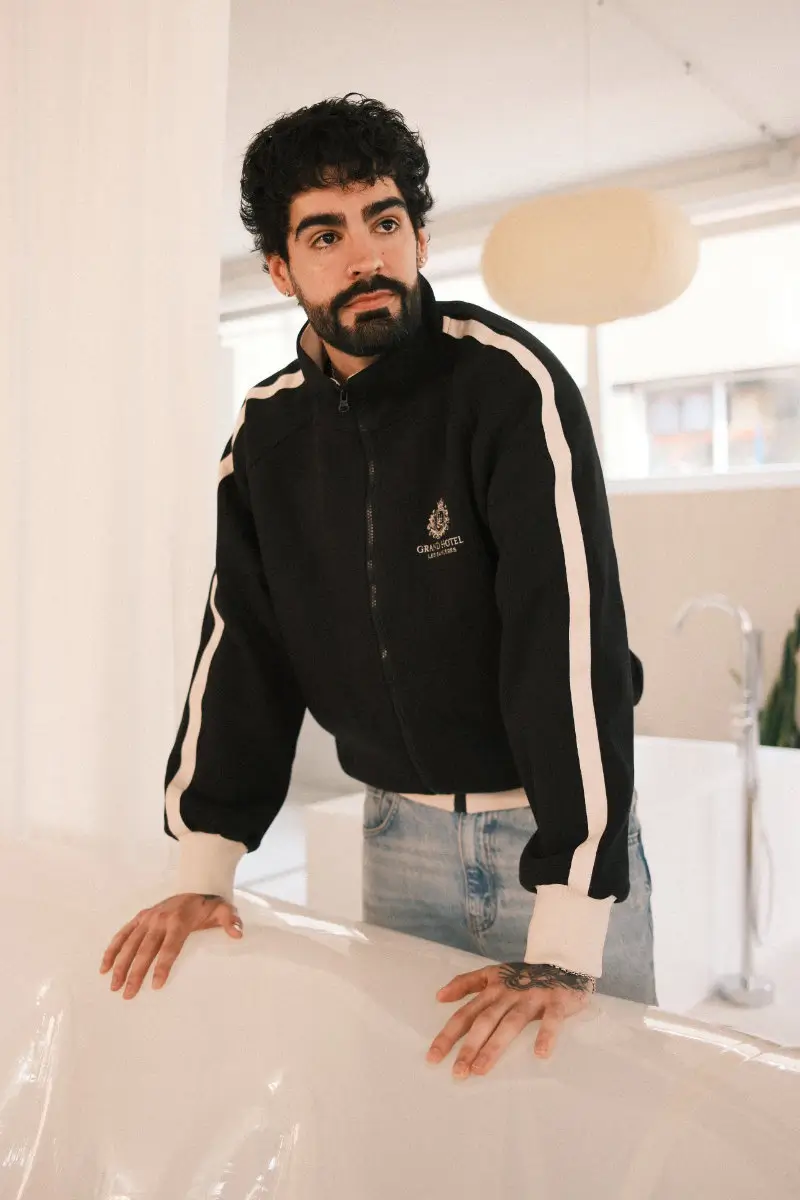
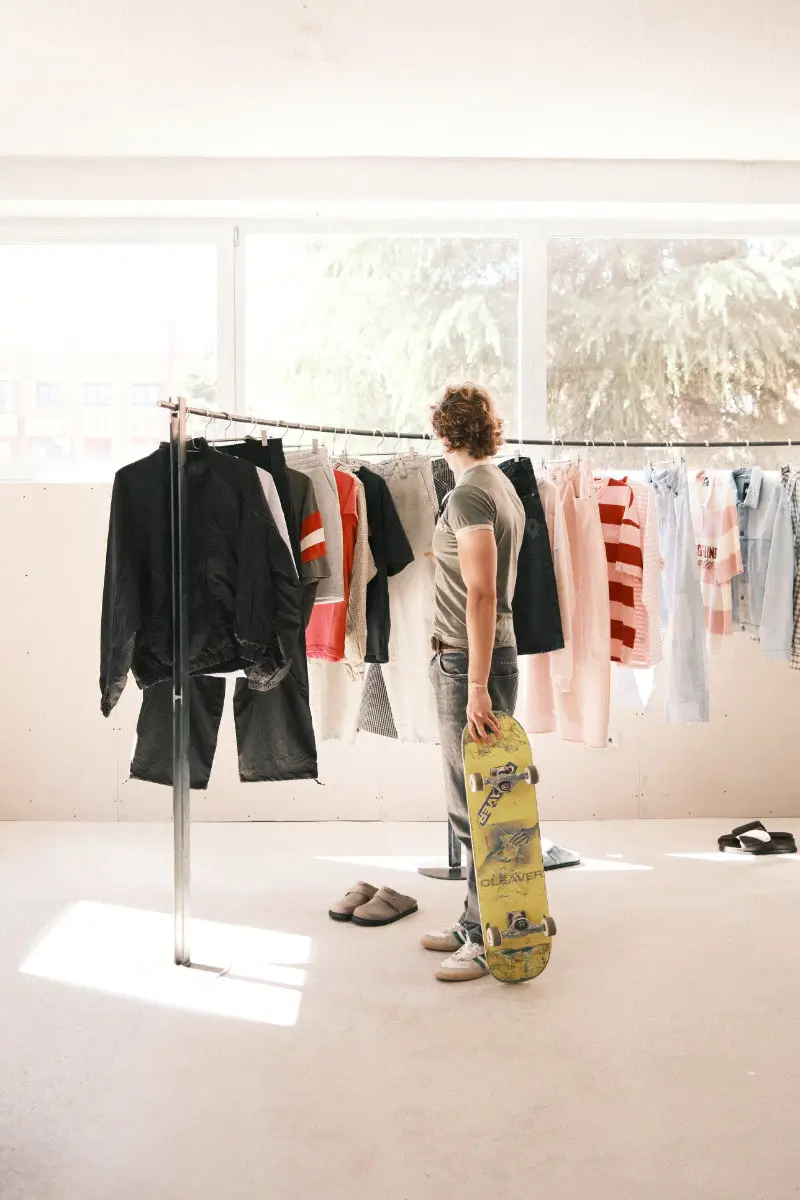
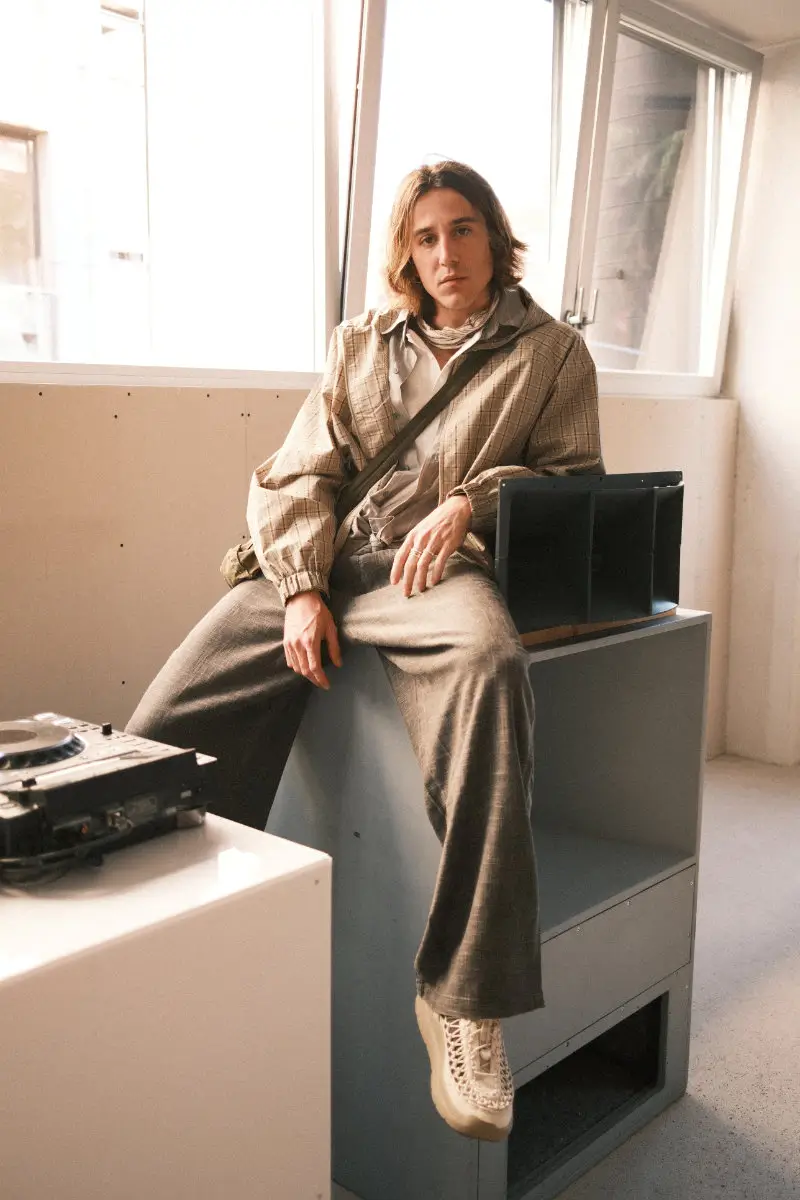
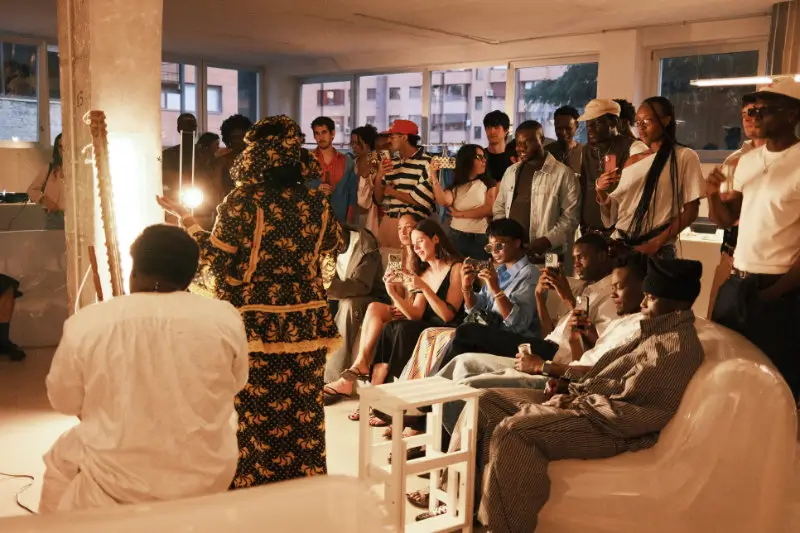
For three days in late April 2026, a raw, unmarked space in central Madrid pulsed with something increasingly rare in fashion: authenticity. No red carpet, no press badges, no product walls—just people. Artists, designers, DJs, skaters, dancers, makers. They arrived not as guests, but as family.
This was Friends & Family, a temporary activation by STWD, Pull&Bear’s youth-driven streetwear sub-label. Not a launch. Not a campaign. A gathering. And in an industry calibrated to scale, sales, and social metrics, it felt like a quiet recalibration. Because STWD didn’t come to sell. It came to connect.
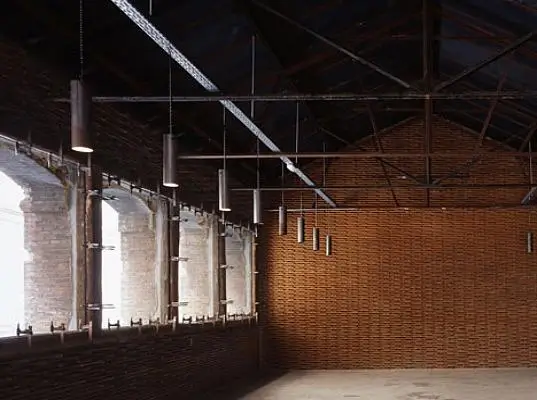
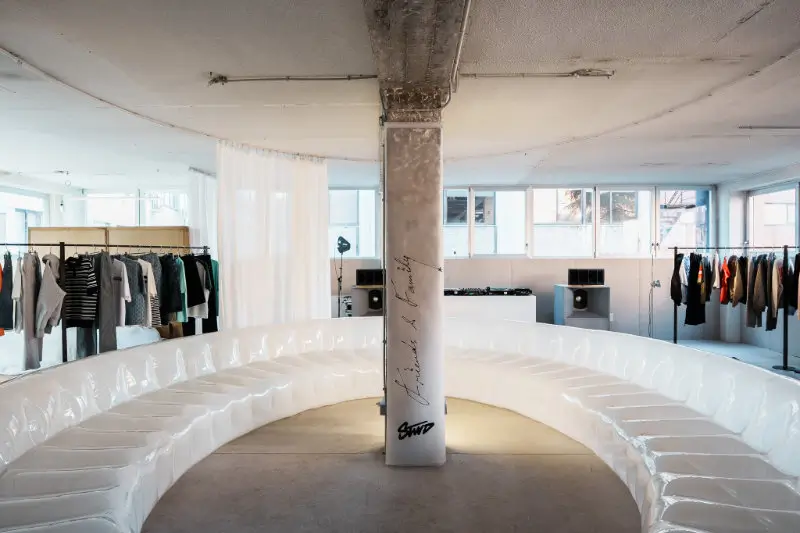
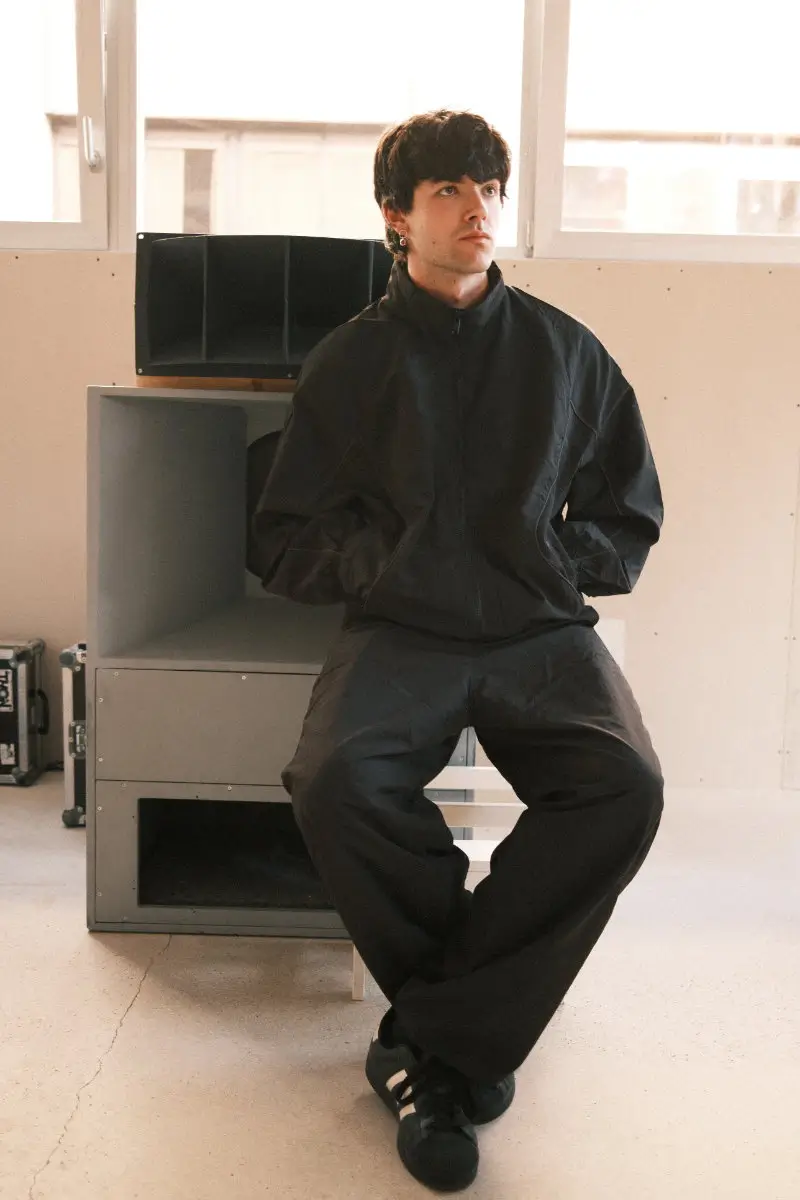
Tucked inside a former warehouse near Malasaña, the space was stripped back—exposed brick, concrete floors, steel beams. No branding overload, no gloss. Just room. Room to move, to create, to exist. The design was intentional: modular, adaptive, alive. Walls doubled as projection screens, tables became workbenches, and a single sound system anchored the center—because in street culture, sound is sacred.
There were no VIP zones, no velvet ropes. Just a sign at the entrance: You’re not late. You’re here.
And that was the point.
stir
This wasn’t about exclusivity. It was about inclusion. While Pull&Bear speaks to the masses, STWD speaks to the makers—the ones shaping youth culture from the ground up.
“Friends & Family” wasn’t a marketing stunt. It functioned as a mission statement. The intent was disarmingly clear: broaden the circle, generate real connections, and position STWD alongside those actively building the present—and future—of streetwear. No jargon, no inflated promises. Just proximity.

By inviting the culture—not merely the consumer—STWD inverted the usual hierarchy. Instead of selling to the scene, it stepped into it. And in doing so, it earned something that cannot be manufactured: credibility.
definite
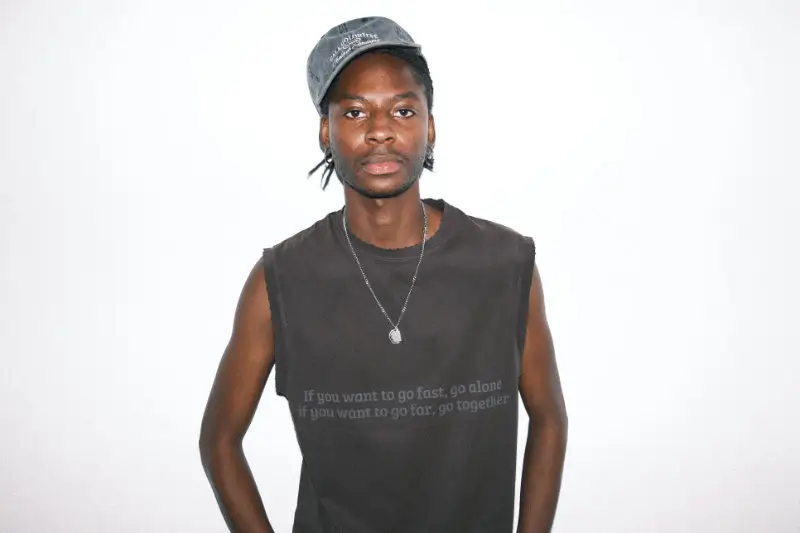
The guest list read like a living archive of Madrid’s underground—expanding outward, quietly global. But these weren’t influencers chasing metrics. They were practitioners.
Sotoalba, reworking Spanish streetwear through hand-painted detail.
Demasiado Records, threading flamenco into electronic futurism.
Marta C., a 22-year-old graffiti artist whose work moves through the city’s margins.
DJ Lúa, folding reggaeton, punk, and ambient into a single continuum.
Raúl and Nico, twin skate videographers documenting Madrid’s DIY terrain.
No speeches. No executive panels. Just conversations—over shared meals, during live screen-printing sessions, between DJ sets. The atmosphere carried the weight of recognition: a reunion of people who hadn’t met, but somehow already belonged.
View this post on Instagram
flow
The three-day structure resisted rigidity. It responded instead.
The opening circle began unscripted. Why are we here? someone from STWD asked.
The answers came slowly. Then collectively.
“To meet people who get it.”
“To stop feeling like the only one.”
“To remember why I started.”
And with that, the energy shifted.
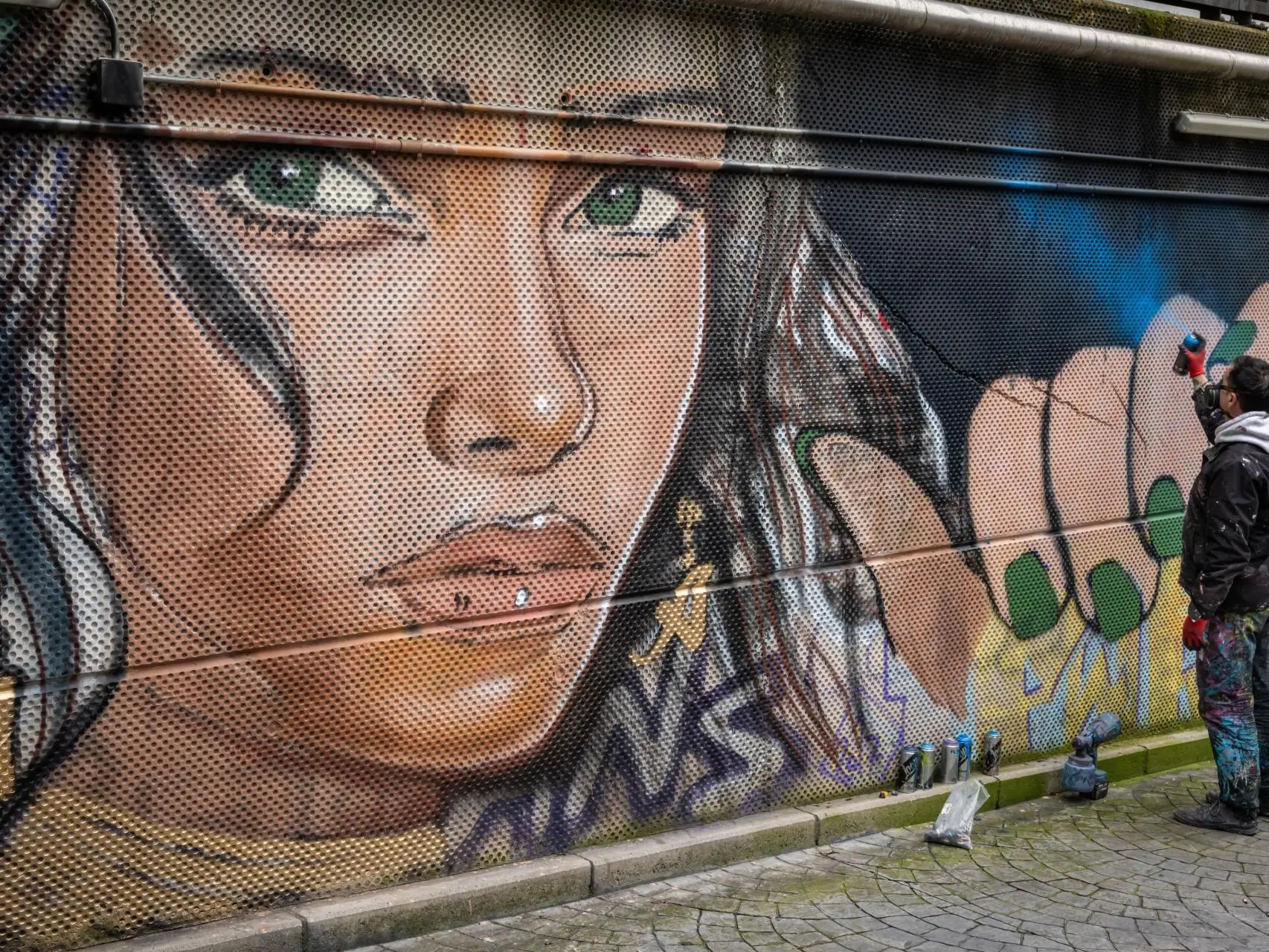
A mural emerged—initiated by Marta C., completed by many hands. DJ Lúa played from the center of the room, no stage, no elevation. People moved, talked, paused. No agenda. Just presence.
Day two leaned into tactility. The “Design Your Own Patch” workshop—led by Sotoalba—transformed scraps into wearable statements. No rules. Only authorship.
The panel “Who Owns Streetwear?”, moderated by Revista Ruidos, moved beyond surface discourse.
“It’s not about logos,” one designer offered. “It’s about lived experience.”
“When brands co-opt our style, they erase the struggle,” a skater added.
The room didn’t just listen. It engaged. For ninety minutes, streetwear stopped being product—and reasserted itself as politics.
Elsewhere, three producers constructed a track in real time. Layer by layer. Released under Creative Commons: Take it. Remix it. Make it yours.
The final day didn’t crescendo. It settled.
A zine—STWD: Madrid Edit—captured the moment.
A collaborative playlist extended it.
A group photo, unstyled and unfiltered, marked it.
No spectacle. Just acknowledgment: We were here. It mattered.
idea
STWD is not simply a sub-label. It operates as a proposition.
Born from Pull&Bear’s attempt to remain culturally relevant, it avoids the typical fast-fashion trajectory. Instead, it positions itself as a platform—for expression, collaboration, and grounded streetwear practice.
Its design language reflects that intent:
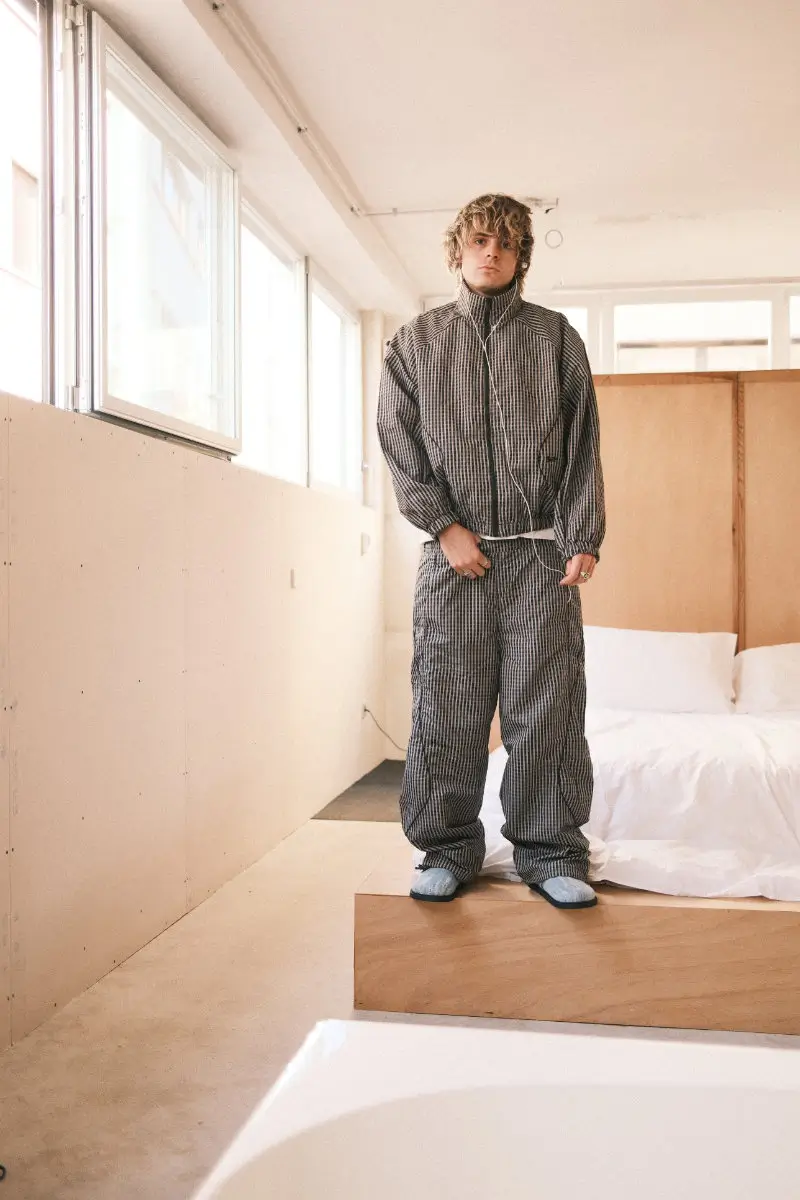
Oversized silhouettes where comfort becomes defiance.
Graphics co-created with artists, not imposed from boardrooms.
Limited drops that maintain cultural proximity, not artificial scarcity.
Accessible pricing that resists elitism.
At “Friends & Family,” this identity wasn’t presented. It was enacted.
gen
In 2026, streetwear exists in tension.
On one side: the acceleration machine—drops, resale cycles, algorithmic hype.
On the other: a quieter countercurrent—localism, community, authorship.
Consumers—particularly Gen Z—are no longer passive. They don’t want to be sold to. They want to participate. To belong. And they recognize inauthenticity instantly.
This is where legacy names begin to fracture.
Supreme feels distant.
Nike collaborations can ring hollow.
Even Palace risks becoming product rather than movement.
STWD enters from a different position. Rooted in Spain, it operates within Madrid—not as an import, not as imitation, but as participant. “Friends & Family” didn’t tap into the scene. It integrated itself within it.
here
Most brand activations today feel engineered—transactional, optimized for visibility rather than meaning.
“Friends & Family” resisted that framework. No retail infrastructure. No QR codes. No checkout friction disguised as experience.
Just space.
And within that space, something rarely achieved occurred: trust. Built not through amplification, but through presence.
STWD didn’t instruct: Buy this.
It extended an invitation: You belong here.
That distinction is not cosmetic. It is foundational.
Because the future of branding is not persuasion—it is participation.
away
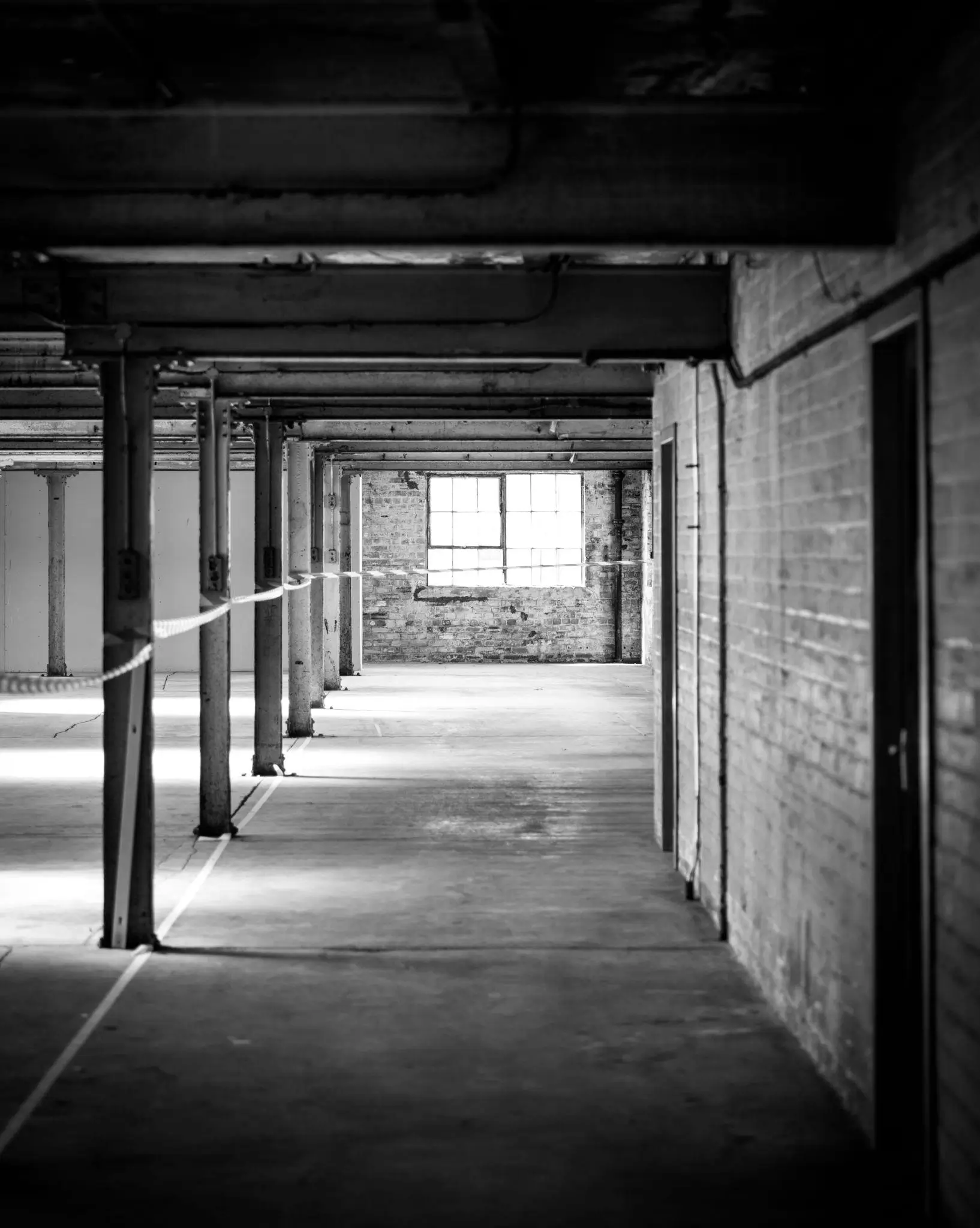
The space no longer exists. The mural is gone. The sound system dismantled. The zines dispersed.
But the network persists. And STWD understands that continuity.
There are already murmurs:
A “Madrid Edit” capsule, co-designed with participating artists.
A digital zine series expanding into Barcelona, Lisbon, Berlin.
A residency model—one city, one gathering, each quarter.
This wasn’t an isolated activation. It was a first chapter.
temp
In a culture fixated on permanence—flagships, endless drops, continuous content—there is a quiet power in ephemerality.
A space that exists briefly demands attention. It requires presence. It cannot be deferred.
“Friends & Family” leveraged that urgency. Not to sell, but to gather.
And in doing so, it reframed fashion itself—not as object, but as relation. Not as product, but as proximity.
fin
The future of fashion is not a billboard. Not a drop. Not even a shoe.
It is a conversation.
A DJ set in a Madrid warehouse.
A mural built collectively.
A room where strangers recognize each other as something closer.
STWD didn’t build this through scale. It built it through intent.
In seventy-two hours, it didn’t just host an event. It initiated a shift.
Because culture, at its core, resists transaction. It moves through people. It accumulates through shared moments.
And for three days in Madrid, it did exactly that.
Not sold. Shared.
From the DRIFT archive: Wizdom 2025 at Cipriani Wall Street: An Experiential Moment in Cloud Culture