DRIFT AUDIO
Listen to this story
Choose a voice, then press play.
birth
Bottega Veneta has long operated as a quiet counterpoint within fashion—elevating craft over logo, subtlety over spectacle. With the introduction of Bottega Veneta for the Arts, the house extends this philosophy beyond the seasonal cycle, positioning itself within a broader cultural continuum. Conceived under the direction of Louise Trotter, the initiative reads less as a campaign than as an evolving framework: an open exchange between the house and contemporary artists, grounded in interpretation rather than instruction.
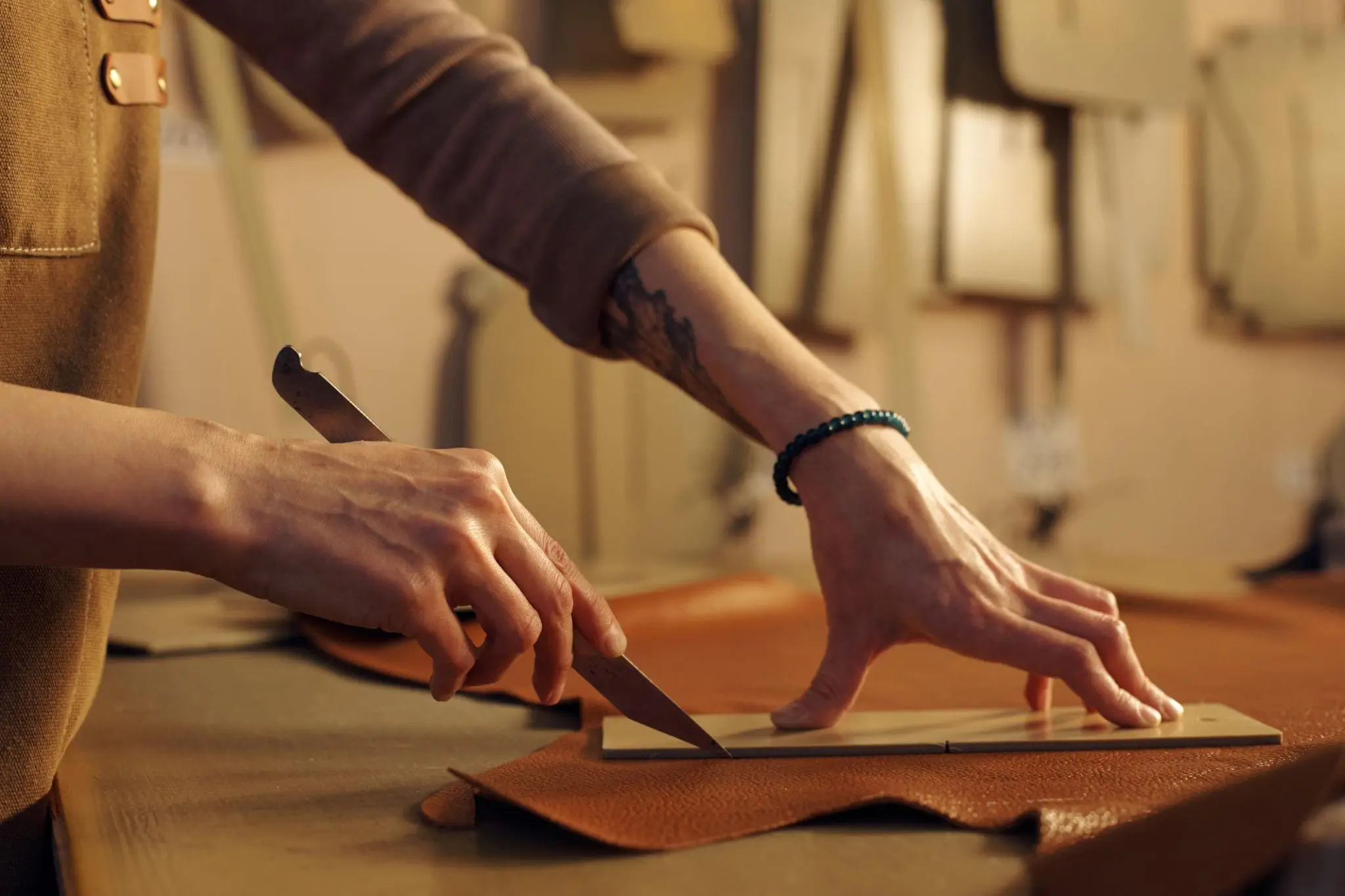
Trotter’s authorship is evident in its restraint. Known for her architectural clarity and emotional precision, she approaches fashion as something that gains meaning through proximity to other disciplines. Here, luxury is not framed as exclusion, but as connection—between material and idea, between legacy and reinterpretation. The structure remains intentionally open-ended, allowing a rotating body of artists to engage with the house through shared values: material intelligence, quiet confidence, and intellectual depth.
Crucially, this is not patronage in its traditional sense. There are no rigid briefs, no overt commercial endpoints. The artist’s vision leads; the house recedes. In an industry where connections often collapses into branding, this reversal feels deliberate. The work begins with the artist—not the product—and the brand becomes a condition rather than a subject.
In a moment where authenticity is both sought after and overstated, the initiative avoids declaration. It does not attempt to sell. It sustains. It positions Bottega Veneta not as a narrator of culture, but as a participant within it—measured, observant, and materially grounded.
position
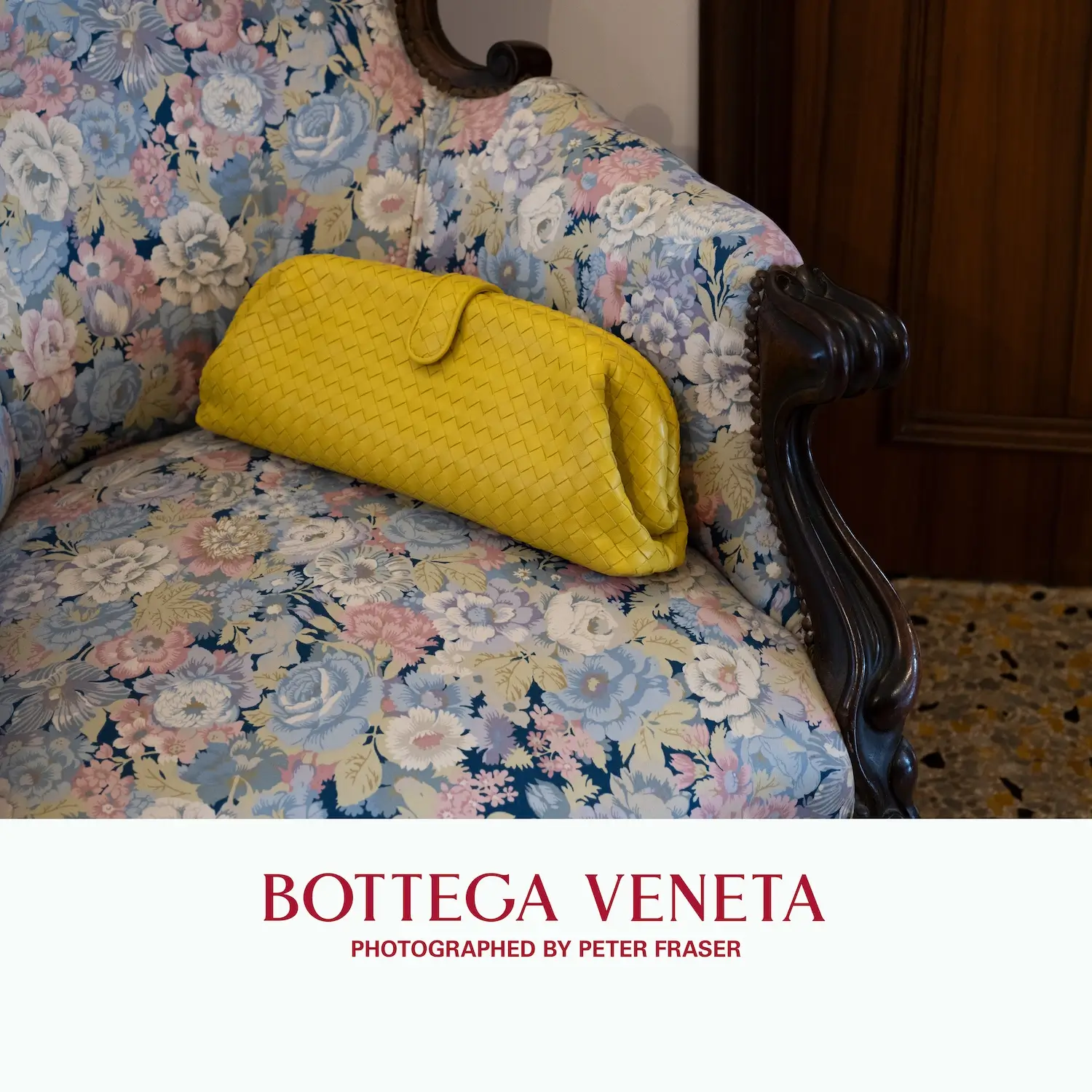
Peter Fraser approaches place as something psychological rather than geographical. His work resists the postcard, instead tracing how environments register internally—how they shape perception, memory, and emotional tone. Venice, with its layered temporality and unstable surfaces, becomes an ideal site for this inquiry.
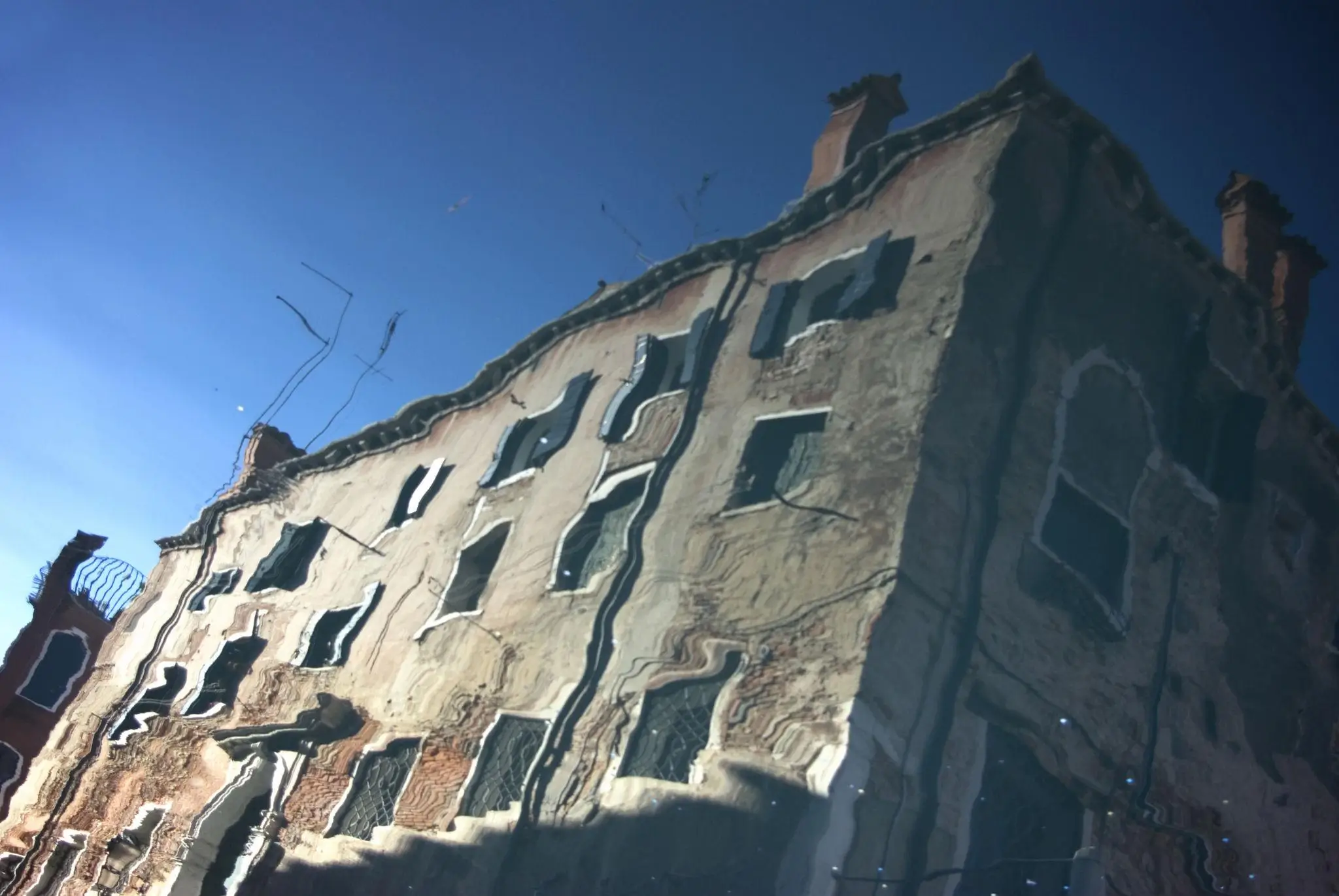
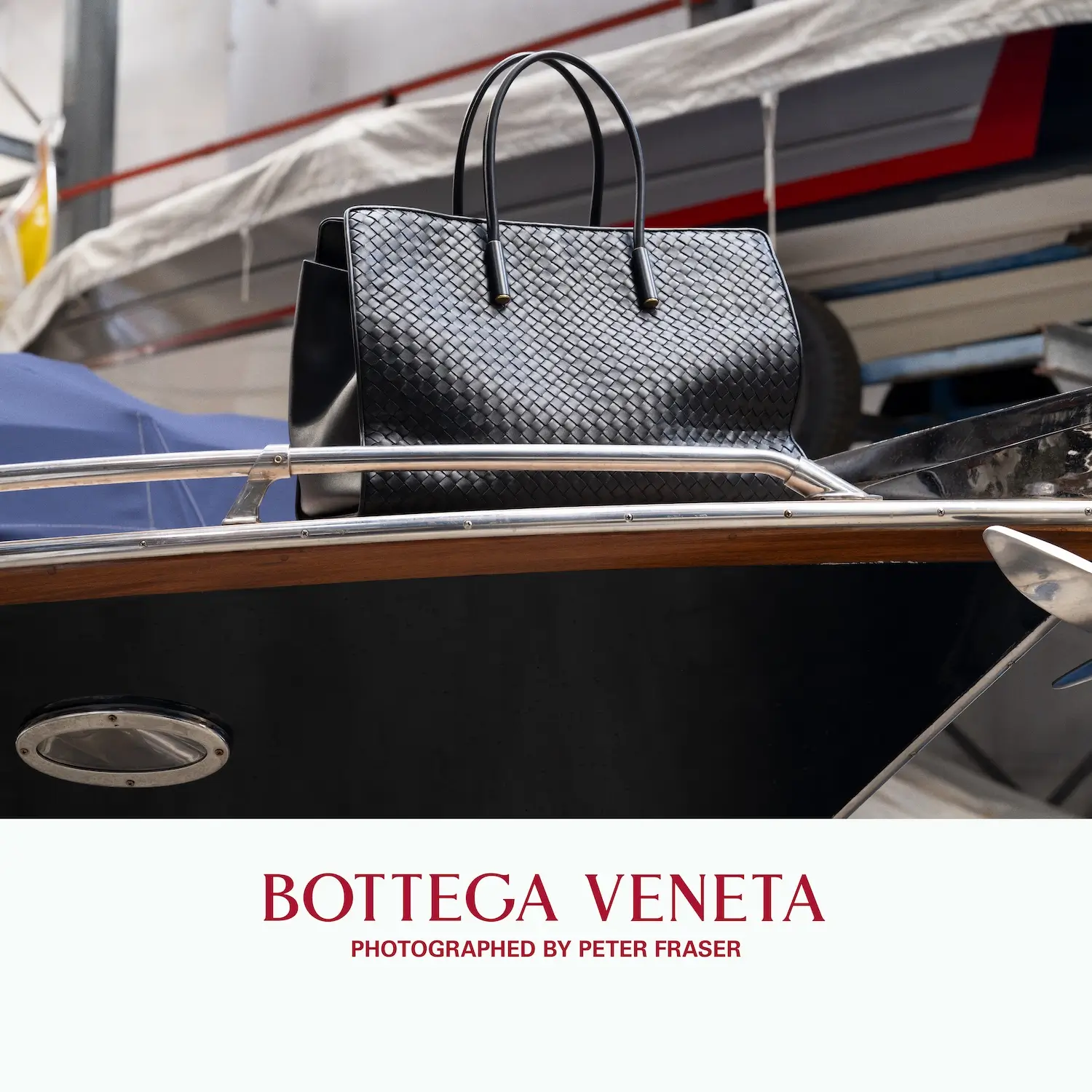
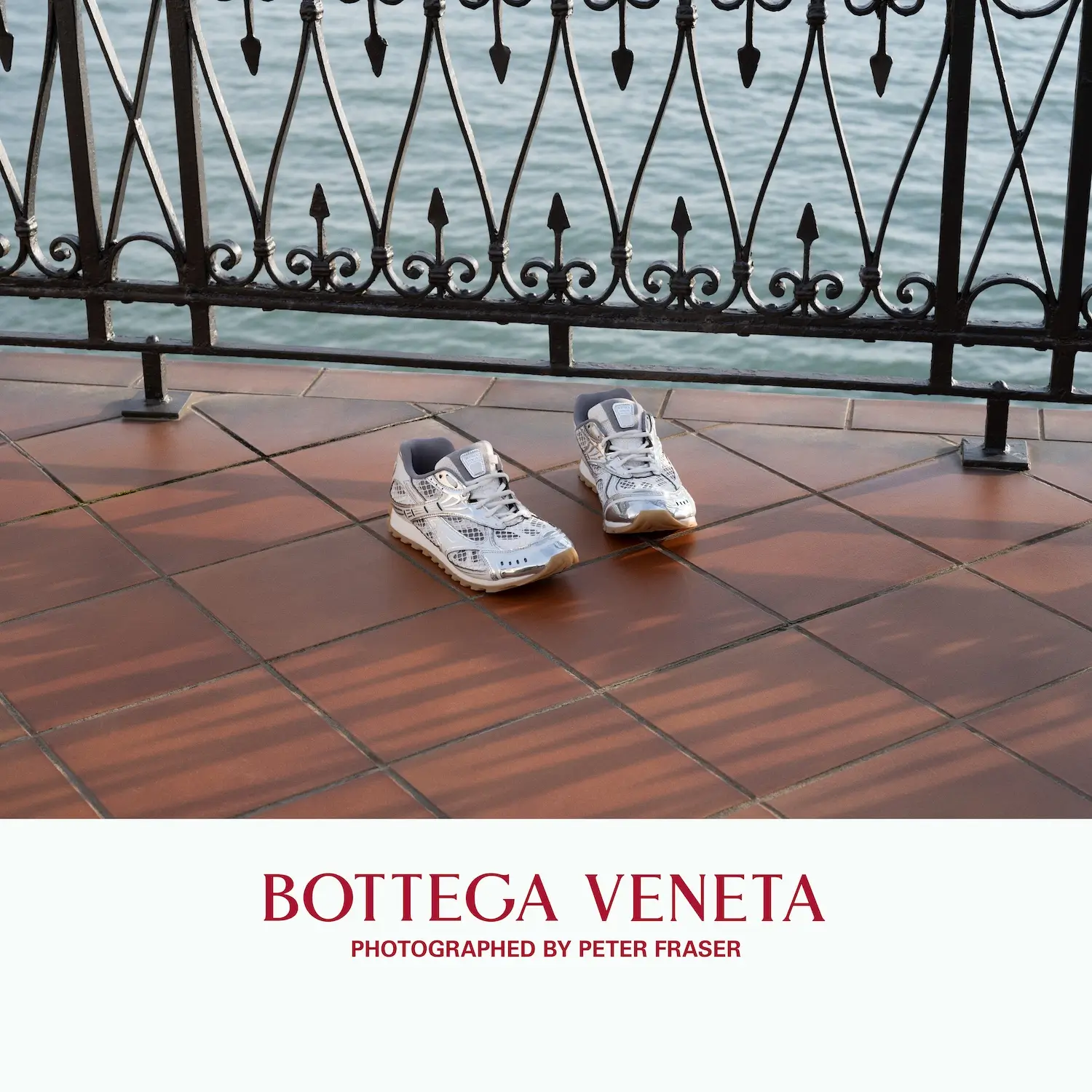
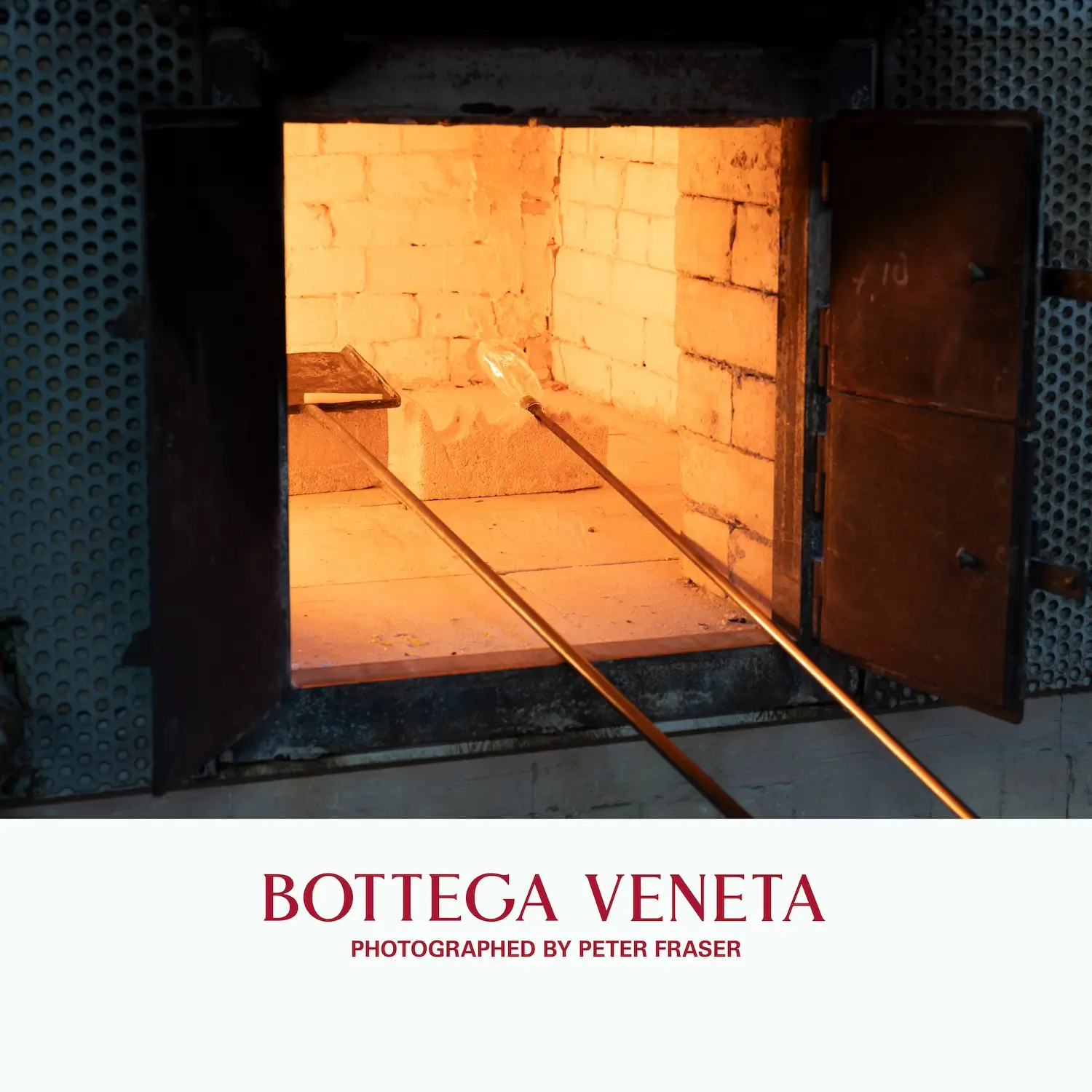
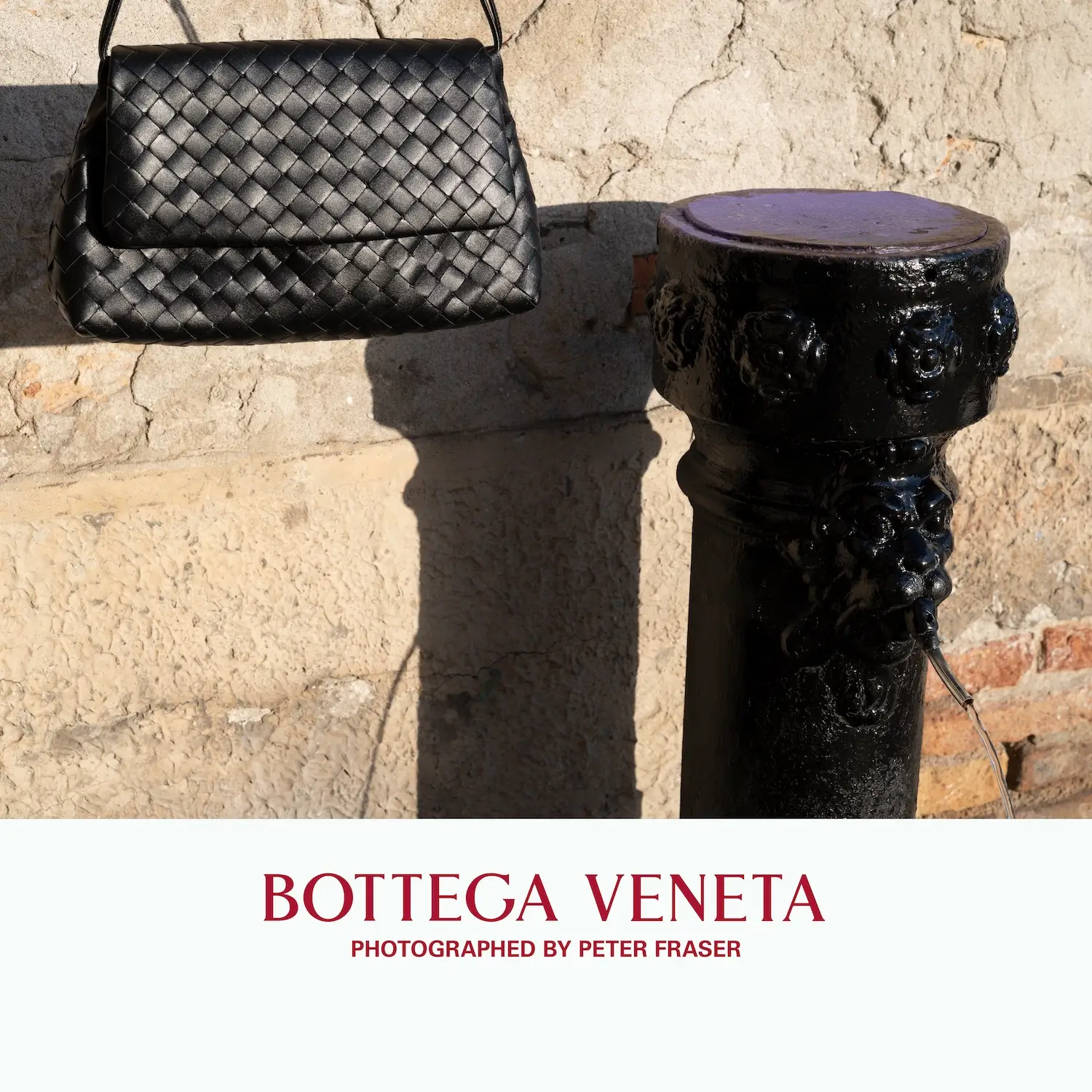
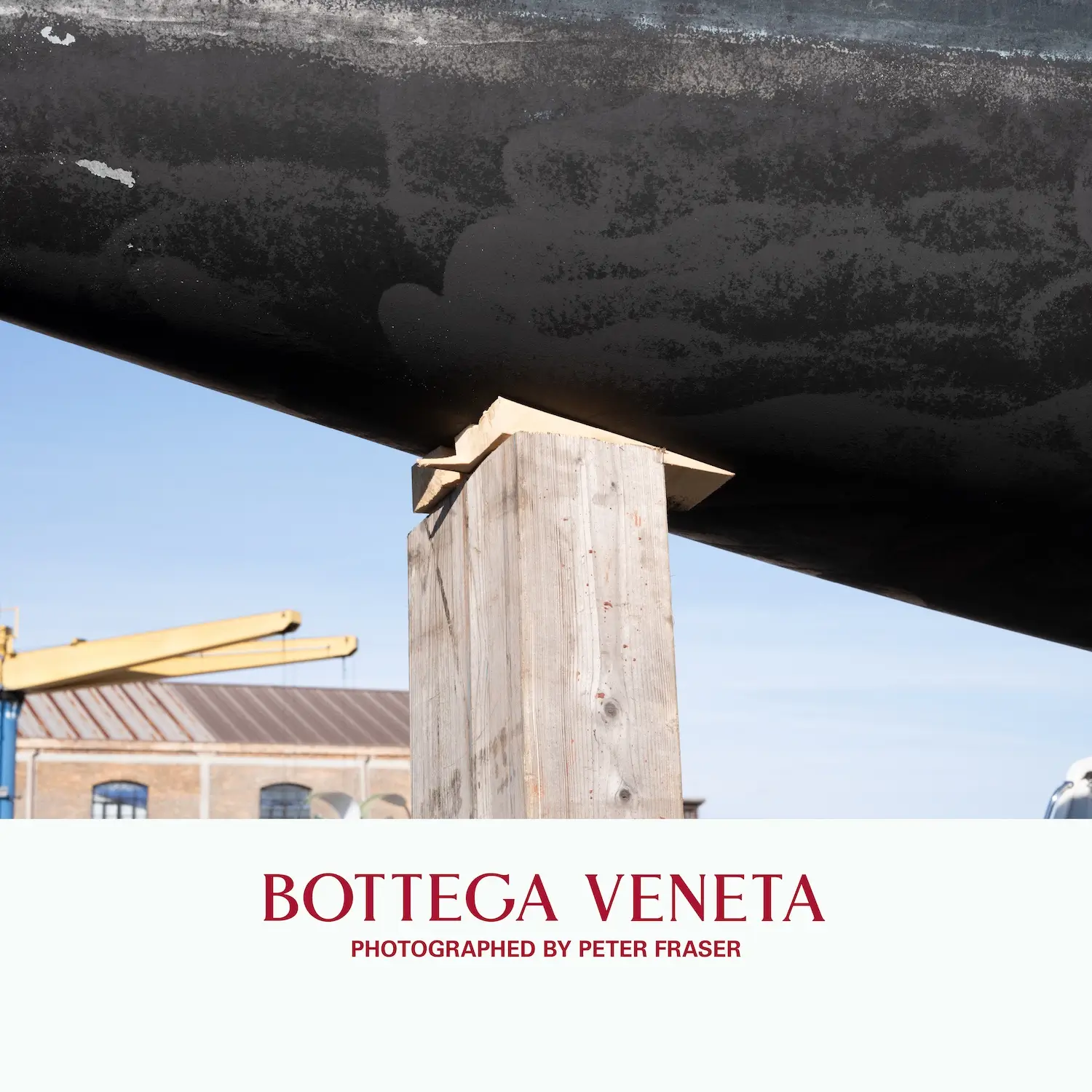
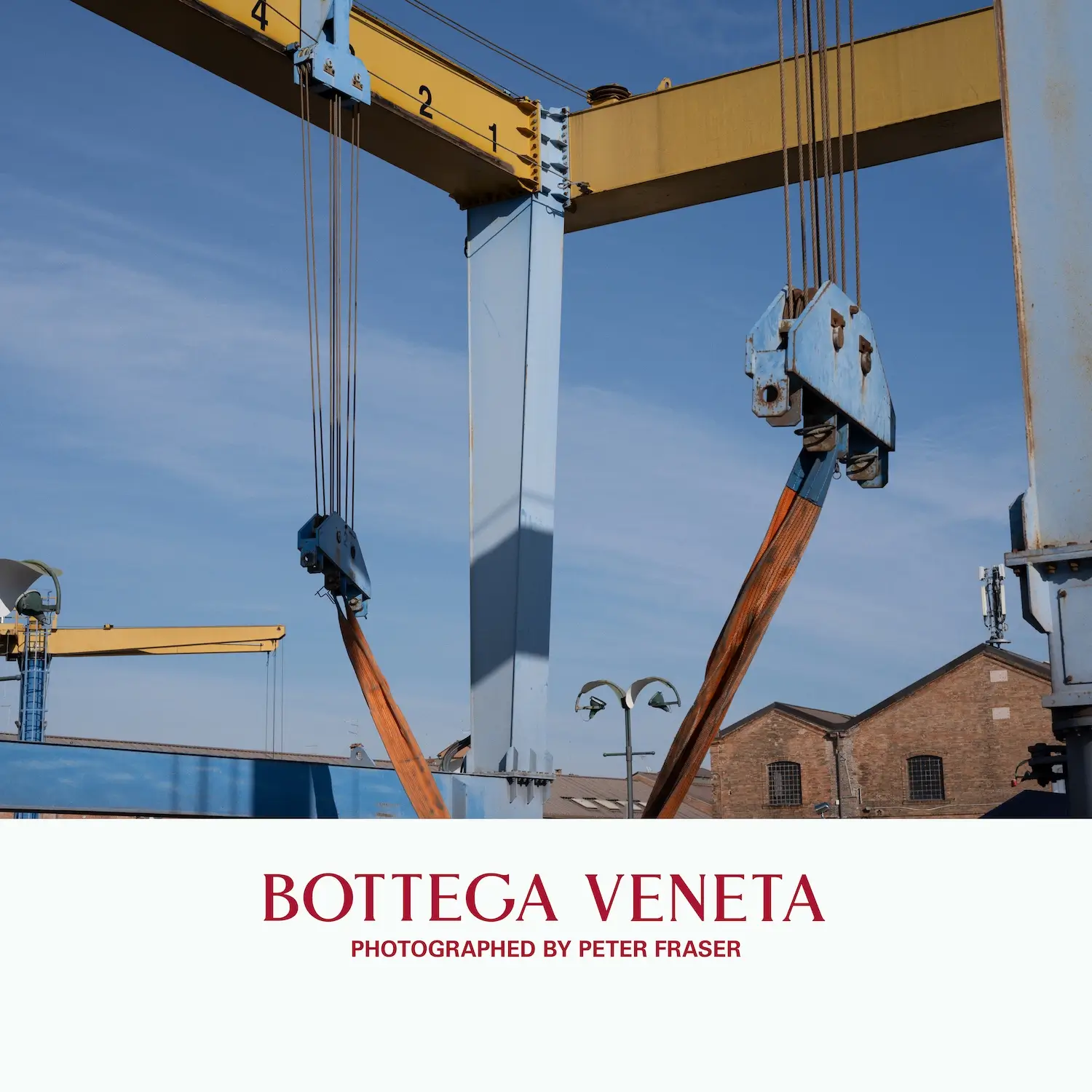
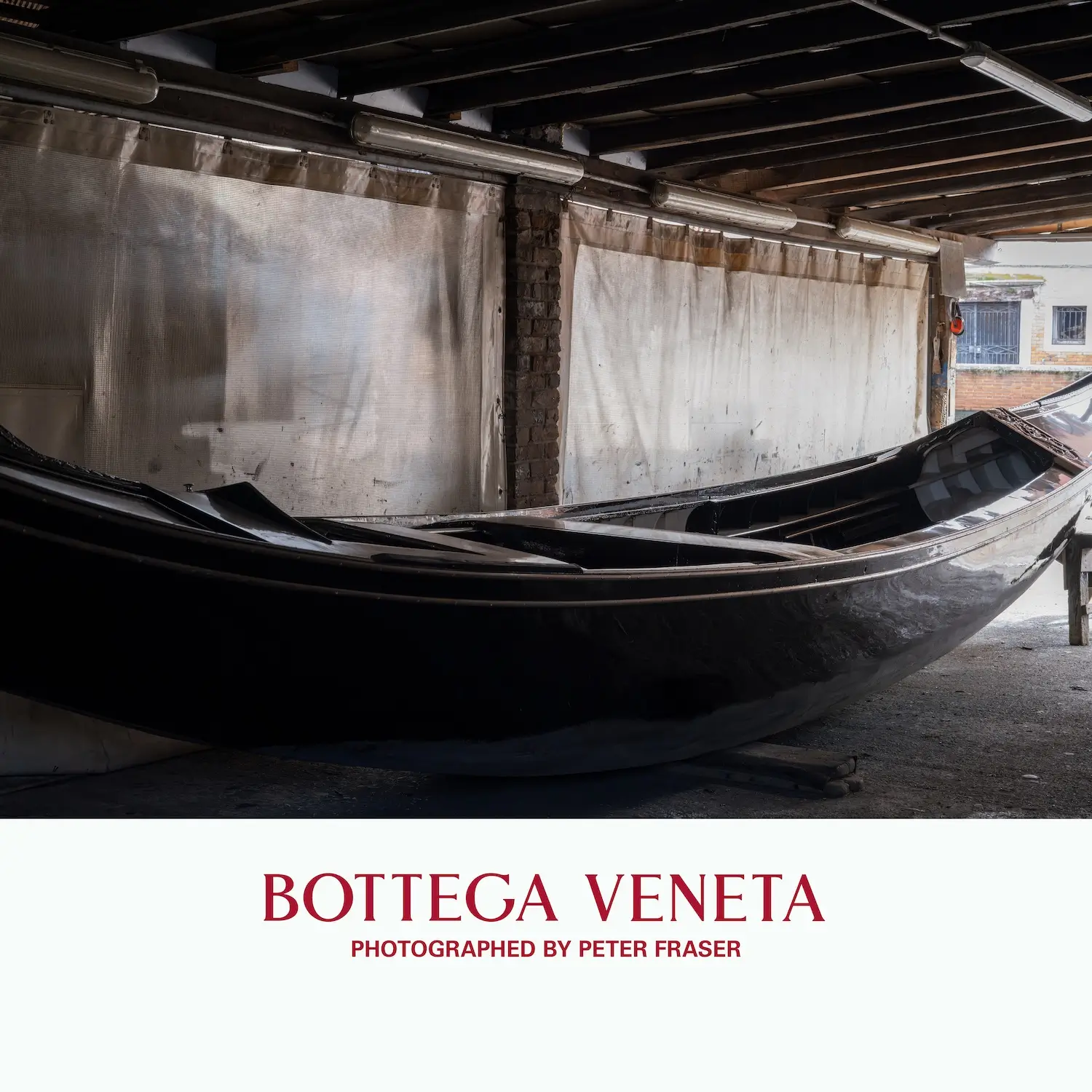
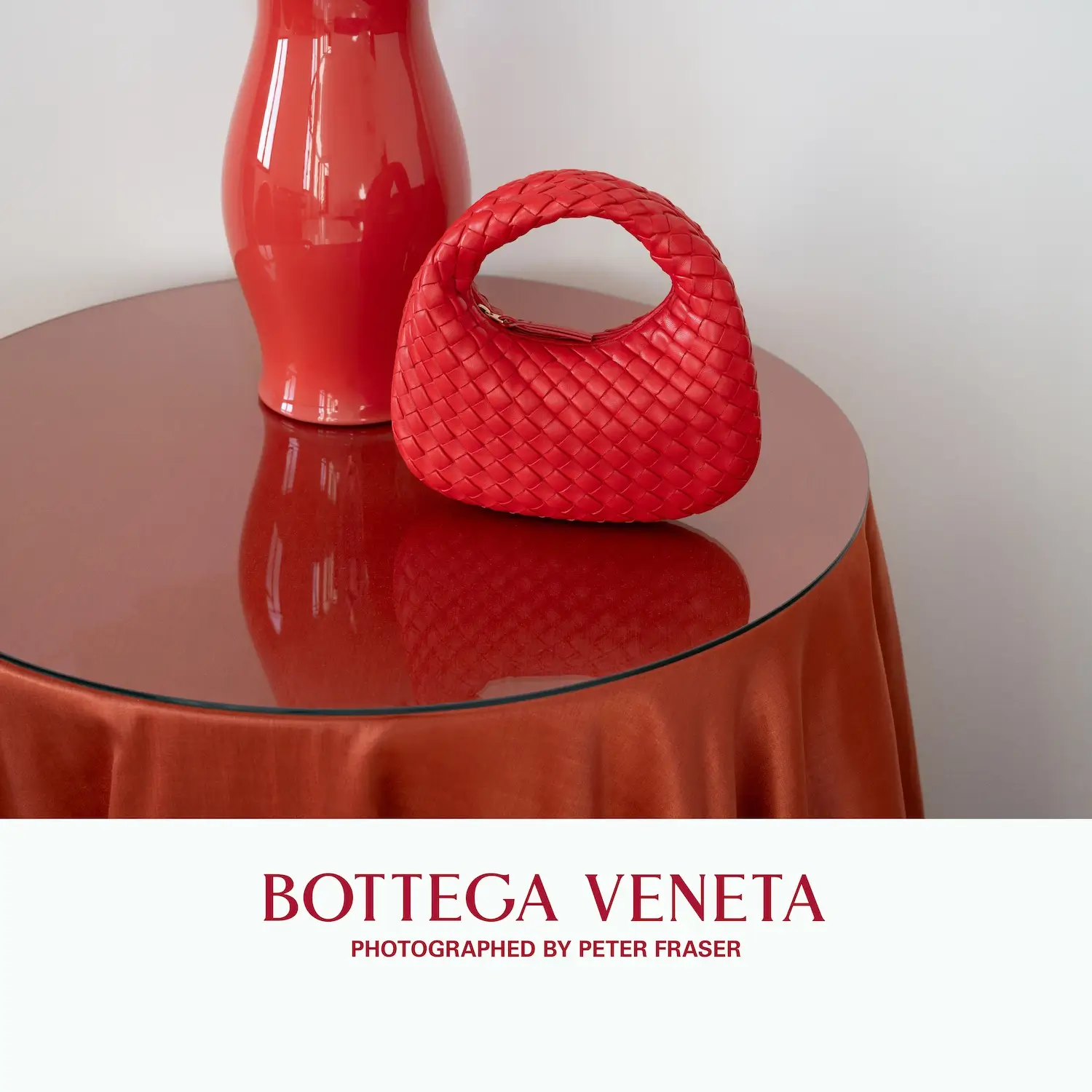
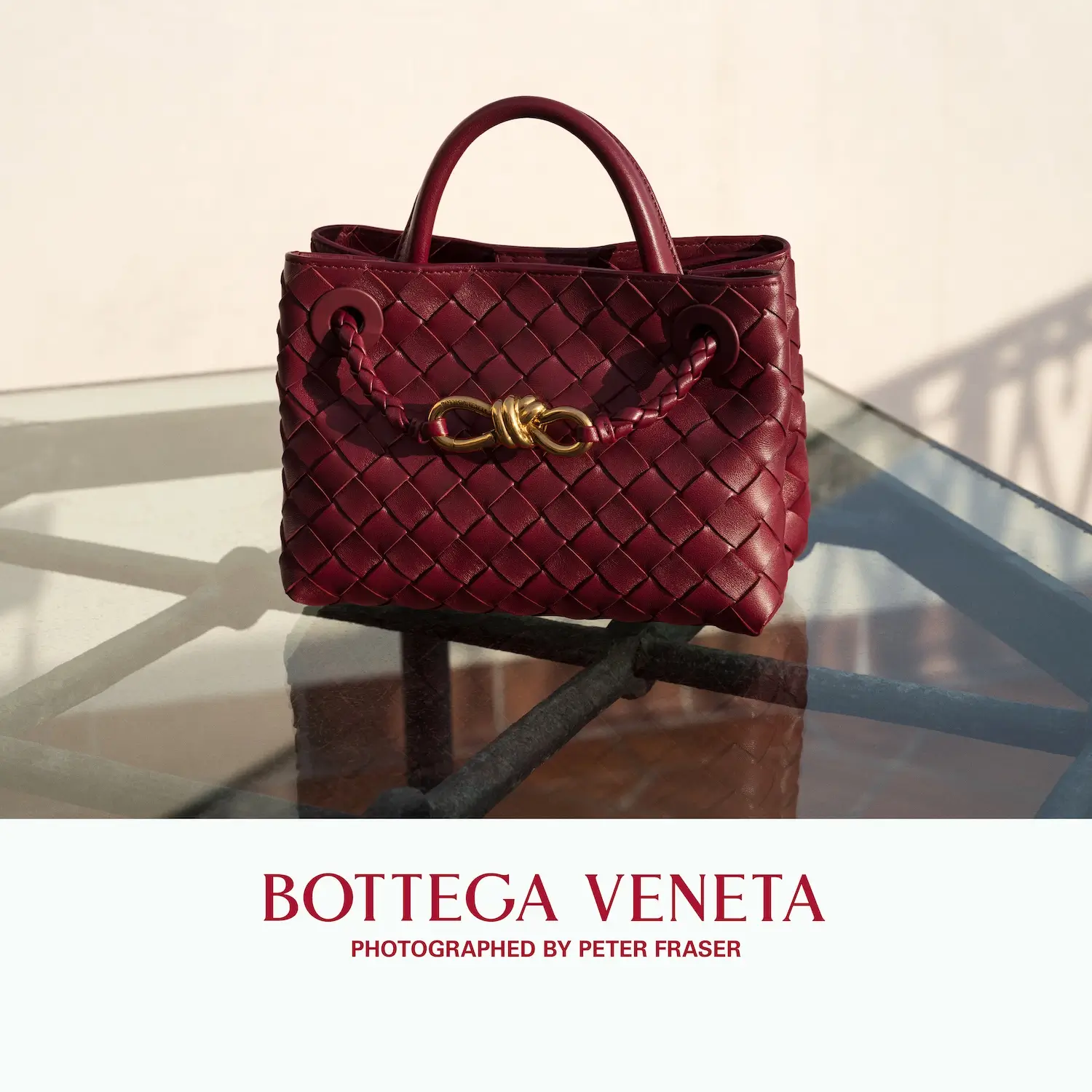
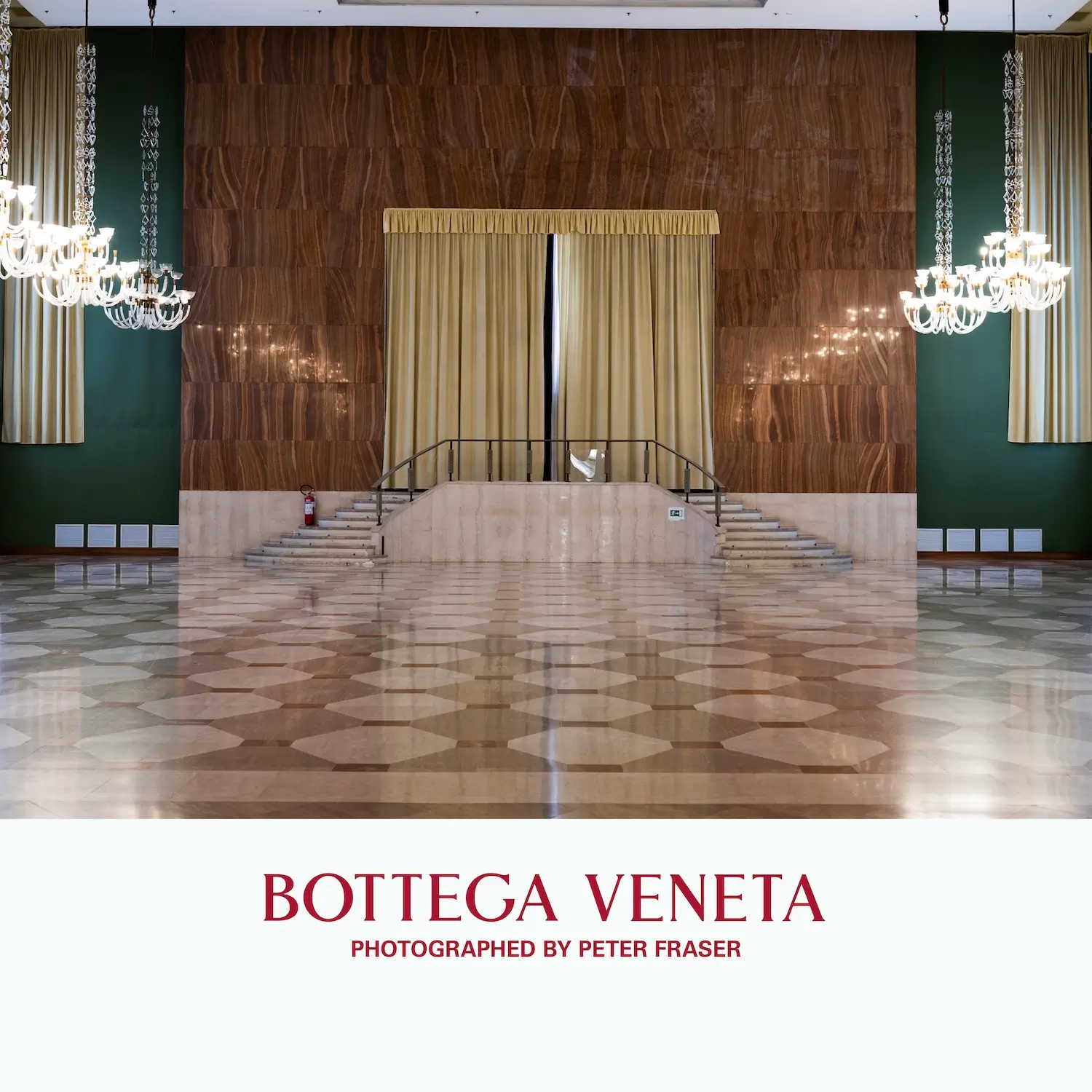
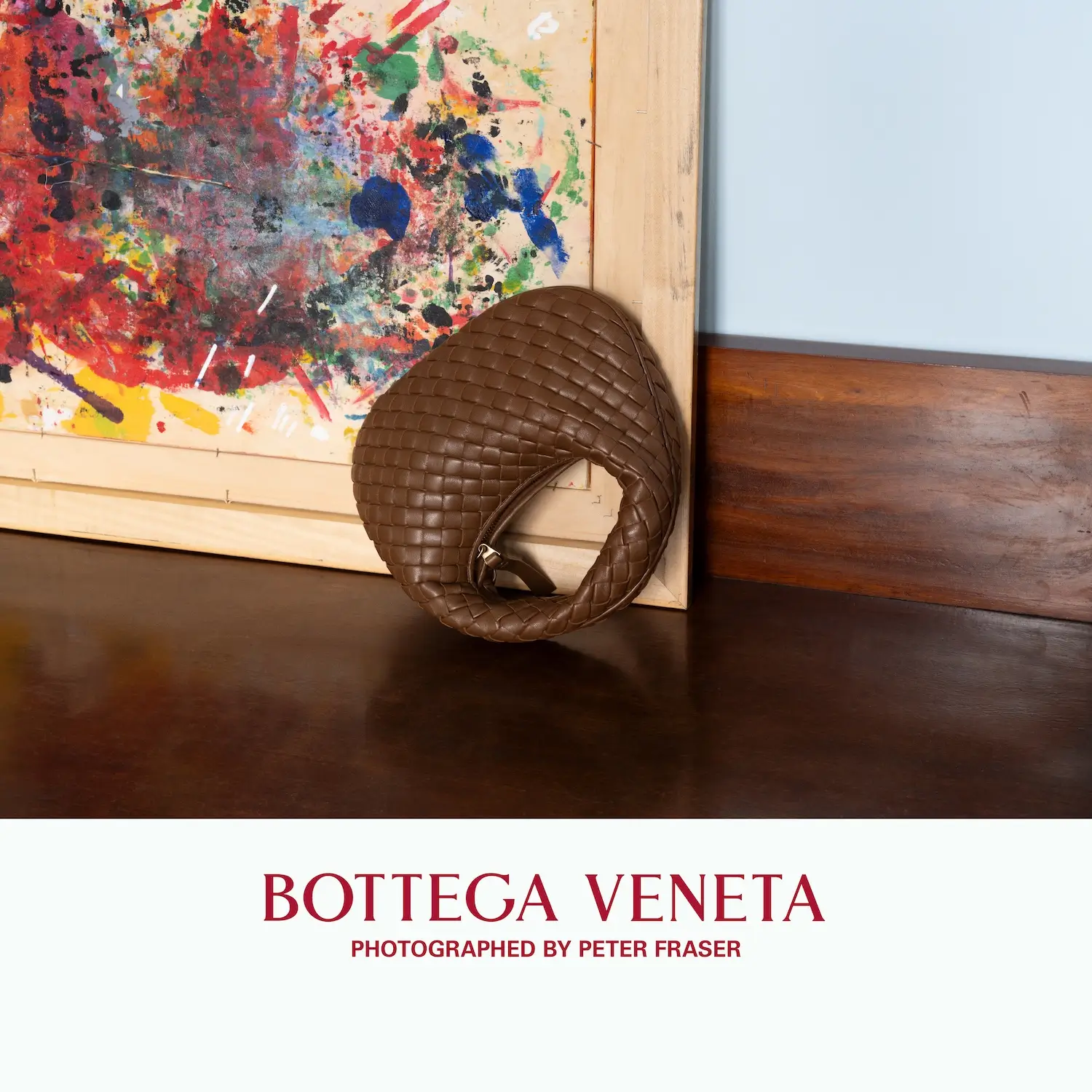
In the inaugural chapter of Bottega Veneta for the Arts, Fraser does not document Venice. He listens to it. His images move away from monumentality, locating the city instead in its quieter frequencies: a wall marked by time, light refracting across water, background settling into narrow passages. These are not incidental observations—they are fragments of duration, small accumulations of presence.
The work operates between intimacy and expanse. A detail becomes a field; a surface becomes a narrative. There is stillness, but it is not emptiness—it is attentiveness. Fraser resists the expected language of Venice: no theatrical light, no orchestrated grandeur. Instead, natural conditions prevail—overcast skies, diffused light, subdued tonal shifts.
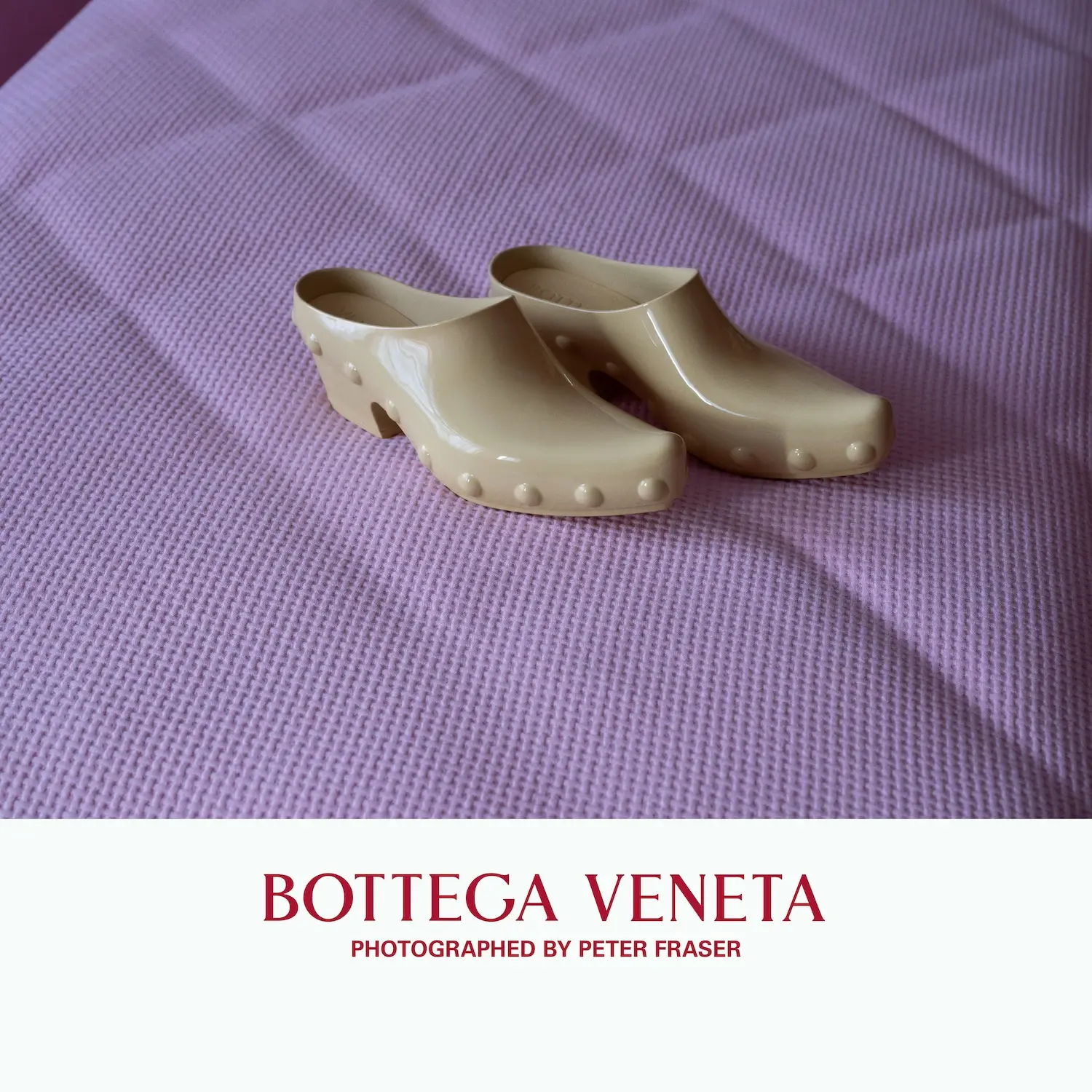
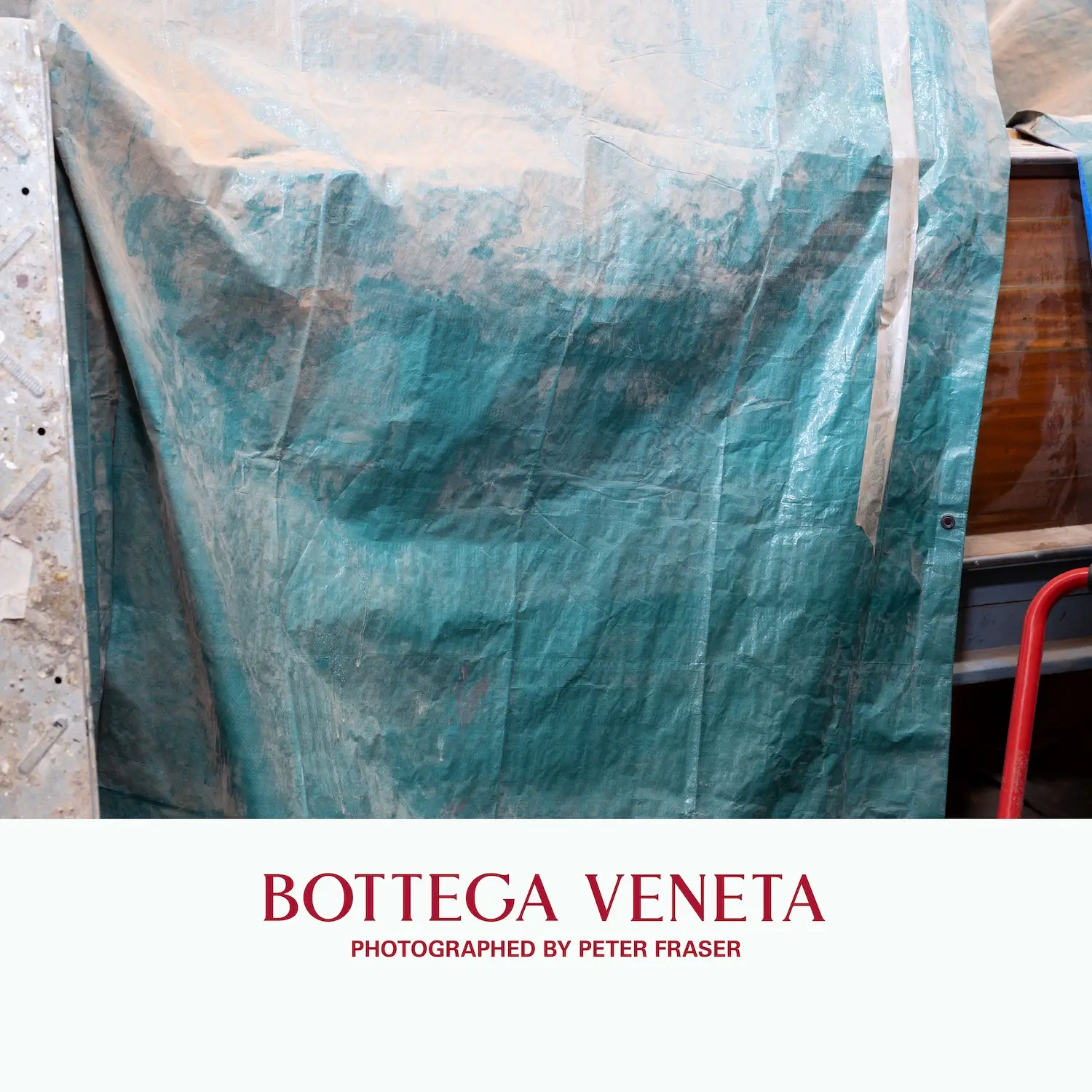
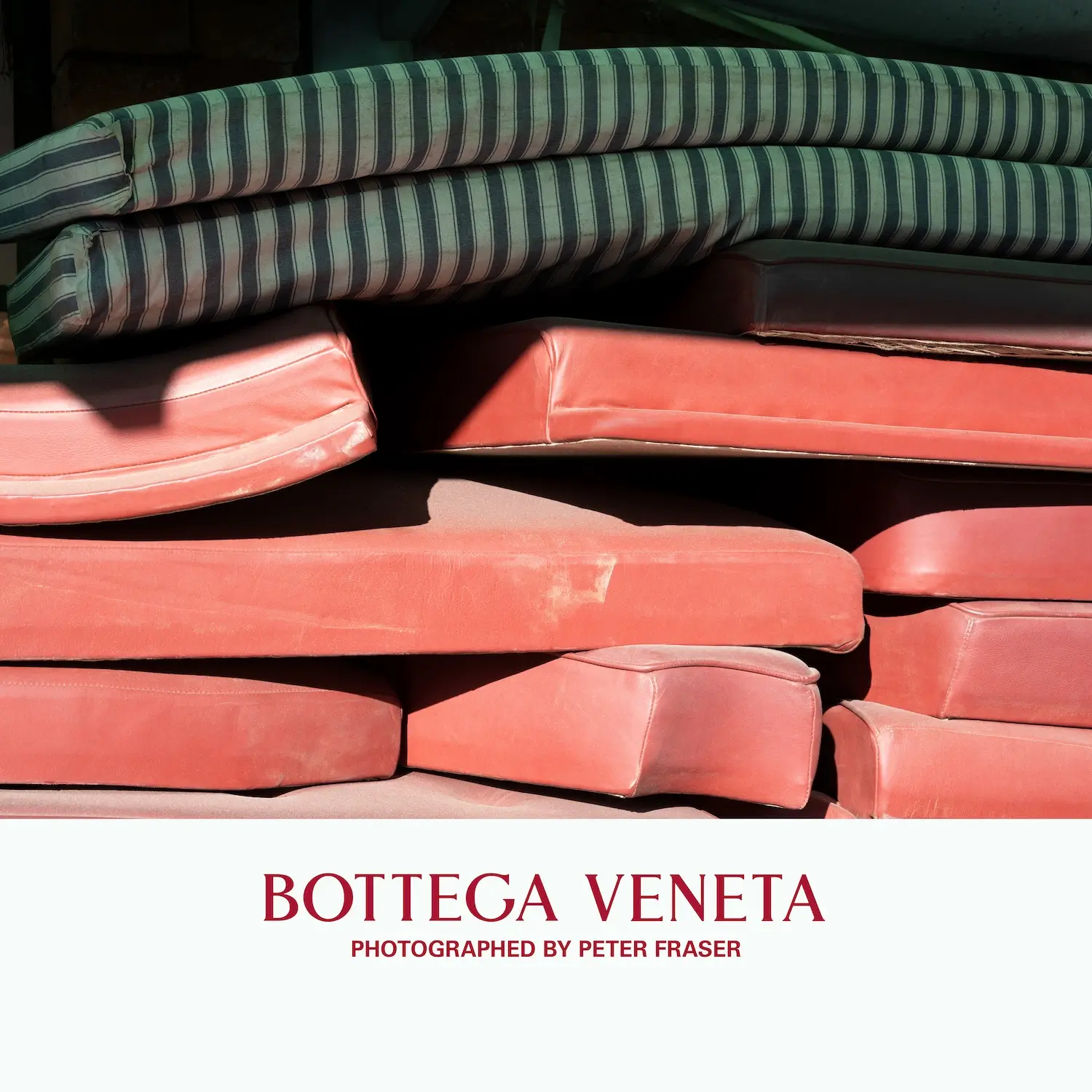
Tincture becomes emotional rather than decorative. Ochres hold warmth without spectacle. Greens echo the slow encroachment of water. Grey carries weight—not as neutrality, but as time sedimented into material. What emerges is a Venice stripped of performance, returning instead as a lived and felt environment.
The affinity with Bottega Veneta is implicit. Neither relies on overt signifiers. Both operate through care—through attention to material, to process, to restraint. The dialogue is not literal; it is atmospheric.
view
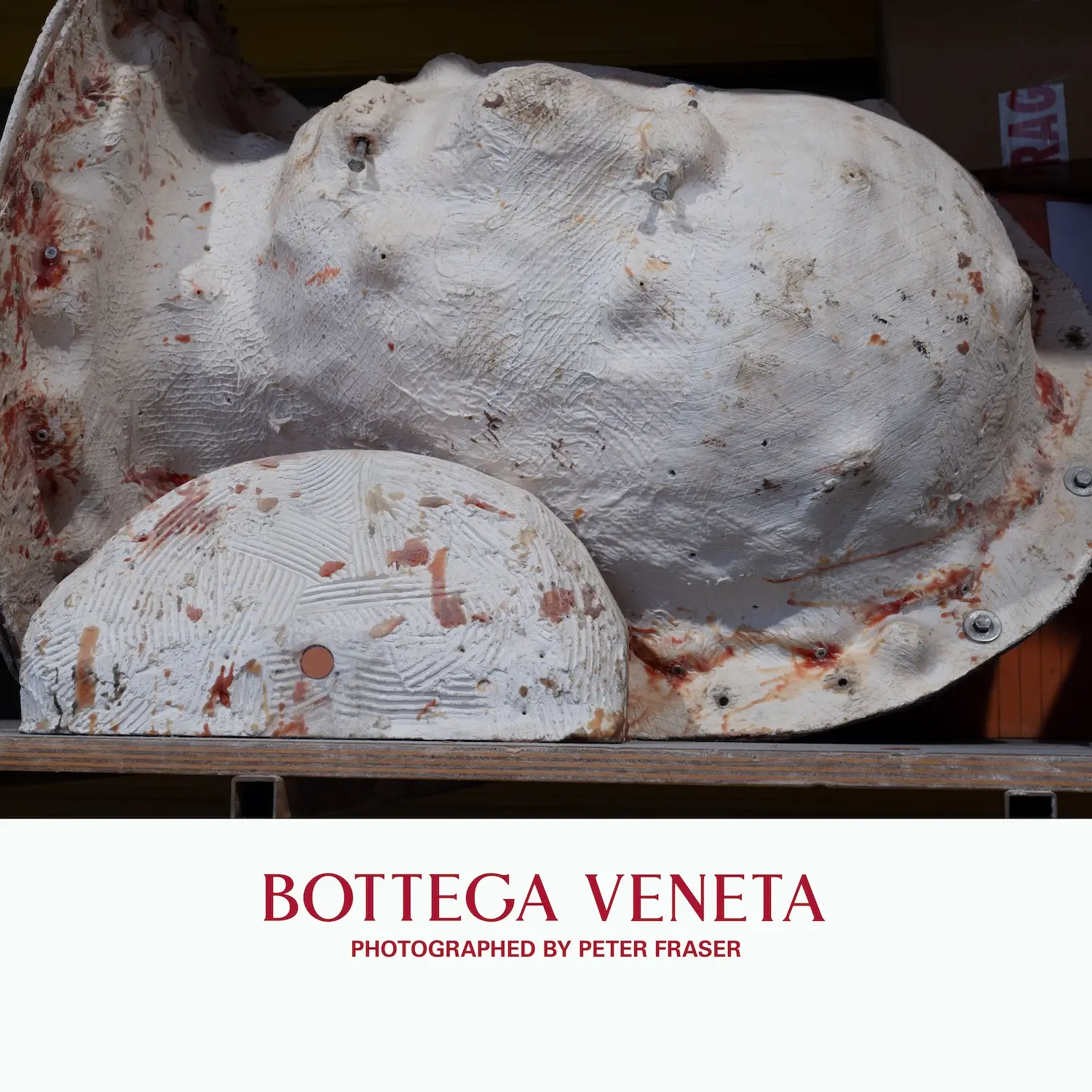
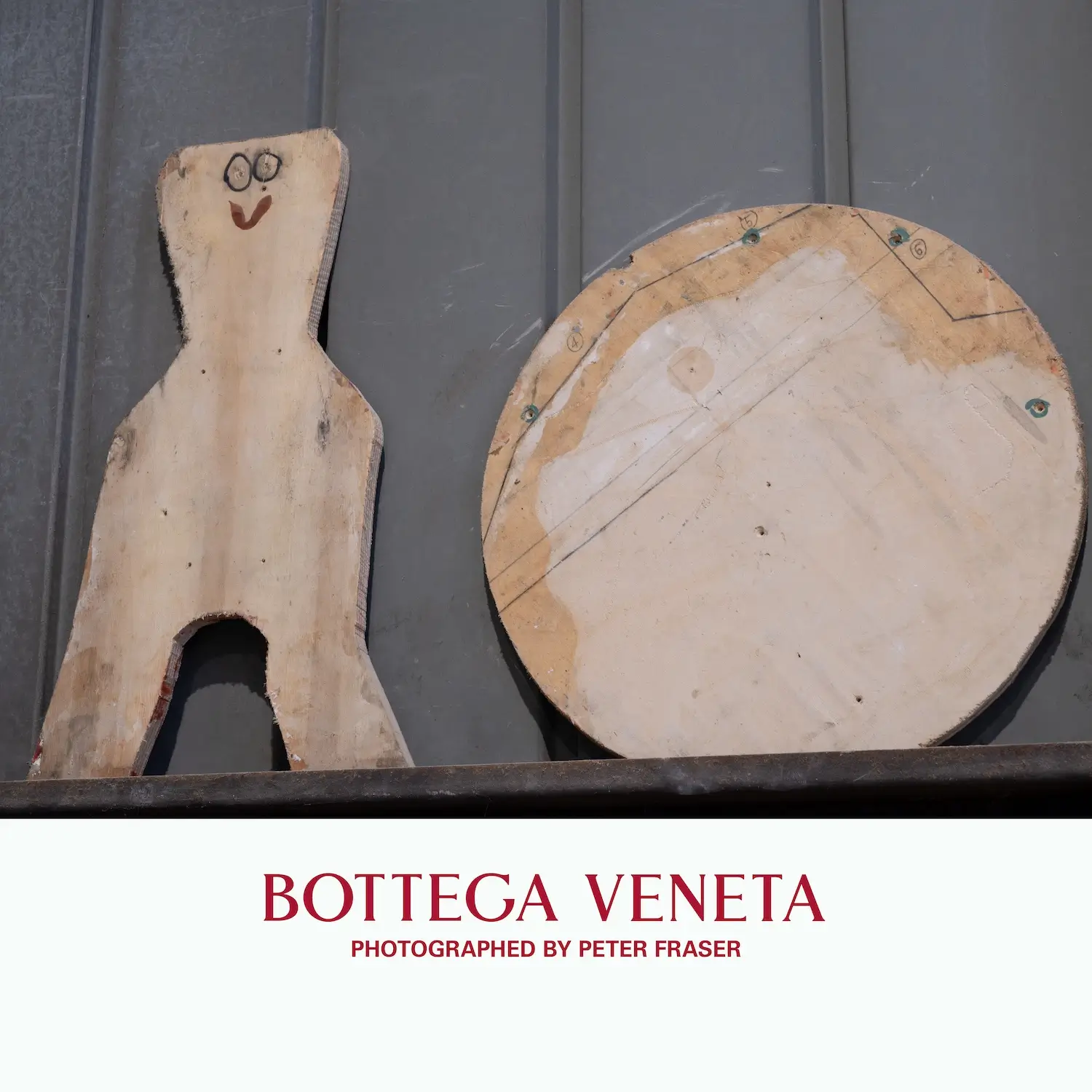
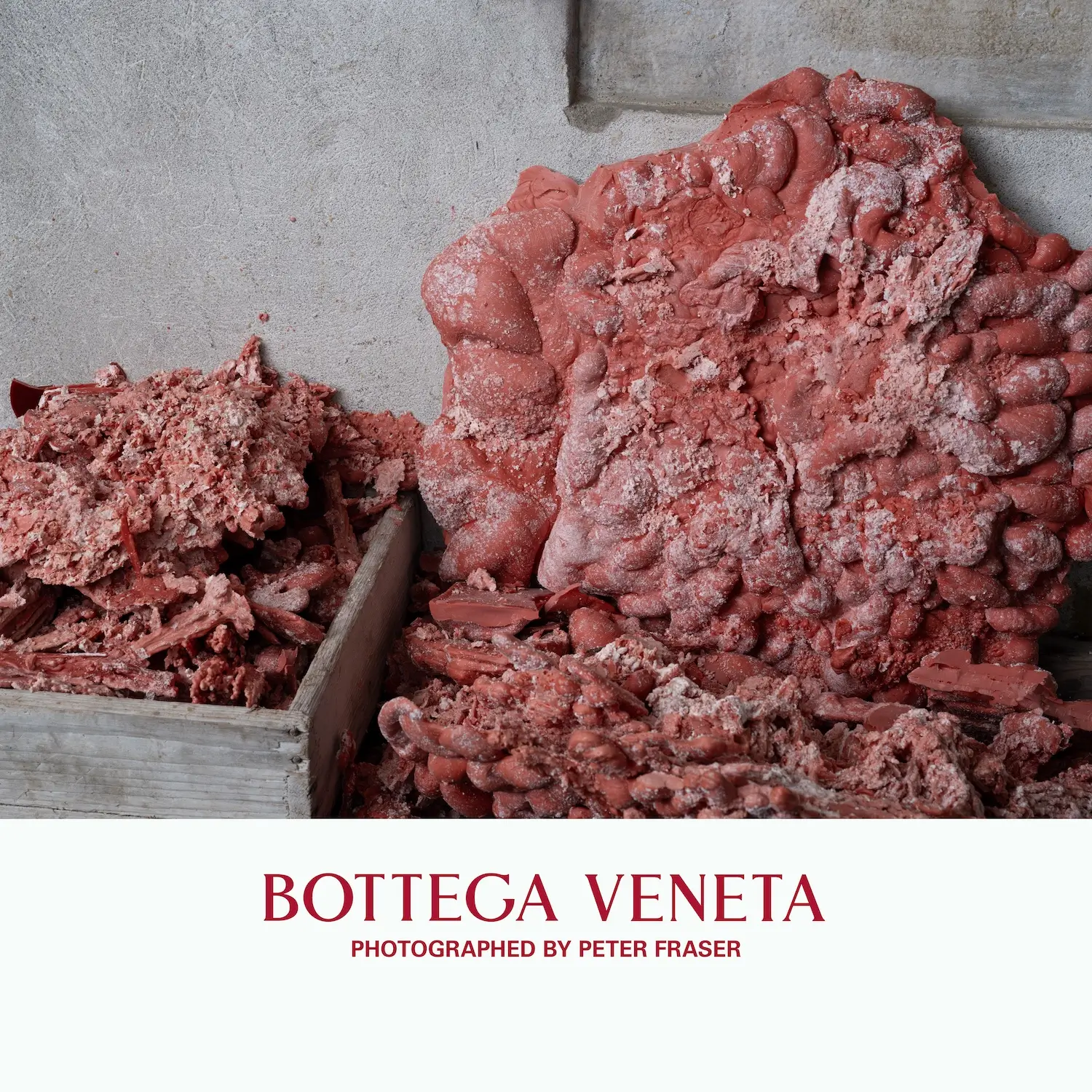
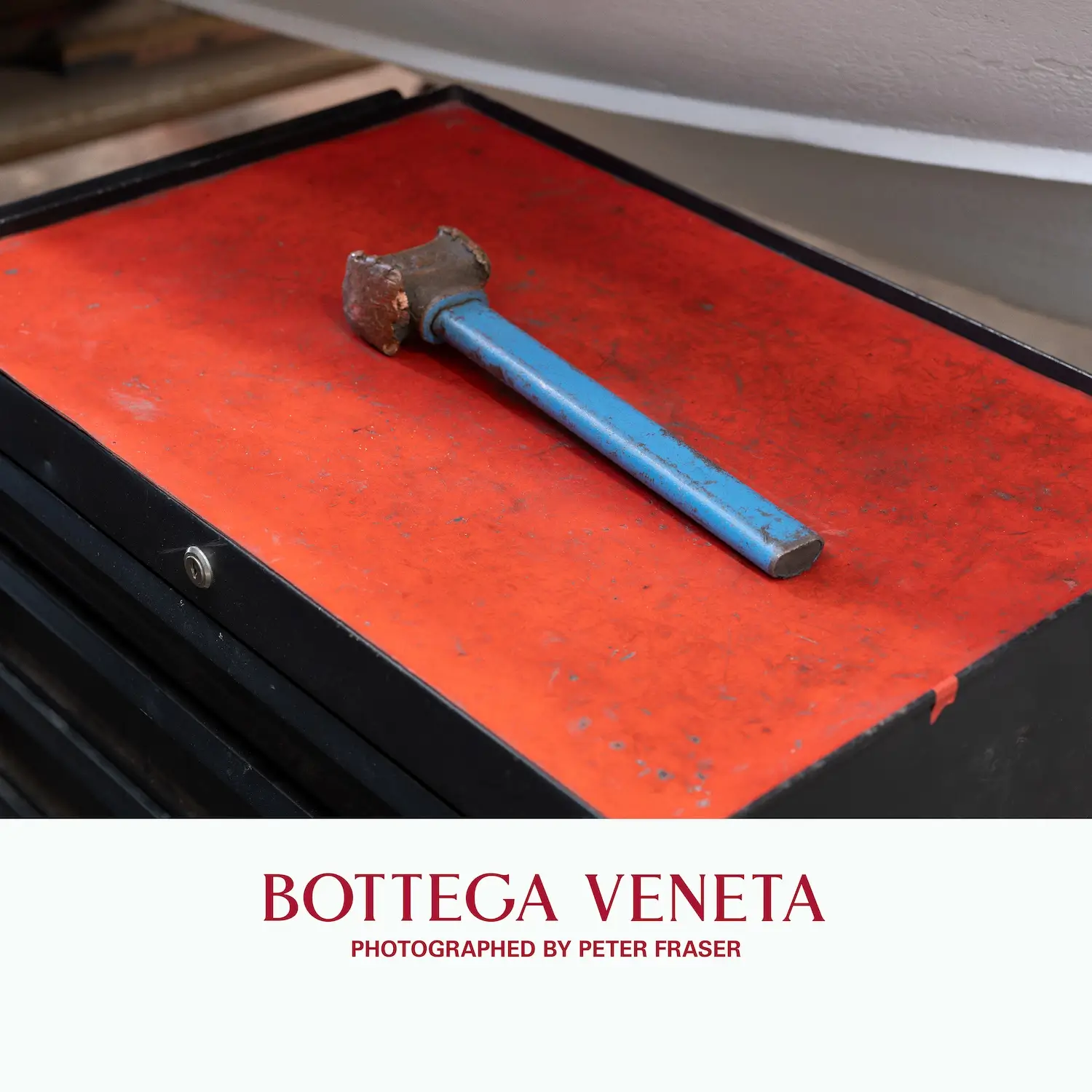
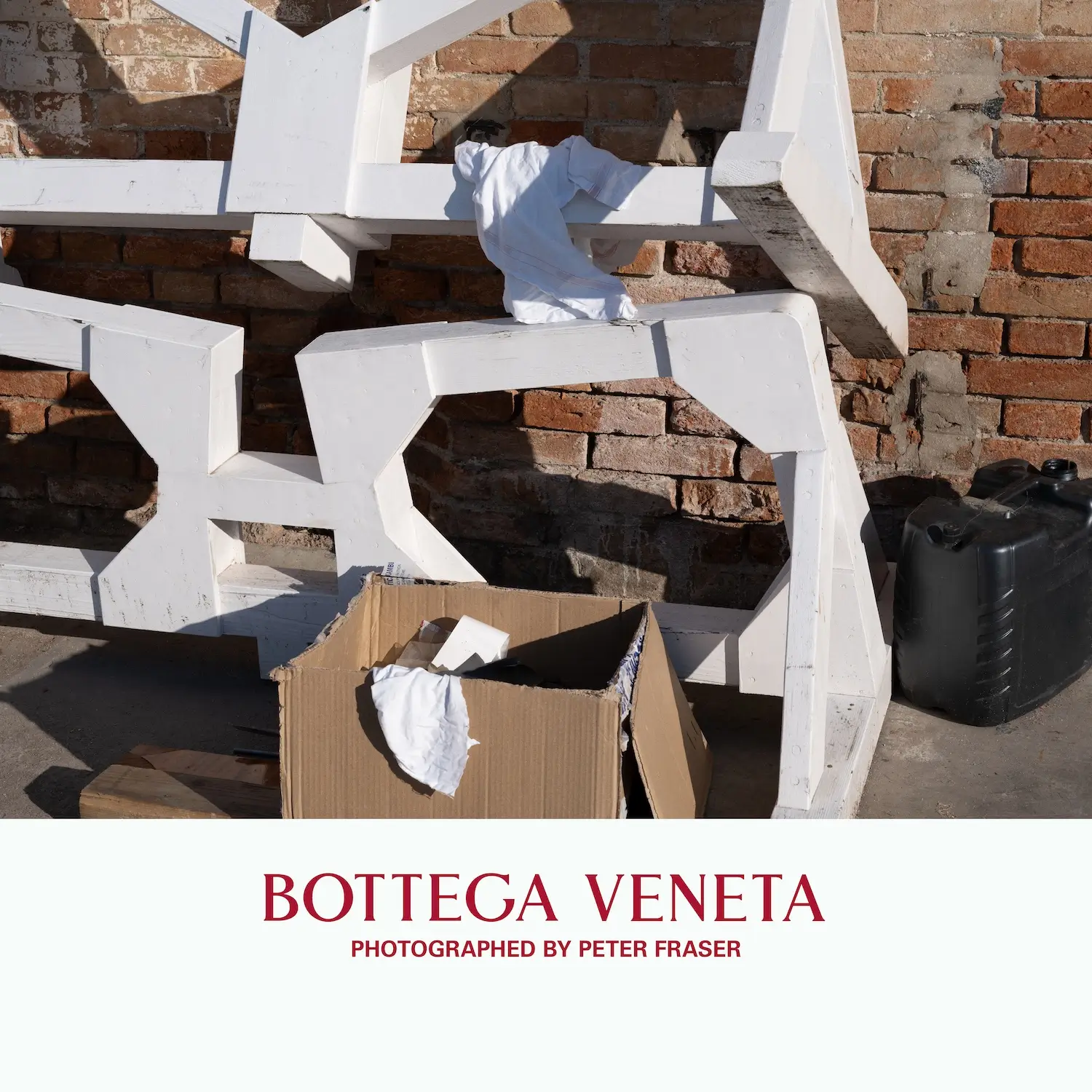
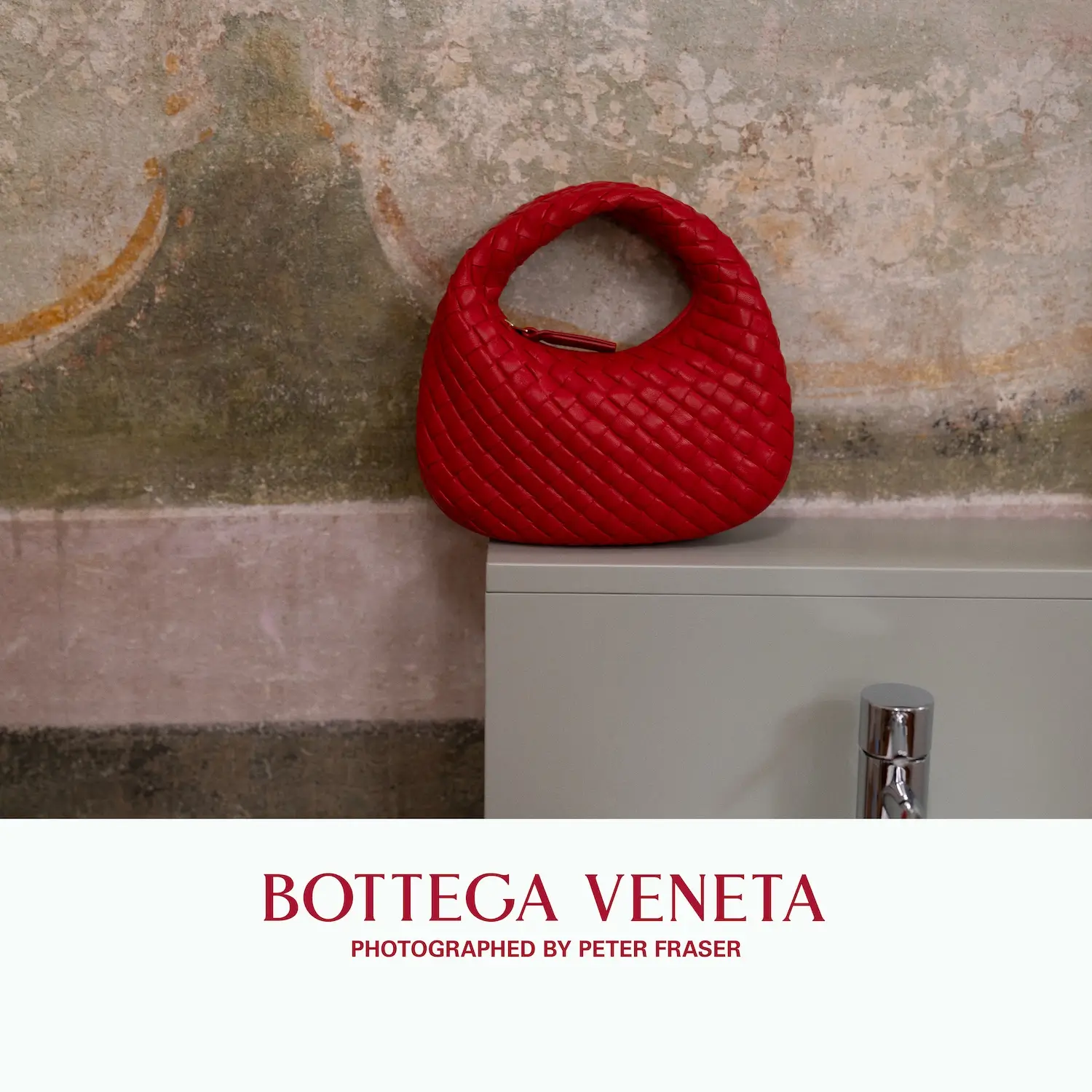
Fraser’s Venice is constructed through surfaces. Stone, wood, metal—each bearing the marks of exposure, time, and use. Texture is not secondary detail; it is the primary language. A fragment of stucco reads as landscape. A worn step becomes evidence of repetition, of presence accumulated over time.

(background texture old stucco wall with cracks. Close-up, macro)
These surfaces function as records—palimpsests shaped by weather, by touch, by neglect and continuity. They echo a logic familiar to Bottega Veneta: that material carries memory, and that process leaves visible traces. Craft, in this sense, is not perfection but persistence.
Scale becomes a tool of destabilization. The camera moves from extreme proximity to expansive fields, collapsing distinctions between object and environment. A cobblestone fills the frame, then dissolves into a larger architectural rhythm. This oscillation produces a quiet disorientation—an invitation to reconsider what is being seen, and how.
Color remains restrained, operating within a muted register: weathered blues, oxidized greens, softened ochres. These tones are not curated for effect—they emerge from the materials themselves. Light, often diffused, reinforces this sensibility. It does not dramatize; it reveals.
There is a tactile dimension to the work that aligns closely with the house’s own vocabulary. As Bottega Veneta’s intrecciato technique foregrounds the hand, Fraser’s images foreground the surface—the evidence of making, of time, of contact. The result is less representation than encounter.
level
What Bottega Veneta for the Arts proposes is not connection in the conventional sense, but coexistence. It reframes the relationship between fashion and contemporary art as parallel rather than hierarchical. The absence of overt branding is central to this shift—no product placement, no visual directives, no imposed narrative.
This restraint carries weight. It suggests that the house recognizes art as a discipline with its own autonomy, not as a vehicle for amplification. By commissioning Fraser—whose practice exists outside commercial frameworks—it affirms a commitment to process over visibility, to depth over reach.
Historically, fashion and art have intersected frequently, but often under the pressure of mutual visibility. Here, that pressure is removed. The relationship becomes quieter, more sustained. It recalls earlier models of cultural exchange—spaces where disciplines intersected without needing to resolve into product.
Fraser’s work, slow and observational, offers a counter-tempo to the acceleration of fashion cycles. It introduces duration where there is usually immediacy. In doing so, it reframes luxury—not as novelty, but as endurance.
The implication is subtle but clear: value lies not in constant production, but in sustained attention.
fin
Peter Fraser’s contribution to Bottega Veneta for the Arts does not conclude—it establishes a method. It proposes that fashion can engage culture without overt declaration, that it can operate through alignment rather than assertion.
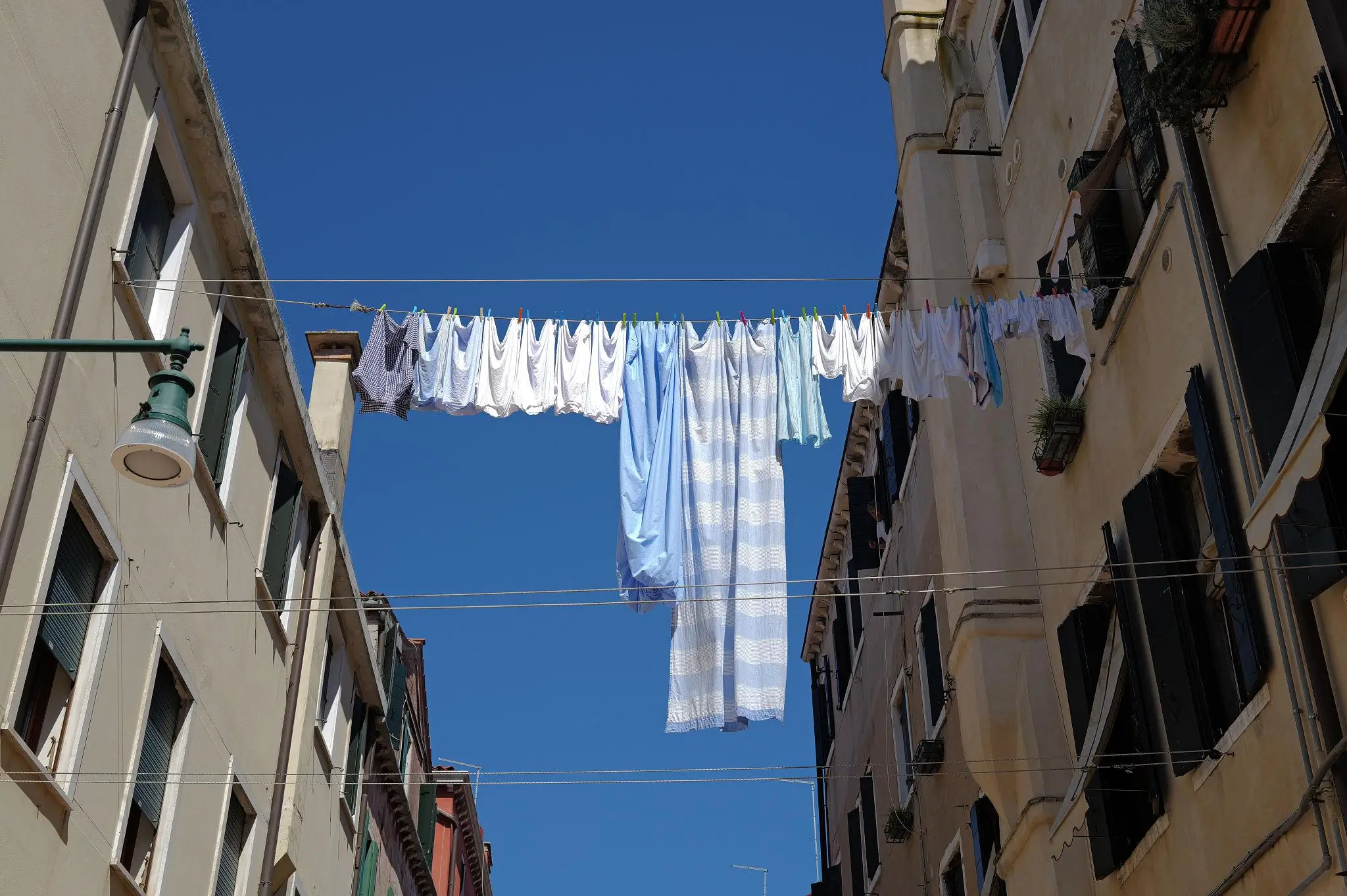
Fraser’s Venice—layered, weathered, quietly active—mirrors the house’s own sensibility. Both are attentive to material. Both prioritize process. Both locate meaning in what persists rather than what announces itself.
The initiative marks a recalibration. It moves away from spectacle toward continuity, from statement toward observation. In doing so, it repositions Bottega Veneta not as a producer of images, but as a participant in a broader visual and cultural field.
There is no resolution offered—only continuation. A framework that unfolds, that invites, that listens.
Fashion, here, becomes less about being seen and more about seeing.
And in that shift, something quieter—but more enduring—takes shape.
Related Articles

Fragment and Mammut Bring the Barryvox Back in Glacier Blue
Hiroshi Fujiwara’s second Mammut avalanche beacon leaves the Barryvox S2’s rescue brain untouched and changes […]