DRIFT AUDIO
Listen to this story
Choose a voice, then press play.
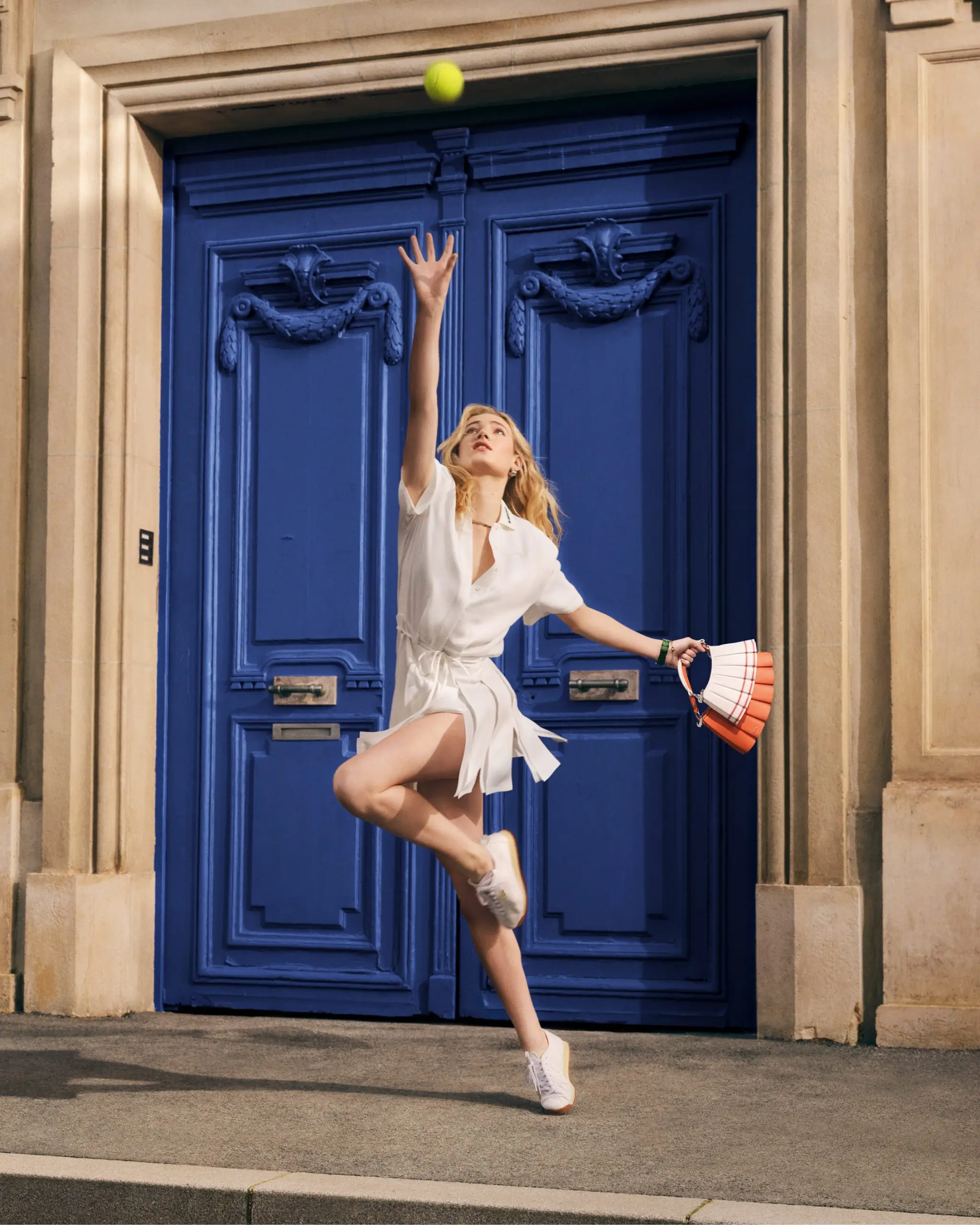
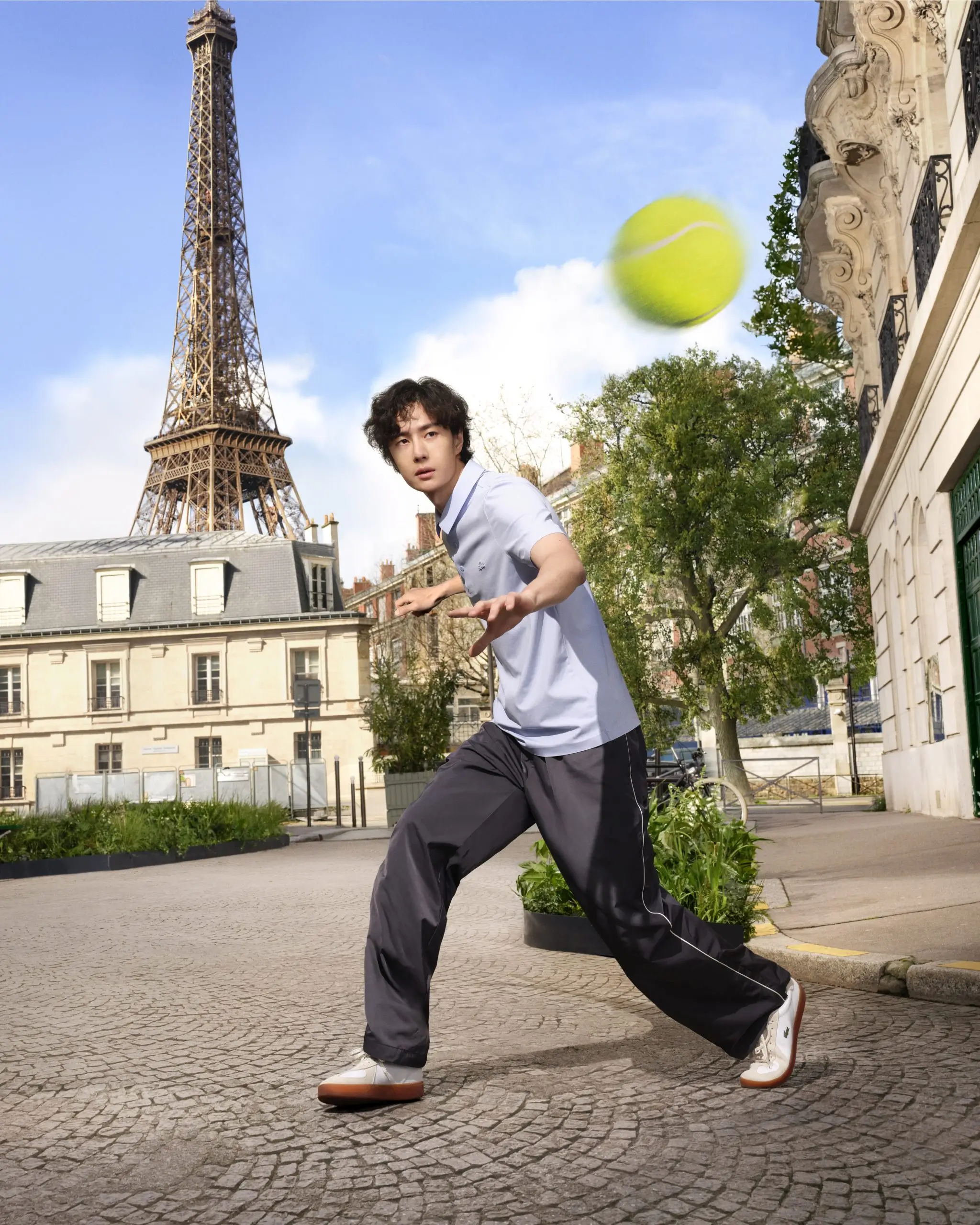
Lacoste unveils its latest global campaign with a renewed focus on the codes that have long defined the house. Anchored in tennis, the brand revisits its identity through a lens of ease and movement, where sport is less about performance and more about attitude.
At the centre is the return of its long-standing signature, “Life is a Beautiful Sport”, reframed for today. The message leans into a broader idea of sport as something lived daily, expressed through gesture, rhythm, and personal style rather than competition alone.
Directed by Fredrik Bond, the campaign film takes a stripped-back approach. There is no dialogue, only movement and expression, with a visual language built on pace, glances, and physicality. The result sits somewhere between realism and stylisation, balancing clarity with a more cinematic softness.
View this post on Instagram
The connection to tennis remains central, embodied by Novak Djokovic, whose ongoing role as house ambassador reinforces the brand’s long-standing relationship with the sport. Here, that legacy is less about heritage for its own sake and more about continuity, carried forward through a modern, more fluid perspective.
stir
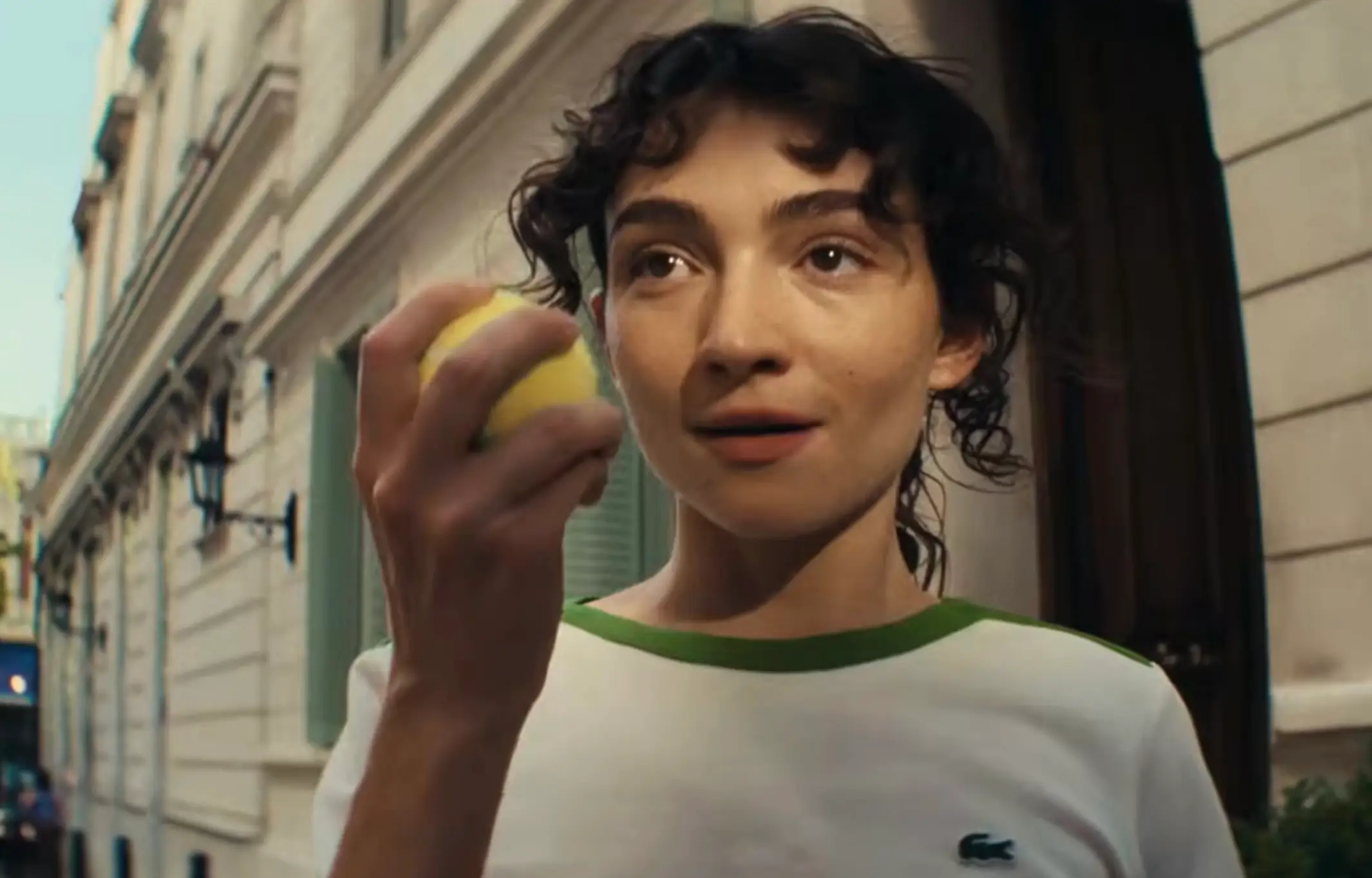
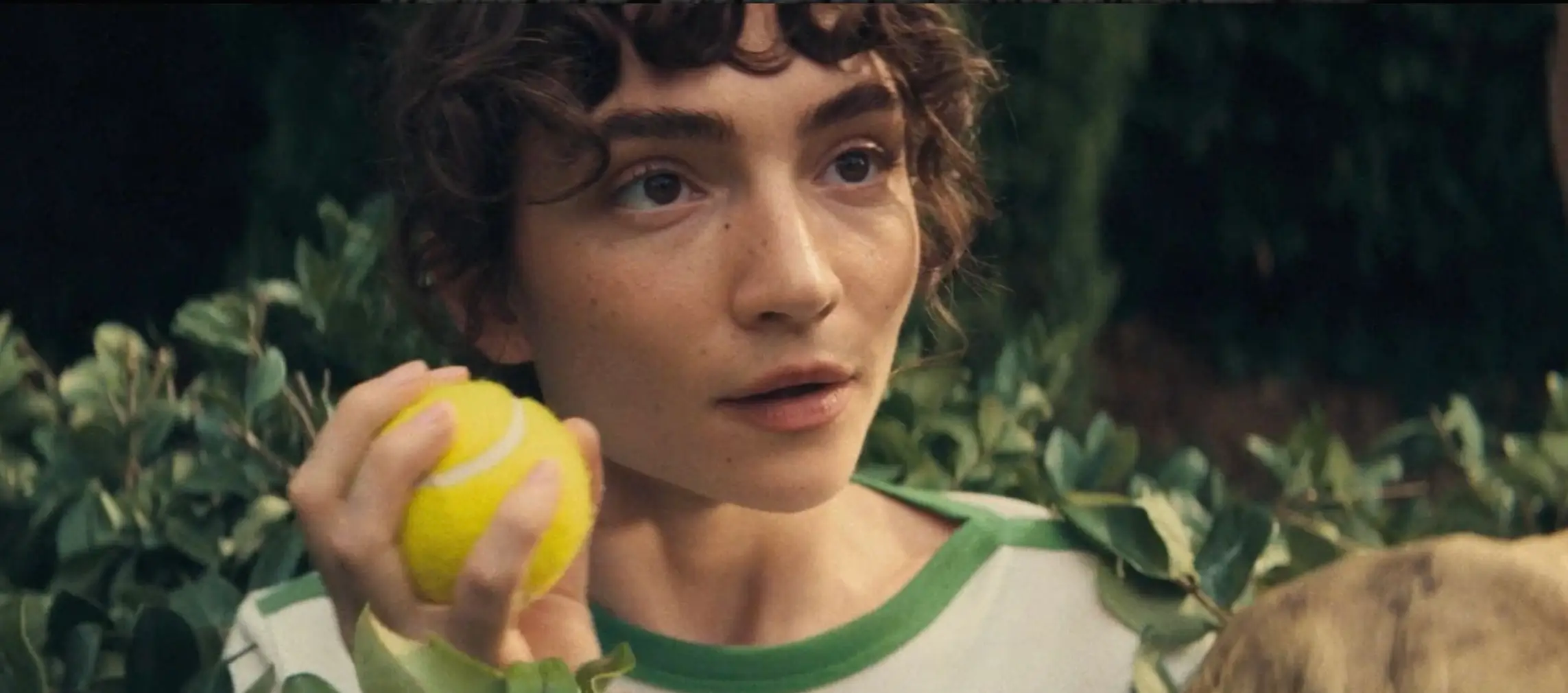
Titled The Run, the core of this campaign is a wordless, rhythm-driven short film that captures the essence of Lacoste’s French DNA. It opens with a young woman, dressed in a classic Lacoste polo and pleated skirt, tennis ball in hand, sprinting through the vibrant streets, gardens, and alleyways of Paris. She weaves past pedestrians with a breezy “pardon,” her movement fluid and unapologetic, blending the urgency of sport with the joie de vivre of city life.
The soundtrack, the infectious “Paris Latino,” propels the narrative forward without overpowering the views. There are no grand speeches or dramatic monologues, only the sound of footsteps, glances exchanged, and the pulse of movement. As she navigates obstacles with a shrug and a smile, a modern echo of René Lacoste’s bold, sleeve-tearing innovation on the court, the film builds toward its reveal at Roland-Garros’ Philippe Chatrier court. She arrives as a ball girl, returning the ball directly to Novak Djokovic amid the roar of the crowd.
In a flow twist, the stadium’s attention shifts from the match to her poised elegance. It is a suspended moment that perfectly encapsulates the campaign’s thesis: true sport, and true style, transcends raw athleticism. It is about attitude, grace under pressure, and that unmistakable French flair: confident, coltish and always a step ahead.
View this post on Instagram
Produced by Stink France and created in partnership with long-time agency BETC Paris, the film was shot with a cinematic softness that feels both documentary-real and dreamlike. Director Fredrik Bond brings a vibrant, life-affirming tone that aligns closely with Lacoste’s refreshed visual identity.
flow
Lacoste’s story begins in 1933, when René Lacoste, the tennis legend nicknamed “Le Crocodile” for his tenacity on the court, founded the brand. Famous for creating the first polo shirt with breathable piqué fabric and an embroidered logo, René revolutionized sportswear by prioritizing comfort and style. His decision to tear the sleeves off his shirt during a match was not just practical; it was a rebellious act against the stiff etiquette of tennis at the time.
This campaign deliberately circles back to those roots. The team revisited the founder’s legacy to reinterpret “Life is a Beautiful Sport” through a contemporary lifestyle lens. “From the court to the street” becomes the guiding principle.
The campaign also coincides with a refreshed view identity, developed with Commission Studio. It refines the iconic crocodile logo while staying true to archival elements, emphasizing versatility and French elegance. This evolution allows Lacoste to feel at home everywhere, from clay courts to city streets.
idea
Few athletes embody Lacoste’s values better than Novak Djokovic. As a 24-time Grand Slam champion and the brand’s house ambassador, Djokovic represents discipline, resilience, and a fluid, modern approach to the game. His appearance in the film ties the narrative together, bridging heritage and future.
Lacoste’s long-standing relationship with Roland-Garros makes the timing particularly resonant. The campaign extends beyond the film with print work shot by Angelo Pennetta, outdoor activations, digital content, and social campaigns that bring the “Beautiful Sport” message into a broader global field.
Djokovic’s involvement reinforces continuity. In an era where athletes often chase fleeting trends, his long-term partnership with Lacoste signals authenticity, depth, and a shared understanding of sport as both discipline and style.
show
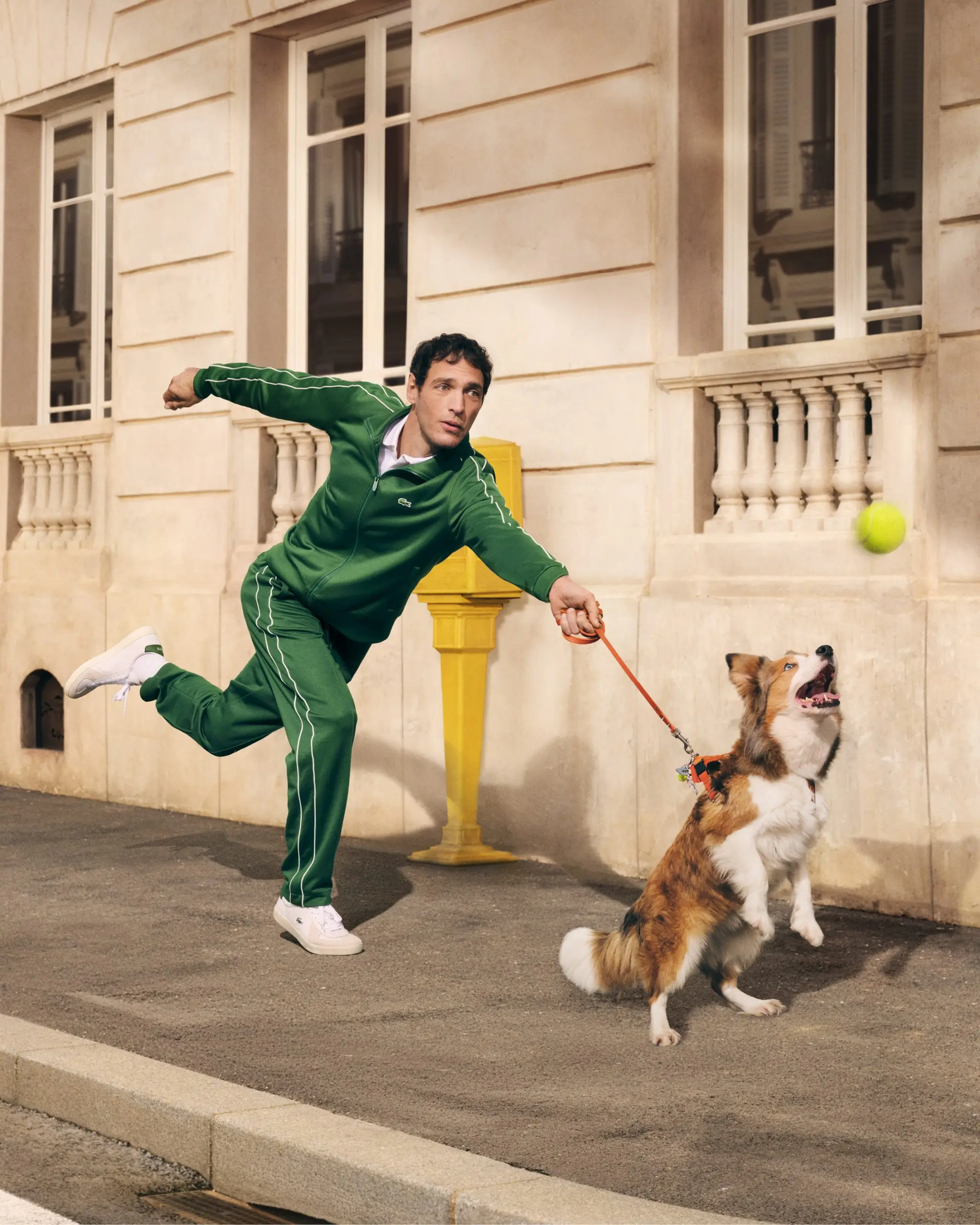
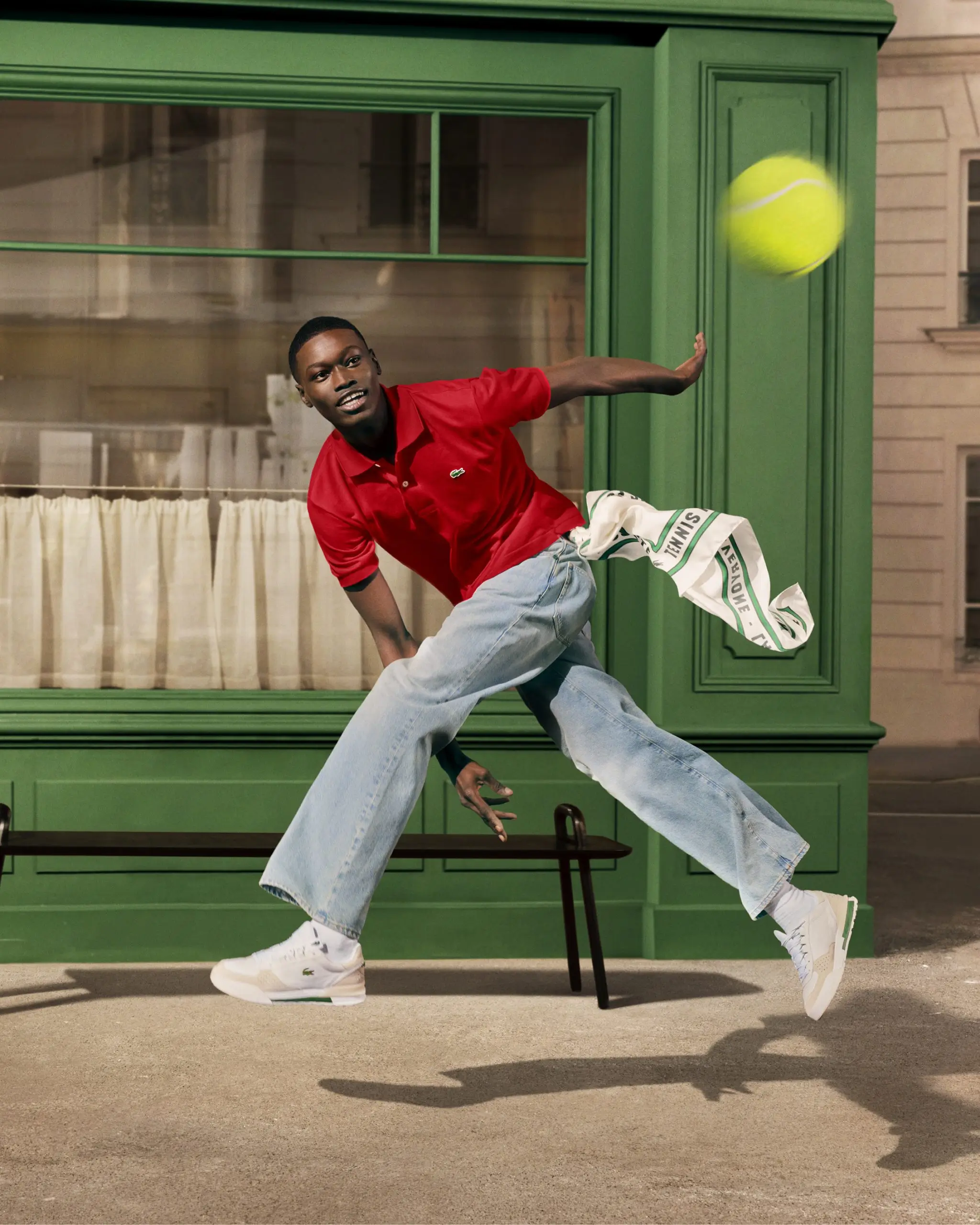
This campaign arrives at a fascinating moment for the fashion industry. Consumers continue to seek authenticity, movement, and clothing that transitions seamlessly between contexts. Lacoste’s emphasis on “sport as attitude” speaks directly to this shift: polos, track pants, and sneakers are no longer confined to gyms or courts, but operate as staples of everyday wardrobes.
By blurring the line between performance and lifestyle, Lacoste positions itself against pure athleisure giants while differentiating from luxury houses that treat sport as aesthetic alone. It is sportswear with soul: playful, elegant, and impertinent in the best French tradition.
The “pardon” motif, delivered with a smile rather than deference, captures this spirit. It becomes a subtle rebellion wrapped in elegance, very Lacoste in its lightness, confidence, and ease.
view
The film’s aesthetic deserves deeper appreciation. Its cinematography favors natural light, soft shadows, and dynamic tracking shots that mirror the runner’s energy. Colors pop with Parisian spring vibrancy: the green of the polo, the yellow of the tennis ball, stone facades, blooming gardens, and the unmistakable presence of the court.
Close-ups on fabric movement highlight Lacoste’s technical language: breathable cotton, tailored fits, and the signature crocodile that has become a symbol of quiet confidence. The absence of dialogue forces viewers to engage with physicality, from the swing of arms to the rhythm of breath, the determination in the eyes, and the choreography of everyday motion.
Print extensions by Angelo Pennetta likely capture static moments of this same energy, freezing gestures that convey the full campaign ethos.
globe
While deeply French, the campaign carries universal appeal. Paris serves as more than a backdrop; it becomes a character, embodying effortless chic, movement, and urban rhythm. In markets from New York to Tokyo to Dubai, consumers understand the fantasy of moving through life with such grace.
The rollout strategy, spanning film, outdoor, digital, and social, ensures broad visibility. Around Roland-Garros, Lacoste’s presence becomes especially meaningful, placing the campaign directly within the world that shaped the brand while extending it beyond the limits of the court.
fin
Lacoste has navigated decades of trends without losing its core. From René’s innovation to today’s campaign, the brand continues to prove that returning to roots is not regression but renewal. In a saturated market, authenticity and heritage, when handled with creativity, become powerful differentiators.
“Life is a Beautiful Sport” remains luminous because it is flexible. It can celebrate a champion’s triumph or a ball girl’s dedicated sprint. It reminds us that style is not performative but lived, found in small gestures, daily rhythms, and the confidence to move through the world on one’s own terms.
As Roland-Garros approaches, this campaign does more than sell clothing. It invites us to embrace sport not just as competition, but as a beautiful way of being.
Related Articles

The Frankie Shop Takes Milan: Oversized Suiting Moves Into the Quadrilatero
Eleven years after a Lower East Side boutique, Gaëlle Drevet’s label opens its first Italian […]