DRIFT AUDIO
Listen to this story
Choose a voice, then press play.
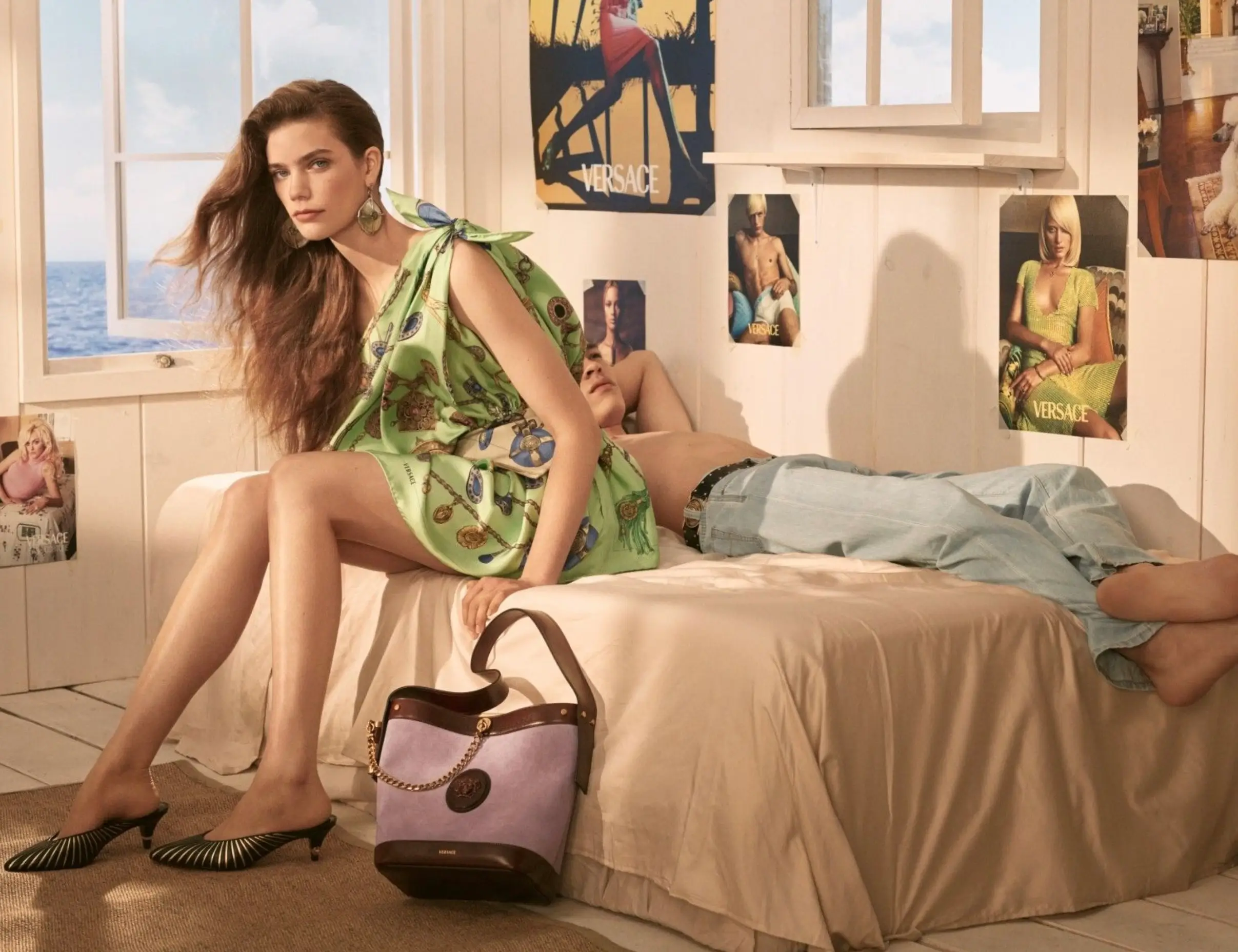
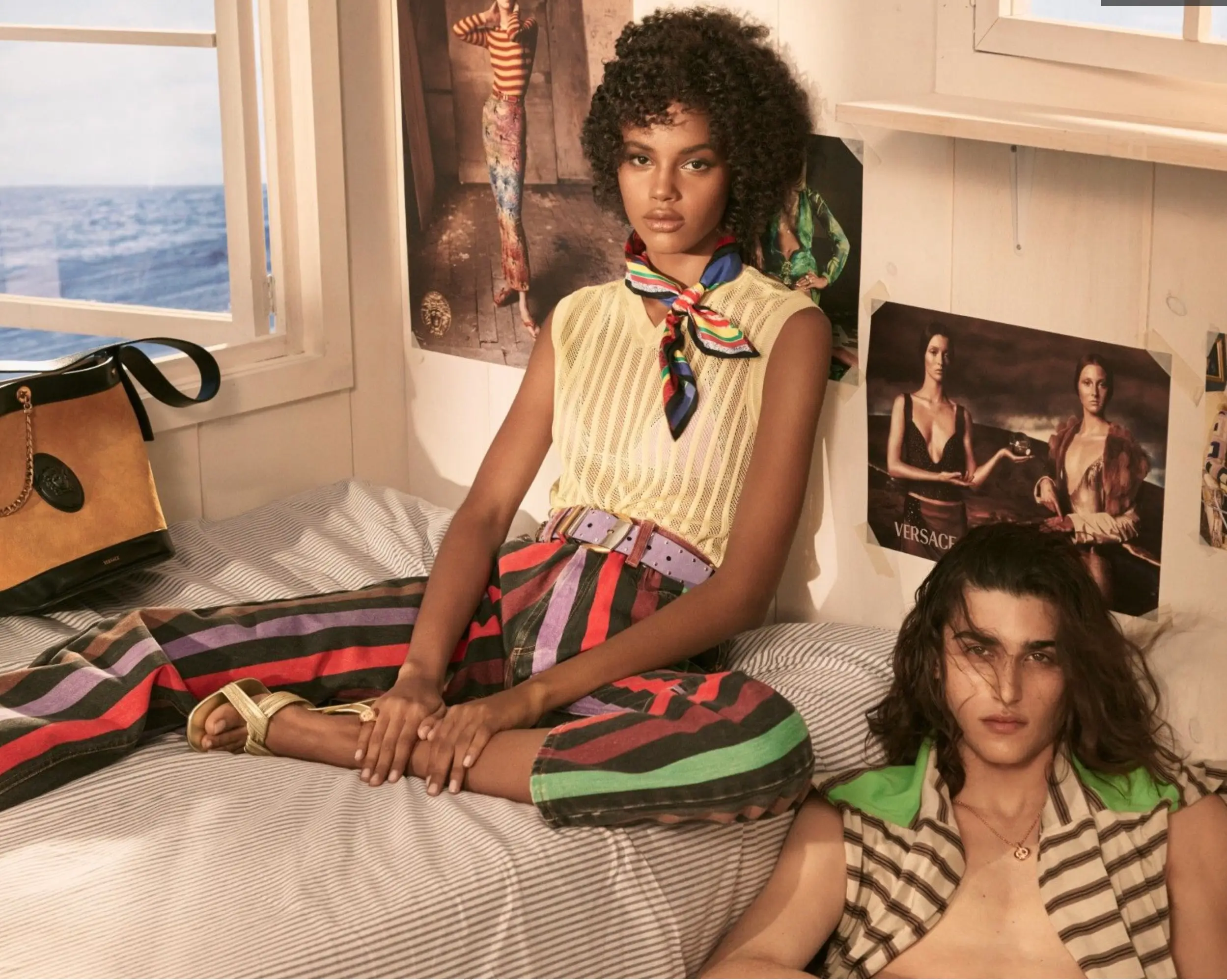
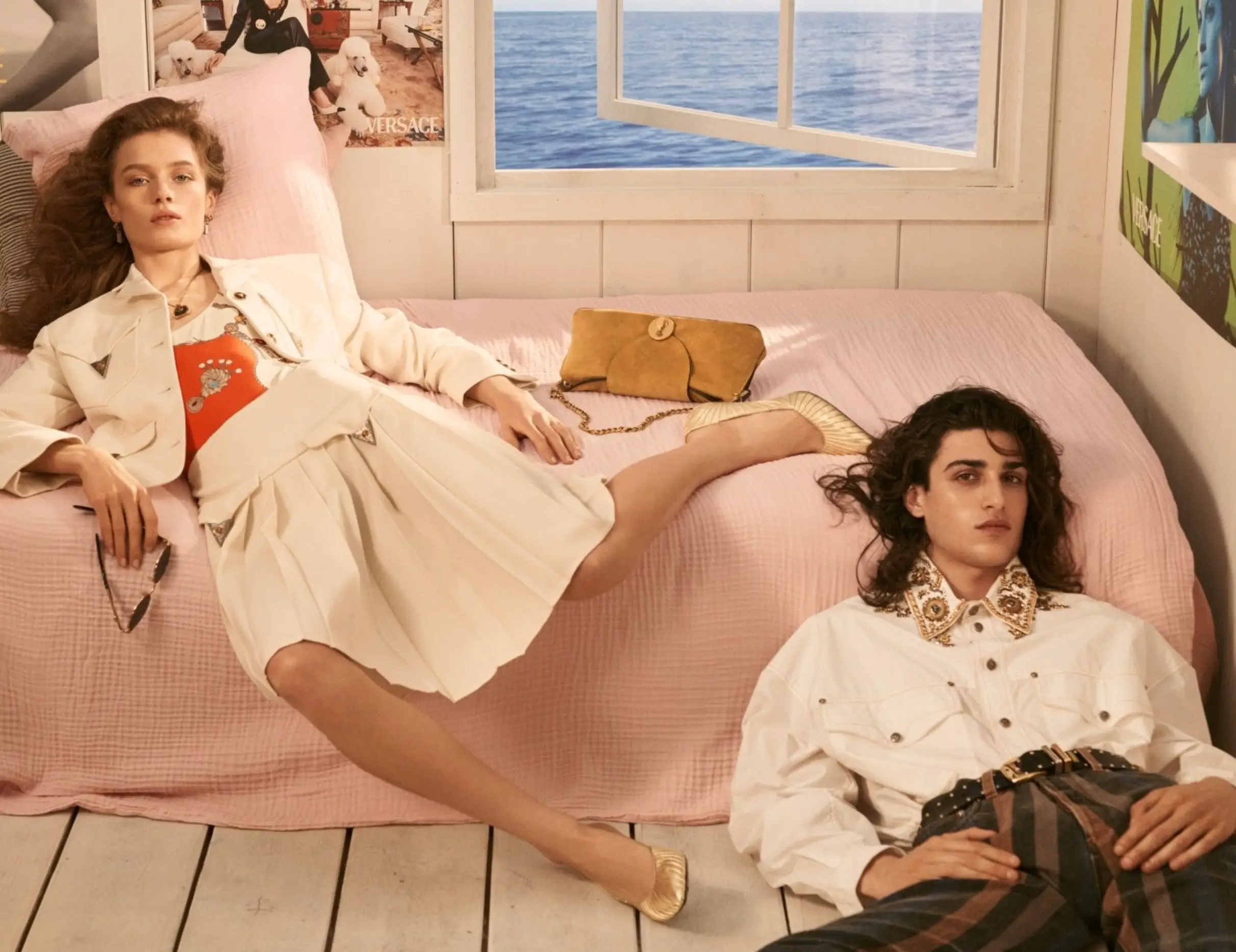
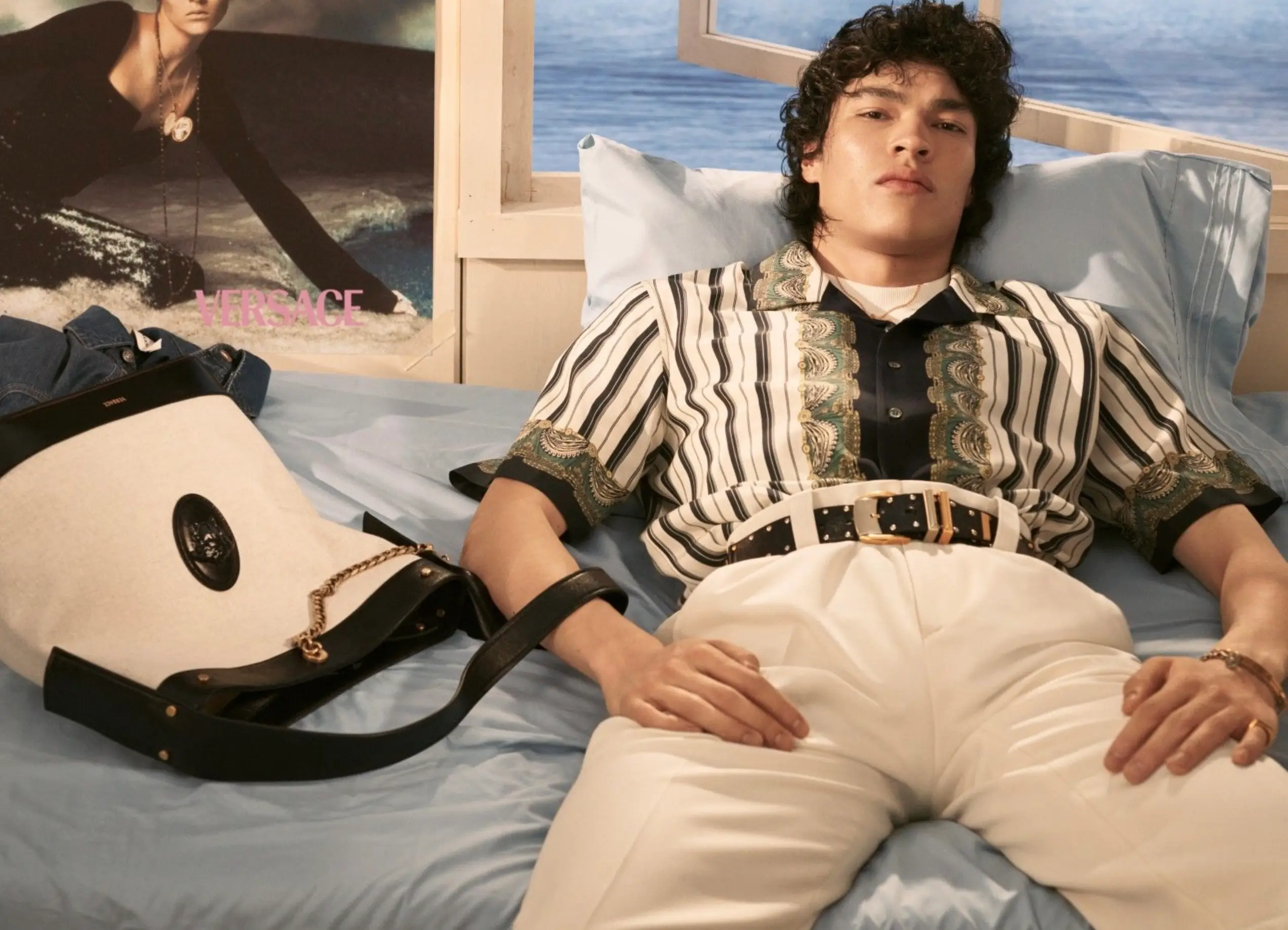
Versace has unveiled its La Vacanza 2026 campaign, boldly titled “Versace Obsessed.” Photographed by the legendary Steven Meisel, this series masterfully crafts a dialogue between past and present. It celebrates the brand’s enduring legacy while honoring the iconic campaigns Meisel himself captured for Versace across decades. The images place models inside a sun-drenched seaside house, where walls are adorned with original tearsheets from Meisel’s Versace work between 1993 and 2004. This setup transforms each frame into a living narrative of heritage, sensuality, and unapologetic desire.
La Vacanza—Italian for “vacation”—serves as Versace’s resort offering, evoking Mediterranean glamour, crystal-clear waters, and effortless haute. For 2026, it transcends mere seasonal promotion. It becomes a meta-exploration of the brand’s view identity and culture impression. Under creative direction from Ferdinando Verderi, with styling by Karl Templer, hair by Guido Palau, makeup by Pat McGrath, and set design by Mary Howard, the campaign feels both intimate and monumental.
View this post on Instagram
stir
The campaign’s core innovation lies in its setting: intimate bedroom vignettes in a coastal villa. New-gen models lounge, pose, and interact amid walls papered with vintage Versace tearsheets. These are not generic backdrops but authentic artifacts—pages torn from magazines featuring Meisel’s earlier masterpieces.
This creates a powerful view recursion. The new images nestle within the old, making the past a tangible presence that envelops the present. Sunlight filters through windows overlooking the sea, contrasting the private, almost voyeuristic interiors with open, aspirational exteriors. Beds become stages for languid sensuality; mirrors reflect layered histories; casual moments of boredom or flirtation humanize the glamour.
Meisel’s photography maintains a warm, lived-in quality. It avoids sterile perfection in favor of tactile realism. Lighting feels natural and golden, evoking long summer days. This approach makes the fantasy accessible yet aspirational—obsession as something you can inhabit rather than merely admire from afar.
cast
The campaign features a fresh collective of talent: Ella McCutcheon, Sabryna Oliveira, Betsy Gaghan, Alvise Candida, and Jackson Roodman. These young models bring contemporary energy and diversity to Versace’s world. They embody a gen inheriting the brand’s codes with casual confidence rather than reverent imitation.
The tearsheets surrounding them feature supermodel royalty from Meisel’s archive. Recognizable faces include:
Gisele Bündchen (SS99)
Amber Valletta and Georgina Grenville (SS00/FW00)
Kristen McMenamy (SS93)
Audrey Marnay and Maggie Rizer (FW98 medieval-inspired shots)
Kashi McKenzie (SS95)
These icons watch over the new cast, creating silent conversations across time. The effect is profoundly meta: new models literally live inside the mythology that shaped them.
This casting choice underscores Versace’s philosophy of continuity. It is not about replacing the past but layering it into the present, allowing heritage to fuel fresh desire.

Madonna for Versace Spring/Summer 1995 Campaign
show
Steven Meisel’s relationship with Versace spans decades, making him the ideal choice for this reflective project. His work for the house in the 1990s and early 2000s helped define an era of bold, provocative glamour. Campaigns from that period—often starring the era’s top supermodels—blended high couture with raw sensuality, celebrity, and culture commentary.
Notable examples include Madonna’s 1995 Versace campaigns (shot at Donald Trump’s Mar-a-Lago), which generated massive buzz. Other series, like the Fall 2000 “Four Days in LA,” were so striking they transitioned from advertising to fine-art exhibitions at galleries like White Cube in London. Meisel’s images captured not just clothes but an attitude: unapologetic confidence, sexual empowerment, and larger-than-life Italian opulence.
By returning to shoot Versace Obsessed and surrounding his new work with his own archival prints, Meisel closes a personal loop. The campaign becomes a self-portrait of sorts—not of the photographer, but of his indelible influence on the brand. His signature style—hyper-contrast, emotional intensity, and cinematic composition—remains intact, updated for a contemporary audience that values authenticity alongside fantasy.
reimagine
The garments in the campaign mirror the theme of dialogue with the past. La Vacanza 2026 reinterprets Versace’s archive through a lens of couture-street fusion. Key elements include:
Structured denim shirting with luxurious finishes
Precious printed silks (echoing signature motifs like Barocco or underwater themes)
Vivid tailoring that blends power-dressing with relaxed resort ease
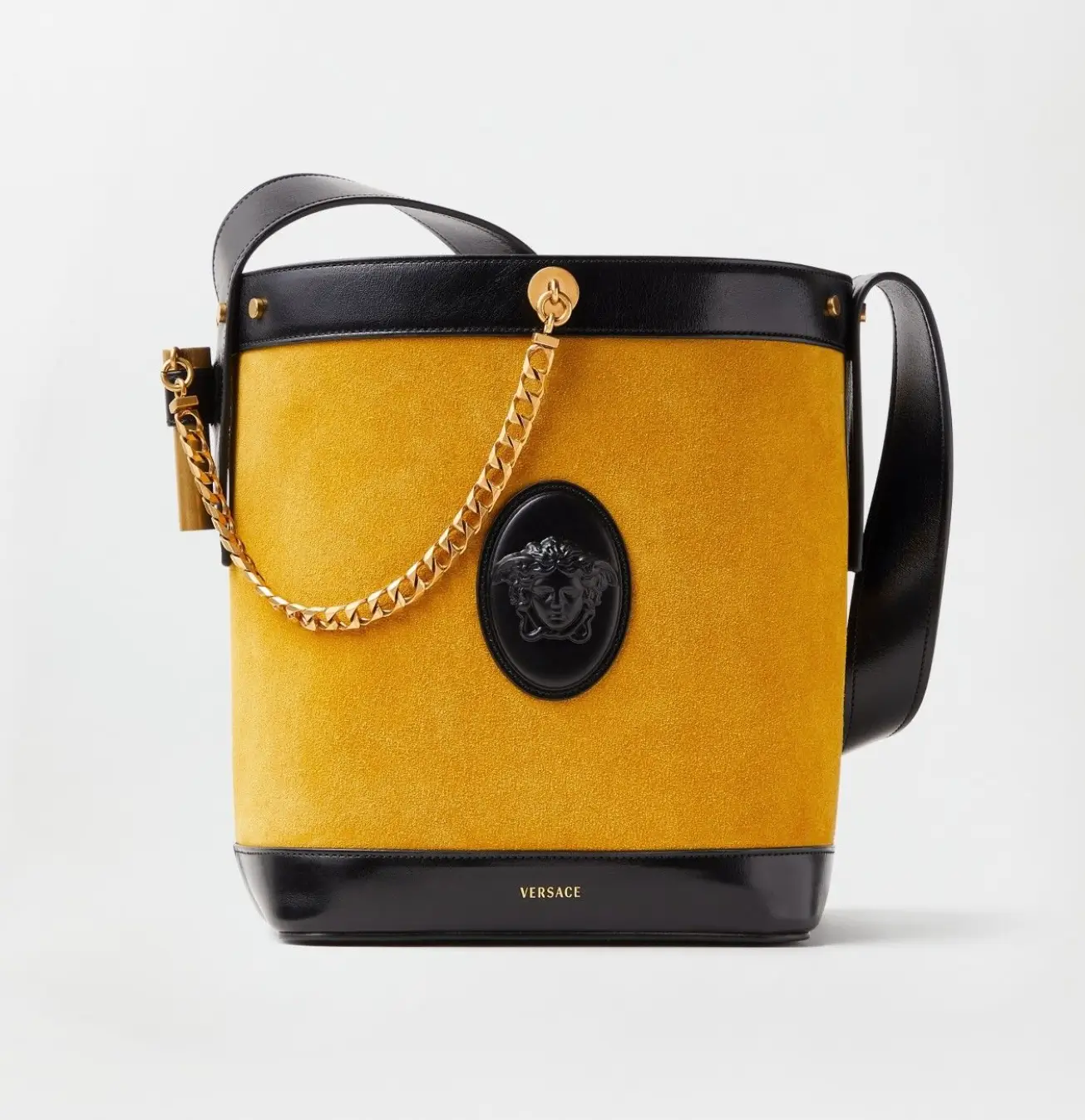
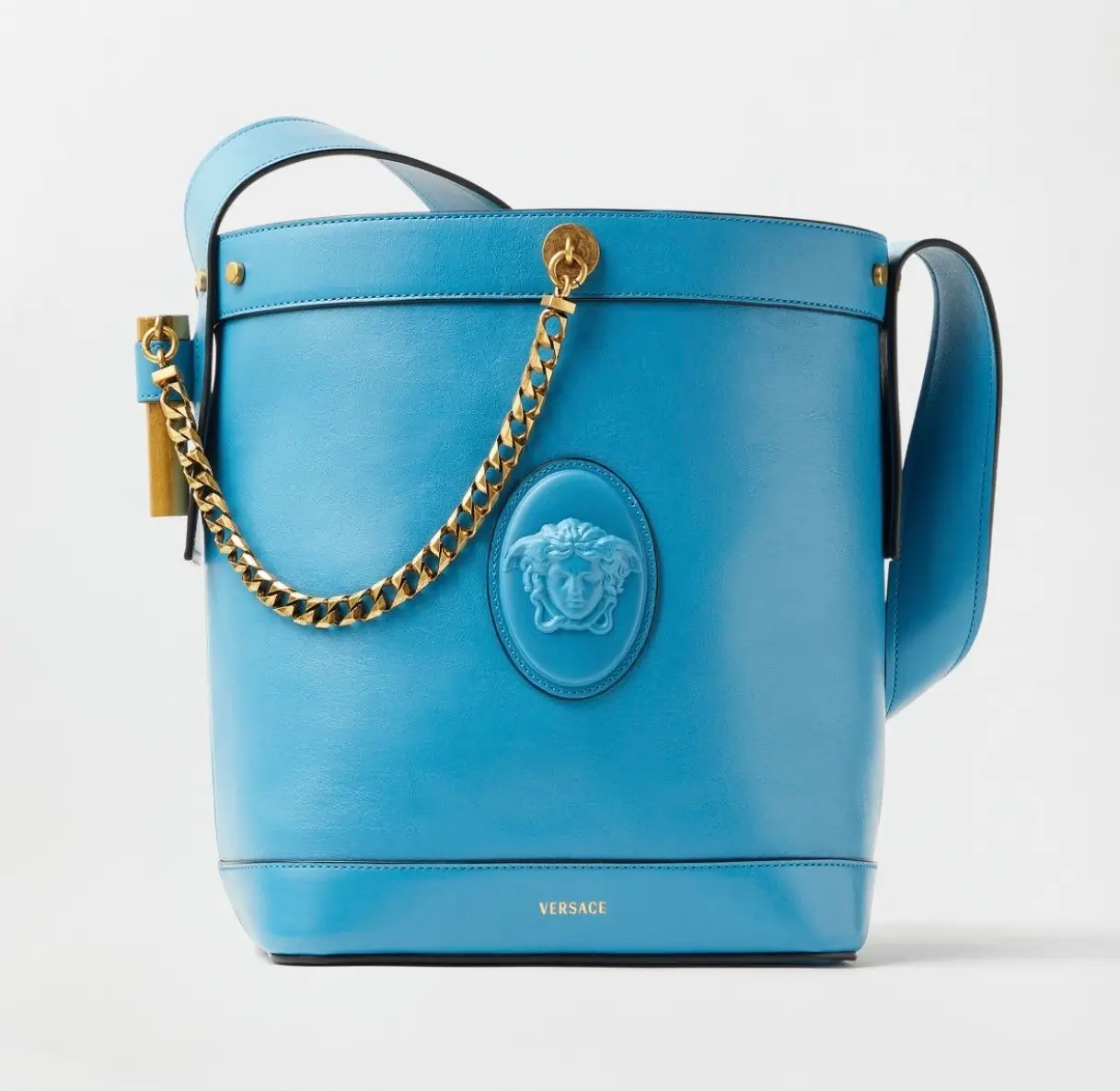
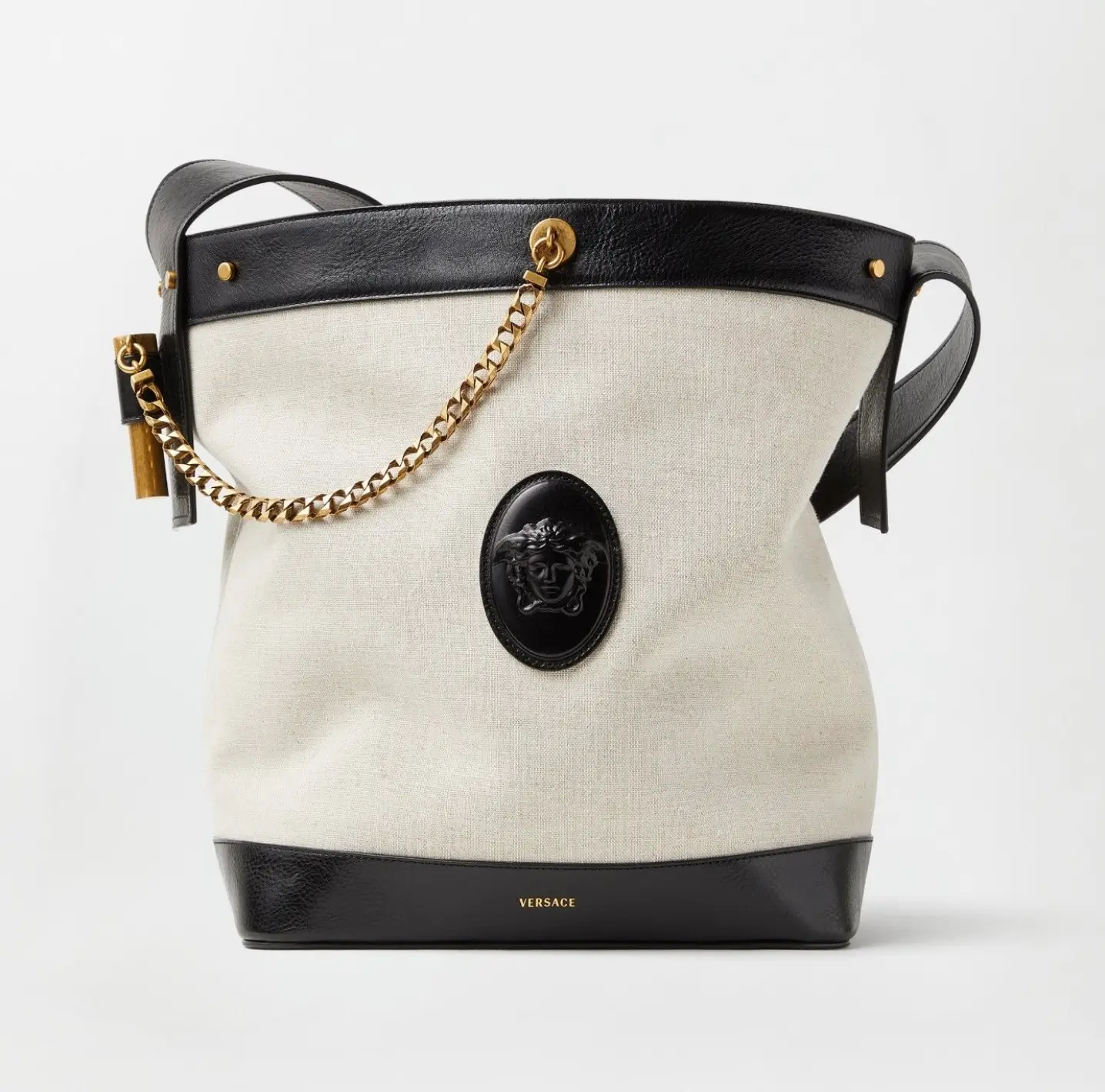
Black leather accents paired with gold hardware—the house’s unmistakable codes of rebellion and richness
These pieces appear on the models with “disarming naturalness,” as if the wearers have inhabited them all summer long. The collection balances opulence with wearability, perfect for seaside escapes yet bold enough for statement entrances. Underwater Barocco prints and safety-pin details nod to Gianni Versace’s foundational irreverence, while modern cuts ensure relevance.
sig
Versace Obsessed arrives at a moment when luxury brands grapple with authenticity, nostalgia, and digital saturation. Many houses mine archives for quick nostalgia plays. Versace does something deeper: it treats its visual history as a living, breathing environment that shapes identity.
In an era of algorithm-driven trends and fleeting virality, the campaign asserts the power of permanence. Those tearsheets represent campaigns that influenced culture—shaping beauty standards, celebrity fashion, and aspirational lifestyles. By papering bedrooms with them, Versace suggests that true obsession is personal and immersive. The new generation doesn’t just wear the clothes; they absorb the mythology.
This meta approach echoes art historical traditions—think paintings within paintings or artists referencing masters. It elevates fashion photography to a form of storytelling that comments on its own medium. Ferdinando Verderi’s creative vision ensures it feels cinematic and emotionally resonant, not merely referential.
consider
There is something universally compelling about a seaside house filled with fashion ephemera. It taps into adolescent fantasies of pinning idols to walls, but elevates it to sophisticated homage. The campaign captures the peculiar intimacy of fashion obsession—the way images can feel like companions, mentors, or objects of desire.
Meisel’s lens finds beauty in the quiet moments: a model gazing at an old tearsheet, sunlight on printed silk, the casual drape of a garment against sun-kissed skin. These details humanize the iconography. Desire here is not distant or unattainable but woven into daily life—vacation as a state of mind where heritage enhances pleasure rather than weighing it down.
Critics note the controlled elegance might temper some of the raw provocation of earlier Versace eras. Yet this restraint feels intentional. It reflects a mature brand confident in its power, no longer needing shock for impact. The obsession is quieter, deeper, and more enduring.
evolve
La Vacanza 2026 fits into Versace’s ongoing narrative under recent creative leadership, including Dario Vitale’s contributions to SS26 campaigns (which also featured Meisel alongside other photographers). The house continues balancing archival reverence with forward momentum—embracing community, sensuality, and uncompromised expression.
This campaign stands out for its singular focus and self-referential depth. It honors Donatella Versace’s era of bold femininity while looking back to Gianni’s foundational flamboyance. The result feels cohesive and celebratory.
trib
Versace Obsessed succeeds as both commercial statement and cultural artifact. It invites viewers to linger in its bedrooms, tracing connections between tearsheets and new images, old supermodels and fresh faces, vintage prints and contemporary cuts.
In doing so, it reaffirms Versace’s core truth: fashion is never just about the clothes. It is about the stories we tell, the desires we inherit, and the images that refuse to fade. Steven Meisel, once again, has captured that essence with precision and poetry.
As the campaign rolls out across digital platforms, print, and retail experiences, it promises to spark its own wave of obsession. New admirers will pin these images to their own walls—digital or physical—continuing the cycle. Past and present remain locked in eternal, seductive conversation.
n
From the DRIFT archive: Eastpak Courts Culture: Inside the Brand’s Global With the NBA
Related Articles
HUF Put The Triple Triangle On Fruit Of The Loom
First collision. Underwear 2P pack. Rib tank 2P pack. ¥4,950 each. Kentucky cotton. Special box. […]