DRIFT AUDIO
Listen to this story
Choose a voice, then press play.
Silk Tech, born on Pharrell Williams’ Paris runway, is now moving through Louis Vuitton’s bags, luggage and ready to wear.
In This Story
- A Fabric That Started as a Runway Footnote
- What Silk Tech Actually Is
- Borrowing From the Sky
- From the Catwalk Into the Trunk Room
- Where the Material Shows Up First
- A Bigger Bet on Technical Materials
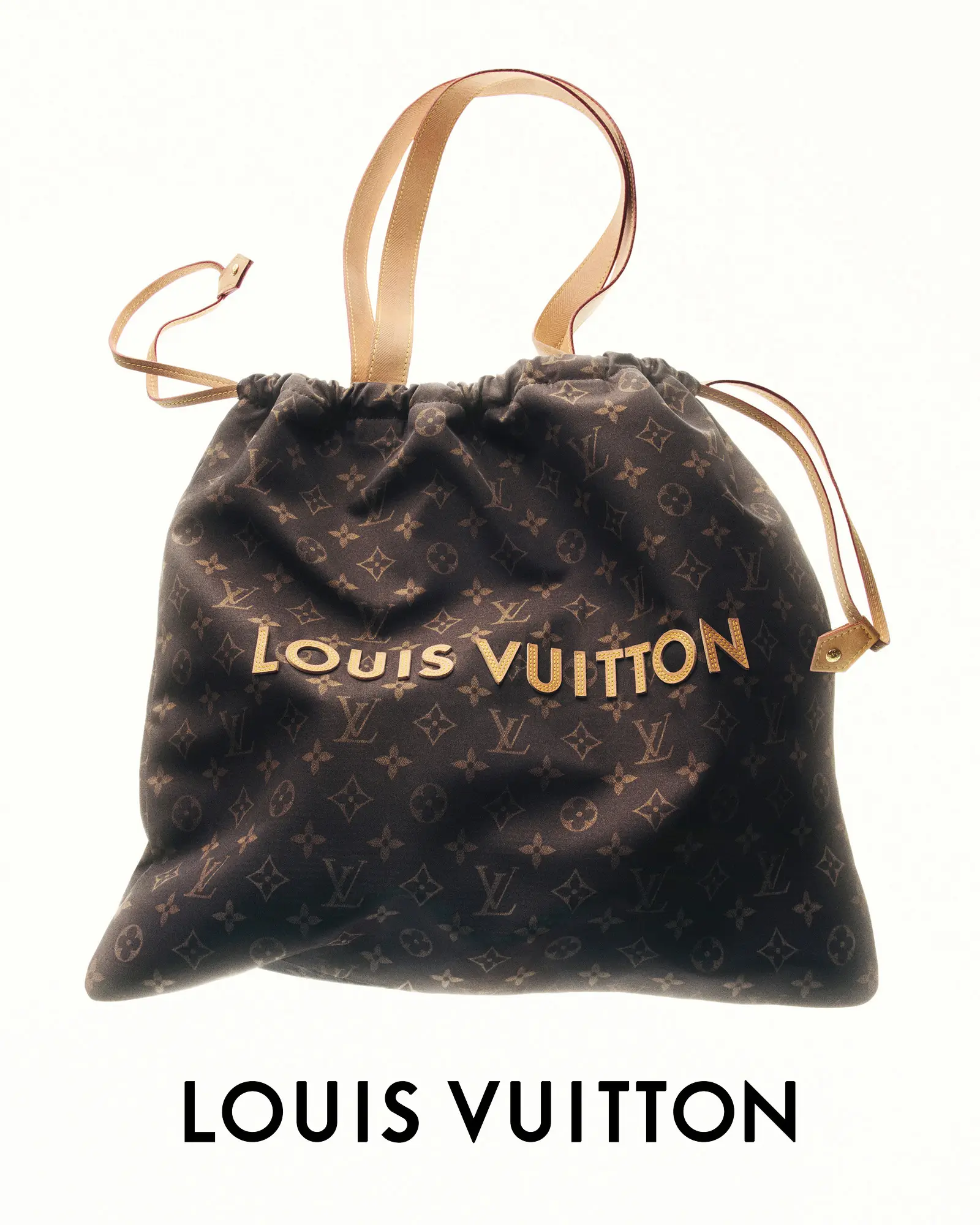
Backstage at the Fall/Winter 2026 menswear show, the samples looked like leather until someone touched them. The hand was cooler, lighter, closer to a shirt than a jacket. That reaction, repeated by editors and buyers moving through the presentation, has followed Silk Tech since Pharrell Williams introduced it on the runway in Paris earlier this year. The material has since moved off the catwalk and into permanent production, appearing across menswear, bags, luggage and accessories at Louis Vuitton stores and online.
The show itself was staged as more than a clothing presentation. Williams built the January runway inside a glass walled structure at Fondation Louis Vuitton, a set piece that doubled as a full furniture collection rather than a simple backdrop, with world premiere music accompanying the walk. That scale of production, part fashion show and part architectural statement, has become a pattern for Williams since he took over the men’s line, and it gave Silk Tech an unusually large stage for what is, at its core, a materials story rather than a silhouette story.
The pace of the fabric’s rollout since that show says something about how the house is treating it. Runway materials often stay runway materials, shown once and folded back into archives or reserved for one off pieces sold to a handful of clients. Silk Tech instead reached full collections within months, a timeline that points to a fabric the house intends to build around rather than simply reference. Buyers who handled the material backstage in January have since seen it arrive on sales floors as part of the regular assortment, not as a limited capsule pulled for a single season and retired.
stir
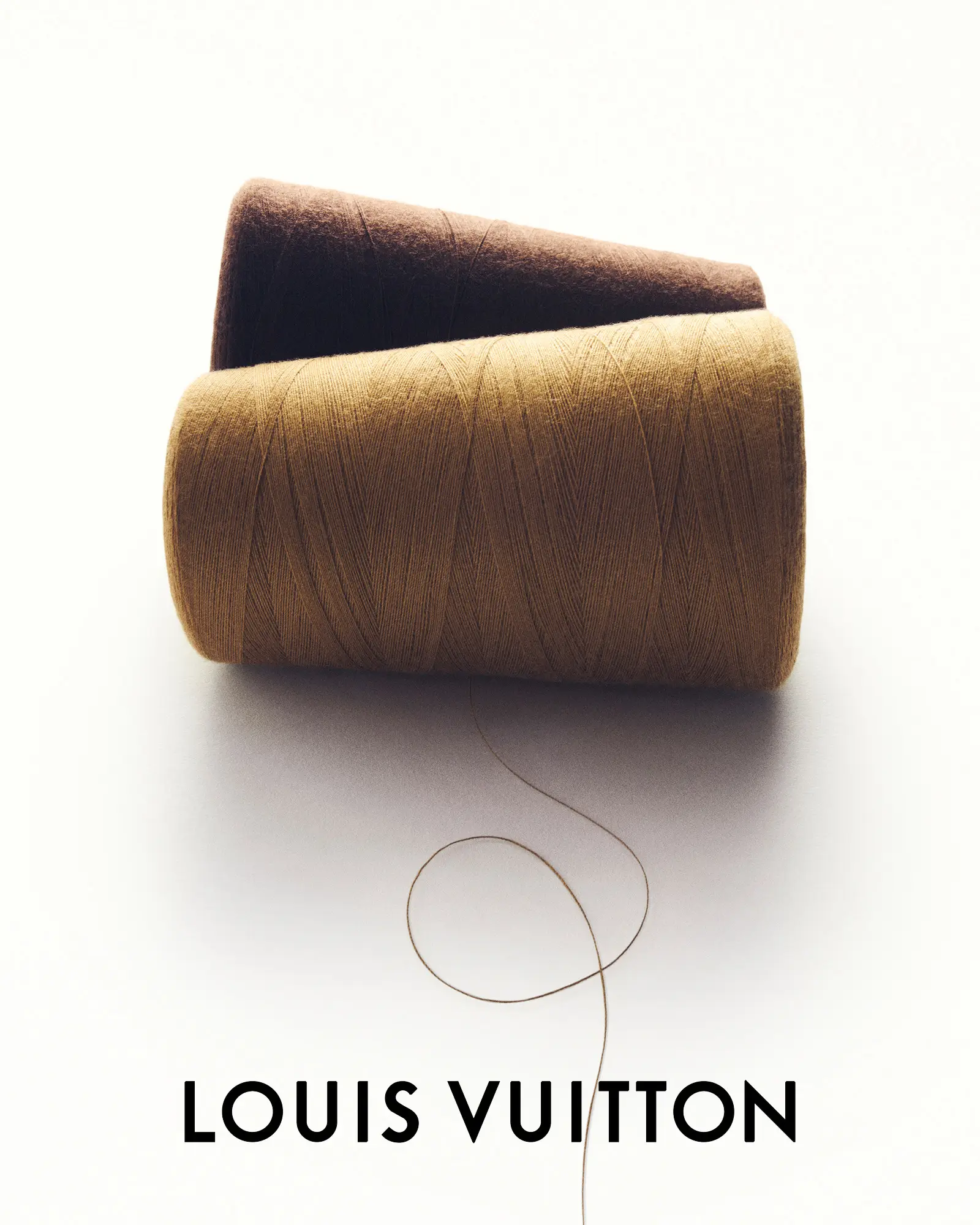
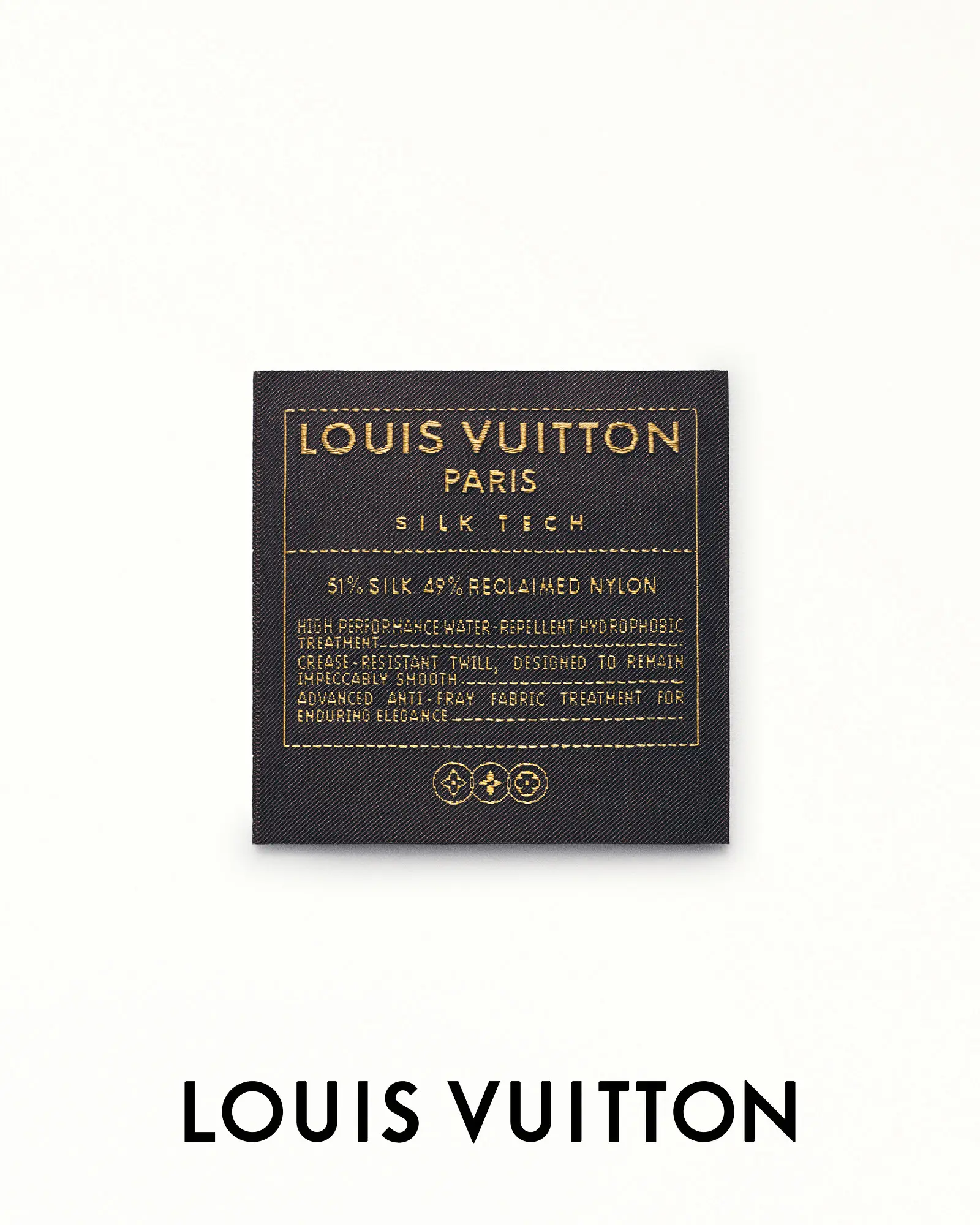
The textile blends silk with reclaimed nylon, a pairing chosen to solve a specific problem. Silk alone drapes beautifully and carries a natural sheen, but it tears easily and holds up poorly against daily wear, particularly on structured pieces like jackets or bag panels. Nylon solves the durability question but can feel synthetic and flat against skin or under light.
View this post on Instagram
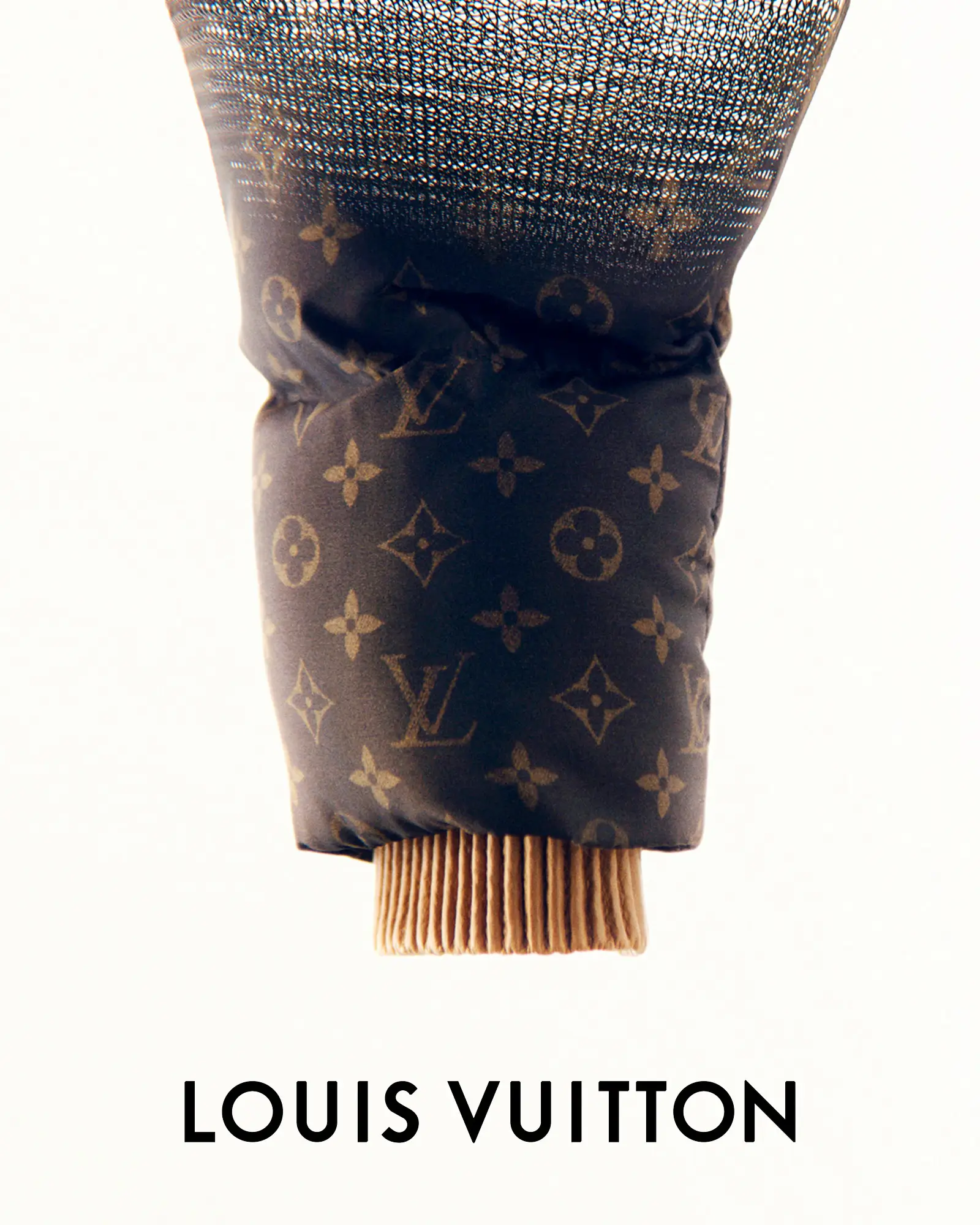
Fused together, the two fibers produce something that behaves less like either parent material. Louis Vuitton’s ateliers engineered the blend to keep silk’s soft surface and light reflective quality while pulling in nylon’s resistance to abrasion and tearing. The result often reads as leather at a glance, a texture illusion that has become one of the more discussed details of the fabric’s early reception. Under closer handling it reveals itself as something considerably lighter, with a give and a sheen leather does not share.
That dual identity, soft like silk, tough like technical nylon, is the entire premise of the name. It is also why the fabric has moved so quickly from runway sample to production line. A textile that performs like outerwear fabric but reads like a luxury textile solves a genuine problem for a house that builds much of its identity around travel goods meant to survive actual travel.
The use of reclaimed nylon rather than virgin fiber also places Silk Tech inside a broader shift already underway across luxury manufacturing, where recycled technical fibers have moved from a sustainability talking point into standard sourcing practice for several major houses over the past few years. Louis Vuitton has not framed Silk Tech primarily as an environmental story, choosing instead to lead with the material’s performance and its aviation lineage, but the reclaimed nylon component ties the fabric into that wider industry pattern regardless of how it is marketed.
Weight has been the detail most frequently raised by people who have handled finished pieces. A jacket or a bag panel built from Silk Tech carries noticeably less heft than the same shape built in full grain leather, a difference that becomes obvious the moment a piece is lifted rather than simply viewed on a hanger or a runway body. For travel goods specifically, where every additional ounce compounds across a filled suitcase, that weight reduction is not a cosmetic detail but a functional one.
flow
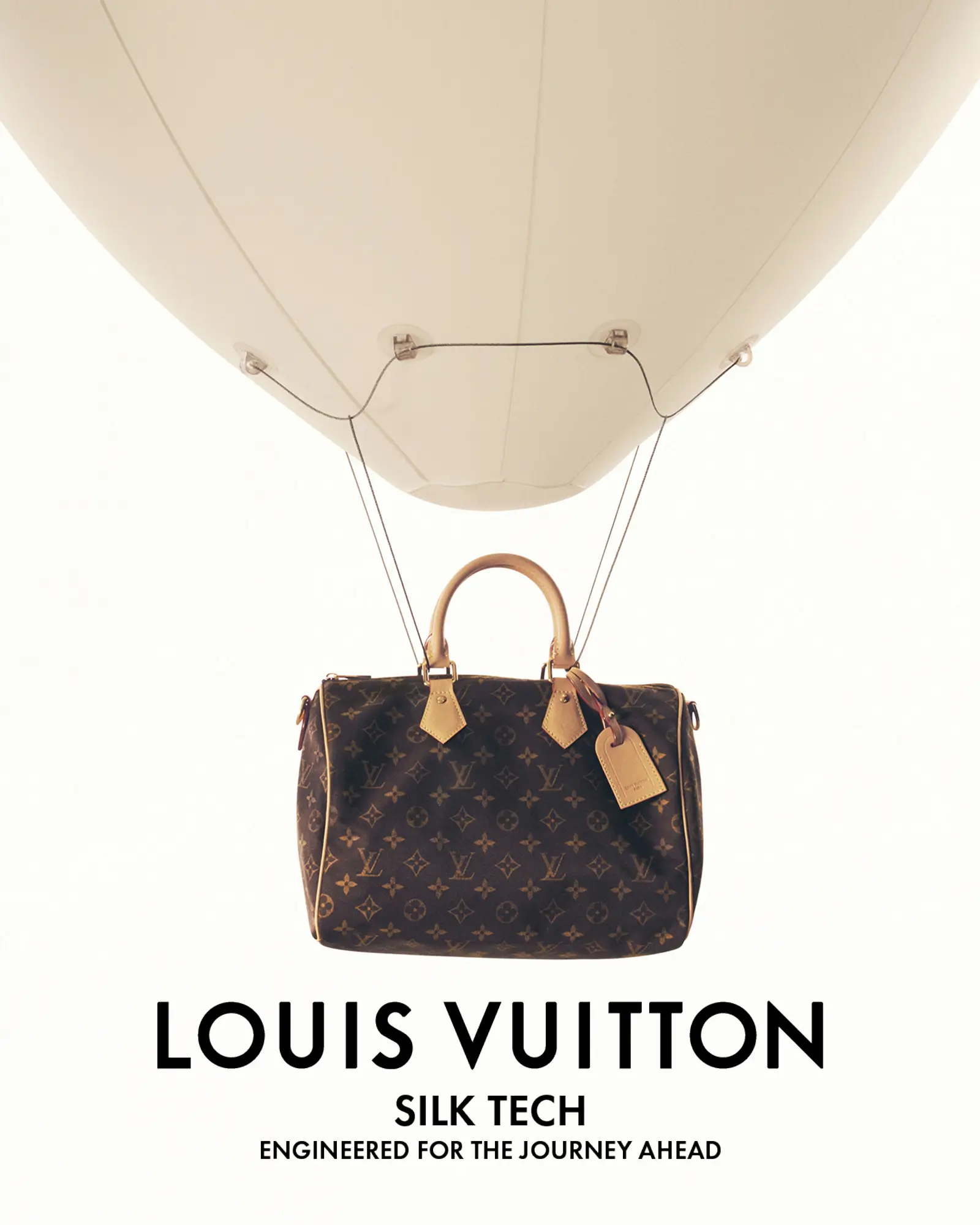
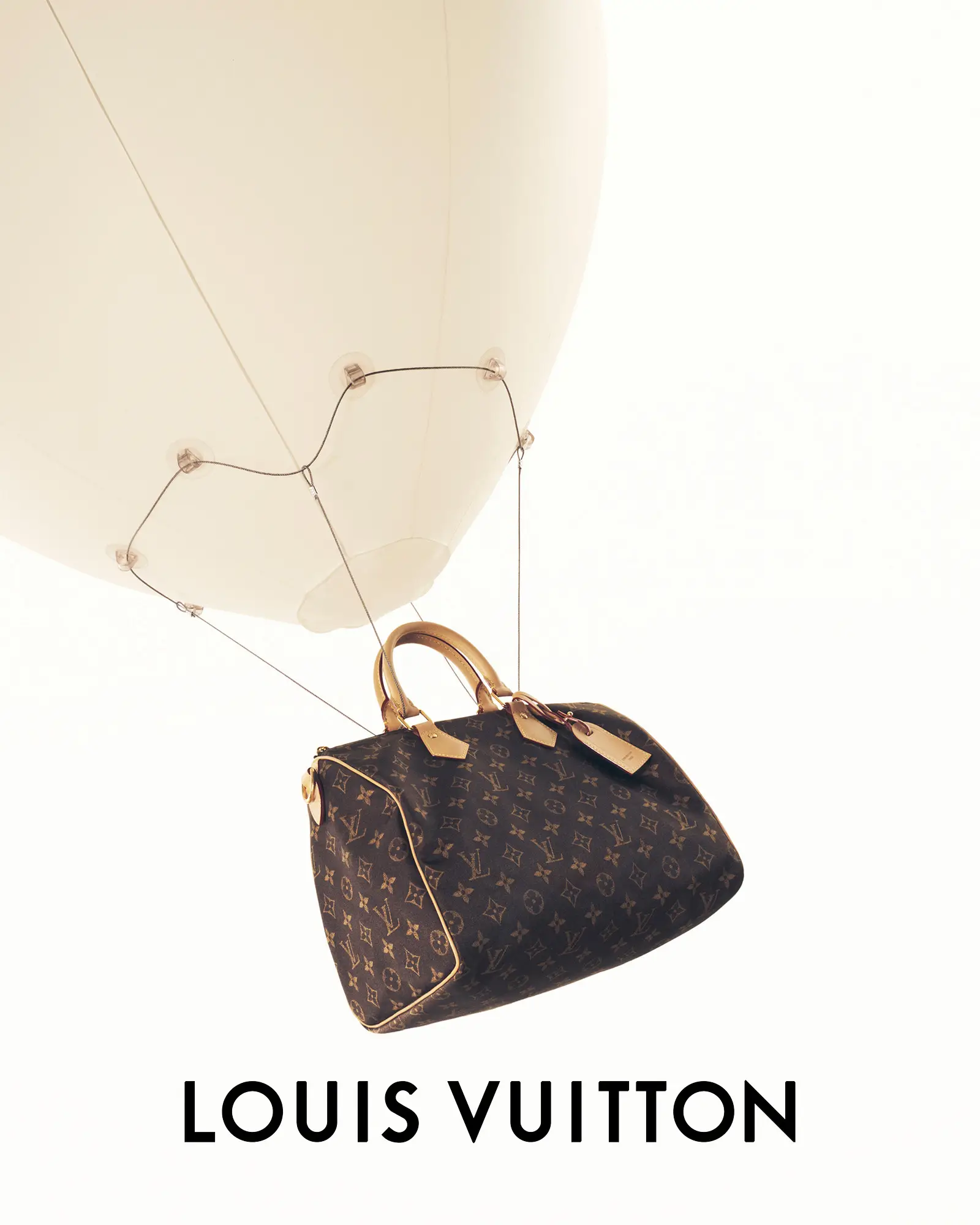
Louis Vuitton has framed Silk Tech’s development as a continuation of an older engineering lineage rather than a standalone invention. The house has pointed specifically to silk parachutes and hot air balloon canopies from the early twentieth century, a period when silk was prized in aviation and early flight for a combination that mattered more than fashion ever did: strength relative to weight.
Parachute silk needed to hold a human body’s full weight while catching air without tearing, all while staying light enough not to add meaningful bulk to an already heavy pack. Balloon canopies faced a similar demand at a larger scale, needing to hold gas and withstand wind shear across enormous surface areas without becoming too heavy to lift. Engineers of that era solved the problem with tight weaves and careful fiber selection rather than modern polymer science, since none of the synthetic options available today existed yet.
Reworking that same lightness and strength trade off through contemporary manufacturing gives Louis Vuitton a origin story with real technical weight behind it, rather than a marketing flourish attached after the fact. The house’s travel heritage, built on trunks designed for early twentieth century rail and ship journeys, gives that aviation reference an obvious internal logic. A brand that made its name engineering trunks for people in motion now has a fabric with a documented history in materials built for actual flight.
Louis Vuitton’s own trunk making history sits comfortably next to that aviation reference. The house’s flat topped trunks, designed in the late nineteenth century to stack efficiently on ships and trains, were themselves a materials and engineering response to the transportation problems of their era, built to survive handling that would destroy the rounded top trunks common before them. Reaching back to silk parachutes and balloon canopies for Silk Tech extends that same instinct, solving a modern comfort and durability problem by returning to an older solution built under genuine physical constraints rather than starting from a blank materials brief.
There is also a quieter irony in the reference. Parachute silk and balloon canopies were built to be disposable in the sense that mattered most to their original users, meant to work once under extreme conditions rather than to last for years of repeated handling. Louis Vuitton’s version inverts that expectation entirely, asking the same lightweight fiber logic to hold up under the exact opposite demand: years of zippers, buckles, airport carousels and the daily friction that separates a runway sample from a bag someone actually carries to work.
transition
Runway to retail timelines vary enormously across the industry, and Louis Vuitton has generally treated its own experimental materials with some caution before committing them fully to commercial lines. Silk Tech has moved faster. Within a relatively short window following the Fall/Winter 2026 show, the fabric began appearing across ready to wear pieces sold through the house’s stores, alongside longstanding leather goods and travel silhouettes that carry decades of brand history behind them.
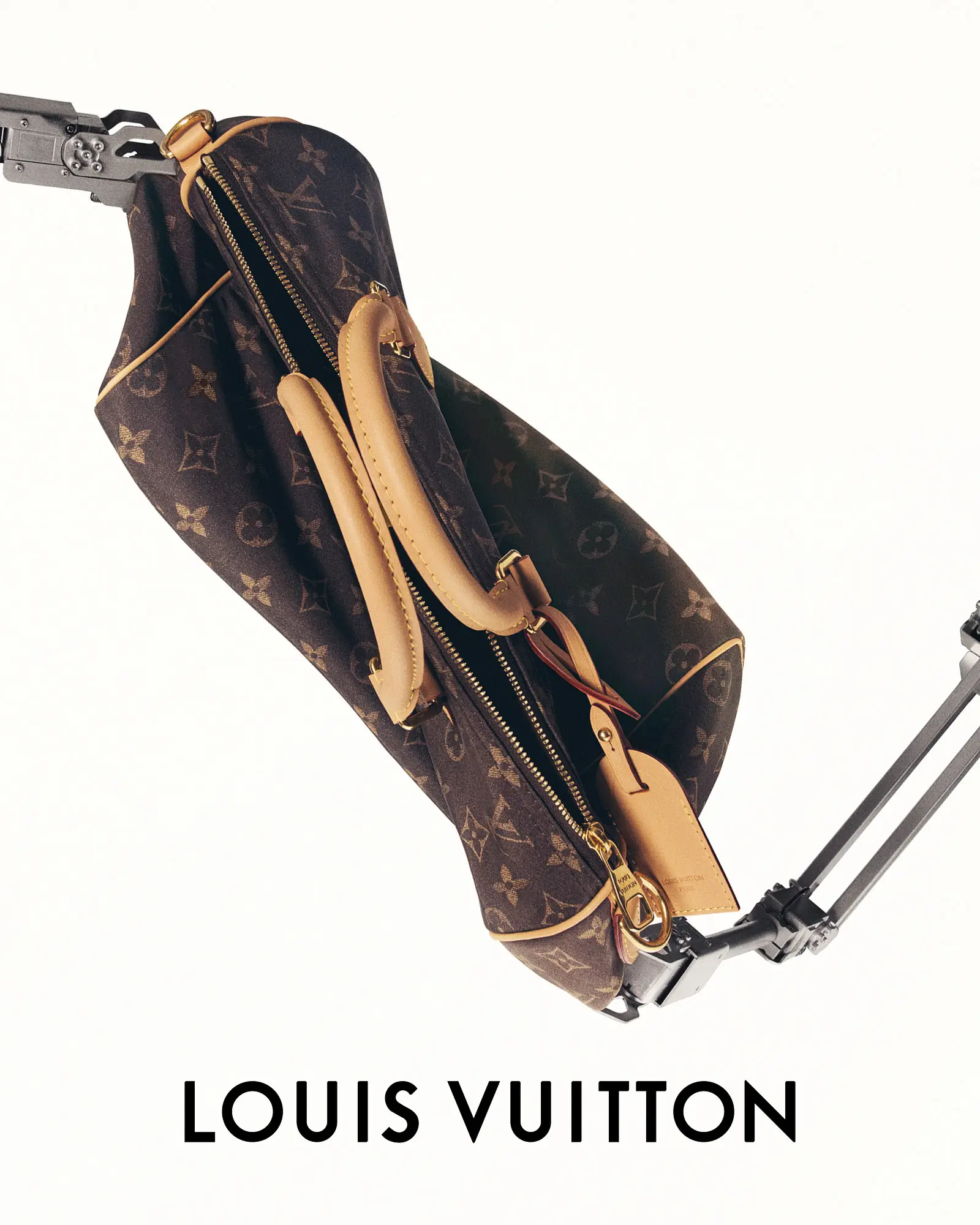
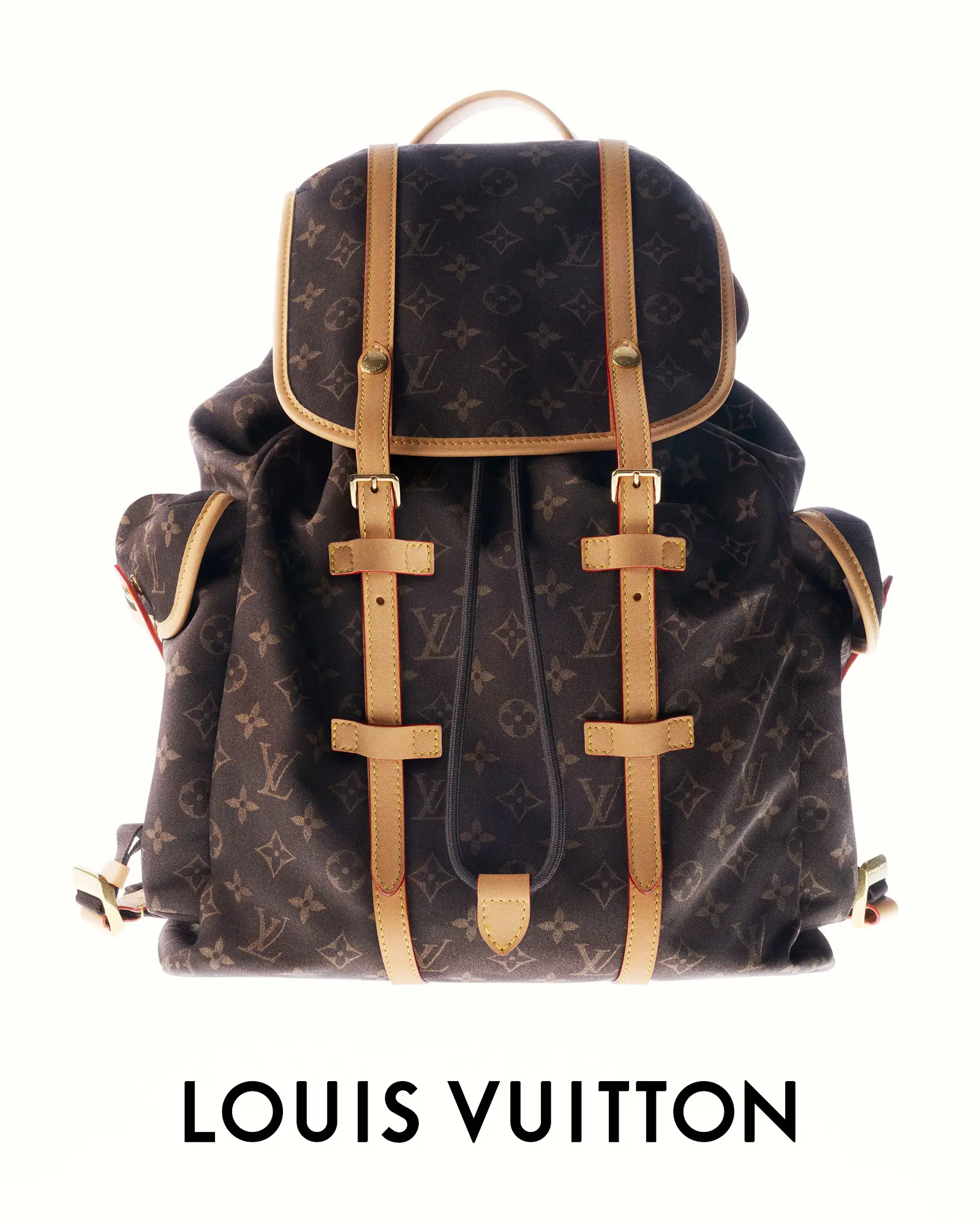
That combination, a brand new textile sitting next to some of the house’s oldest and most recognizable shapes, is itself notable. Pieces like the Speedy, the Keepall and the Christopher have carried the same core silhouettes for generations, updated through leather treatments, hardware and monogram variations far more often than through fundamental material swaps. Introducing Silk Tech onto these forms rather than confining it to new, unproven shapes suggests confidence in the fabric’s durability under the same stresses the house’s classic leather has weathered for decades: zipper pulls, handle grips, the friction of being packed and unpacked repeatedly.
The Speedy in particular has functioned almost as a proving ground for Louis Vuitton materials across its history, having been reworked in countless leather treatments, canvas variations and limited collaborations since it was first introduced as a smaller version of the house’s Keepall in the mid twentieth century. Placing Silk Tech onto that shape puts the new fabric next to one of the most photographed and most handled bags the house produces, a form carried daily by people well outside the fashion industry rather than reserved for occasional evening use.
The Keepall carries a different kind of pressure, built specifically as a soft sided travel bag meant to be packed full, compressed into overhead bins and pulled through airports rather than displayed on a shoulder for a few hours. A technical fabric introduced onto the Keepall is being tested against exactly the kind of repeated physical stress Silk Tech’s aviation origin story references, which makes the choice to include it among the fabric’s first commercial applications feel less like a marketing pairing and more like a genuine trial.
View this post on Instagram
scope
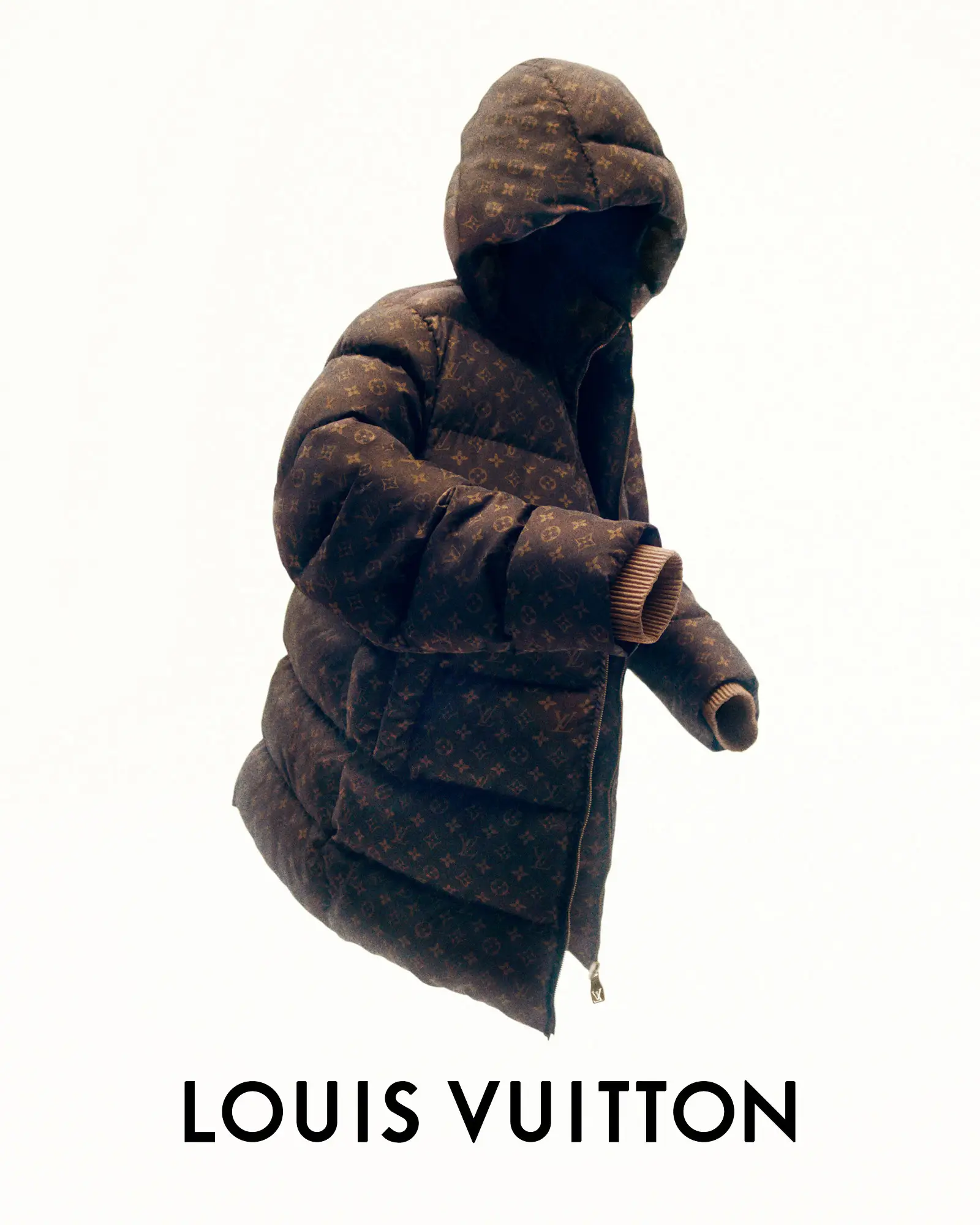
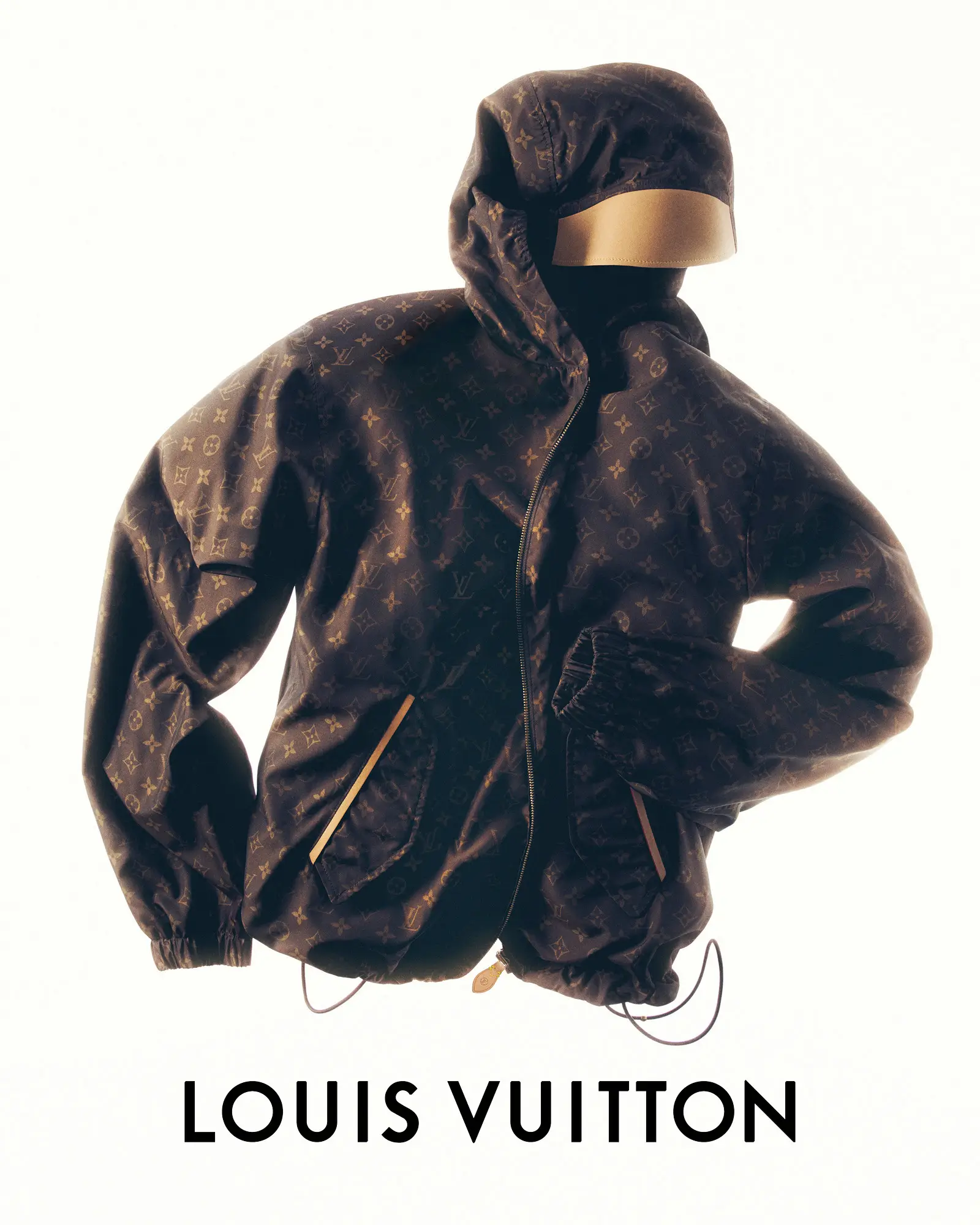
Menswear has been the primary point of entry, consistent with the fabric’s runway debut under Pharrell Williams, the house’s men’s creative director since 2023. Jackets and outerwear pieces built from Silk Tech carry the visual weight of leather without the actual density, a contrast that has shown up repeatedly in early coverage and retail imagery of the collection.
The material’s reach into bags and luggage marks a more significant commitment, since travel goods sit at the historical center of the Louis Vuitton identity in a way ready to wear does not. The house built its reputation on trunks before it built a reputation on tailoring, and any new material entering that category carries more institutional weight than a jacket fabric alone would. Accessories rounding out the launch, including smaller leather goods and carry pieces, extend Silk Tech’s presence across price points and product categories rather than confining it to flagship runway pieces alone.
Retail staff handling early stock have noted that customers frequently ask whether a given piece is leather before being told otherwise, a question that speaks directly to the fabric’s central trick. That confusion, brief as it usually is, has become part of how the material sells itself on the floor, since the reveal that a jacket or bag panel is actually a silk and nylon blend tends to prompt a second, closer look rather than disappointment. For a house built partly on the visual language of leather goods, a fabric that can pass for leather at first glance while offering a genuinely different wearing experience gives sales staff an easy story to tell without needing to lean on the aviation history at all.
Pricing across the initial rollout has tracked close to the house’s existing leather offerings in comparable categories, rather than being positioned as either a premium or a budget alternative, according to early retail listings. That positioning matters for how the fabric is read internally. A technical material priced meaningfully below leather often signals a cost saving substitute, while one priced meaningfully above suggests a novelty markup. Sitting close to existing price points instead frames Silk Tech as a lateral option within the same tier, a material customers might choose for its weight and feel rather than for either economy or exclusivity.
fin
Positioning Silk Tech across permanent collections rather than treating it as a seasonal novelty places technical material development closer to the center of how Louis Vuitton is defining its menswear direction under Pharrell Williams. Since taking over the men’s line, Williams has repeatedly folded references to craft, travel and functional design into collections that also carry heavy cultural and musical signaling, and Silk Tech fits that pattern as a material that rewards both a surface glance and a closer, more technical look.
Louis Vuitton is not alone among major houses leaning into technical and recycled materials as a design language rather than a side note. Several competitors have built entire sub lines around recycled nylon and performance textiles over the past several years, treating technical fabric development as core creative territory rather than an engineering afterthought handled quietly behind the scenes. Silk Tech places Louis Vuitton inside that same conversation, though the house’s framing, built around a specific historical reference to parachutes and balloons rather than a general sustainability pitch, sets it apart from how most of those other material launches have been positioned to the public.
From the DRIFT archive: Stone Island’s Thermosensitive Ice Jacket Returns for Fall/Winter 2025–26 · DAVID CATALÁN Fall/Winter 2025 Campaign — Industrial Warmth, Urban, And The New Iberian Silhouette
Related Articles
Ten Bags Sitting In The Same Week As The Shows
Pearl egg. Fringe mini. Kelly Doll. Holdall. Pigeon. Speedy. Alex tote. Aluminum case. Cassandre pouch. […]