DRIFT

The Magliano Spring/Summer 2025 campaign, titled Calcinculo, is a striking example of contemporary fashion’s engagement with historicism, subcultural aesthetics, and an evolving sartorial ethos. Shot by Joshua Gordon, the campaign operates within a carefully curated, surrealist atmosphere, utilizing the visual language of nostalgia and disorientation to present the brand’s latest collection. At its core, Calcinculo is an artistic meditation on memory, cultural identity, and the blurred lines between past and present. Through the lens of historicism, prevailing fashion trends, and the broader ethos shaping Magliano’s vision, this campaign emerges as a significant statement in modern fashion.

Historicism in Calcinculo

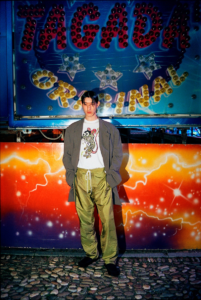
Historicism—the act of looking to the past to contextualize and reinterpret the present—is deeply embedded in Calcinculo. The campaign’s focal point, the Tagada ride, serves as a historical artifact of Italian teenage subcultures, particularly of the early 2000s. A staple of amusement parks and traveling fairs, the Tagada was not merely an attraction but a rite of passage for youth in Italy. Unlike conventional fairground rides, which operate on fixed tracks or mechanical precision, the Tagada’s motion is chaotic and unpredictable, controlled by the ride operator rather than the laws of physics alone. Its erratic, centrifugal force demands an active, almost performative engagement from its riders, who must attempt to balance themselves amid the spinning, jostling momentum.

Magliano’s decision to center the campaign around this culturally specific reference is a strategic act of historicism. The Tagada functions as more than a nostalgic prop; it is an emblem of a bygone era, one that today’s audience—particularly millennials and older Gen Z consumers—remembers with a mix of fondness and longing. By recontextualizing this relic within the world of high fashion, Magliano taps into the cyclical nature of style and the way subcultures of the past inform contemporary aesthetics.

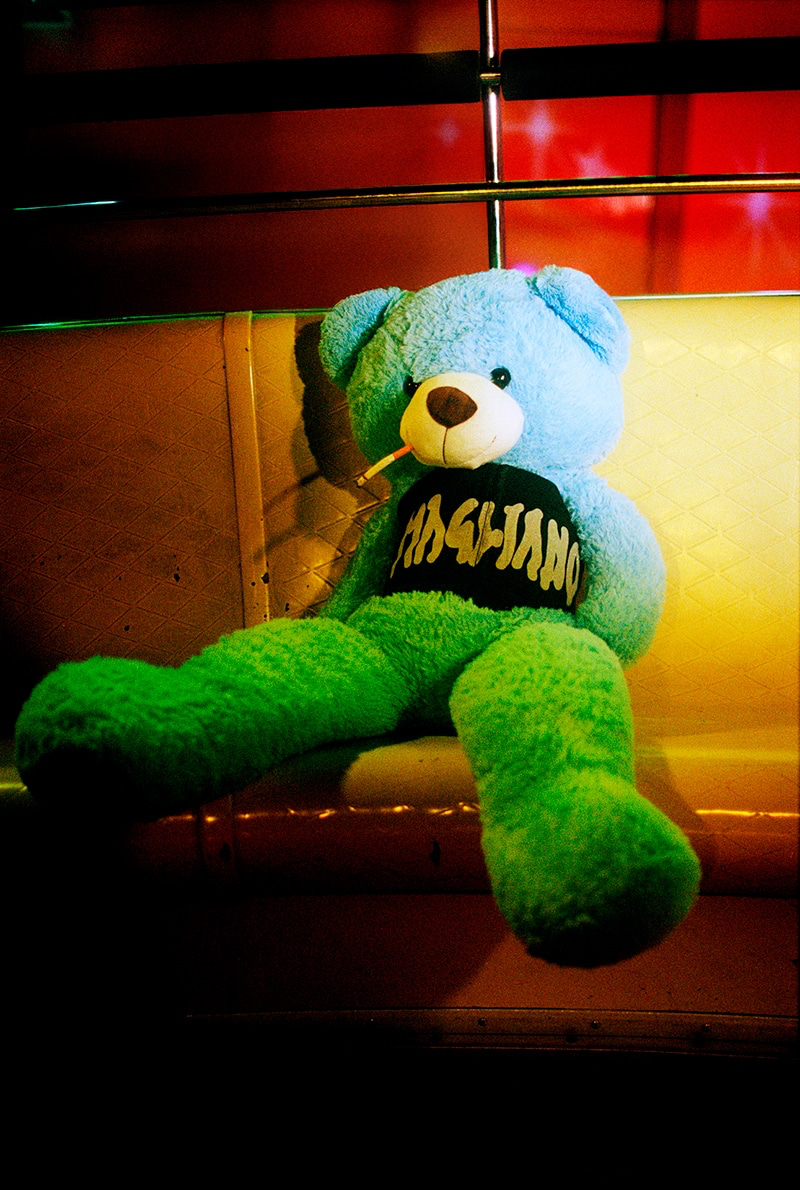
Furthermore, the visual aesthetics of the campaign draw from historical references that extend beyond the early 2000s. The smoky, dreamlike atmosphere is reminiscent of the Italian neorealist film tradition, which often depicted working-class life with a raw, almost poetic sensibility. The use of haze and obscured lighting recalls the gritty, analog textures of 1990s and early 2000s photography, a deliberate contrast to the hyper-digital, high-definition aesthetics that dominate modern fashion campaigns. In this sense, Magliano’s campaign is as much an homage to a specific moment in time as it is a reinterpretation of broader historical aesthetics.

Prevailing Trends: Nostalgia, Subcultural Aesthetics, and the Anti-Polish Movement

The Calcinculo campaign is deeply aligned with prevailing trends in contemporary fashion, particularly the industry’s increasing reliance on nostalgia-driven aesthetics and subcultural references. Over the past decade, fashion has been characterized by a longing for the past, a trend that has only intensified in the post-pandemic era. Brands across the spectrum—from luxury houses like Gucci and Balenciaga to independent labels like ERL and Martine Rose—have embraced archival aesthetics, reviving silhouettes, materials, and motifs that evoke specific cultural epochs.

One of the key elements of Magliano’s campaign is its unapologetically unpolished aesthetic. This aligns with the broader anti-polish movement in fashion photography, which resists the hyper-glossy, heavily curated imagery of traditional luxury advertising. In contrast to the clean, high-resolution digital perfectionism of brands like Louis Vuitton or Dior, Magliano embraces a raw, almost lo-fi sensibility. This is particularly evident in the way Joshua Gordon captures motion—models appear blurred, as though caught mid-spin, reinforcing the visceral, dizzying effect of the Tagada.

This aesthetic choice is not merely stylistic but ideological. It reflects a growing disillusionment with overproduced luxury imagery and a return to the DIY ethos of underground fashion. Brands like Magliano, along with contemporaries such as Kiko Kostadinov, Y/Project, and Aries, are leading a shift toward authenticity and imperfection. The deliberate embrace of a chaotic, almost amateurish aesthetic challenges conventional ideas of what constitutes “luxury” and instead aligns with a grunge-inspired, countercultural approach to fashion imagery.

Another prevailing trend that Magliano taps into is the reclamation of subcultural nostalgia. The early 2000s, a defining era for European youth subcultures, have seen a massive resurgence in contemporary fashion. The Tagada, as a symbol of this era, holds a similar cultural weight to the Y2K aesthetics that have dominated fashion in recent seasons. While brands like Blumarine and Miu Miu have explored Y2K through a hyper-feminine, almost kitsch lens, Magliano takes a darker, more introspective approach, aligning itself with the gritty, unfiltered side of 2000s youth culture—one marked by dingy nightclubs, cigarette smoke, and the uninhibited chaos of adolescence.

The Ethos of Magliano: Rebellion, Melancholy, and Subversion

Beyond its historical and trend-conscious elements, Calcinculo is a manifestation of Magliano’s core ethos—one that is defined by rebellion, melancholy, and subversion. Since its inception, Magliano has positioned itself as an outsider brand, rejecting the traditional paradigms of Italian luxury fashion in favor of something rawer, queerer, and more experimental. While Italian fashion is often synonymous with sharp tailoring, opulence, and refinement, Magliano subverts these conventions by embracing distressed textures, oversized silhouettes, and a sense of beautiful imperfection.

The Tagada, as a metaphor, fits seamlessly into this ethos. Much like Magliano’s designs, the ride itself exists in a space between chaos and control, spontaneity and structure. The campaign’s models, caught mid-motion, appear vulnerable yet defiant, embodying the brand’s commitment to nonconformity and androgynous fluidity. Their clothing—draped, oversized, and layered with seemingly effortless disarray—reinforces the idea that style is not about precision but about attitude.

Another defining characteristic of Magliano’s ethos is its melancholic romanticism. While many fashion brands engage with nostalgia in a way that feels celebratory, Magliano’s approach is tinged with a sense of longing and existential weight. The heavy, smoke-filled air in Calcinculo is not just an aesthetic choice; it is an emotional one. It suggests a world caught between past and present, where memories are hazy and ephemeral. This aligns with Magliano’s broader narrative, which often explores themes of queerness, outsider identity, and a rejection of societal norms.

Conclusion: Calcinculo as a Cultural Artifact

Magliano’s Calcinculo campaign is more than a collection of striking visuals—it is a cultural artifact, a meditation on the relationship between history, fashion, and identity. By centering the Tagada as its focal point, the campaign reclaims a symbol of Italian youth culture, reframing it within the context of contemporary high fashion. In doing so, it taps into the prevailing trends of nostalgia, anti-polish aesthetics, and subcultural revival, all while staying true to Magliano’s distinct ethos of rebellion, melancholy, and subversion.

In an era where fashion is increasingly defined by its ability to remix and reinterpret the past, Calcinculo stands out as a campaign that does so with depth, emotion, and a clear cultural perspective. It is a reminder that fashion is not just about clothing—it is about memory, movement, and the fleeting, chaotic beauty of youth.

Related Articles
Modern data center facility with a solar-panel-clad exterior, bright green administrative offices, and secure perimeter fencing, showcasing sustainable digital infrastructure and renewable energy integration

Lombardy’s Data Center Boom: Balancing Digital Ambition with Environmental Responsible

Lombardy has emerged as Italy’s primary hub for new digital infrastructures, particularly data centers—vast complexes […]

In a highly anticipated reunion after 24 years, Adidas Originals and Coca-Cola have joined forces once again to celebrate the FIFA World Cup 2026™. The collaboration revives their iconic 2002 partnership from the Japan-South Korea tournament, now reimagined for the biggest global sporting event of 2026, co-hosted by the United States, Canada, and Mexico. Set to launch on June 6, 2026, this collection masterfully blends Adidas' streetwear heritage with Coca-Cola's timeless branding, creating a vibrant fusion of football culture, nostalgia, and modern style. The drop arrives at a perfect moment. With the World Cup kicking off on June 11, 2026, fans worldwide are gearing up for a summer of football excitement. This collaboration isn't just merch—it's a cultural statement that merges two legendary brands under the banner of "Originals are the Real Thing," a clever twist on Coca-Cola's famous slogan. Historical Context: A Reunion 24 Years in the Making Adidas and Coca-Cola first collaborated during the 2002 FIFA World Cup, producing limited-edition pieces that captured the era's energy. That partnership helped define early 2000s football-streetwear crossover culture. Fast-forward to 2026, and the brands are back with fresh energy, leveraging Adidas' deep FIFA ties (as an official partner) and Coca-Cola's long-standing sponsorship of the tournament. The 2026 edition promises to be historic as the first 48-team World Cup, spanning three countries and generating unprecedented global hype. This collab taps into that momentum, offering fans wearable pieces that celebrate both brands' legacies while looking forward to the future of football fashion. Collection Overview and Design Philosophy The Adidas Originals x Coca-Cola collection fuses 2000s street style with classic sporting aesthetics. Expect bold reds, creams, whites, and silver accents inspired by Coca-Cola's iconic packaging—think classic script logos, droplet detailing, and can-inspired motifs. The lineup spans footwear, apparel, and accessories, divided into two visual directions: one logo-heavy and graphic-forward, the other drawing from vintage advertising aesthetics. Designs pay homage to Coca-Cola's visual language while staying true to Adidas Originals' archival roots. High-quality materials, attention to detail, and versatile silhouettes make these pieces suitable for both match-day wear and everyday street style. The campaign, featuring young football star Lamine Yamal and a diverse cast in everyday scenes building anticipation for the tournament, reinforces themes of originality and shared cultural moments. Footwear Highlights Footwear takes center stage in this collaboration, with reimagined takes on iconic 2000s Adidas silhouettes: Samba and Superstar Models: These classics get Coca-Cola treatment with white/cream/red colorways and prominent script branding. The Samba blends street heritage with football roots, while the Superstar II features weathered bases and bold side panels. Expected pricing around $110–$130. Adistar Control 5: A standout with droplet detailing mimicking condensation on a cold Coke can. This model brings performance-inspired design into lifestyle territory. Predator Sala: Indoor/hybrid style with silver-and-red accents, nodding to predatory precision on the pitch and Coca-Cola's bold energy. Climacool 1: Revived with breathable tech and Coke-inspired graphics, perfect for warm summer days. Megaride F50: A highlight paying tribute to the iconic Coca-Cola glass bottle, with unique contours and refreshing design cues. Each pair incorporates thoughtful details like embroidered logos, custom insoles, and packaging that mimics vintage Coke crates or cans. These shoes are built for durability and comfort, appealing to sneakerheads, football fans, and casual wearers alike. Apparel and Accessories Beyond kicks, the collection offers a full lifestyle range: Track Tops and Jerseys: Standout jerseys fuse retro Coca-Cola advertising from different eras into cohesive football designs. Track jackets feature signature three stripes alongside Coke branding, in vibrant reds and classic whites. Shorts and T-Shirts: Relaxed fits with graphic prints, ideal for casual wear or layering. Expect motivational football motifs blended with refreshing beverage references. Accessories: A bright red airliner bag stands out as a functional statement piece. Additional items may include caps, socks, and tote bags carrying the collaborative spirit. The apparel emphasizes comfort with premium cotton blends, mesh panels for breathability, and oversized silhouettes popular in contemporary streetwear. Unisex sizing and inclusive fits make the collection accessible to a broad audience. Cultural Impact and Fan Appeal This collaboration resonates on multiple levels. For football fans, it represents national pride and global unity ahead of the 2026 tournament. Sneaker enthusiasts will appreciate the nostalgic 2000s revival mixed with modern execution. Streetwear collectors see it as a prime example of how heritage brands can innovate through partnerships. In an era where sports and fashion increasingly intersect, Adidas and Coca-Cola deliver pieces that transcend the pitch. Wear them to watch matches at home, attend watch parties, or hit the streets in any host city—New York, Los Angeles, Toronto, or beyond. The designs are versatile enough for gym sessions, festivals, or daily commutes. The timing aligns perfectly with rising interest in football in North America, boosted by the co-hosting nations. Young talents like Lamine Yamal in the campaign help bridge generational gaps, attracting newer fans while satisfying longtime supporters. Where to Buy and Release Details The collection launches globally on June 6, 2026, via: Adidas CONFIRMED app (for early access and raffles) Adidas.com Select retailers and flagship stores worldwide Some regions may see staggered drops, with Japan and other markets getting early access. Prices are expected to range from $50–$150 depending on the item, making it relatively accessible compared to ultra-limited drops. Pro Tips for Copping: Enable notifications on the CONFIRMED app. Check local stock at Adidas stores in major cities. Monitor resale platforms post-drop for exclusive colorways, but be wary of markups. Size up slightly for oversized apparel fits. Given the World Cup hype, popular items like the Sambas and jerseys are likely to sell out quickly. International shipping is available, but factor in potential customs delays. Styling Suggestions Match Day Look: Pair a collaborative jersey with classic black shorts and Samba sneakers for effortless fan style. Streetwear Rotation: Layer a track top over a graphic tee with wide-leg pants and the Megaride F50 for a bold urban ensemble. Casual Summer: White Superstar with denim shorts and the airliner bag for a refreshing, vacation-ready vibe. These pieces mix seamlessly with existing Adidas or neutral wardrobes, maximizing versatility. Broader Context in 2026 Fashion and Sports The Adidas x Coca-Cola drop is part of a larger wave of high-profile collaborations tied to the World Cup. Adidas continues its dominance in football kit design, while Coca-Cola leverages its sponsorship with collectibles, bottles, and experiential activations like the Trophy Tour. In the sneaker industry, this collab exemplifies the ongoing trend of lifestyle reinterpretations of performance silhouettes. It also highlights how global brands use major events to drive cultural conversations around unity, originality, and joy—core values for both companies. Sustainability notes (based on Adidas' broader initiatives) suggest some pieces may incorporate recycled materials, aligning with modern consumer expectations. Looking Forward: Legacy and Excitement As the countdown to kickoff continues, this collection serves as the perfect prelude to an unforgettable summer of football. Whether you're a die-hard supporter, a fashion-forward collector, or someone seeking motivation through style, the Adidas Originals x Coca-Cola FIFA World Cup 2026 lineup delivers. Expect potential restocks, special event exclusives in host cities, and continued campaign content featuring more athletes. This isn't just clothing—it's a ticket to participate in the global celebration of the beautiful game. Mark your calendars for June 6, 2026. Refresh your wardrobe, lace up those Sambas, and get ready to cheer on your team in style. The "Real Thing" meets the Originals in what promises to be one of the most talked-about releases of the year. This collaboration captures the essence of football's universal appeal: bringing people together through shared passion, iconic brands, and unforgettable moments. As the world prepares for 2026's expanded tournament, Adidas and Coca-Cola remind us that some partnerships are truly timeless.

Adidas Originals x Coca-Cola Collection: FIFA World Cup 2026

In a highly anticipated reunion after 24 years, Adidas Originals and Coca-Cola have joined forces […]

Loewe shoulder bag crafted in brown and black leather with minimalist lion face detailing and a matching fur tail charm

180 Years Unfolded: The Full Story Behind Loewe’s New Campaign

The year was 1846. Queen Victoria was on the British throne and the telephone, the […]