DRIFT AUDIO
Listen to this story
Choose a voice, then press play.
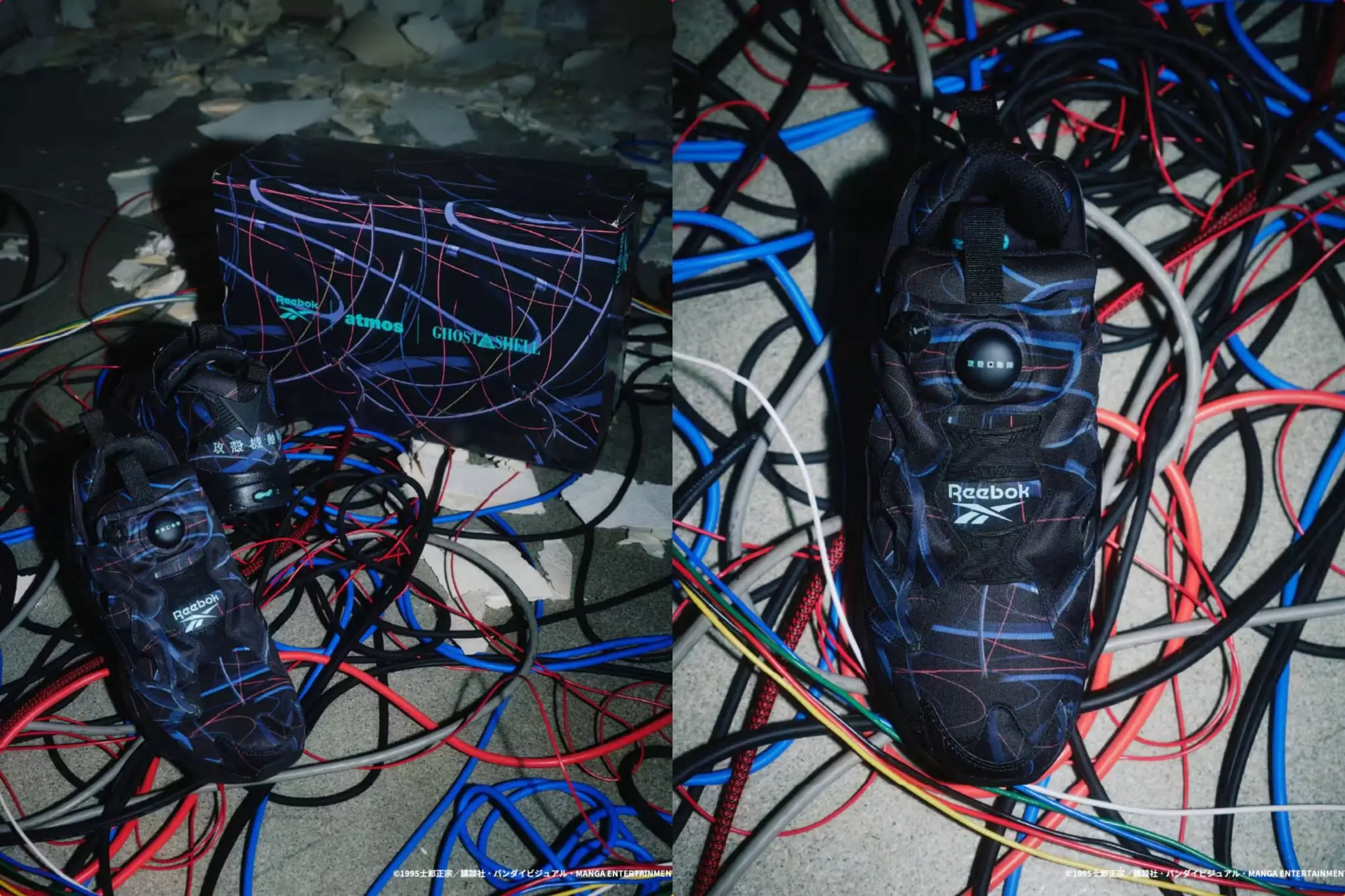
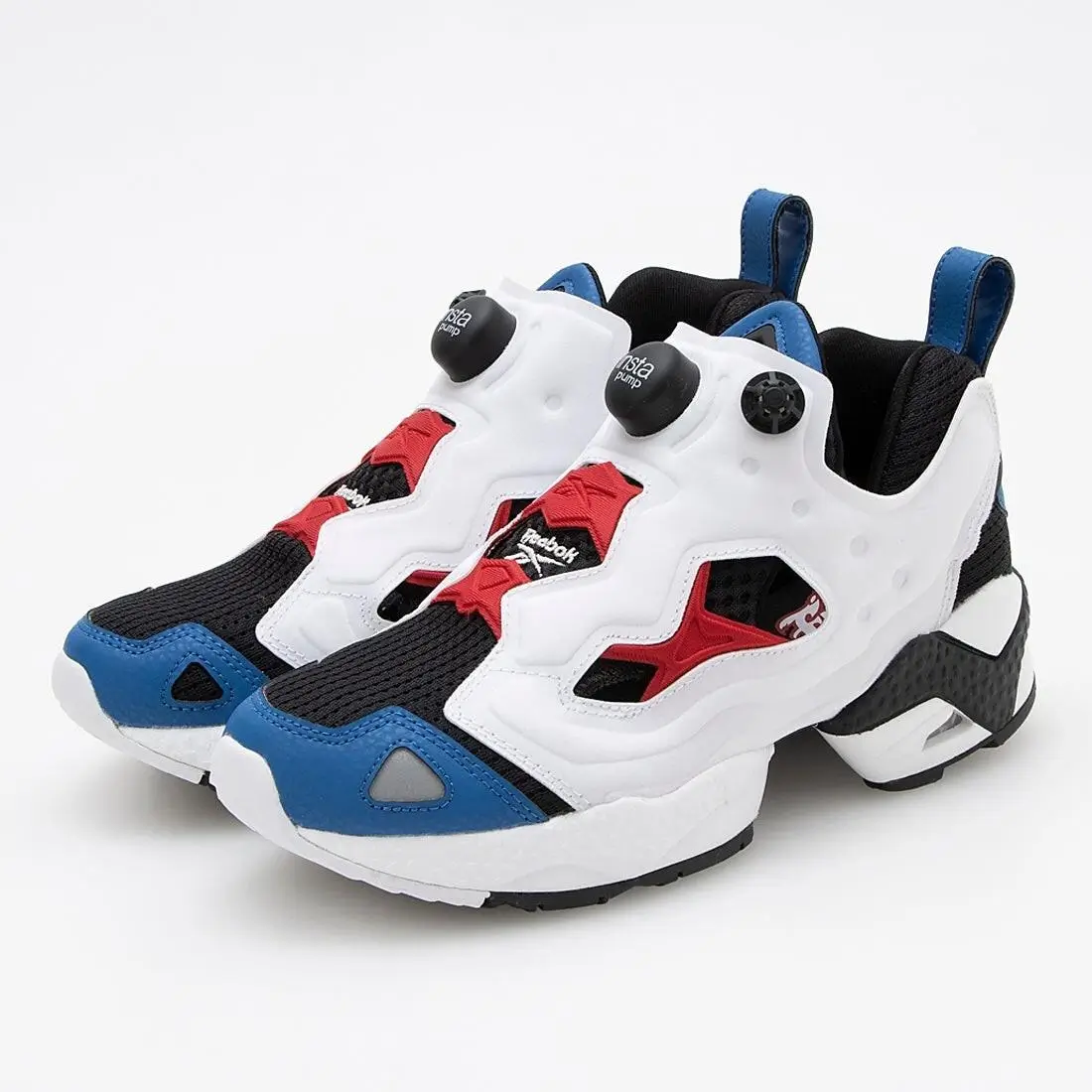
On April 18, 2026, the future didn’t arrive in spectacle—it arrived grounded, engineered, and wearable. Tokyo’s revered boutique atmos, in collide with Reebok and the cyberpunk canon Ghost in the Shell, unveiled the Instapump Fury 94 in a form that feels less like footwear and more like artifact. Not simply a sneaker, but a constructed vision—where 1990s innovation, anime philosophy, and contemporary streetwear collapse into one coherent object.
Timed to mark three decades since the Instapump Fury’s 1994 debut, the release reframes the silhouette as something closer to armor than apparel. It’s less about nostalgia, more about continuity—a throughline between analog experimentation and digital identity. For those attuned to design as language, this is not a product drop. It is a statement of intent.
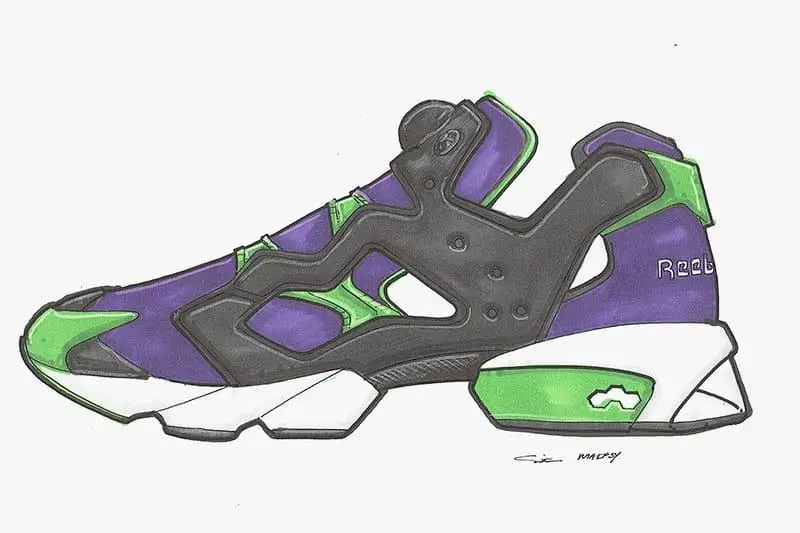
Steven Smith sketch approx. 2014
idea
To properly absorb the magnitude of this moment, you return to 1994. The Instapump Fury, designed by Steven Smith, did not enter the market quietly—it disrupted it. No laces, an asymmetrical structure, an inflatable chamber replacing traditional fit systems. It looked unfinished, futuristic, unresolved.
At launch, it resisted comprehension. Performance runners hesitated. Retail spaces struggled to categorize it. But culture—specifically subculture—understood immediately. Ravers, experimental stylists, and early adopters of techno-futurism saw what it represented: not function alone, but form as speculation.
Over time, the Fury matured into iconography. Its shape, once alien, became foundational—a canvas for reinterpretation. And now, in this iteration, it arrives not as revival, but as culmination.
sys
atmos has long operated beyond retail. It curates, reframes, and recontextualizes. Its collaborations are rarely aesthetic exercises—they are narratives encoded in material.
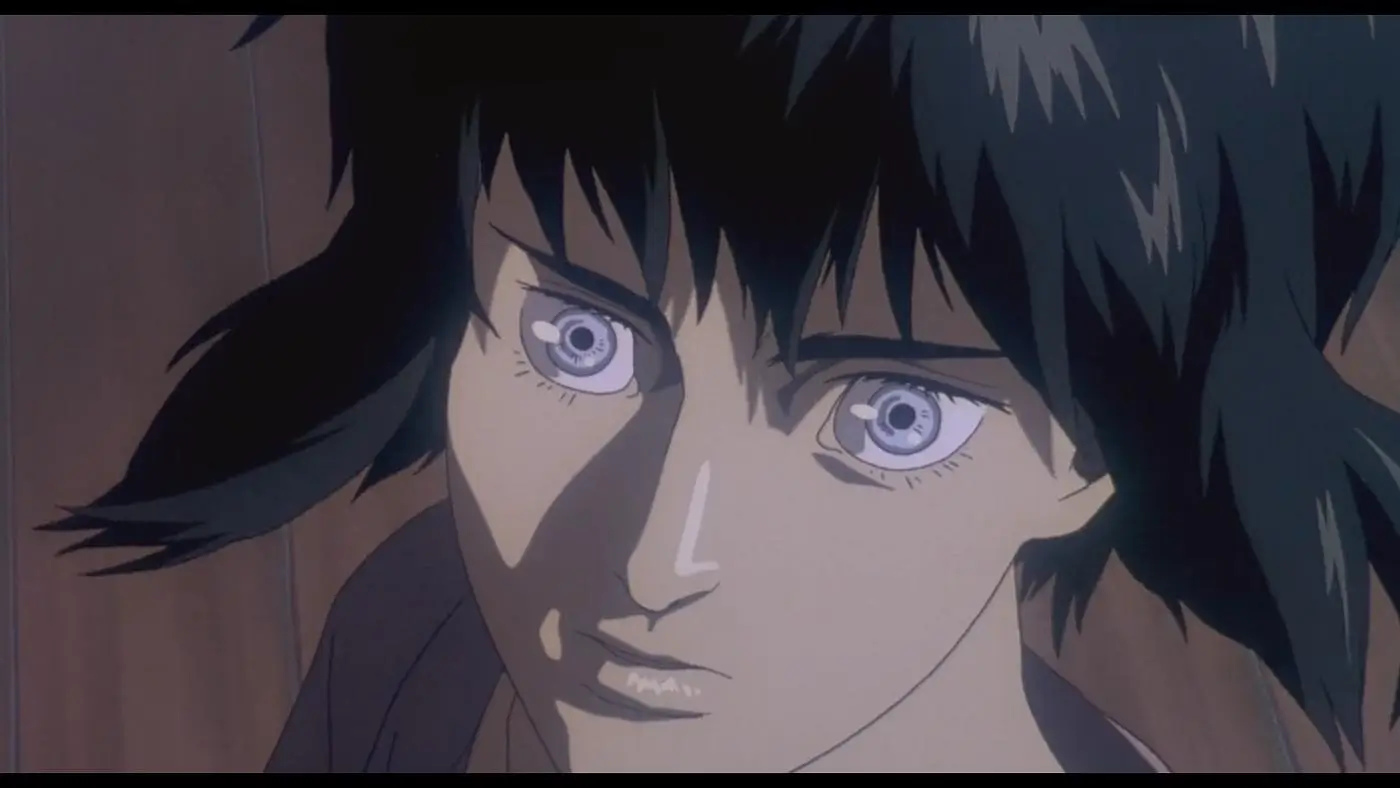
This project continues that lineage. The pairing with Ghost in the Shell is not incidental—it is structural. Both entities share a fixation on systems: identity, surface, technology, and what lies beneath.
◢◤◢◤◢◤◢◤◢◤◢◤◢◤◢◤◢◤◢
サイエンスSARU制作
TVアニメ
『攻殻機動隊 THE GHOST IN THE SHELL』
2026年7月、放送開始。◢◤◢◤◢◤◢◤◢◤◢◤◢◤◢◤◢◤◢
全身義体のサイボーグ・草薙素子率いる
攻性の組織 “攻殻機動隊”――… pic.twitter.com/W6eb1N2WyI— 攻殻機動隊【公式】GHOST IN THE SHELL official (@thegitsofficial) January 30, 2026
render
Originating as a manga and crystallized through Mamoru Oshii’s 1995 film, Ghost in the Shell remains one of the most prescient meditations on human-machine convergence.
At its core stands Motoko Kusanagi—a figure defined not by certainty, but by inquiry. A cyborg questioning the boundaries of self, where the “ghost” (soul) exists within an engineered “shell.”
That language—of circuitry, identity, and fragmentation—is precisely what this sneaker translates into form.
flow
The collide avoids overt branding. Instead, it communicates through construction.
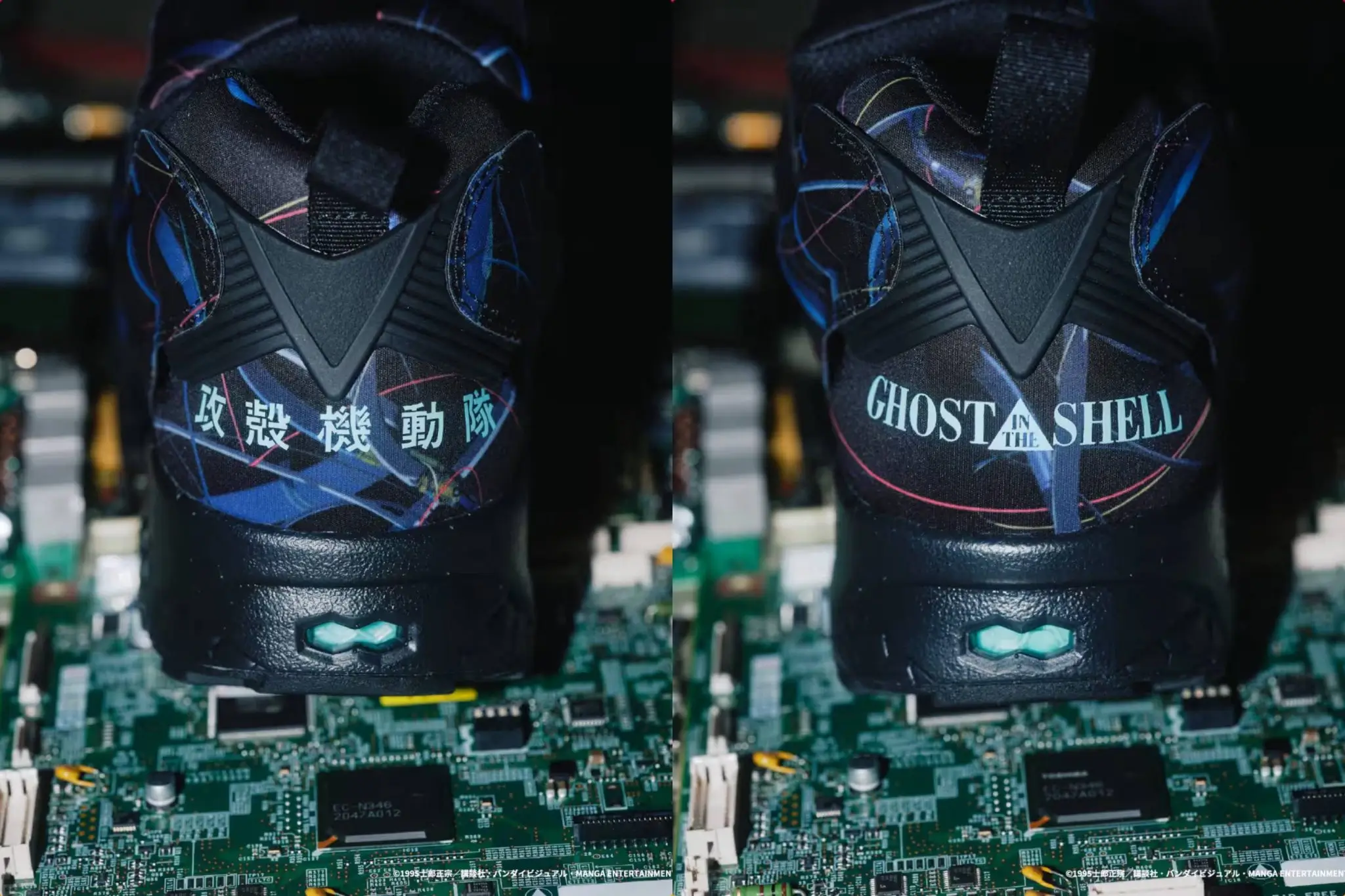
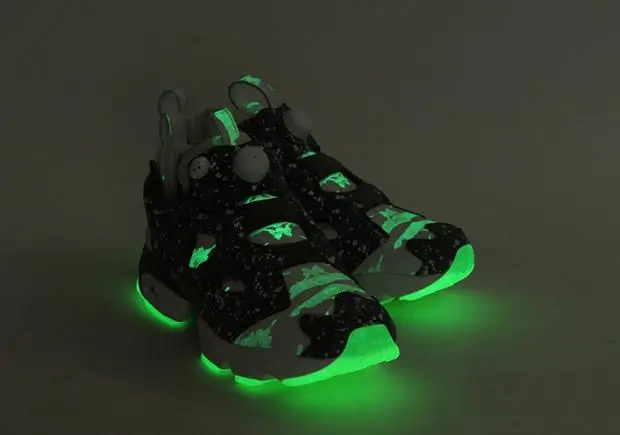
The upper is executed in matte black neoprene—functional, almost tactical—mirroring Section 9 uniforms. Synthetic overlays in gunmetal tones evoke segmented exoskeletons, shifting subtly under light. The Pump system is reworked with translucent tubing that refracts light into a faint digital green, referencing neural interfaces embedded within the film’s visual lexicon.
On the heel, “Project 2501” is etched into a metallic tab—a direct nod to the autonomous AI entity central to the narrative. Underfoot, circuit-like detailing transforms the sole into a schematic of movement and data flow.
Nothing here is ornamental. Every detail is referential.
rare
Released in a controlled run of 1,994 pairs, the drop operated with precision. Distribution through atmos, Reebok, and select global retailers ensured immediate scarcity.
Within minutes, inventory dissolved. Secondary markets surged past $2,500. Yet the response extended beyond resale economics. Social platforms became extensions of the concept—fan renderings, cyberpunk edits, speculative environments.
The product didn’t just sell. It circulated as idea.
rel
This release lands in a moment where its themes feel less speculative than observational. Artificial intelligence, augmentation, and digital identity are no longer distant possibilities—they are active conditions.
The Instapump Fury, historically resistant to convention, becomes an ideal vessel. Paired with Ghost in the Shell, it transforms into metaphor:
augmentation as function,
armor as necessity,
light as consciousness.
It does not attempt to resolve these ideas. It simply embodies them.
idea
What this connect ultimately signals is a shift. The value of a shoe is no longer confined to rarity or logo alignment. Meaning has become central.
Narrative. Intent. Cultural layering.
Objects are no longer just worn—they are interpreted.
sum
The atmos × Ghost in the Shell × Reebok Instapump Fury 94 exists in a rare space—between artifact and utility. It acknowledges lineage while projecting forward.
It is not about owning the past.
It is about stepping into a constructed future.
And in that gesture—quiet, deliberate, grounded—the collaboration achieves something few releases manage:
it feels inevitable.
n
From the DRIFT archive: Dr. Martens’ Immersive 1460 Rain Experience Makes Digital Retail Feel Alive
Related Articles
Tom Sachs Put Black And Team Royal On The General Purpose Last Again
NikeCraft GPS. FZ1363-002. Black field. White Swoosh. Royal pull tabs. Gum sidewall. European calendars point […]