DRIFT AUDIO
Listen to this story
Choose a voice, then press play.
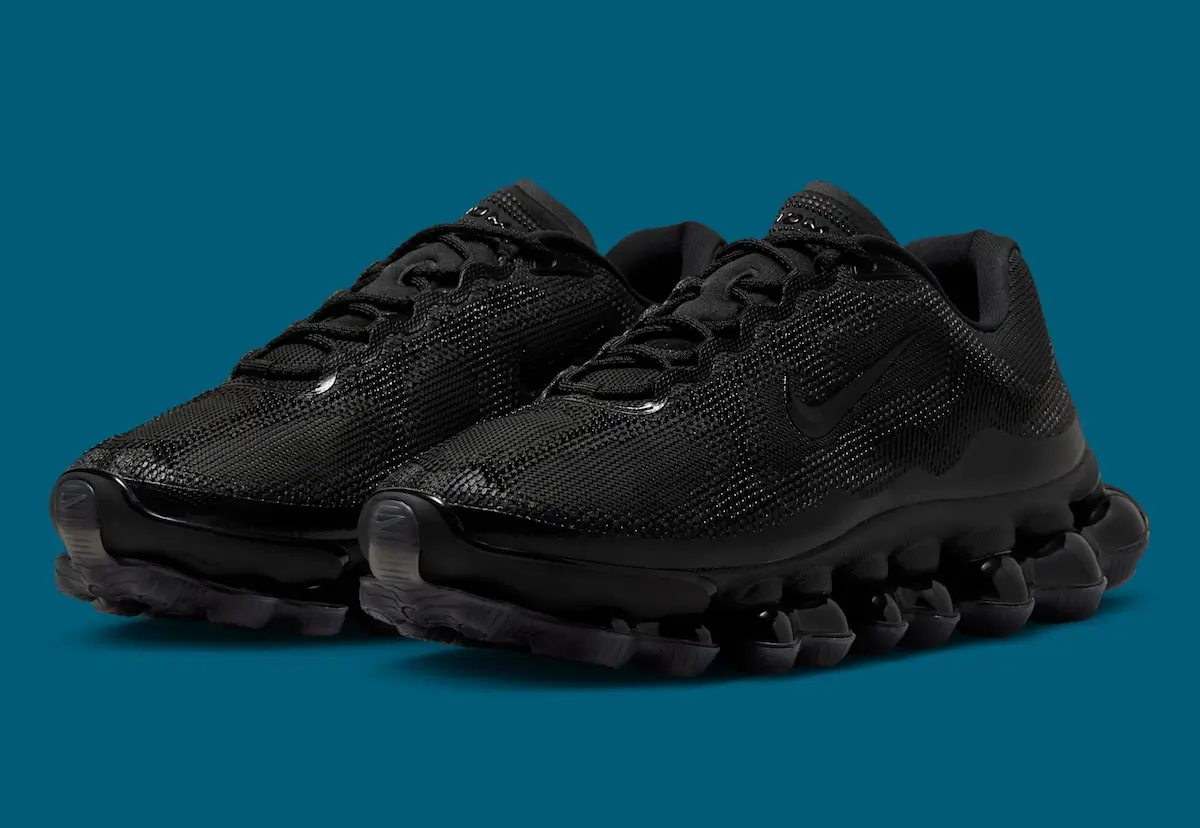
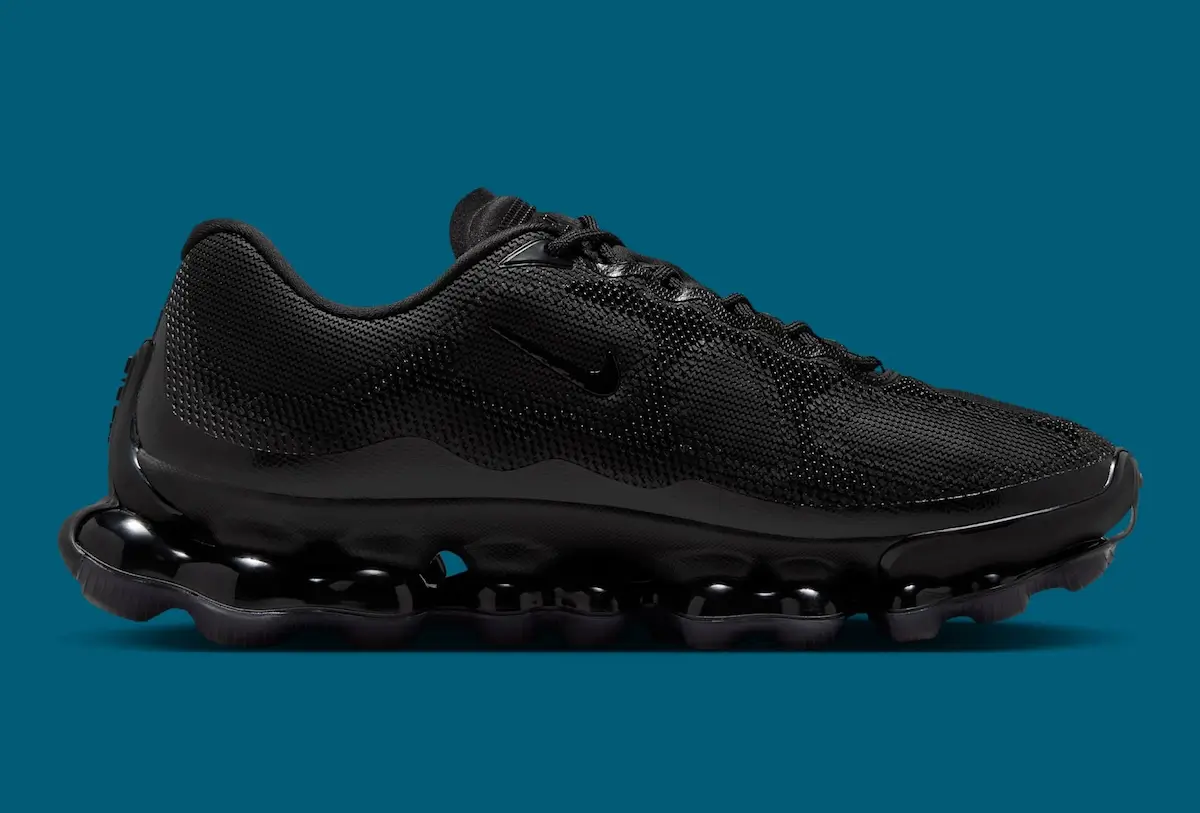
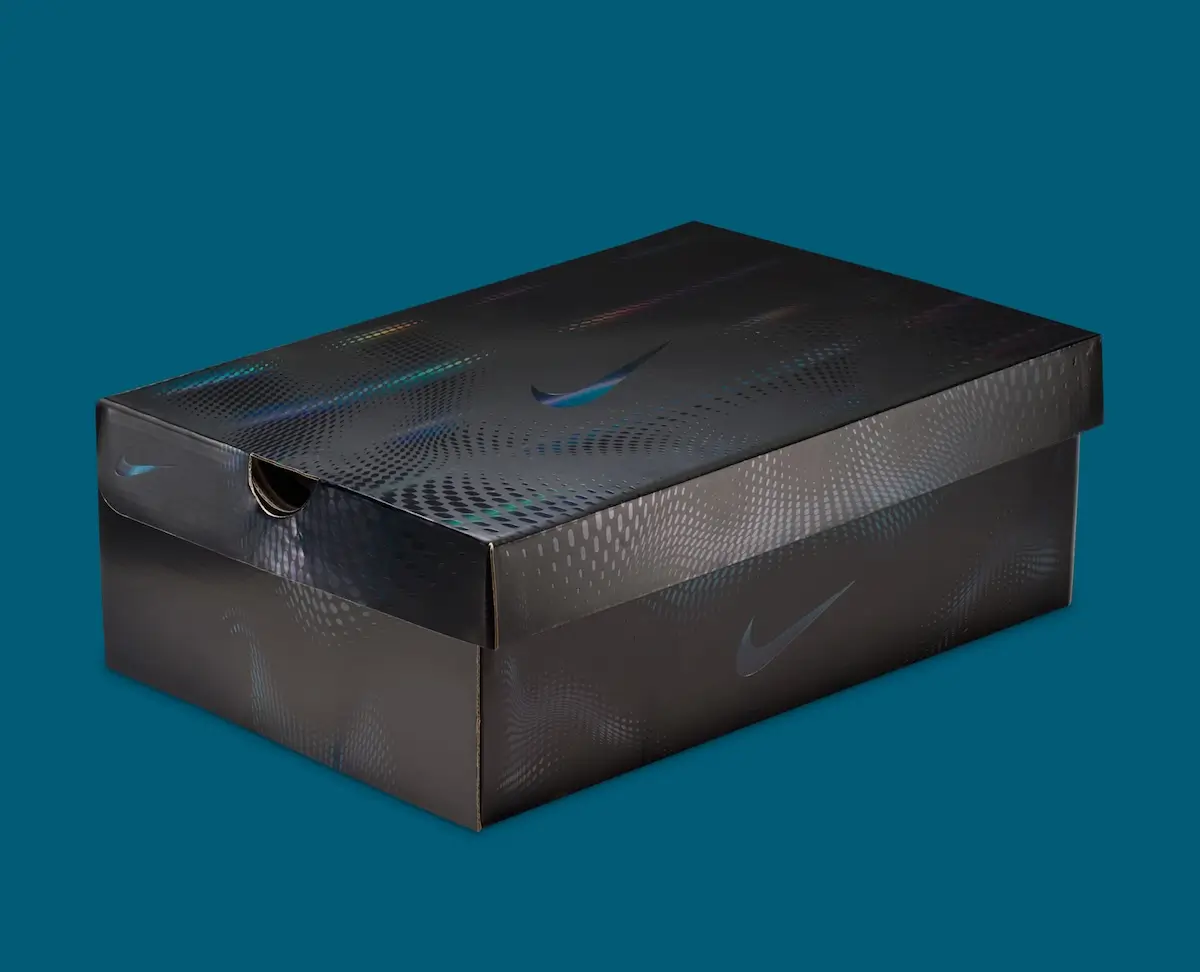
In a world where shoe culture often celebrates the loud, the limited, and the logo-laden, Nike’s Air Liquid Max “Triple Black” IQ7634-003 dares to whisper. Set to drop on April 30, 2026, this all-black iteration of the futuristic Liquid Max silhouette isn’t chasing attention. It’s redefining what innovation looks like when stripped of color, branding, and fanfare. At $220, it’s not just a shoe — it’s a statement about minimalism, material science, and the quiet confidence of true design evolution.
material
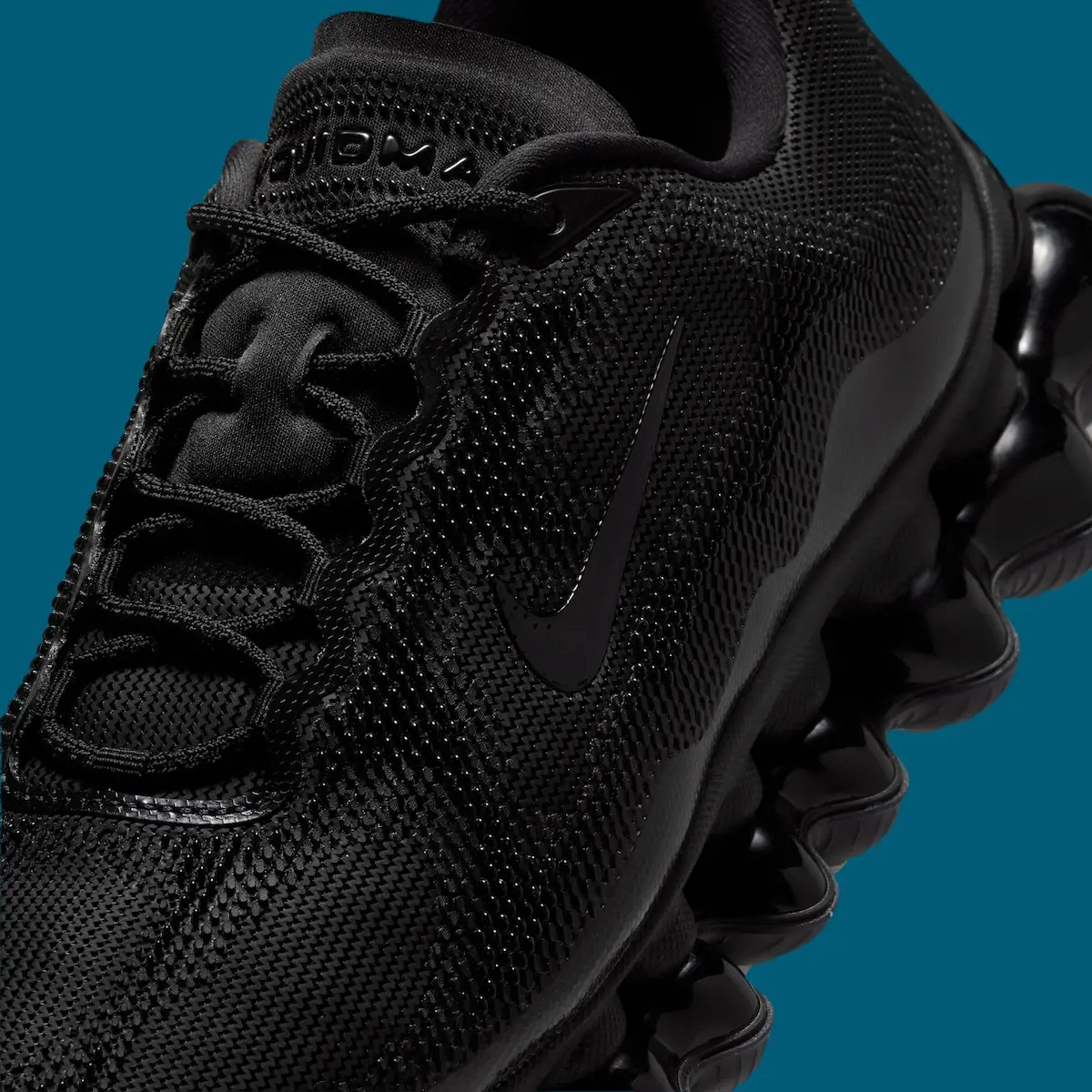
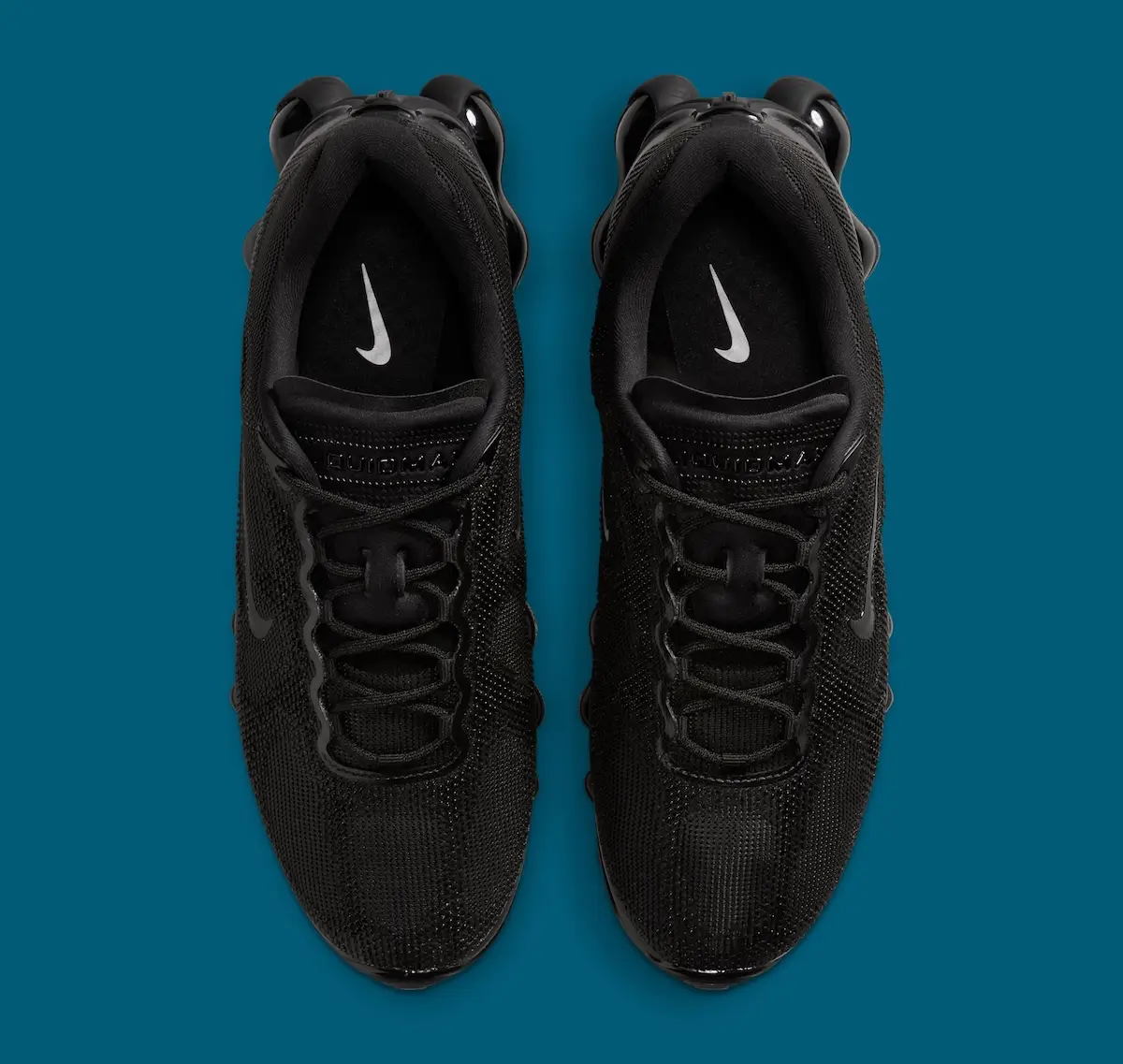
The Liquid Max line was first unveiled as Nike’s boldest Air Max Day statement in years — a shoe that reimagines cushioning not as a visible gimmick, but as a functional ecosystem. The “Triple Black” version takes that vision and pushes it further into the silhouettes rendering the entire upper in a low-profile, three-layer textured mesh. This isn’t just black fabric; it’s a tactile, sculpted surface created through a 3D nanoprint process that adds depth without disrupting the monochrome front. Under shifting light, subtle tonal embossing begins to emerge, revealing a layered topography that resists flatness. It reads less like fabric and more like a controlled terrain — engineered, but not rigid.
This approach reframes how surface operates within shoe design. Instead of acting as a canvas for branding or color play, the upper becomes an active participant in the shoe’s identity. It holds view interest through density, through the way backdrops settle into its microstructures, through the slight variations in texture that only reveal themselves up close. It’s a study in restraint, where nothing is added unnecessarily, yet nothing feels absent.
View this post on Instagram
engine
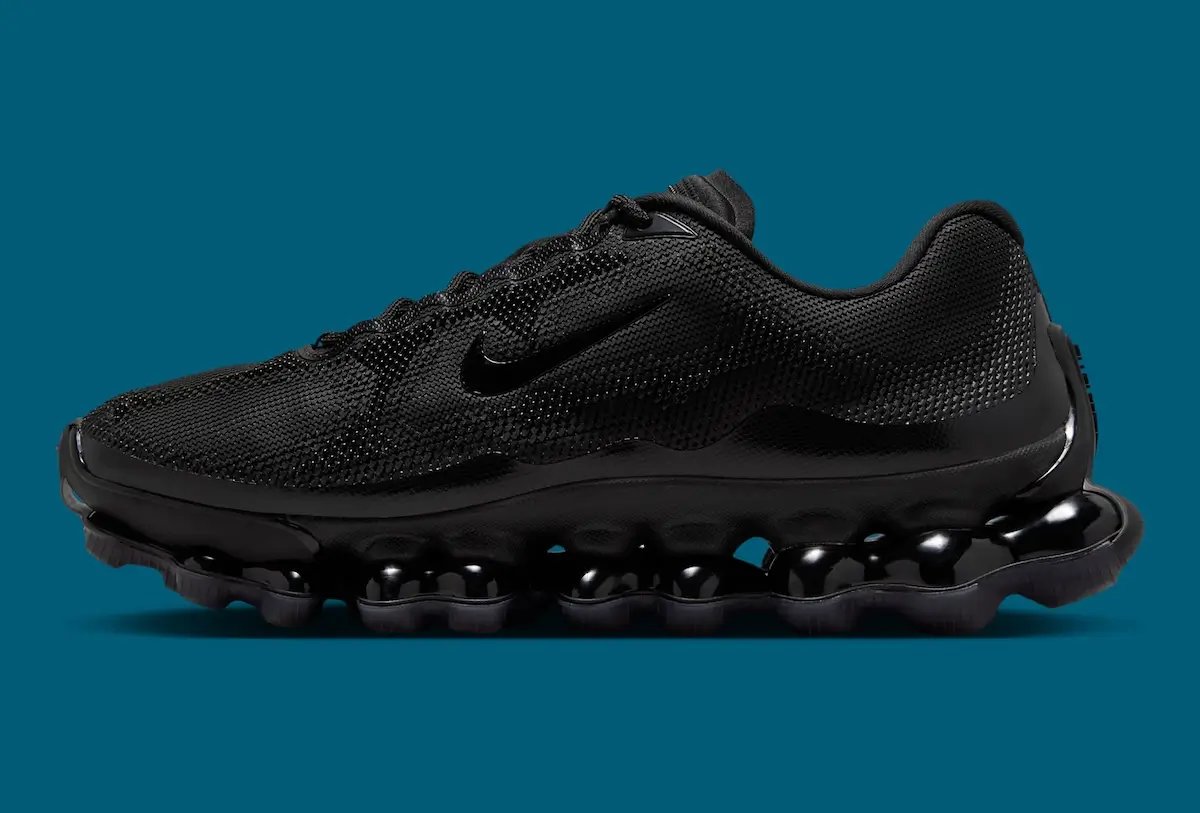
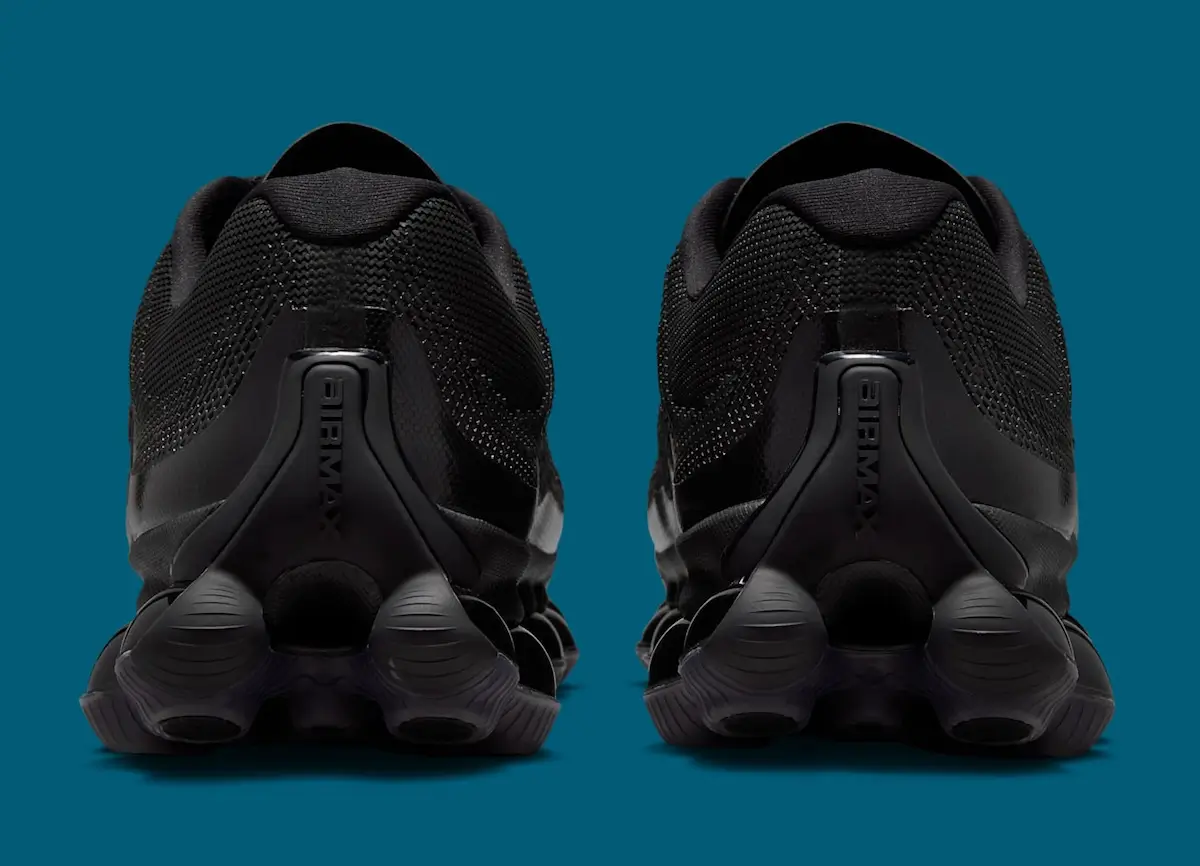
But the real innovation lies underfoot. The “point-loaded” Air unit — the core of the Liquid Max concept — is a network of interconnected, droplet-shaped Air pods positioned only where the foot needs cushioning. Unlike traditional full-length Air soles, this design removes excess material, creating a cored-out, negative-space midsole that’s both lightweight and responsive.
Each pod functions as an independent node, compressing and rebounding based on localized pressure rather than distributing force evenly across a single chamber. This creates a more adaptive ride, where cushioning responds in real time to the way the foot moves through space. The sensation is less about bounce in the conventional sense and more about fluidity — a rolling, almost suspended transition from heel to toe.
The design draws from biomechanical principles observed in nature, where contact points are optimized rather than maximized. Instead of covering the entire foot in cushioning, the system focuses on precision placement, allowing the rest of the structure to remain open, breathable, and materially efficient. The result is not just a lighter shoe, but a smarter one — a system that reduces waste while enhancing performance.
stir
What’s striking about the Triple Black is how it lets this technology speak for itself. By eliminating color contrast, the eye is drawn to form, texture, and silhouette. There’s no overt branding to anchor the design; instead, the shoe flows like a single poured object, uninterrupted by view breaks. The translucent black rubber outsole wraps around each Air pod with a kind of quiet precision, reinforcing the sense that every element exists in relation to the next.
This continuity gives the shoe an almost sculptural quality. It doesn’t feel assembled in parts so much as grown into shape. The absence of contrast forces a different kind of attention — one that lingers on proportion, on curvature, on the way the shoe occupies space. It echoes earlier monochrome experiments within Nike’s archive, but shifts the conversation toward something more organic, less industrial. There’s a subtle tension between control and fluidity, between engineered intent and natural reference.
wear
Priced at $220, the Triple Black sits at the premium end of the Sportswear spectrum, but it justifies its cost through construction. The three-layer upper is engineered not just for visual depth, but for performance. It provides structural support without relying on heavy overlays, allowing the shoe to maintain its lightweight profile while still offering containment.
Breathability is preserved through the spacing of the mesh layers, which create micro-channels for airflow without compromising durability. In high-stress areas, synthetic reinforcements are integrated seamlessly into the design, reinforcing the structure without disrupting the overall silhouette. This balance between support and flexibility is central to the shoe’s wearability.
Early wear impressions suggest that the break-in period is minimal. The midsole’s segmented construction allows it to flex naturally with the foot, while the upper adapts quickly to individual shape. The fit is close but not restrictive, holding the foot securely without creating pressure points. It’s a design that prioritizes long-term comfort over immediate impact, aligning with the shoe’s broader philosophy of quiet performance.
place
Culturally, the release feels deliberate. In an era shaped by resale metrics, rapid sell-outs, and algorithm-driven visibility, the Triple Black operates on a different frequency. It resists the usual signals of hype — there’s no aggressive color blocking, no overt storytelling, no reliance on celebrity endorsement to carry its narrative.
Instead, it appeals to a more discerning audience — one that values innovation over spectacle, and design integrity over external validation. It’s a shoe that doesn’t need to announce itself to be understood. Its appeal lies in its subtlety, in the way it reveals itself over time rather than all at once.
This positioning places it slightly outside the mainstream conversation, but not in a way that feels exclusionary. Rather, it creates space for a different kind of engagement — one that rewards attention, that invites closer inspection, that values the experience of wearing the shoe as much as the act of acquiring it.
cept
That approach is not without risk. Some within the sneaker community have raised concerns about long-term durability, particularly around the exposed Air pods. The segmented nature of the sole, while innovative, introduces new variables in terms of wear and tear. There’s also the broader question of visibility — whether a design this restrained can maintain relevance in a market that often prioritizes immediacy.
But these uncertainties are part of what makes the Liquid Max compelling. It doesn’t present itself as a finished solution, but as an ongoing exploration. It invites critique, invites adaptation, invites evolution. In that sense, it functions less like a traditional product release and more like a research project made public.
fin
In that sense, the Triple Black isn’t just a colorway. It’s a manifesto. It proposes that the future of Air doesn’t need to be loud to be revolutionary. That innovation can exist quietly, embedded within form rather than layered on top of it. That performance design can move closer to the body — lighter, more precise, more responsive to the nuances of movement.
It also suggests a shift in how value is perceived within sneaker culture. Not as a function of rarity or view, but as a measure of thoughtfulness, of intention, of how well a design resolves the problems it sets out to address.
And if you’re the kind of person who understands that — this one’s for you.
Read Drift’s related feature, Reviewed: Nike Air Max Waffle Racer SP “Triple Black”.
From the DRIFT archive: A Review: The Nike Air Force 1 Low Boucle Reimagines Texture and Haute
Related Articles
Nike A’Two “Potion No. 22” Gives A’ja Wilson a Mismatched Horror Double Bill
Two shoes, two monsters: A’ja Wilson’s Halloween A’Two splits blood splatter and honeycomb across a […]