DRIFT AUDIO
Listen to this story
Choose a voice, then press play.
recall
- The Drop Details
- Built Like Gear: Inside the CORDURA Construction
- CORDURA’s Pedigree: Why This Fabric Carries Weight
- Reading the Colorway
- Why Nike Reached for Technical Fabric Right Now
- Where It Sits in the Air Force 1’s Story
- Pricing & Where to Find It
stir
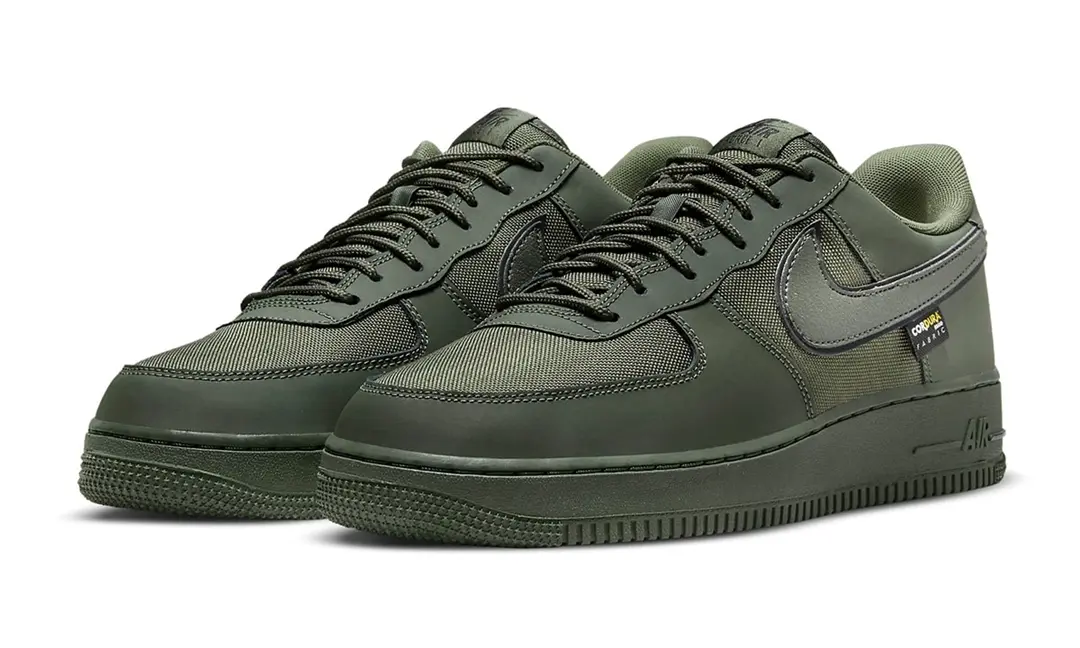
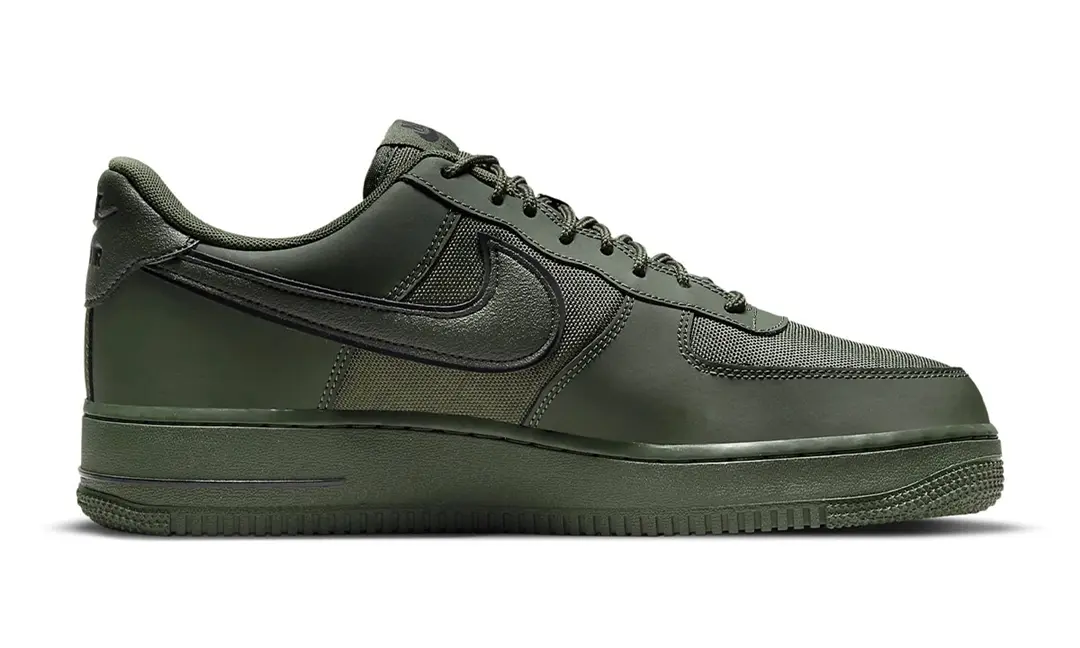
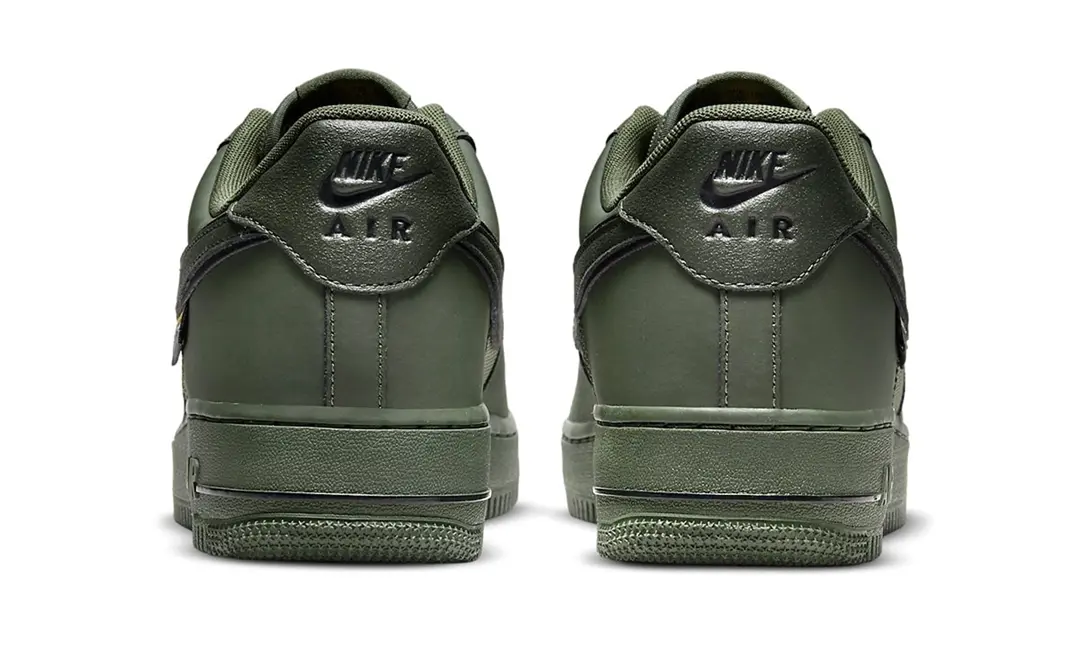
Nike’s Air Force 1 Low is getting drafted. The silhouette resurfaces under style code DO6701-300 dressed in a tonal Cargo Khaki, Black, and University Gold build, with CORDURA’s signature abrasion-resistant fabric standing in for the model’s usual tumbled leather. The pair first surfaced publicly when SneakerNews shared official images on September 6, 2021, framing it as part of Nike Sportswear’s seasonal pivot toward more weather-ready, protective footwear as summer gave way to fall. Retail is set at $110 USD (roughly £109.95 / €119.99 in UK and EU listings), putting it in line with other premium-material AF1 Low releases rather than the standard leather version. A confirmed Nike.com rel date wasn’t locked at the time of the initial reveal, and at least one European retail tracker later listed a wider release window stretching into late November 2021, suggesting the rollout staggered by region. As of this writing, a domestic Japan release date remains unconfirmed.
flow
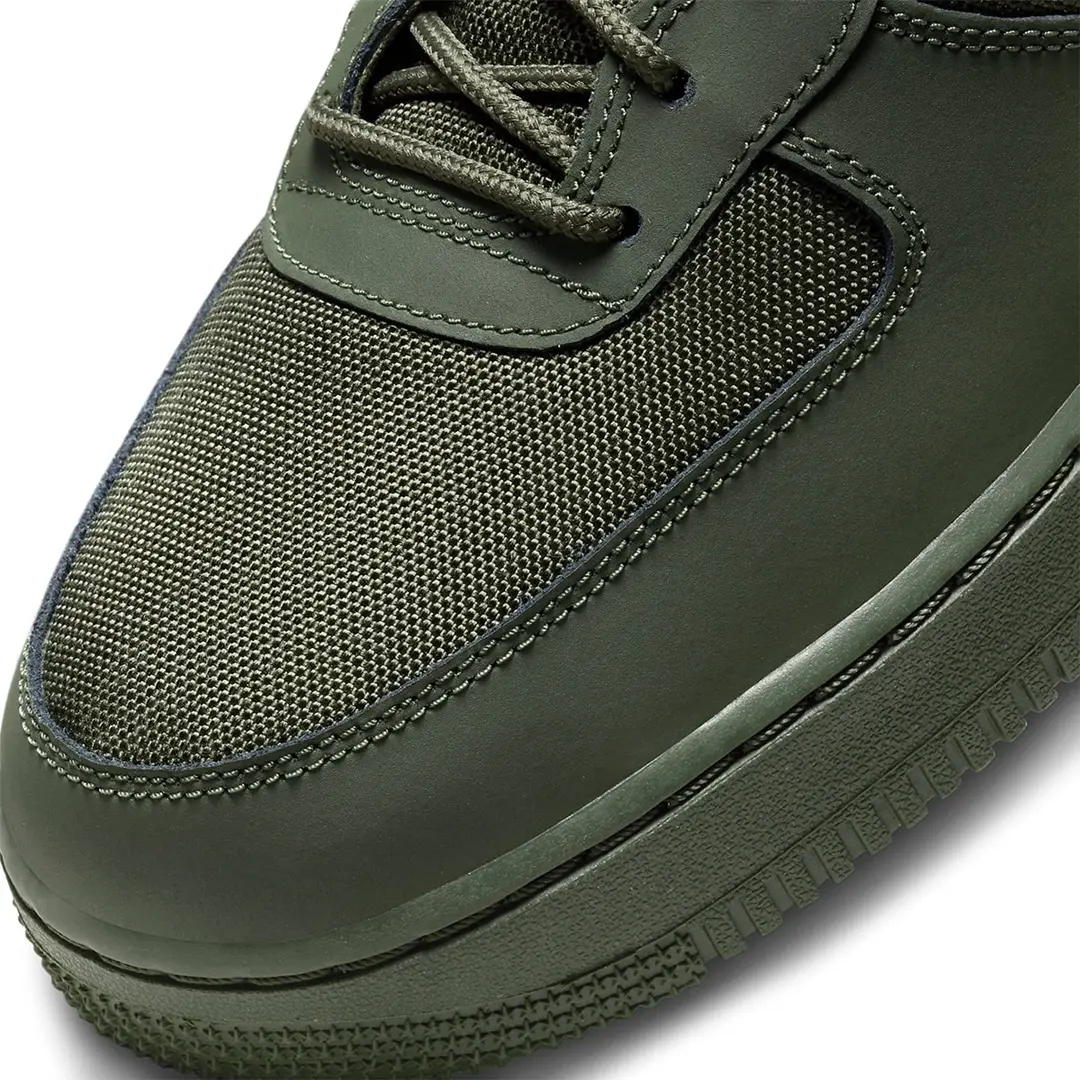
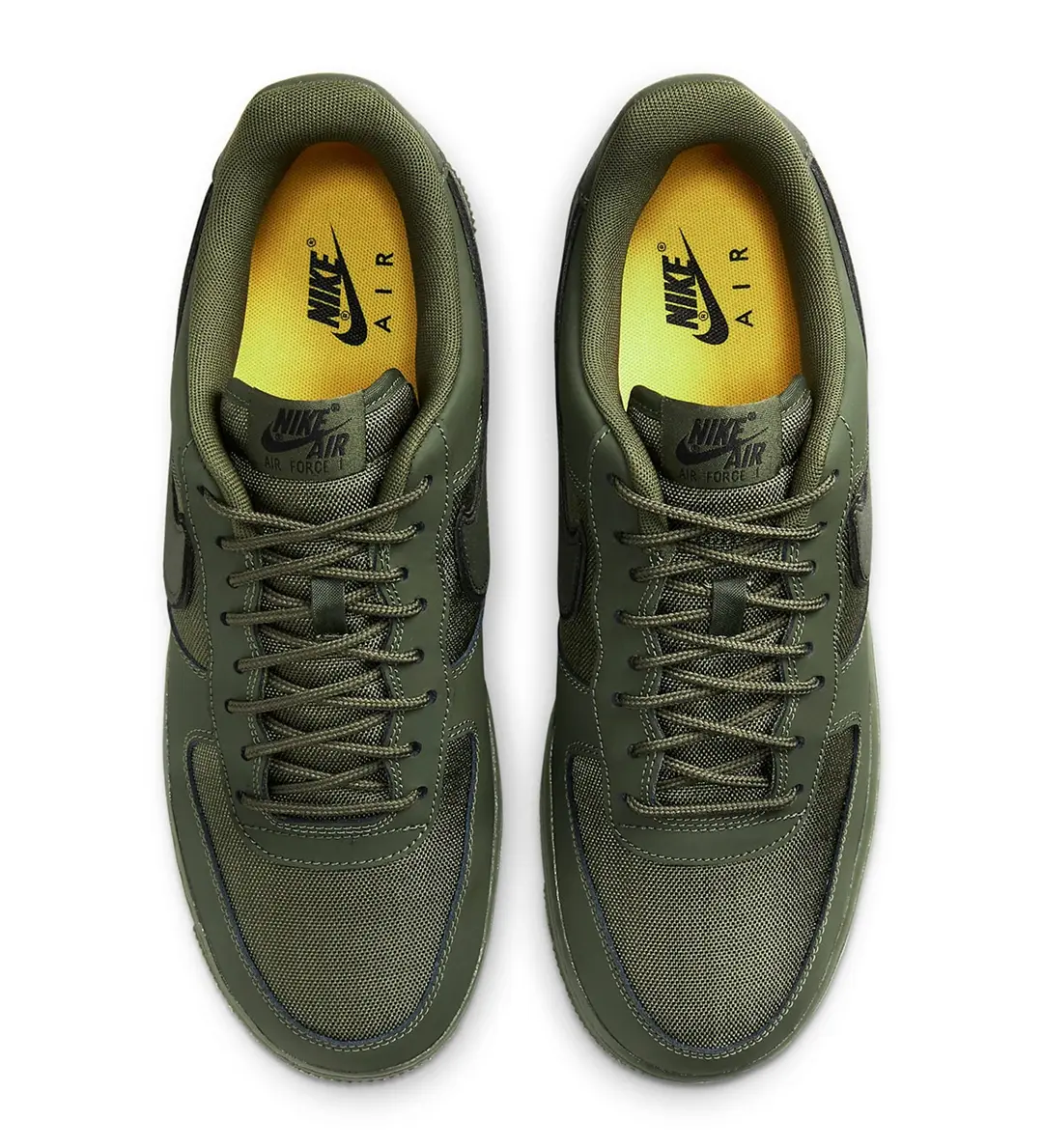
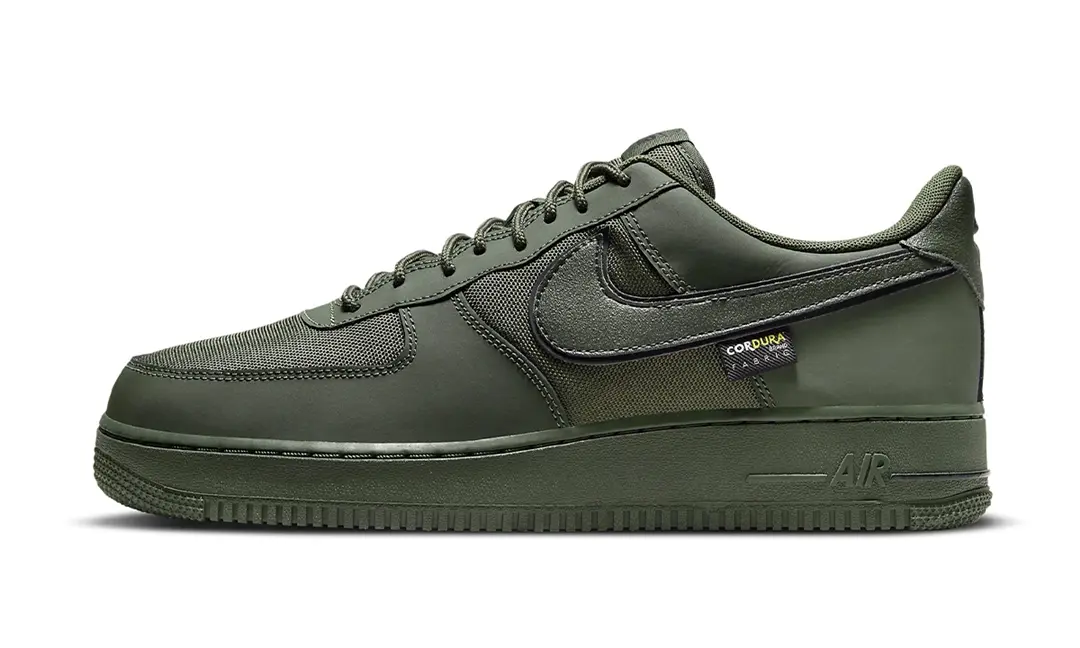
The headline shift here is material, not silhouette — Nike hasn’t touched the proportions of Bruce Kilgore’s 1982 design, just re-engineered what it’s made of. CORDURA fabric takes over the vamp, quarter panels, and tongue, the high-flex, high-contact zones where a standard leather AF1 tends to show wear first. Leather hasn’t disappeared entirely: it’s relegated to a supporting role, reinforcing the mudguard, eyestay, Swoosh, and the rear half of the quarter panels as overlays that give the upper structure where the fabric needs backup.
View this post on Instagram
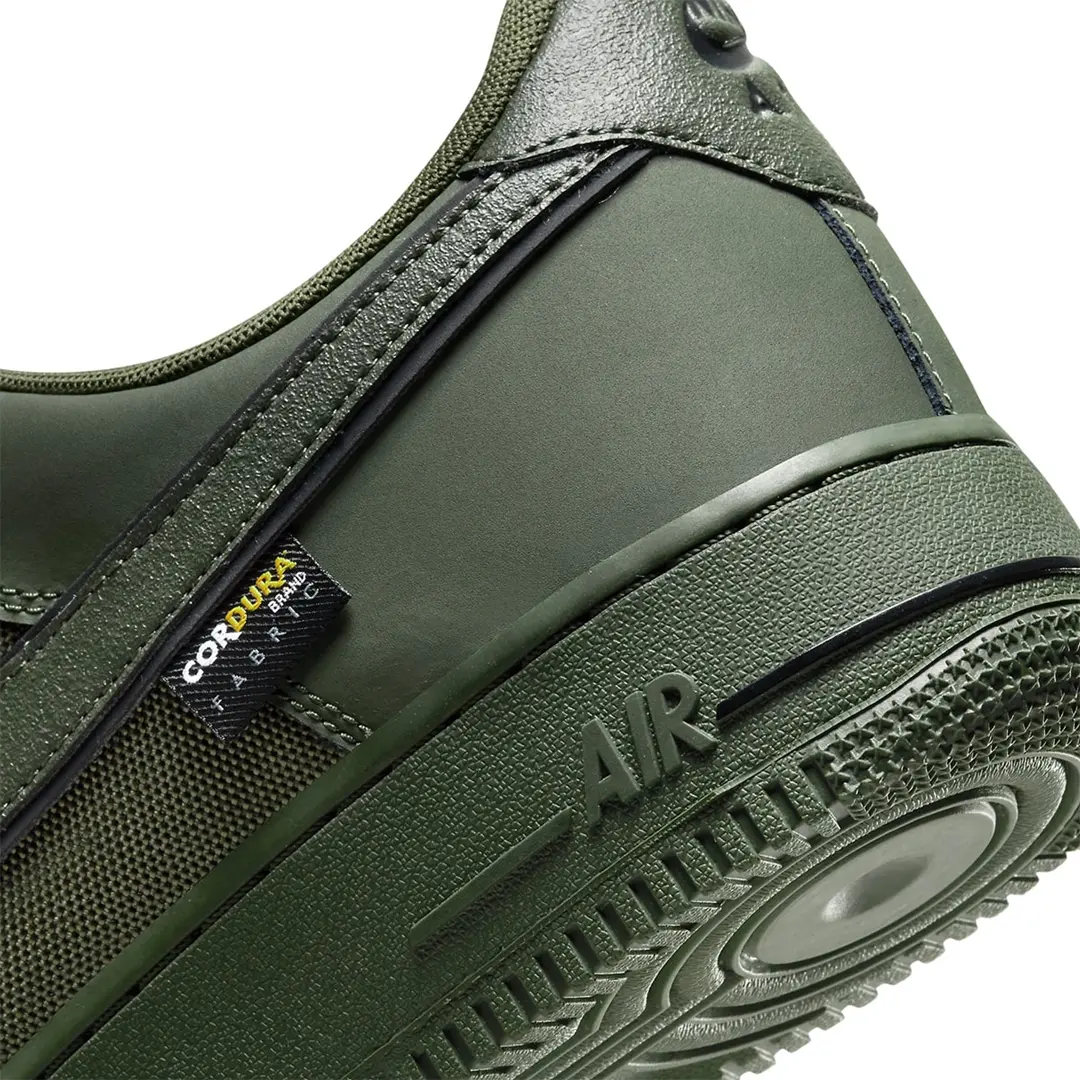
The branding follows the same logic of restraint. A polished leather heel tab carries the Nike Air insignia in black, echoed on the leather tongue tabs and the yellow insole beneath the foot. Punched eyelets hold cargo khaki rope laces, a detail that leans further into the utility framing than a flat lace would. The clearest tell that this isn’t just another colorway swap sits on the lateral sidewall, where a dedicated “CORDURA”-branded tag confirms the materials partnership rather than burying it in a press release nobody reads.
fabric
The choice of material isn’t incidental marketing dressing — CORDURA has earned its reputation the slow way. The brand traces its origins back to 1967, and over the decades it built its name on abrasion, tear, and scuff resistance trusted by militaries, workwear brands, and outdoor gear makers rather than fashion labels. Carhartt’s rugged outerwear and combat boots used for the U.S. military both lean on CORDURA fabric for exactly that reason: it’s chosen when failure isn’t an option, not when a logo needs refreshing. That heritage is precisely what makes a sneaker collaboration interesting rather than gimmicky — Nike isn’t borrowing a cool-sounding fabric name, it’s borrowing five-plus decades of durability testing and applying it to a shoe that, until now, was never built to survive much more than sidewalk pavement and gym floors.
scope
Nike kept the palette disciplined on purpose. Cargo khaki dominates from the toe box through the tongue, the mid-foot, and the inner lining, running all the way down to Bruce Kilgore’s original sole unit — so even the part of the shoe that hits pavement stays in theme. The deviations are deliberate rather than decorative: black accents land on the Swoosh underlay and heel for contrast, and the sock liners introduce a brighter, near-highlighter pop of color as the one moment of visual relief in an otherwise tonal shoe. It’s a colorway built to read as equipment first, sneaker second — closer in spirit to a fatigue jacket than to a hype-driven AF1 collab.
why
This release didn’t land in isolation. SneakerNews framed it explicitly as part of a broader seasonal shift at Nike Sportswear, swapping out the brand’s lighter, more breathable summer footwear for drabber, more protective options as the calendar moved toward fall 2021, with multiple Cordura-equipped Air Force 1 pairs reportedly in the pipeline at once rather than this single colorway arriving alone. The coverage also noted this wasn’t Nike Sportswear’s first run at “weather-ready” footwear that season, positioning the Cargo Khaki pair as one entry in a wider rotation rather than an isolated experiment.
That timing matters for how the shoe should be read. This isn’t a standalone fashion exercise so much as a fabric-technology rollout, with the Air Force 1 acting as the most visible vehicle for introducing CORDURA’s durability story to a shoe audience that might otherwise associate the material strictly with backpacks, workwear, and military gear. Releasing it through the AF1 specifically — rather than a newer or more niche silhouette — also reads as a deliberate choice: there’s no faster way to put an ingredient brand like CORDURA in front of a mainstream audience than attaching it to the best-selling shoe in Nike’s entire catalog.
narr
The Air Force 1 has always been a platform for material experimentation as much as it’s been a fixed design. Since Bruce Kilgore’s original 1982 silhouette, Nike has cycled the model through premium leather, suede, canvas, and now technical performance fabric without altering the toe shape, the flat heel, or the Air-cushioned sole that made it a streetwear constant in the first place. Slotting CORDURA into that rotation positions the Cargo Khaki pair less as a limited collaboration and more as a quiet expansion of what an “everyday” Air Force 1 can be made from — practical enough for rougher daily wear, but still unmistakably the same shoe that’s anchored sneaker culture for over four decades.
hint
At its $110 retail price point, the DO6701-300 sits squarely in line with other technical-material AF1 Low releases. Regional retail listings have shown it priced at £109.95 in the UK and €119.99 across EU storefronts, with availability split across first-come-first-served drops and raffle formats depending on the retailer. The pair has also already surfaced on resale and verified-authentication marketplaces including StockX, GOAT, Flight Club, Novelship, and Restocks — a sign that initial allocations, wherever they landed first, moved quickly enough to seed secondary-market listings ahead of a confirmed global retail rollout.
From the DRIFT archive: The Jordan MVP 92 ‘Black Infrared’: A Hybrid Built On Legacy, Engineer
Related Articles
Nike A’Two “Potion No. 22” Gives A’ja Wilson a Mismatched Horror Double Bill
Two shoes, two monsters: A’ja Wilson’s Halloween A’Two splits blood splatter and honeycomb across a […]