Nike Board Member John Rogers, Jr. to Retire from Board, Transition to Strategic Advisor Role

June 21, 2026
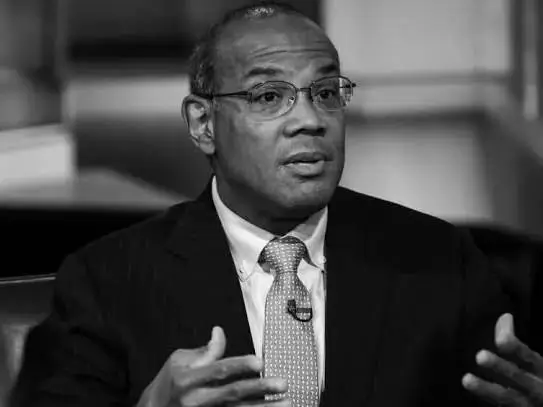
This move, announced amid Nike’s ongoing recovery under CEO Elliott Hill and Executive Chairman Mark Parker, underscores a deliberate strategy: safeguarding deep institutional know and external credibility while refreshing governance structures. In an industry where brand equity is inextricably linked to culture narratives of empowerment, inclusion, and athletic aspiration, retaining Rogers’ perspective signals Nike’s commitment to viewing sport not merely as commerce but as a profound social force.
$NKE – John Rogers, Jr., Founder of Ariel Investments, to Retire from the NIKE, Inc. Board of Directors, Rogers to Serve as Strategic Advisor to Nike Focused on the Future of Sport and Community
— TENET RESEARCH (@tenet_research) June 18, 2026
stir
John Rogers, Jr. joined Nike’s board in 2018, stepping into a pivotal moment. The company was amid leadership shifts, a aggressive direct-to-consumer (DTC) pivot, supply chain complexity, and intensifying scrutiny over labor practices, sustain, and culture relevance. Rogers’ eight-year tenure spanned the tail end of the Phil Knight era’s influence, the John Donahoe years of digital acceleration (and subsequent challenges), and the current Hill-led stabilization efforts.
Rogers brought to the table a rare blend of financial acumen, community immersion, and long-term thinking. As the founder of Ariel Investments—the largest minority-owned mutual fund firm in the U.S.—he built a reputation for patient, value-driven investing rooted in small- and mid-cap companies. His approach, honed since founding Ariel in 1983 at age 24 with modest seed capital, emphasizes discipline, research, and belief in undervalued potential. This know mirrored Nike’s own heritage of innovation and resilience.
Beyond finance, Rogers’ civic engagement in Chicago and nationally added depth. A Princeton University graduate (where he captained the basketball team), son of trailblazing parents—his mother Jewel Stradford Lafontant was a pioneering lawyer and diplomat, his father a Tuskegee Airman and judge—Rogers has long championed education, economic opportunity, and social justice. He has served on boards including the University of Chicago (vice chair), Obama Foundation, and others, while earning accolades like Princeton’s Woodrow Wilson Award for national service and Illinois’ Order of Lincoln.
During his board service, Rogers contributed to Nike’s Corporate Responsible, Sustainable & Governance Committee. His insights likely informed strategies around community investment, diversity in leadership, and leveraging sport for broader societal good—areas where Nike has invested heavily through initiatives like the Nike Community Impact Fund (NCIF), which supports youth sport access in employee communities across North America and Europe.
Mark Parker, Nike’s Executive Chairman, praised Rogers’ contributions: “On behalf of Nike, I’d like to thank John for his eight years of service to our Board. We are grateful for the support and guidance he provided during his tenure, and we are delighted he will remain as an advisor to the company.” Rogers himself expressed pride in the accomplishments and enthusiasm for continuing his support in the new capacity, helping amplify Nike’s impact on athletes and communities worldwide.
flow
What elevates this announcement beyond routine board refreshment is the advisory transition. Advisors operate without the fiduciary duties or voting rights of directors, offering flexibility. Nike gains continued access to Rogers’ expertise on sport as a social catalyst—aligning seamlessly with his benevolent track record—while opening a board seat for fresh perspectives. No immediate replacement has been named, and the board is expected to shrink to eleven members post-meeting.
This structure is increasingly common in dynamic industries. It allows companies like Nike to maintain bridges to influential networks without the formalities of governance. For a brand whose identity is woven into global youth culture, urban communities, and movements for equity, Rogers’ focus on “the future of sport and social community impact” is particularly resonant. Nike’s programs, from empowering coaches and kids through play to partnerships advancing inclusive sport, stand to benefit from his counsel.
In fashion and sportswear, where culture capital drives consumer loyalty, such moves reinforce authenticity. Rogers’ Chicago roots and advocacy echo Nike’s history of bold social statements—think Colin Kaepernick campaigns or community courts—while grounding them in pragmatic, long-term investment thinking.
scope
This transition arrives as Nike refines its post-DTC-overhaul strategy. Elliott Hill’s return as CEO in late 2024 brought renewed emphasis on wholesale partnerships, product innovation, and operational discipline. Challenges persist: softening demand in key markets, competition from agile players, and the need to reinvigorate the swoosh’s cool factor amid Gen Z shifts toward sustain, personal, and experience retail.
Rogers’ departure from the board creates space amid other recent changes, including prior retirements. The current board features a strong mix of tech (Timothy Cook), finance, and global expertise, supporting Hill and Parker’s view. Retaining Rogers as advise ensures continuity in areas like governance, responsible, and community—critical as Nike balances profitability with its “Move the World Forward” ethos.
straddle
Rogers’ story exemplifies the intersection of business excellence and public service. Starting Ariel amid skepticism about minority-led firms, he grew it into a powerhouse managing billions, proving the efficacy of patient capital. His basketball background at Princeton instilled lessons in teamwork and resilience, themes Nike embodies.
Benevolently, Rogers has championed economic inclusion, education, and youth development—mirroring Nike’s investments in grassroots sport. His advise role positions him to help Nike deepen these efforts, potentially influencing initiatives that blend product innovation with community outcomes, such as tech-enabled coaching tools or sustainable local programs.
In the broader culture landscape, figures like Rogers highlight how sport transcends entertainment. From street basketball courts in Chicago to global stadiums, athletic pursuit fosters identity, discipline, and connection—values Nike has long amplified through design, storytell, and partner.
extent
For the fashion and sportswear sector, Nike’s handling of this transition offers lessons. Boards must evolve with consumer expectations around ESG (environmental, social, governance), yet retain wisdom that built iconic brands. Advise roles strike a balance: injecting agility while honoring history.
Competitors watch closely. As haute houses, streetwear labels, and athleisure players grapple with similar dynamics—heritage vs. innovation, profit vs. purpose—Nike’s approach reinforces that retaining trusted voices like Rogers can sustain culture resonance.
fin
John Rogers, Jr.’s board retirement marks the end of one chapter but the beginning of another in his relationship with Nike. As a strategic advisor, he will continue shaping how the world’s preeminent sport brand invests in communities and leverages sport’s transformative power.
For Nike, it’s a vote of confidence in its trajectory under Hill: forward momentum anchored by proven partnerships. In an era where consumers demand brands that do more than sell products—that inspire movements—retaining voices committed to both excellence and equity is not just smart governance; it’s essential to the brand’s future.
As the September meeting approaches, expect the board refresh to align with Nike’s renewed focus on innovation, accessible, and impression. Rogers’ ongoing involvement ensures that the swoosh’s next era remains grounded in the values that made it legendary: show, perseverance, and the profound belief that sport can change lives.
Related Articles

Rose Byrne and Mary Bronstein Are Doing It Again, and This Time They Brought Jenna Ortega
A coach and her prodigy are about to become the most dangerous relationship in a […]