DRIFT AUDIO
Listen to this story
Choose a voice, then press play.
In This Story
- Summer meetings, summer brain
- The hardware: built to disappear
- Dual-mode recording: calls and rooms, handled automatically
- The AI layer: transcripts, speaker labels, and summaries
- Ask Plaud and AutoFlow
- Battery, storage, and privacy
- Where it sits in a crowded category
- Pricing and plans
- Who it’s actually for
stir
The summer season already has enough going on outside that you can be forgiven for not paying too much attention during your work meetings. Plaud’s Note Pro is a simple gadget that uses an on-device microphone to capture your voice and then run it through a transcription app. It even breaks down voices by speaker and offers an AI-generated summary of what happened in the recording.
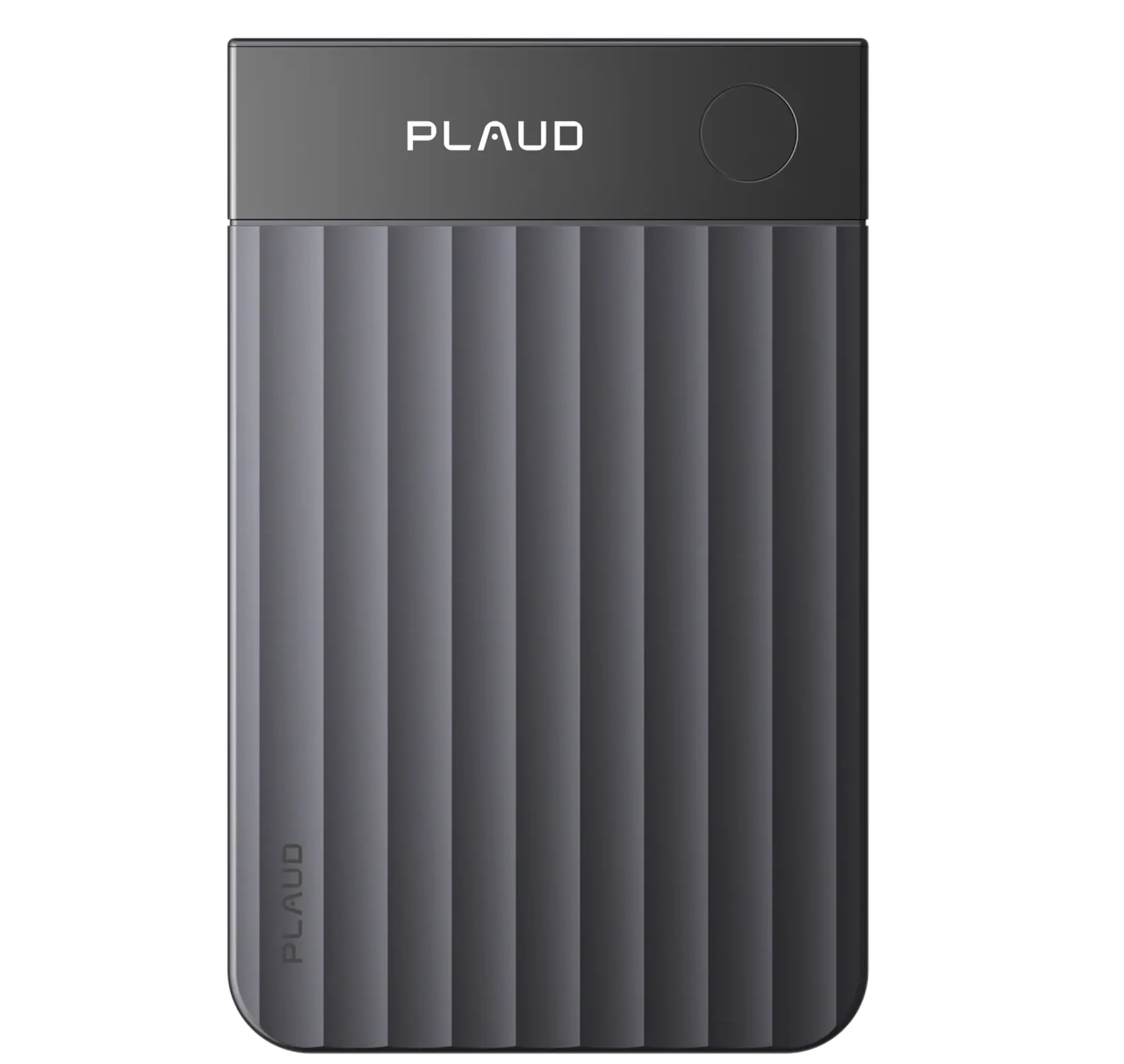
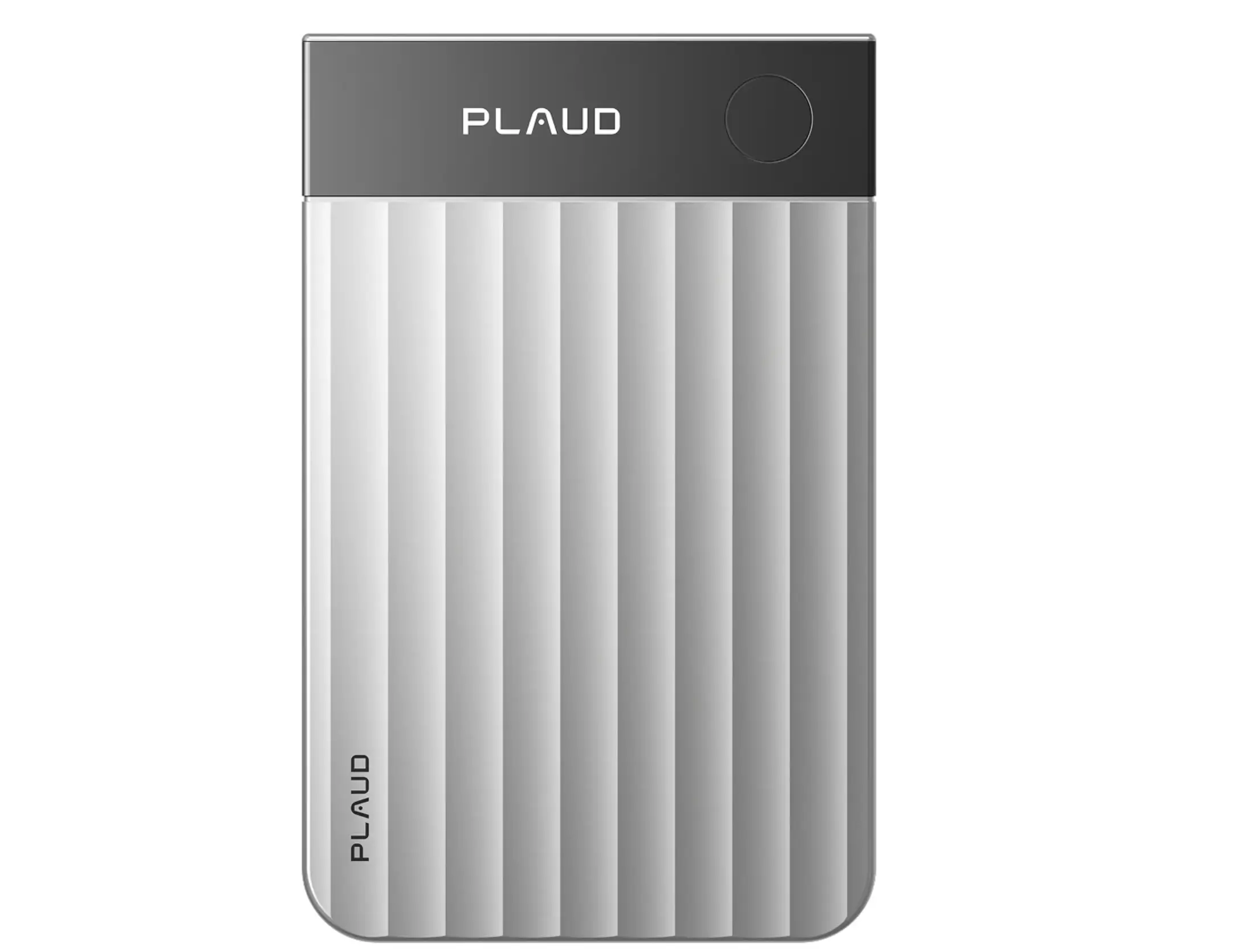
That’s the pitch in a sentence, but the execution is what makes it worth a closer look. Plaud has built its entire brand around the idea that the most useful thing a piece of hardware can do in 2026 is get out of the way. The Note Pro doesn’t try to be a smartwatch, a phone case, or a wearable with a dozen competing functions. It’s a single-purpose recorder, about the size and thickness of a credit card, that does one job extremely well and hands the heavy lifting off to an AI backend.
It’s also Plaud’s most ambitious hardware release yet, sitting above the original Plaud Note and the wearable NotePin in the company’s lineup, with a longer mic range, a built-in display, and a battery that’s built to survive a full day of back-to-back calls and in-person meetings without a charge.
View this post on Instagram
flow
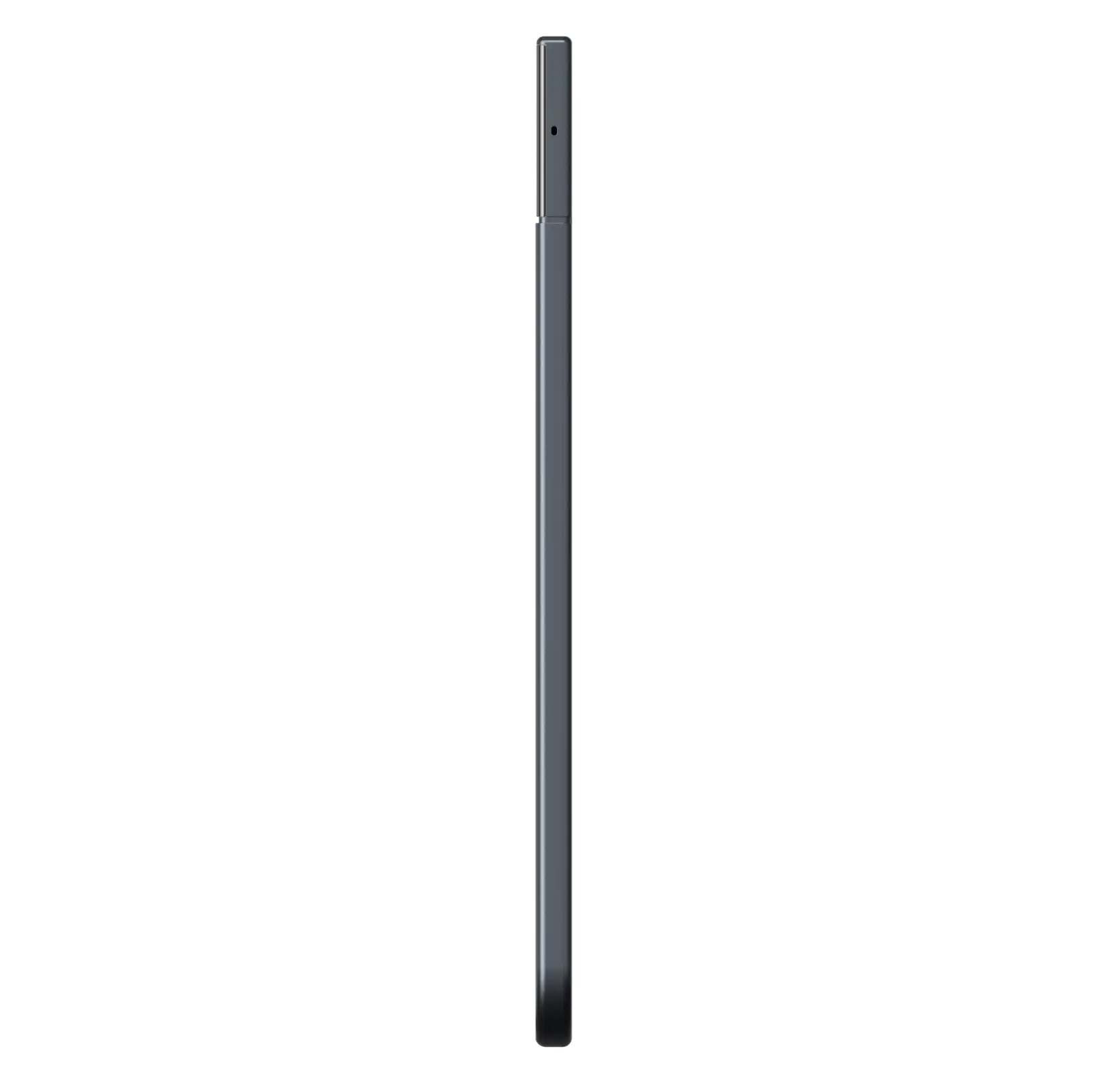
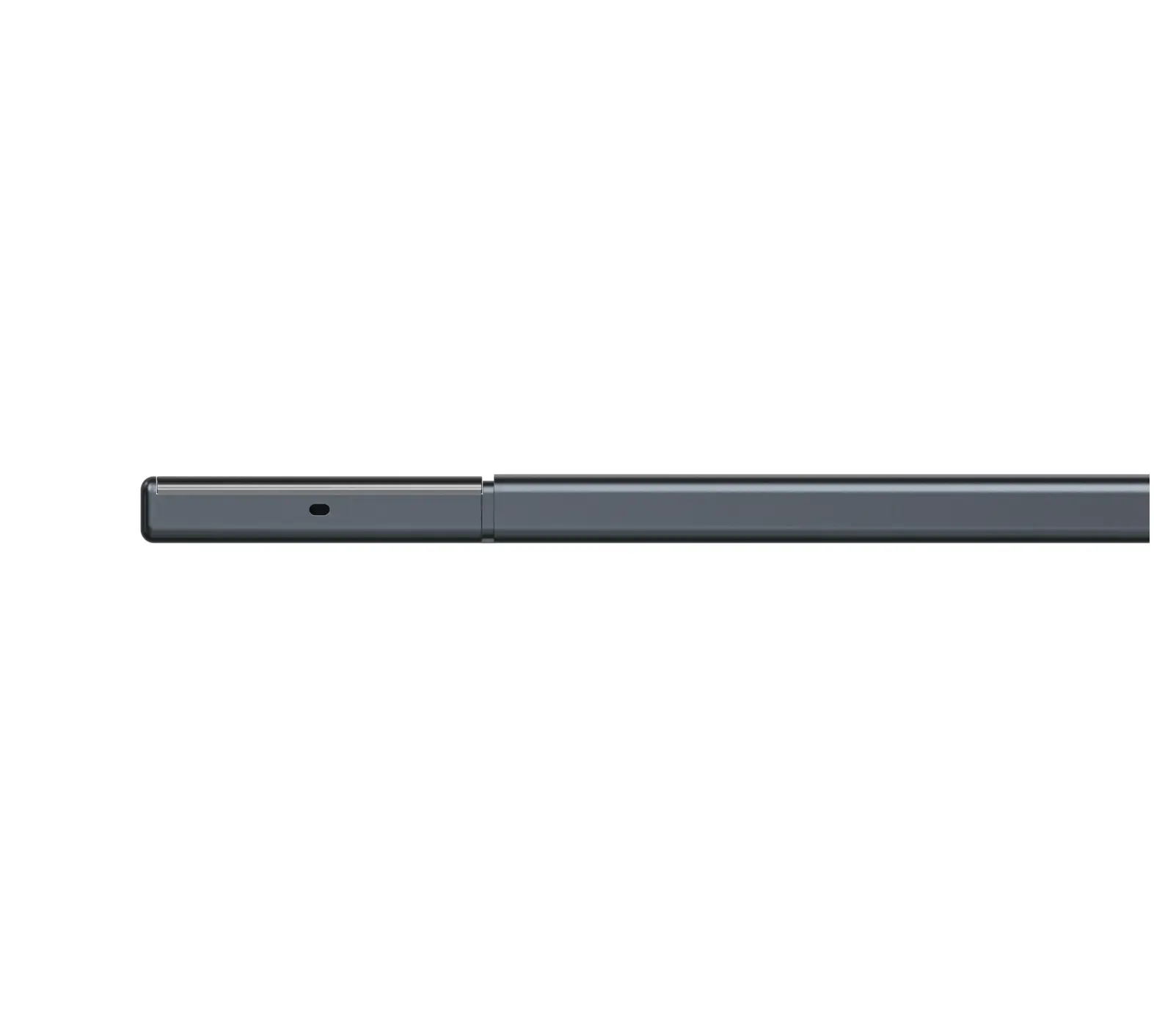
Physically, the Note Pro is almost aggressively min. It measures roughly 2.99mm thick and weighs about 30 grams (1.06 oz), thin enough to slide behind a phone case using the included magnetic ring, or to sit flat in a jacket pocket without printing through the fabric. Plaud ships every unit with a magnetic protective case, the magnetic attachment ring, and a charging cable, so there’s no separate accessory shopping required to start using it day one.
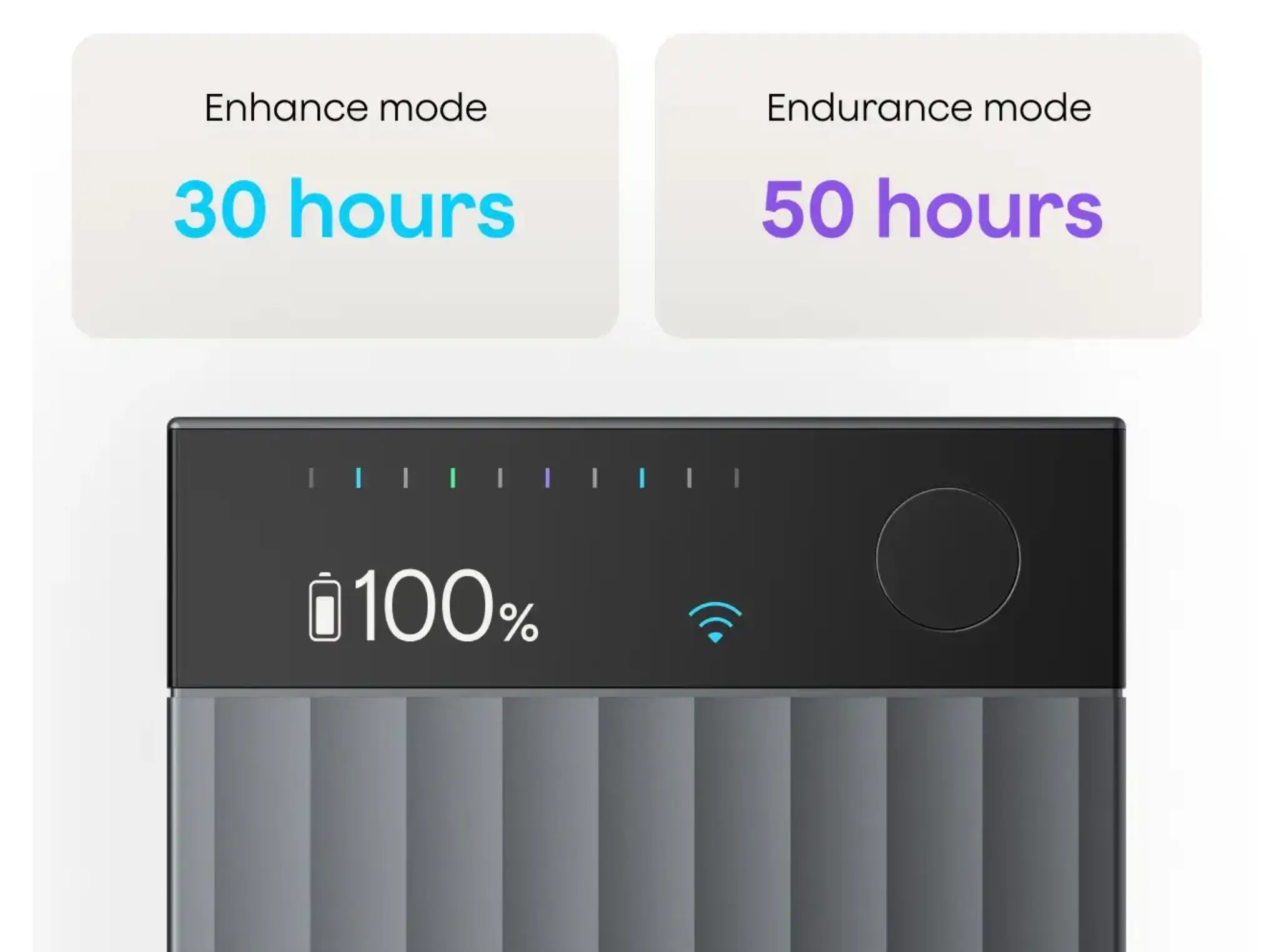
The headline hardware feature is the InstantView display: a 0.95-inch AMOLED panel rated at 600 nits with Gorilla Glass on top, bright enough to read at a glance outdoors in direct sun. It’s a small addition, but it solves a real annoyance with earlier AI recorders — you don’t have to pull out your phone or guess whether the device is actually capturing audio. Status, battery level, and recording mode are all visible on the device itself.
Audio capture is handled by four MEMS microphones plus a fifth voice pickup unit (VPU), combined with AI beamforming to extend effective range to about 16.4 feet, or 5 meters. In practice, that’s enough to pick up every voice around a standard conference table without needing to be passed around or placed in the center of the room. Plaud also built in real-time noise suppression and directional audio processing, aimed specifically at filtering out HVAC hum, hallway chatter, and other background noise that tends to wreck automatic transcription accuracy.
One small but genuinely useful touch: the Note Pro supports Apple’s Find My network, so a recorder that’s easy to misplace because it’s so small is also easy to track down again.
The design lineage matters here too. Plaud built its reputation on the original Plaud Note, a similarly slim recorder that strapped to the back of a phone and was one of the first widely adopted “ChatGPT-powered” voice recorders when it launched. The Note Pro keeps that same magnetic, phone-adjacent form factor but adds the display, extends the mic range, and bumps storage up to 64GB — a meaningful jump from earlier Plaud hardware and enough to hold weeks of recordings before anything needs to be archived or deleted. It sits above the wear NotePin in Plaud’s current lineup, which trades the longer mic range and screen for a clip-on form factor aimed at all-day capture rather than meeting-specific recording.
View this post on Instagram
dual
Plaud’s marketing leans hard on what it calls “smart dual-mode recording,” and it’s a fair thing to highlight. The Note Pro automatically detects whether you’re on a phone call or sitting in an in-person conversation, and switches its recording profile accordingly without requiring you to flip a setting first.
That distinction matters more than it might sound. Phone-call audio and in-room audio behave completely differently — one is a clean, compressed signal coming through a speaker or earpiece, while the other is multiple voices at varying distances and volumes bouncing around a physical space. A recorder tuned for one will perform noticeably worse on the other. By switching modes automatically, the Note Pro is optimizing its mic array and noise processing for whichever situation it’s actually in, rather than asking the user to make that call.
This is also where the device’s positioning as an “everyday carry” tool earns its keep. Most professionals don’t spend an entire day in one kind of conversation — it’s a phone call before the commute, an in-person client meeting late morning, then a video call back at the desk in the afternoon. The Note Pro is built to move through all three without the user thinking about which mode they’re in.
scope
The recording hardware is really just the front door. The actual product, in Plaud’s framing, is what it calls Plaud Intelligence — the AI engine that turns raw audio into something usable.
Transcription covers 112 languages and includes automatic speaker labeling, so a recording of three or four people in a meeting comes back as a transcript that attributes each line to the right voice rather than one undifferentiated wall of text. Custom vocabulary support lets the system learn industry-specific terms, names, or acronyms that a general transcription model would otherwise mangle.
From there, Plaud generates what it calls multidimensional summaries: rather than producing one generic recap, the system can generate multiple role-specific outputs from a single recording — for instance, action items framed for a sales rep, talking points for a manager, and a higher-level strategic summary for leadership, all pulled from the same conversation. Plaud says it has built out more than 10,000 templates covering different professions and use cases, plus support for mind maps and structured documents rather than plain paragraph summaries.
This is the feature set that directly answers the brief: speaker-separated transcripts plus an AI-generated summary of what happened in a recording, without requiring the user to do any manual cleanup afterward.
what
Two features extend the Note Pro beyond simple transcription. “Ask Plaud” turns each recording into something closer to a searchable knowledge base — instead of scrolling back through a transcript to find a specific detail, a user can ask a direct question about the conversation and get an answer grounded in the original audio, along with the ability to draft follow-up emails or pull out next steps.
“AutoFlow” handles the distribution side: once a summary is generated, AutoFlow can automatically deliver it to other tools in more than two dozen formats, removing the manual step of exporting, formatting, and forwarding notes to a CRM, project management tool, or shared doc. For teams that already live inside a specific stack of software, this is the kind of detail that turns a novelty gadget into something that actually gets adopted long-term, since the output lands where people already work instead of sitting in a standalone app.
Plaud also recently upgraded the underlying models powering these features, with the system now drawing on a mix of leading large language models for summarization rather than a single proprietary model, a detail aimed at professionals who want output quality to keep pace with whichever AI model happens to be performing best at a given moment.
thing
Battery life is rated at up to 30 hours of continuous recording in what Plaud calls Enhance mode, or up to 50 hours in a lower-power Endurance mode, with roughly 60 days of standby time on a single charge — enough to get through a packed week of meetings without reaching for the charging cable more than once or twice.
On the privacy and security side, Plaud lists compliance with ISO 27001, ISO 27701, GDPR, SOC 2, HIPAA, and EN 18031, along with AES-256 encryption for stored data and TLS 1.2 or higher for data in transit. The company states it does not use customer recordings to train its AI models and that recordings aren’t subject to human review. For anyone planning to use this in client meetings, legal consultations, or healthcare settings, those compliance markers matter more than the hardware spec sheet — and it’s worth remembering that recording consent laws vary by location, so checking local requirements before recording any conversation is always the safer move regardless of what the device itself supports.
challenge
AI-powered transcription is no longer a niche feature — it’s built into Zoom, Teams, and Google Meet by default, and apps like Otter.ai have offered automated meeting notes for years without requiring any extra hardware at all. So the obvious question is why a dedicated physical recorder is worth carrying at all.
The answer is mostly about the conversations that software-only tools can’t reach. Built-in meeting transcription only works for calls that happen inside that specific app, on that specific device. It does nothing for an in-person client meeting, a phone call taken in the car, or a hallway conversation that turns out to matter later. The Note Pro’s whole reason for existing is to cover those gaps — anything spoken out loud, regardless of which app or device it happens on, gets captured the same way. That’s also the core pitch behind competitors like the Limitless pendant or Bee’s wearable AI recorders, which chase the same always-available recording use case from a slightly different form factor.
Where Plaud differentiates itself within that smaller field is the InstantView display and the explicit dual-mode switching between calls and in-person settings, rather than treating every recording as the same kind of audio. It’s a narrower, more deliberate bet than an always-listening wearable: less ambient capture, more purpose-built tool for a specific, recurring task.
extent
The Note Pro isn’t pitched as a casual gadget — it’s built for people whose job involves sitting through several meetings a week and who lose real time afterward writing up what was discussed. For someone in three or more meetings per week, particularly anyone who alternates between phone calls and in-person conversations throughout the day, the combo of long mic range, automatic mode switching, and structured AI summaries is a genuine time-saver rather than a novelty.
For lighter or more occasional use, the cost math is less obviously in the Note Pro’s favor. Someone who only needs to record the occasional interview or lecture might get more value out of the cheaper, previous-gen Plaud Note, since the hardware itself records and stores audio independently of any subscription — no AI plan required if all that’s needed is a basic recording.
Either way, the Note Pro is a clean example of where AI hardware is heading this cycle: not flashy wear trying to do everything at once, but narrow, well-built tools that hand a specific, tedious task — in this case, meeting notes — entirely off to a model that’s gotten good enough to be trusted with it.
From the DRIFT archive: PANTONE’s 2026 Color of the Year Takes Shape With Play-Doh and Post-It Editions
Related Articles
Inside the Ferrari Line Where V12s, Hybrids and the Electric Luce Share One Workforce
In Maranello, the electric Luce, a hybrid V8 and a twelve-cylinder Purosangue now share one assembly line and one workforce.