DRIFT AUDIO
Listen to this story
Choose a voice, then press play.
In This Story
- A Returning Icon
- From Osaka to the Avant-Garde
- The Shoe That Looked Like the Future
- What’s Coming Back
- Why a Reprint Now
- Where to Cop It / Closing
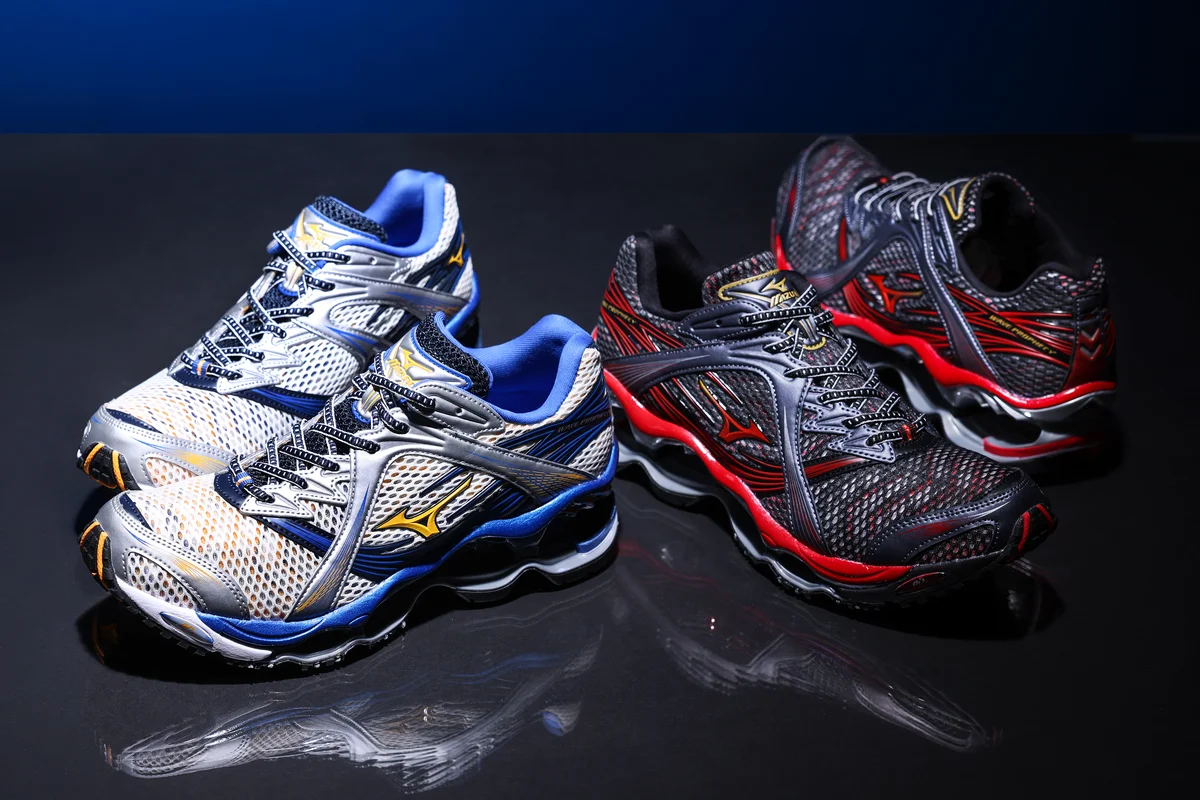
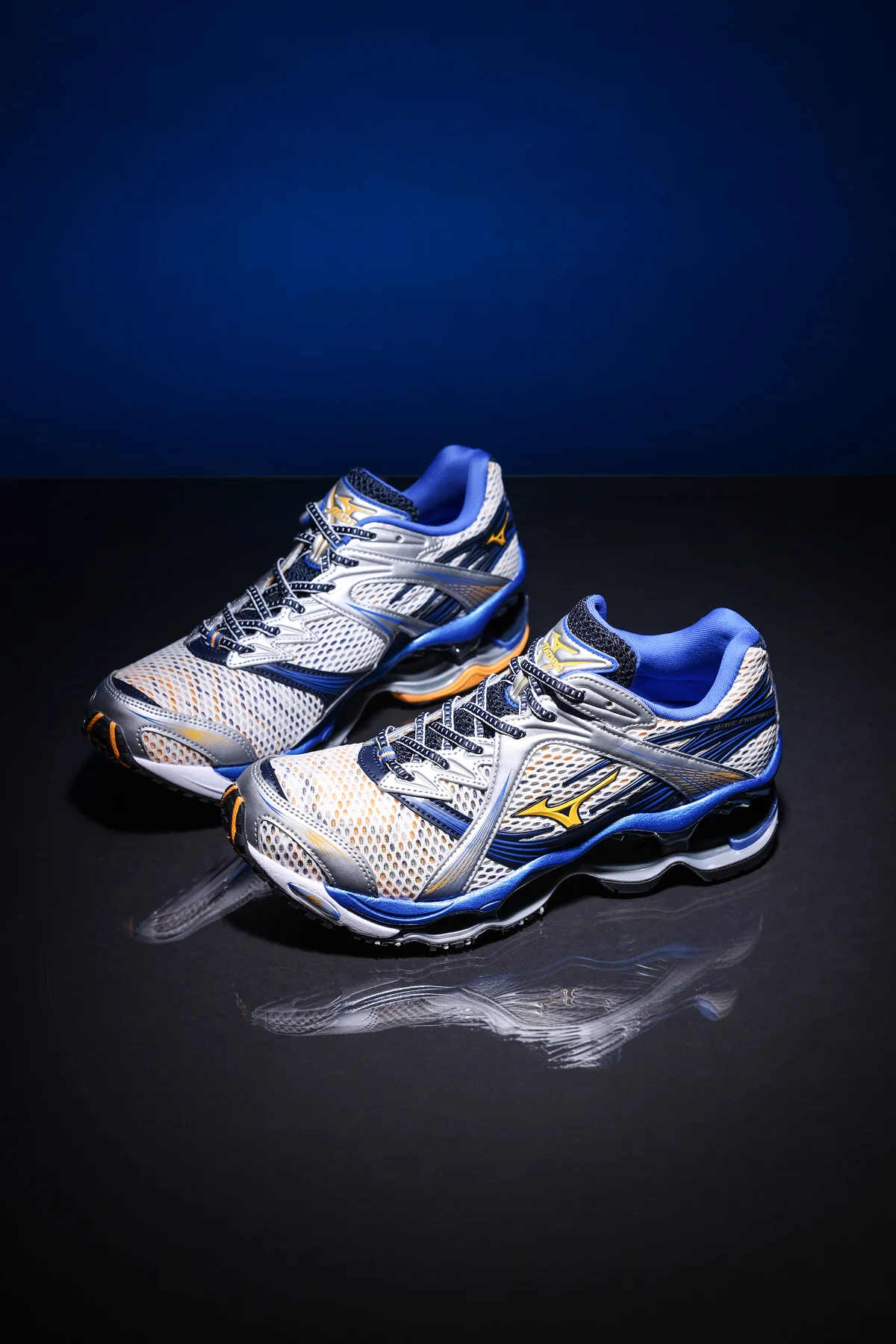
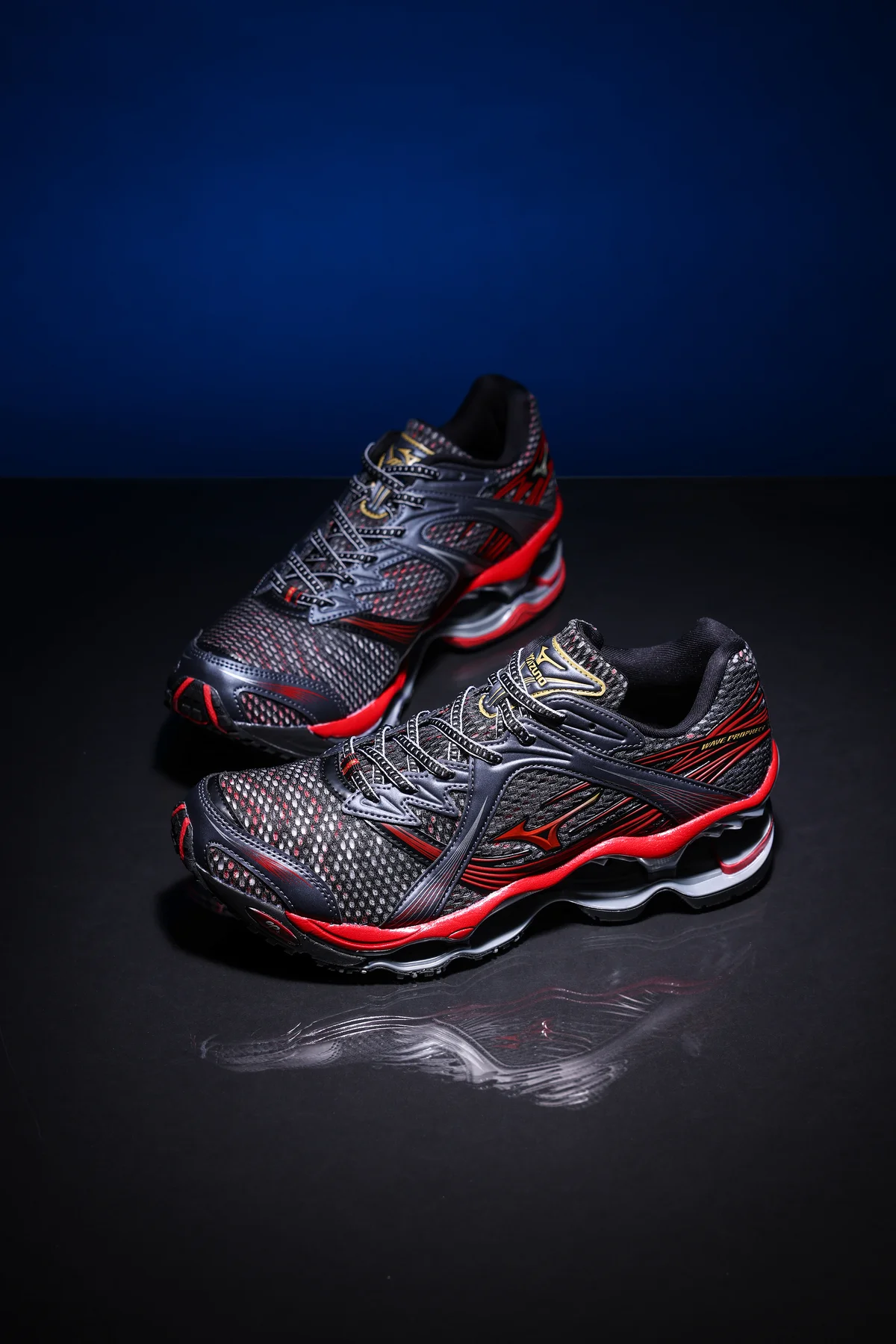
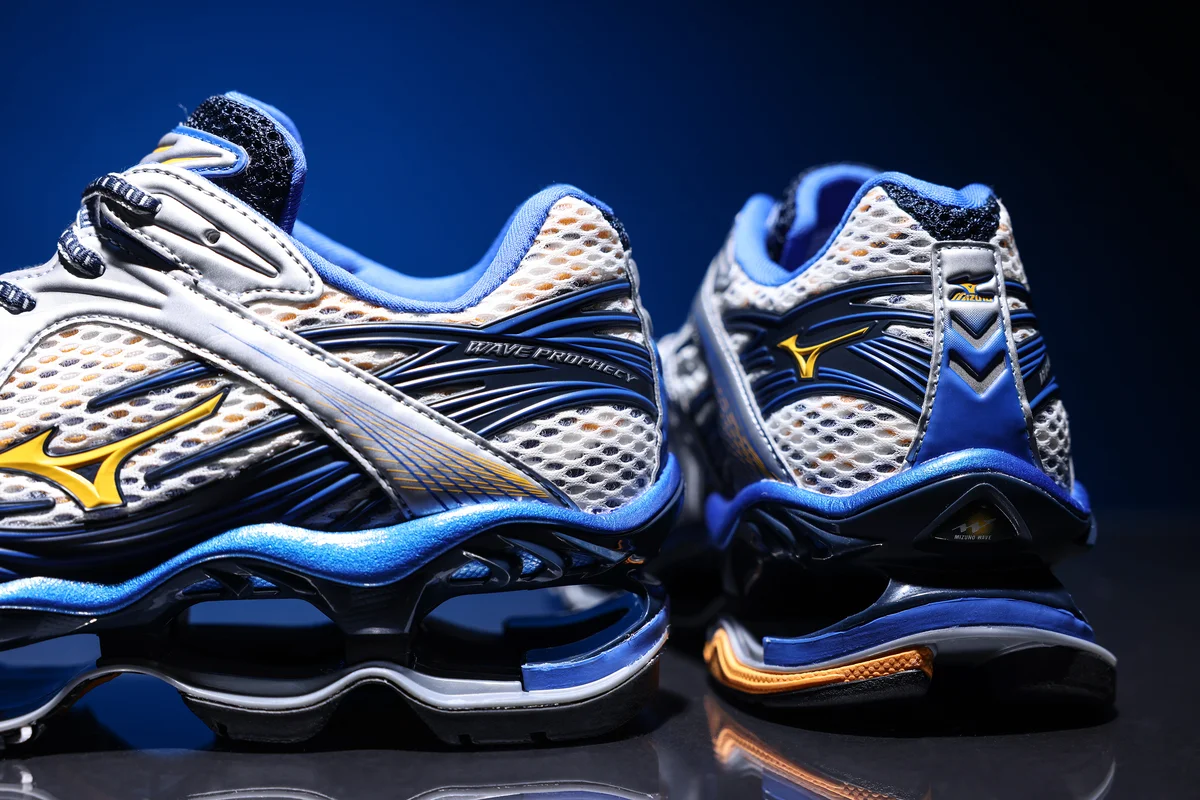
There are shoes that age gracefully, and there are shoe that simply refuse to look like anything else on the market, no matter how much time passes. Mizuno’s WAVE PROPHECY belongs firmly in the second category. Nearly a decade and a half after it first landed, the silhouette that once baffled runners and seduced sneakerheads in equal measure is getting its first official reprint — a move that brings the model’s original DNA back into circulation for a generation of collectors who only know the WAVE PROPHECY through resale listings and archive accounts. For a brand that has spent years quietly building one of footwear’s most interesting cult followings, it’s a release that feels less like a marketing exercise and more like Mizuno reclaiming a piece of its own history.
View this post on Instagram
stir
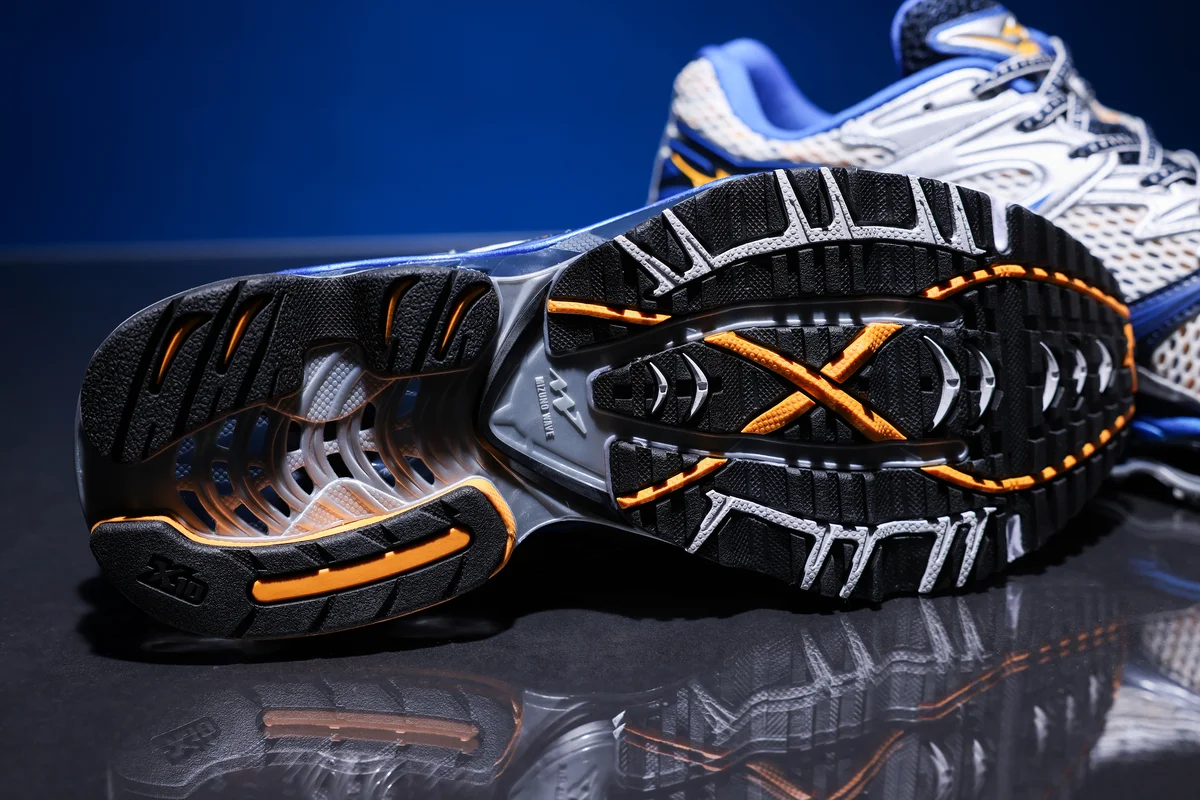
Founded in Osaka in 1906, the company built its reputation on technical sporting goods long before “sneaker culture” existed as a concept — baseball gloves, golf equipment, and eventually running shoes that prioritized biomechanics over branding. That engineering-first mentality eventually produced Mizuno’s signature Wave technology: a plate-based cushioning system designed to manage impact and energy return through structural geometry rather than foam volume alone. Most Wave shoes kept that technology subtle, tucked into the midsole where only a runner’s stride would notice it. The WAVE PROPHECY did the opposite. It put the engineering on full display, and in doing so, accidentally created one of the more divisive design statements in running shoe history.
flow
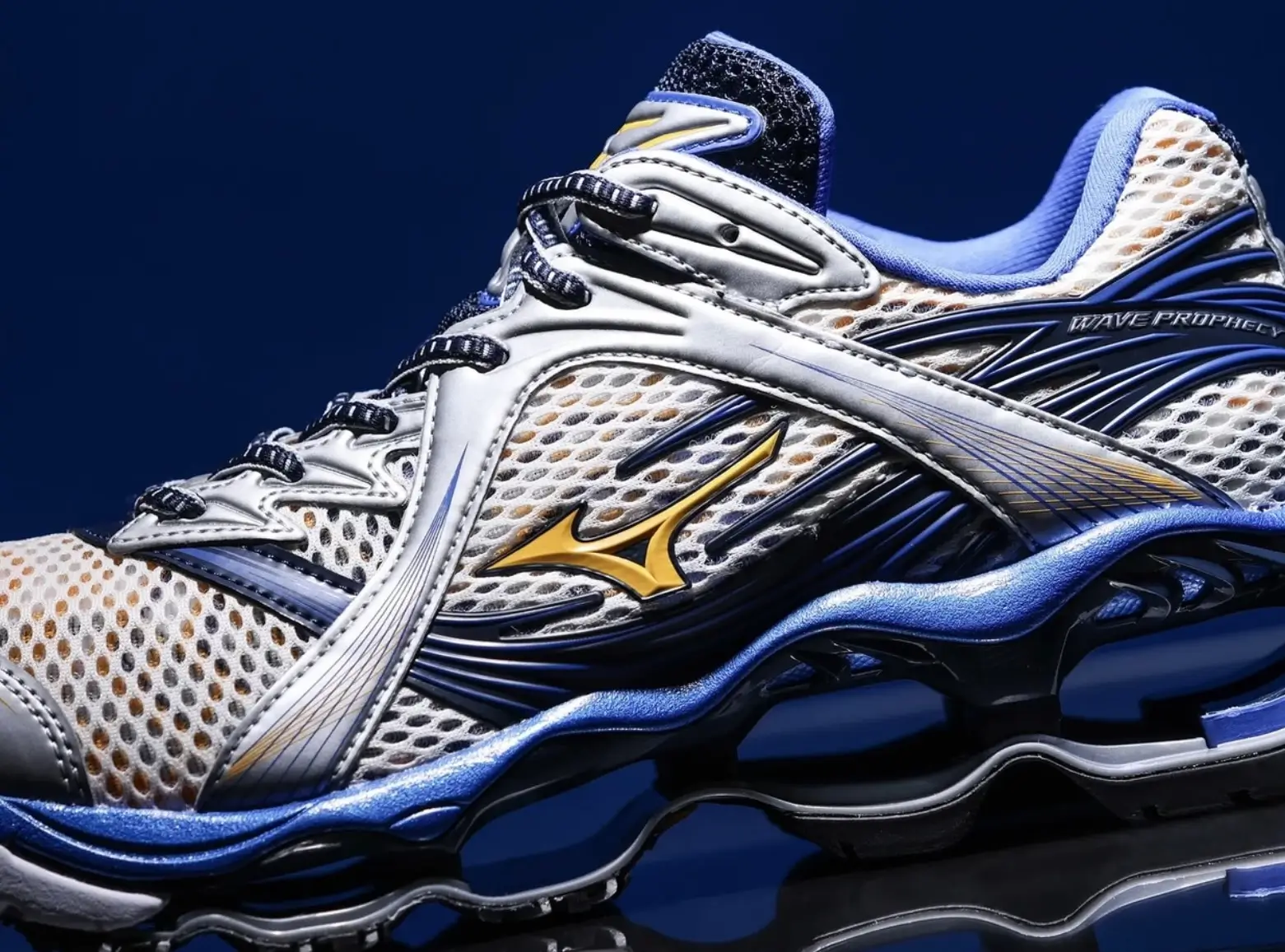
When the original WAVE PROPHECY debuted in 2012, it didn’t look like a running shoe so much as a prop from a film about running shoes. Its defining feature was the Infinity Wave plate — two interlocking wave-form structures stacked beneath the foot, fully exposed rather than buried in foam, giving the shoe a skeletal, almost architectural profile. It was a radical departure from the chunky EVA midsoles dominating the category at the time, and it arrived with a price tag — north of $200 — that matched its ambition.
The shoe split opinion immediately. Performance reviewers found its aggressive toe spring unusual, noting that the pronounced curvature at the front of the sole created a rocking, rolling sensation underfoot that some runners loved and others found disorienting. Critics also questioned whether the eye-catching plate justified its premium price relative to more conventional cushioning setups. But none of that mattered to the audience that the WAVE PROPHECY actually won over: people who wanted their shoes to look like nothing else in the room. Where the technical running crowd hesitated, the sneaker world leaned in, and the silhouette slowly built a cult status that outlasted its original performance ambitions. Subsequent numbered editions refined the plate and the upper, but the core idea — view, futuristic cushioning architecture — never went away.

who
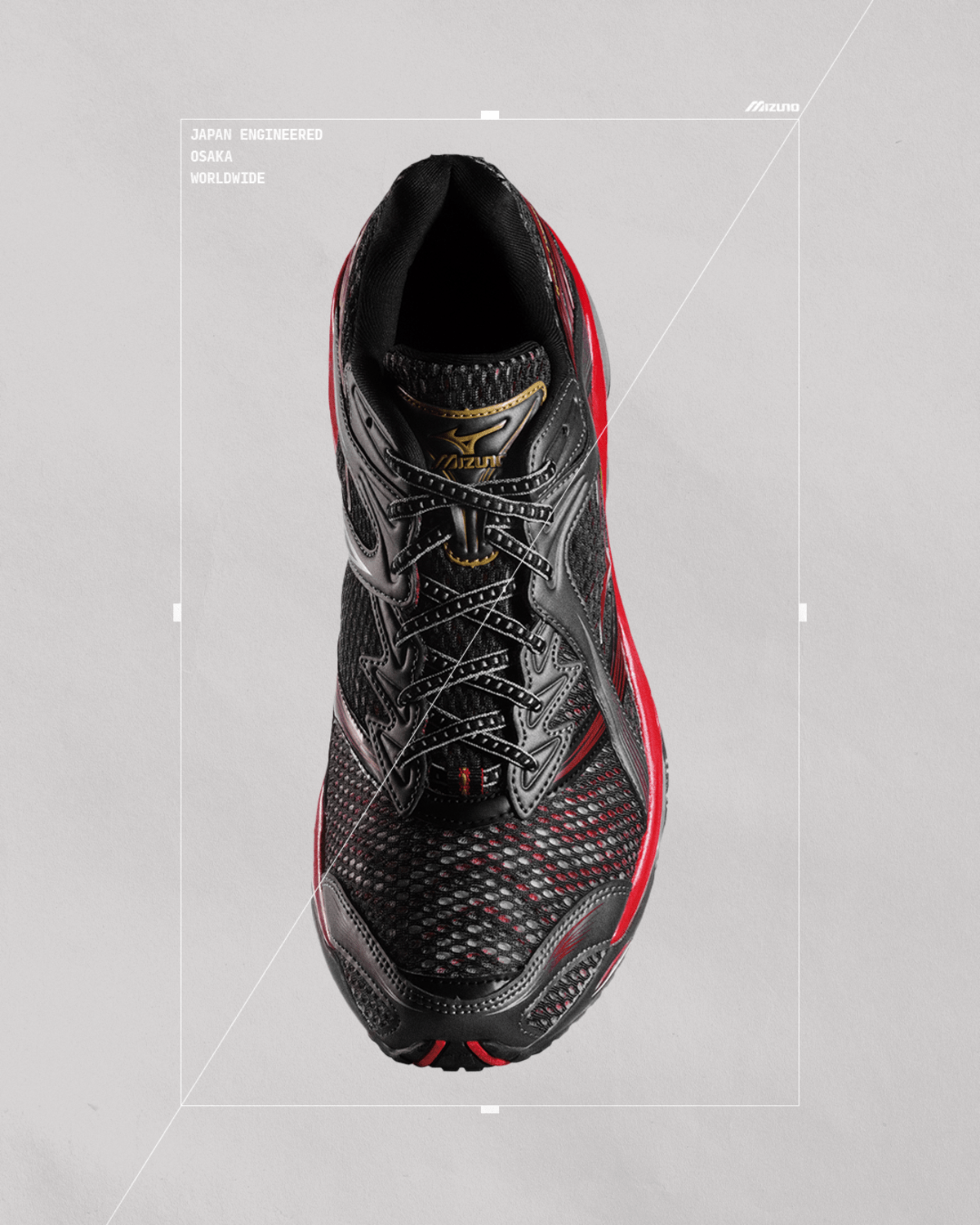
The reprint restores the silhouette’s original spirit rather than reinventing it. Mizuno has rebuilt the shoe around its founding details: the exposed, two-tier Infinity Wave plate construction that made the model instantly recognizable, paired with an upper that nods directly to the proportions and materials of the early-2010s original rather than the more streamlined, lifestyle-leaning versions that followed. Expect the same skeletal sole geometry that made the WAVE PROPHECY look like it had been engineered for a different decade, alongside small material and construction refinements that bring the build up to current manufacturing standards without disturbing the shape that made it iconic in the first place.
This kind of faithful reprint sits apart from the brand’s more experimental Sportstyle output. In recent seasons, Mizuno has used the broader WAVE PROPHECY platform as a launchpad for new directions — moccasin-soled hybrids, strap-based summer iterations, and collaborative projects with labels exploring premium materials and regional storytelling. Bringing back the original architecture untouched is a different kind of statement: an acknowledgment that the source material still holds up entirely on its own.
fin
The timing isn’t accidental. Archival running silhouettes have become one of the most active corners of shoe culture over the past few years, with brands across the industry digging into early-2010s and even early-2000s technical runners to feed an audience hungry for shapes that look genuinely unfamiliar rather than incrementally updated. Chunky, structurally bold “dad shoe” energy never really left, and the WAVE PROPHECY’s exposed-plate design gives it a visual edge that most archival reissues from other brands can’t match — it doesn’t just look retro, it still looks strange in a way that reads as fresh.
n
From the DRIFT archive: A Cult Classic in Orbit: The Tecnica Moon Boot Icon Nylon Boots Reimagined for Modern Winter
Related Articles
Atmos, Against Lab And Puma Plaid Seat Fabric On The Speedcat Plus
PROJECT: PLAID. 410472-01. Navy suede. Woven plaid. Textured Formstrip. Seatbelt webbing. BASE 3, Kuala Lumpur, […]