DRIFT AUDIO
Listen to this story
Choose a voice, then press play.
The Tokyo label’s autumn/winter 2026 rollout reaches its third delivery on August 8, carrying the deconstructed tailoring and earth toned palette from its January runway debut into stores.
ssstein’s third delivery of its 2026FW collection arrives Saturday, August 8, through the brand’s own site and its network of Japanese stockists. It’s the third of what has become a familiar cadence for the label: a first delivery on June 13, a second on July 18 built around shirting and wider trouser silhouettes, and now a third that historically brings the season’s outerwear centerpieces, following a pattern the brand has repeated across past seasons where leather jackets and structured coats tend to anchor the August rel.
Retailers carry the line, several of which post staff previews ahead of each delivery, have flagged the outerwear category as the one to watch again this time around, consistent with how ssstein has staged its last few seasonal rollouts. Independent Japanese boutiques like session in Fukuoka and twelve in Kawagoe have built a small tradition out of publishing their own third delivery styling notes each August, usually built around whatever leather jacket or heavier outer layer anchors that particular season, paired down with the label’s trousers and, in past years, footwear from partner brands like Mizuno. The exact assortment for stores wasn’t uniformly published ahead of the release, and this piece doesn’t attempt to guess at specific styles or prices that haven’t been confirmed by the brand itself.
The pattern is worth noting because it says something about how ssstein has chosen to release collections at all. Rather than dropping a season in one batch the way most contemporary labels do, the brand spreads its Paris runway collection across a slower, staggered calendar of deliveries that stretches from early summer through the following winter, a structure that lets stockists build anticipation delivery by delivery and gives customers a reason to keep checking back rather than buying everything in one pass or nothing at all. It’s a distribution rhythm that mirrors, in its own quiet way, the unhurried pace the brand’s design philosophy keeps returning to.
View this post on Instagram
stir
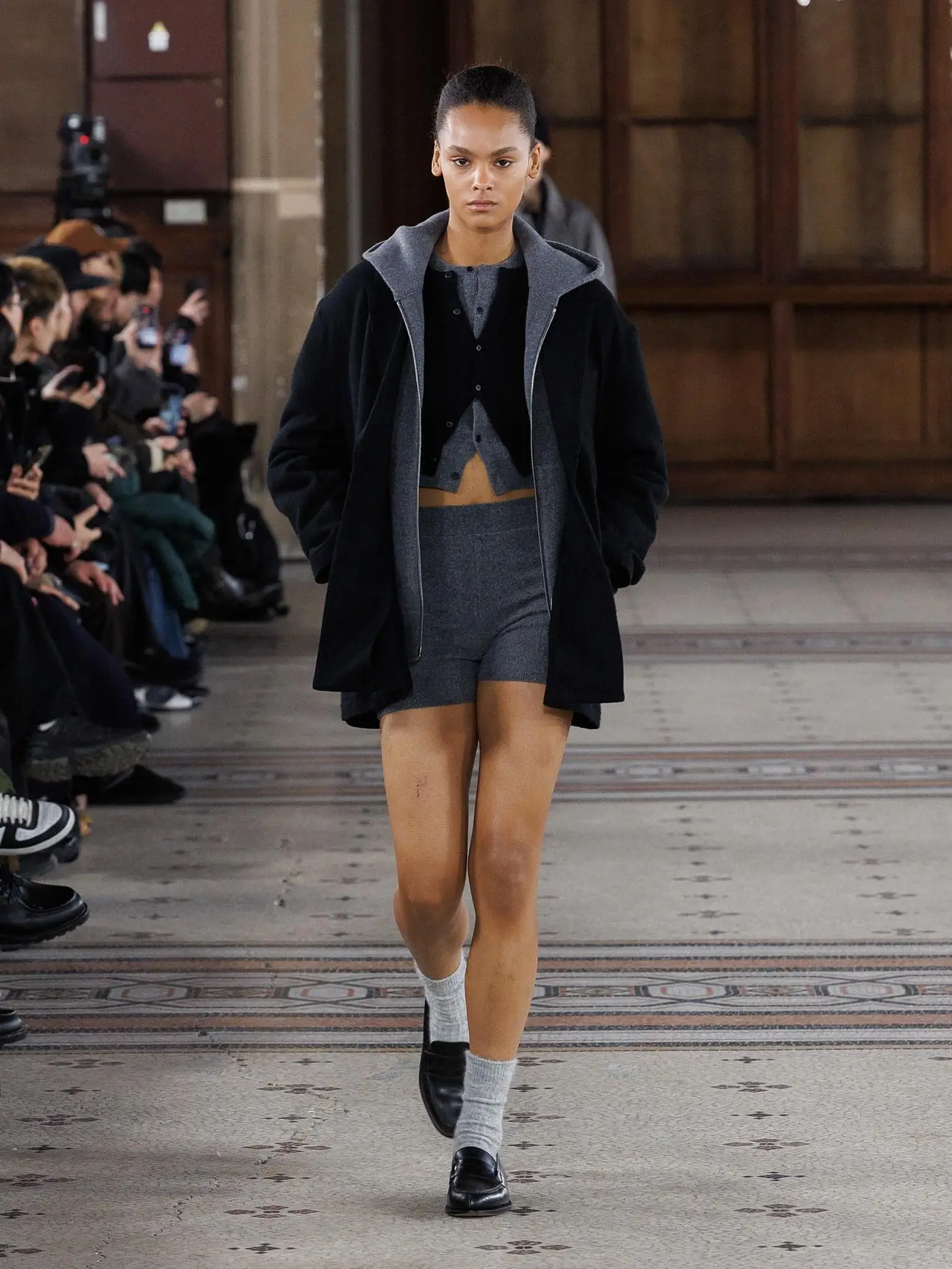
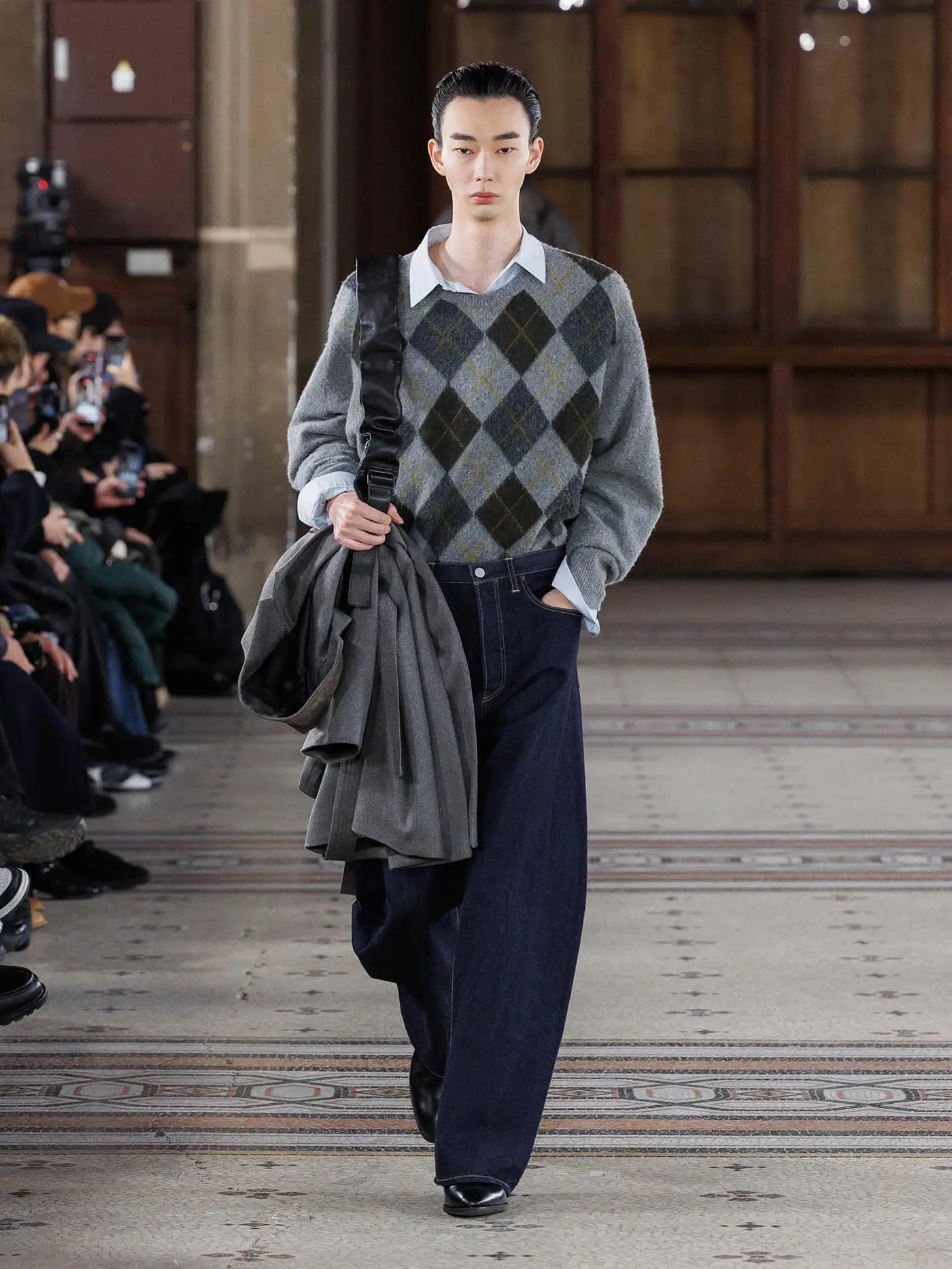
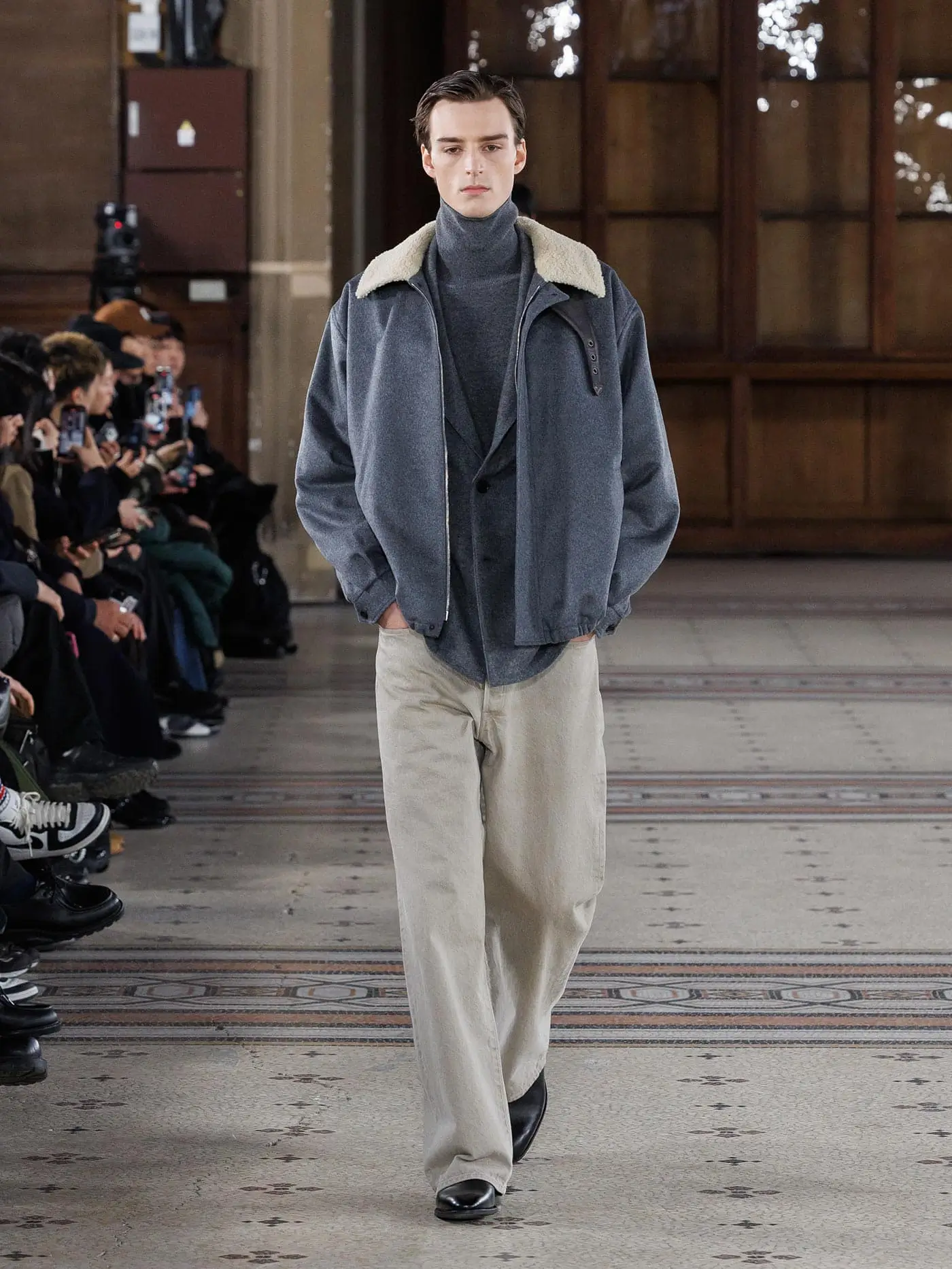
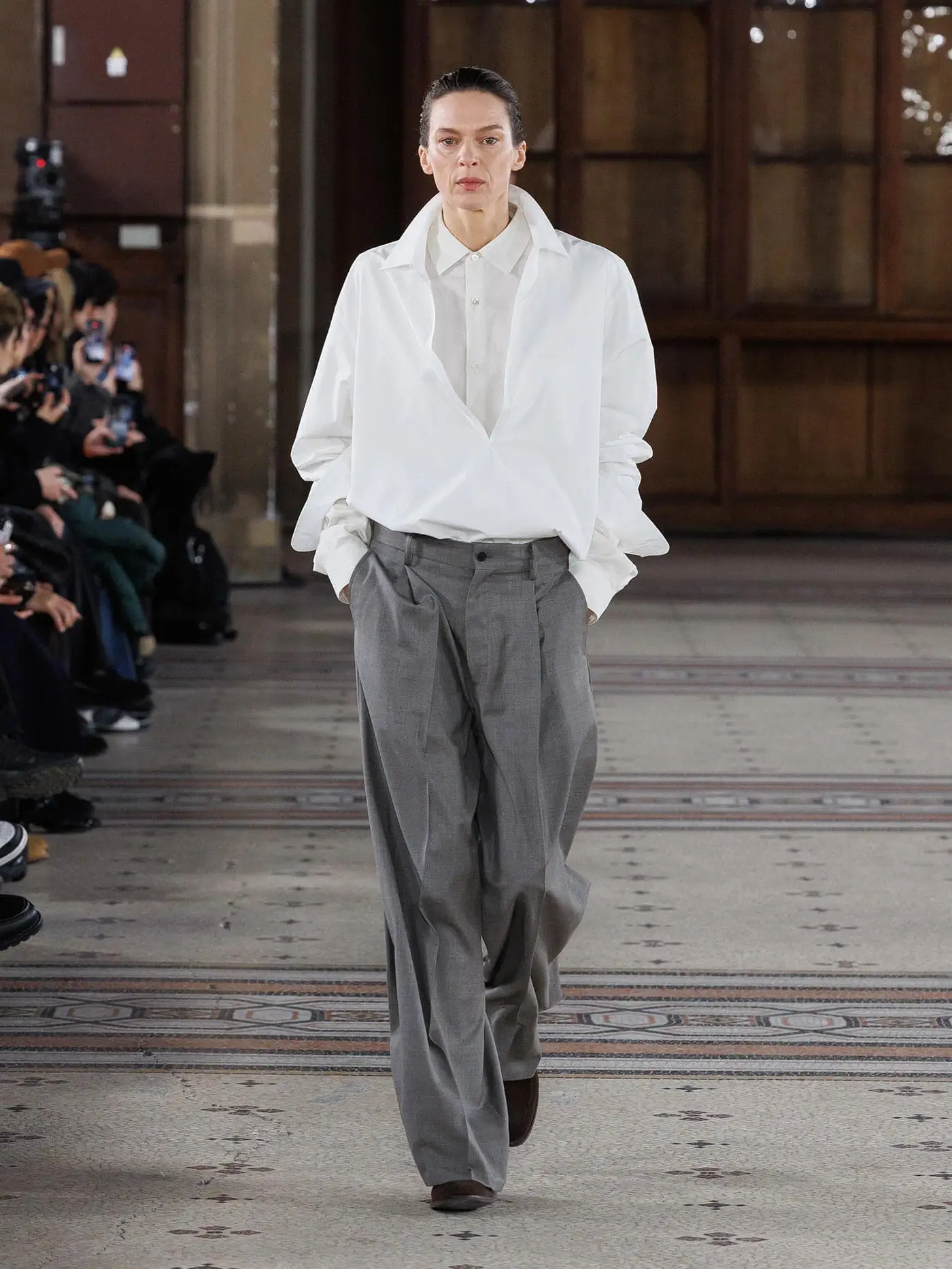
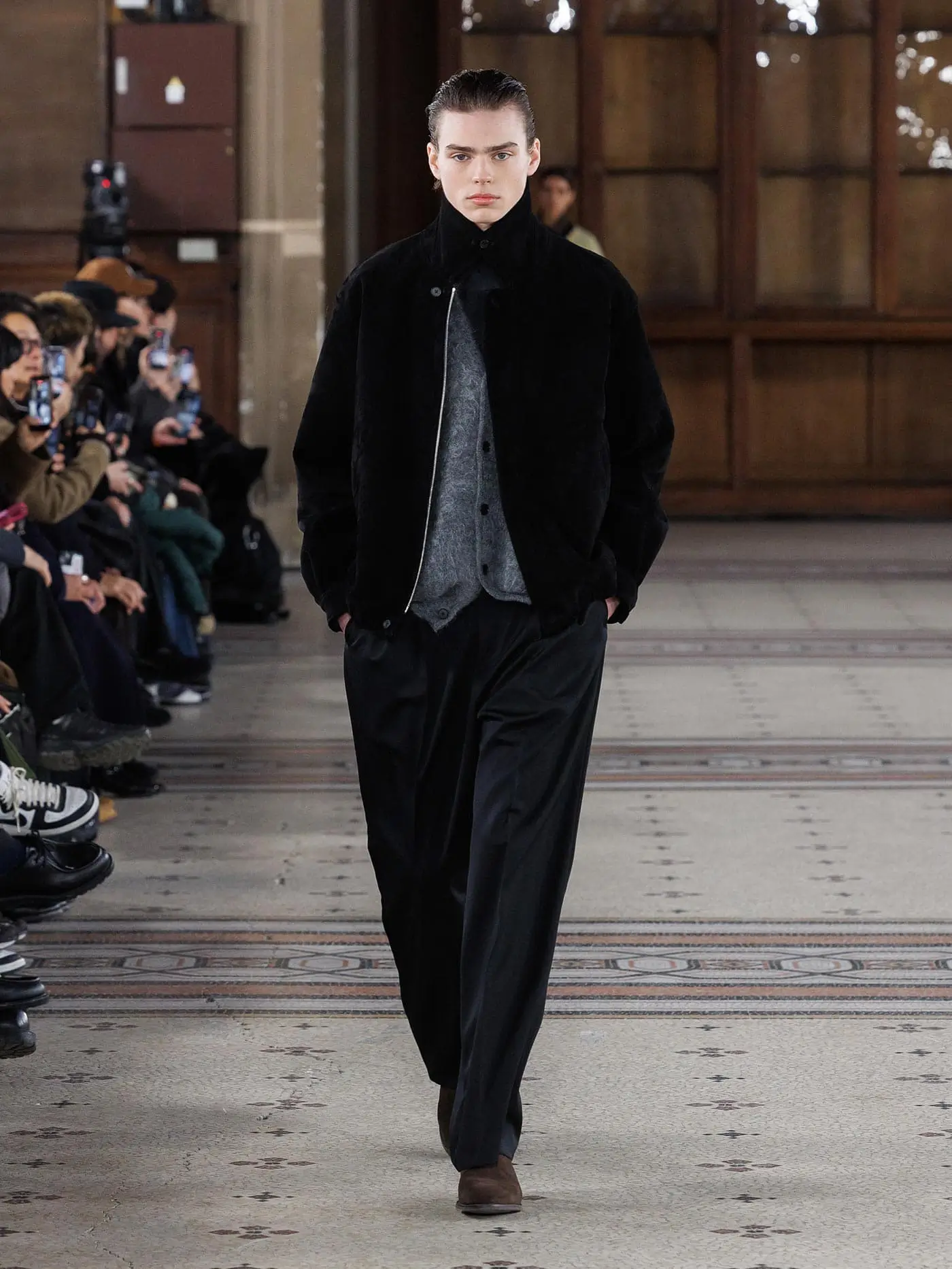
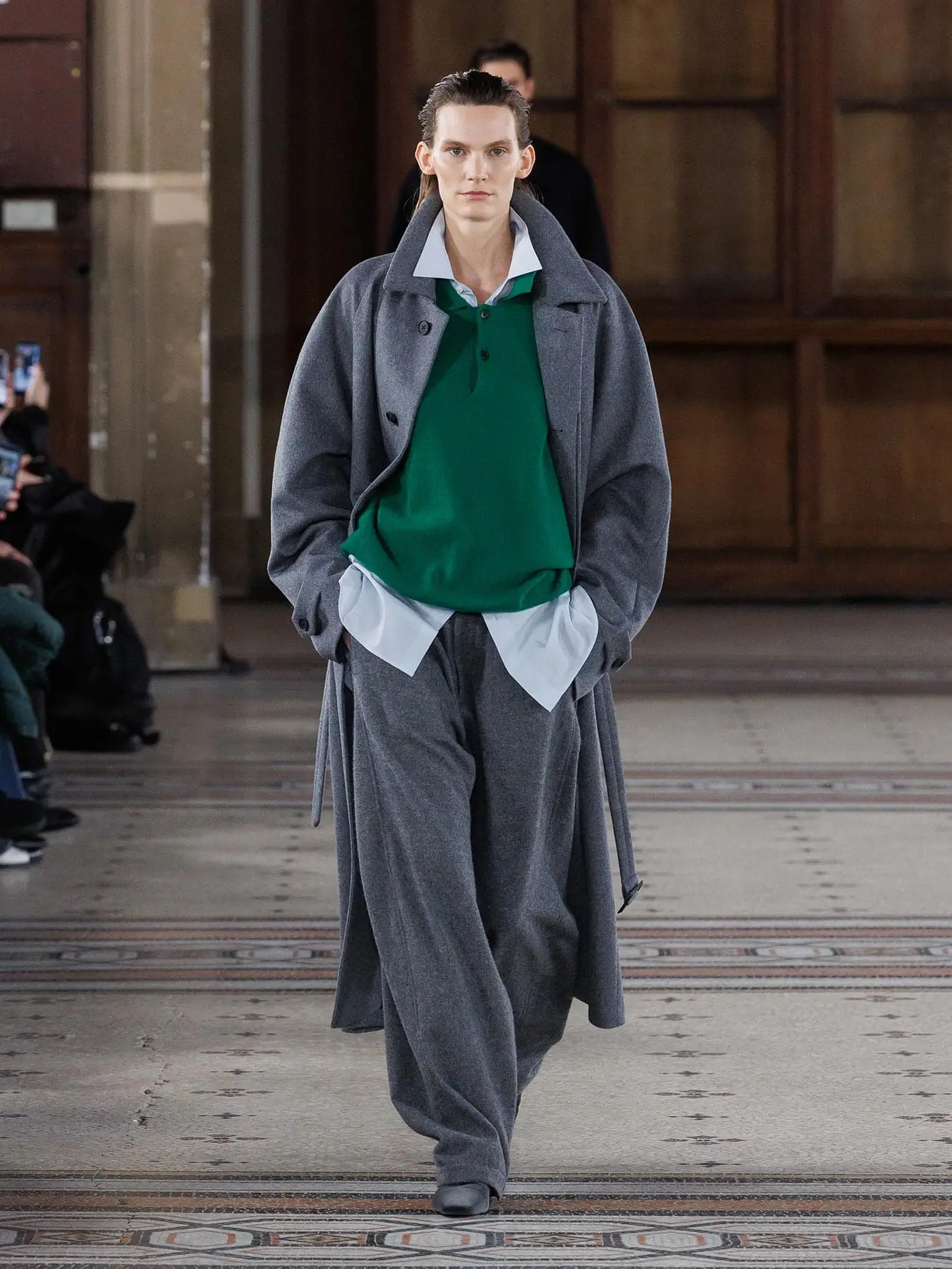
In register of what’s shipping this weekend, it helps to go back to January 25, when ssstein unveiled the full 2026FW menswear and womenswear collection during Paris Fashion Week, its first time on the event’s official schedule. The show was staged inside the Conservatoire national des arts et métiers, a Paris institution founded in 1794, a setting the brand’s coverage described as pairing religious era architecture with the functional aesthetics of the industrial revolution.
Founder and creative director Kiichiro Asakawa framed the season around emotional nuance pulled from ordinary life rather than any single dramatic statement. In comments tied to the show, Asakawa pointed to the pleasure of discovering photographer Jamie Hawkesworth’s landscape work and rediscovering familiar, overlooked corners of Tokyo as touchstones for the collection, describing the feeling he was chasing as one of simple joy and warmth laced with nostalgia. That sensibility carried through in how the show itself was paced: no theatrics, no forced statement pieces, just a sequence of clothes built to sit naturally inside someone’s actual life.
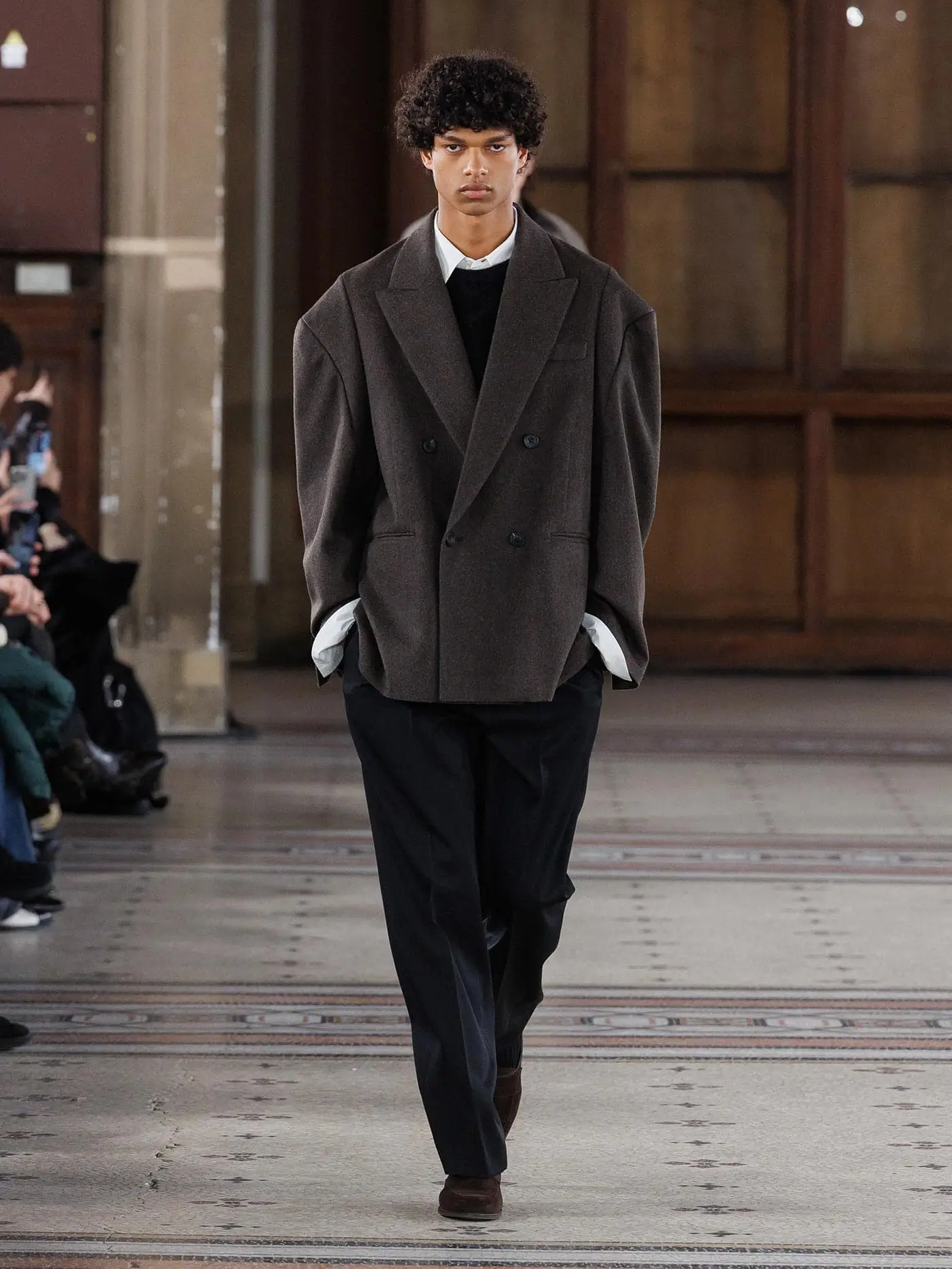
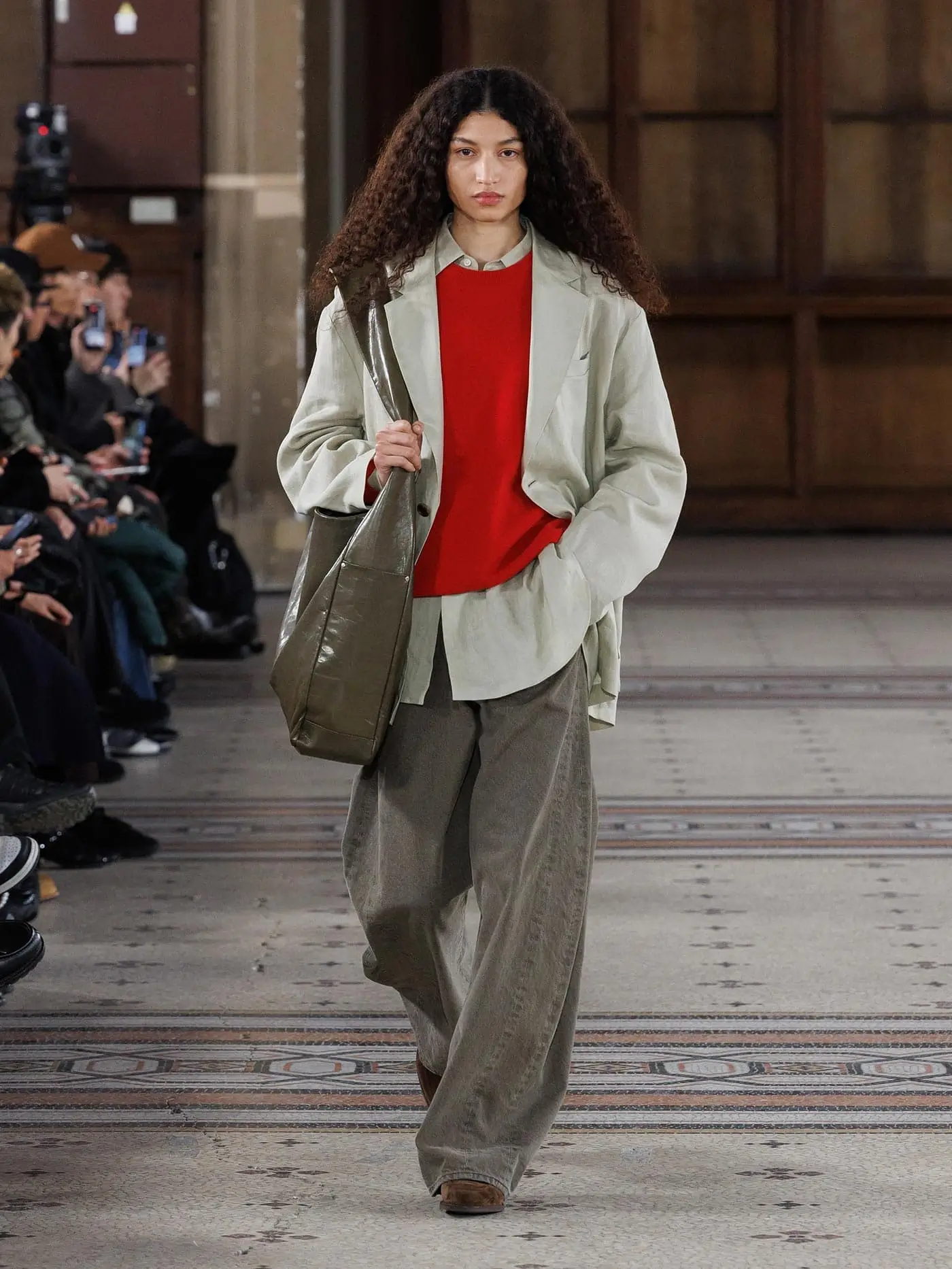
The color story followed the same logic. Grey, brown, khaki, and olive carried the bulk of the collection, with red, yellow, and green appearing only as restrained accents, the kind of palette that reads more like autumn foliage caught under a streetlight than anything designed to grab attention from across a room. Coverage of the show described color functioning less as a visual hook and more as a conduit for memory, an idea that tracks with how deliberately ssstein has avoided the kind of season defining single statement piece that a lot of contemporary Japanese labels lean on to generate hype ahead of a drop.
This was also the collection that formally put ssstein on the Paris Fashion Week calendar for the first time, a milestone Asakawa connected directly to the Fashion Prize of Tokyo award the brand received the previous year. The prize came with the opportunity to show in Paris for two consecutive seasons, and the label used the first of those, spring/summer 2026, to test the format in the more intimate setting of the Hôtel de Maisons, an 18th century Parisian residence, before graduating into the official schedule for this fall/winter show. Speaking after the spring outing, Asakawa noted that showing in Paris gave the brand access to a much wider audience and, in his words, more chances at meaningful encounters, a comment that reads now as a fairly direct preview of the bigger stage the brand stepped onto in January.
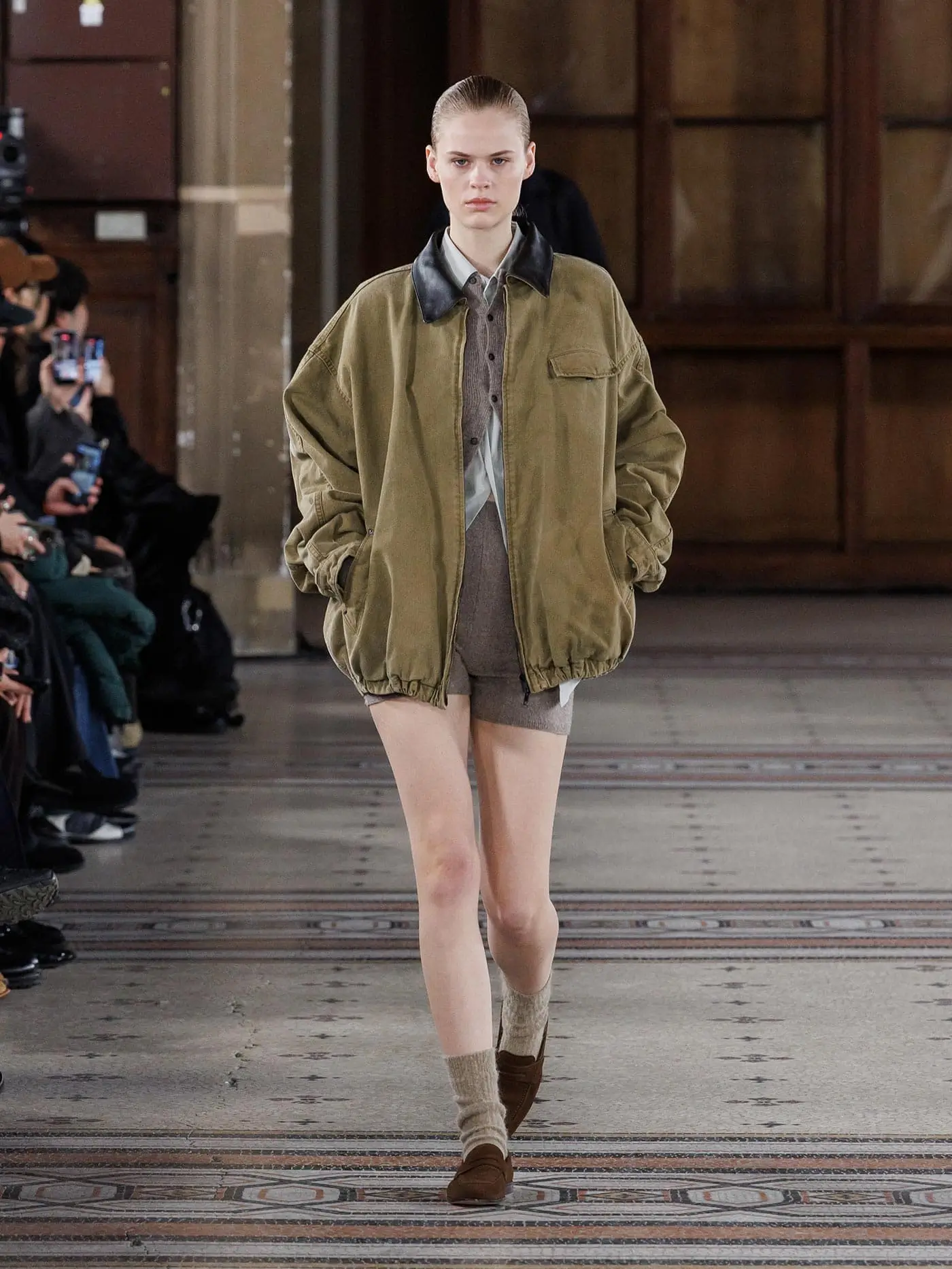
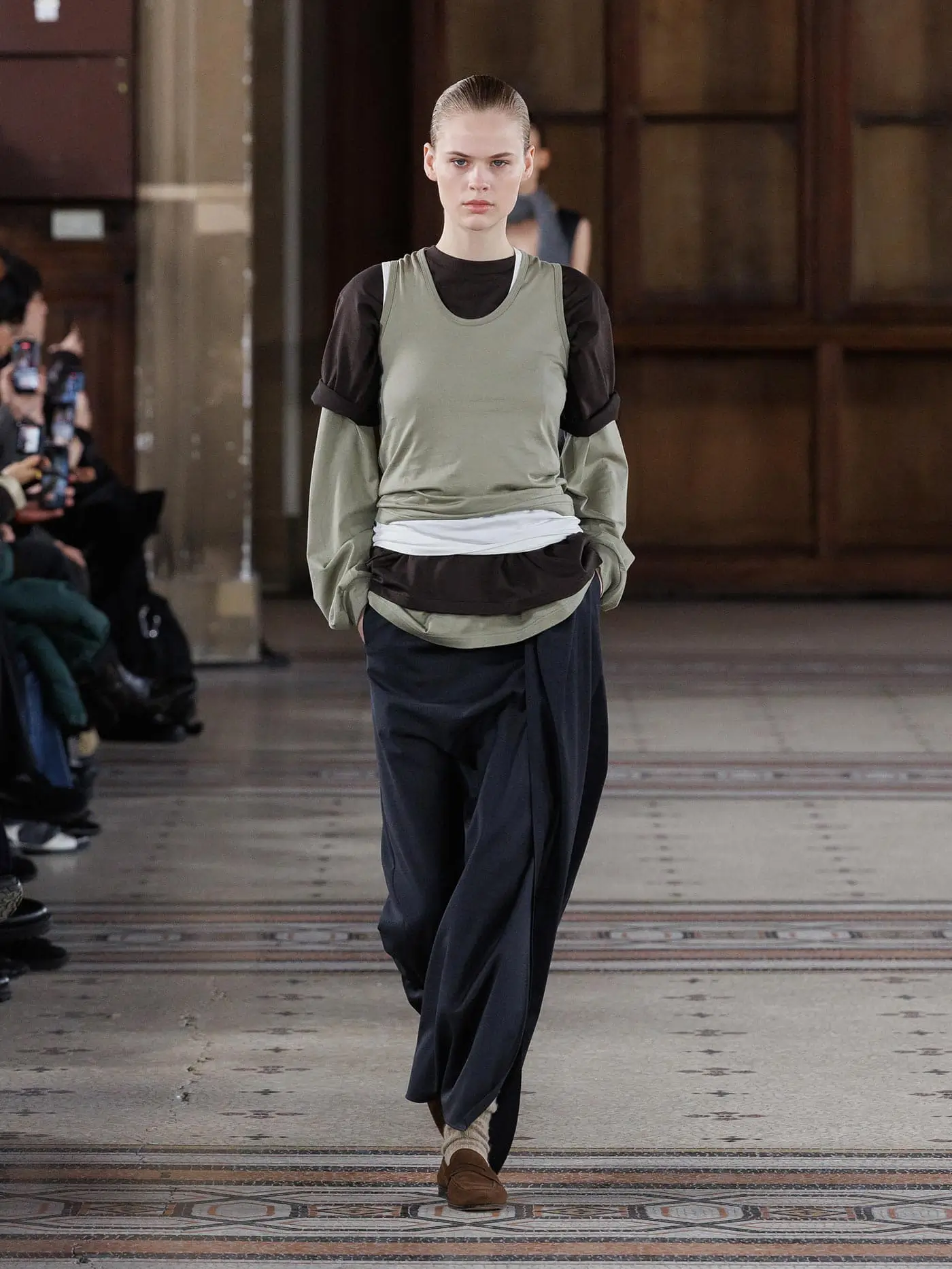
An oversized olive bomber jacket with a contrasting black leather collar anchors a relaxed runway look, layered over tonal knit separates and finished with socks and classic brown loafers for understated utilitarian tailoring.
flow
What separates ssstein’s version of shh clothing from a simple palette exercise is how much technical work goes into making it look effortless. The season’s material list runs through softly woven tweeds, corduroy that picks up uneven coloration from being sun dried after dyeing, and argyle knits with a subtle brushed finish, all chosen specifically to resist uniformity and read instead like fabric that’s already lived a little.
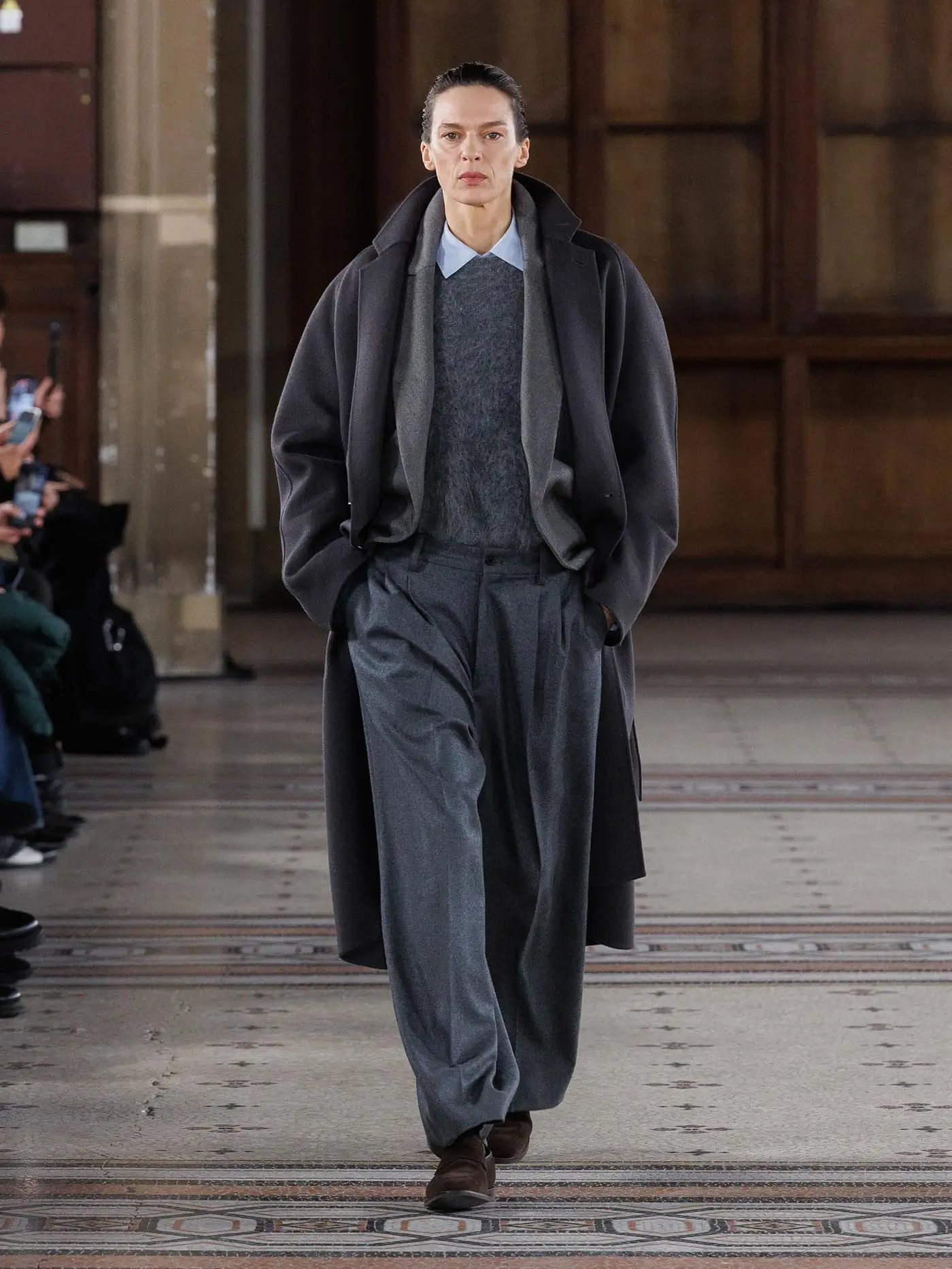
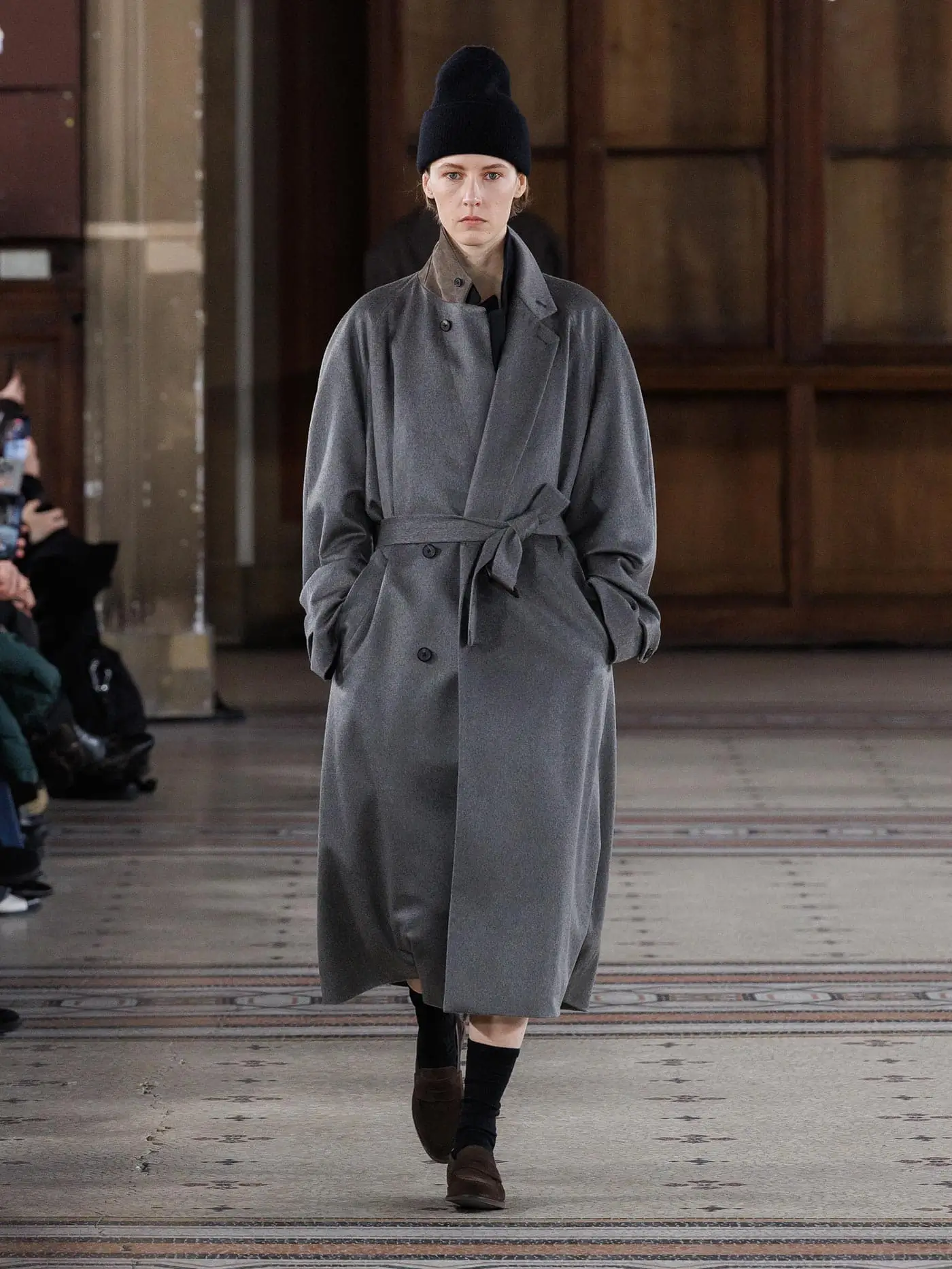
Coats carried particular weight in this collection, functioning almost as thesis statements for the season’s broader argument about restraint holding more interest than spectacle. The collection’s clearest statement piece is a grey coat cut with raglan sleeves and a closure set slightly off center, a detail Asakawa has called a deconstructed Chesterfield. The flannel itself is slowly woven on shuttle looms and lightly felted, giving it an air filled softness before a brushed finish adds a muted sheen. That same instinct for introducing small tension into a relaxed shape shows up again in the season’s double layered collars, finished in suede or leather and worked into balmacaan coats and blousons alike, a construction and deconstruction move that’s become something of a signature for the label.
Even the sportier end of the collection carries hidden technical ambition. One wool and cashmere blouson uses hand stitching that scoops only the inner layer of a double cloth construction, so no stitching shows once the piece is worn, while lightly padded blousons and track pants blend tailored structure with a looser, more artistic hand. Denim, long one of ssstein’s signature categories, expands this season into colored variations alongside the brand’s arched leg silhouette, reworked straight cuts, and wide leg styles, all built from rope dyed warp yarns that keep a white core so the fabric develops character with wear rather than fading flat. Knitwear spans cashmere, mohair, and wool intarsia, all using extensive brushing techniques for a softer hand and more tactile warmth. Notably, the full collection is now offered starting from an XS size, alongside feminine pieces like two way maxi skirts and tight fit tank tops, a quiet signal of the womenswear direction the brand appears to be building toward.
None of this is entirely new territory for the label. ssstein’s outerwear has built a track record over the past several seasons for exactly this kind of layered, slightly obsessive detailing, from goat leather car jackets modeled on vintage silhouettes but cut with modern, minimal patterning, to oversized flight jackets and zip up leather pieces that have become recurring bestsellers at the brand’s Japanese stockists season after season. What the 2026FW collection adds isn’t a new category so much as a deeper commitment to the small structural tensions, the off center closures, the hidden stitching, the collars that don’t quite match their coats, that have quietly become the label’s calling card even as its silhouettes stay recognizably wearable.
View this post on Instagram
who
ssstein traces back to the 2016 spring/summer season, when Kiichiro Asakawa launched the line after cutting his teeth at Harajuku select shop Nitty Gritty and running his own store, Carol. The brand’s logo carried the lowercase spelling stein for its first several years before shifting to the current ssstein branding starting with the 2024AW collection. Its first runway presentation came during Rakuten Fashion Week Tokyo for the 2023-2024AW season, and the label picked up the Fashion Prize of Tokyo in 2025, an award that came with the opportunity to show in Paris for consecutive seasons, first for spring/summer 2026 and now, having earned an official slot on the Paris calendar, for this fall/winter collection as well.
The brand describes its own guide know in a short, almost koan like phrase: stillness and motion, minimal and maximal, mode and tradition, or, translated more loosely from the Japanese, the space between nothing and something. That tension between restraint and detail has carried the label to international stockists including Andreas Murkudis in Berlin and L’Eclaireur in Paris, alongside a growing footprint across Japanese select shops. ssstein has also built out a collaboration track record beyond its own mainline, including cold weather pieces developed with Kith and a capsule with Umbro built around a World Cup England inspired theme of quilted jackets, track suits, and wide denim, evidence of a brand that’s comfortable working outside its own house code without losing the handwriting that defines it.
Asakawa’s own path to the label wasn’t a straight line through fashion school and into a design studio. Before starting stein, as the brand was originally called, he spent time working the floor at Nitty Gritty, a well regarded Harajuku select shop, absorbing the kind of hands on retail knowledge about how clothes actually get worn and bought that doesn’t always show up in a design portfolio. He later ran his own shop, Carol, before shifting fully into designing under his own name, a background that may explain why ssstein’s collections, for all their conceptual language about stillness and imagined emotion, still read as remarkably grounded and wearable on the rail rather than purely as runway exercises. That grounded quality is presumably part of what’s kept the brand’s Japanese customer base loyal through a decade of steady, unhurried growth, from a single Tokyo based label at its 2016 launch to a name now showing on the official Paris calendar with international stockists on two continents.
fin
What August 8 represents, in that context, is less a single release than the midpoint of a longer story that started on a Paris stage in January and will likely continue rolling out in further deliveries through the rest of the year, the same way past seasons have. Whatever specific pieces show up in stores and online this weekend, they’ll be arriving as the third chapter of a collection that was already, by design, meant to be absorbed slowly rather than all at once.
n
From the DRIFT archive: Y-3 Sets the Tone for Its Spring/Summer 2026 Collection · Ssstufff Reversible Shirt Down Puffer: A Dual-Identity Layer Redefine