“The Final Call” Featuring Jay Electronica & Dave East

February 27, 2025
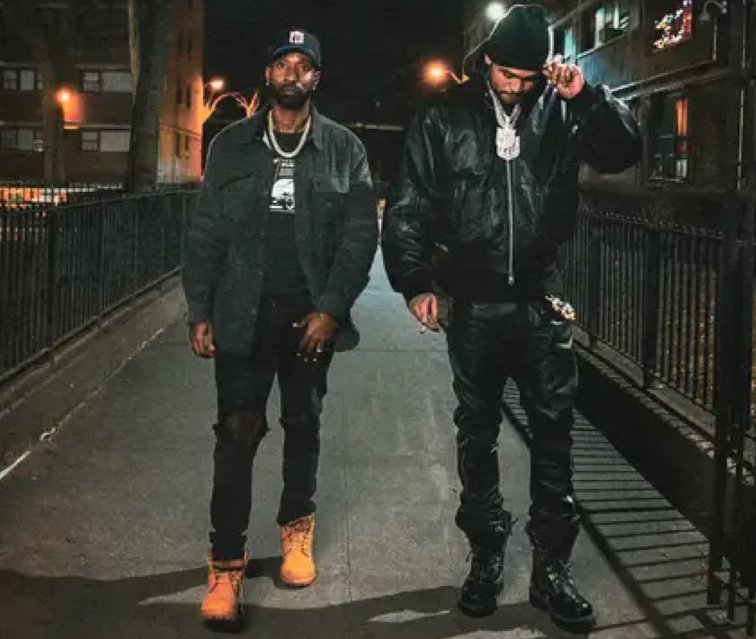
In a hip-hop era dominated by flashy production and viral hooks, “The Final Call” stands as a monument to lyricism, consciousness, and raw storytelling. Featuring the enigmatic Jay Electronica and the streetwise Dave East, this track is a meeting of two distinct yet complementary rap styles.
Jay Electronica, known for his mystical lyricism and deep religious undertones, brings an esoteric, thought-provoking energy, while Dave East’s gritty, Harlem-hardened delivery anchors the track in street realism.
Jay Electronica & Dave East: A Dynamic Pairing
At first glance, Jay Electronica and Dave East may seem like an unexpected duo, but their collaboration makes perfect sense.
Jay Electronica: The Prophet of Rap
- Known for his mystical, Five-Percent Nation-influenced rhymes, Jay Electronica’s music often explores spirituality, Black empowerment, and knowledge of self.
- His verse likely touches on historical, religious, and socio-political themes, referencing Islam, ancient history, and the struggles of the Black diaspora.
- He delivers bars with an unrushed confidence, making every line feel profound and layered with meaning.
Dave East: The Street Poet
- A Harlem-born lyricist, Dave East brings a gritty, autobiographical perspective, reflecting on the realities of street life, survival, and ambition.
- His flow is precise and sharp, combining storytelling and street wisdom.
- With his ties to Nas (through Mass Appeal Records), Dave East carries the torch of New York’s golden-era rap essence while keeping his style modern and relatable.
Together, these two artists create a duality of knowledge and experience, blending street philosophy with spiritual enlightenment.
Lyrical Themes: Knowledge, Power & Struggle
From its title, “The Final Call” alludes to the Nation of Islam’s publication, indicating that the track might explore themes of awakening, revolution, and higher consciousness.
Spiritual & Historical References
- Jay Electronica is known for referencing figures like Elijah Muhammad, Malcolm X, and ancient civilizations.
- Expect esoteric wordplay, references to Islamic teachings, and historical connections to Black empowerment.
The Streets vs. The Higher Self
- Dave East brings the perspective of someone navigating the streets, trying to balance survival with self-elevation.
- His bars likely speak to the struggle of breaking free from the cycle of violence and poverty.
Revolution & Black Empowerment
- The title and collaborators suggest themes of Black liberation, systemic oppression, and the need for self-awareness.
- Both rappers use their voices to educate and inspire, rather than just entertain.
Production: A Cinematic Soundscape
The beat selection for a track like “The Final Call” is just as crucial as the lyrics.
- Soulful & Orchestral Samples – Jay Electronica often raps over rich, vintage soul loops that feel timeless and powerful.
- Boom-Bap Influence – With Dave East’s New York roots, expect a hard-hitting drum pattern, reminiscent of classic East Coast hip-hop.
- Atmospheric Layers – Subtle vocal samples, strings, or Middle Eastern elements could add a spiritual, cinematic feel.
The instrumental likely mirrors the depth and intensity of the message, ensuring that every bar hits with purpose.
Cultural Impression: Why This Track Matters
Hip-hop thrives when it educates as much as it entertains, and “The Final Call” embodies this balance.
- A Reminder of Hip-Hop’s Roots – In a world of club hits and social media-driven music, this track reminds fans of hip-hop’s ability to challenge minds.
- A Bridge Between Generations – Jay Electronica appeals to hip-hop purists, while Dave East brings the energy of the new school.
- Black Consciousness in Mainstream Rap – By referencing Nation of Islam teachings, historical struggles, and self-empowerment, this song aligns with the lineage of Public Enemy, Nas, and Kendrick Lamar.
Final Thoughts: A Timely and Necessary Collaboration
“The Final Call” isn’t just another track—it’s a statement, a sermon, and a cipher rolled into one. With Jay Electronica’s wisdom and Dave East’s street knowledge, the song captures two sides of the same struggle—the spiritual journey and the fight for survival.
Expect this track to spark conversation, inspire thought, and leave a lasting impress in the world of hip-hop.
Related Articles
Sean Leon Cuts Loose On “Link Some,” A Breakup Anthem Built For Letting Go
Sean Leon trims a relationship down to its final gesture on a new two-minute single, […]