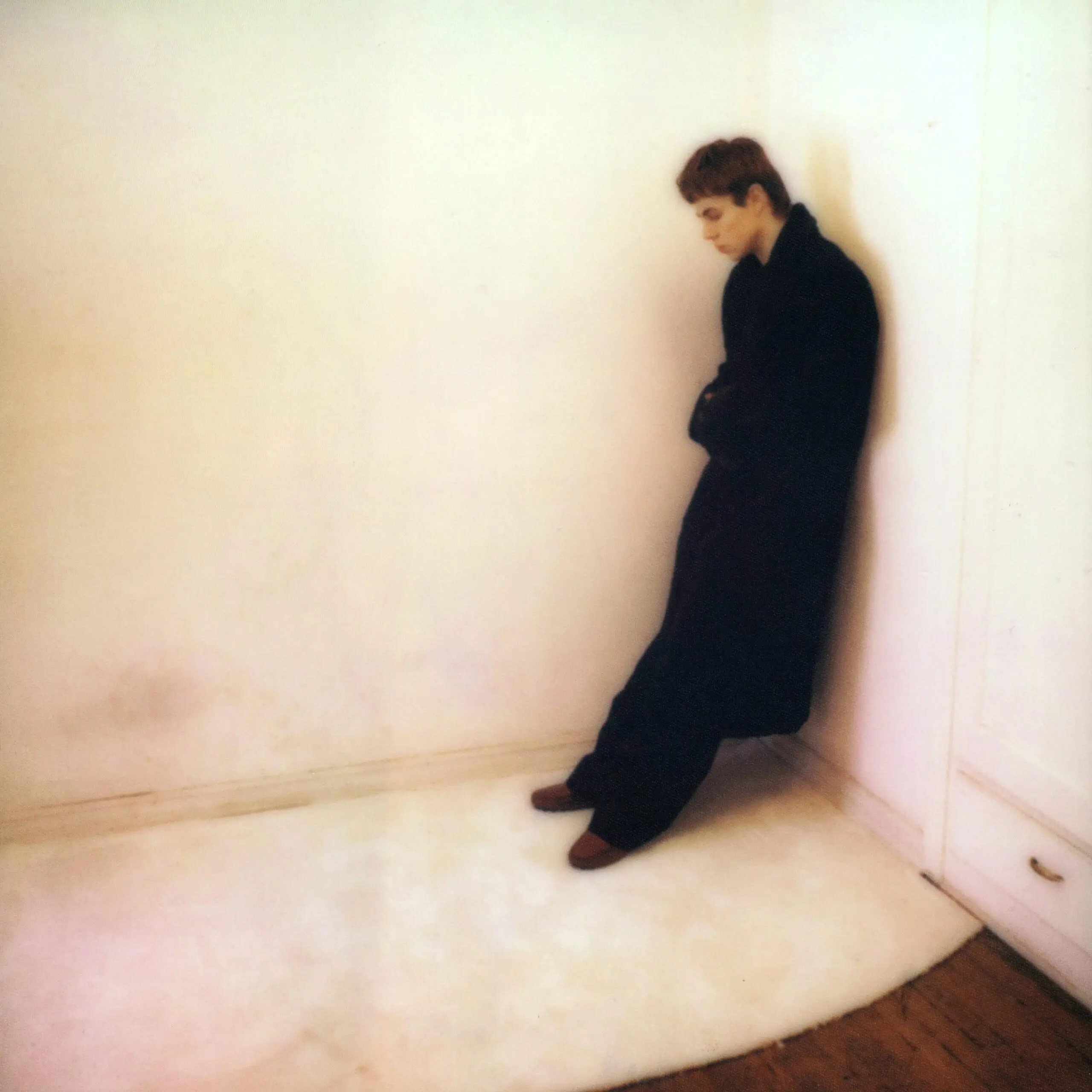
This is not engineered for climax. It hovers. The vocal sits exposed, almost unguarded, with production acting less like structure and more like atmosphere.
idea
Framework: loop-based repetition with slight tonal decay
Melodic behavior: phrases circle rather than resolve
Rhythmic posture: softened percussion, often secondary to voice
Dynamic range: compressed emotionally, not sonically
The track avoids escalation. Instead of building tension toward release, it sustains a low-grade emotional pressure. The repetition isn’t laziness—it’s fixation.
stir
Primary state: guilt reframed as distance
Secondary state: detachment posing as control
Delivery: almost conversational, but deliberately dulled
“I condemn” reads less like judgment and more like self-positioning. Not accusation—containment. The emotion isn’t performed outwardly; it’s held back, which becomes the point.
flow
Post-The First Time era shift
Less about anthem, more about internal monologue
LAROI has been gradually stripping away excess. Earlier work leaned into scale—big choruses, overt heartbreak. Here, the scale collapses inward. The voice carries more weight because less is competing with it.
fence
Literal — a statement of judgment, distancing from someone or something
Internal — self-directed language, quiet self-reproach disguised as control
Both readings coexist without resolution. That duality is the mechanism.
ship
“I Condemn” doesn’t expand—it contracts.
Not a release, not a breakdown—more like a held breath stretched too long.