The Museum of Youth Culture Finds Its Home in Camden

September 27, 2025
A Landmark for Generations of Youth
London has always been a city of youth movements. From punk and mod culture to grime, rave, Britpop, and drill, young people have continuously reshaped the city’s identity through sound, style, and rebellion. Yet until now, there has never been a permanent institution solely dedicated to preserving, showcasing, and celebrating the history of youth culture. That changes this December with the opening of the Museum of Youth Culture in Camden, a 6,500 square foot space that positions itself as the world’s first museum dedicated to the lives, creativity, and subcultures of young people.
For decades, archives of flyers, fanzines, photographs, and clothing documenting the explosion of post-war youth culture in the UK have circulated in private collections, galleries, and pop-up events. The Camden museum will centralize this wealth of material and expand it, creating a living archive that not only preserves the past but also offers a stage for the youth of today.
The Genesis of the Museum
The Museum of Youth Culture was born from the work of YOUTH CLUB Archive, a nonprofit organization founded to preserve photographs, flyers, clothing, and other cultural artifacts tied to young people’s histories. Over the years, YOUTH CLUB amassed an extraordinary collection spanning the 1940s to the present: thousands of images of mods on scooters, ravers in warehouses, punks in squats, football casuals in designer sportswear, and contemporary teenagers with TikTok-era aesthetics.
What began as a roving archive, showcased through pop-ups and temporary exhibitions, gradually snowballed into something larger. The enthusiasm of communities who saw themselves represented — often for the first time — created momentum for a permanent home. Camden, with its own history as a hotbed of subcultural energy, from Amy Winehouse’s stomping grounds to its iconic market stalls selling band tees and Doc Martens, became the obvious location.
Camden as a Cultural Stage
Camden has always been a magnet for alternative youth. The markets along the canal brim with vintage fashion, bootleg band merch, and one-of-a-kind style statements. Its venues — from the Roundhouse to Dingwalls — have hosted everyone from The Clash to Prince. To situate the Museum of Youth Culture in Camden is to place it in the very bloodstream of British counterculture.
The museum will not stand as an ivory tower but as an accessible, immersive hub where young people can see themselves reflected and be inspired to create their own legacies. Camden’s unique blend of history, commerce, and everyday street life makes it fertile ground for such an experiment.
Inside the Museum: Three Galleries of Generational Energy
The Museum of Youth Culture’s 6,500 square feet will be divided into three distinct gallery spaces, each with a unique role:
-
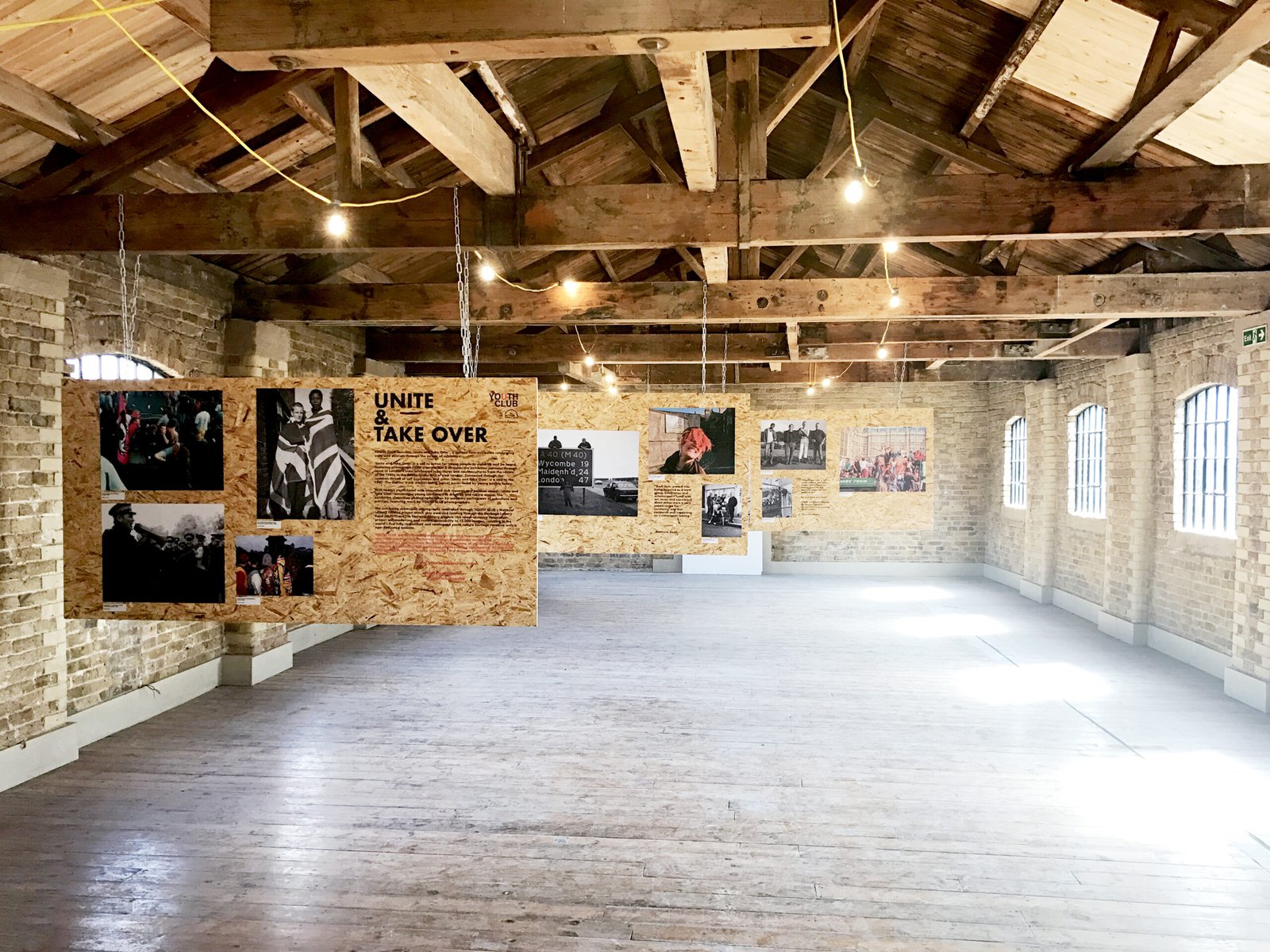
The Rolling Galleries: Two galleries will host rotating exhibitions drawn from the vast archives of photography, flyers, soundsystems, magazines, and clothing. These shows will chronicle everything from the teddy boys of the 1950s to the rave explosion of the ’90s, from the rise of grime in the early 2000s to contemporary streetwear. Visitors can expect rare artifacts — original rave flyers, iconic punk zines, hand-customized denim jackets — that once belonged to young people making statements in their own time.
-
The Free Gallery: Unlike many traditional museums, a portion of this institution is set aside for the youth of today. A free gallery space will serve as a platform for young creatives, whether photographers, musicians, designers, or digital artists, to exhibit their work. This is a direct acknowledgment that youth culture is not static; it is continually regenerating.
-
Interactive and Sound Installations: Beyond visual artifacts, the museum promises to immerse visitors in the sonic and sensory landscape of youth culture. Soundsystems, mixtapes, and digital re-creations of legendary venues and raves will give younger audiences a taste of what came before while reminding older visitors of scenes they once lived through.
Subcultures on Display: From Mods to Drill
What will visitors encounter inside? The curatorial focus stretches across decades of UK youth culture:
-
1950s–60s: The birth of the teenager as a social identity. Teddy boys in Edwardian jackets, mods on scooters, rockers with leather jackets clashing on seaside promenades.
-
1970s: Punk’s DIY spirit explodes. Fanzines, safety pins, and club flyers document the radical energy that questioned authority and aesthetics alike.
-
1980s: Football casuals in designer sportswear, goths in eyeliner and black lace, and the early stirrings of acid house culture.
-
1990s: Rave takes over. Flyers advertising illegal warehouse parties, photographs of crowds under strobes, and soundsystem equipment that shook fields and factories. Britpop emerges as the soundtrack of a generation.
-
2000s–2010s: The rise of grime, garage, and drill. Youth culture migrates online while still rooted in estates, community centers, and pirate radio frequencies. Streetwear begins its ascent to dominance.
-
Today: TikTok trends, global influences, and the hybridization of style, sound, and politics. Young people mix thrift-store finds with designer drops, producing an eclectic style that resists singular definitions.
Beyond Nostalgia: Why the Museum Matters Now
It would be easy to mistake the Museum of Youth Culture for a nostalgic project, a shrine to subcultures past. But its mission is more urgent and forward-looking. In an era when youth voices are often framed in terms of crises — knife crime, screen addiction, mental health struggles — this institution insists on showing the richness, resilience, and creativity of young people.
The museum asserts that culture is built from below, not imposed from above. It reminds us that many of today’s mainstream aesthetics, from luxury streetwear to the festival economy, grew from the experiments of young people in bedrooms, squats, and makeshift venues. Documenting these histories is not a quaint pastime; it is a way of legitimizing youth as cultural drivers.
Stories of the Young: Oral Histories and Community Archives
A key feature of the museum will be its storytelling initiatives. Beyond objects and images, the Museum of Youth Culture will collect oral histories, inviting people to share their own memories of growing up. This democratizes history, emphasizing that culture is not only about celebrities or headline acts but also about the everyday teenager at a party, on a football terrace, or in a bedroom taping songs off the radio.
These personal stories will be woven into the exhibitions, ensuring that visitors encounter not just artifacts but the voices of those who lived them.
The Design and Experience
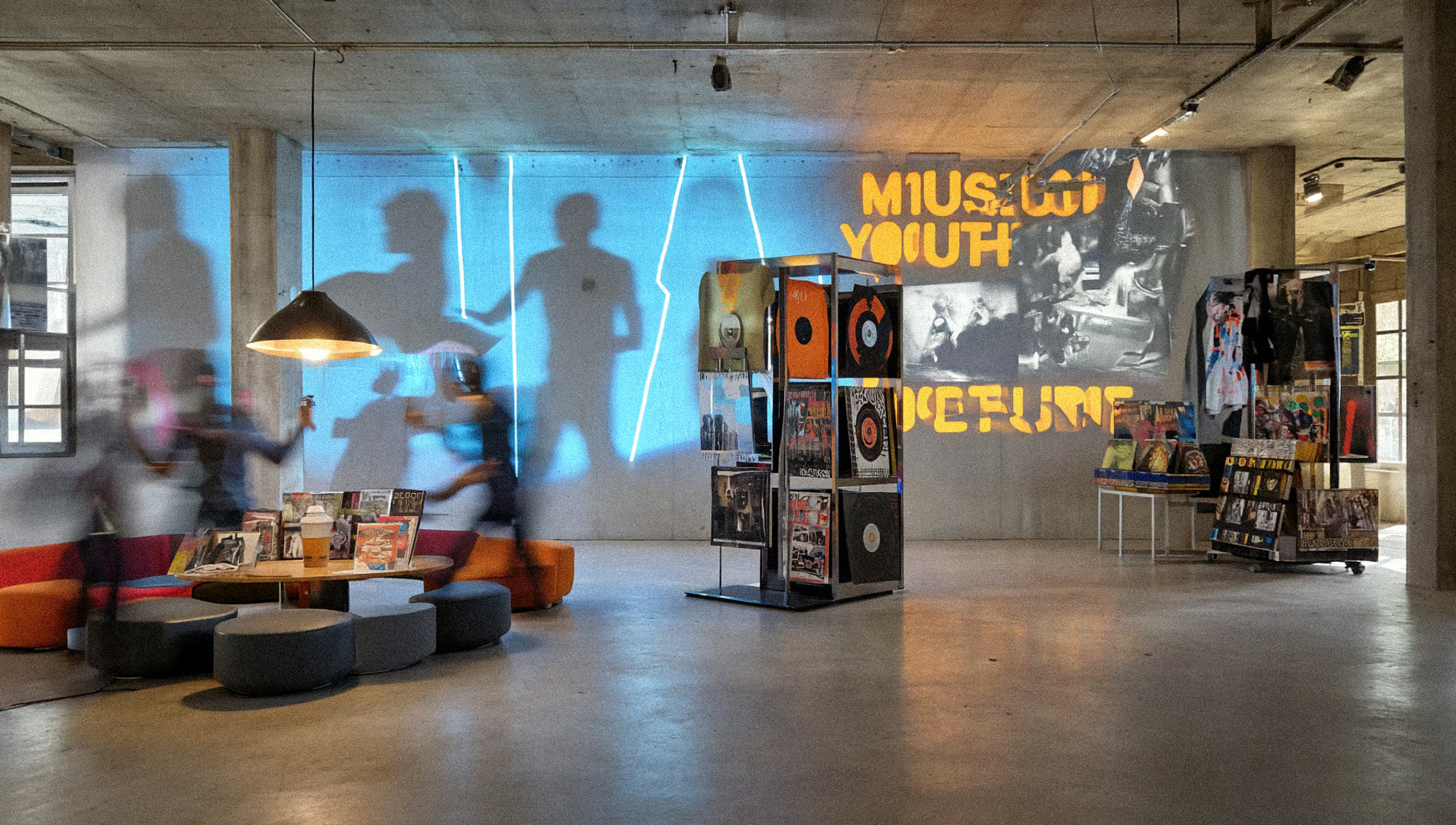
The museum is designed not as a static display but as an immersive experience. Expect walls plastered with gig posters, vitrines of vintage trainers and mixtapes, racks of clothing arranged like Camden market stalls, and listening posts where visitors can hear recordings from pirate radio or underground clubs.
The space is meant to feel alive, closer to a youth club or gig venue than a hushed institution. This is consistent with the ethos of youth culture itself — informal, participatory, and constantly changing.
Young Creatives at the Forefront
Perhaps the most radical aspect of the Museum of Youth Culture is its commitment to platforming young creatives in real time. The free gallery space will not just showcase established artists but provide opportunities for emerging talent. This ensures that the museum resists becoming a mausoleum of the past.
Workshops, talks, and residencies will allow young people to engage with the archive while producing their own contributions. The dialogue between generations becomes tangible: today’s drill artist might encounter the flyers of 1980s reggae soundsystems and see echoes of their own work.
The Global Significance of a UK Institution
Though focused on Britain, the Museum of Youth Culture has global resonance. Youth movements from London to Manchester to Bristol influenced global music and style. UK punk inspired American hardcore; jungle and garage influenced global dance scenes; grime has shaped rap internationally. The museum provides an anchor for these stories, situating Britain as both incubator and exporter of youth culture.
Moreover, it may serve as a model for other nations. Could we see similar museums in New York for hip-hop, in Tokyo for Harajuku, in São Paulo for baile funk? The Camden institution could spark an international movement of youth culture preservation.
Challenges Ahead
Like any cultural institution, the Museum of Youth Culture faces challenges. Funding is precarious in the UK arts sector, especially for projects outside traditional high culture. The museum must balance accessibility with financial sustainability. It must avoid romanticizing or sanitizing subcultures that were often born out of resistance, poverty, or conflict.
Yet these challenges are also opportunities: to innovate in exhibition design, to embrace community participation, and to resist becoming just another tourist attraction.
A Living Monument to Youth
The Museum of Youth Culture’s opening in Camden is not just a cultural event but a statement. It says that young people matter — not only as future citizens but as historical actors in their own right. Their styles, music, and politics have shaped Britain for decades, and now they are recognized with a permanent home.
As the doors open this December, visitors of all ages will step into a space where past and present collide: where a mod’s parka might hang beside a grime MC’s tracksuit, where a rave flyer might sit alongside a TikTok video. The museum affirms that youth culture is not marginal but central to who we are.
In celebrating the energy of the young, the Museum of Youth Culture becomes a living archive — not only preserving history but fueling the creativity of tomorrow.
Related Articles
The $960,000 Jacket: How Jensen Huang’s Leather Uniform Became a Collector’s Item
A worn Tom Ford jacket with a $60,000 ceiling closed at $960,000 on Friday, and […]