
DRIFT AUDIO
Listen to this story
Choose a voice, then press play.
In the world of art, the discovery of a long-lost masterpiece is a moment of significant excitement and intrigue. Such was the case when an Andy Warhol portrait of Blondie singer Debbie Harry, presumed lost for decades, resurfaced in an unlikely location: rural Delaware. This article delves into the details of this extraordinary occurrence, exploring the history of the portrait, its significance, and the journey that led to its remarkable rediscovery.
Portrait’s History
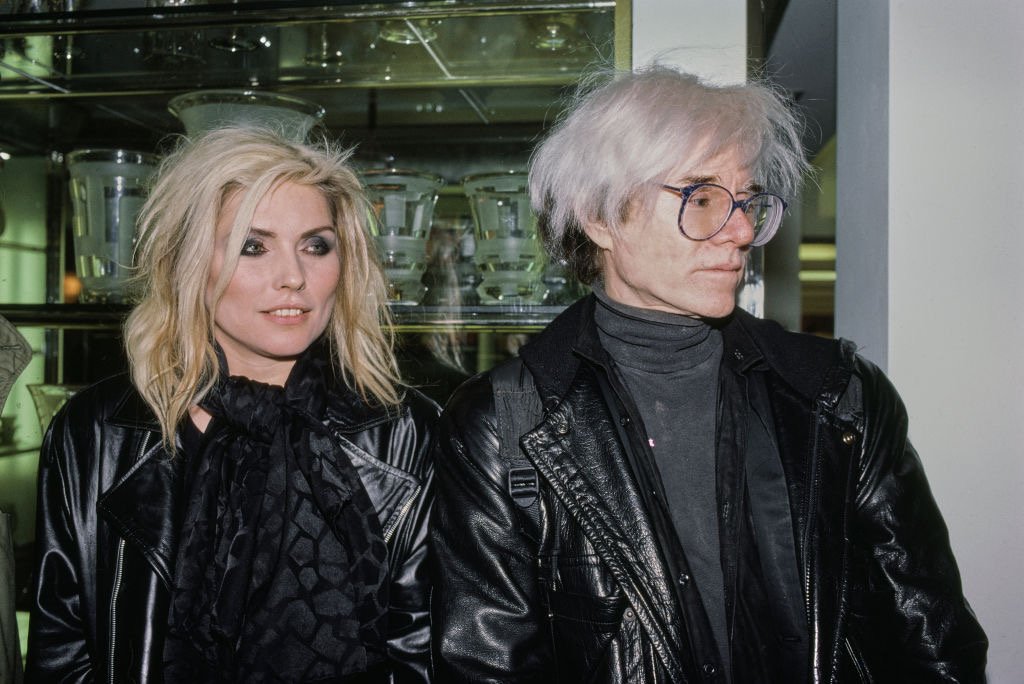
Andy Warhol, the legendary figure of the Pop Art movement, had a fascination with celebrity culture, which he often immortalized in his works. Debbie Harry, the lead singer of Blondie, was a natural subject for Warhol’s artistic gaze. In the early 1980s, at the height of Blondie’s fame, Warhol created a series of portraits of Harry, capturing her distinctive look and charismatic presence.
Warhol’s portrait of Debbie Harry is more than just a depiction of a famous musician; it represents the convergence of two cultural icons. Blondie was at the forefront of the punk and new wave movements, while Warhol was reshaping the art world with his innovative and often provocative works. Their collaboration was a testament to the dynamic and transformative energy of the era.
The Mystery of the Lost Portrait
The portrait in question was one of several Warhol created, but it held a special place due to its unique composition and vibrant use of color. However, as the years passed, this particular piece seemed to vanish from public view. Its whereabouts became a mystery, fueling speculation and adding to its mystique.
Several theories emerged about the portrait’s disappearance. Some believed it had been sold to a private collector who kept it hidden from the public eye, while others speculated it might have been stolen or lost during the turbulent years following Warhol’s death in 1987. Despite numerous searches and inquiries, the portrait remained elusive, becoming one of the art world’s many unsolved mysteries.
The unlikely setting for the portrait’s resurfacing added another layer of fascination to the story. In a rural town in Delaware, a local resident stumbled upon the Warhol piece while clearing out an old storage unit. The discovery was as unexpected as it was momentous, capturing the attention of art enthusiasts and the media alike.
The owner of the storage unit, unaware of the artwork’s significance, had kept it in a relatively undisturbed state for years. It was only during a recent cleanup that the portrait came to light, sparking a wave of excitement and curiosity. The news of the discovery quickly spread, drawing interest from art historians, collectors, and fans of both Warhol and Debbie Harry.
Authenticating a rediscovered artwork is a meticulous process, particularly when it involves a figure as renowned as Andy Warhol. Experts were called in to examine the portrait, scrutinizing its provenance, style, and materials. The initial assessments were promising, with the portrait exhibiting many of the hallmarks of Warhol’s work.
Further analysis, including infrared spectroscopy and other advanced techniques, confirmed the authenticity of the piece. The use of Warhol’s signature silkscreen process, along with specific details unique to his portraits of Debbie Harry, provided conclusive evidence. The portrait was indeed an original Warhol, long believed to be lost but now found.
The rediscovery of Warhol’s Debbie Harry portrait has significant implications for the art world. It not only adds to the existing body of Warhol’s work but also reignites interest in his contributions to contemporary art. The portrait’s emergence is a reminder of Warhol’s enduring influence and the lasting power of his vision.
For collectors and investors, the portrait represents a valuable and rare opportunity. Warhol’s works are highly sought after, and the market for his art remains robust. The provenance and story behind this particular piece only enhance its allure, making it a coveted addition to any collection.
Debbie Harry, now in her late 70s, expressed surprise and delight at the portrait’s rediscovery. In interviews, she recalled her sessions with Warhol and the unique experience of being immortalized by such a seminal figure in the art world. Harry’s reflections provide a personal and poignant connection to the portrait, enriching its narrative.
Harry’s involvement in the rediscovery process added a personal touch to the story. She reminisced about the vibrant New York scene of the 1980s, where art, music, and culture intersected in dynamic ways. Warhol’s studio, The Factory, was a hub of creativity and innovation, and Harry’s memories of that time offer a glimpse into a transformative period in both art and music.
Following its authentication, the portrait was displayed in a special exhibition, drawing large crowds and critical acclaim. The exhibit, held at a prominent museum, showcased not only the Debbie Harry portrait but also other works from Warhol’s career, highlighting his enduring legacy.
Future plans for the portrait include potential tours and exhibitions, allowing a broader audience to appreciate its significance. Discussions are also underway regarding its sale, with major auction houses expressing interest. The portrait’s rediscovery has breathed new life into Warhol’s oeuvre, ensuring that his work continues to captivate and inspire.
The resurfacing of Andy Warhol’s lost portrait of Debbie Harry is a story that transcends the art world, touching on themes of fame, creativity, and the passage of time. It is a reminder of the enduring power of art to connect us with the past and inspire us for the future. As the portrait finds its place in the public eye once again, it serves as a testament to the lasting impact of both Warhol and Harry, two icons whose influence continues to resonate.