DRIFT AUDIO
Listen to this story
Choose a voice, then press play.
Stone Island has long been revered for pushing the boundaries of fabric technology, and the Fall Jacket 2024 continues this tradition. Known for experimenting with high-performance materials, the brand crafts each piece with attention to functionality and durability. This season’s fabric mix may likely include treatments such as resin or nylon weaves that repel water and wind, offering wearers an armor against the elements. The garment-dyeing technique—distinctively Stone Island—results in rich, saturated colors, lending each jacket a slightly unique character while maintaining the brand’s cohesive aesthetic.
The silhouette of the Fall Jacket 2024 strikes a balance between utilitarian ruggedness and contemporary style. Notably, this season leans toward a slightly more relaxed fit, allowing for effortless layering—an essential feature as autumn transitions into winter. Strategic use of seam placement enhances mobility without sacrificing structure, making this jacket as suitable for navigating cityscapes as it is for venturing into the outdoors. Functional design elements such as adjustable hoods, articulated sleeves, and reinforced elbows elevate this jacket beyond a mere style statement into a high-performance piece.
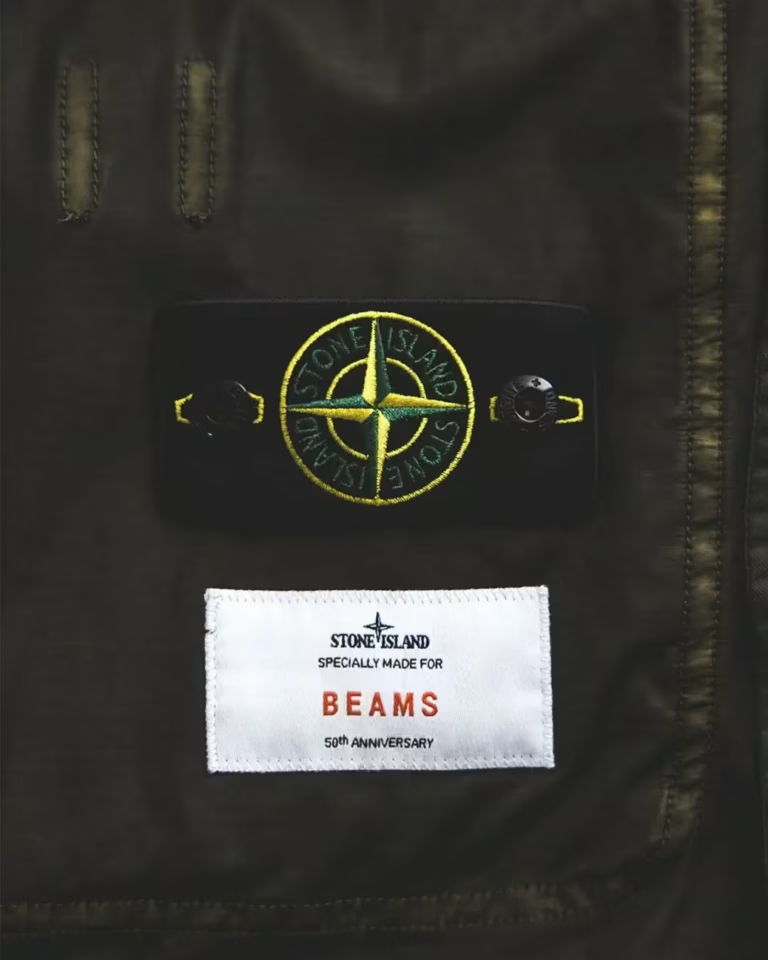
While the Stone Island compass patch is a defining emblem, the jacket’s subtler design details embody the brand’s philosophy of understated utility. Thoughtfully placed zippered pockets offer secure storage while preserving clean lines and a minimalist aesthetic. The attention to functional detailing is not merely decorative; for instance, reinforced stitching and hidden fasteners speak to the brand’s commitment to durability. The color palette, ranging from deep olives and charcoals to vibrant, garment-dyed hues, complements the autumnal theme while adhering to Stone Island’s tradition of rugged, nature-inspired tones.
Stone Island has often drawn inspiration from military design, and this fall jacket is no exception. With elements like patch pockets, drawstring waists, and weather-resistant materials, the jacket pays homage to military utility while reinterpreting it through a modern, streetwear lens. The brand’s focus on practical, battle-ready design has earned it a cult-like following among streetwear aficionados, making this piece equally relevant for urban environments and off-road excursions. This blend of aesthetics and utility taps into a larger trend, where form follows function and style aligns seamlessly with purpose.
This season, the palette reflects earthy tones and subdued neutrals, alongside limited-edition, experimental hues. The muted shades align with broader fashion trends favoring natural, wearable colors that easily integrate into a versatile wardrobe. Stone Island’s gradual shift toward sustainable materials also adds depth to its design ethos. By exploring eco-friendly dyes and responsibly sourced materials, the brand not only enhances the jacket’s appeal but also acknowledges the growing demand for sustainable fashion—a reflection of evolving consumer values.
Over the years, Stone Island has become an integral part of streetwear culture, with the Fall Jacket 2024 positioned as a cultural artifact within this scene. Its visibility on public figures and its association with rebellious self-expression have given the brand a unique status in modern fashion. Fans see the compass patch not just as a logo, but as a badge of honor, aligning with a community that values durability, functionality, and an unapologetic approach to style. This piece is more than just outerwear; it’s a wearable emblem of authenticity and modern style.
Since its founding, Stone Island has built its reputation on innovation, redefining what fashion can accomplish through material and design. The Fall Jacket 2024 stands as a testament to this legacy, marrying technological advancement with design sophistication. While the design feels timely, it also has a timeless quality—Stone Island creates pieces that endure both physically and stylistically, suggesting that the Fall Jacket 2024 will remain relevant well beyond the season.
This Stone Island piece represents the peak of technical outerwear, crafted for a consumer who values form, function, and a touch of cultural weight. Every detail, from fabric treatment to design features, showcases Stone Island’s continued dedication to innovation. This jacket is not just part of a trend; it’s a testament to the brand’s role in shaping modern outerwear and a meaningful investment for those who want a piece that speaks to contemporary style with a lasting impact.
Related Articles
Stone Island Turns Its “Community as a Form of Research” Lens on Skepta, fakemink and Stephen Graham
For its soil-toned Fall/Winter 2026 chapter, the Italian house pairs grime, cloud rap, gallery history […]