


DRIFT AUDIO
Listen to this story
Choose a voice, then press play.
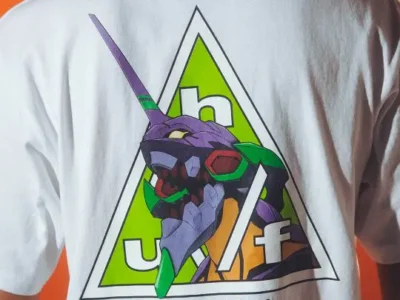
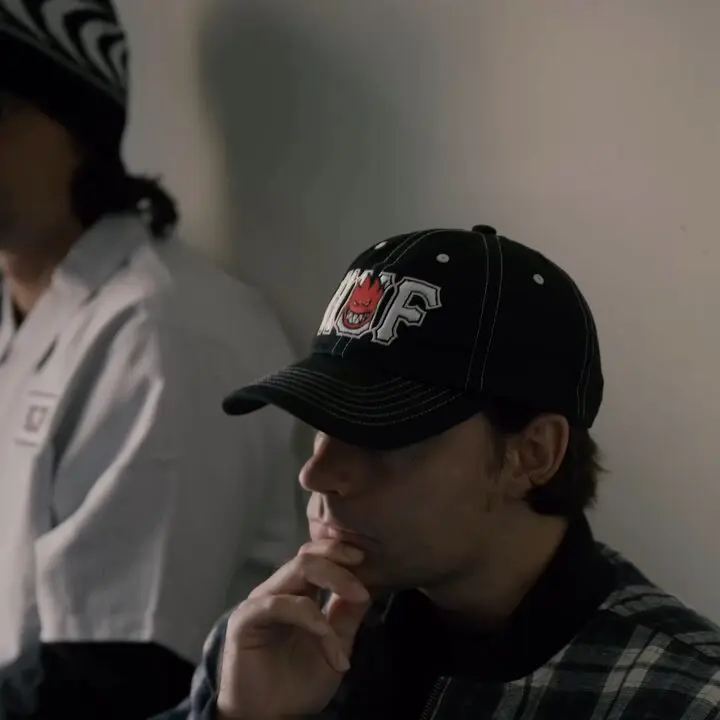
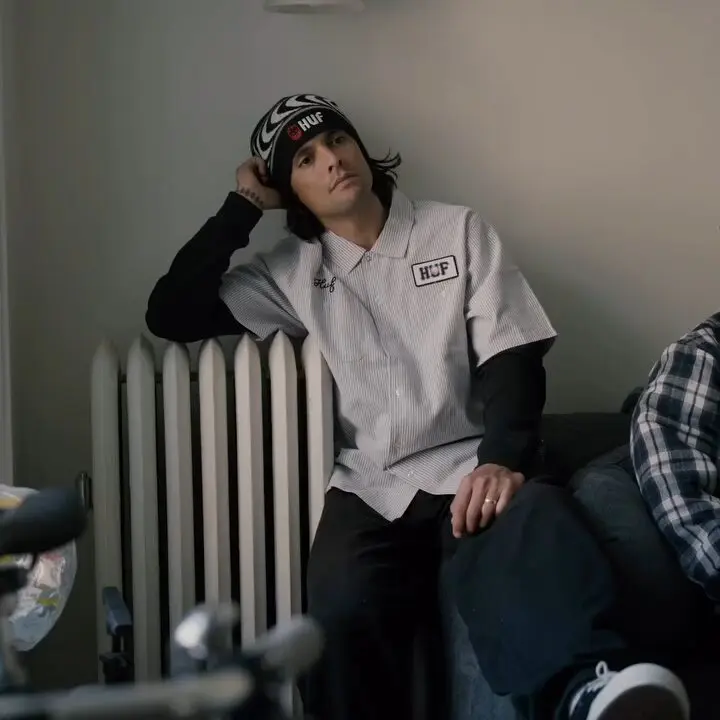
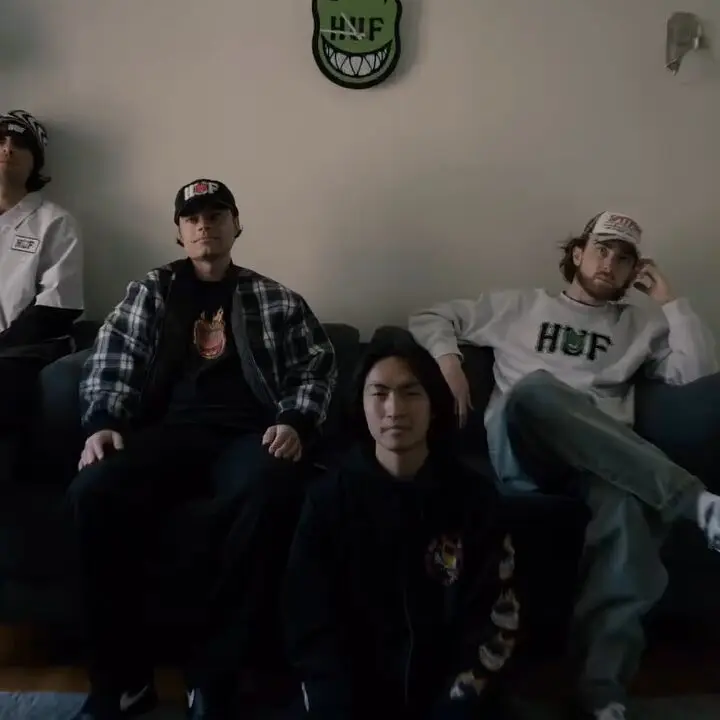
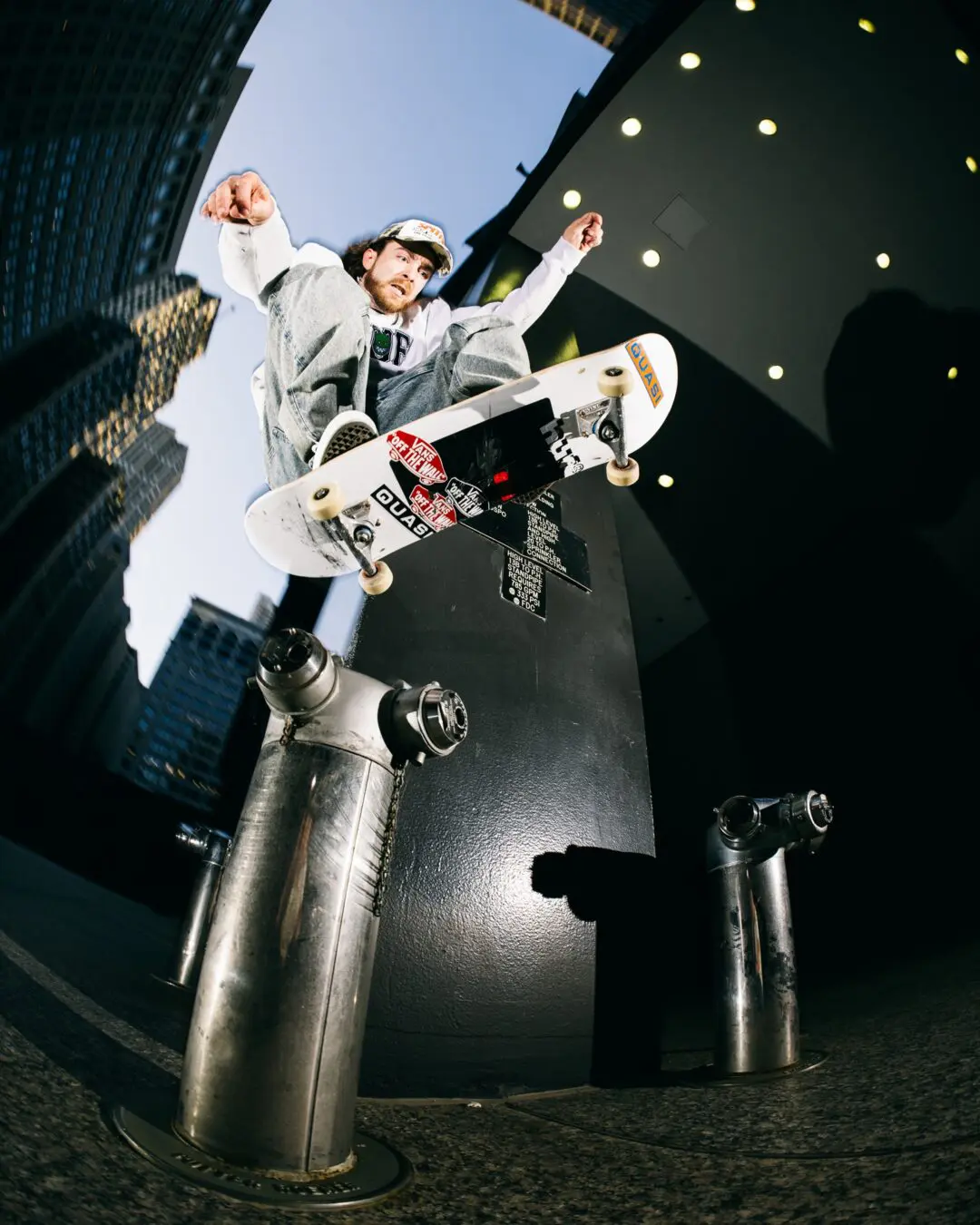
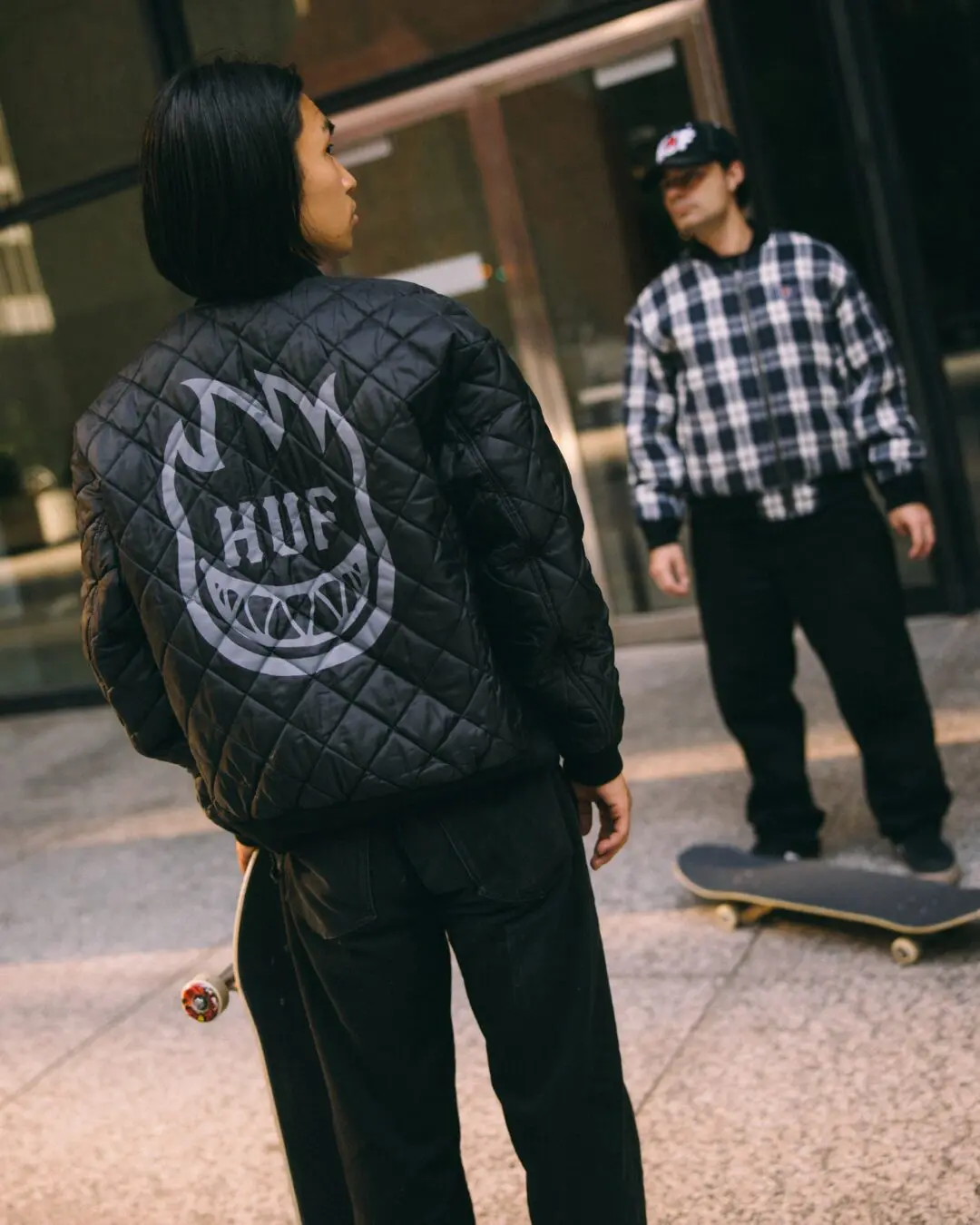
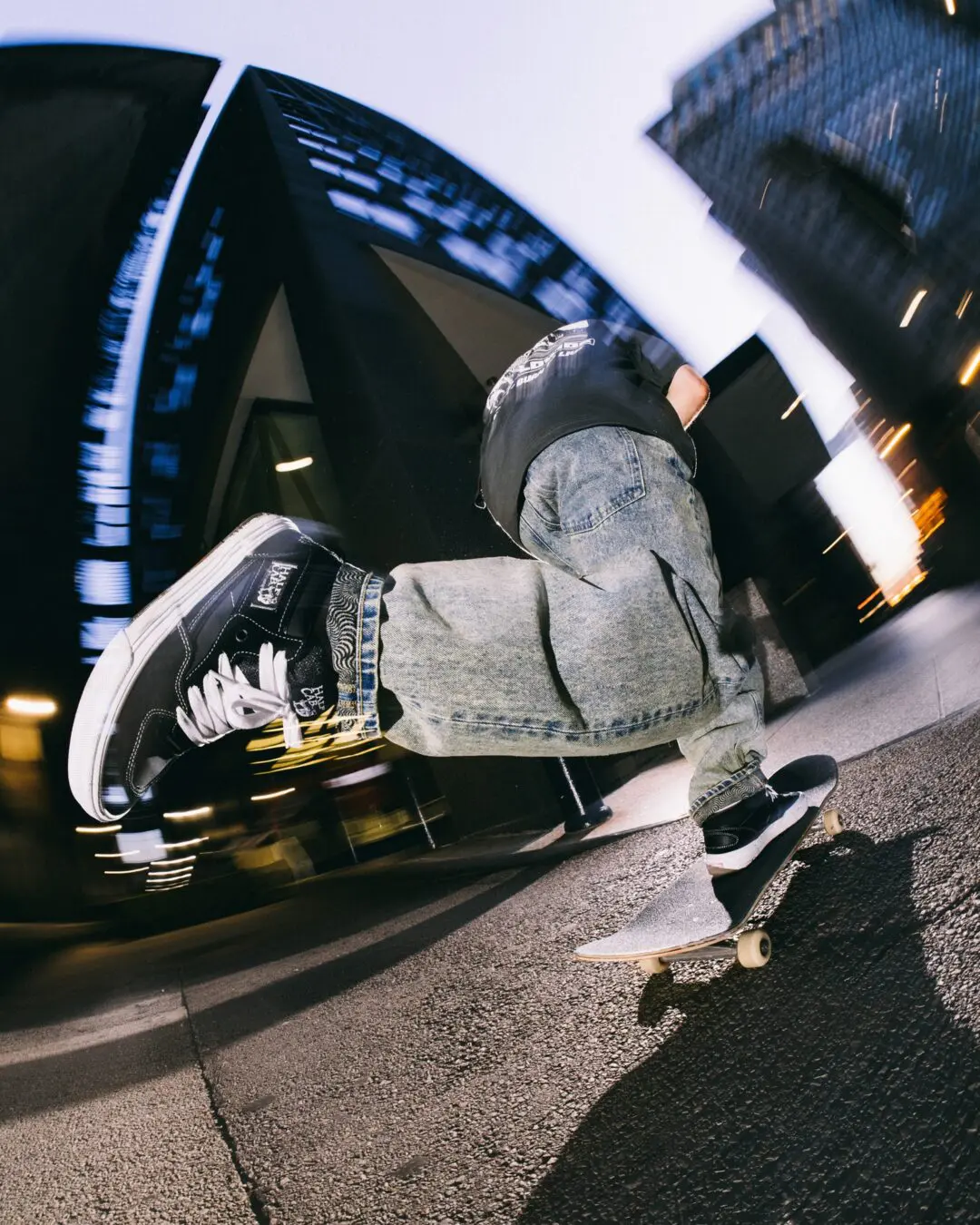
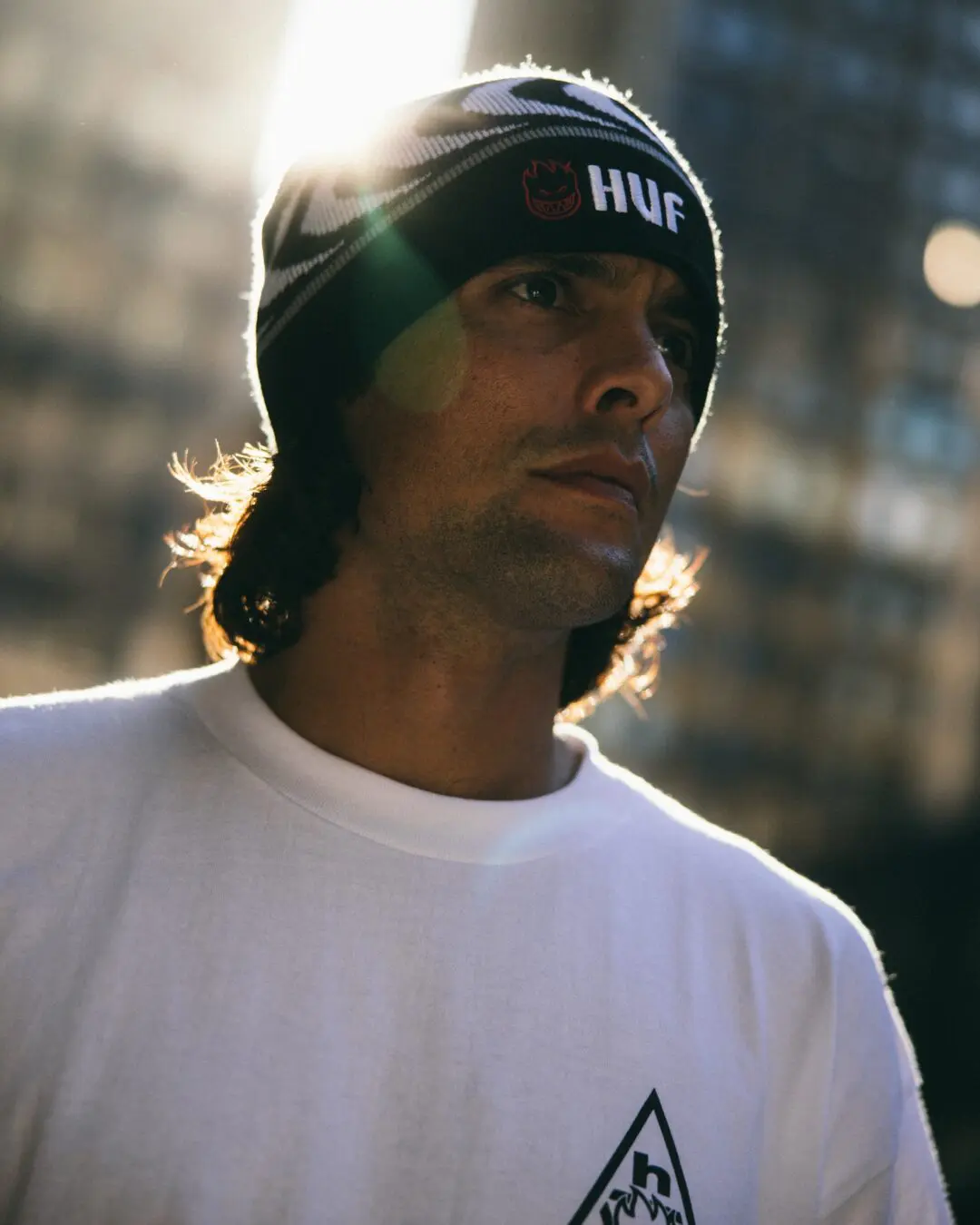
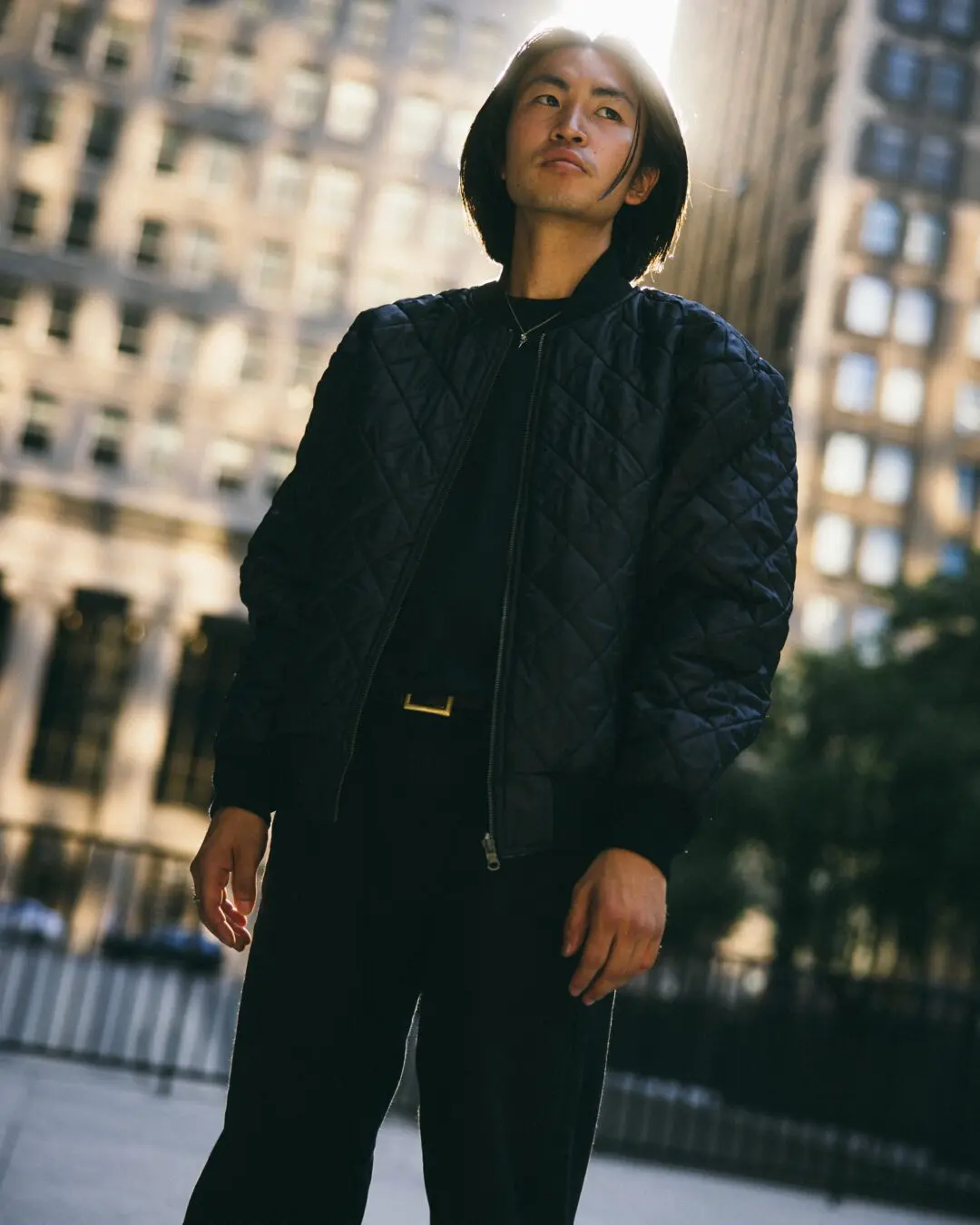
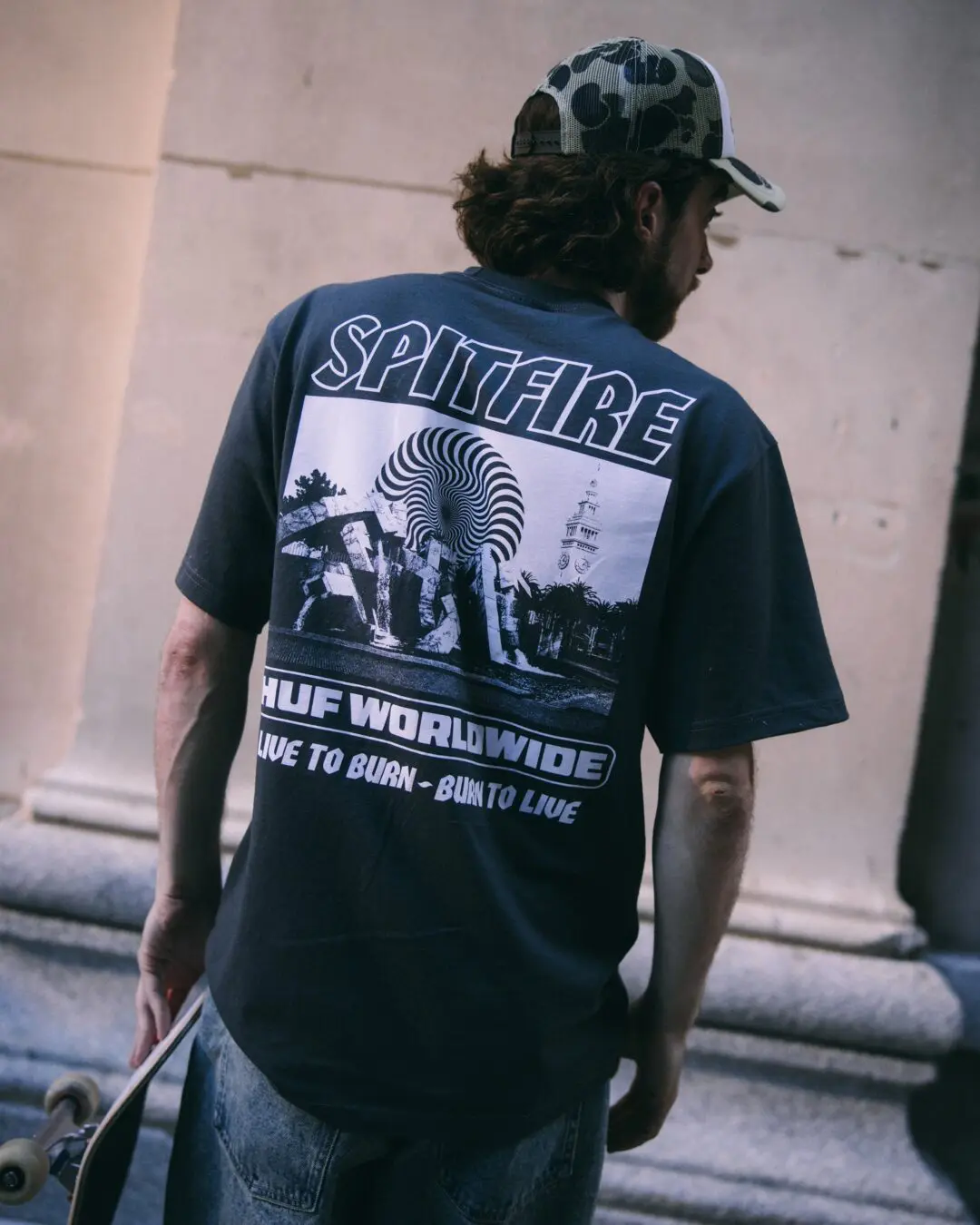
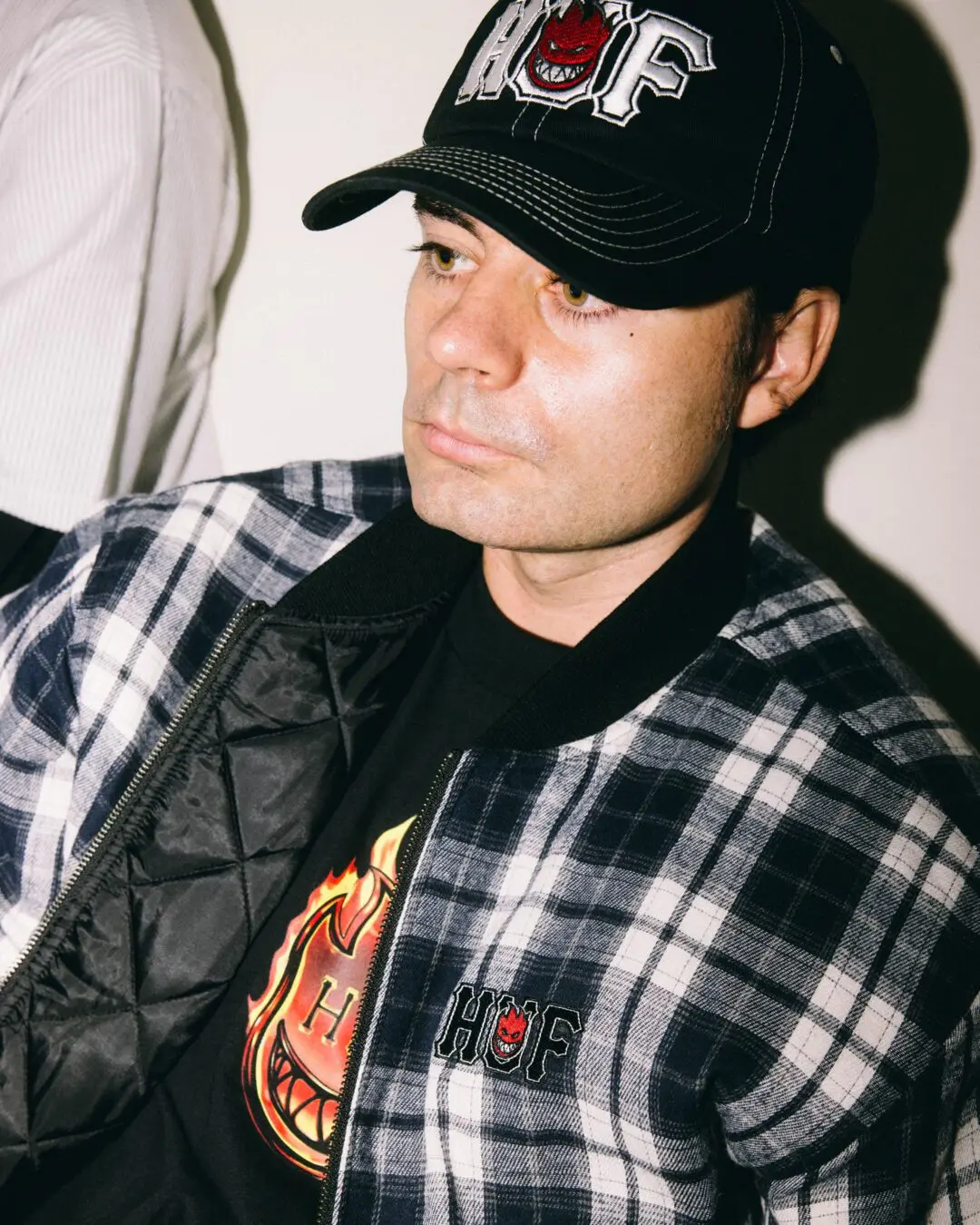
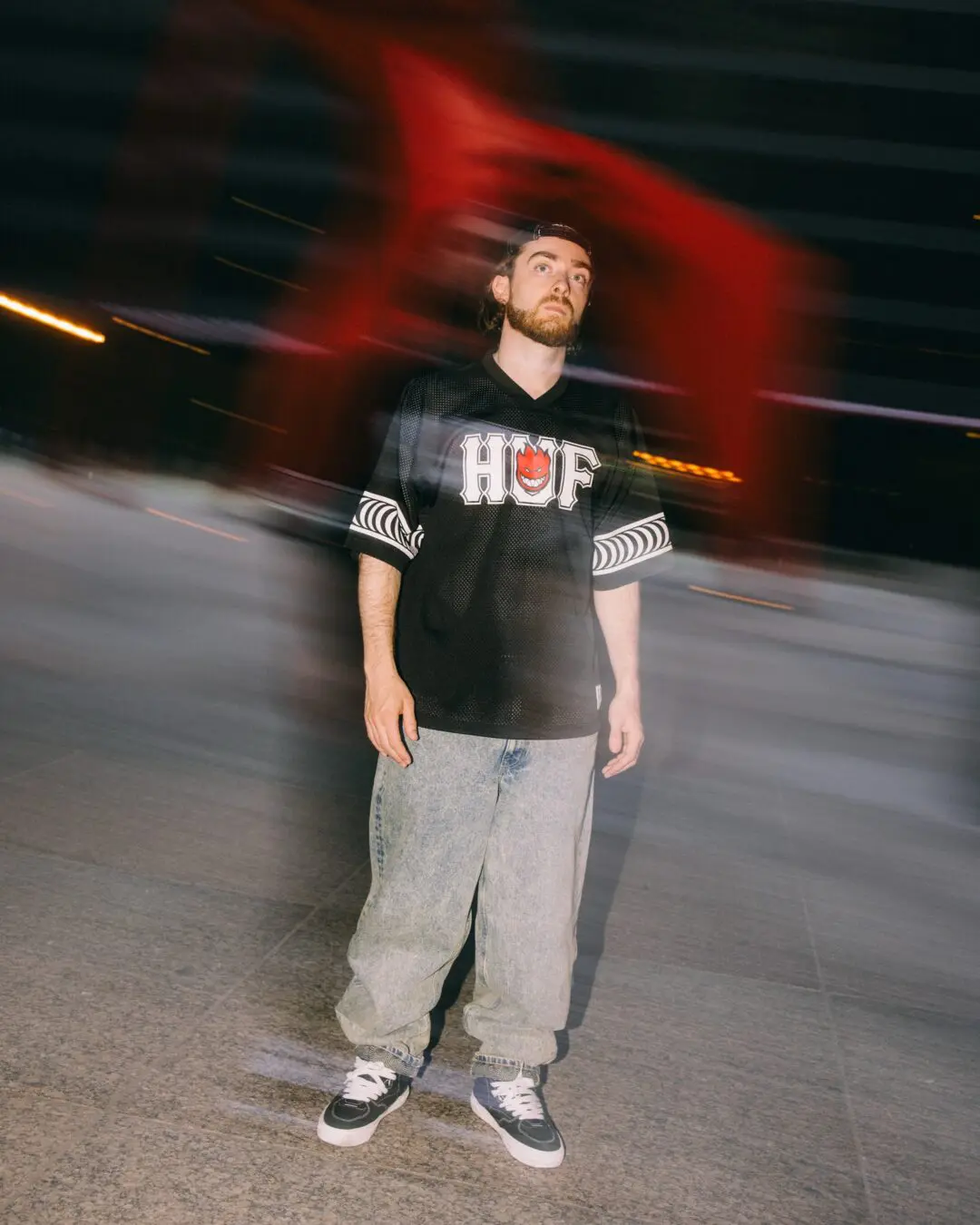
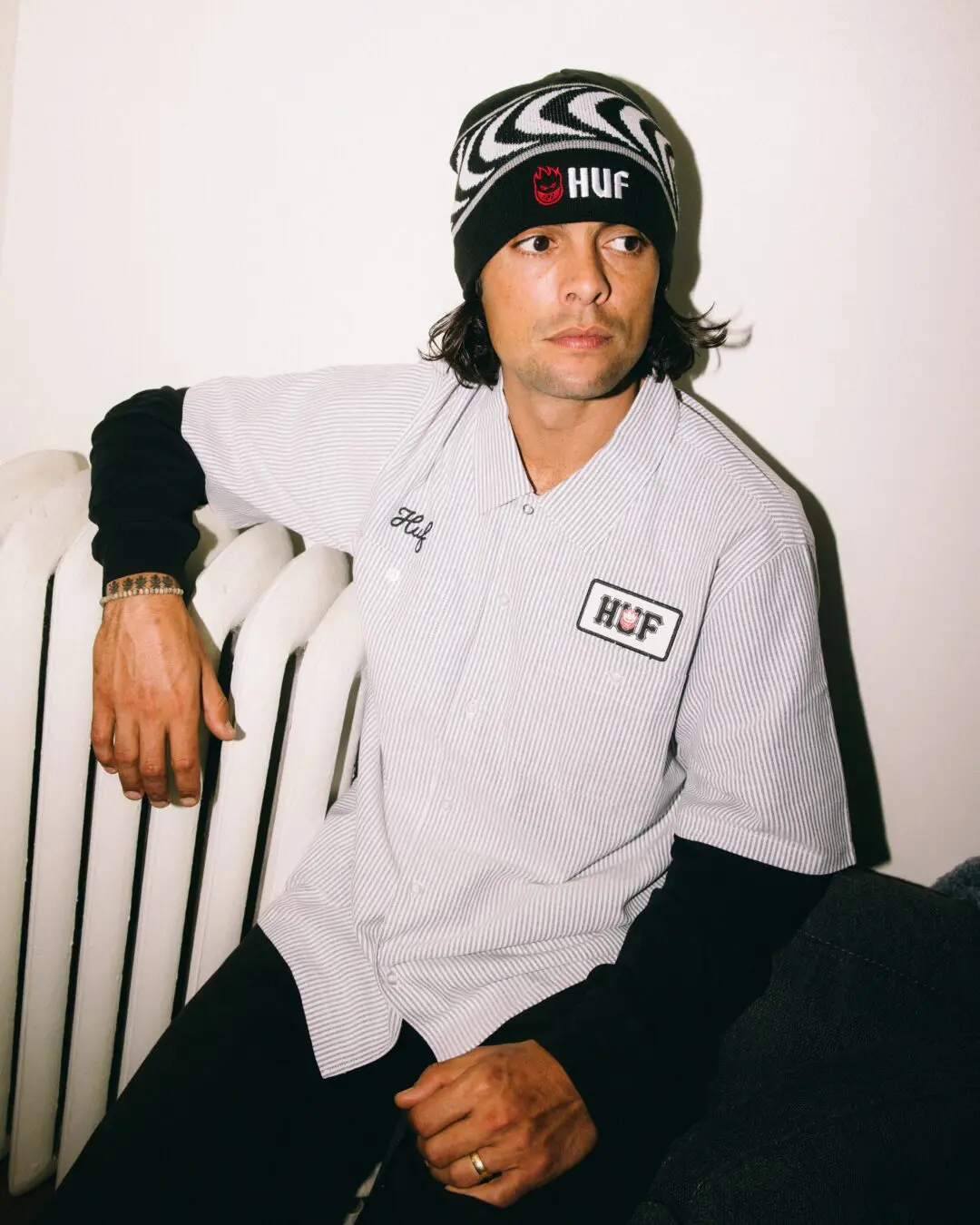
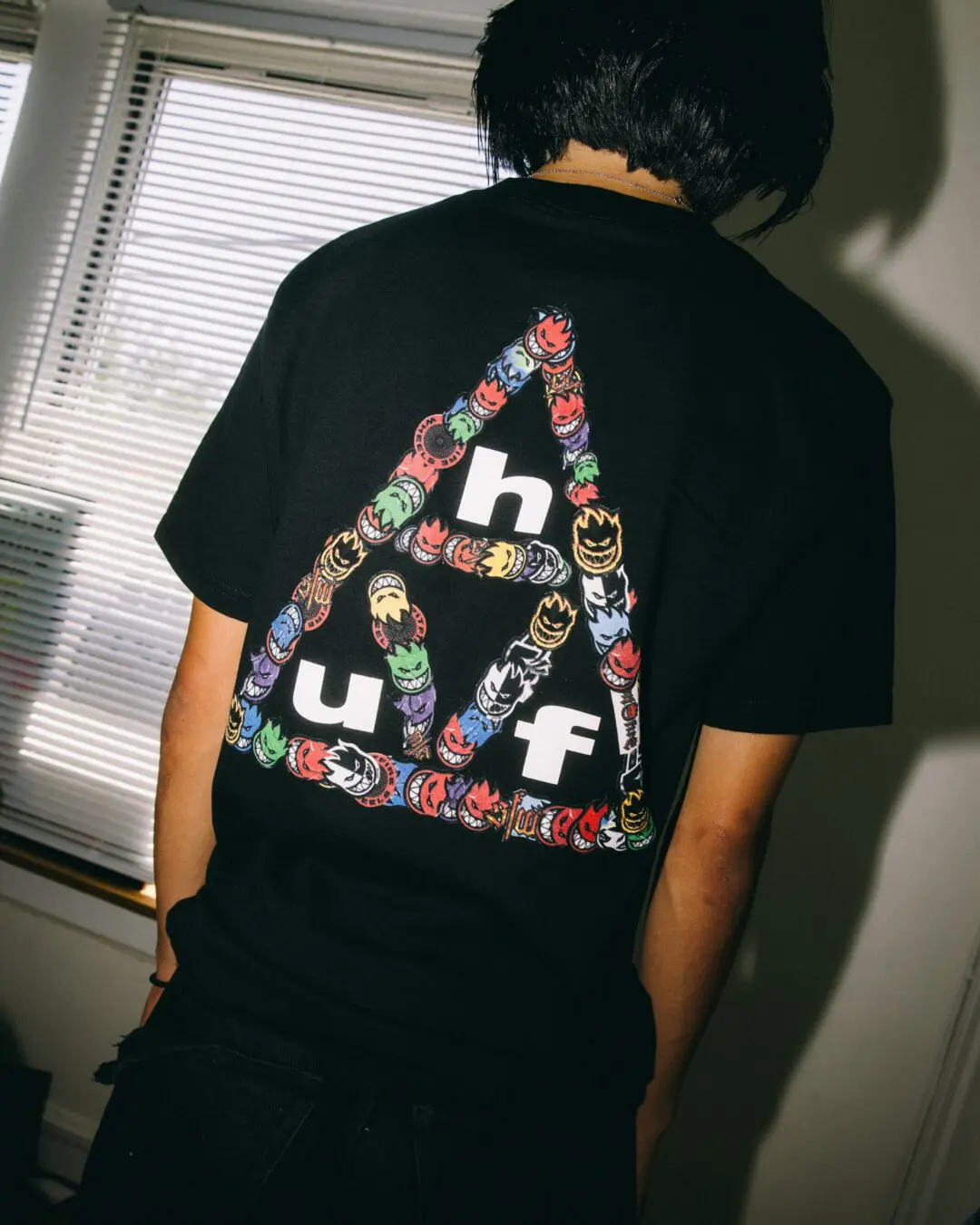
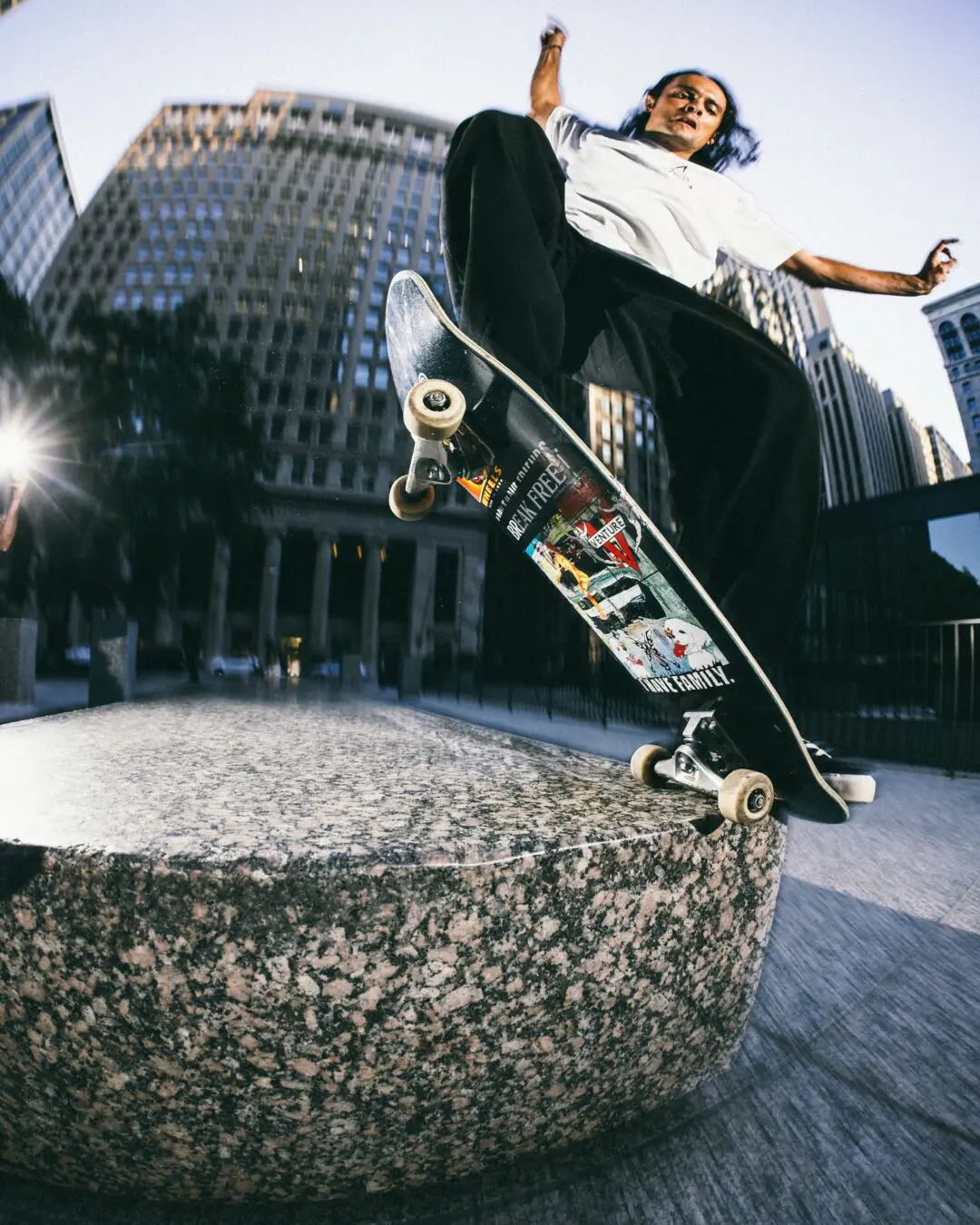
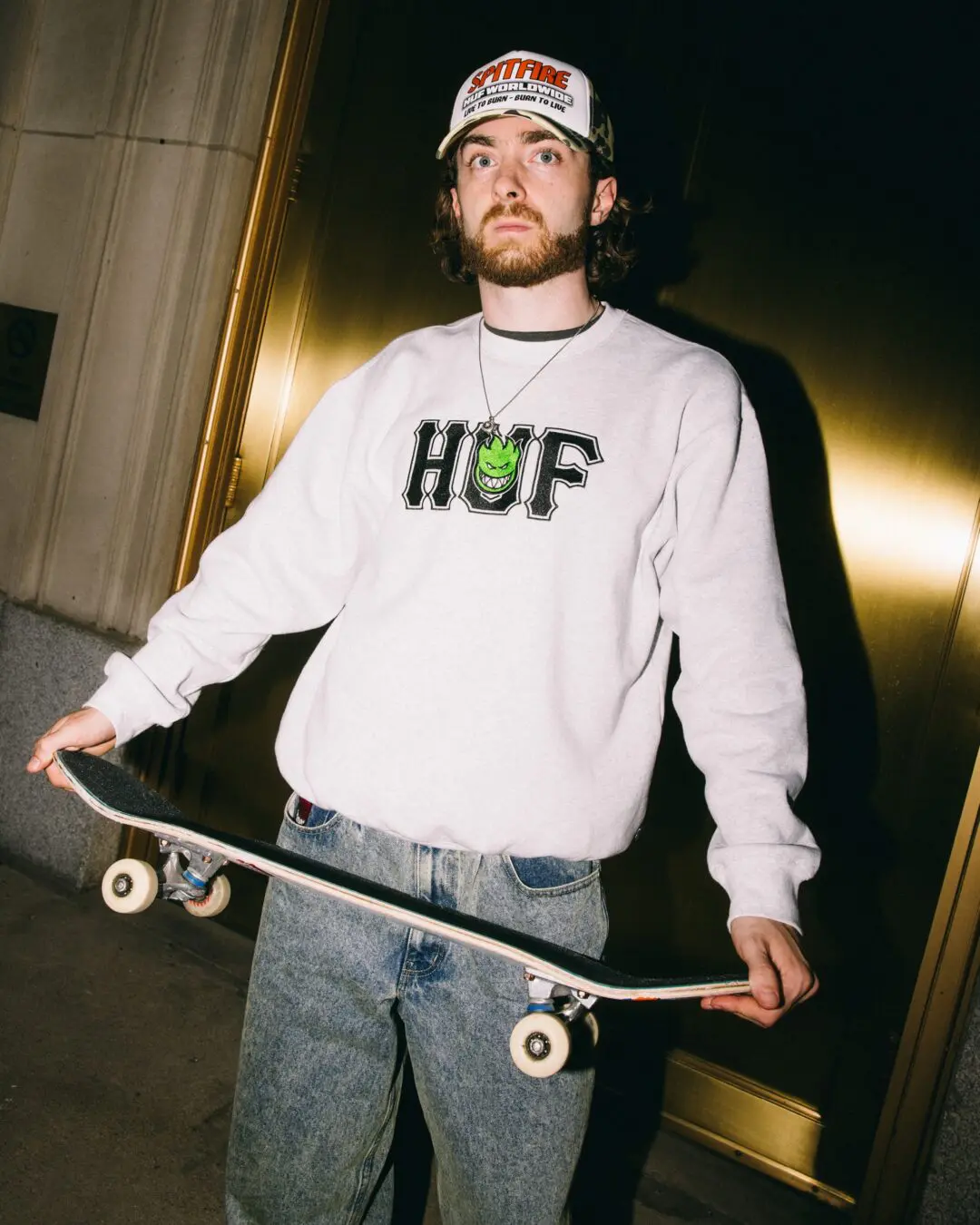
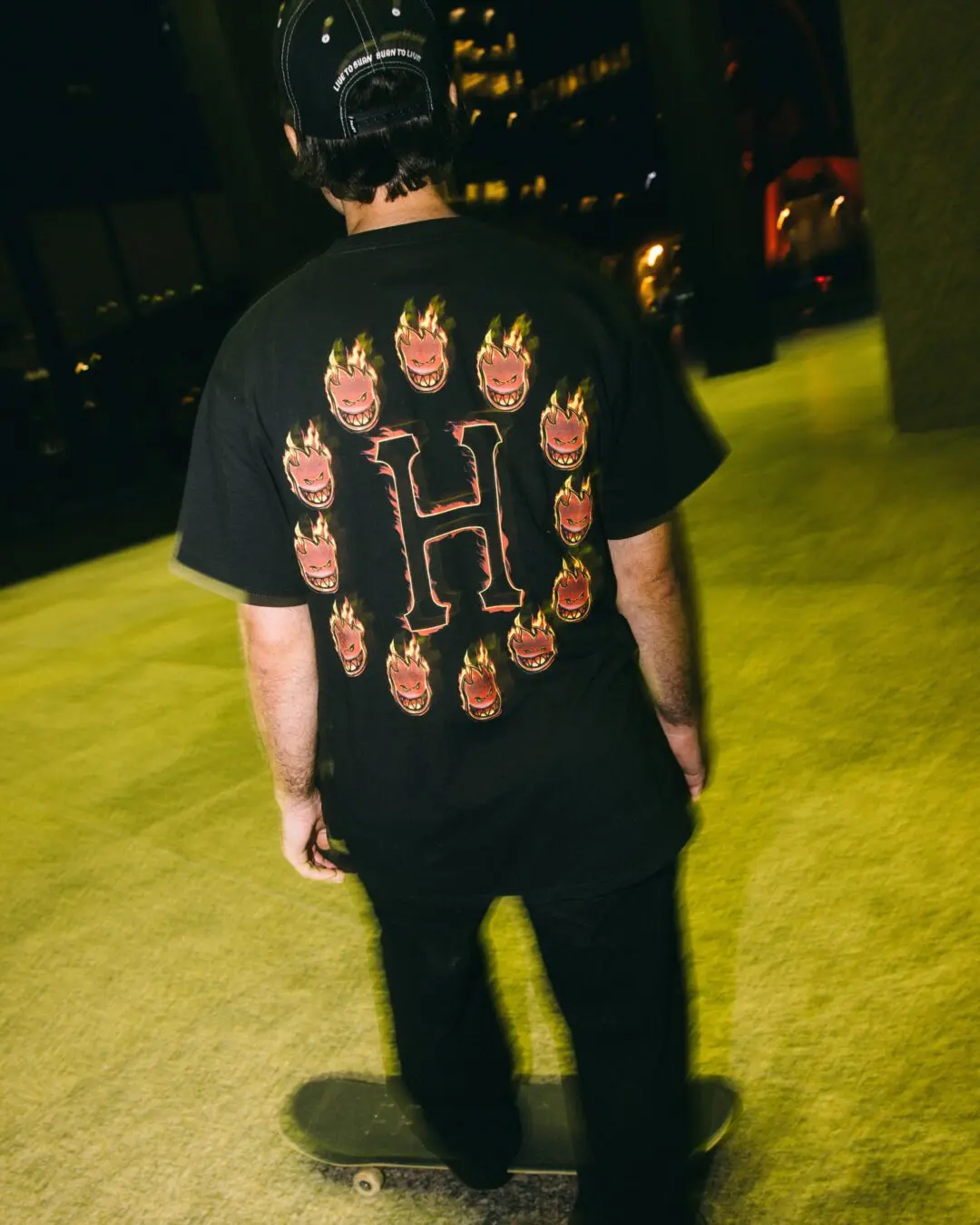
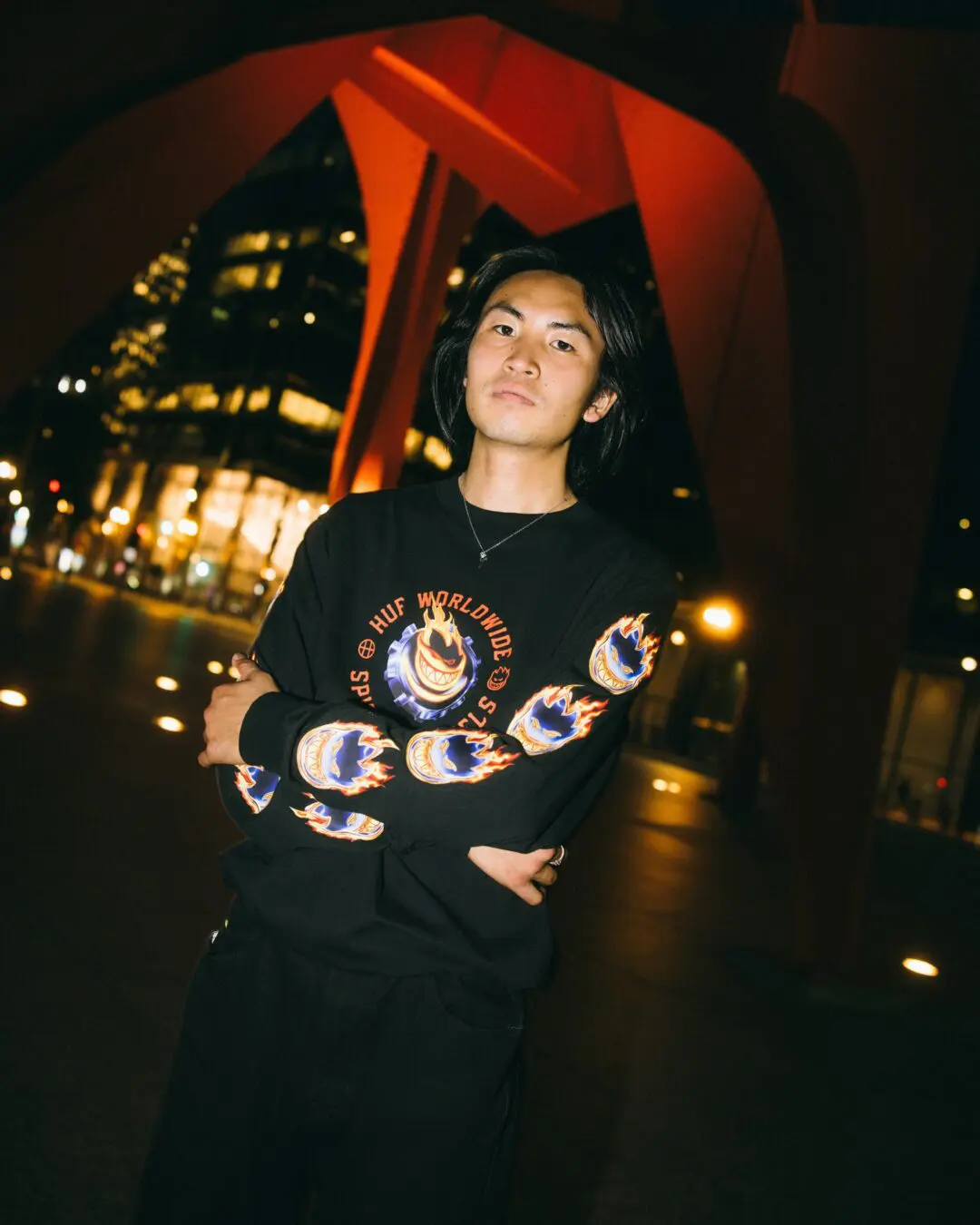
HUF and Spitfire Wheels are dropping a full collection built from a jacket, jersey, work shirt, tees, wheels, and a grinder, landing worldwide on August 6 and in Japan on August 7.
HUF confirmed the connection on its own site on July 31, describing Spitfire as one of the best in the game and noting that the wheel company has been a staple of skateboarding since 1987, out of the same San Francisco hometown HUF itself grew from. The collection spans a jacket, a baseball style jersey, a work shirt, a run of graphic tees, a set of wheels, and a metal grinder, a combination that reads less like a capsule built around one hero piece and more like a full seasonal drop with Spitfire’s identity worked through nearly every category. According to HUF’s own release notes, the collection goes live online at 9am Pacific on August 6 through hufworldwide.com, with HUF flagship stores across Japan following a day later on August 7. That staggered rollout, west coast first and Japan a day behind it, has become a familiar pattern for HUF drops that carry weight in both markets, and it is worth noting plainly here since the person requesting this piece flagged the Japan side of the release specifically. Outside retailers are expected to carry pieces of the collection as well, though HUF’s own page does not yet list which accounts beyond its flagship stores and web shop, and the brand’s product listings for the individual pieces had not gone fully live at the time this was written, leaving pricing and SKU level detail still to come closer to the actual launch morning.
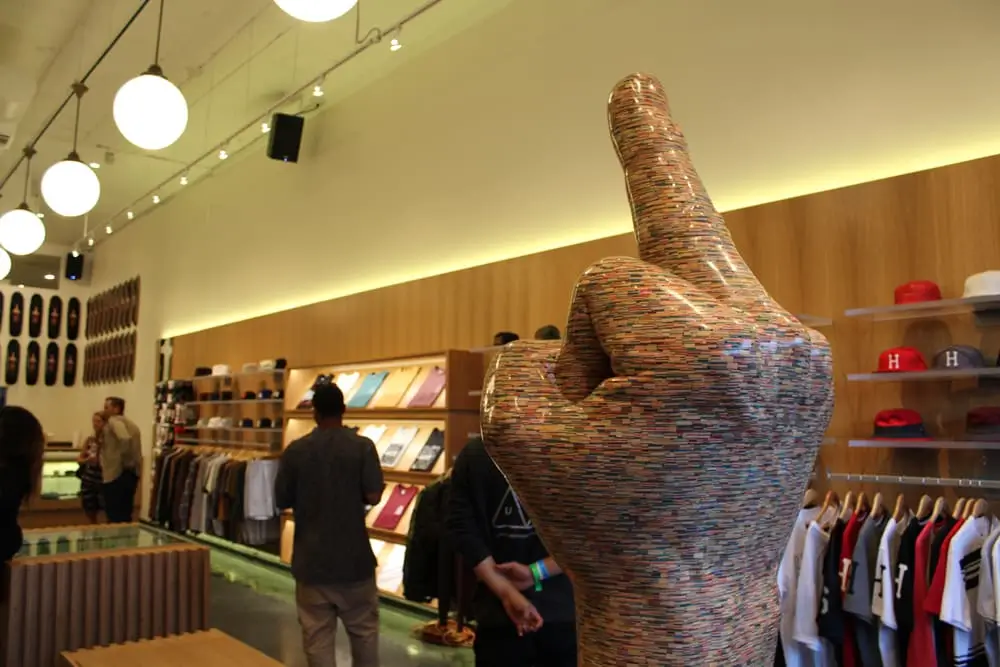
A sculpture centerpiece crafted from skateboard decks stands inside a HUF flagship store, reflecting the brand’s deep roots in skate culture.
Coverage of the connection so far has been light on individual product breakdowns, since the rel only went public in the last week of July, but the framing across the outlets that have picked it up is consistent. StupidDOPE described the drop as reconnecting two skate institutions rather than reinventing either one, arguing that the restraint is deliberate: both HUF and Spitfire already carry strong enough view identities on their own that a heavily conceptual reinterpretation would work against the point of the connection. Skate apparel also has to survive actual use, the outlet noted, which favors a capsule that leans on shared history and graphics over anything too precious to skate in. Other reliable brand retailers also flagged the rel in its preview coverage ahead of release, positioning it alongside the broader run of connections both brands have kept up through the middle of the year, though as with most preteaser coverage the specifics stayed thin until HUF’s own product pages went live closer to launch.
The Japan specific timing is worth sitting with for a moment, since it is not incidental. HUF’s flagship stores across Japan have carried real commercial weight for the brand since December 2017, when the Japanese retail and apparel group TSI Holdings closed a deal to acquire a 90 percent stake in HUF for a reported 63 million dollars. That ownership structure helps explain why a HUF connection frequently gets its own dedicated Japan release date rather than simply following the US drop by however many days a shipping container happens to take, and why a piece built around Spitfire, a brand with its own long standing following among Japanese skate shops and collectors, would be treated as a market of its own rather than an afterthought. The gap here, a single day between the US online launch and the Japan in store date, is tighter than some past HUF connection, suggesting a more coordinated global rollout than the brand has always managed with earlier partner drops.
View this post on Instagram
stir
HUF traces back to a single person, the professional skateboarder Keith Hufnagel, who grew up skating the streets of New York City in the 1980s before relocating to San Francisco in 1992 to turn pro. He opened the first HUF boutique in 2002 on an unremarkable block of the city’s Tenderloin district, stocking the skate, streetwear, and sneaker labels he felt belonged together under one roof before eventually building his own line out of that same instinct. The brand grew from there into an independent apparel and footwear company, relocated its center of gravity to Los Angeles, and in December 2017 sold a 90 percent stake to the Japanese company TSI Holdings, a deal that helps explain why HUF’s Japan retail footprint carries enough weight today to get its own release date inside a global drop like this one. Hufnagel died in September 2020 at 46, after a two and a half year fight with brain cancer, and the brand he built has continued to lean into the same combination of skate authenticity and collaborative range he set in motion, working over the years with everyone from Nike SB and Thrasher Magazine to artists like Haroshi and Steven Harrington and skaters including Dylan Rieder and Mark Suciu. The brand’s own about page still frames its identity in the terms Hufnagel set from the start, describing HUF as a home for a collective of eclectic skateboarders and ambassadors, and it is worth noting that a connection like this one, built around a wheel company from the same city and the same era Hufnagel came up in, sits comfortably inside that original framing rather than reading as a departure from it.
flow
Spitfire Wheels is the older of the two names by fifteen years, founded in San Francisco in 1987 by professional skateboarder Jim Thiebaud, who had already ridden as an amateur for Powell Peralta and would go on to co-found Real Skateboards. Some accounts also credit entrepreneur Fausto Vitello as a co-founder in Spitfire’s earliest days, alongside Thiebaud’s own skating pedigree. Spitfire sits inside Deluxe Distribution, the same San Francisco company behind Real, Thunder Trucks, Venture, and Anti Hero, and its wheels earned their reputation the hard way, built to survive the flatspot prone hills and rough asphalt of the city they came from. The brand’s most recognizable asset arrived five years after launch, when artist Kevin Ancell designed the Bighead logo in 1992, a grinning, flame framed cartoon face that has since become one of the most reproduced graphics in skateboarding, showing up on decks, apparel, and stickers with enough frequency that many riders recognize it without needing the word Spitfire printed anywhere nearby. The company’s Formula Four urethane, refined and reintroduced over the following decades, remains a reference point across the wheel category for flatspot resistance and speed retention, and Spitfire’s team has carried names like Mark Gonzales, Eric Koston, Guy Mariano, and Andrew Reynolds across its history, with current riders including Riley Hawk and Mason Silva keeping the brand visible in newer skate video output.
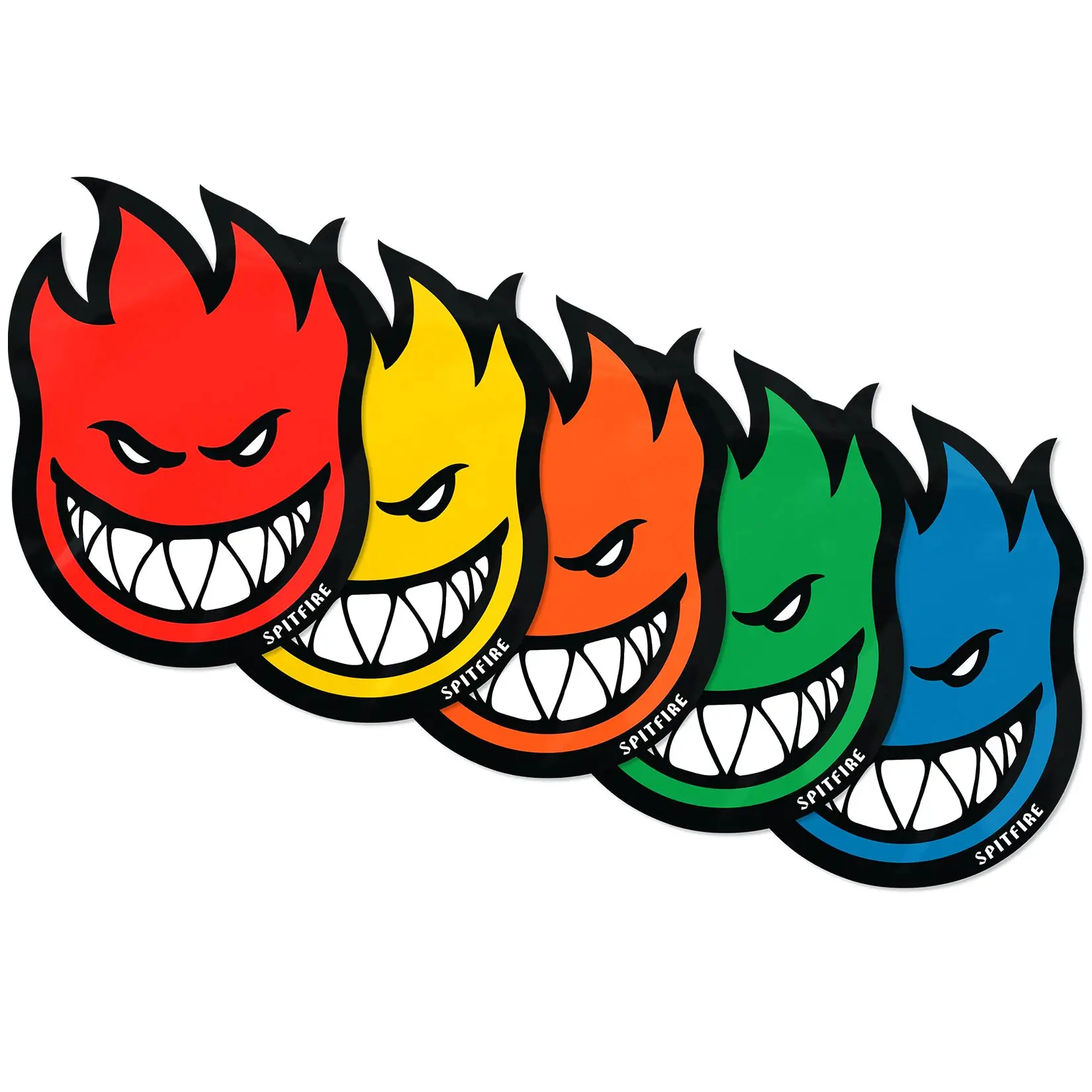
A five-piece assortment of Spitfire Bighead stickers showcases the iconic flame logo in bold red, yellow, orange, green, and blue colorways.
Where HUF built its identity around apparel that borrowed skate credibility and stretched it toward streetwear, Spitfire has stayed almost entirely inside hard goods and the graphics that ride alongside them, which is part of why a joint collection tends to divide cleanly along familiar lines. HUF supplies the cut and construction, the jackets and jerseys and work shirts it already knows how to make well, while Spitfire supplies the wheels, the grinder, and the graphic language, the Bighead face and its accompanying swirl pattern, that gets worked across HUF’s own silhouettes rather than replacing them. It is a collaboration built on division of labor more than fusion, which tracks with StupidDOPE’s read that restraint, not reinvention, is the operating principle here.
chance
This is not a first meeting. HUF and Spitfire have circled back to each other repeatedly since at least 2009, when HUF’s San Francisco and Los Angeles stores carried a joint HUF x Spitfire Wheels and HUF x Thunder Trucks release. A dedicated HUF x Spitfire apparel connection followed in July 2015, and a more expansive capsule arrived in 2018 under the tagline Keep the Underground Lit, built around a vintage inspired racing jacket, a packable anorak, a plaid flannel, and a wide spread of accessories that ran all the way to a ceramic ashtray and a metal grinder, working Spitfire’s Bighead mascot and Classic Swirl pattern across HUF’s own house silhouettes. The pattern across nearly two decades is consistent: neither brand treats the other as a novelty guest star. Spitfire shows up in HUF’s lineup roughly every few years, each time folded into product categories HUF already makes well rather than pushed into something foreign to either company’s identity, which is part of why this 2026 version, with its jacket, jersey, work shirt, and grinder, reads as a continuation of a working relationship rather than a one off marketing moment.
View this post on Instagram
fin
Read against that history, the timing of this drop makes sense on its own terms. HUF has spent 2026 running a busy connection calendar, with tie ins to Spider-Man, Proclub, Krink, and artist Kenny Scharf all live on its site alongside the Spitfire capsule, suggesting a brand comfortable moving fast across very different partners in the same season. Spitfire, for its part, has kept a similarly active collaboration schedule of its own recently, including a separate tie up with Supreme that surfaced earlier this year, along with the kind of steady rider edit output, filmed jams, and video content that keeps a decades old wheel brand visible to a skate audience that discovers most things through clips before it discovers them through product pages. Neither company appears to be treating the other as its single defining partnership for 2026, which is, in a sense, exactly the point. HUF and Spitfire do not need novelty to justify working together again. What they are selling, more than any individual jacket or jersey, is continuity: two San Francisco skate names old enough to have actual archives to draw from, choosing to keep drawing from each other rather than chasing whichever collaborator happens to be trending.
None of that means the collection is short on substance. A jacket, a jersey, a work shirt, a full run of tees, wheels, and a grinder is a wider spread than most single season collaborations attempt, closer in scale to the 2018 Keep the Underground Lit capsule than to a quick, one item tie in. The work shirt and the grinder will not be everyone’s idea of a headline piece, but they are the kind of unglamorous, actually useful objects that a long running skate collaboration tends to produce once the novelty of a first meeting has worn off and what is left is two brands that simply trust each other’s taste. Whether the wheels themselves carry Spitfire’s Formula Four urethane or a variant built specifically for this release was not specified in HUF’s own announcement, and that detail, along with full pricing and individual colorways, had not appeared on either brand’s product pages at the time this was written. What is confirmed, directly from HUF, is the date, the item categories, and the fact that after roughly seventeen years of circling back to each other, these two companies still see enough in the partnership to keep making it new.
n
From the DRIFT archive: Eastpak Courts Culture: Inside the Brand’s Global With the NBA · Ssstufff Reversible Shirt Down Puffer: A Dual-Identity Layer Redefine