DRIFT AUDIO
Listen to this story
Choose a voice, then press play.
Levi’s Vintage Clothing’s 1922 501 Original Organic Rigid jeans are back — and in Japan, you can’t just buy them. You have to win the right to.
In This Story
- A Reissue Popular Enough to Need a Raffle
- Inside the 1922 501: What Actually Changed That Year
- The Organic Rigid Treatment
- A Silhouette That Fits the Current Moment
- Why Japan, and Why a Lottery
- A Collector Market That Predates the Hype Cycle
- How the Lottery Actually Works
- Where and How to Enter
Levi’s Vintage Clothing — the brand’s own archival reissue line, often shortened to LVC — has spent the better part of 2026 cycling one of its most requested sil back into circulation: the 1922 501 Original jeans, now in an “Organic Rigid” finish. In most Western markets, that means walking into a store or clicking “add to cart.” In Japan, it means entering a raffle, waiting for an email, and hoping your name gets pulled — with no guarantee of a purchase even if it does.
That gap says a lot about where LVC sits in the current market. This isn’t a mass-produced staple; it’s a limited-run reproduction line built for people who care exactly how a garment was stitched a century ago, and demand in Japan for that kind of product has consistently outpaced supply throughout the 1922 model’s repeated 2026 restocks — including release windows in January, March, and April, with the most recent round opening April 27.
It also arrives at a moment when Levi’s as a company has been publicly leaning further into a direct-to-consumer, denim-first identity. In its fiscal 2025 fourth-quarter results, the company reported organic revenue growth alongside a stated push to become what CEO Michelle Gass called a “DTC-first, head-to-toe denim lifestyle brand.” LVC sits at the furthest, most archival end of that strategy — a line whose entire value proposition depends on scarcity and authenticity rather than volume, which makes the lottery model less an inconvenience and more a structural necessity for how the product is meant to be sold.
View this post on Instagram
in
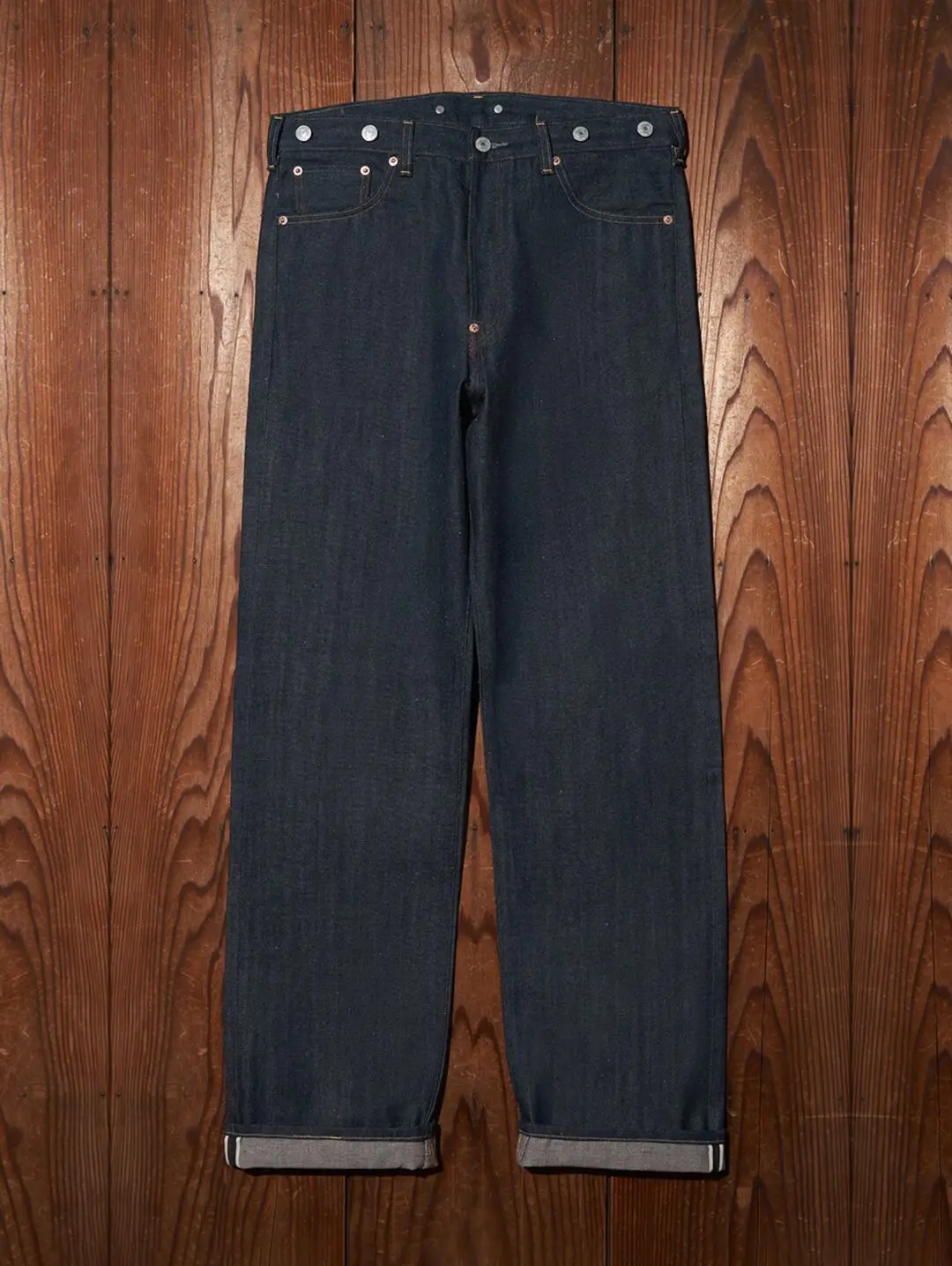
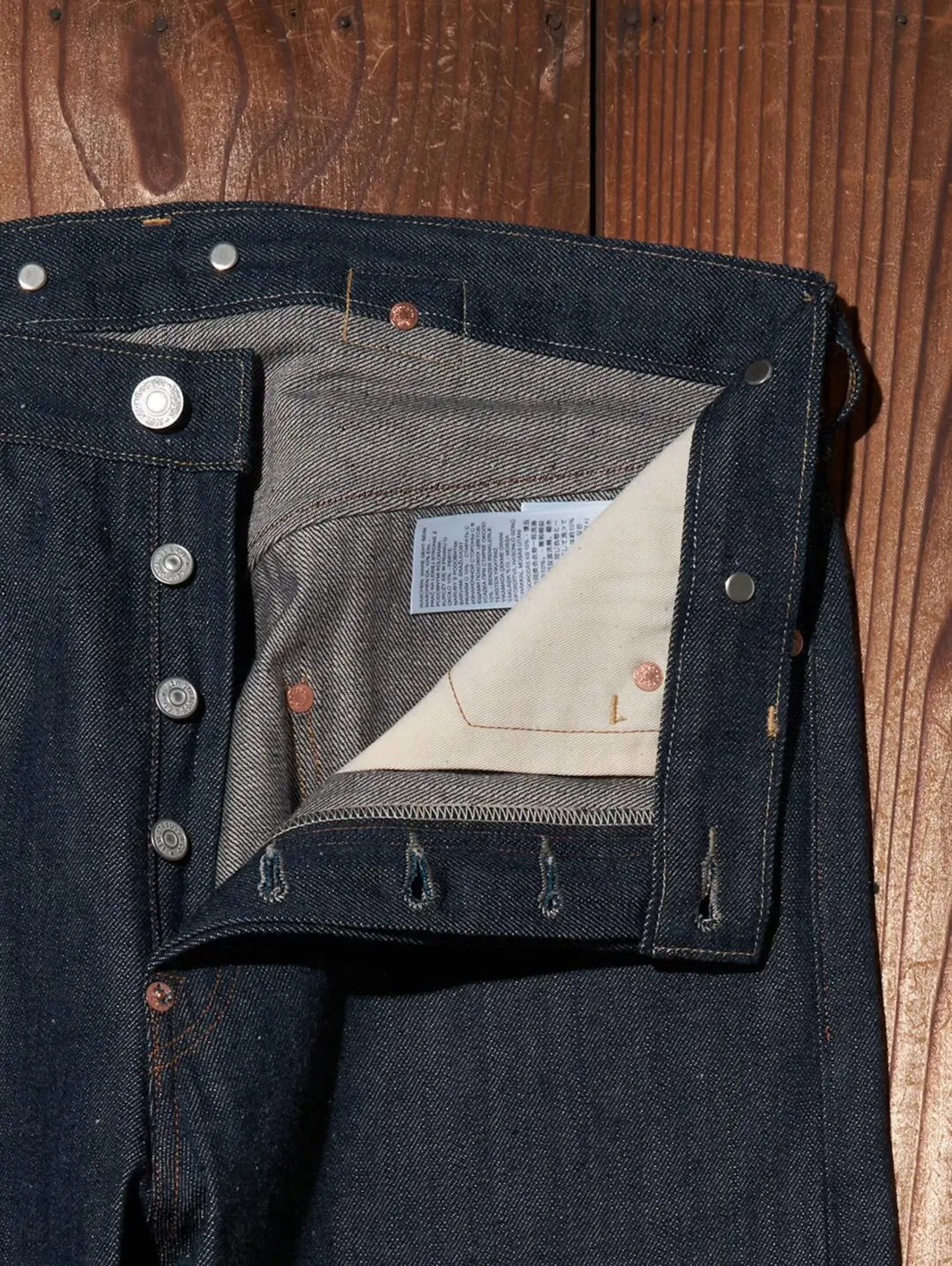
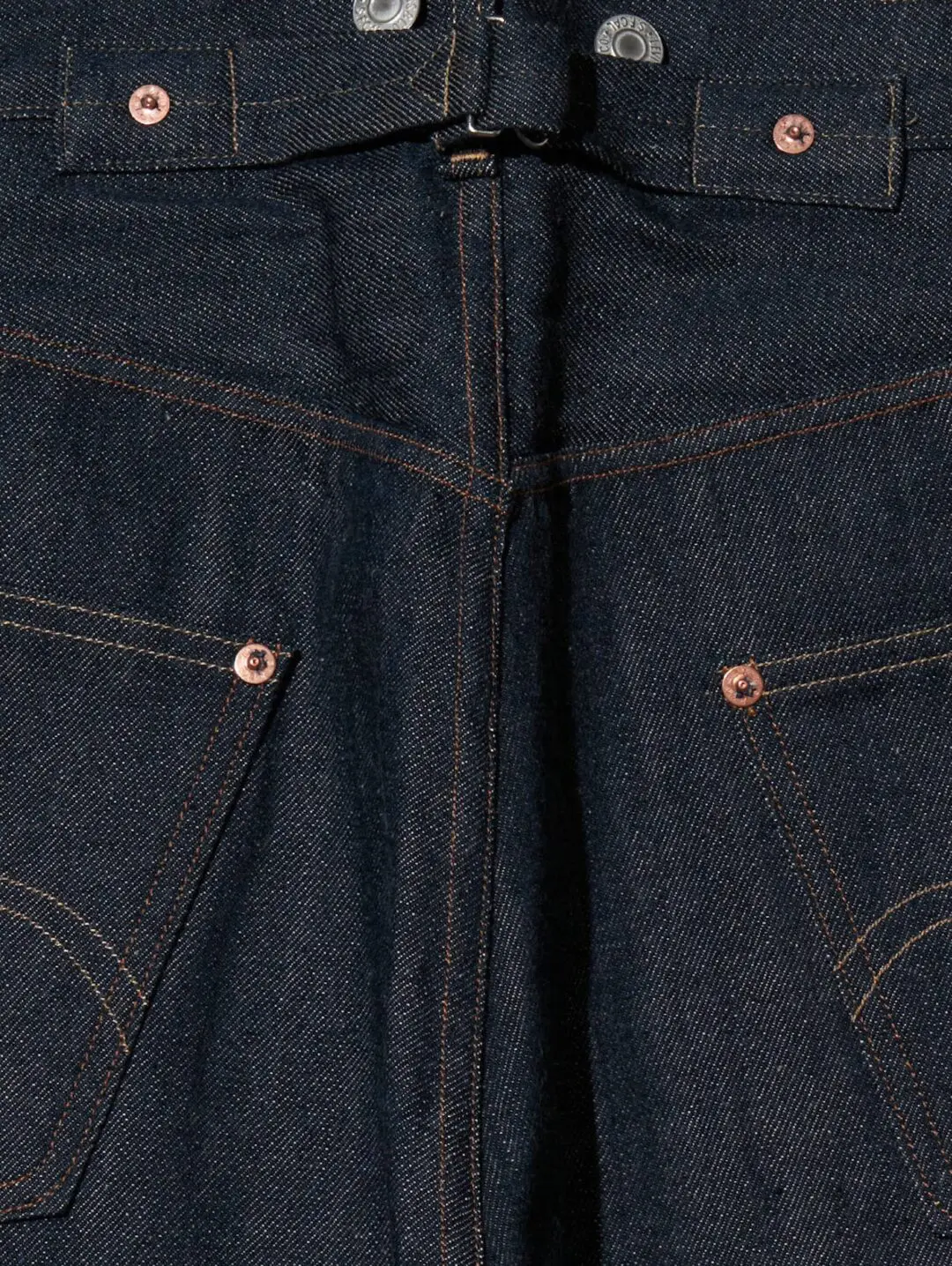
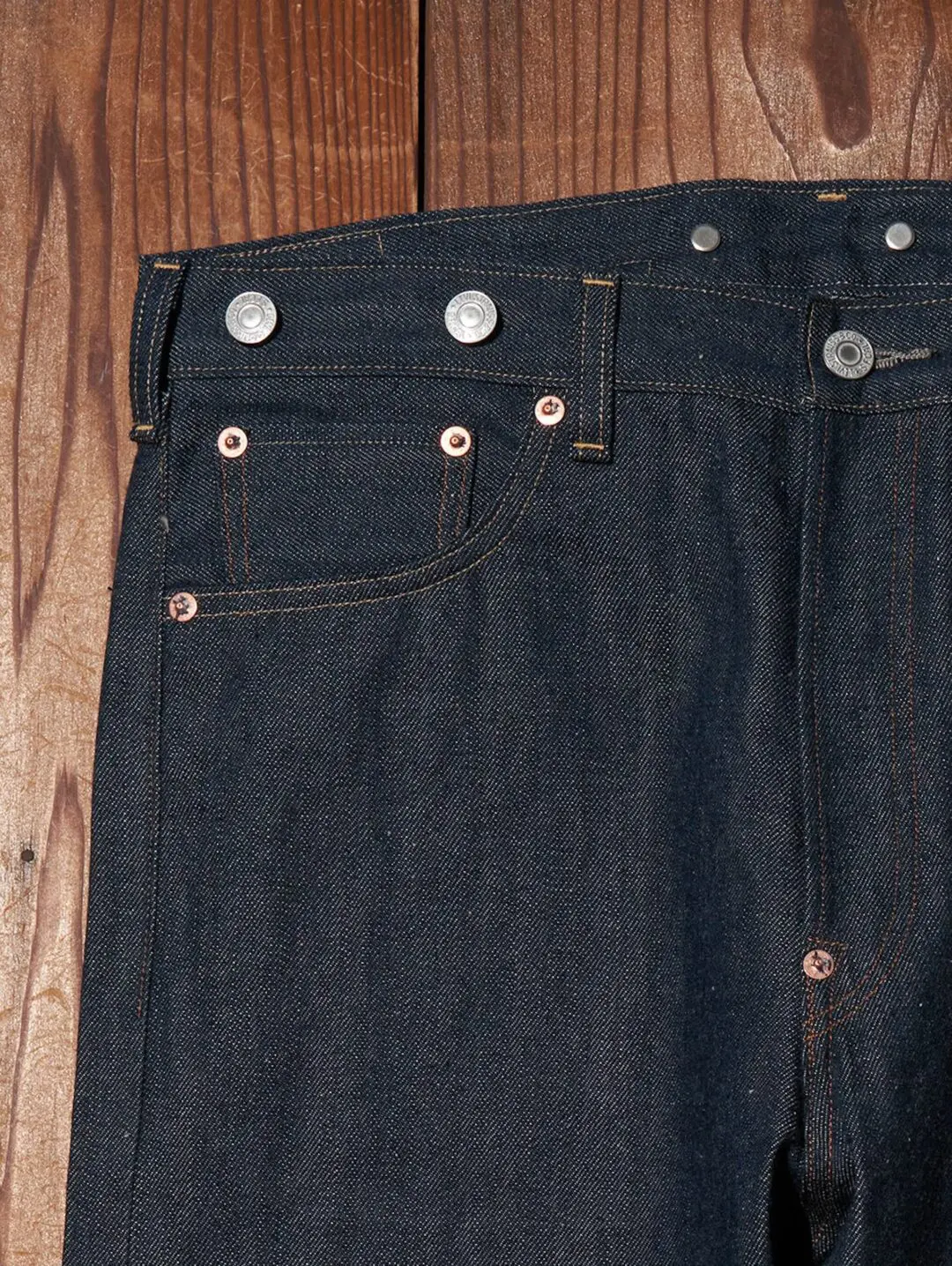
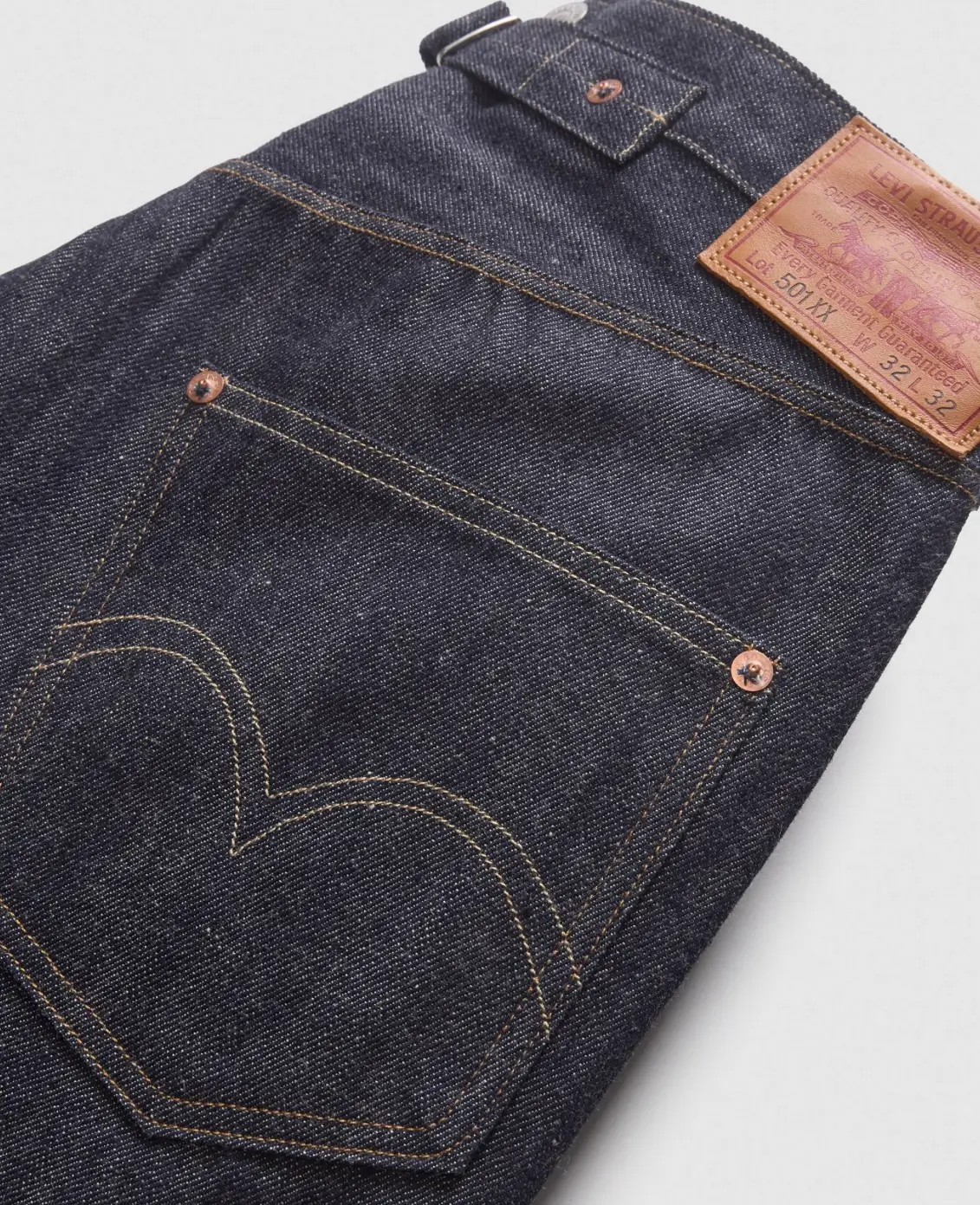
The 1922 501 marks a specific hinge point in denim history. Levi’s had introduced belt loops that year, responding to a broader postwar shift among American workers away from suspenders and toward belts — but the transition wasn’t clean. Rather than dropping suspender buttons outright, Levi’s kept them alongside the new belt loops, along with the cinch-back strap that had defined earlier 501 models. LVC’s reissue preserves that in-between moment exactly: suspender buttons, a wire cinch-back, and belt loops all coexisting on the same pair, plus a second back pocket that hadn’t appeared on the earlier 1890 model.
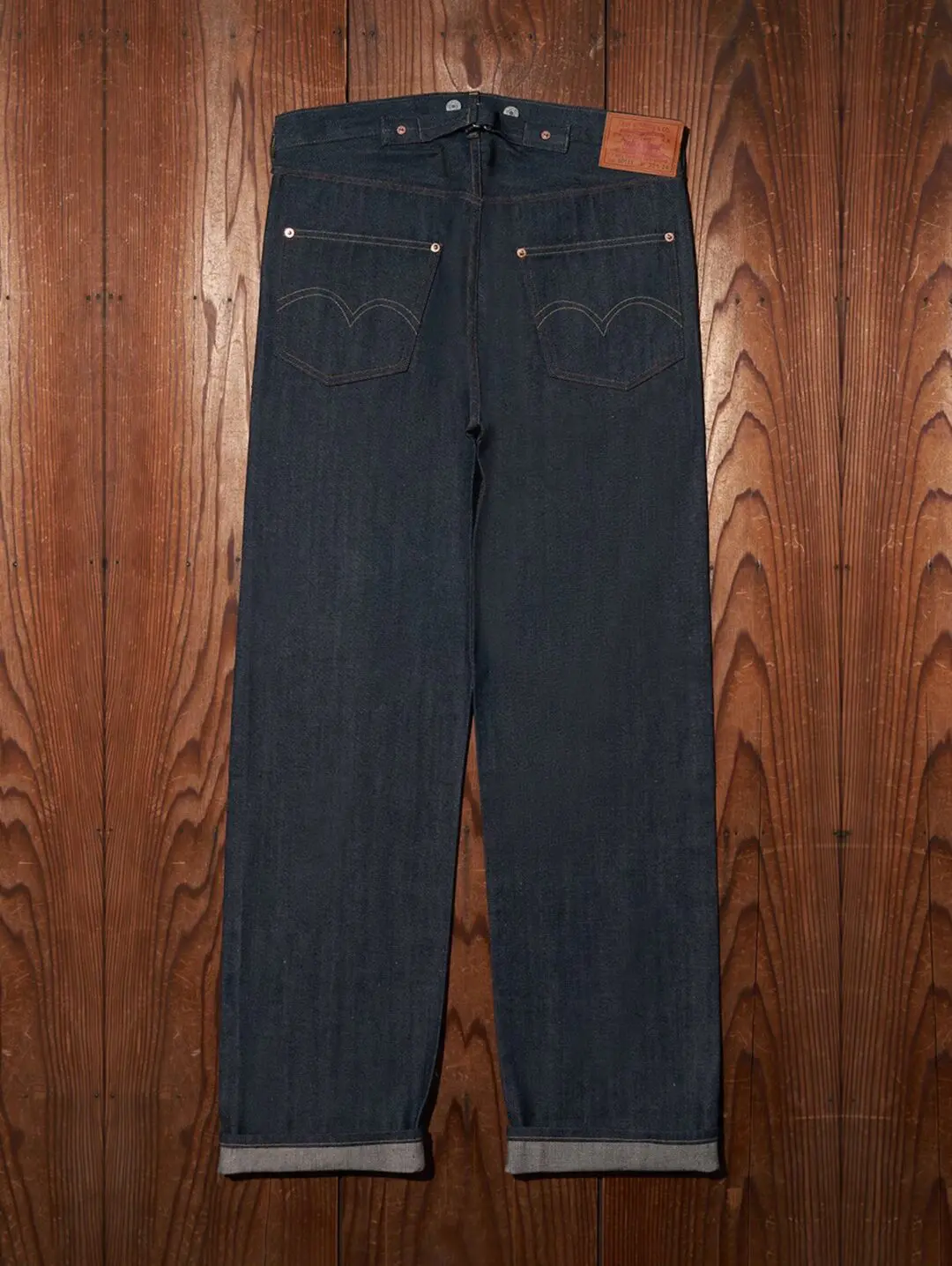
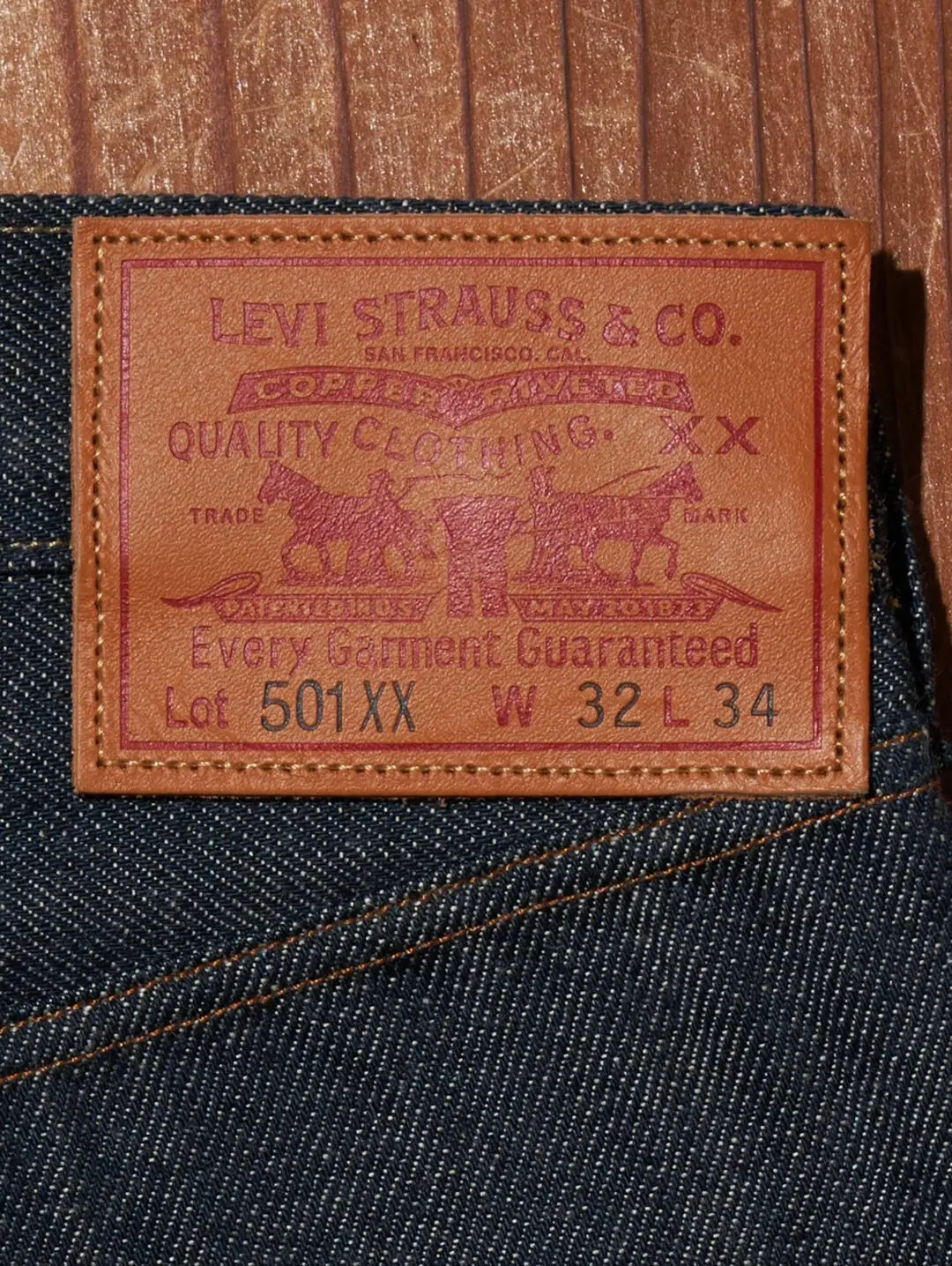
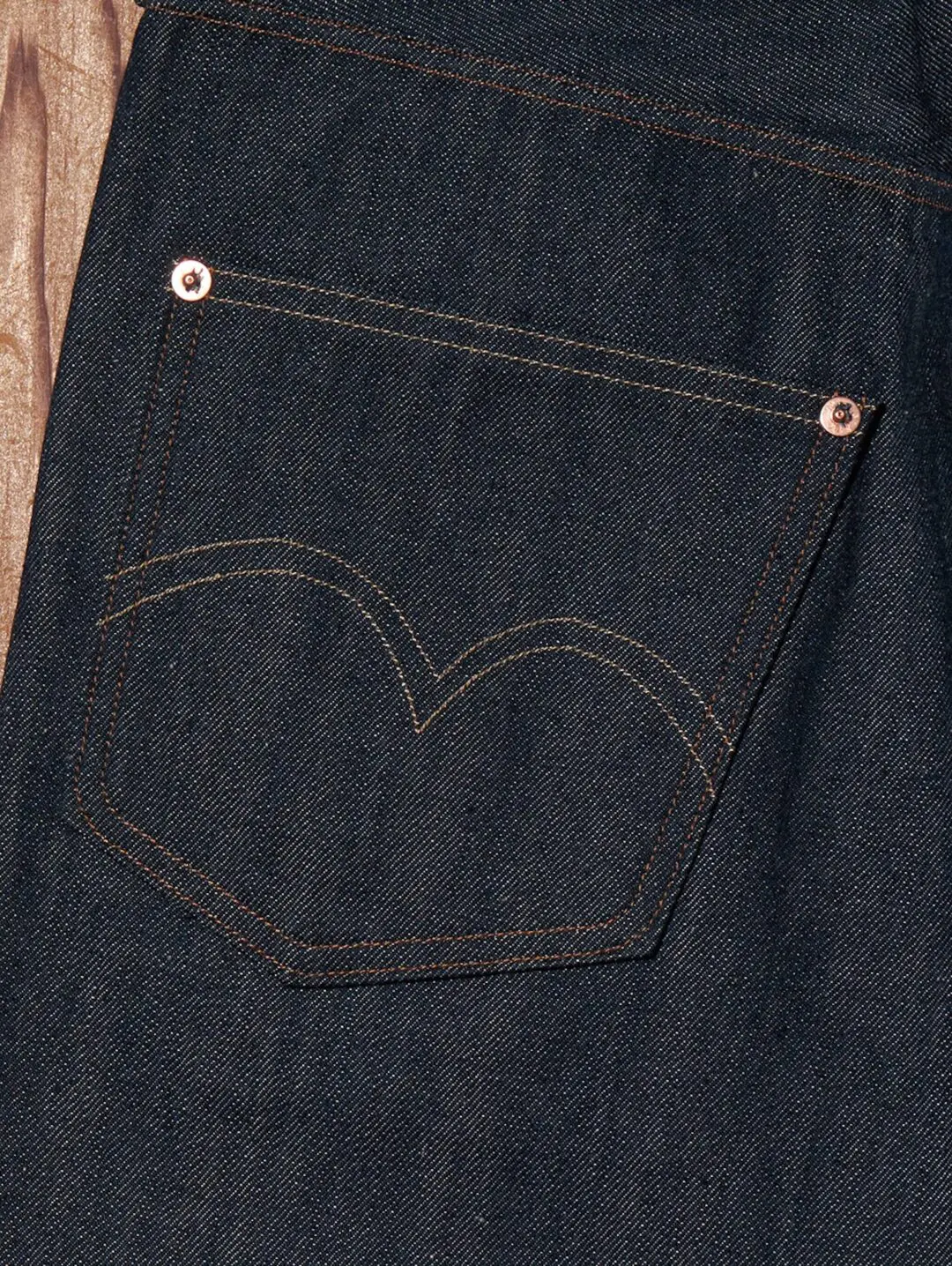
The cut reflects the era too — a higher rise and wider leg than later 501 iterations, closer to the “waist overalls” sil Levi’s originally marketed to laborers than to anything resembling a modern slim or straight fit. Details like the exposed back-pocket rivets, the leather patch, and an irregular, hand-guided pocket stitch are all carried over from the archival source garment, down to the button stamping.
It’s worth placing 1922 within the broader arc of 501 history to understand why LVC treats it as its own distinct era rather than folding it into a general “vintage 501” label. The 1890 model — LVC’s earliest 501 reissue — predates belt loops entirely; it’s suspenders and cinch-back only, with a single back pocket. The 1933 model that follows 1922 tightens the fit slightly and introduces the NRA tag tied to Depression-era manufacturing regulations. By 1944, wartime metal rationing had stripped away rivets and the cinch-back altogether. Positioned between those two points, the 1922 model captures Levi’s mid-transition: workwear still holding onto its 19th-century construction while visibly adapting to a changing decade. That specificity is precisely what LVC’s collector audience responds to — not “vintage-looking jeans,” but a stitch-for-stitch record of one particular year’s manufacturing decisions.
flow
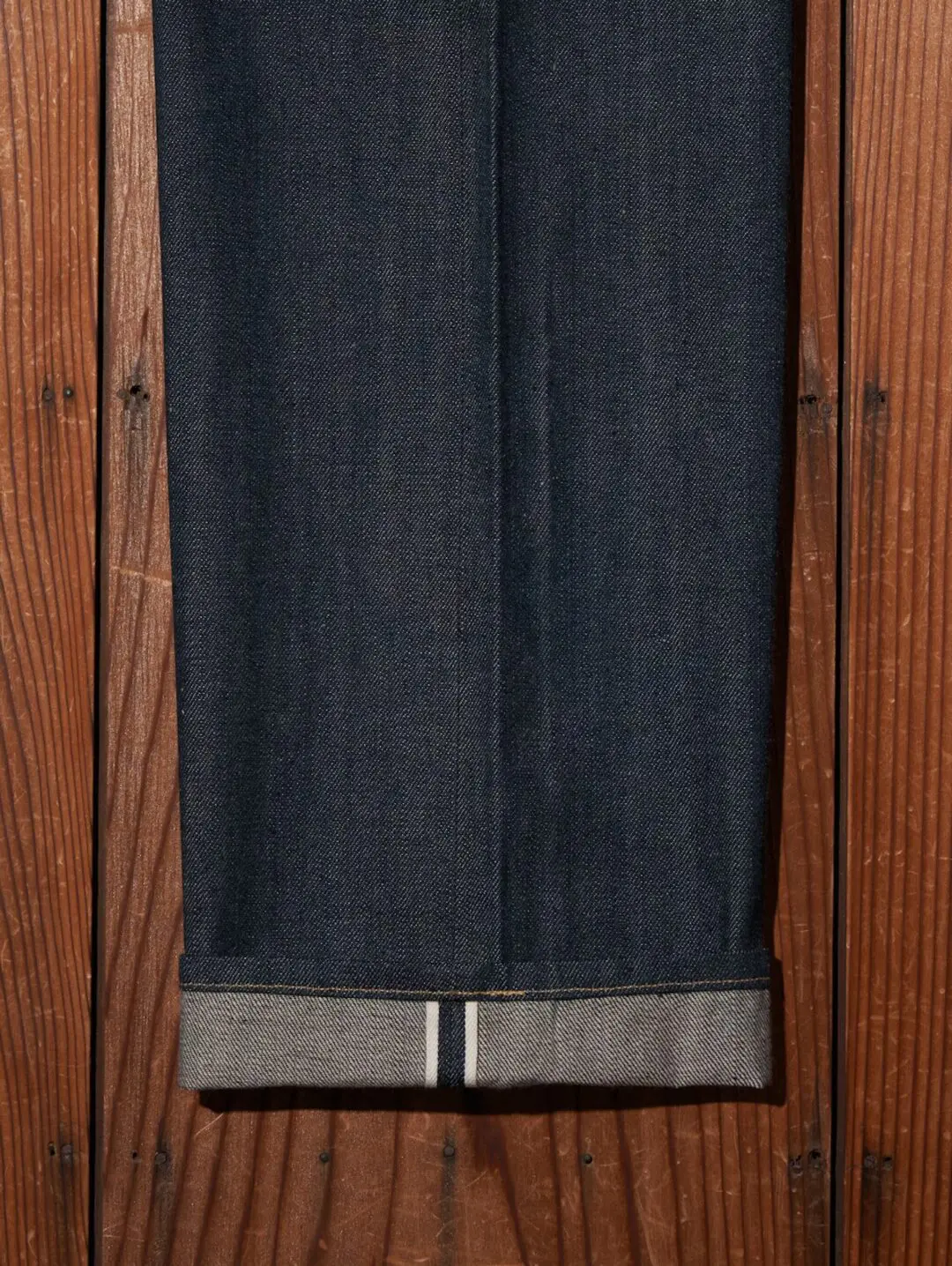
Where this specific reissue diverges from earlier 1922 runs is the fabric. LVC shifted several of its core 501 reproductions to organic cotton starting around 2022, and the current Organic Rigid version uses roughly 12-ounce organic selvedge denim milled by Kaihara, the Japanese textile maker that’s become LVC’s primary fabric partner. That shift followed the closure of the U.S. Cone Mills White Oak plant, which had supplied LVC’s selvedge denim for years — pushing the entire line’s production toward Japan, both for fabric and for construction.
“Rigid” here means the jeans are sold unwashed and untreated — no pre-distressing, no sanforizing to control shrinkage. Buyers are expected to break the denim in themselves, with LVC’s own size charts noting that the jeans will shrink several centimeters in both waist and length after a first wash. It’s a deliberately unglamorous starting point: a stiff, dark indigo pair of jeans that only starts to look interesting after months of actual wear.
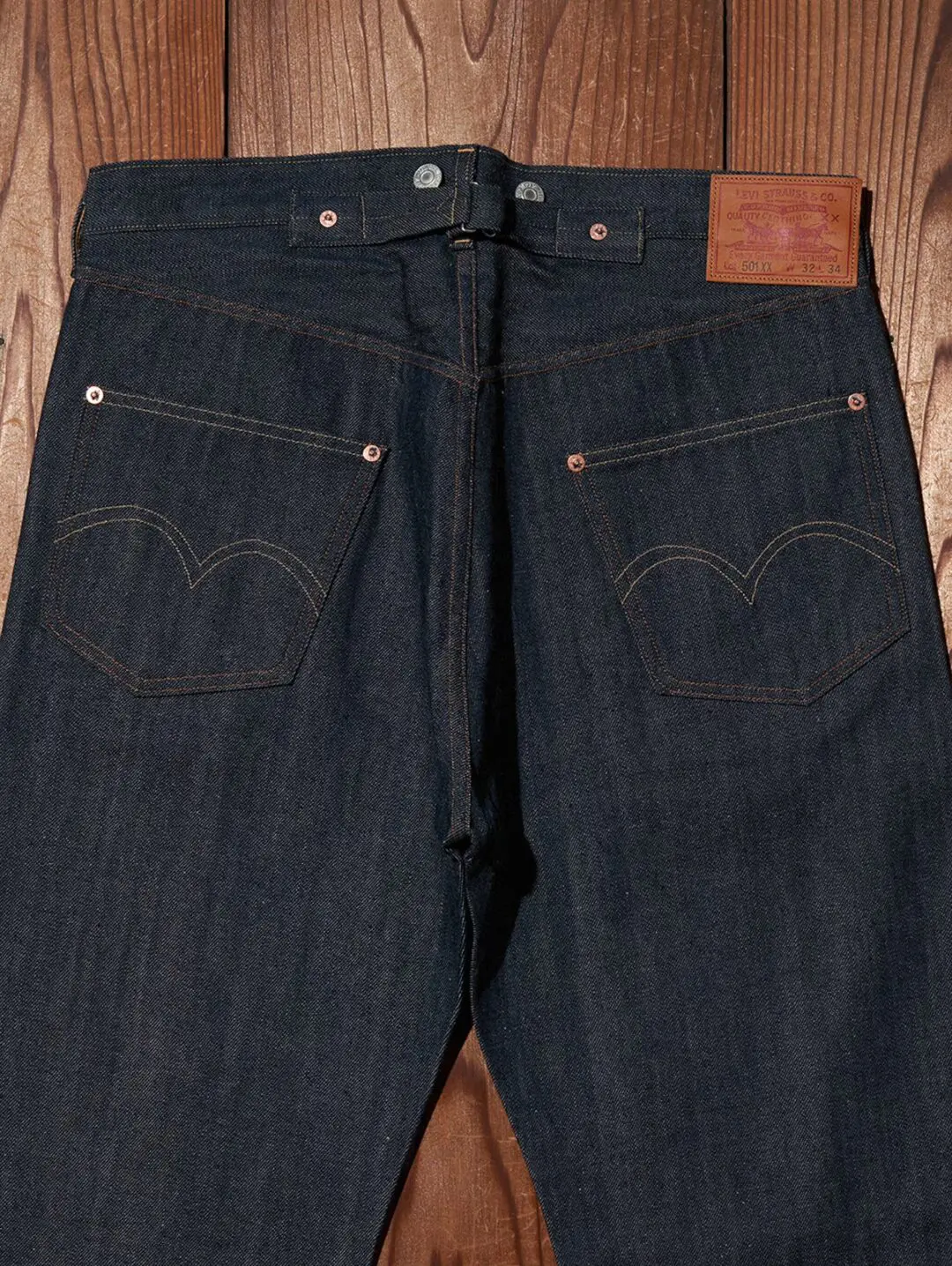
Levi’s 501 XX selvedge jeans showcase heavyweight raw denim, signature arcuate pocket stitching, premium leather branding, and timeless craftsmanship inspired by the brand’s early twentieth-century heritage.
That wear-in process is a large part of the appeal for the audience LVC is actually selling to. Rigid, unsanforized denim develops fades, whiskering, and honeycomb creasing unique to the wearer’s own body and habits — a form of slow personalization that pre-distressed or stonewashed jeans can’t replicate. It’s the same logic that drives raw-denim culture more broadly, just applied to a piece that’s already carrying a century of archival weight before a single wear has been logged. The organic cotton swap adds a second, more contemporary layer to that story: it doesn’t change the finished look or hand-feel much, but it lets Levi’s frame a century-old reproduction as compatible with its current sustainability messaging, without touching the archival specs that collectors are actually paying for.
sil
Part of what’s kept demand for the 1922 model steady through repeated 2026 restocks is timing: its higher rise and wider leg happen to land squarely inside a broader shift away from the slim and skinny cuts that dominated the previous decade. Workwear-inflected, looser silhouettes have been building momentum across both Japanese and Western menswear for several seasons, and a garment that was wide-legged by 1920s labor necessity reads, almost by accident, as current. That’s a different kind of relevance than LVC’s earlier, more slender reissues — the 1966 or 1963 models, for instance — tend to offer, and it likely explains why the 1922 specifically has warranted so many separate lottery rounds rather than a single release and quiet restock cycle.
It also pairs unusually well with the kind of archival, single-brand styling Driftzine covers elsewhere — a rigid, high-rise 501 sits naturally alongside boxier trucker jackets, engineer boots, and the general Americana-adjacent wardrobe that’s been resurging across both Japanese street style and international runway collections referencing mid-century workwear.
Vintage-inspired Levi’s raw selvedge denim showcases classic workwear details including a cinch-back waist, exposed copper rivets, signature arcuate pocket stitching, and a woven archival brand label.
huh
LVC isn’t lottery-gated everywhere. In the US and UK, the 1922 501 has been available as standard retail stock through Levi’s own site and stockists like END., typically priced in the $300–$485 range depending on wash and retailer markup. Japan is the outlier, and the reason comes down to how concentrated LVC’s audience is there. Vintage Americana and reproduction denim have an unusually deep collector culture in Japan, and LVC — as the only reissue line actually produced by Levi’s own archive team, rather than a third-party workwear brand referencing Levi’s history — sits at the top of that market. When restocks are limited to a few hundred units split across a handful of flagship stores, retail-style first-come-first-served selling creates the kind of line-camping and bot-driven reselling that lotteries exist specifically to prevent.
Japanese shoe and streetwear marketplace SNKRDUNK has tracked nearly a dozen separate LVC lottery windows through 2026 alone, spanning multiple 501 eras — 1933, 1937, 1944, 1947, 1954, 1955, 1963, 1966, and the 1922 model covered here — which underlines how routine this release format has become for the line, rather than a one-off response to a single viral drop.
collect
It’s tempting to read the lottery format as an import of sneaker-drop culture into denim, but the causality runs the other way in Japan. Reproduction American workwear has had a dedicated collector base there since well before streetwear’s current boom, built around brands like Kaihara’s own denim exports and independent repro labels that predate LVC’s Japanese manufacturing shift entirely. Genuine deadstock vintage 501s from the 1940s and 50s already trade in the secondary market for figures that can run into the hundreds of thousands of yen, depending on condition and era. Against that backdrop, LVC functions less like a fashion label chasing scarcity marketing and more like an accessible entry point into a market where the “real” alternative is often unaffordable or nonexistent — a controlled, era-accurate reproduction at a fraction of true vintage pricing, sanctioned directly by the brand that made the originals.
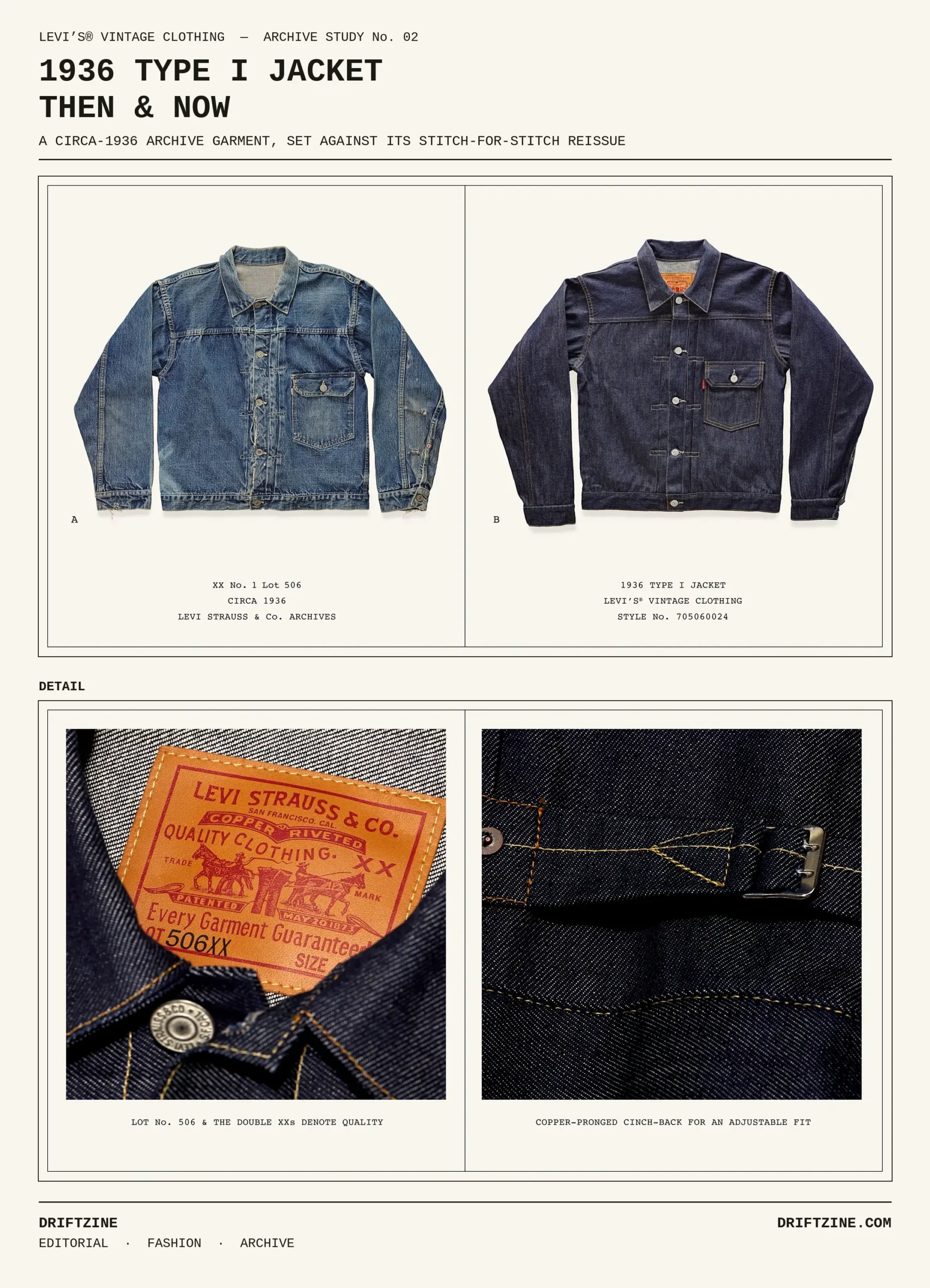
Side-by-side editorial compares a preserved 1936 Levi’s Type I jacket with its modern Levi’s Vintage Clothing reissue, highlighting authentic denim aging, archival construction, signature leather branding, and the iconic cinch-back detail.
hat positioning also explains why resale activity around LVC pieces tends to be more muted than sneaker culture’s flip-focused resale market. Buyers entering these lotteries are disproportionately people who intend to wear and fade the jeans over years, not resell them within days — though secondary listings do appear on platforms like SNKRDUNK and Mercari once a release sells through, typically at modest premiums over retail rather than the multiples common in hype sneaker resale.
extent
The mechanics are fairly standard for Japanese apparel raffles, but worth spelling out. Entrants register during a fixed window — commonly a single day, sometimes two — through Levi’s Japan’s website or a partner platform. Selection is random, not first-come-first-served, and winners are notified by email days later, with senders like noreply@levi.jp or levi@runfair.com used depending on which system administers the specific drop. Non-winners typically receive no notification at all.
Critically, winning the lottery isn’t the same as securing the jeans. Entry terms explicitly state that not every winner is guaranteed to complete a purchase, and pickup is restricted to a specific date and store — no phone holds, no delayed collection. Duplicate entries from the same address are also filtered down to a single valid entry, a standard anti-scalping measure. Entrants are also asked to agree upfront that they won’t dispute the outcome and that Levi’s Japan bears no liability for issues like server downtime during the entry window — language that’s become fairly standard across Japanese apparel and sneaker lotteries as the format has matured.
Flagship participation for recent 1922 501 windows has included Levi’s stores in Harajuku, Shinjuku, Nagoya’s Zero Gate, Osaka, and Kyoto, alongside a parallel online lottery track — giving entrants two separate chances at the same release, though pricing and available sizes can vary slightly between the in-store and web lotteries. Notification typically follows the entry window by one to two weeks, arriving only for successful entrants — a silence-means-no approach that’s standard practice across most Japanese retail lotteries, sneaker or otherwise.
fin
For anyone outside Japan, the more accessible route remains direct retail: Levi’s own site and stockists carry the 1922 501 Original in various washes without a lottery requirement, though sizing and colorway available shift often given how frequently the model sells out. For Japan-based buyers, tracking the next entry window means watching Levi’s Japan’s official channels and denim-focused outlets that aggregate LVC drop schedules, since entry periods are typically brief — often 24 to 48 hours — and announced with only a few days’ lead time.
Whichever route it’s bought through, the 1922 Organic Rigid remains one of the more literal artifacts in LVC’s catalog: a pair of jeans that exists specifically to preserve one narrow, transitional year in denim history, stitched with the same inefficiencies and quirks that made the original worth reproducing in the first place. Given how frequently LVC has cycled this particular model back through Japan’s lottery system in 2026 — four separate windows and counting — it’s a safe bet this won’t be the last chance to enter, even for anyone who misses the current round.
Related Articles

WACKO MARIA Brings Its Leopard Lining to the Big Leagues
Black nylon outside, leopard fur inside: WACKO MARIA’s first Major League Baseball collection reached Japan […]