DRIFT AUDIO
Listen to this story
Choose a voice, then press play.
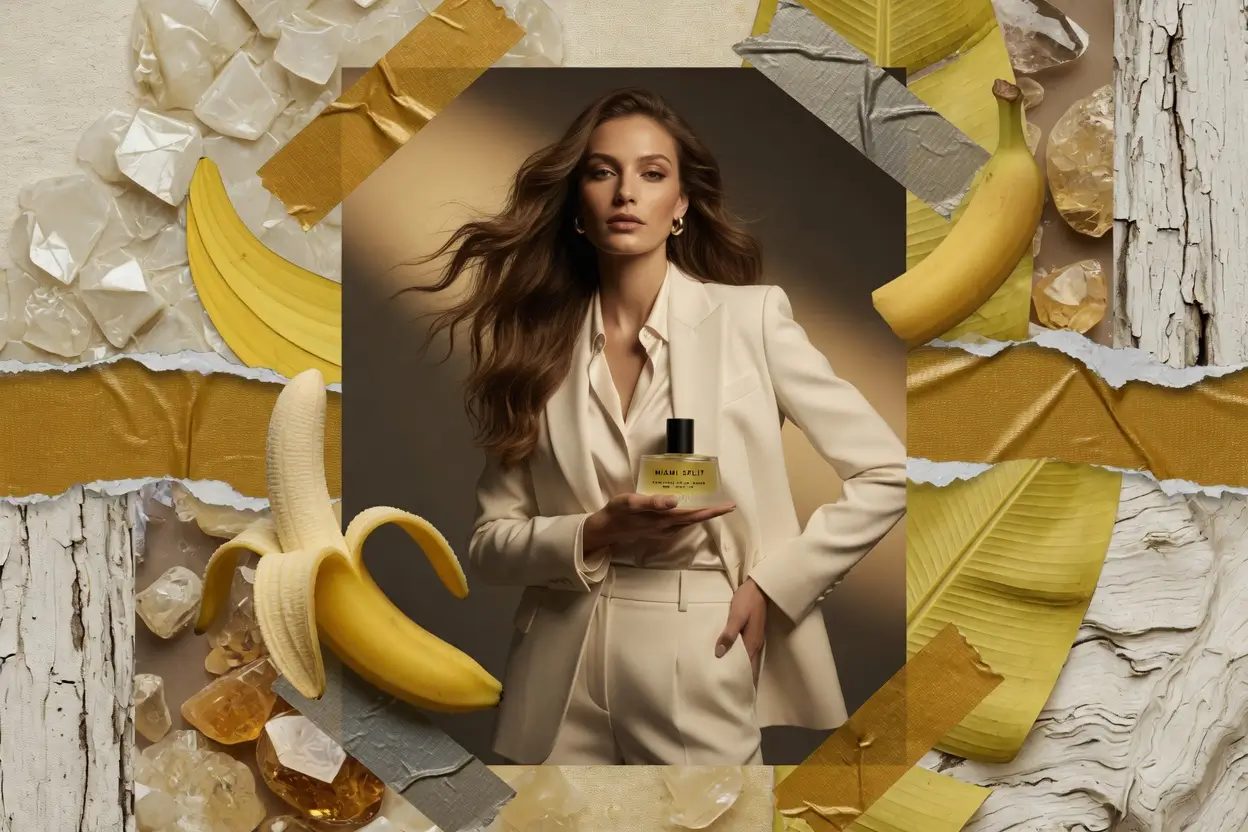
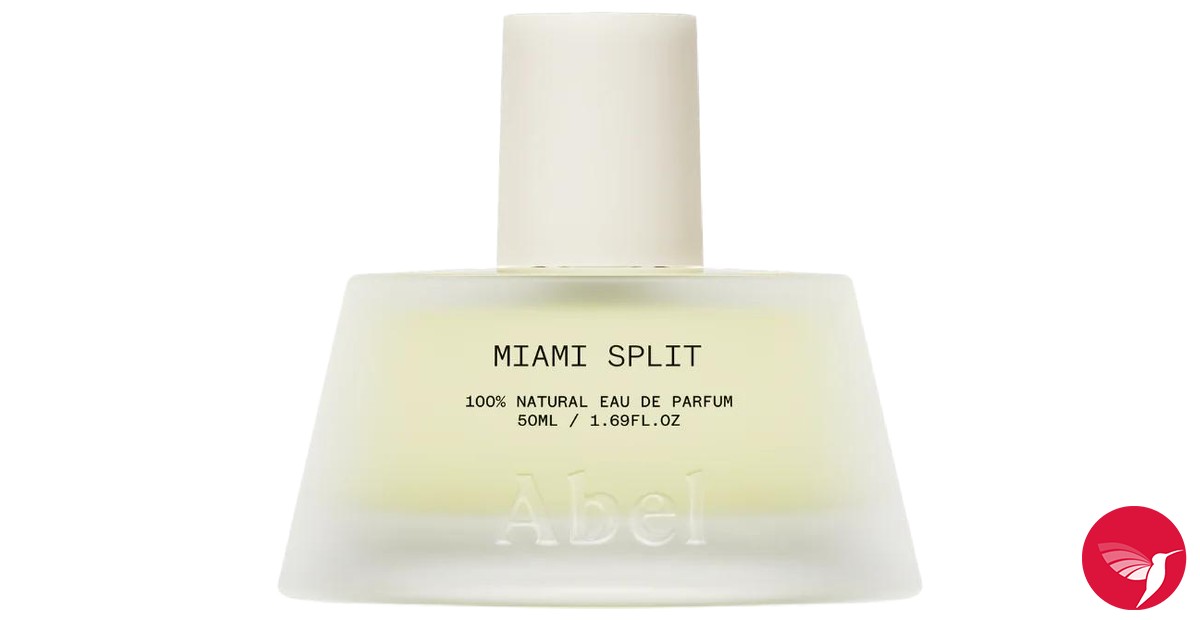
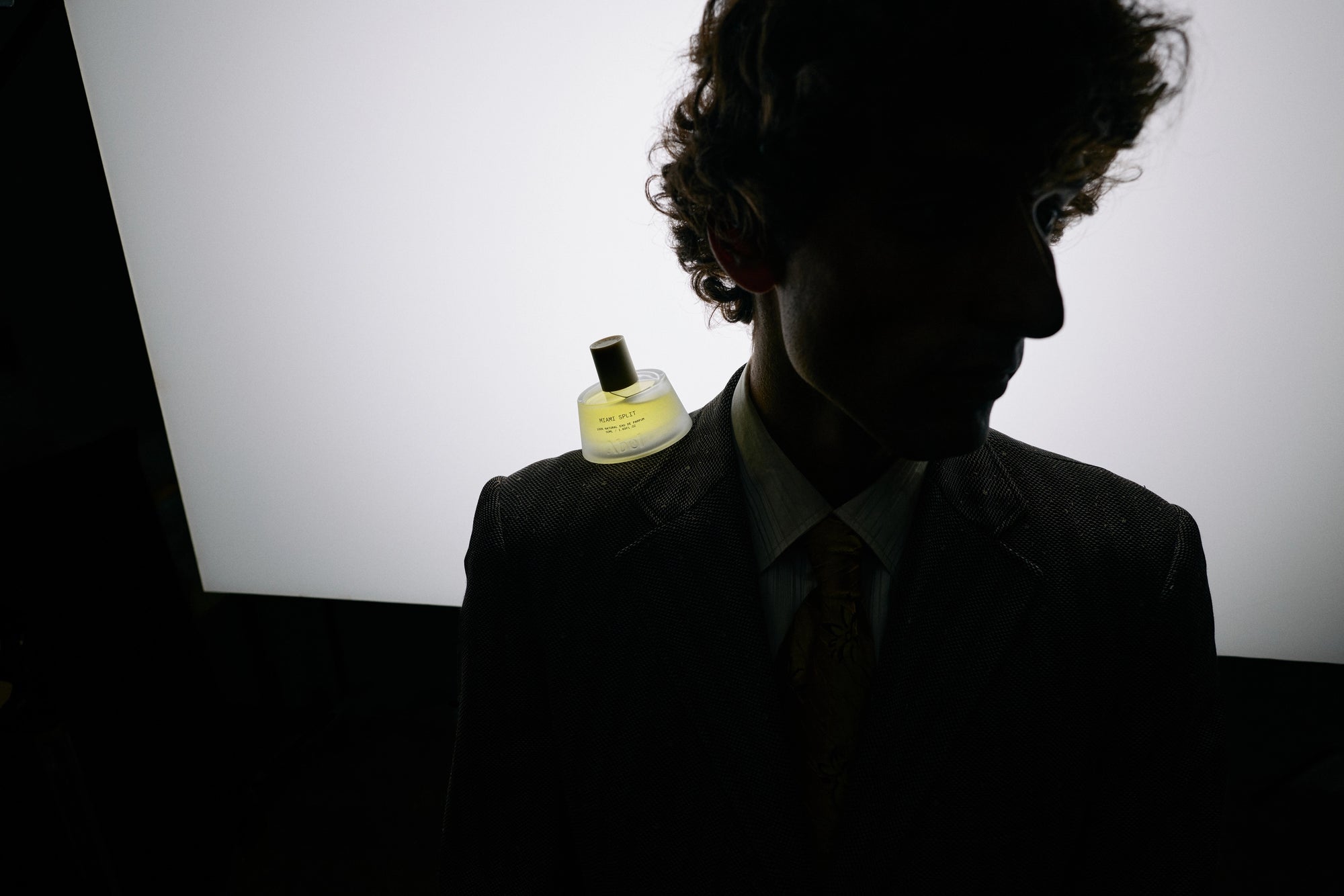
When Abel launched Miami Split earlier this year, the fragrance world took notice—not just for its play top note of green banana, but for the unexpected silhouettes lurking beneath. In an industry often polarized between candy-sweet gourmands and austere minimalism, this 100% natural eau de parfum refuses easy categorization. It opens with bright, tart fruit and burnt caramel nostalgia, then twists into resinous depth, clean white oud, and a trio of labdanum that delivers a smoky, almost rebellious edge. The result is a scent that feels both anarchic and sophisticated, a wearable provocation perfectly timed for summer 2026.

stir
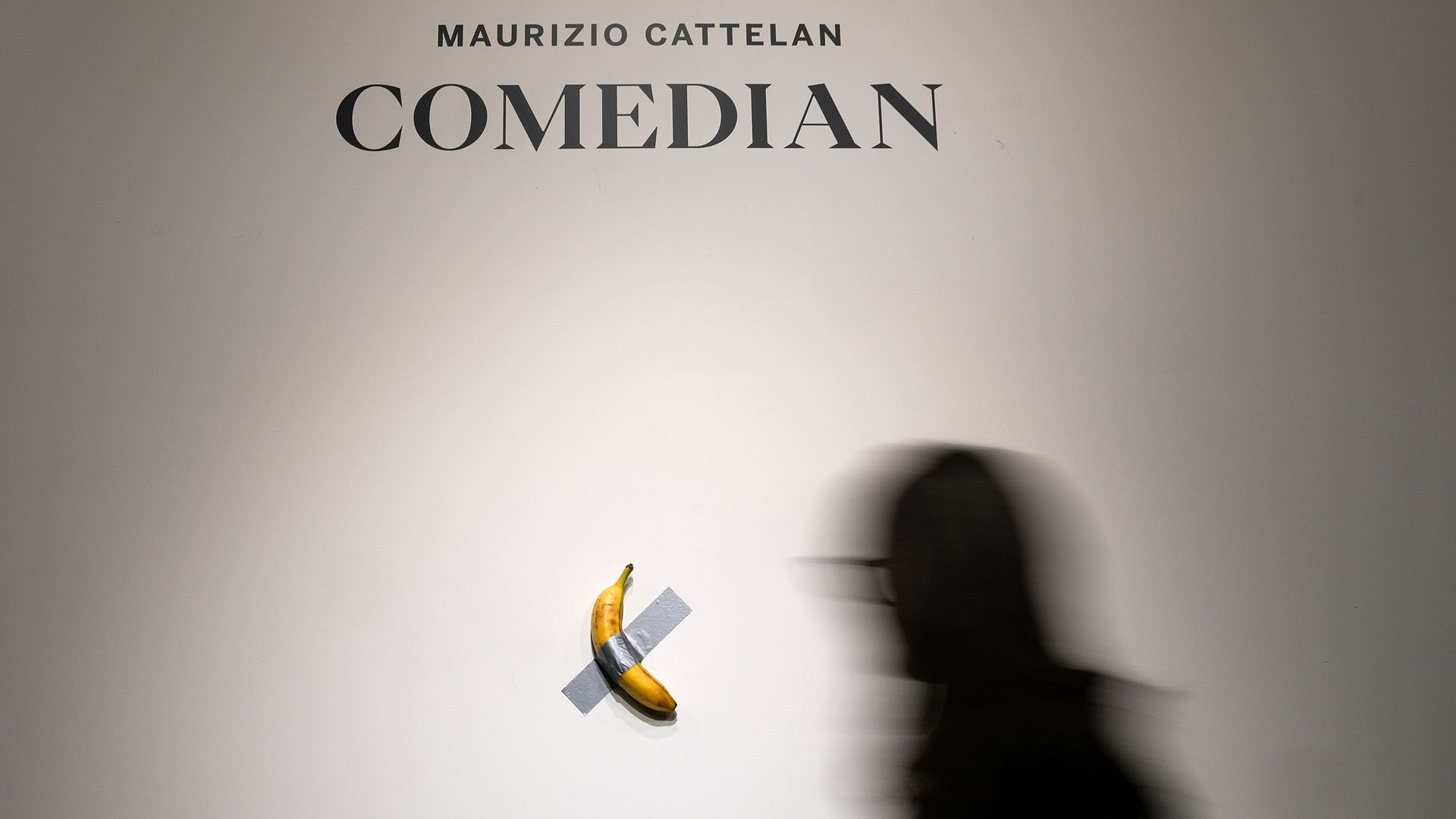
The title itself nods to duality. “Miami Split” evokes the classic ice cream sundae—sweet, indulgent, layered—but also Maurizio Cattelan’s infamous 2019 artwork Comedian, a banana duct-taped to a gallery wall that sold for hundreds of thousands of dollars before being famously eaten by another artist. That piece was pure pop provocation: absurdly simple on the surface, yet loaded with commentary on value, ephemerality, commodification, and the art world’s appetite for spectacle. Abel founder Frances Shoemack found resonance in its layers. “The banana is the first thing you encounter, bold and almost absurdly present. But it’s a facade,” she explains. “Underneath is something much darker and more complex.”
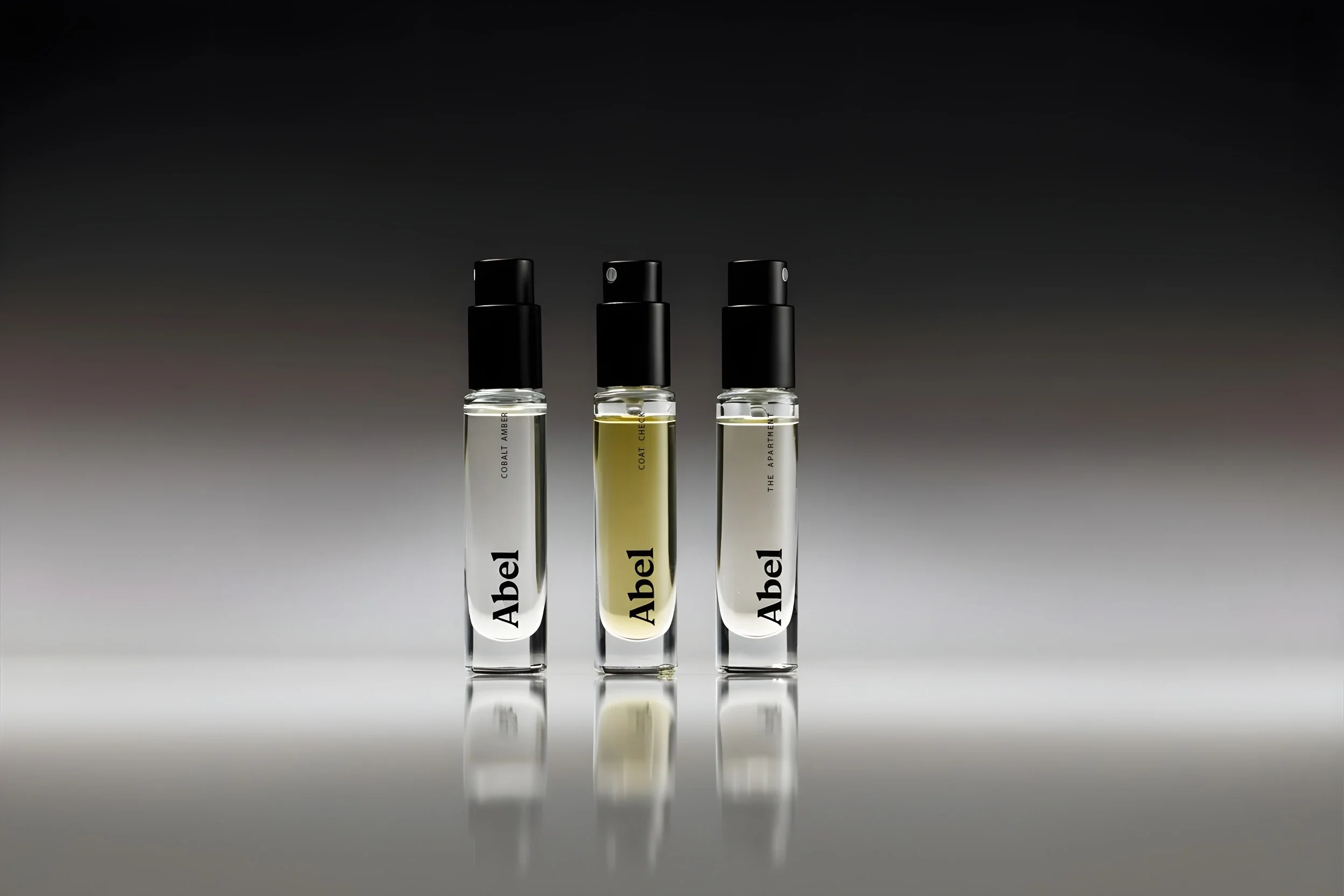
This conceptual foundation elevates Miami Split beyond novelty. Abel, the Amsterdam-based (with roots in New Zealand) natural fragrance house, has built its reputation on pushing boundaries while remaining uncompromisingly natural—no petrochemicals, synthetics, or compromises on performance. Every ingredient derives from plants, yeast, or fungi, often enhanced through biotech innovation. The green banana note in Miami Split exemplifies this ethos: upcycled from wastewater in the banana processing industry (a byproduct of washing fruit in Ecuador that was previously discarded). It’s a true-to-life, tart, green banana accord—pithy and vibrant—rather than the cloying, artificial candy of many mass-market banana scents.
View this post on Instagram
imagine
Frances Shoemack, a former winemaker, founded Abel over a decade ago after encountering the fragrance industry’s heavy reliance on fossil fuel-derived synthetics. Disillusioned by the disconnect between beautiful scents and their environmental and health costs, she set out to prove that natural could rival—or surpass—conventional luxury perfumery in sophistication, longevity, and creativity. Collaborating with master perfumer Isaac Sinclair and others, Abel pioneered biotech approaches to capture complex natural molecules, delivering scents that project and last without synthetic boosters.
Shoemack’s background informs the brand’s philosophy. Raised on a New Zealand farm, immersed in nature and processes requiring patience and intuition, she views fragrance as a direct line to the subconscious. Smell bypasses rational filters, evoking memory, emotion, and identity more potently than almost any other sense. Abel fragrances are designed not as polite accessories but as extensions of personality—bold, unapologetic, and layered with meaning.
Miami Split marks a bold evolution. It’s Abel’s first foray into white oud, a lighter, cleaner expression of the traditionally heavy, animalic resin. Sourced from healthy Aquilaria wood in Vietnam and distilled for a modern profile, it acts as “structural glue,” anchoring the fruity opening without overwhelming it. The base features three distinct expressions of Spanish labdanum: a dark ambery absolute for richness, a fresher floral cistus variant, and a pyrogenated (heat-transformed) form that introduces toasted, tar-like, resinous edges. Burnt caramel and subtle vanilla elements round out the composition, creating a scent that evolves dramatically on skin.
scope
Top notes hit with immediate brightness: sharp green banana and burnt caramel. This isn’t the overripe, mushy sweetness of a dessert banana but the crisp, slightly astringent quality of one just on the edge of ripeness—juicy, herbaceous, with a creamy undertone. Reviewers describe it as nostalgic yet fresh, evoking childhood memories without descending into juvenilia.
As it settles, the heart reveals white oud (boya agarwood), providing a creamy, woody cleanliness that subverts expectations of oud’s usual darkness. This modern take feels sun-warmed and skin-like, bridging the fruity top with the base. Then comes the “dark side”: the labdanum trio. Labdanum, derived from rockrose (Cistus), is a storied perfumery material—resinous, leathery, ambered, with animalic and smoky facets. Here, the multiple expressions build texture: warm and inviting at first, then revealing a burnt, tarry grit that lingers seductively. It’s like caramelized bananas over a smoky fire, or a banana split left in the Miami heat—sticky, indulgent, with an edge of decay and rebellion.
The dry-down is addictive and multifaceted: creamy woods, subtle leather, resinous warmth, and that persistent green banana air. It’s gourmand without being cloying, woody without heaviness, and fruity without saccharine overload. Longevity is impressive for a natural fragrance, with strong sillage that evolves intimately over hours. Wearers report it as “mesmerising,” “spellbinding,” and “a natural perfume bombshell.”
Not everyone falls for it—some find the banana polarizing, others note medicinal or antiseptic facets in the oud-labdanum interplay. But that’s the point: Miami Split challenges, provokes discussion, and rewards those who embrace complexity.
reason
The Cattelan reference is more than clever marketing. Comedian (2019, re-staged and sold in later editions) critiqued art market excess while celebrating the absurd and ephemeral. A simple banana, elevated by context and tape, became a multi-million-dollar commentary. Similarly, Miami Split takes a humble, everyday fruit—often dismissed as too literal or childish in perfumery—and transforms it into high-concept luxury through masterful composition and ethical sourcing.
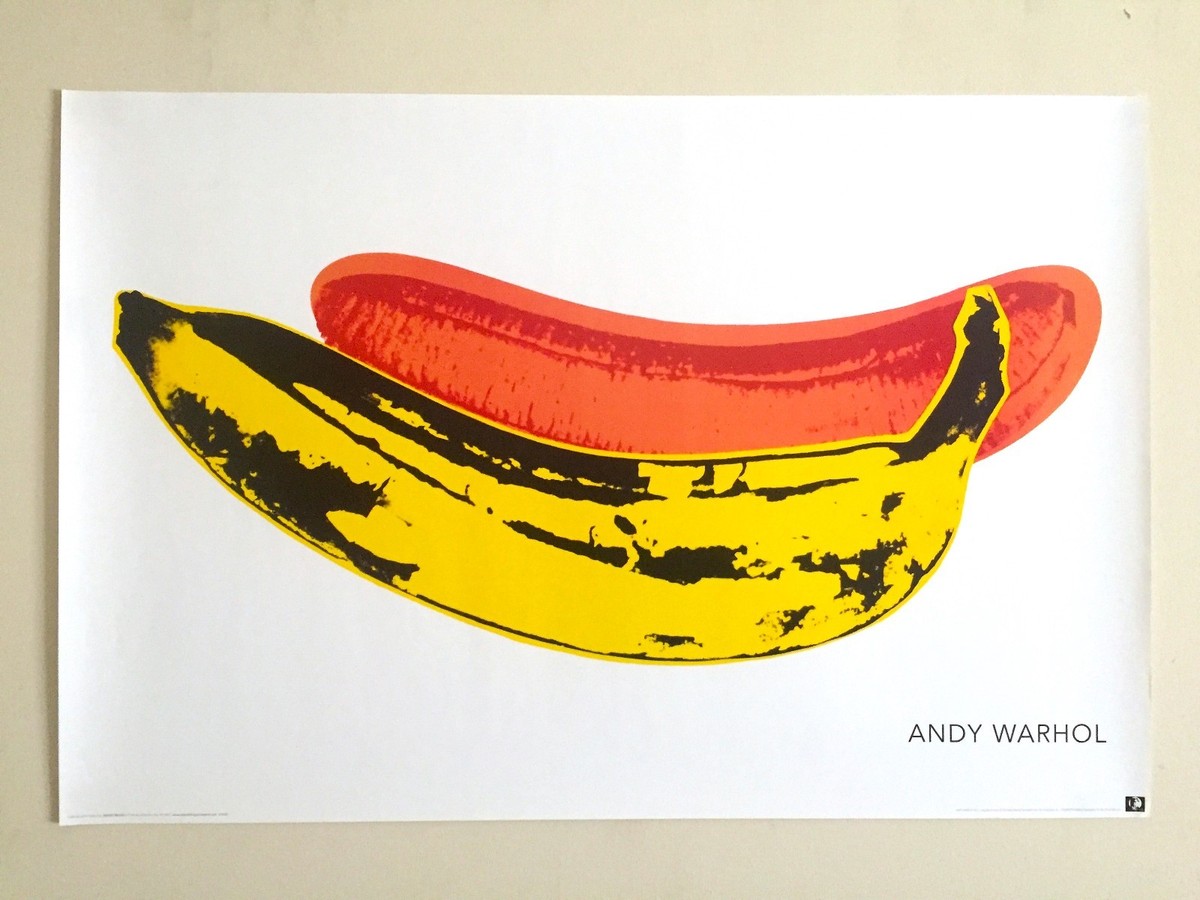
Andy Warhol’s iconic banana print for The Velvet Underground & Nico album cover adds another pop layer. Yellow, phallic, slightly bruised—Warhol’s banana was both playful and provocative, mass-produced yet singular. Abel channels this pop-art energy: vibrant, accessible on first spray, yet revealing deeper artistic intent upon closer inspection.
sustain
Abel’s commitment runs deeper than marketing. The upcycled banana note diverts waste from landfills, supporting circular economy principles in the food industry. White oud comes from sustainable, healthy wood sources. Labdanum is traditionally harvested in Spain with minimal environmental impact. The entire formula is petrochemical-free, transparent, and traceable.
This isn’t greenwashing. Shoemack and team have spent years refining natural perfumery’s technical challenges—volatility, stability, projection—through science and artistry. Biotech enables capture of delicate, previously elusive notes, proving natural can be radical and luxurious. In an era of climate awareness and clean beauty demands, Abel positions itself as a leader, showing that responsibility enhances rather than dilutes creativity.
wear
Miami Split is versatile yet distinctive. Its playful opening suits warm days, beachside escapes, or creative urban environments, while the dark dry-down adds sophistication for evenings or cooler weather. Pair it with linen tailoring for a sun-drenched Miami aesthetic, or layer over minimalist neutrals for contrast. It’s genderless by design—appealing to anyone drawn to juxtaposition.
Price point reflects its artisanal quality: around $220 USD / €180 for 50ml, positioning it in the luxury natural niche. Discovery sets and minis allow exploration. Reviews praise its uniqueness: “the coolest banana fragrance ever,” “Serge Lutens would love,” a scent for those who “don’t want to smell like everyone else.”
fin
The fragrance landscape is shifting. Consumers seek more than status or fleeting trends; they want scents aligned with values—ethical sourcing, innovation, emotional resonance. Abel exemplifies this, alongside brands rethinking ingredients and storytelling. Banana’s moment reflects a desire for joy and whimsy in uncertain times, tempered by depth.
Miami Split succeeds because it balances these: the banana is fun, the dark side compelling. It invites wearers to embrace contradictions—sweet and smoky, play and profound, ephemeral and lasting. Like Cattelan’s banana, it questions what we value and why.
In the end, Abel’s latest isn’t just another fruity gourmand. It’s a statement piece: proof that natural perfumery can be edgy, conceptual, and irresistibly wearable. The dark side isn’t a flaw—it’s the hook that makes Miami Split linger long after the initial sweetness fades. For those ready to move beyond the ordinary, this is essential summer (and beyond) scenting.
n
From the DRIFT archive: A Review: Creed Aventus Eau de Parfum, A Modern Classic That Redefined Haute Scent
Related Articles
HUF Put The Triple Triangle On Fruit Of The Loom
First collision. Underwear 2P pack. Rib tank 2P pack. ¥4,950 each. Kentucky cotton. Special box. […]