DRIFT AUDIO
Listen to this story
Choose a voice, then press play.
The asymmetrical horror game’s killers and survivors have been printed onto graphic tees for FREAK’S STORE’s 2026 spring and summer lineup.
Nine years into its run, Dead by Daylight has been turned into a lot of things that are not a video game. There has been a card game, a board game, a mobile spinoff, and a dating sim that sounded like a joke and was not one. This week it became a t-shirt line, care of Japanese select shop FREAK’S STORE, which announced the tie-up through a joint post from its own account and sister storefront Daytona Park. The caption kept things plain: a special collection built around the game’s worldwide popularity, translated into what the brand called daily wearable graphic tees. No press release accompanied it, no countdown, no teaser campaign. It arrived the way most FREAK’S STORE connections do lately, as a single carousel post carrying the whole announcement.
That understatement is a little bit deceptive, because Dead by Daylight is not a small property to license in Japan. Behaviour Interactive’s asymmetrical survival horror game, where one player stalks four others through a fog choked map, has built a loyal Japanese audience over the better part of a decade, one substantial enough that convenience store chains, apparel outlets, and pop up cafes have all run their own Dead by Daylight tie ins in the past few years. FREAK’S STORE stepping into that lineage puts a fashion retailer’s name next to a roster that already includes streetwear brands, drugstore chains, and at least one karaoke tie in. The shirts themselves lean toward the game’s most recognizable killers rather than anything from its more recent, licensed chapters, which suggests the collection is aimed at people who know the original cast rather than newcomers chasing a specific crossover character.
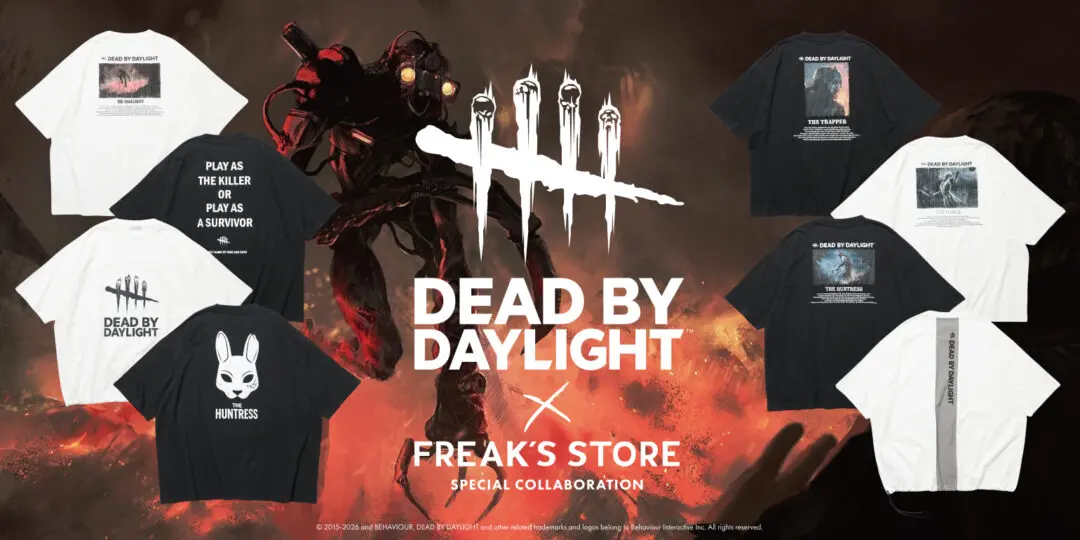
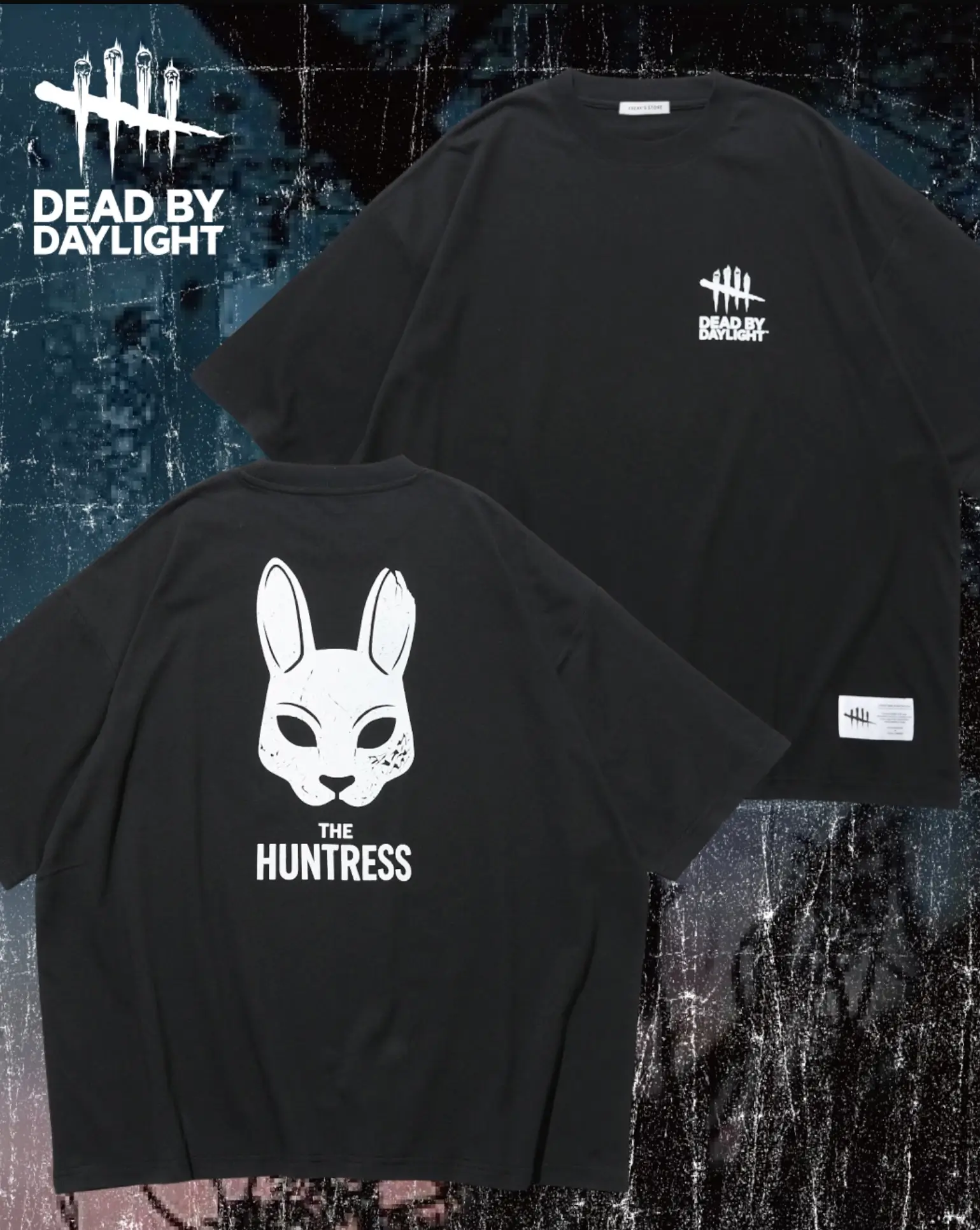
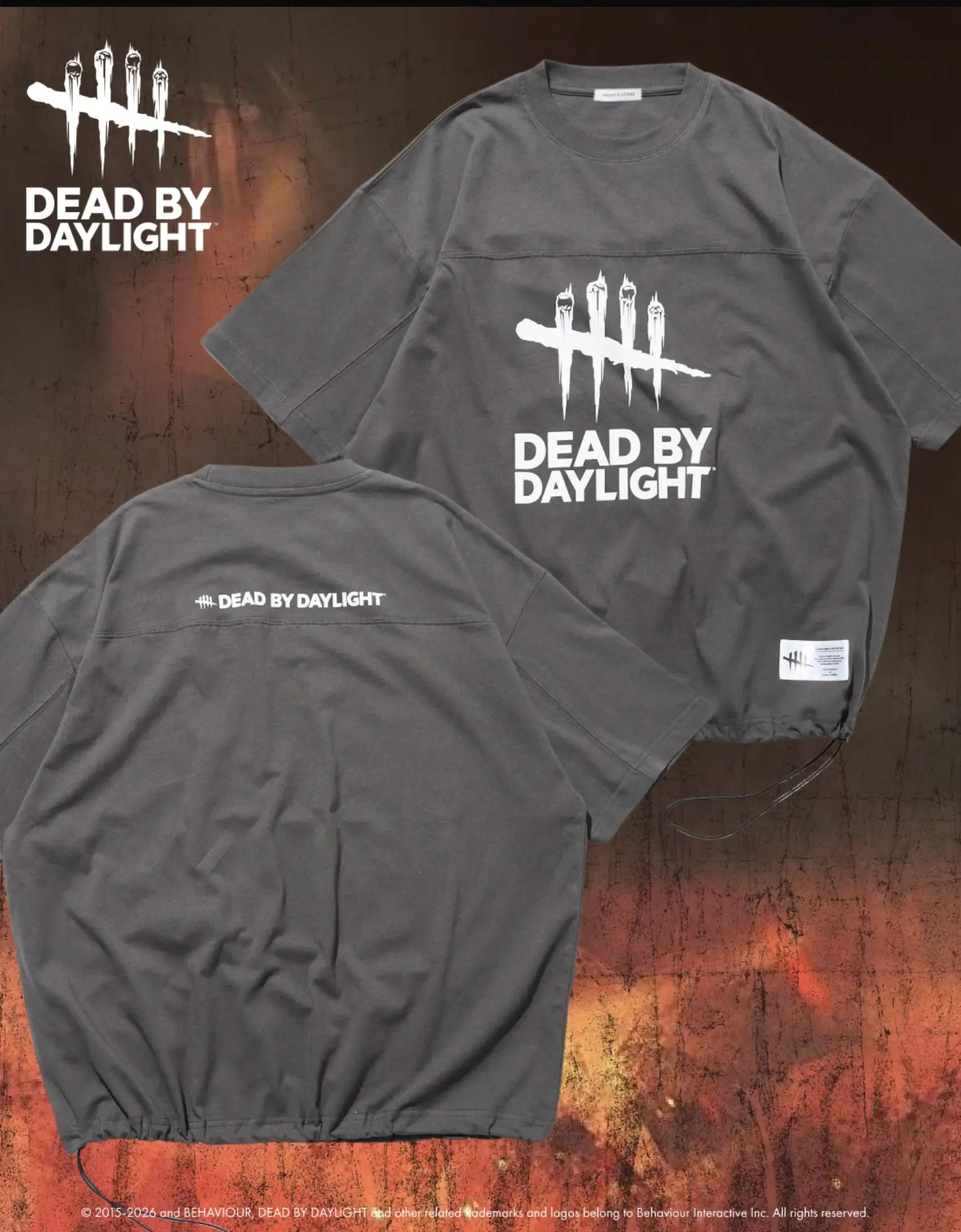
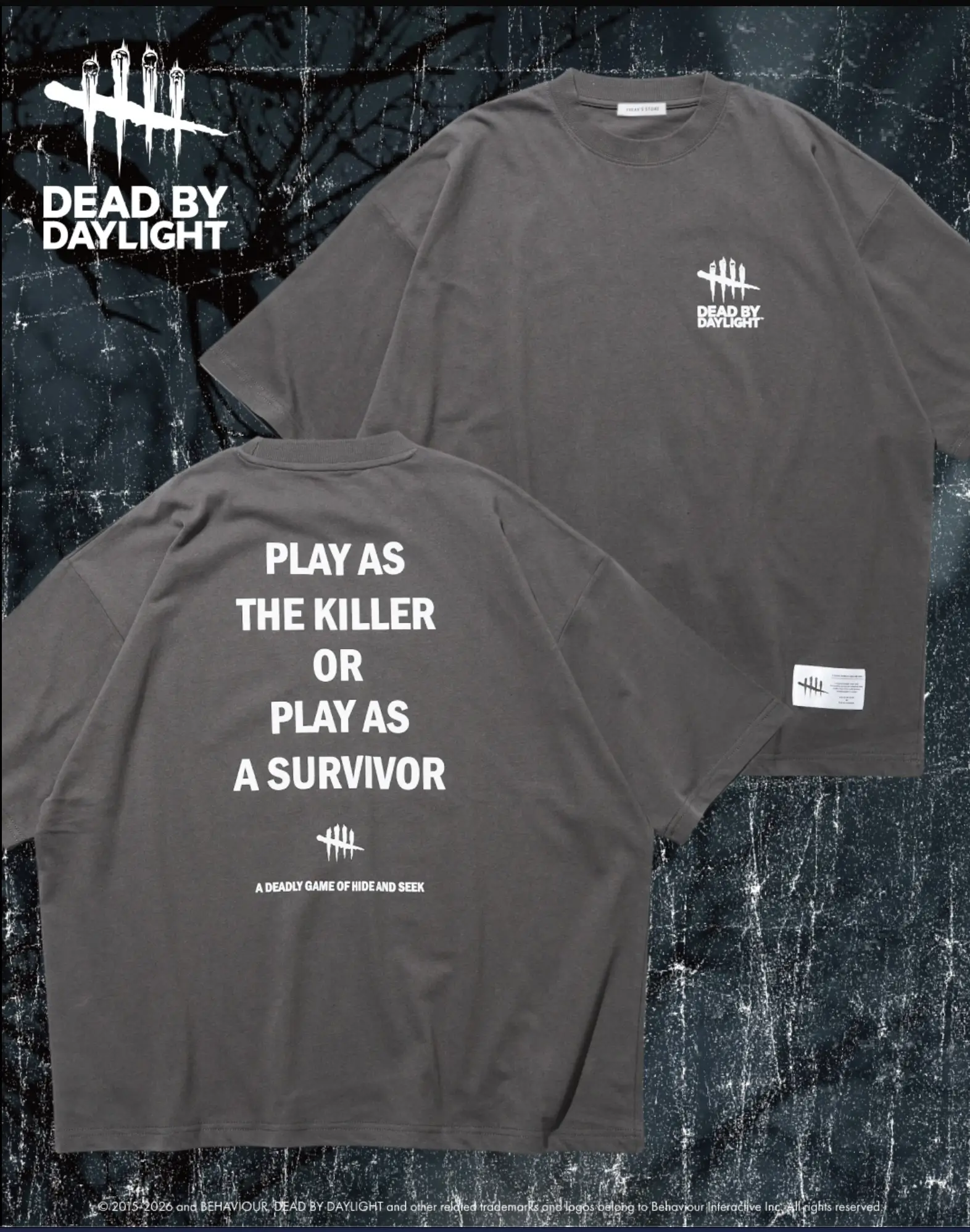
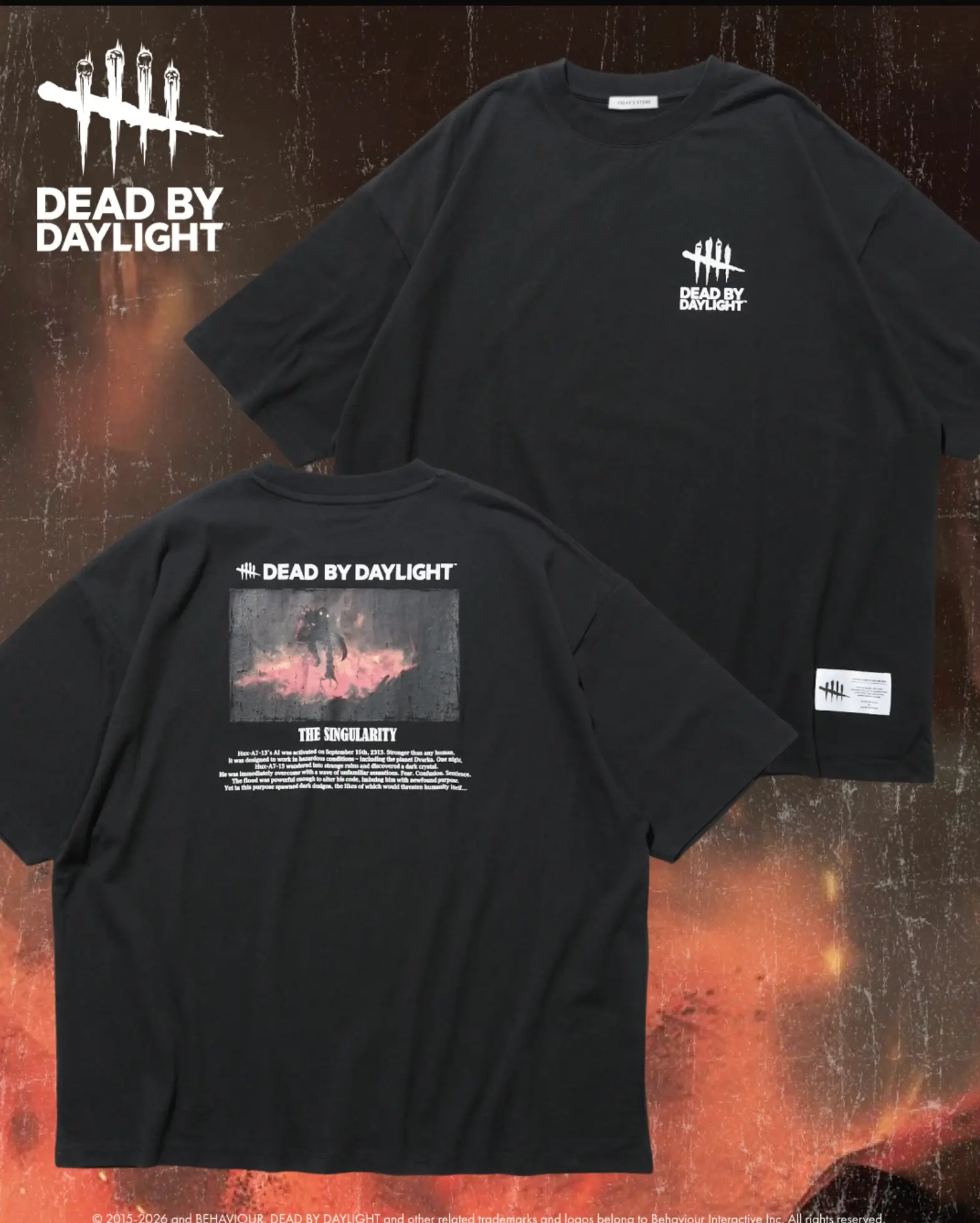
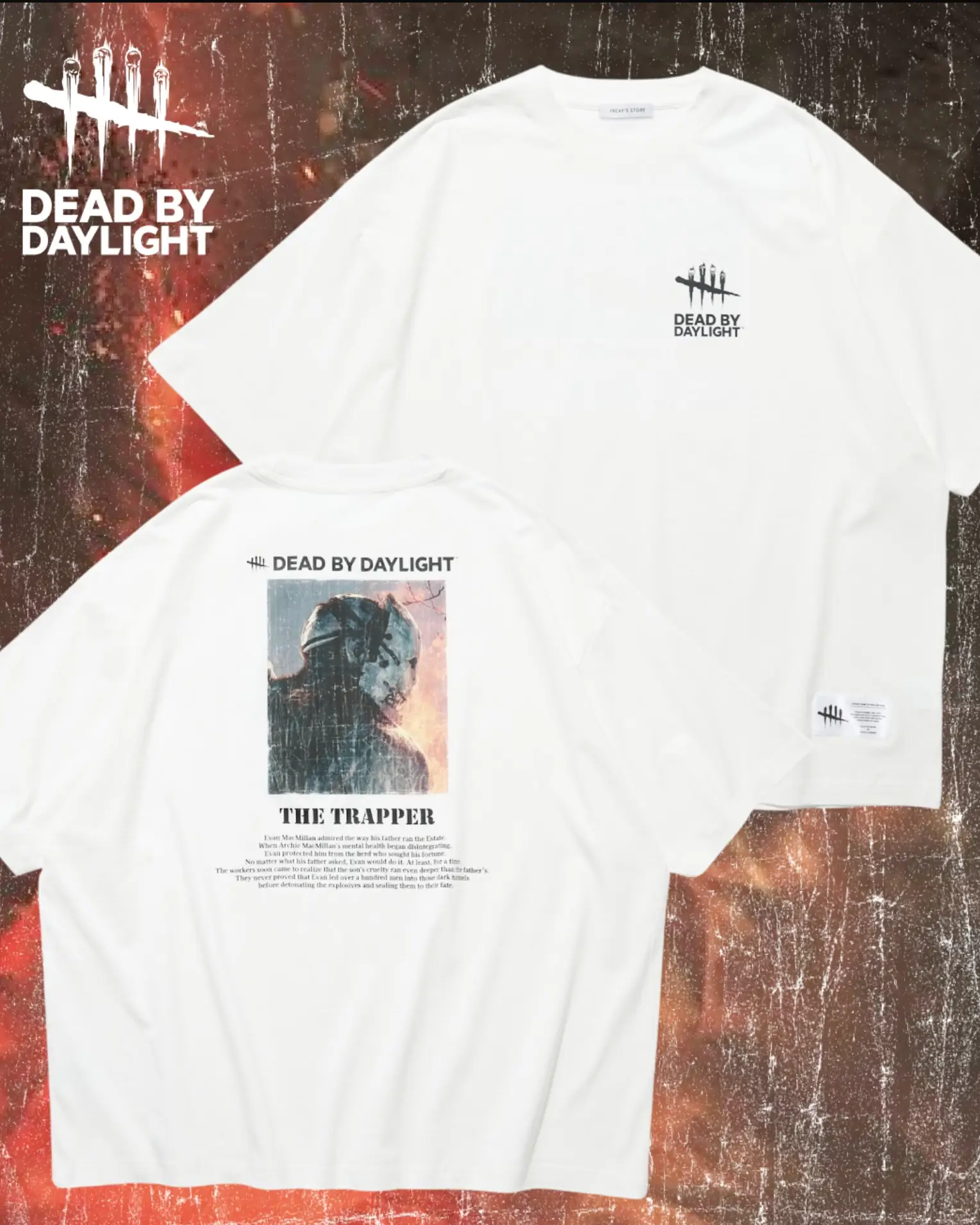
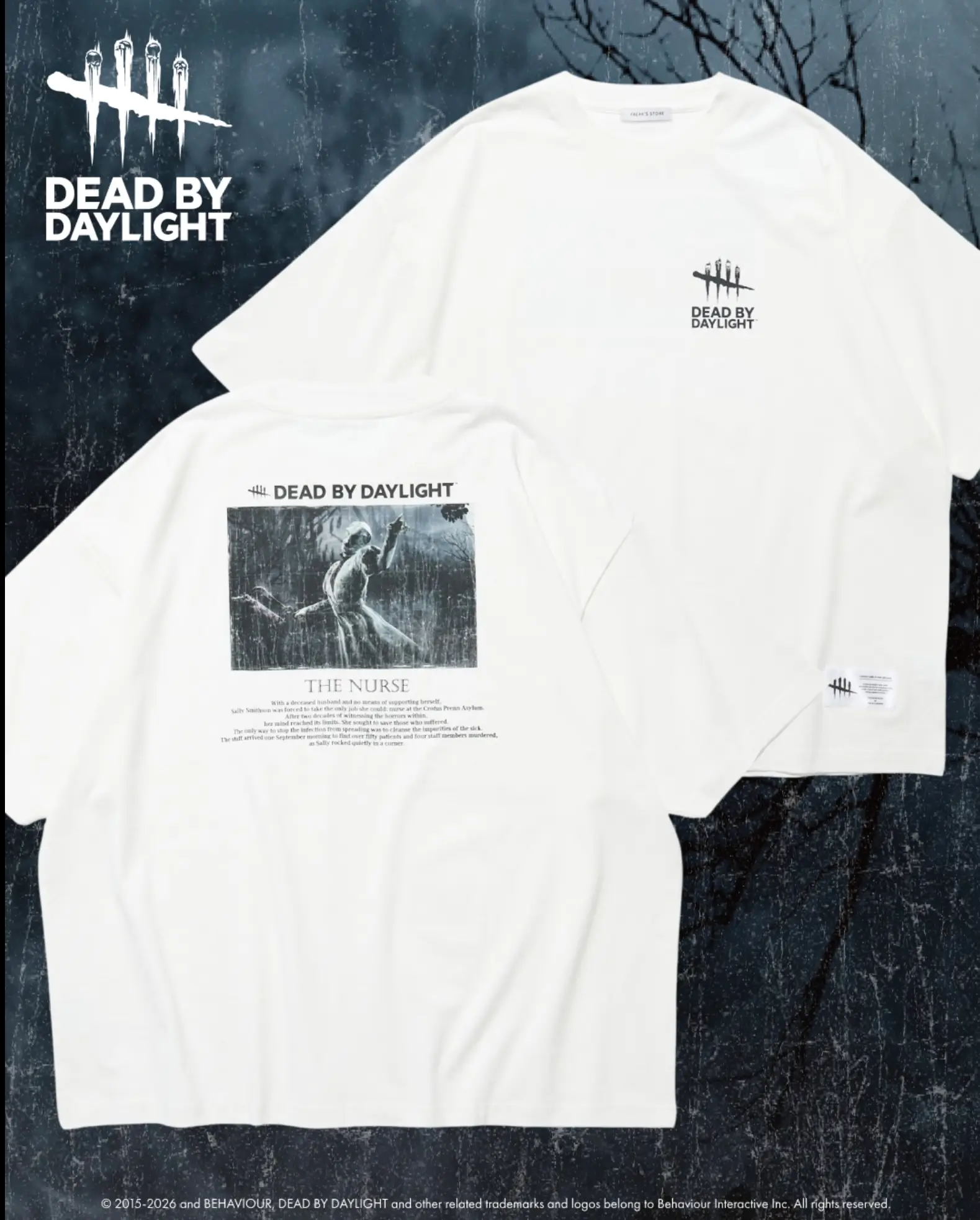
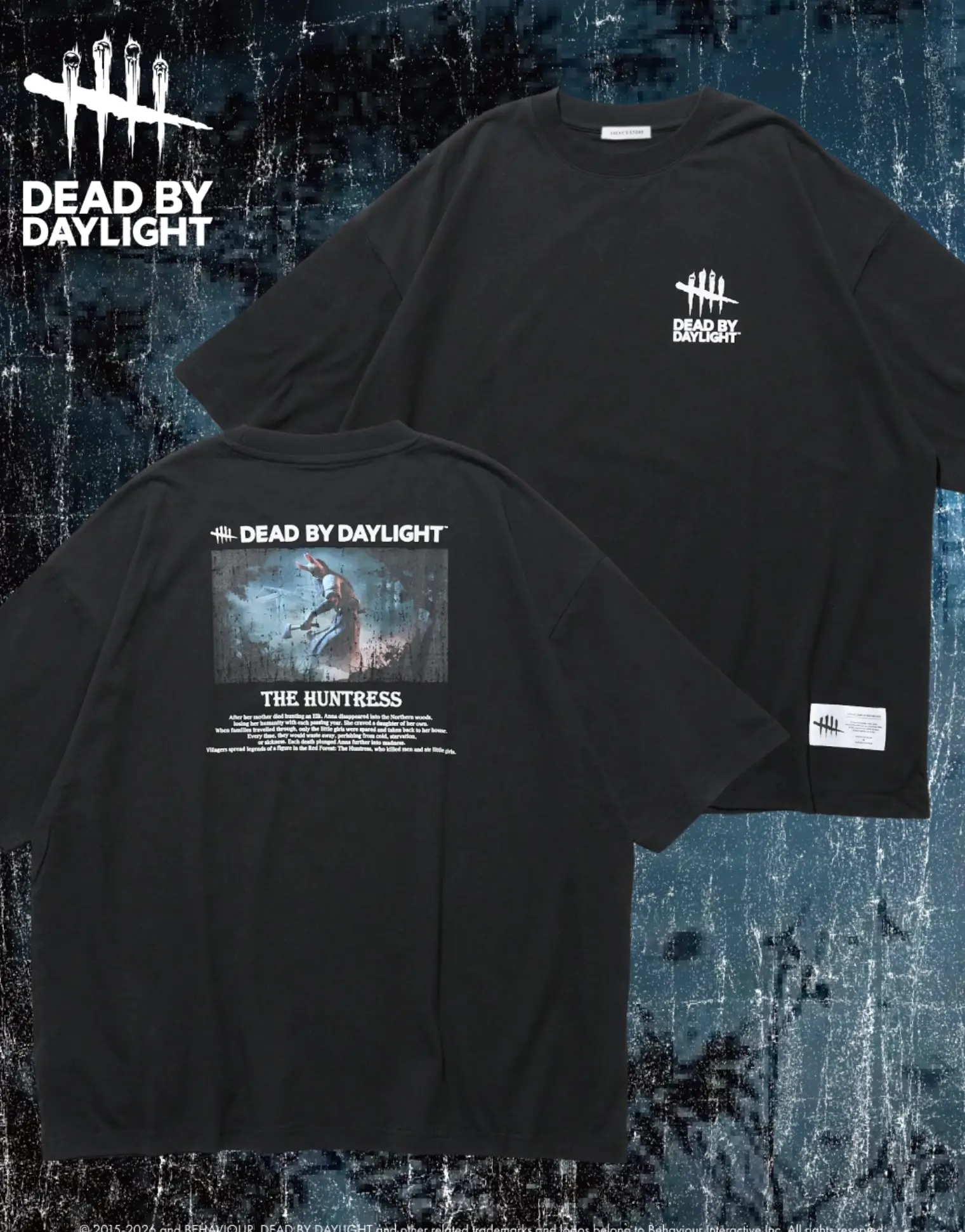
Dead by Daylight × FREAK’S STORE collaboration featuring character artwork and black and white graphic T-shirts.
It is also worth sitting with how ordinary this kind of announcement has become. A decade ago, a video game landing on a mainstream fashion retailer’s t-shirt rack, outside of the handful of massive franchises that could support a global licensing operation, would have been treated as a novelty. Now it barely rates a press release. FREAK’S STORE did not need to explain who Dead by Daylight is or why anyone should care; the caption assumes the audience already knows, and the product photography does the rest of the work. That shift says as much about how normalized gaming imagery has become in everyday apparel as it does about Dead by Daylight specifically.
The store itself is worth placing for anyone unfamiliar with the name. FREAK’S STORE was founded in 1986 under parent company Daytona International, built around the idea of translating American casual style for a Japanese customer, and has since grown into one of the country’s more consistently active multi brand select shops, with physical locations spread from Ikebukuro to Kyoto to Karuizawa and an online storefront, Daytona Park, that now houses the brand alongside sister labels like Freada and Firsthand. Collaborations have long been part of its identity, less a marketing stunt reserved for anniversaries and more a running feature of how the store restocks its shelves through a given season.
View this post on Instagram
stir
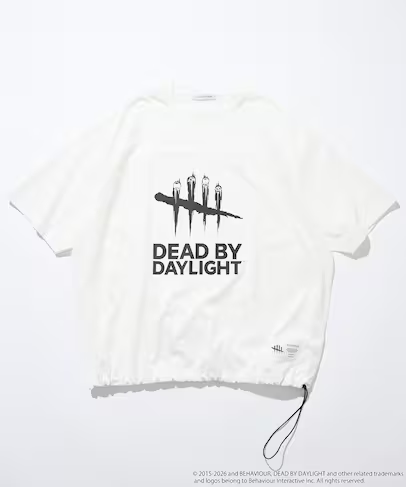
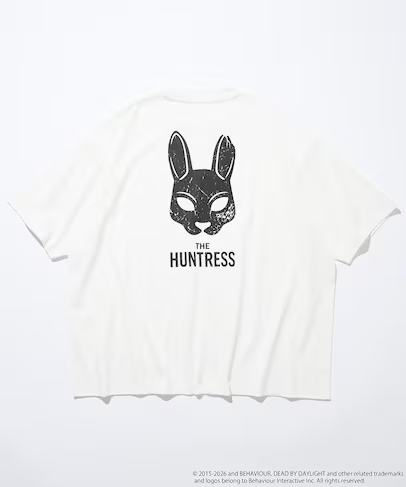
The collection runs to eight designs split across black and white bodies, mixing front prints, back prints, and a couple of pieces that skip character art altogether in favor of type. Several of the shirts pull directly from Dead by Daylight’s original killer roster: The Trapper, the game’s mascot and its very first antagonist, gets a moody, high contrast back print. The Nurse, whose blink ability has made her one of the more feared killers in competitive play, appears in a similarly desaturated treatment. The Huntress shows up twice in different forms, once in a large scale character illustration and once as a graphic built around her signature rabbit mask, arguably the single most recognizable piece of iconography the game has produced outside of the entity’s claw mark logo. The Singularity, a far newer killer built around surveillance and biomechanical horror, rounds out the character focused shirts, a choice that signals FREAK’S STORE was working from a current character list rather than only the game’s founding cast.
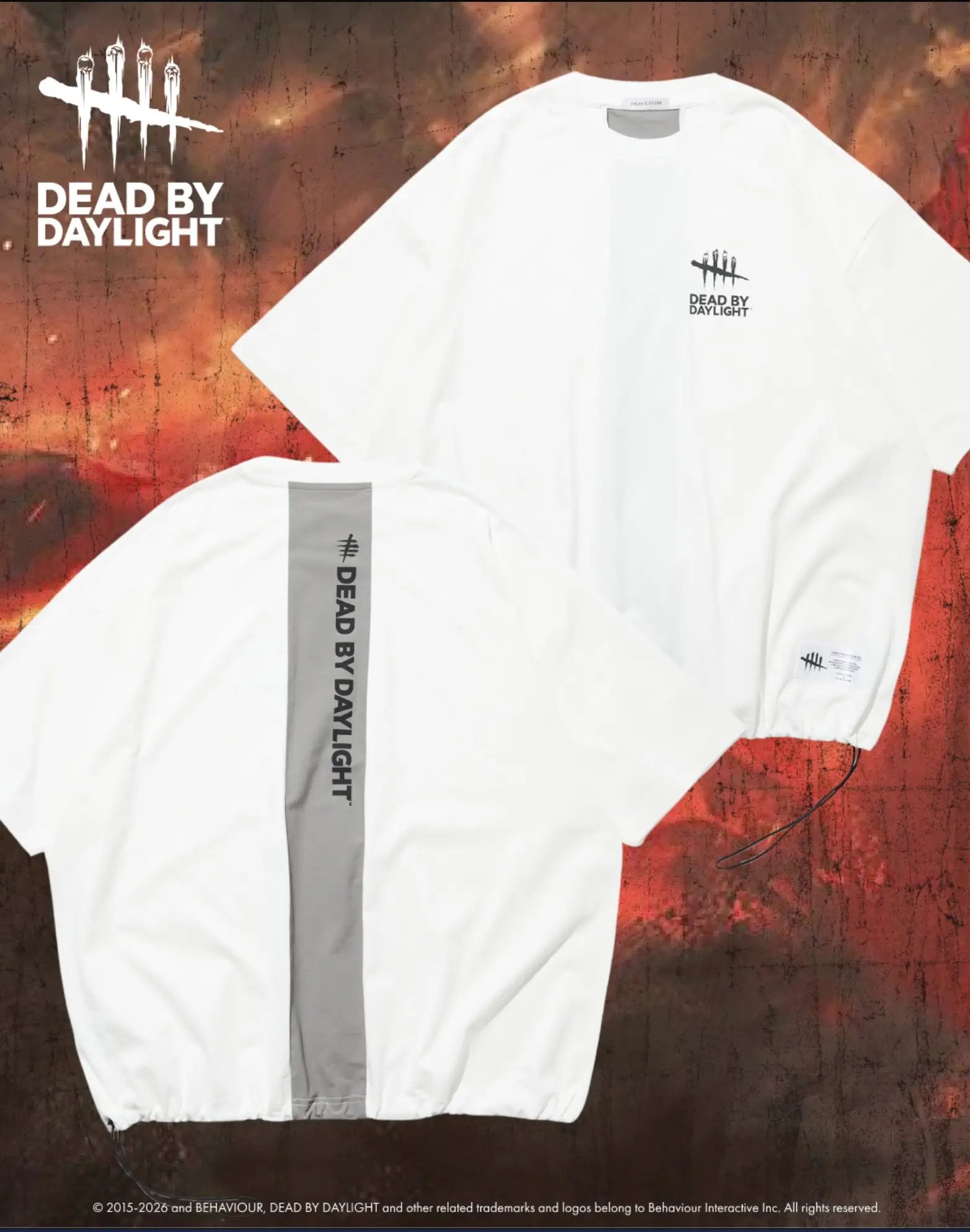
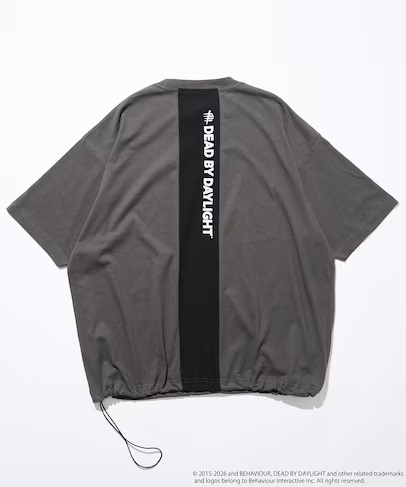
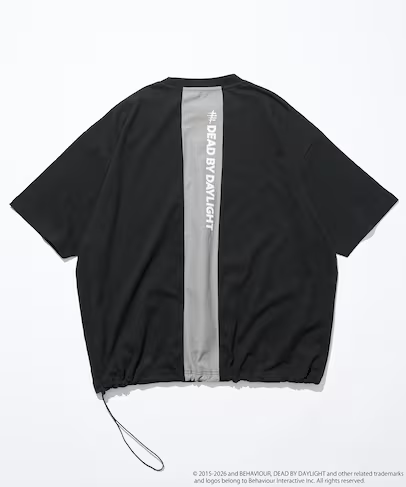
The rest of the line trades character art for text and branding. One white shirt runs the words Dead by Daylight vertically down the front in place of a graphic. Another carries a bold, centered slash mark logo, the closest thing the collection has to a straightforward merchandise piece. A third reads Play As The Killer Or Play As A Survivor across the chest in block type, a direct nod to the game’s core mechanic and the only shirt in the set explaining, rather than referencing, what Dead by Daylight actually is. Taken as a set, the eight pieces read less like a single unified graphic system and more like a curated grab bag pulling from different corners of the game’s visual identity, official key art, mascot iconography, and plain wordmark treatments sitting side by side rather than following one consistent design language.
That approach has an upside for a shop trying to sell shirts to people who are not necessarily hardcore players. A character focused shirt built around The Singularity asks a customer to already know who that killer is and why the design references surveillance and biomechanical horror, which narrows the audience considerably. A shirt that simply says Play As The Killer Or Play As A Survivor asks nothing at all; it reads as a horror themed graphic tee first and a piece of game merchandise second, which is precisely the kind of design that tends to move off shelves to people who have never touched a controller. Mixing both approaches into one collection lets FREAK’S STORE sell to the committed fan and the passerby out of the same rack, without needing two separate product lines to do it.
why
FREAK’S STORE has quietly built one of the more active collaboration calendars among Japanese select shops, and its recent partners say something about where the brand sees its audience. In the past year alone it has worked with Sega to mark the company’s 65th anniversary, running items themed around Sonic, Yakuza, and Puyo Puyo. It has produced pieces with Neon Genesis Evangelion, with JoJo’s Bizarre Adventure, and with Sanrio’s character lineup, alongside more traditional outdoor and workwear collaborations with brands like Columbia and Filson. Dead by Daylight fits comfortably into that pattern: a licensed property with a devoted, online literate fanbase, translated into apparel that can move through the brand’s stores and its Daytona Park web shop without needing a dedicated pop up or event to justify the run.
What makes the Dead by Daylight tie in slightly different from FREAK’S STORE’s anime and legacy game collaborations is the property’s tone. Sonic, Sanrio, and JoJo all carry either a family friendly or stylized action aesthetic that translates easily into colorful streetwear. Dead by Daylight is, at its core, a game about being hunted, and the shirts reflect that; the palette stays almost entirely black and white, the character art leans desaturated and grainy rather than bright, and even the text based pieces avoid anything that reads as playful. It is a more restrained, almost gothic take on merchandise than FREAK’S STORE’s other recent game collaborations, closer in spirit to a band shirt than a character tee, which tracks with how a lot of Dead by Daylight’s existing apparel has been positioned by other licensees.
There is a practical logic to that restraint beyond taste. A black and white palette travels further across a store’s floor than a saturated, character bright one does; it sits comfortably next to workwear, next to denim, next to the muted outdoor pieces FREAK’S STORE built its name on, in a way that a shirt covered in primary colored game iconography would not. Whoever signed off on the collection’s look seems to have understood that the easiest way to get a video game shirt worn outside a convention is to make it look like it was never trying to be a video game shirt in the first place.
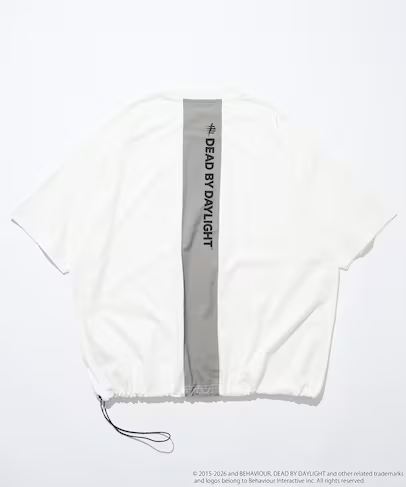
White Dead by Daylight T-shirt with a vertical gray logo stripe down the back.
straddle
This is far from Dead by Daylight’s first pass at Japanese retail. The game has run pop up stores and shops in shop arrangements with TSUTAYA and Loft multiple times over the past several years, typically timed around anniversaries or new chapter releases, and has partnered with merchandise company Muzzle on recurring apparel drops sold both in physical pop ups and through Muzzle’s online storefront. A cafe and shop tie in ran across three Tree Village locations in Yokohama, Osaka, and Hakata within the past year, and a separate collaboration cafe series has cycled through cities including Tokyo, Osaka, Sapporo, and Sendai. None of those, notably, were fashion retail partnerships in the way the FREAK’S STORE collection is; they leaned toward official merchandise, food and drink tie ins, and licensed goods sold through gaming adjacent retail rather than a select shop’s own apparel line.
That distinction matters a little. A licensed pop up selling official pins and mugs is a different kind of endorsement than a fashion retailer choosing to fold a game’s character art into its own seasonal apparel drop, one that sits on shelves next to the store’s Filson and Columbia collaborations rather than in a dedicated licensed goods corner. Pop up stores and cafes are, by their nature, temporary and self contained; a customer walks in specifically because they already know the game, buys something branded, and leaves. Folding a collaboration into a regular seasonal apparel line is a bet that the shirts can hold their own next to everything else on the rack, competing for attention from people who walked in for a jacket and did not come looking for horror game merchandise at all. It suggests Behaviour Interactive and its Japanese licensing partners see Dead by Daylight’s audience as being read, at least in part, as a fashion consuming one, not just a gaming one, which lines up with how much of the game’s aesthetic, moody, monochrome, horror inflected, already overlaps with the kind of visual language streetwear and select shop audiences respond to.
It also reflects something about how Behaviour Interactive has run the game’s business model since launch. Dead by Daylight survives, nine years and dozens of licensed chapters in, largely by treating crossovers as a renewable resource rather than a rare event; Silent Hill, Resident Evil, Stranger Things, and Five Nights at Freddy’s have all become playable content inside the game itself, not just merchandise attached to it. A studio that treats licensing that liberally with its own product is not going to be precious about which retail categories its characters show up in outside the game either. A t-shirt at a Japanese select shop is, by that logic, a fairly modest extension of a strategy the company has already run at a much larger scale inside the fog itself.
confirm
As of publication, the collection has not been accompanied by a formal press release from either FREAK’S STORE, Daytona Park, or Behaviour Interactive, and the announcement post itself does not list pricing, sizing, release date, or which physical FREAK’S STORE locations will carry the pieces beyond confirming they fall under the brand’s 2026 spring and summer season. Japanese apparel collaborations of this scale typically follow an announcement post with a dedicated feature page on the retailer’s own site once the drop goes live, which had not yet appeared on Daytona Park’s site at the time of writing. Anyone hoping to buy in should watch FREAK’S STORE’s own channels directly rather than relying on early reporting for exact drop timing, since collaboration release windows in Japanese retail can shift by days without much public notice.
n
From the DRIFT archive: Y-3 Sets the Tone for Its Spring/Summer 2026 Collection · Ssstufff Reversible Shirt Down Puffer: A Dual-Identity Layer Redefine
Related Articles
HUF Put The Triple Triangle On Fruit Of The Loom
First collision. Underwear 2P pack. Rib tank 2P pack. ¥4,950 each. Kentucky cotton. Special box. […]