adidas SPZL SS26: Heritage Imagined Through Anson Boon’s Lens

April 20, 2026
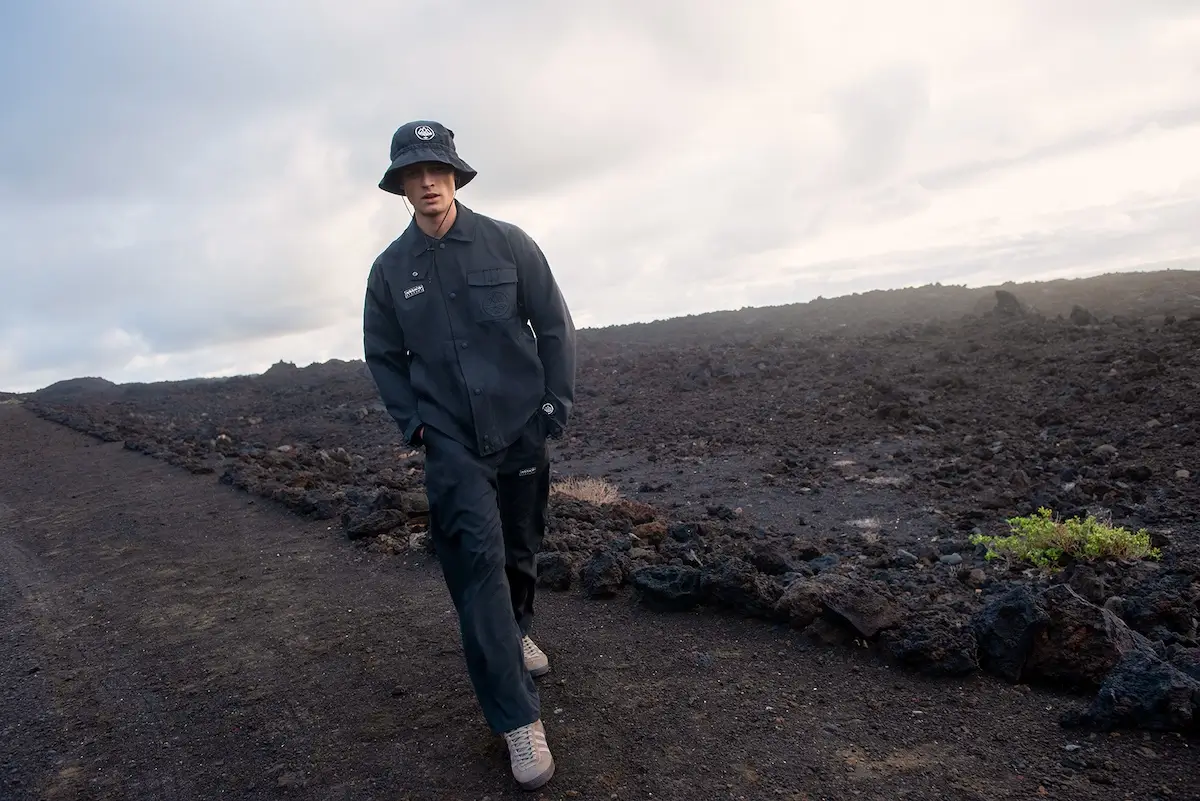
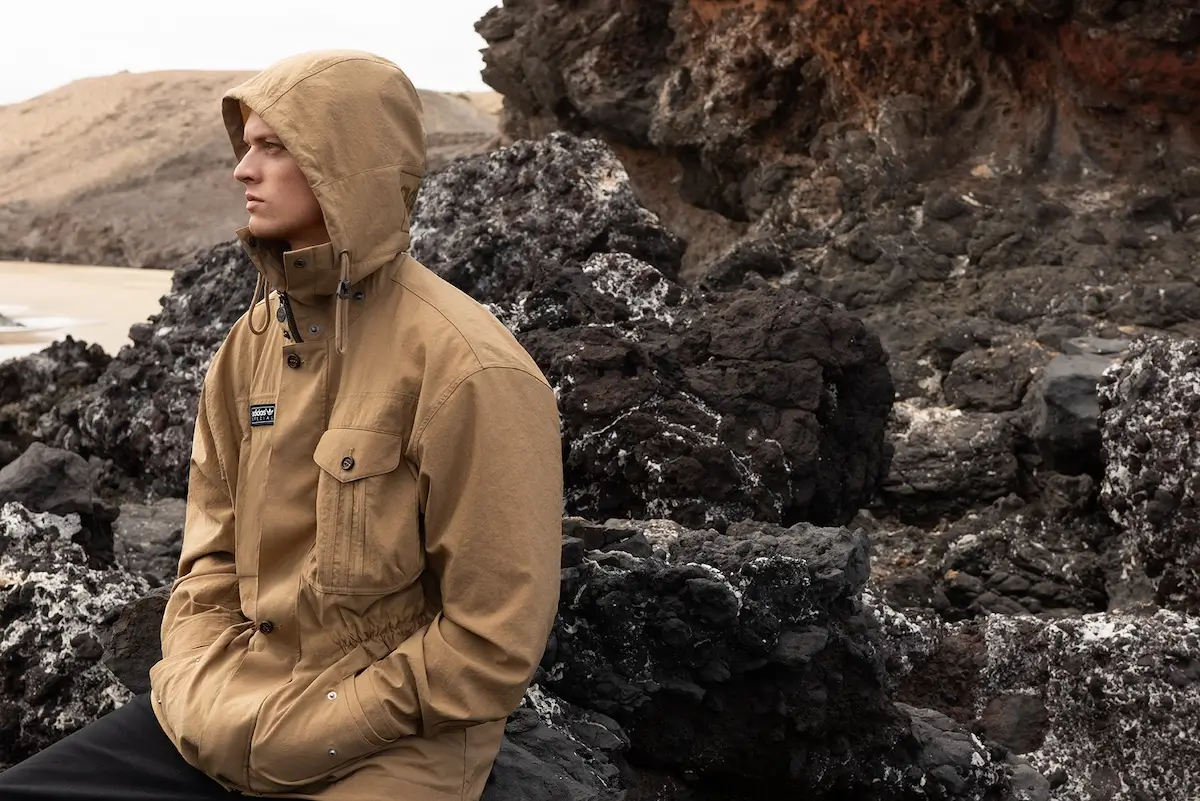
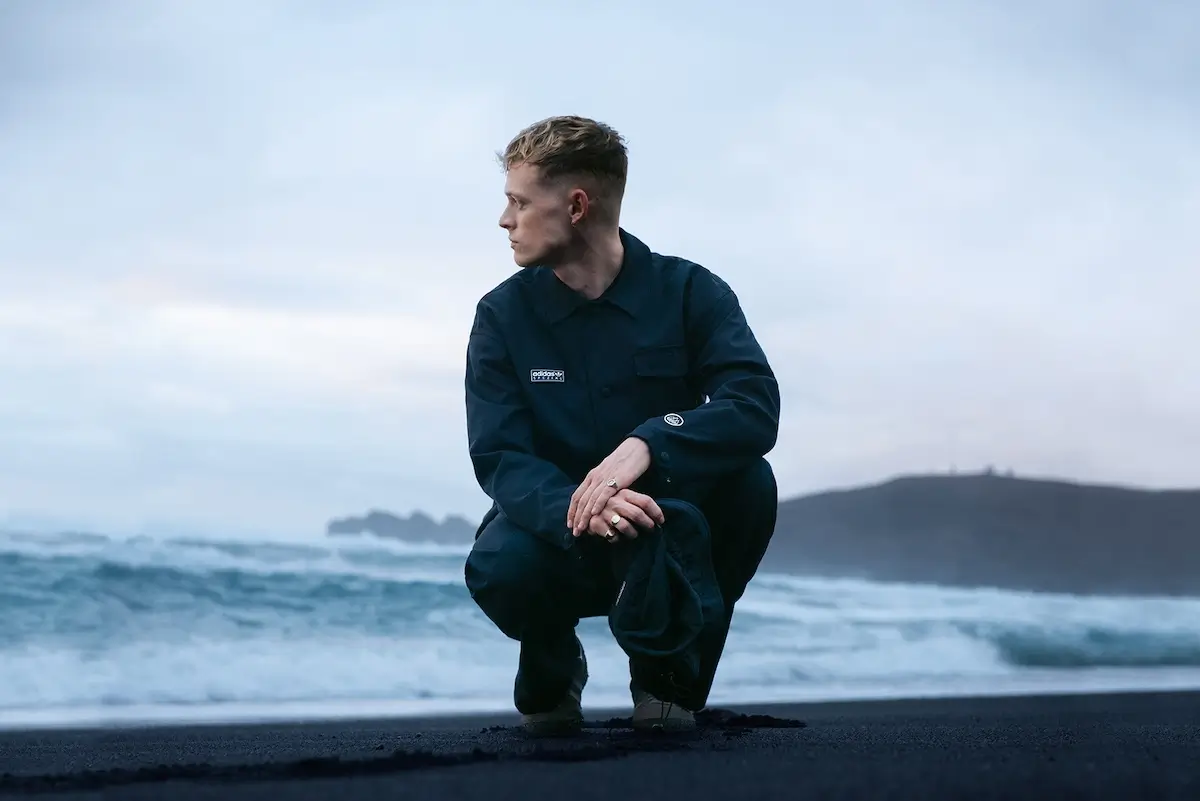
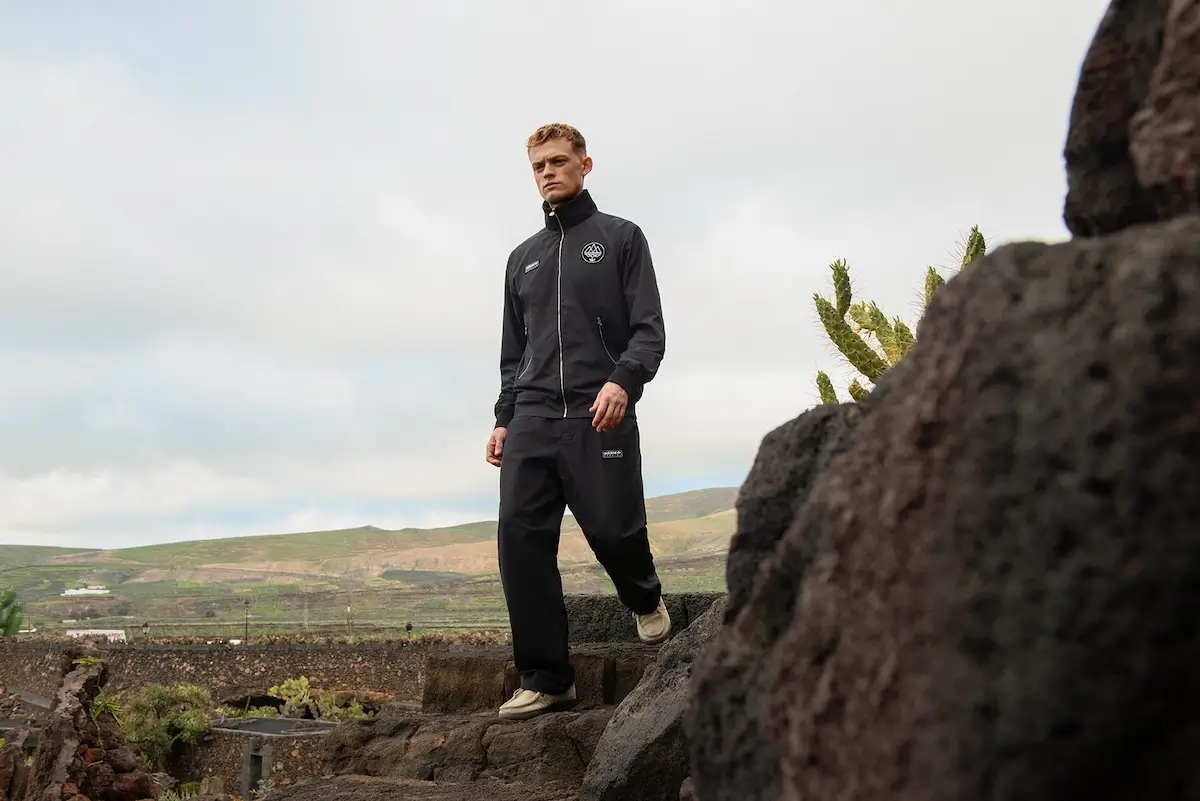
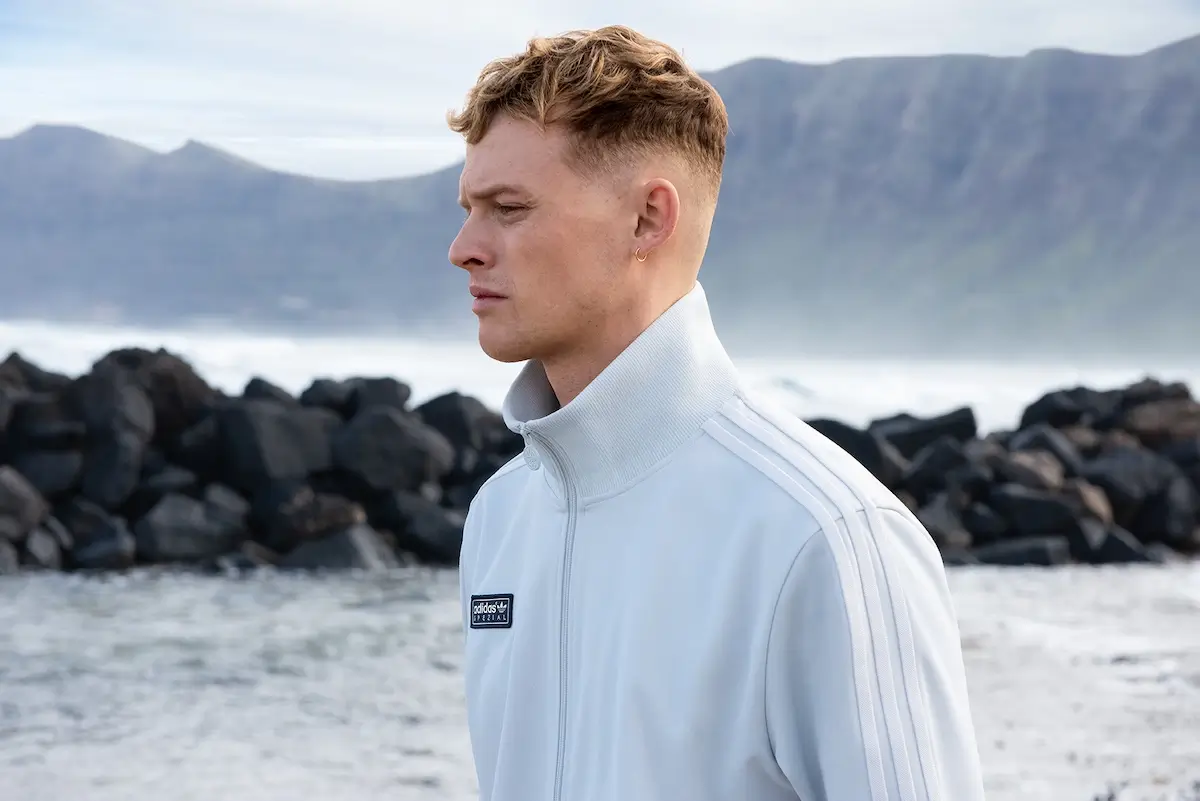
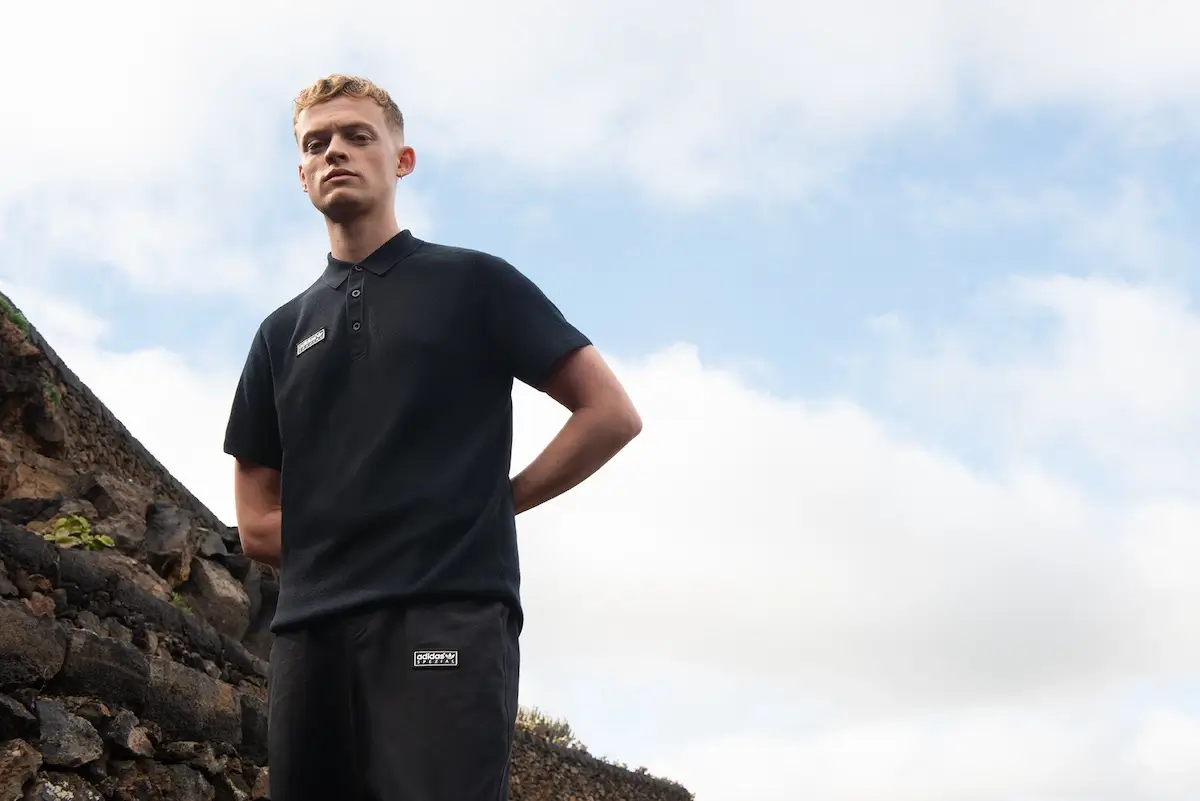
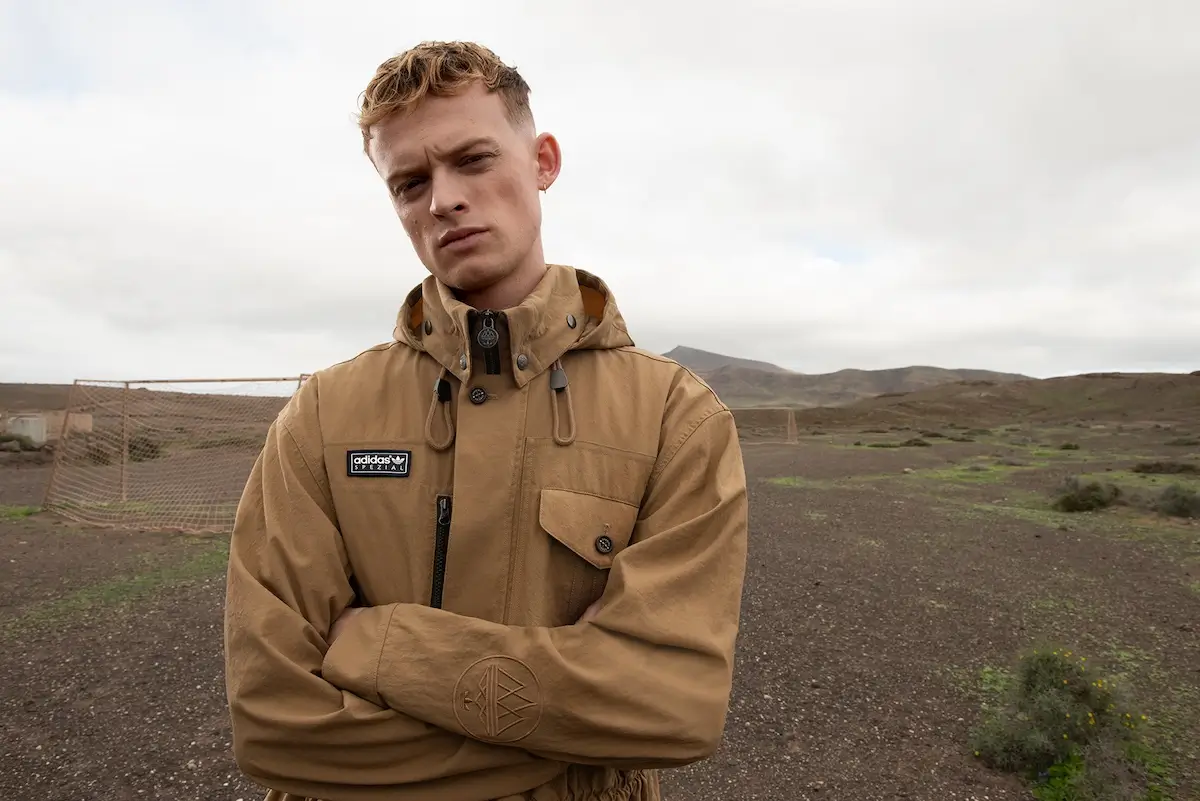
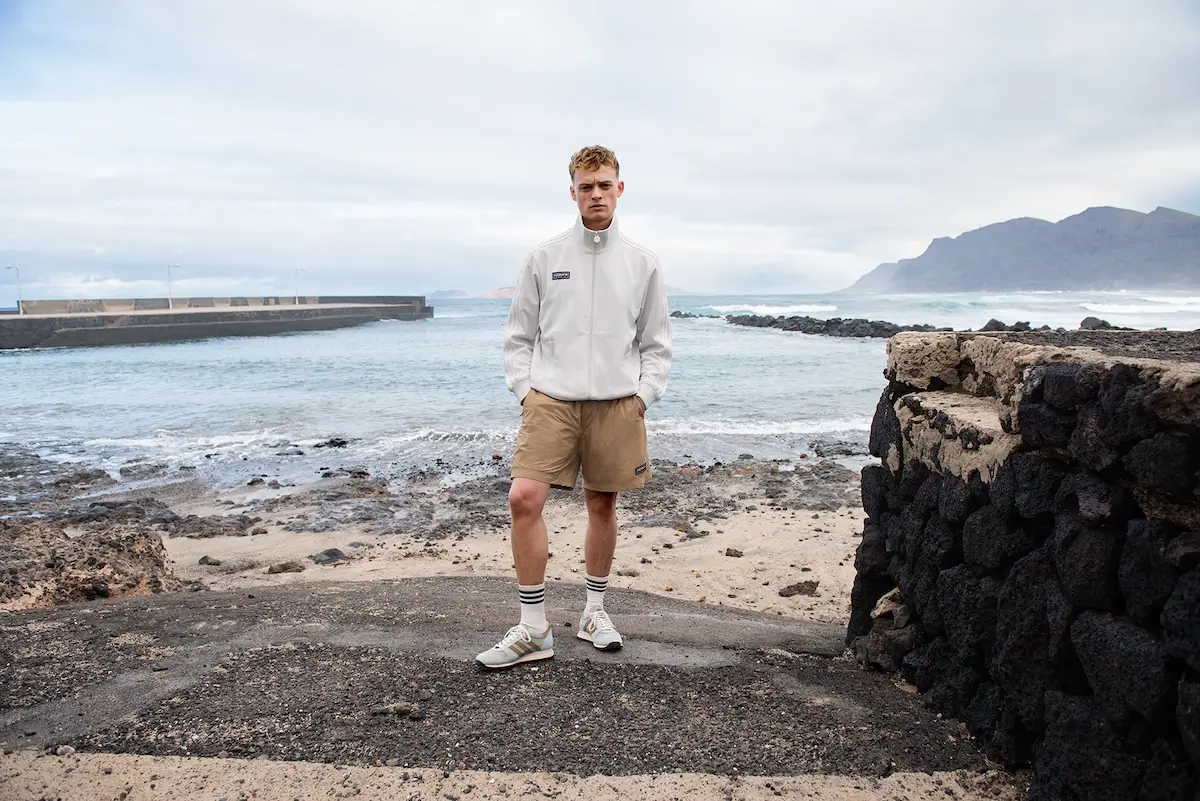
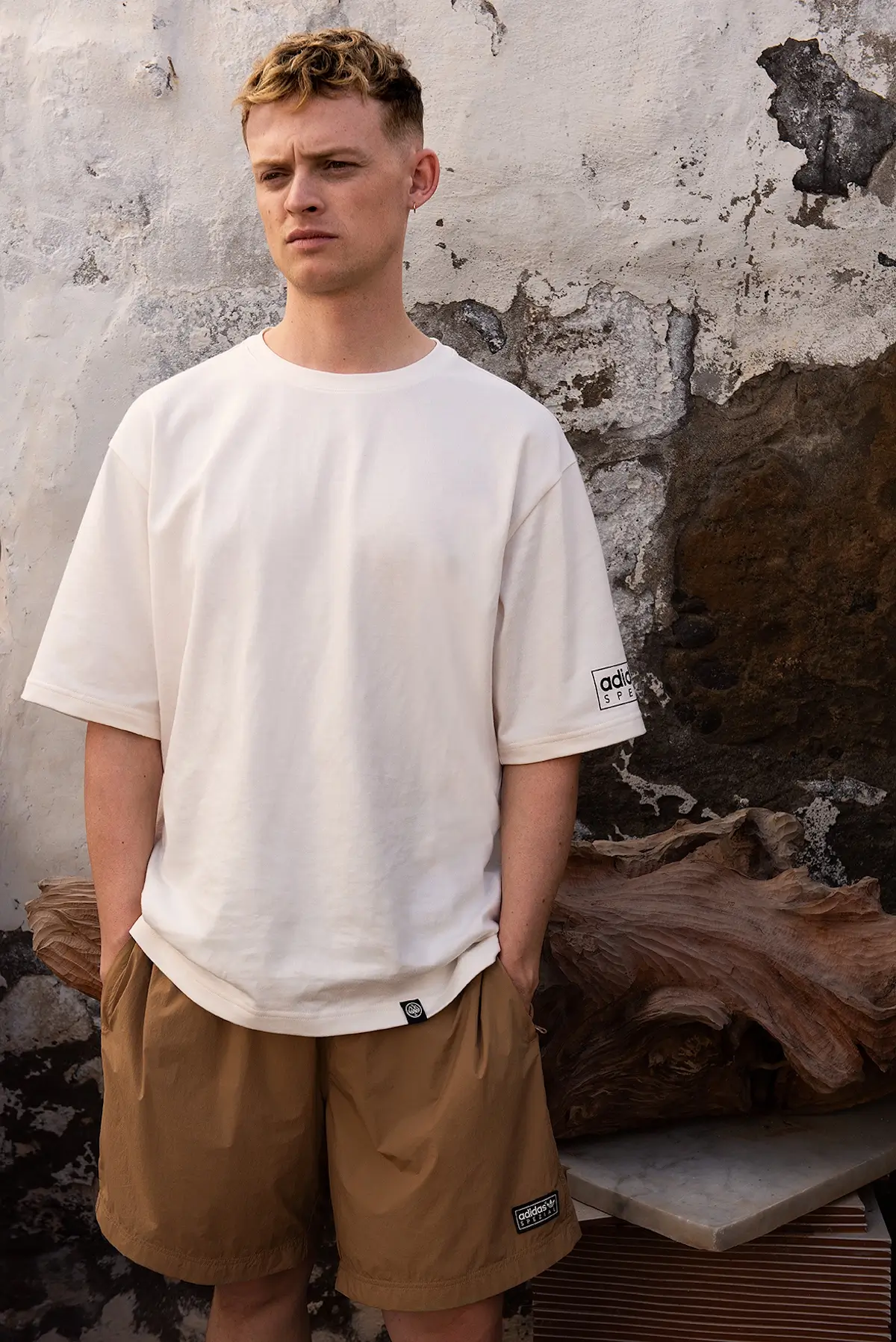
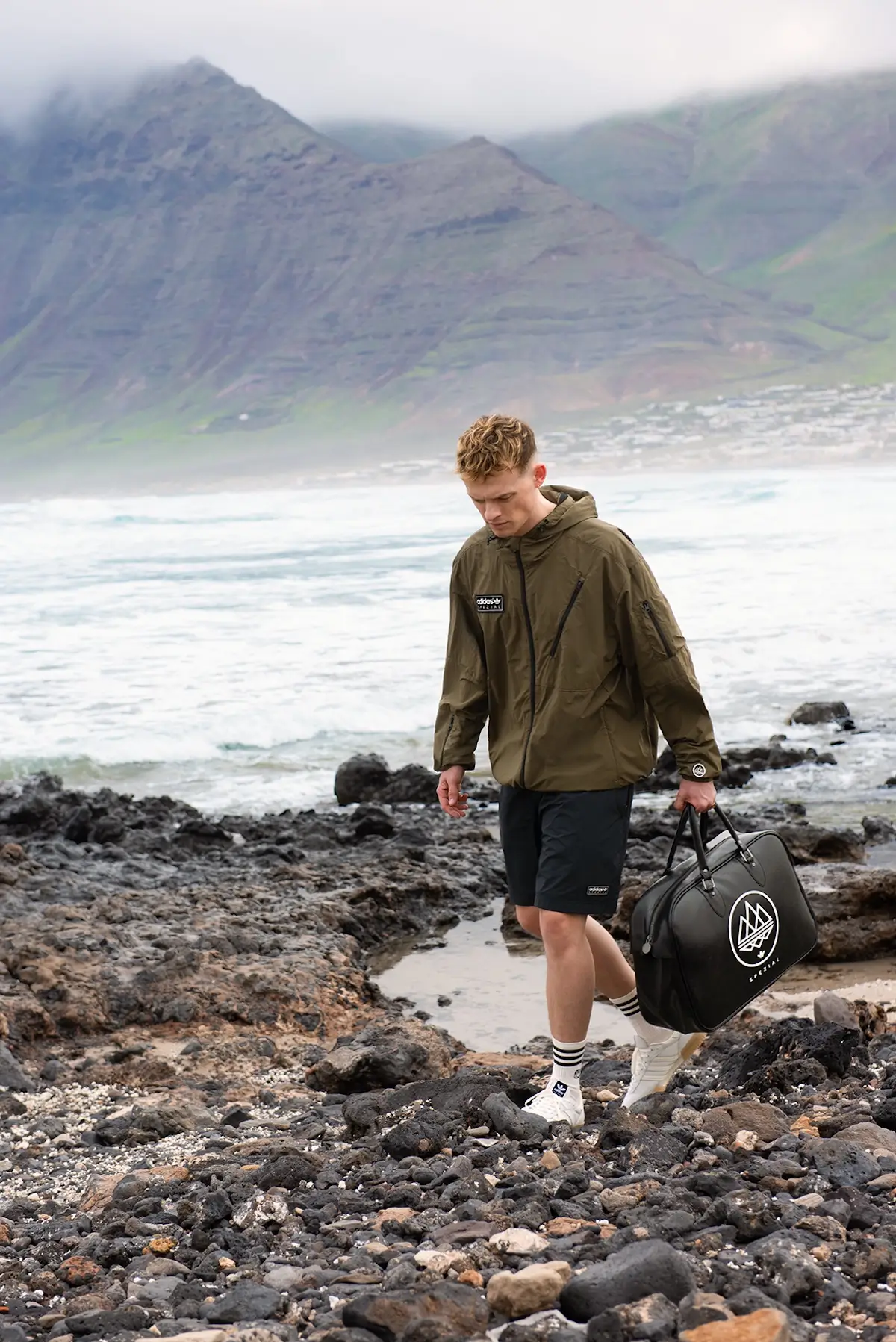
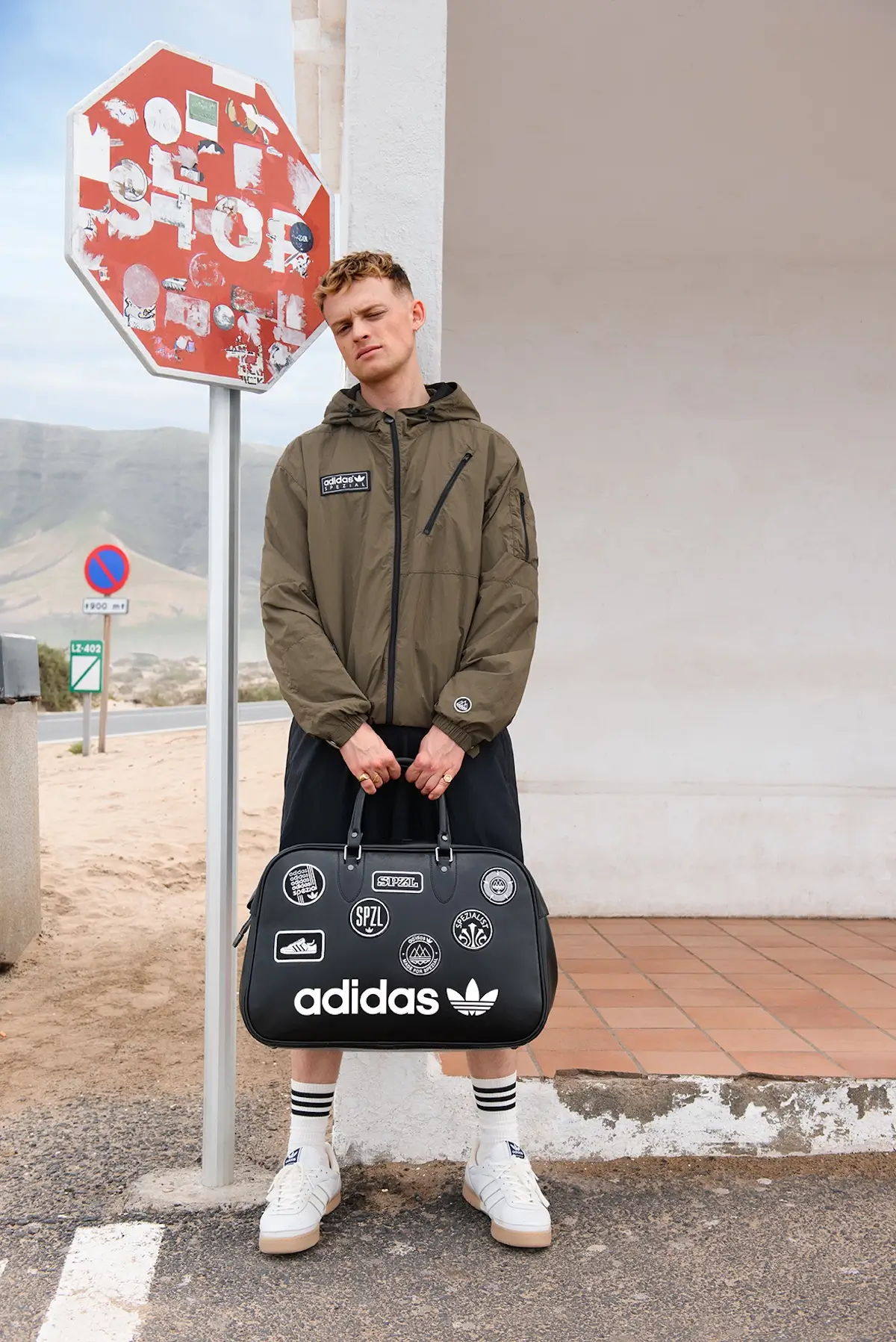
In the quiet light of a British spring—mist rising from dew-laden fields, the first green pushing through damp earth—a figure walks. Dressed in muted tones—olive, charcoal, soft sand—the fabric moves with him: technical, refined, rooted in function yet shaped by intention. This is not sportswear as spectacle. This is sportswear as story. And the man is Anson Boon, whose presence in film and fashion has become a subtle signal of authenticity in an age defined by noise.
This opening frame introduces the Spring/Summer 2026 campaign from adidas SPZL—a visual composition that reads less like advertising and more like a visual poem. SPZL, originally shorthand for “Spezial,” has evolved from a niche archival project into a fully articulated design language. With this latest collection, it doesn’t simply honor its past—it recalibrates it.
back again
Returning after its landmark anniversary in 2024, SPZL re-engages its roots without being confined by them. The SS26 collection operates in a deliberate balance: archival reference and contemporary refinement, British heritage and global relevance, function and form.
At its core, SPZL has always been about memory—not just of garments, but of environments and lived moments. The chill of a Northern morning, the echo of a train station at dawn, the quiet permanence of a jacket worn across seasons. Under the guidance of Gary Aspden, these fragments have been distilled into a coherent system—one that resonates with collectors and cultural observers alike.
View this post on Instagram
collection
The SS26 offering unfolds with restraint: 12 apparel pieces, six footwear styles, and a concise range of accessories. It is neither minimal nor maximal—it is measured.
The palette is grounded. Olive greens reference military surplus. Charcoal tones speak to urban durability. Soft sands and creams introduce warmth, like filtered sunlight across industrial glass. Nothing feels incidental; every hue is anchored in context.
Materiality carries equal weight. Technical fabrics—water-resistant weaves, breathable knits, recycled composites—are engineered for modern wear but evoke legacy. A field jacket recalls 1980s military silhouettes, updated with ergonomic construction and concealed ventilation. A track top gestures toward Olympic heritage, refined through slimmer proportions and tonal detailing.
This is not reinterpretation as novelty. It is reinterpretation as continuity.
shoe
Footwear remains the emotional core of SPZL. The SS26 release revisits icons like the City Cup and Hillfield with quiet refinements—softer leathers, improved cushioning, and recalibrated color blocking.
The return of the adidas Gazelle is particularly telling. Rendered in subdued olive and cream, it resists the brightness often associated with reissues. Instead, it feels lived-in, almost archival—less a product than an heirloom.
These are not shoes designed for visibility. They are designed for longevity—for integration into daily life rather than performance within it.
role
The decision to cast Anson Boon is less about recognition and more about alignment. Known for performances in 1917and Good Boy, Boon operates with a quiet intensity that mirrors SPZL’s ethos.
In the campaign, he moves through transitional spaces—abandoned platforms, open fields, empty streets—not as a model, but as a presence. A figure in motion, carrying history without being defined by it.
He embodies the tension SPZL explores: modernity without detachment from origin.
amb
Shot by Jamie-James Medina, the campaign resists conventional fashion storytelling. There are no overt signals—no spectacle, no urgency. Instead, it leans into atmosphere: light, movement, texture.
The score is minimal. The pacing is deliberate. The imagery allows space. This is not campaign as instruction—it is campaign as environment.
Within that environment, the garments don’t demand attention. They accumulate it.
sys
What gives the SS26 collection its resonance is timing. In a landscape dominated by accelerated cycles and algorithmic trends, SPZL proposes an alternative: slow design.
Every detail is intentional. Hidden pockets, reinforced seams, archival zipper pulls—these are not features designed for marketing. They are features designed for discovery.
This approach reflects a broader cultural shift. Consumers are no longer driven solely by novelty—they are seeking meaning. Provenance, authorship, durability. SPZL responds not with narrative overlays, but with embedded design logic.
stir
SPZL does not operate within nostalgia. It operates within recognition.
Its references—to post-punk Britain, to DIY culture, to regional identity—are not aesthetic borrowings. They are contextual anchors. The line understands the environments it draws from, translating them into garments that feel grounded rather than stylized.
This distinction is critical. It moves SPZL beyond retro positioning into cultural continuity.
move
The SS26 release arrives within a moment of recalibration. After years of digital saturation, there is a renewed appetite for the physical—for material, for place, for permanence.
SPZL aligns with this shift. It is fashion that prioritizes touch over image, construction over projection. It invites a slower engagement: to notice, to wear, to retain.
The April 24, 2026 release is less a drop than a gesture—an invitation to reconsider pace, value, and intention.
fin
In the campaign’s final frame, Anson Boon stands at the edge of a field, wind catching the hem of his jacket. He does not look back. He does not acknowledge the viewer. He looks ahead.
That gesture defines SPZL’s trajectory.
Because legacy, in this context, is not preservation. It is progression with memory intact.
And in that balance—between what was and what continues—SPZL finds its relevance.
Related Articles

Rose Byrne and Mary Bronstein Are Doing It Again, and This Time They Brought Jenna Ortega
A coach and her prodigy are about to become the most dangerous relationship in a […]