Moschino Announces Departure of Creative Director Adrian Appiolaza: A New Chapter for the Iconic Italian House

June 20, 2026
recall
- Adrian Appiolaza Exits Moschino After Two-and-a-Half Years
- Visiting Franco Moschino’s Legacy Through a Modern Lens
- Key Contributions and Creative Highlights
- The Challenges Facing Creative Directors Today
- Appiolaza’s Design Language and Brand Evolution
- The Business Context Behind the Departure
- What’s Next for Moschino?
- Potential Future Directions for the House
- Broader Implications for Fashion Leadership
- Looking Ahead to Moschino’s Next Chapter
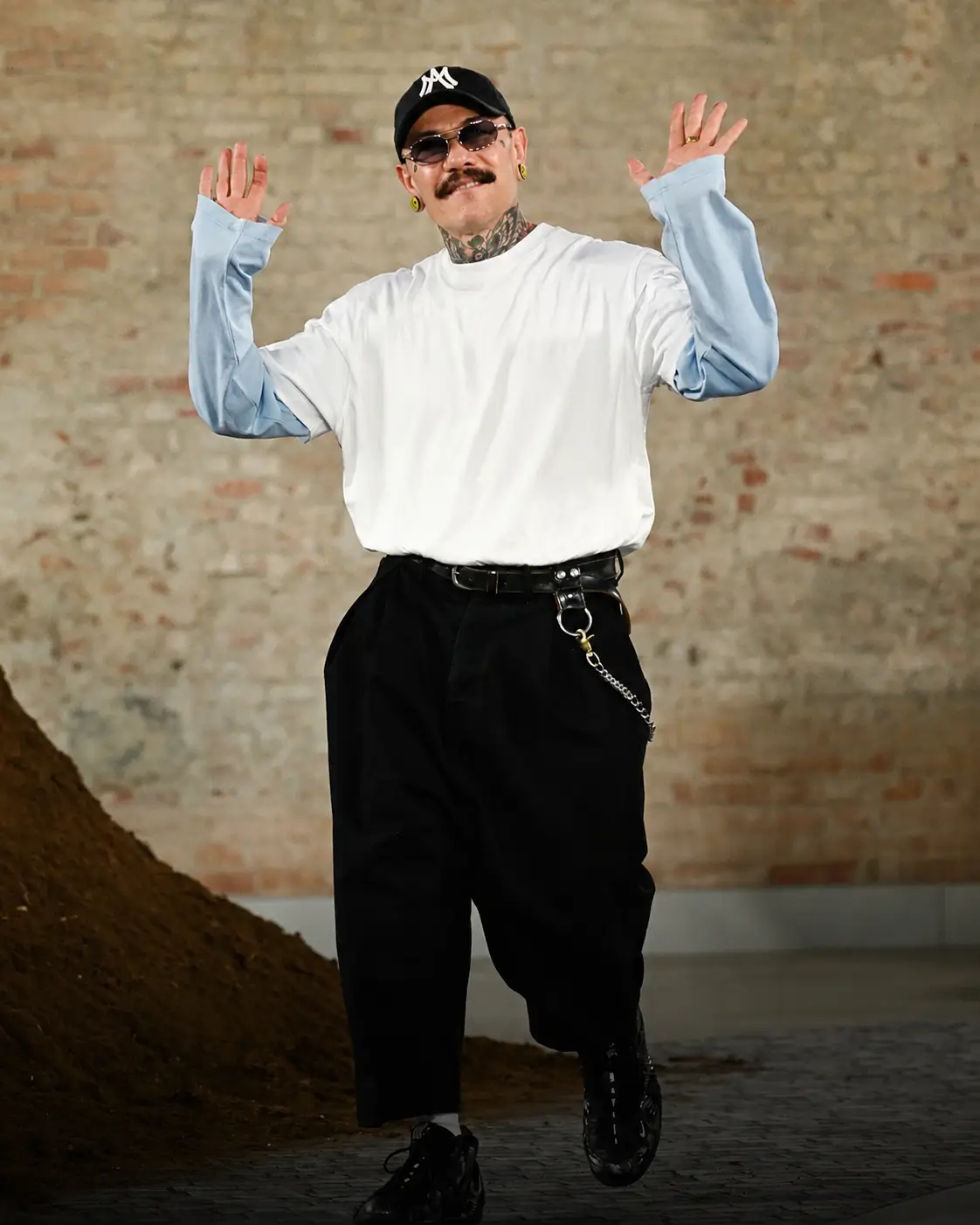
In a notable shift for one of Italian fashion’s most conjure and provocative labels, Moschino has confirmed the exit of Creative Director Adrian Appiolaza. The Argentinian designer, who helmed the Aeffe S.p.A.-owned brand for approximately two and a half years, steps away as the house enters a period of transition. No immediate successor has been named, leaving observers to speculate on the future direction of a brand long defined by irreverent wit, bold silhouettes, and cultural commentary.
This departure marks another inflection point in Moschino’s storied history—one that invites reflection on the delicate balance between creative vision, commercial performance, and brand legacy in today’s luxury landscape. For ones attuned to the nuances of fashion’s evolving power structures, Appiolaza’s tenure offers rich material for analysis: a period of energetic revival tempered by the realities of steering a heritage house through post-pandemic challenges and shifting consumer expectations.
View this post on Instagram
stir
Adrian Appiolaza joined Moschino in late 2022, succeeding Jeremy Scott, whose 10-year reign transformed the label into a global phenomenon known for theatrical runway spectacles and celebrity endorsements. Appiolaza’s arrival was met with measured optimism. A former collider with Miuccia Prada and a designer with experience across multiple houses, he brought a different sensible—less pure spectacle, more considered craft rooted in Moschino’s foundational DNA of satire and subversion.
During his two-and-a-half-year tenure, Appiolaza sought to honor Franco Moschino’s original spirit of intelligent irony while updating it for contemporary audiences. Collections frequently referenced the house’s archival motifs—oversized buttons, question-mark prints, and play proportions—while introducing elevated tailoring, refined eveningwear, and a heightened focus on wear. Critics noted a maturing of the brand’s voice: still cheeky, but with a more sophisticated edge that appealed to both loyalists and new demographics seeking statement pieces with longevity.
Key highlights included thoughtful explorations of gender fluidity, sustainable initiatives within Aeffe’s supply chain, and collides that bridged high fashion with broader cultural conversations. Appiolaza’s presentations often blended runway theater with intimate storytelling, emphasizing the joy and humor that have always been central to Moschino’s identity. Yet, in an era dominated by shh haute on one end and algorithmic viral on the other, threading this needle proved complex.
scope
Appiolaza’s exit is far from isolated. The fashion industry has witnessed an accelerated revolving door at creative director positions in recent years. From Gucci to Saint Laurent, Burberry to Balenciaga, many houses have grappled with reconciling artistic ambition with quarterly demands, digital-native consumers, and the weight of heritage. Two-and-a-half years represents a relatively standard cycle in this environment, where designers often face immense pressure to deliver immediate commercial impression while preserving (or redefining) brand DNA.
For Moschino specifically, the post-Jeremy Scott era required prudent navigation. Scott had elevated the brand’s view to unprecedented heights through pop culture moments—think runway shows with giant teddy bears or celebrity front rows that dominated social media. Appiolaza’s approach was reportedly more introspective, focusing on product integrity and a return to Moschino’s roots in critique and craft. Either this resonated sufficiently with key stakeholders remains a subject of industry discussion.
Aeffe S.p.A., the Italian luxury group that owns Moschino alongside brands like Alberta Ferretti and Pollini, has consistently emphasized creative excellence paired with operational strength. The decision to part ways, though framed professional, underscores the ongoing tension between creative freedom and business imperatives in a consolidating haute sector.
flow
Born in Argentina, Adrian Appiolaza brought a global perspective shaped by stints at luxury houses and a deep appreciation for both European tailor traditions and Latin American vibrancy. At Moschino, he leaned into archival references while injecting fresh energy:
- Play Proportions and Silhouettes: Exaggerated shoulders, cinched waists, and voluminous outerwear that paid homage to Moschino’s love of caricature without descending into costume.
- Signature Motifs Reimagined: The iconic “?” prints, heart motifs, and cartoonish elements were treated with new sophistication—rendered in luxurious fabrics or combined with minimalist tailoring.
- Evening and Tailoring Focus: Strengthened ready-to-wear offerings that appealed to clients seeking versatile investment pieces alongside statement items.
- Sustainable and Craft: Greater emphasis on responsible sourcing and artisanal techniques, aligning with broader industry shifts.
His collections often sparked dialogue around fashion’s role in society—using humor as a vehicle for commentary on consumerism, identity, and excess. While not every collection achieved universal acclaim, Appiolaza consistently demonstrated respect for the house’s legacy while attempting to evolve it.
next
With no successor announced, Moschino enters an interim phase likely managed by the in-house design team under Aeffe’s strategic oversight. This approach has proven effective for other houses during transitions, allowing time to identify the right long-term visionary.
Possible directions include:
- A return to more theatrical, Jeremy Scott-era spectacle to recapture viral momentum.
- A continued emphasis on refined, wearable luxury with Moschino’s signature wit.
- Potential for a guest designer series or collaborative model to maintain freshness.
- Deeper integration of digital innovation and sustainability as core pillars.
The haute consumer base today values authenticity, storytelling, and product excellence. Moschino’s strength has always been its distinctive personality; preserving that while adapting to new realities will be paramount.
extent
Appiolaza’s departure highlights systemic issues within the industry: the intense scrutiny placed on creative directors, the short timelines for proving success, and the challenges of nurturing talent in a high-stakes environment. As the sector evolves—shaped by economic uncertainty, geopolitical factors, and gen shifts in consumption—brands like Moschino must balance reverence for the past with bold innovation.
For emerging designers and industry watchers, this moment serves as a reminder that tenure length is not always the ultimate measure of impact. Appiolaza leaves behind collections that reinforced Moschino’s playful DNA and contributed to its ongoing cultural relevance. His next chapter, wherever it leads, will undoubtedly be followed with interest.
look
Moschino remains one of fashion’s most recognizable names—a house capable of generating excitement and conversation like few others. The coming months will reveal how Aeffe charts the brand’s next era. Whether through an internal promotion, a surprise appointment, or a strategic evolution, the goal remains the same: to honor Franco Moschino’s legacy of joyful subversion while ensuring the brand thrives in the 21st century.
Fashion, at its best, reflects and refracts society’s moods. Moschino has long excelled at holding up a funhouse mirror to culture. As the house turns the page on this chapter, anticipation builds for what comes next—another testament to its enduring power to surprise, delight, and provoke.
Related Articles

Rose Byrne and Mary Bronstein Are Doing It Again, and This Time They Brought Jenna Ortega
A coach and her prodigy are about to become the most dangerous relationship in a […]