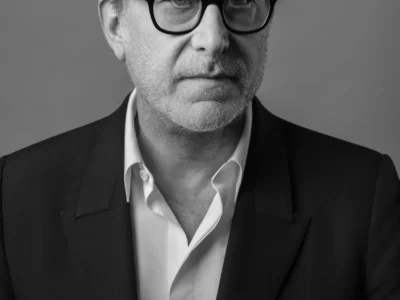
Remembering James Burrows: Cheers Co-Creator and Television’s Master Director

June 20, 2026
recall
- A Maestro of Laughter Takes His Final Bow
- Early Life and Formative Years in Television
- The Birth of Cheers: Defining an Era of Sitcom Excellence
- Directing Mastery: Taxi, Frasier, Friends, and Beyond
- Will & Grace
- Mentorship
- How Burrows’ Worlds Shaped Style
- Legacy in the Streaming Age
- Tributes from Peers and Stars
- Television Legend
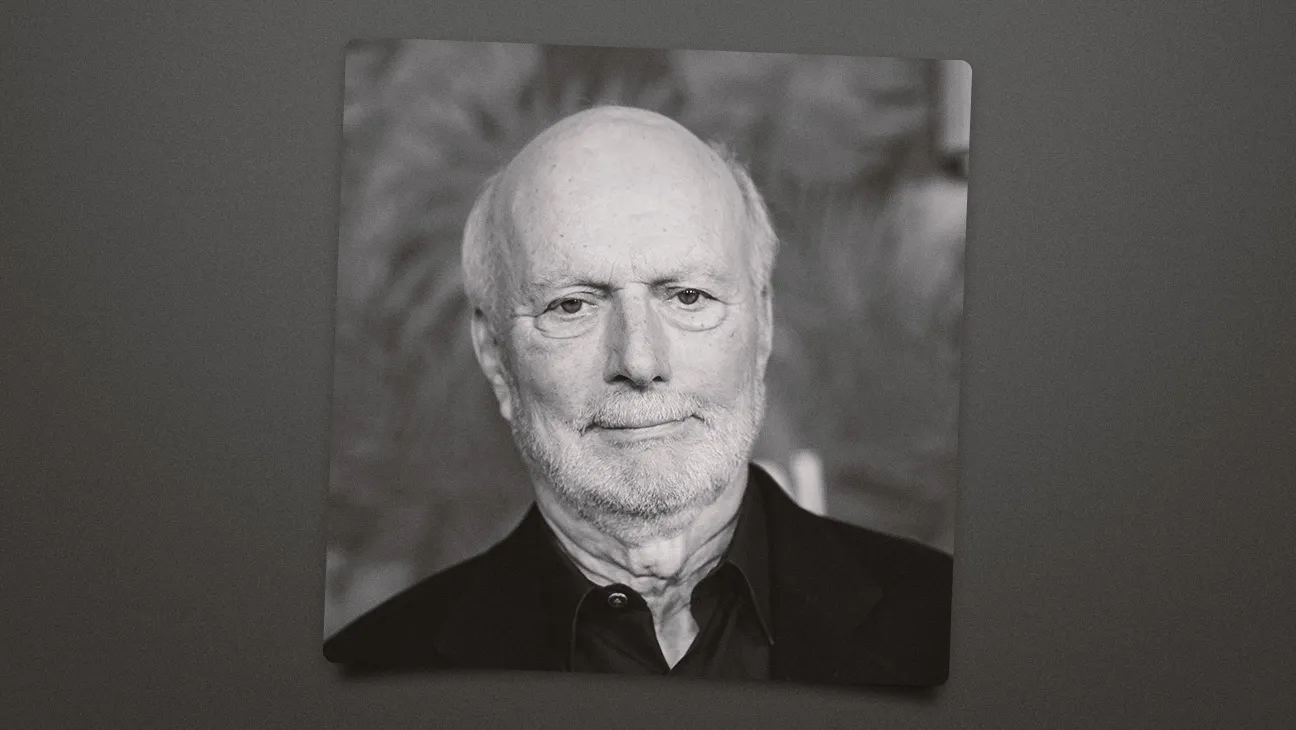
James Burrows, the prolific director and co-creator whose masterful hand guided some of television’s most beloved and culture resonant sitcoms, passed away on June 19, 2026, at the age of 85. His death marks the close of a chapter in American entertainment defined by sharp wit, ensemble chemistry, and a profound understanding of human connection—elements that transcended the small screen to influence broader culture conversations, including fashion, design, and the aesthetics of day life.
James Burrows, ‘Cheers’ Co-Creator and Prolific TV Director, Dies at 85 https://t.co/3ioUOcBzHP via @variety
— Matthew Murphy (@MJPatrickMurphy) June 20, 2026
Burrows’ oeuvre represents more than just laughs. His shows crafted immersive worlds where character-driven narratives unfolded in meticulously designed sets, costumed with intentional flair, and populated by figures whose personal styles became shorthand for eras. From the cozy, wood-paneled warmth of Cheers’ Boston bar to the sleek, aspirational apartments of Will & Grace, Burrows helped define how television view language could mirror and shape real-world design trends, street style, and cultural identity.
stir
Born on December 30, 1940, James Edward Burrows grew up in a family immersed in the performing arts. His father, Abe Burrows, was a renowned playwright, director, and lyricist known for works like Guys and Dolls. This creative lineage provided young Jimmy with an innate sense of timing, dialogue, and dramatic structure—tools he would later hone into a legendary career.
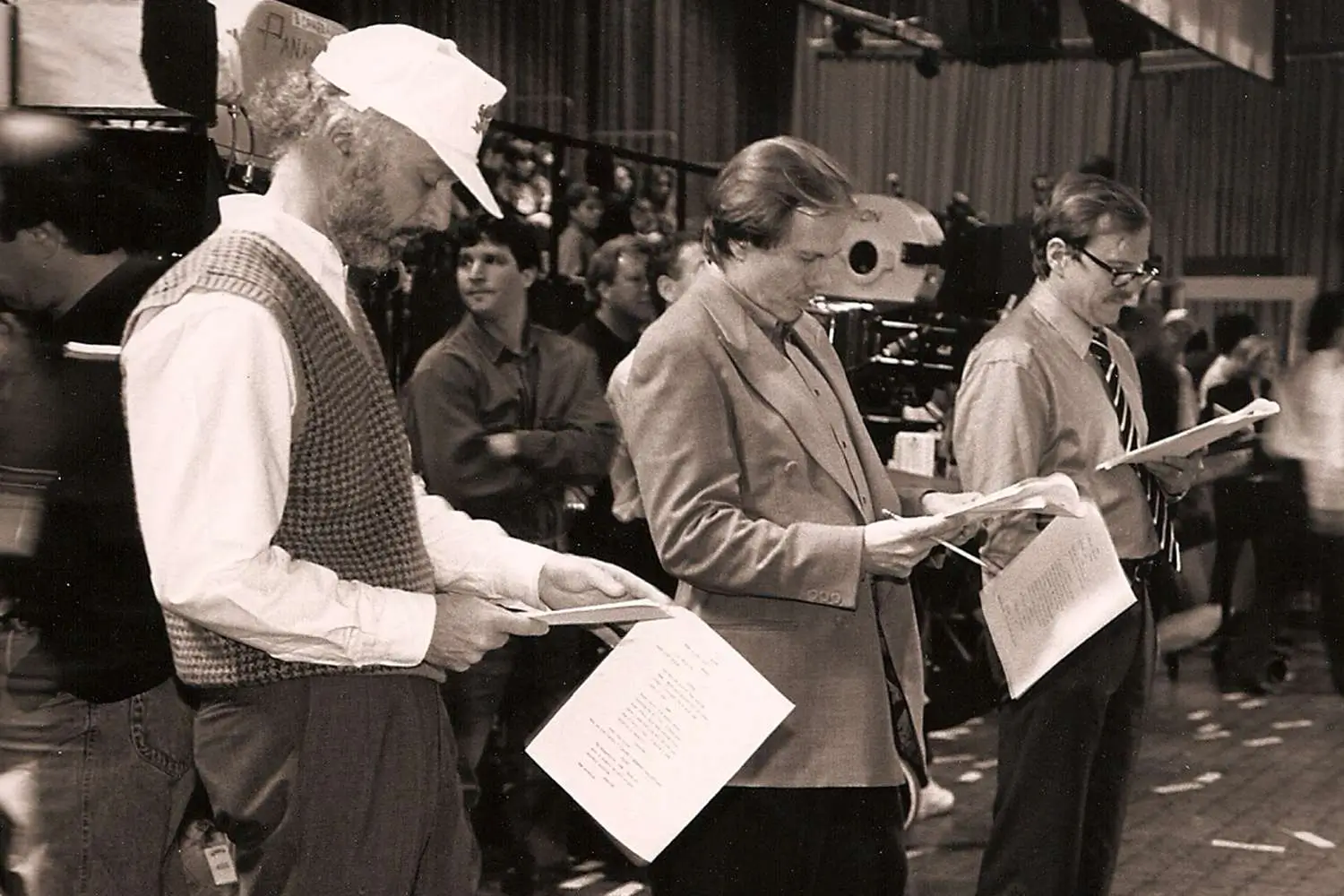
Burrows studied at Oberlin College and later Yale School of Drama, initially aspiring to act before shifting focus behind the camera. His professional entry into television came in the early 1970s, assisting on landmark shows like The Mary Tyler Moore Show and The Bob Newhart Show. These experiences immersed him in the multi-camera sitcom format, teaching him the rhythm of live audiences, the precision of blocking, and the alchemy of blending humor with heart.
By the mid-1970s, Burrows was directing episodes of Taxi, a groundbreaking series that balanced absurdity with poignant character studies. His work on the show earned early acclaim, establishing him as a director who could elevate scripts through show nuance and view economy. These formative years laid the groundwork for a know that prioritized actor collide and spatial storytelling—principles that would define his signature style.
flow
In 1982, Burrows co-created Cheers alongside Glen and Les Charles. Set in a neighborhood bar “where everybody knows your name,” the series became a culture phenomenon, running for 11 seasons and 275 episodes, with Burrows directing 237 of them. The show’s success stemmed not only from its witty writing but from Burrows’ ability to foster an ensemble that felt like family—Ted Danson’s Sam Malone, Shelley Long’s Diane Chambers, and later additions like Kirstie Alley’s Rebecca Howe and the iconic supporting cast.
Cheers captured the zeitgeist of 1980s America: post-Vietnam camaraderie, evolving gender dynamics, and the search for belonging in an increasingly fragmented society. Its bar setting—a warm, lived-in space with wooden fixtures, brass rails, and dim lighting—became a design archetype for casual hospitality spaces. In fashion terms, the show popularized a relaxed yet polished aesthetic: Sam’s preppy sweaters and blazers, Norm’s everyman attire, and Carla’s sassy waitress uniforms influenced day street style and casual wear trends.
The series’ impact extended to horology and lifestyle accessories, too. Characters’ personal quirks—Frasier Crane’s refined tastes, for instance—mirrored growing interest in sophisticated, intellectual branding. Cheers episodes often featured subtle product placements and stylistic choices that reinforced aspirational yet accessible American design narratives, themes people appreciate in contemporary brand storytelling.
straddle
Burrows’ directorial credits read like a syllabus of television comedy history. Beyond Cheers, he helmed episodes of Taxi, bringing depth to characters like Danny DeVito’s Louie De Palma. He directed the pilot and multiple episodes of Frasier, the sophisticated Cheers spin-off that elevated the sitcom with its Seattle apartment sets, opera references, and impeccable tailoring—Kelsey Grammer’s Frasier in bespoke suits became a style icon for professional menswear.
In 1994, Burrows directed the pilot of Friends, launching a global phenomenon. The show’s Central Perk coffeehouse and Monica’s apartment set new standards for urban living aesthetics—exposed brick, eclectic furnishings, and cozy minimal that influenced millennial interior design and fast fashion. Rachel Green’s (Jennifer Aniston) evolving wardrobe, from grunge to sleek career looks, defined 1990s style and continues to inspire revival trends today. Burrows’ knack for capturing youthful friendship dynamics made Friends a culture touchstone, with its fashion moments—oversized blazers, slip dresses, and iconic hairstyles—still referenced in runway collections and street style.
He also shaped The Big Bang Theory, blending nerd culture with mainstream appeal through character-driven humor and set designs reflecting evolving tech-lifestyle aesthetics.
show
Burrows’ commitment to Will & Grace stands as one of his crowning achievements. He directed every episode of the original run (1998–2006) and its 2017–2020 revival—246 episodes in total. The series broke barriers as one of the first mainstream shows centered on gay characters, using humor to foster empathy and understanding during pivotal culture shifts.
View, Will & Grace celebrated bold interior design and fashion. Will’s min, modern apartment and Grace’s eclectic, tincture space reflected sophisticated urban living. Characters’ wardrobes—Eric McCormack’s tailored suits, Debra Messing’s vibrant dresses, and Sean Hayes’ play ensembles—highlighted queer influence on mainstream style, from power suiting to expressive accessories. The show’s impression on LGBTQ+ representation intertwined with design narratives of authentic and self-expression, resonating deeply in fashion and culture discourse.
extent
What set Burrows apart was his technical innovation. He popularized the use of a fourth camera in multi-camera setups, allowing greater flexible in coverage and more dynamic editing. This “Burrows method” enhanced pacing and show capture, becoming industry standard.
Actors praised his intuitive direction. He created safe spaces for improvisation while maintaining structural precision. His mentorship influenced generations of performers and directors, emphasizing collision over auteur ego. An 11-time Emmy winner, Burrows’ awards reflected not just volume but quality—his work consistently elevated material through empathy and timing.
scope
Burrows’ legacy shines brightest in how his shows wove fashion and design into narrative fabric. Sitcom sets under his direction were characters themselves: Cheers’ bar evoked timeless tavern aesthetics influencing hospitality design; Friends’ loft living popularized open-plan concepts and thrift-chic styling; Will & Grace championed vibrant, personal expression in interiors.
Costume design in these series often predicted or amplified trends. The preppy revival in Cheers, 90s minimalism in Friends, and bold patterns in Will & Grace fed into broader cultural cycles. Haute brands and streetwear frequently reference these touchstones—think Nike collabs nodding to 90s sitcom casualwear or watch brands evoking Frasier’s refined elegance.
Burrows’ influence extended to music and art crossovers. Soundtracks and guest stars introduced culture layers, while episode aesthetics inspired editorial photography, album art, and even contemporary art installations celebrating ensemble dynamics and domestic spaces.
In an era of digital fatigue and AI-generated content, Burrows’ human-centered storytelling offers a blueprint for authentic cultural production—dense with relatable emotion, stylish execution, and lasting resonance.
leg
Though Burrows’ active directing slowed in later years, his fingerprints remain on streaming hits. Revivals of Frasier and Will & Grace proved the timelessness of his formula. Younger creators cite him as inspiration for ensemble comedies on platforms like Netflix and Hulu, where multi-cam techniques blend with single-cam intimacy.
His work underscores television’s power as a design medium—sets and costumes not as backdrops but as extensions of character psychology. In fashion, this translates to storytelling through clothing; in culture, to building communities around shared references.
trib
News of Burrows’ passing elicited an outpouring of affection. Tony Danza called him “the greatest of all time.” Eric McCormack and Debra Messing highlighted his kindness and intuition. Ted Danson, Lisa Kudrow, Danny DeVito, and others remembered a mentor who shaped their careers and brought joy to millions.
His family’s statement celebrated “an extraordinary life and enduring legacy,” noting he passed peacefully surrounded by loved ones—wife Debbie, four daughters, and seven grandchildren.
fin
James Burrows leaves behind more than 1,000 directed episodes and a transformed sitcom genre. He created spaces—literal and figurative—where audiences found laughter, solace, and style inspiration. For Invent’s audience, his legacy invites reflection on how design, fashion, and narrative intersect to humanize culture.
In a world craving connection, Burrows’ barstools, coffeehouse couches, and city apartments remain open. Raise a glass (or a perfectly tailored sleeve) to the man who directed America’s favorite punchlines and, in doing so, helped style its culture wardrobe. His work will continue to inspire, entertain, and subtly shape the aesthetics of belonging for gens to come.
Related Articles

Rose Byrne and Mary Bronstein Are Doing It Again, and This Time They Brought Jenna Ortega
A coach and her prodigy are about to become the most dangerous relationship in a […]