Bert Stern’s Marilyn Monroe, Pearls and the Last Sitting That Defined an Icon
DRIFT AUDIO
Listen to this story
Choose a voice, then press play.
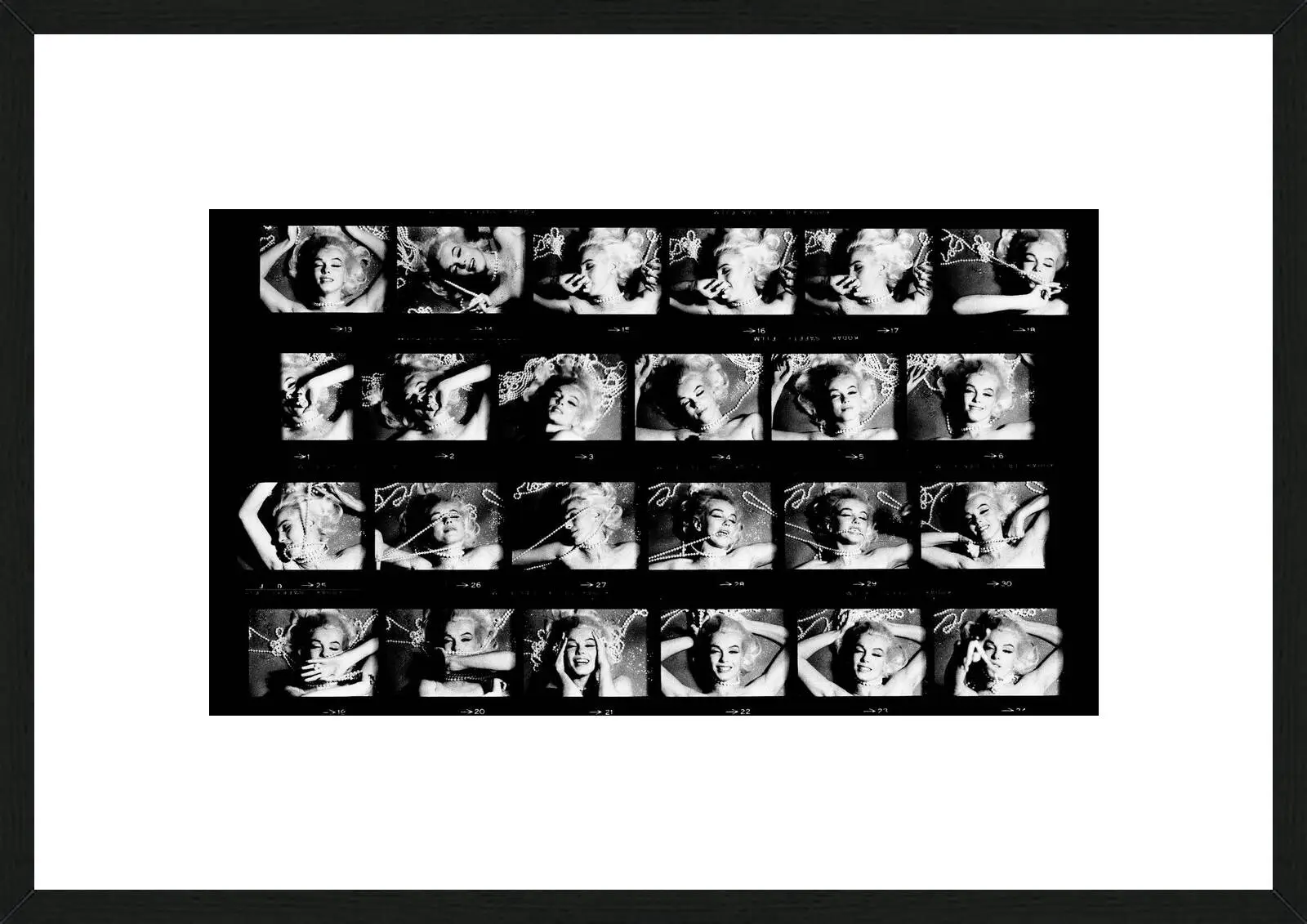
Bert Stern’s Marilyn Monroe, Pearls remains one of the defining view documents of 20th-century celebrity photography — not simply because of Marilyn Monroe herself, but because the image exists at the exact collision point between glamour and disappearance. The photograph emerged from Stern’s legendary 1962 Last Sitting sessions for Vogue, produced only weeks before Monroe’s death, yet the image never leans fully into tragedy. Instead, it suspends her in something stranger: luminous self-awareness.
move
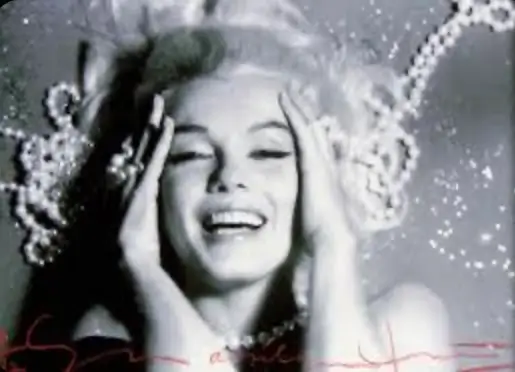
The composition is deceptively simple. Monroe reclines against a glittering surface while strands of pearls spill across her body like liquid ornamentation. Her expression shifts depending on the frame — play, exhausted, flirtatious, distant — but the emotional center of the image always remains unstable. That instability is precisely what gives the photograph its longevity. Stern did not photograph Monroe as an unreachable Hollywood monument. He photographed her as someone constantly slipping between performance and vulnerability.
What makes the “Pearls” photographs endure is the tension between sensuality and exhaustion. Pearls traditionally symbolize refinement, femininity, purity, inherited haute. Here, they become theatrical props, almost excessive in their abundance. Draped around Monroe’s face and hands, they transform from jewelry into atmosphere. Stern’s close-cropped framing intensifies that atmosphere further, removing distractions until only texture, skin, light, and expression remain. The result feels less like conventional portraiture and more like emotional proximity.
scope
The session itself has become inseparable from Monroe myth. Conducted over three days at the Hotel Bel-Air in Los Angeles, Stern and Monroe reportedly created nearly 2,700 images spanning fashion editorials, soft glamour portraits, experimental close-ups, and nude studies. Vogue initially published only a fraction of them, but after Monroe’s death in August 1962, the photographs evolved into something culturally irreversible. They stopped functioning merely as magazine imagery and became historical artifacts of finality.
Yet what keeps Stern’s work from collapsing into pure voyeurism is Monroe’s own agency inside the frame. She appears collective, aware of the camera, sometimes even manipulating the emotional register of the shoot herself. The images do not feel stolen. They feel negotiated. That distinction matters. Monroe understood celebrity image construction better than almost anyone of her era, and Stern’s photographs preserve that intelligence. Even in moments of apparent vulnerability, there is still performance architecture underneath the softness.
myth
Technically, Stern’s photography also marked a transition point between classic studio portraiture and modern intimacy. The lighting remains glamorous, but less rigid than traditional Hollywood systems. The scintillant backdrop fractures the light into tiny reflections, creating a dreamlike shimmer around Monroe’s face and body. The pearls themselves become reflective surfaces, multiplying highlights and adding movement to otherwise static compositions. Shot on film stock of the era — likely Ektachrome alongside black-and-white negatives — the photographs maintain tactile softness while preserving sharp emotional contrast.
grail
The cultural afterlife of Marilyn Monroe, Pearls has only expanded. Estate-stamped limited editions continue circulating through galleries and auction houses, with collectors treating the work as both fine art photography and historical documentation. Different print generations, signatures, estate marks, and provenance histories significantly affect valuation, but the emotional value of the image arguably exceeds its market dimension. The photograph has transcended collectible status and entered viewl mythology.
Part of that mythology stems from timing. Audiences cannot separate the radiance of the images from the knowledge of what followed. Monroe appears alive, engaged, sensual, and collaborative — which only deepens the emotional dissonance surrounding her death weeks later. Stern unintentionally captured not a farewell portrait, but the illusion that there would still be more time. That emotional contradiction continues haunting viewers decades later.
bert
Bert Stern himself would later frame The Last Sitting as one of the defining moments of his career, and understandably so. The work blurred boundaries between fashion photography, celebrity portraiture, and psychological study in ways that later generations of photographers endlessly referenced. The intimacy now common in contemporary editorial photography owes something to Stern’s willingness to let imperfection remain visible. Monroe smiles, strays, poses, withdraws — sometimes within the same sequence of frames.
impression
What ultimately makes Marilyn Monroe, Pearls endure is not simply beauty. It is contradiction. The image simultaneously projects glamour and fragility, construction and collapse, mythology and humanity. Monroe appears immortal and fleeting at once. Stern’s camera did not resolve those oppositions. It preserved them.
And that unresolved tension is exactly why the photograph still feels alive.
Related Articles
Joël Andrianomearisoa Finds More Than One Black in a Square of Buttons
In La Guerre des Boutons I, a field of ordinary fasteners turns a modest textile […]