DRIFT AUDIO
Listen to this story
Choose a voice, then press play.
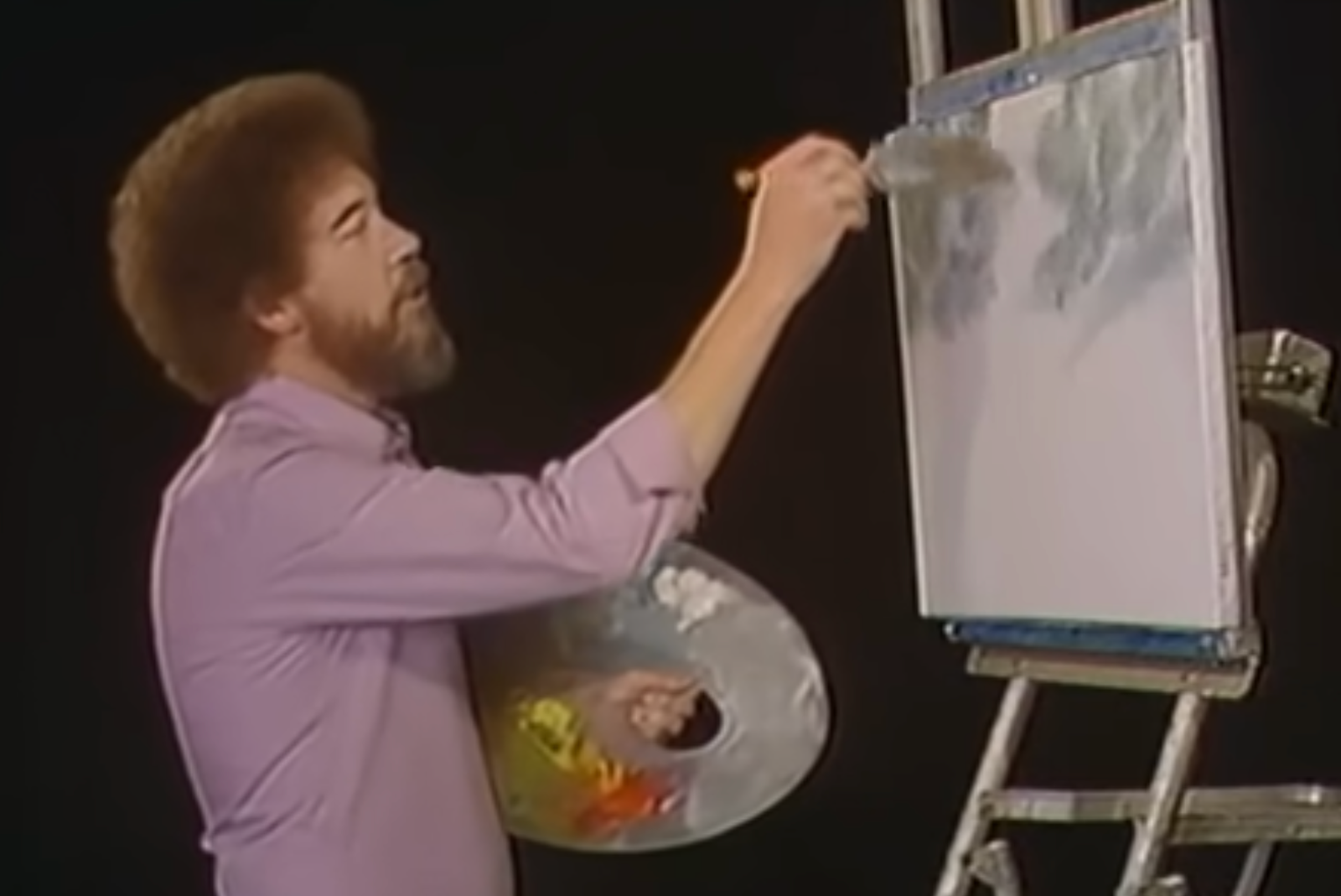
Bob Ross, the beloved art instructor and television host known for his show *The Joy of Painting*, once created an episode in which he painted using only shades of gray. This special gesture was intended to include and inspire his colorblind viewers, demonstrating his commitment to making art accessible to everyone. Ross’s signature approach of creating serene landscapes with simple, reassuring instructions became even more meaningful with this act, as it underscored his belief that painting should be a joy for all, regardless of visual limitations.
The Heart of Inclusivity in Art
Bob Ross was more than just an artist; he was a cultural icon whose work encouraged countless viewers to try painting, regardless of their skill level. His signature phrases like “happy little trees” and “there are no mistakes, only happy accidents” reflected his nurturing, positive teaching philosophy. When Ross chose to paint solely in shades of gray, he extended that nurturing spirit to his colorblind fans, proving that creativity transcends conventional color use.
The Technique and Its Impression
Ross’s choice to work in grayscale showcased not only his versatility as an artist but also his deep understanding of form, contrast, and shading. Without the help of colors to create depth, Ross relied on tonal variation to create the illusion of dimension and light in the scene. This approach allowed viewers who were unable to perceive color to appreciate the subtleties of painting through value contrast alone. It also demonstrated that impactful art doesn’t always rely on vivid hues; composition, balance, and contrast are just as essential.
The response from fans was overwhelmingly positive, as many felt seen and appreciated by this gesture. The gray-toned painting served as a reminder that inclusivity in art means breaking down barriers and making creative pursuits available to as many people as possible.
Why This Matters Today
In today’s discussions on inclusivity and accessibility, Bob Ross’s example is more relevant than ever. His decision to paint for those who experienced visual differences set a precedent for how art can and should be more inclusive. The art world has historically been perceived as exclusive, often appealing only to those with specific skill sets or means. However, figures like Ross remind us that art’s primary purpose is to connect, heal, and inspire, transcending barriers.
Bob Ross’s choice to paint entirely in gray wasn’t just an art exercise; it was a testament to his empathetic approach as a teacher and creator. He demonstrated that art could speak to all, using simplicity to bridge gaps in perception. For colorblind viewers, this act was more than a gesture; it was a validation of their place within the artistic community. And for everyone else, it was a lesson in how thoughtful inclusivity can transform the way we create and share art.