Bordalo II: WILD WILD FIRES (2021)

January 23, 2025
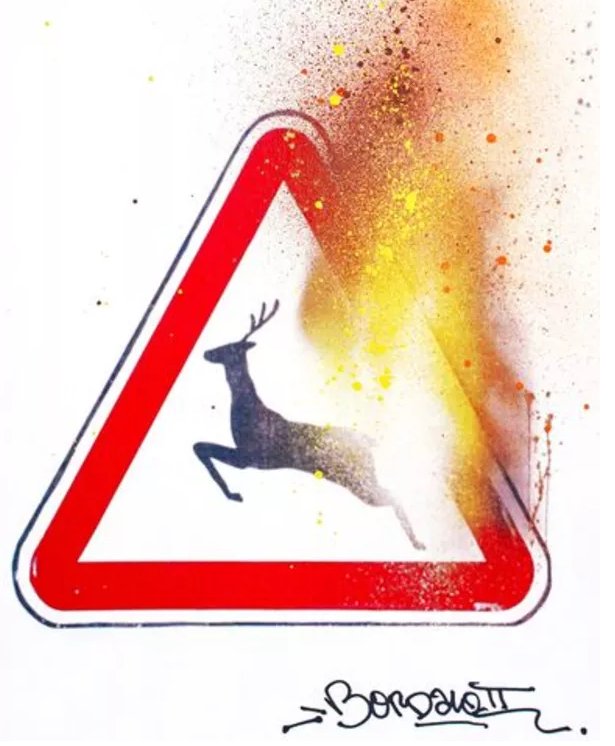
In 2021, renowned Portuguese street artist Bordalo II unveiled WILD WILD FIRES, a striking art installation that continues his powerful commentary on environmental issues. Known for his large-scale sculptures made from recycled materials, Bordalo II used this project to address the devastating impression of wildfires on natural ecosystems, wildlife, and human communities.
The Concept Behind WILD WILD FIRES
WILD WILD FIRES is part of Bordalo II’s broader body of work that focuses on environmental degradation and human impact on nature. Through his signature technique of creating sculptures from discarded materials, he emphasizes the paradox of consumerism and environmental destruction. This particular project draws attention to the alarming frequency and intensity of wildfires across the globe, which have been exacerbated by climate change, deforestation, and poor land management.
The installation features sculptures of various animals, such as deer, foxes, and birds, engulfed in stylized flames made from repurposed waste materials. By using scrap metal, plastic, and other industrial debris, Bordalo II transforms waste into poignant visual statements. His work encourages viewers to reflect on their consumption habits and the direct affects upon human activity on the planet’s health.
Materials and Techniques
Bordalo II’s distinctive approach involves scavenging for materials from junkyards, abandoned warehouses, and urban environments. For WILD WILD FIRES, he collected materials such as old car parts, discarded appliances, and construction waste to create lifelike animal figures. The use of these materials not only reinforces the theme of sustainability but also highlights the artist’s commitment to reducing waste and promoting recycling through art.
Each sculpture is meticulously arranged to portray animals in distress, running from or consumed by flames, symbolizing the urgency of the wildfire crisis. The juxtaposition of organic forms with man-made debris underscores the tension between nature and industrialization, a recurring theme in Bordalo II’s work.
Environmental Message and Impact
Through WILD WILD FIRES, Bordalo II raises awareness about the devastating consequences of wildfires, particularly in regions prone to climate-induced disasters such as California, the Amazon rainforest, and parts of Southern Europe, including Portugal. The project serves as a stark reminder of the urgent need for environmental conservation, responsible land management, and stronger climate policies.
The installation has been showcased in public spaces and galleries, drawing international attention and sparking discussions on climate change and sustainability. Bordalo II’s work resonates with environmental activists, policymakers, and the general public, inspiring collective action and behavioral change.
Final Thoughts
Bordalo II’s WILD WILD FIRES (2021) is a powerful artistic response to the global wildfire crisis. By transforming waste into art, he challenges society to reconsider its environmental footprint and take meaningful steps toward sustainability. Through his evocative sculptures, Bordalo II continues to be a leading voice in eco-conscious contemporary art, urging people to recognize the interconnectedness of human actions and nature’s well-being.
Related Articles
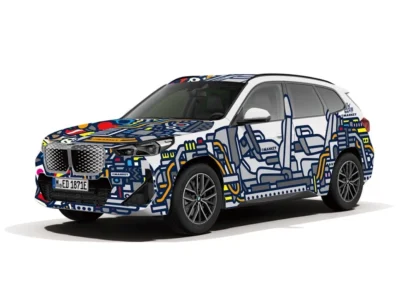
MANKEY’s Creative Theory: Drawing the BMW iX1 on Canvas – “The Earth is the Ultimate Material”
In the luminous galleries of Tokyo’s Azabudai Hills, where contemporary design converges with urban energy, […]