BTS x Oreo: The Global Purple Takeover Redefining Celebrity Snack

May 28, 2026
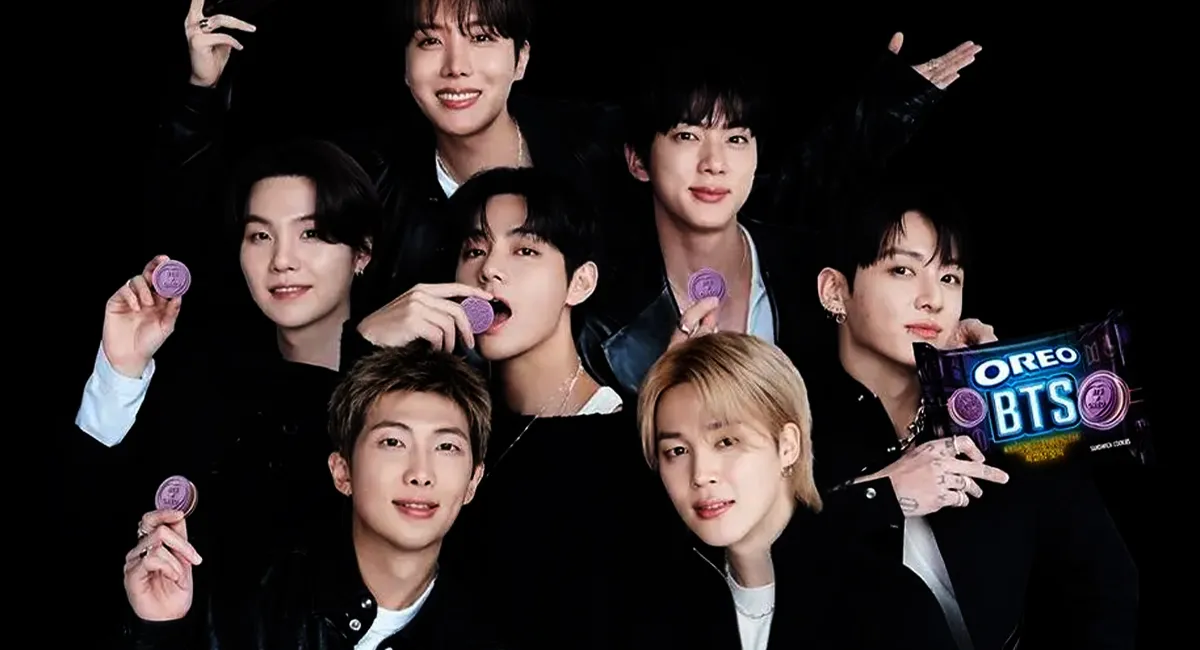
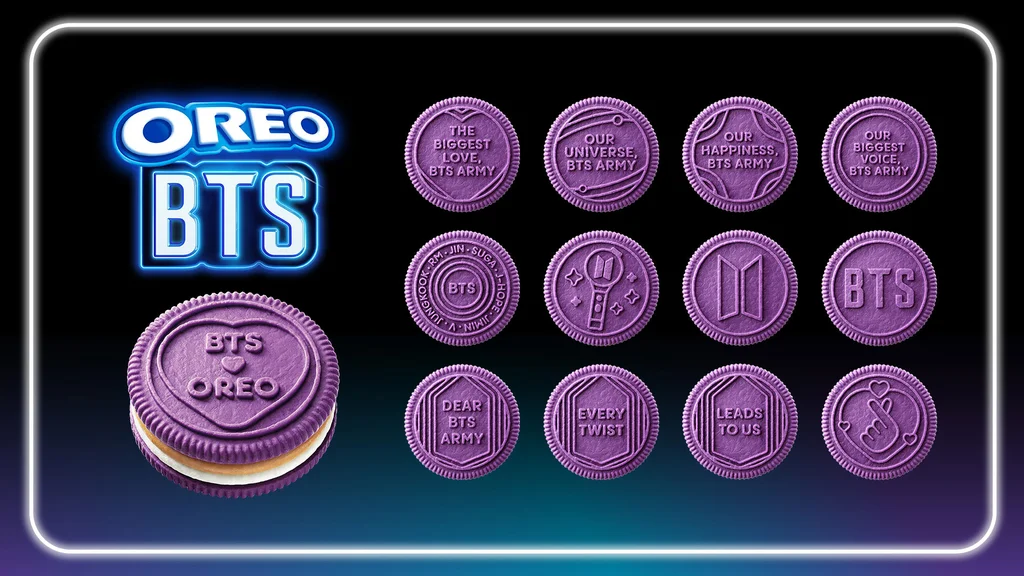
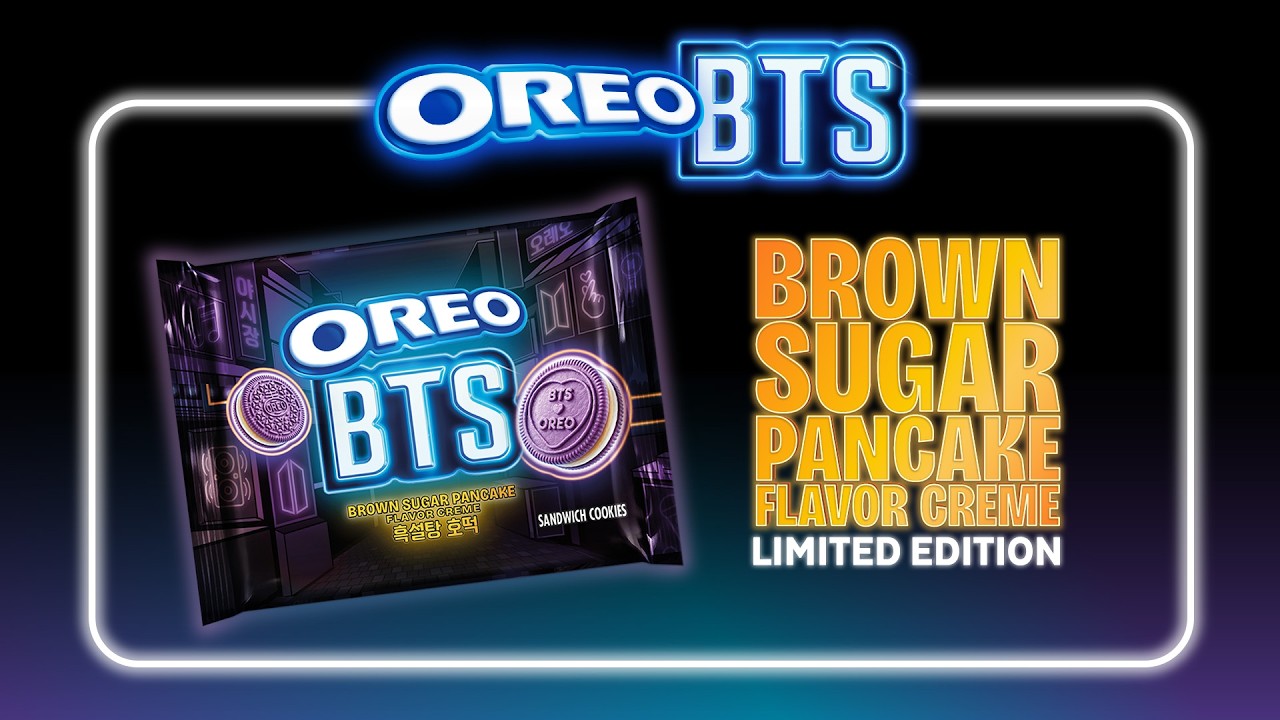
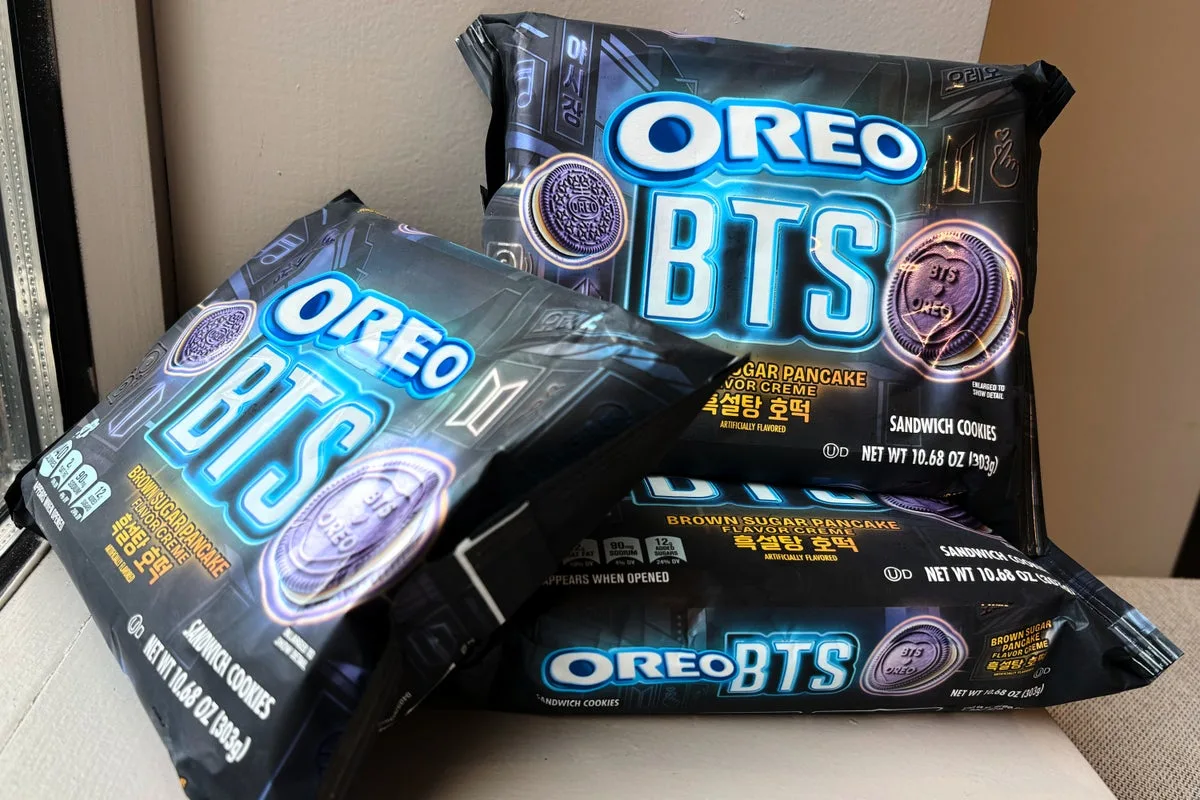
In a move that perfectly captures the intersection of global pop culture, nostalgia, and savvy marketing, Oreo and BTS have unveiled a limited-edition collaboration that is already generating unprecedented buzz. Announced on May 26, 2026, the OREO & BTS Cookies feature purple wafers (Oreo’s first-ever), a hotteok-inspired brown sugar pancake crème filling, and 13 unique embossments designed by the members themselves to celebrate 13 years since their 2013 debut. This isn’t just another celebrity snack tie-in—it’s positioned as BTS’s first global snacking partnership, rolling out across more than 80 markets starting June 8, with pre-sales on June 1.
flow
The cookies pay homage to hotteok, a beloved Korean street food—sweet, brown sugar-filled pancakes that BTS members have referenced as a childhood favorite and studio snack. The purple color nods to ARMY, BTS’s dedicated fanbase, whose signature hue has become a global symbol of loyalty. Each pack includes collectible elements: embossments with member names, BTS symbols (like the lightstick and heart hands), messages such as “Dear BTS ARMY,” and even hidden messages when certain cookies are combined. QR codes on packaging unlock digital experiences, prizes, or ways for fans to send messages to the group.
This limited run is engineered for scarcity and virality. Early indications from social media and pre-order hype suggest it will sell out rapidly, much like previous high-profile Oreo drops.
collide
To know the potential scale, consider the unique strengths each brings. Oreo, owned by Mondelēz International, is the world’s best-selling cookie, moving over 92 million per day historically and dominating snack aisles globally. Its limited-edition strategy has proven highly effective—flavors tied to pop culture (Lady Gaga, Post Malone, Marvel, Star Wars) drive incremental sales, boost core product visibility, and create earned media worth millions. Past collaborations like Supreme saw resale prices skyrocket, turning packaging into collector’s items.
BTS, meanwhile, operates on another level. The group has generated an estimated $5 billion annually for South Korea’s economy through direct and indirect impacts—tourism, exports, and brand endorsements. Their partnerships (Samsung, Hyundai, Louis Vuitton, McDonald’s) have produced measurable “BTS effects”: stock surges, sell-outs within hours, and search traffic spikes of 65-127% for partnered brands. Post-military service reunion in 2025-2026, their cultural capital is at an all-time high.
This collab combines:
- Mass-market accessibility (Oreo’s ubiquity in supermarkets worldwide) with premium fandom engagement(BTS’s ARMY, estimated at tens of millions, known for organized, high-volume purchasing).
- Global reach: 80+ markets surpass many previous K-pop tie-ins, which were often regional.
- Cultural authenticity: Unlike generic endorsements, BTS helped design it, infusing Korean heritage into an American icon. This resonates in an era of “glocalization”—brands succeeding by blending global appeal with local tastes.
- Timing: Released amid BTS’s comeback, capitalizing on pent-up demand after military hiatus.
Comparisons to other “biggest” collabs highlight its potential. Blackpink x Starbucks caused website crashes and instant sell-outs in Asia. McDonald’s BTS meal drove global lines and menu innovations. Yet Oreo’s scale as a daily staple, combined with BTS’s first global snack deal, positions this differently. It’s not a one-off event meal but a shelf-stable product entering mainstream snack culture.
Industry analysts note that successful celebrity-food collabs can generate $100M+ in incremental revenue when executed well. With Oreo’s proven lift from limited editions and BTS’s ability to mobilize fans across demographics (Gen Z, Millennials, and beyond, plus growing markets in Latin America, Southeast Asia, and the West), projections could easily exceed prior benchmarks. Social listening already shows millions of impressions, with hashtags trending and fan art flooding platforms.
fan
ARMY’s influence cannot be overstated. This is a community that has broken records for streaming, merchandise, and charitable giving. They treat endorsements as extensions of the artists they love, leading to organic amplification far beyond paid ads. Past BTS deals saw brands report not just sales spikes but long-term loyalty shifts, particularly among younger consumers seeking authenticity and cultural connection.
Oreo has leaned into playful, shareable marketing for years—think viral “Oreo cookie rituals” or social campaigns. Pairing that with BTS’s narrative depth (themes of youth, unity, self-love) creates emotional resonance. Fans aren’t just buying cookies; they’re collecting pieces of BTS history, supporting their idols’ cultural export, and participating in a global “movement” as described in the official release.
This taps into broader trends: the rise of “fandom economies,” where parasocial relationships drive purchasing. K-pop has normalized deep brand-artist integration, influencing everything from luxury fashion to fast food. BTS has elevated this, proving non-Western artists can move markets at scale.
eco
For Mondelēz, this is a strategic win in a competitive snack market. Limited editions combat commoditization, attract new demographics (K-pop fans who may not be core Oreo buyers), and generate buzz in key growth regions like Asia. Success here could validate even bolder global experiments.
For BTS and HYBE, it diversifies revenue beyond music/touring while reinforcing their “taste of home” narrative. It also boosts South Korea’s soft power—Hallyu continues expanding, with BTS as its flagship. Economists have long tracked the “BTS effect” on exports, tourism, and national pride; this collab adds another chapter.
Globally, it exemplifies how entertainment and consumer goods converge. In a fragmented media landscape, such partnerships cut through noise, creating shared cultural moments. Purple Oreos in U.S. stores, Seoul, São Paulo, and beyond symbolize interconnected fandom.
length
Potential hurdles include supply chain strain from hype-driven demand, ensuring consistent quality across markets, and navigating cultural sensitivities. Limited runs risk alienating some fans, though pre-orders and wide distribution mitigate this.
If it delivers—strong sell-through, positive reviews, sustained social momentum—this could redefine benchmarks. Future collabs might aim for similar hybrid models: artist co-creation + mass retail + digital collectibles.
Oreo has thrived for over a century by evolving—twist, lick, dunk rituals, flavor innovations, digital-first campaigns. BTS redefined global pop by blending genres, languages, and messages. Together, they represent the pinnacle of 21st-century branding: authentic, scalable, and fan-centric.
fin
As pre-orders launch and shelves stock up in June 2026, the world watches. Will BTS Oreos become the definitive collab of the decade? Early signals—media coverage from Forbes, Billboard, CNN, and explosive social engagement—suggest yes. It’s more than cookies; it’s a culture handshake between America’s snack king and K-pop’s global ambassadors, proving that the biggest brands thrive by embracing the biggest social forces.
Related Articles

Rose Byrne and Mary Bronstein Are Doing It Again, and This Time They Brought Jenna Ortega
A coach and her prodigy are about to become the most dangerous relationship in a […]