DRIFT AUDIO
Listen to this story
Choose a voice, then press play.
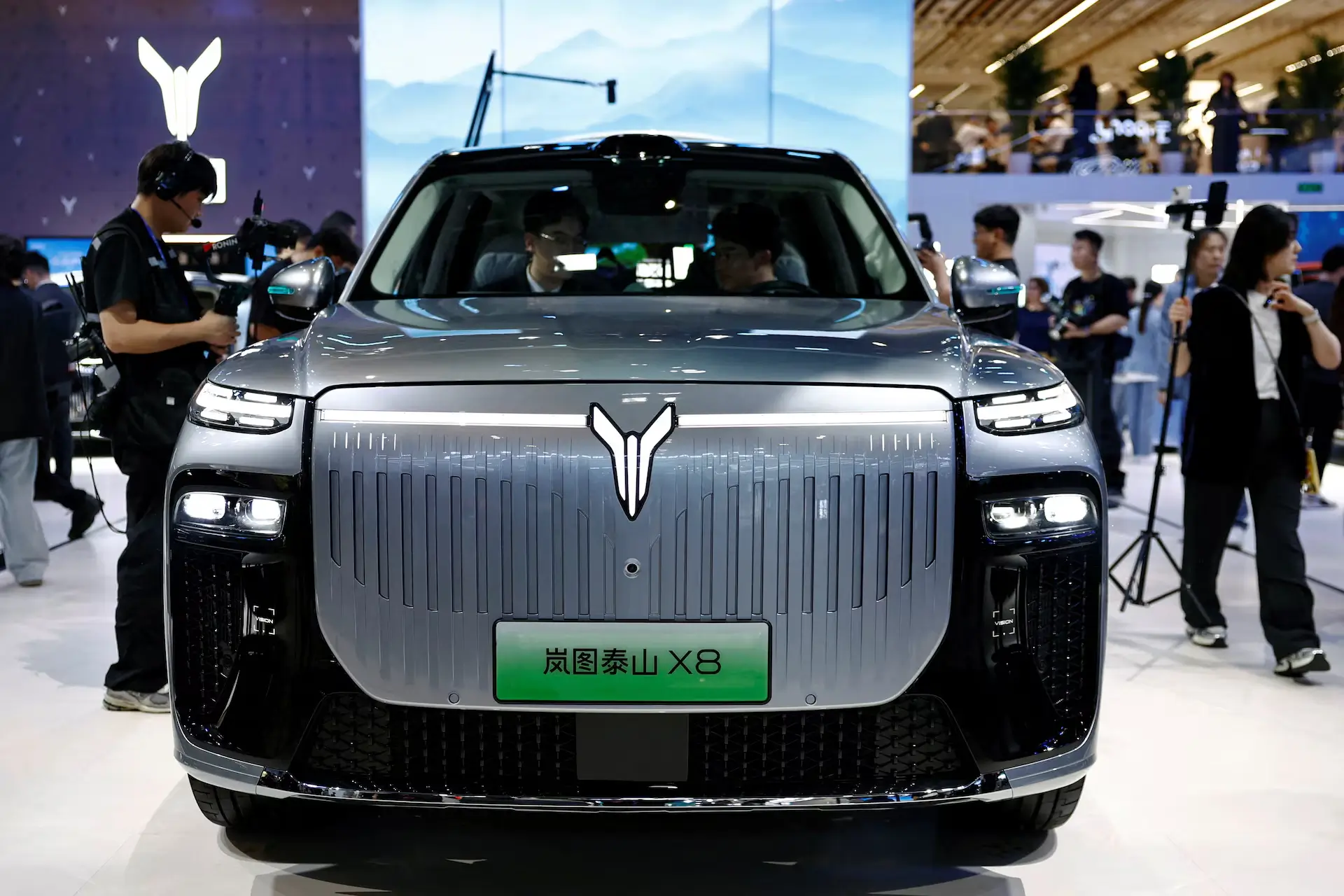
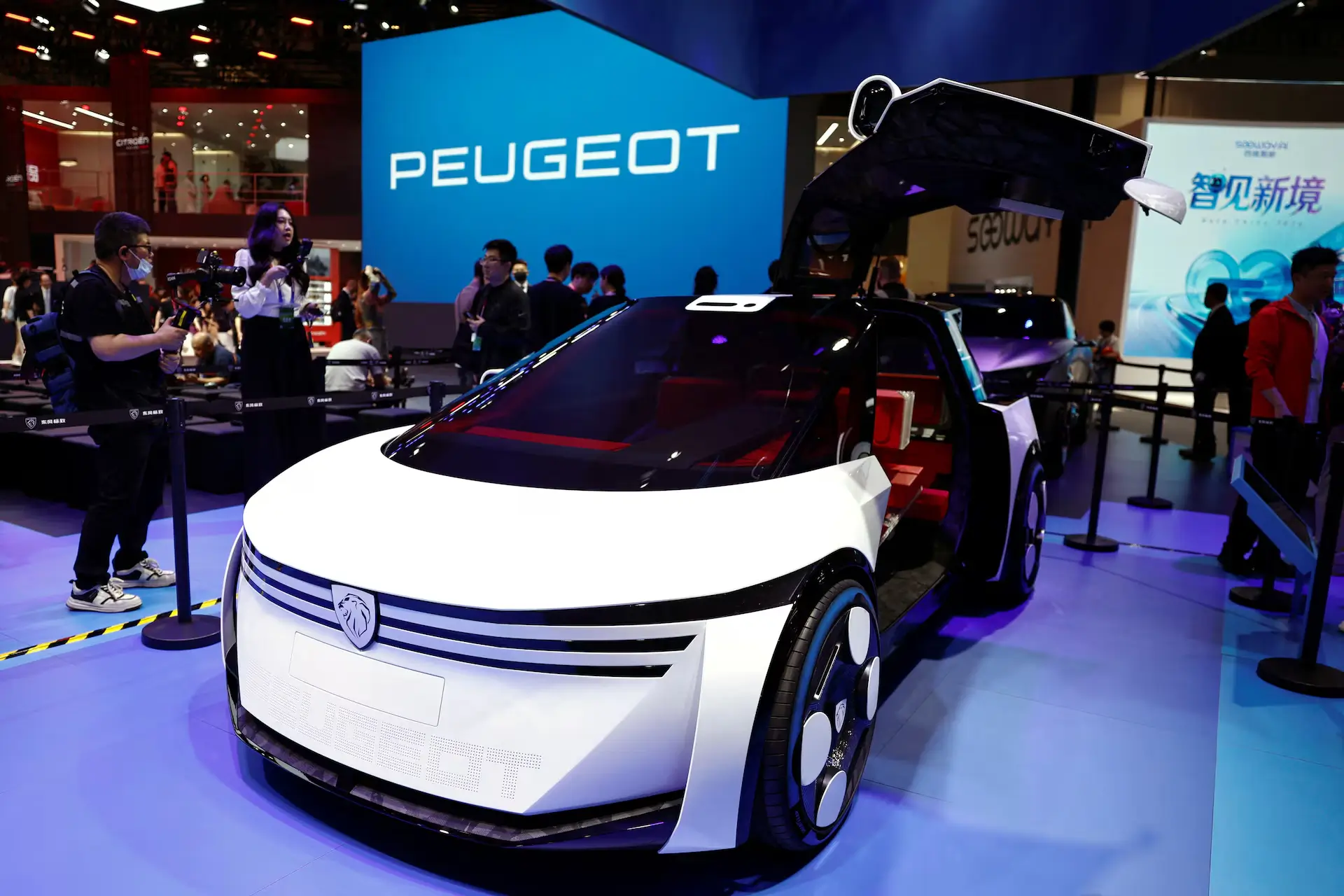
The Beijing Auto Show showcases China’s latest electric vehicles equipped with artificial intelligence systems, futuristic interiors and technology that’s reshaping the global automotive industry.
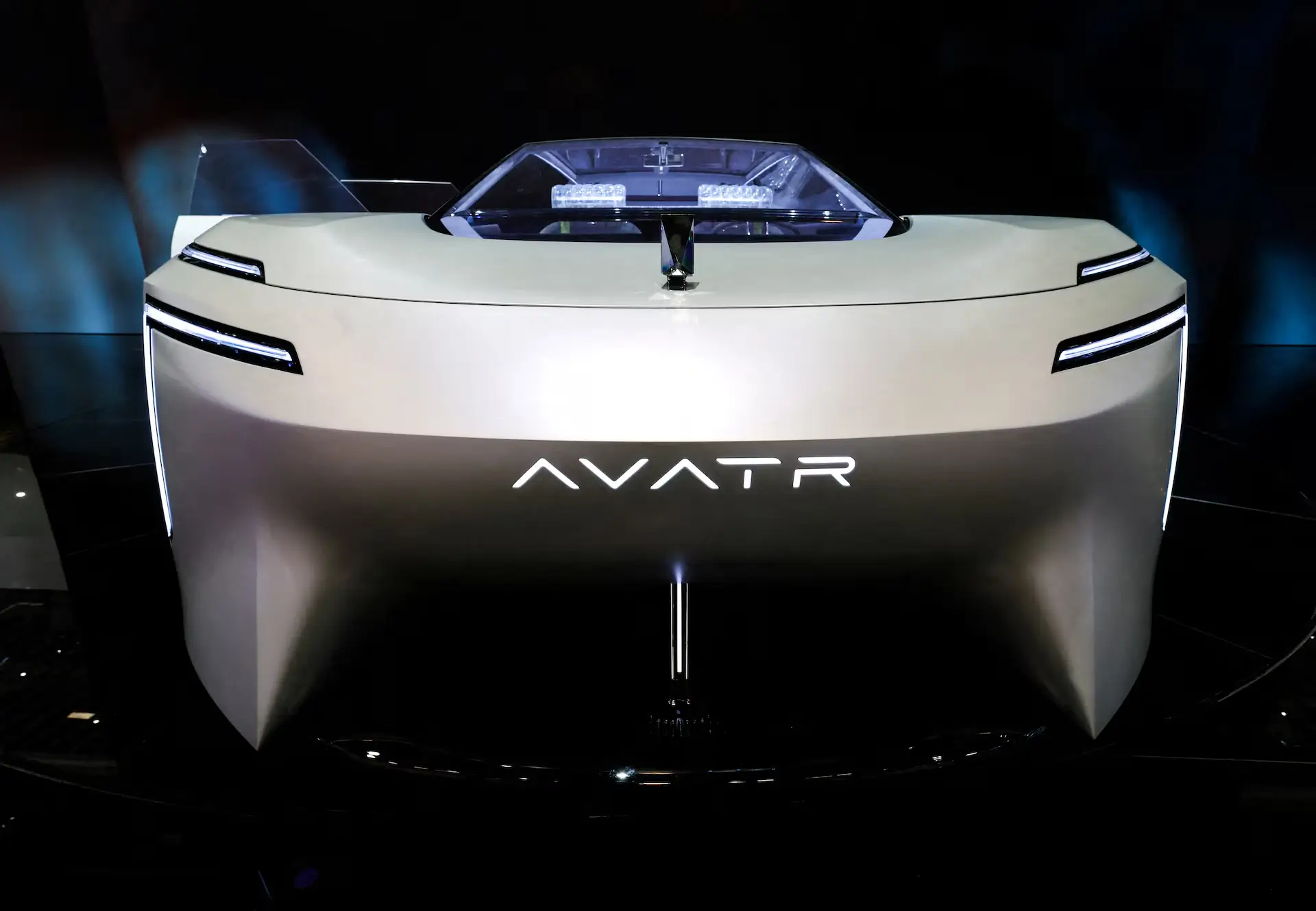
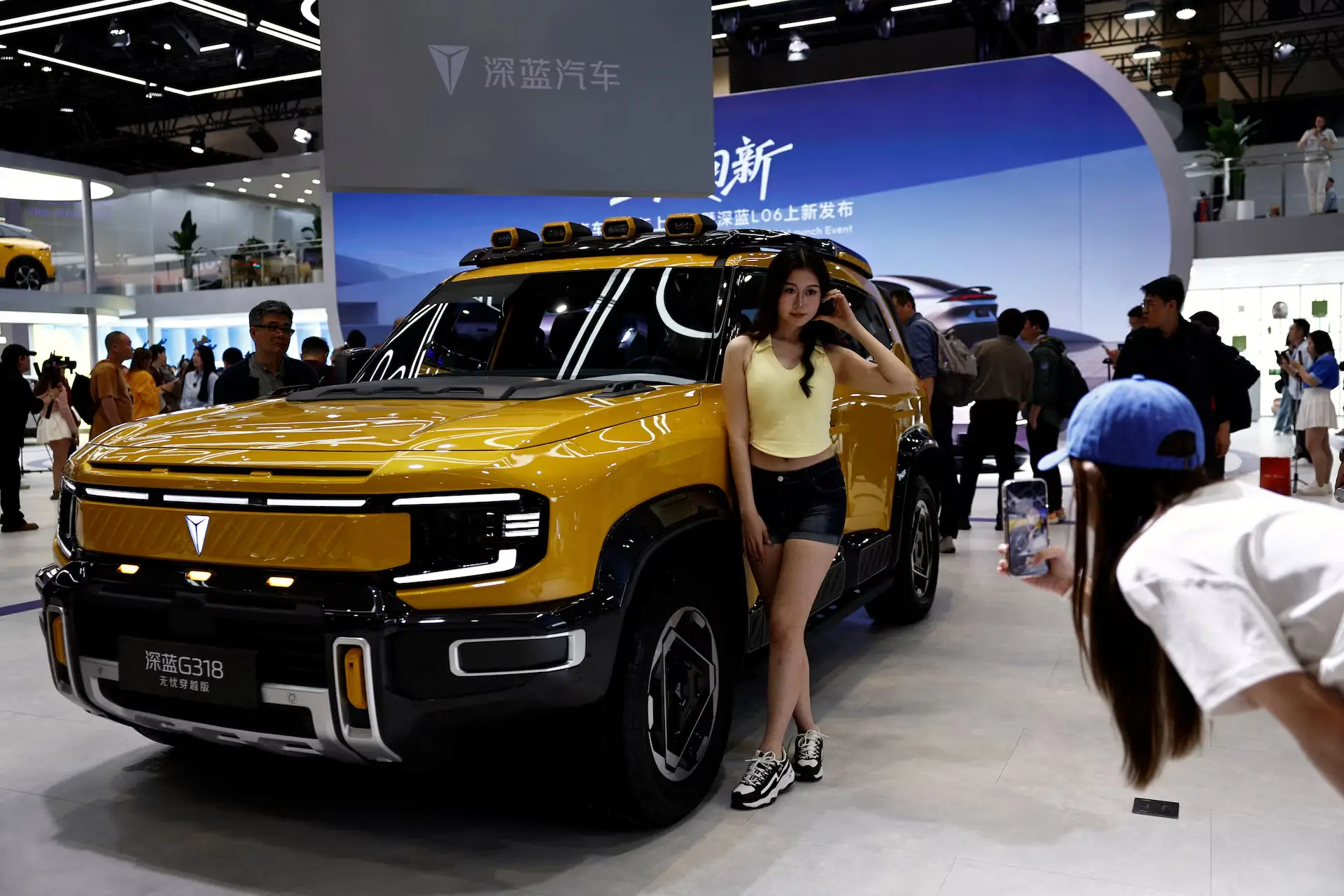
The 2026 Beijing International Automotive Exhibition (Auto China 2026), running from April 24 to May 3, has transformed into a swell and stark showcase of intelligence over horsepower. With the official theme “Future of Intelligence,” the world’s largest auto show by scale—spanning 380,000 square meters and featuring 1,451 vehicles, including 181 global debuts and 71 concepts—highlights how China automakers are pivoting from pure electrification to AI-integrated mobility. Vehicles are no longer just transport; they are becoming smart terminals, robotaxis, and extensions of human intent powered by massive computing, large language models (LLMs), and physical AI.
This shift marks China’s next automotive revolution: moving beyond range anxiety and battery wars into an era where software, autonomy, and embodied intelligence define competitive edges. Domestic brands dominate with aggressive innovation, while global players partner locally to keep pace.
stir
Held at the China International Exhibition Center, the show buzzes with humanoid robots, robot dogs, dancing cars, and immersive tech demos. Over 100 brands compete, but the spotlight shines on new-energy vehicles (NEVs) featuring AI-driven cockpits, end-to-end autonomous systems, and ultra-fast charging that works even in -30°C conditions.
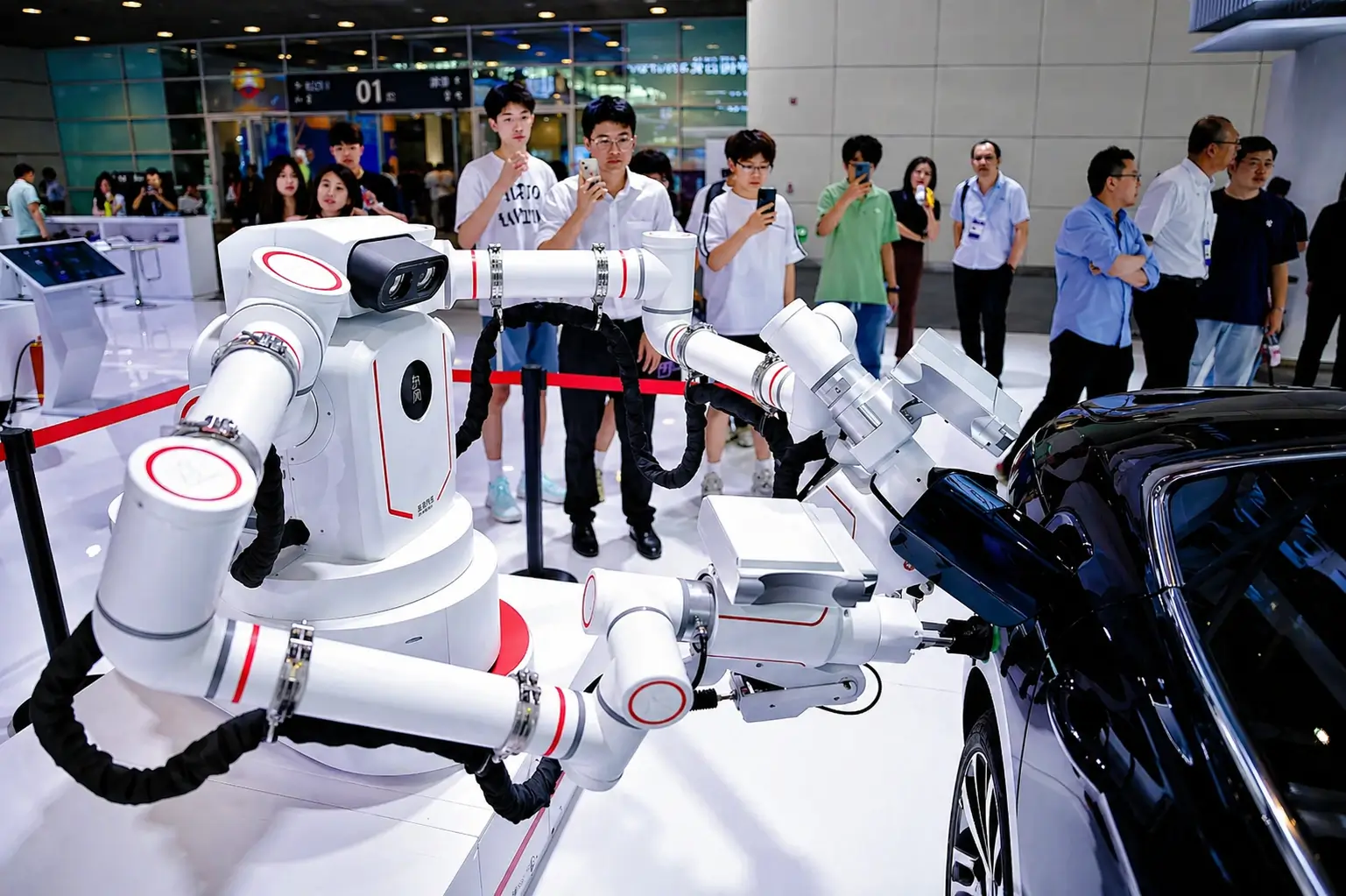
Physical AI—where artificial intelligence interacts with the physical world through vehicles, robots, and more—emerges as a dominant narrative. Companies showcase not isolated features but unified ecosystems blending driving, cabin intelligence, and robotics.
flow
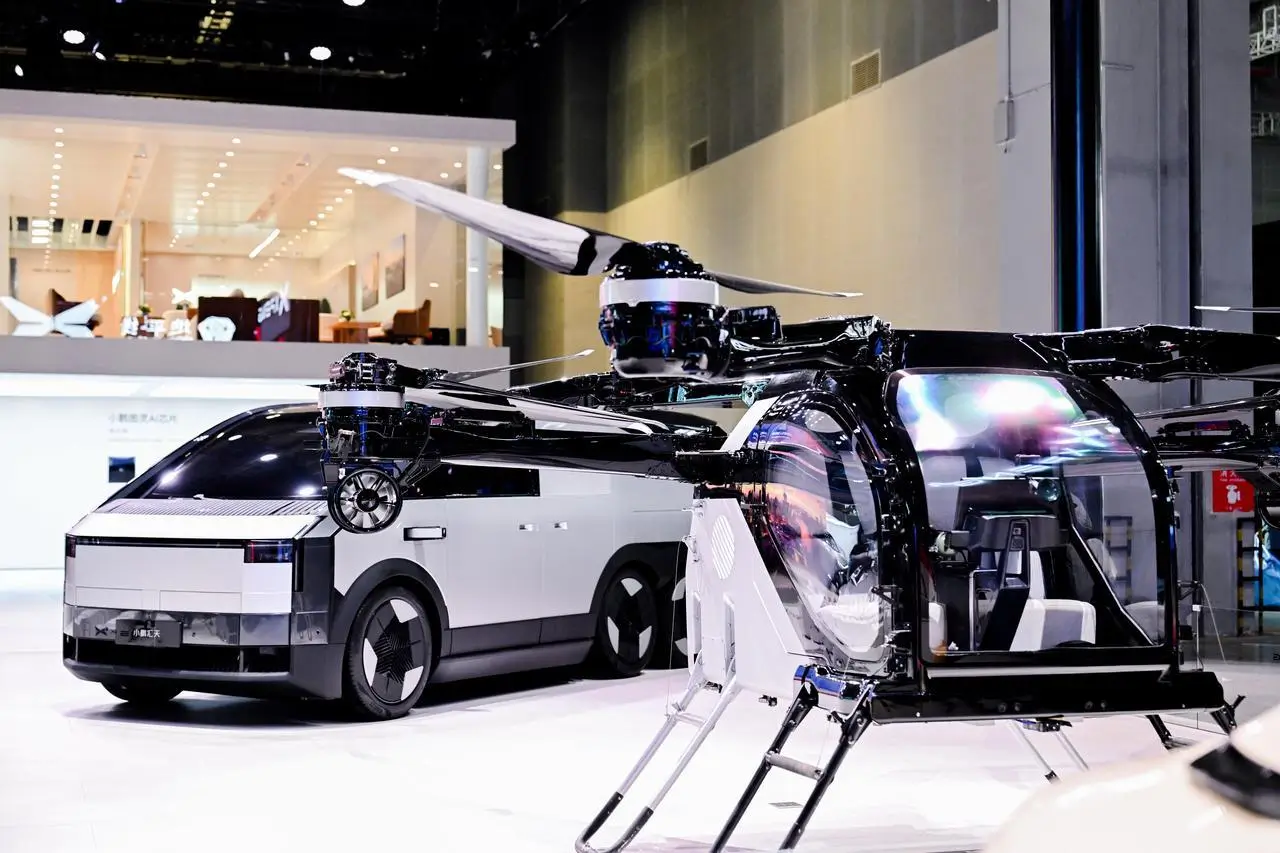
XPeng’s Physical AI Ecosystem: XPeng stands out with its VLA 2.0 intelligent driving system and full-stack physical AI push. The company unveiled models like the GX six-seater SUV equipped with four self-developed Turing AI chips delivering 3,000 TOPS of computing power. Features include map-free urban navigation, autonomous campus roaming, and robotaxi-ready hardware redundancy. XPeng’s Mona UltraSE broadens access to advanced autonomy for younger buyers. CEO He Xiaopeng emphasized the transition to “physical AI,” with vehicles already testing on public roads in Guangzhou.
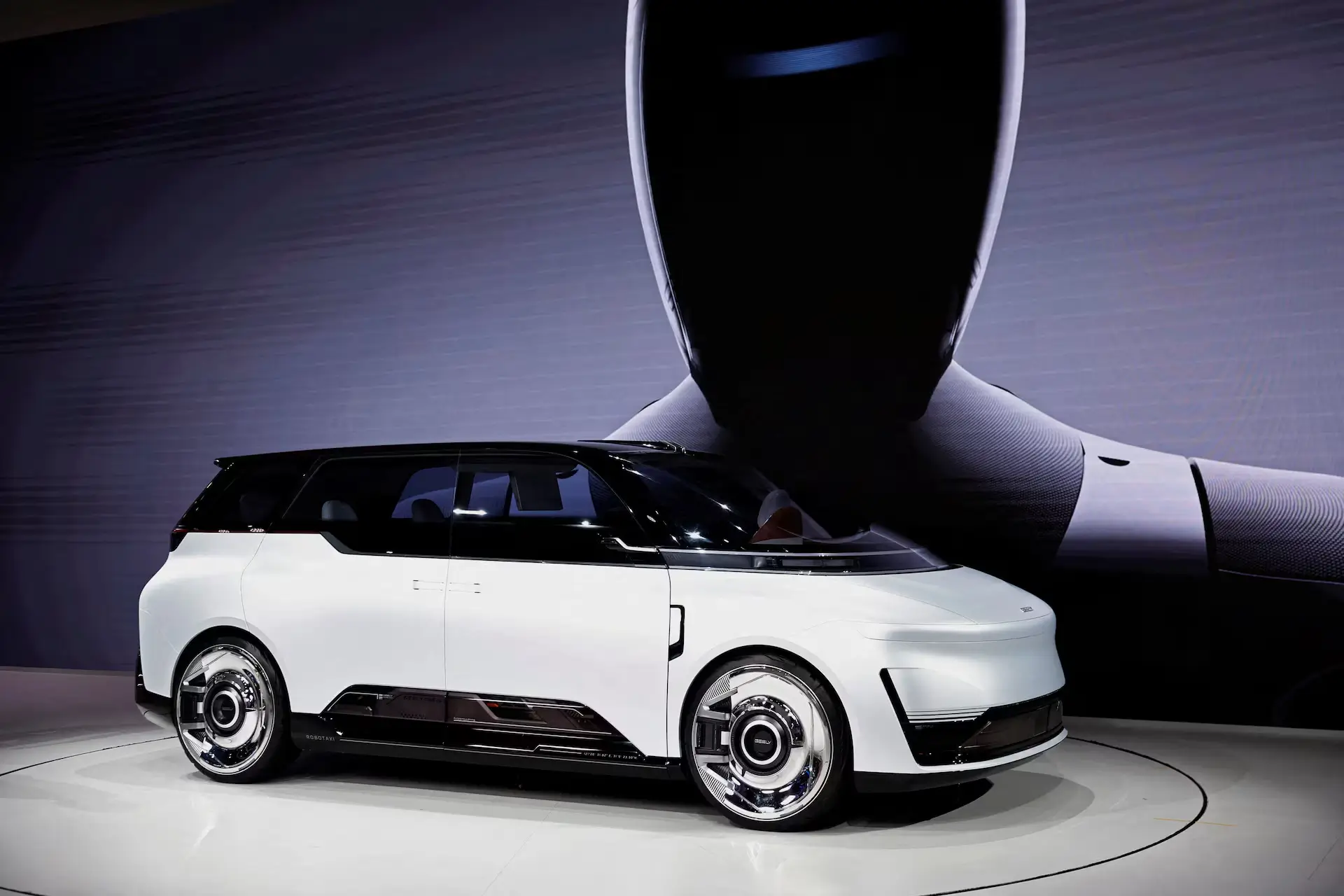
Geely and Zeekr: Geely’s full-domain AI 2.0 system powers concepts like a pillarless robotaxi with luxurious lounge interiors and “Drives To You” capabilities. Their Galaxy Light platform boasts over 3,000 TOPS computing. Humanoid robots guard booths, underscoring embodied intelligence.
Huawei’s Ecosystem: Huawei debuts as an independent brand cluster with Harmony Space 6 cockpit and models like the Yijing X9 and Qijing GT7 (developed with partners like Dongfeng and Beijing Auto). Their Celia AI agent handles vague voice commands—e.g., routing to “that restaurant from last Tuesday”—while ADS systems promise 50% collision reduction. Centralized computing architectures integrate driving and cabin AI seamlessly.
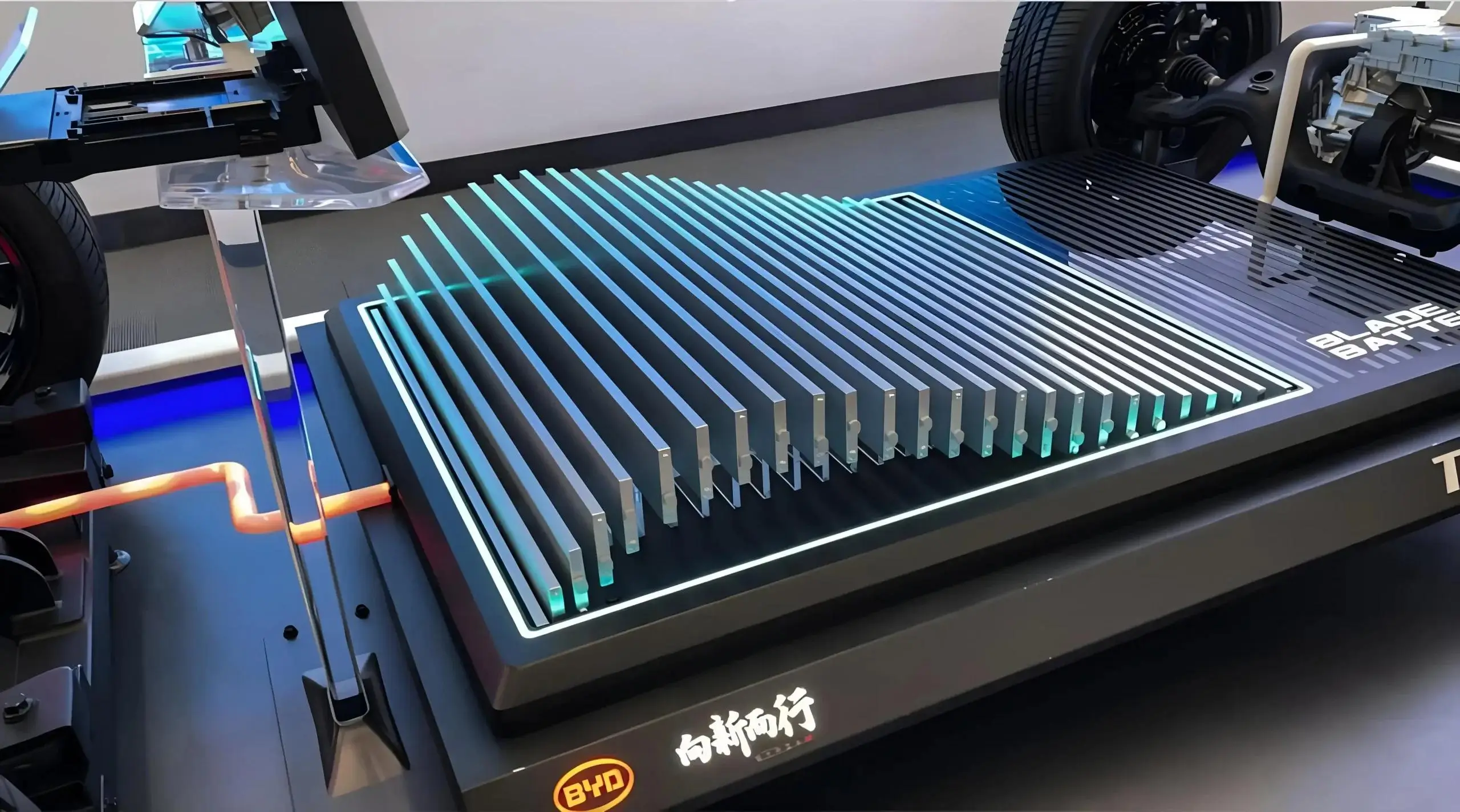
BYD’s Tech Dominance: BYD’s massive hall features Blade battery advancements, megawatt fast-charging (e.g., 20-97% in 12 minutes at extreme cold), and family-oriented concepts like the Ocean-V with AI-based cabin-drive integration. Their Cine series SUVs emphasize presence and practicality. A giant freezer demo highlights real-world performance.
Other Notables:
NIO: Active suspension syncing with humanoid robots; Firefly and multi-brand presence.
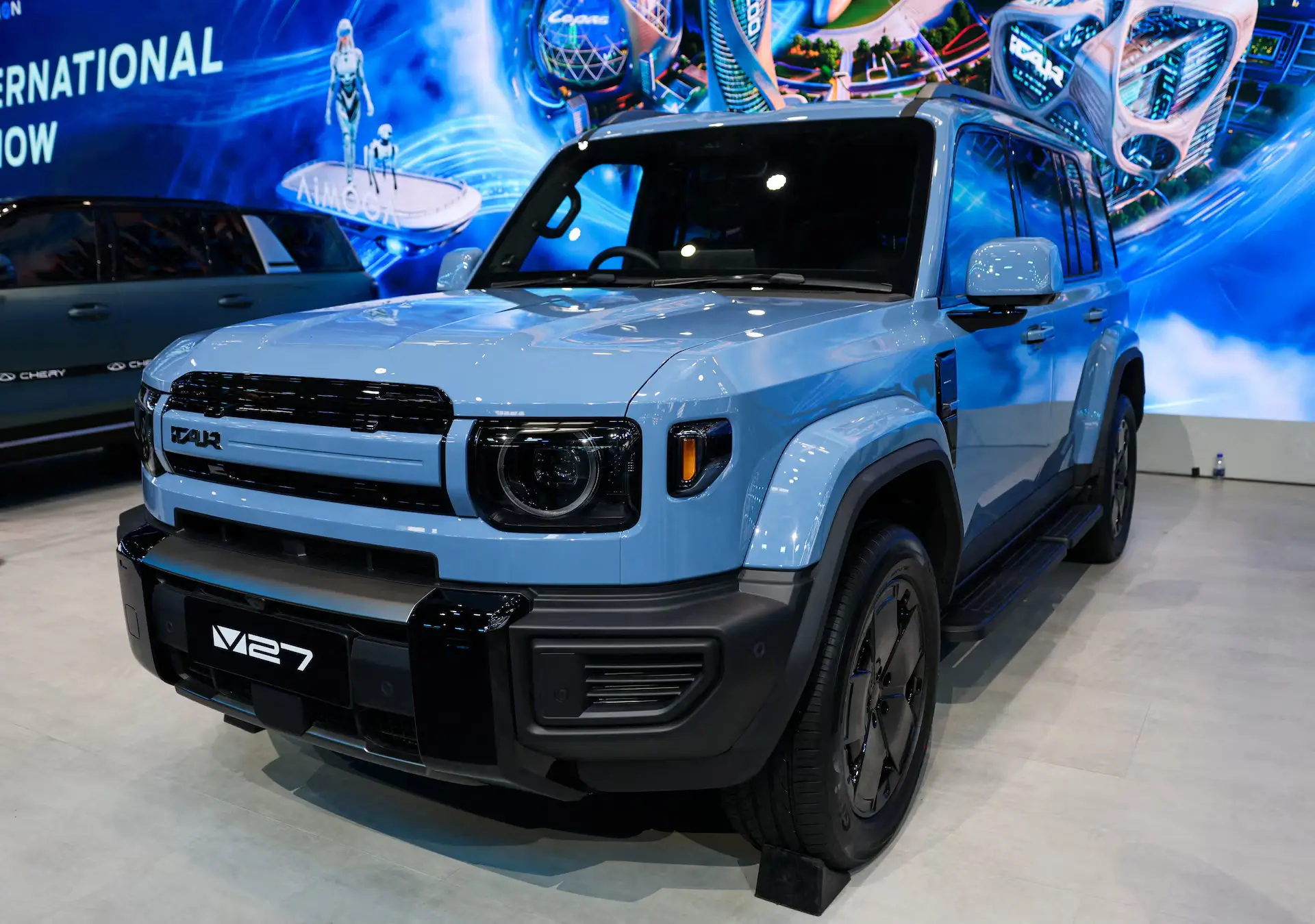
Chery/iCar: RoBox concepts and AI applications via Volcano Engine partnerships.
Xiaomi: Aero GT concept and SU7 advancements.
within
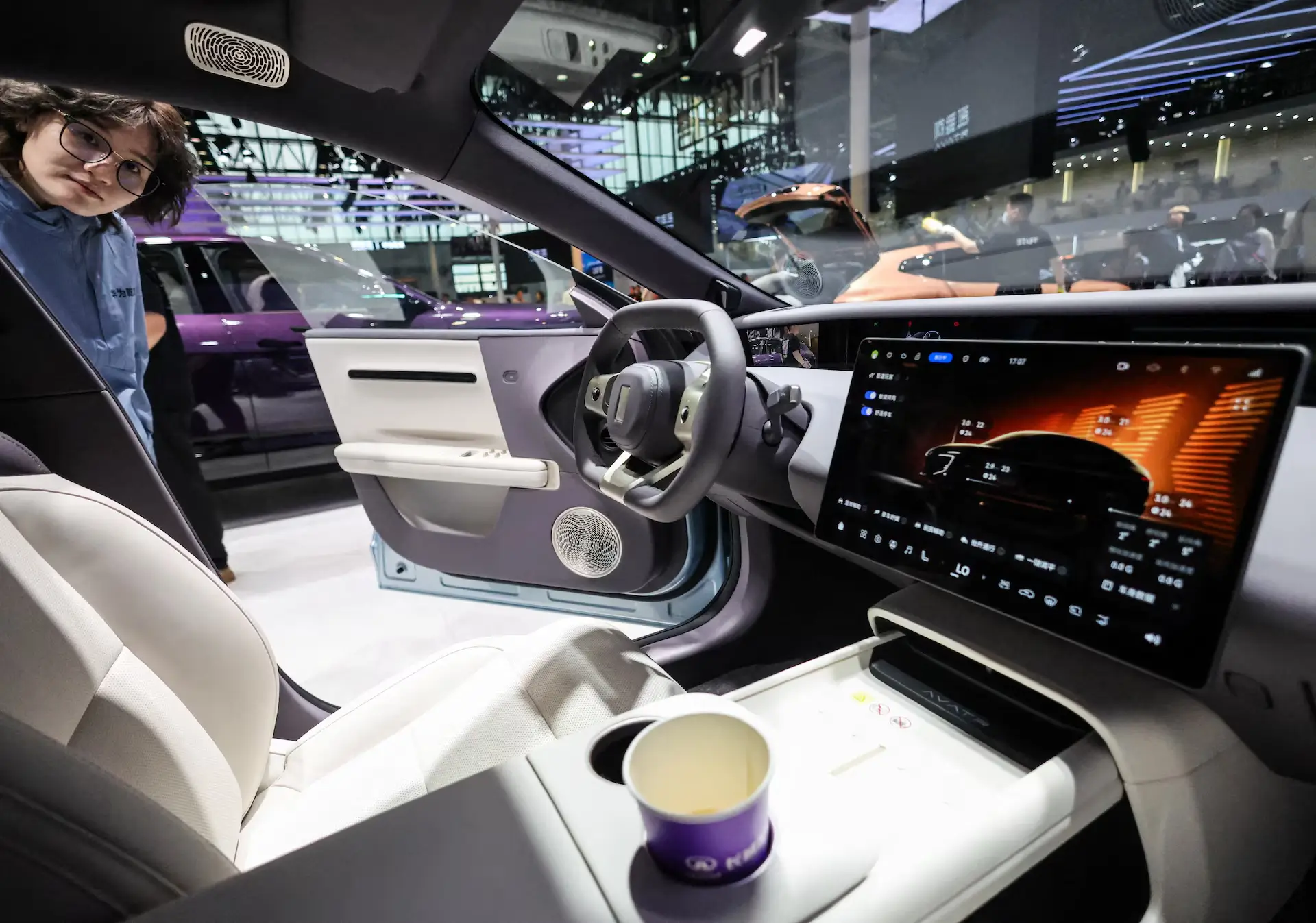
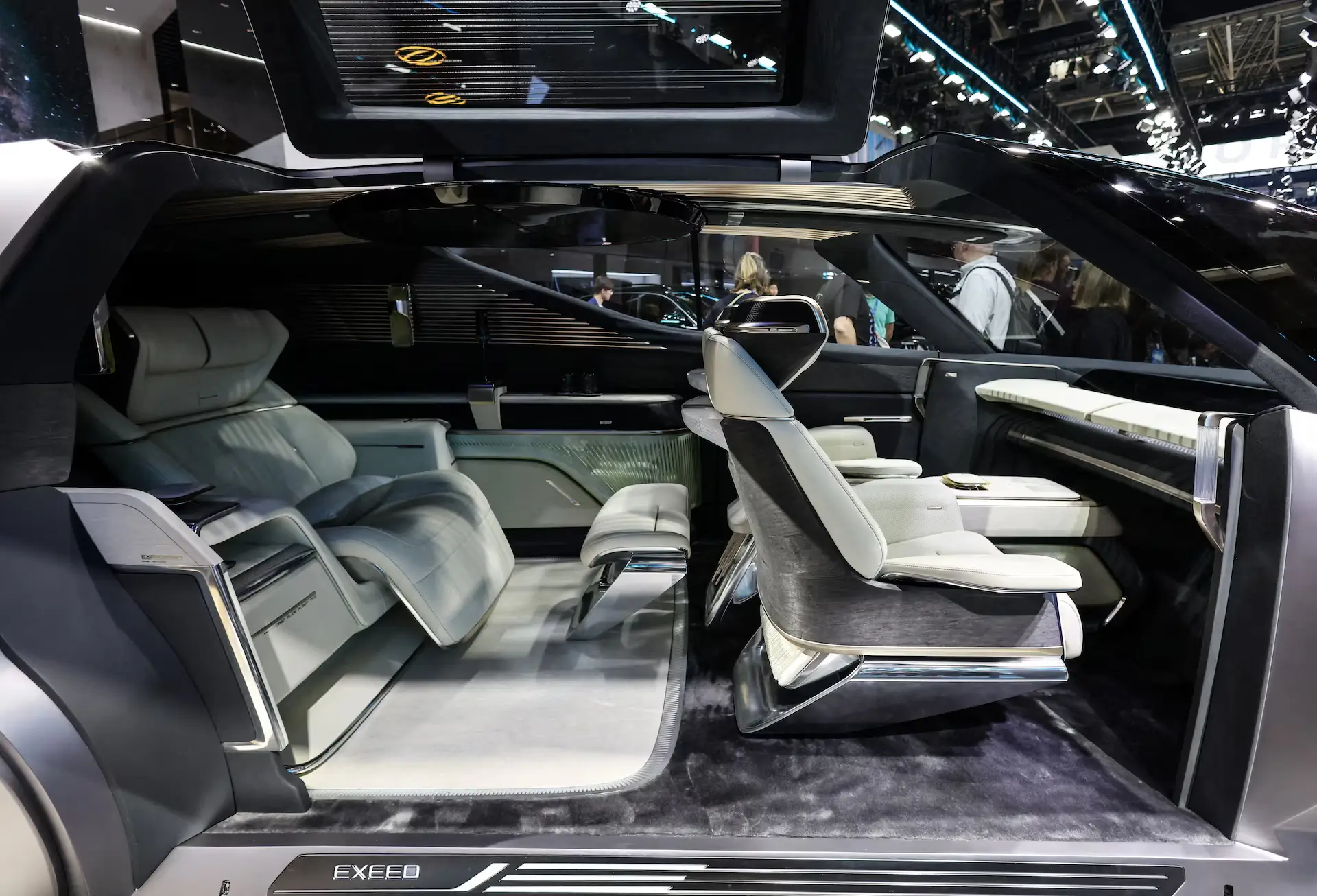
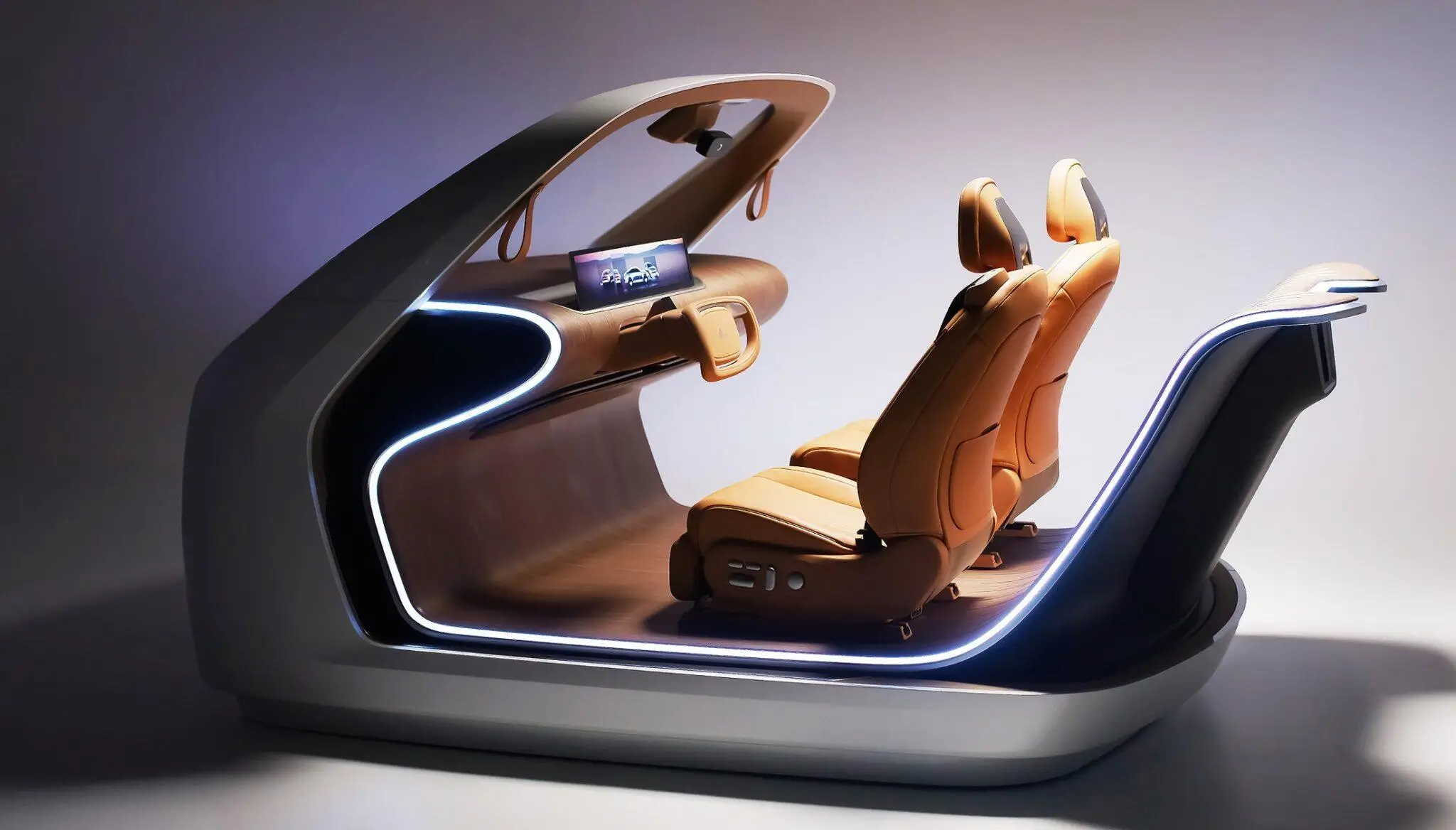
Interiors steal the show with “cabin-drive integration.” Expect cocoon-like sofas, full-length glass roofs, steer-by-wire X-shaped wheels, panoramic displays, and multimodal AI that anticipates needs without wake words. Features include onboard cinemas, built-in toilets in some luxury variants, proactive climate/ambient lighting, and LLM-powered assistants for everything from navigation to entertainment.
HarmonyOS-based systems from Huawei, Geely’s AI 2.0, and others create unified platforms where one 650+ TOPS chip handles both driving and cabin intelligence. Voice, vision, and gesture controls fuse for seamless experiences. Many concepts target women buyers with luxury, practicality, and personalization.
extent
China’s NEV market leads globally despite softening domestic demand and price wars. The show underscores export ambitions and tech self-reliance amid international tariffs. Overcapacity drives innovation in software and services for higher margins. Physical AI and robotics signal ambitions beyond cars—into smart mobility ecosystems.
Global OEMs adapt: partnerships with XPeng, Huawei, and CATL bring Chinese tech to VW, BMW, and others. Legacy players once dictated trends; now they integrate local intelligence to compete.
pressure
Intense competition risks consolidation. Regulatory hurdles for higher autonomy (L3+ to robotaxis) persist, though testing accelerates. Quality, aftersales, and data privacy remain focus areas. Internationally, IP concerns and tariffs complicate exports, yet Southeast Asia, Middle East, and emerging markets offer growth.
Optimistically, unified AI architectures, cost efficiencies from vertical integration (batteries, chips, vehicles), and rapid iteration position China as the pacesetter. By integrating LLMs, end-to-end neural networks, and physical embodiments, cars evolve into intelligent companions.
fin
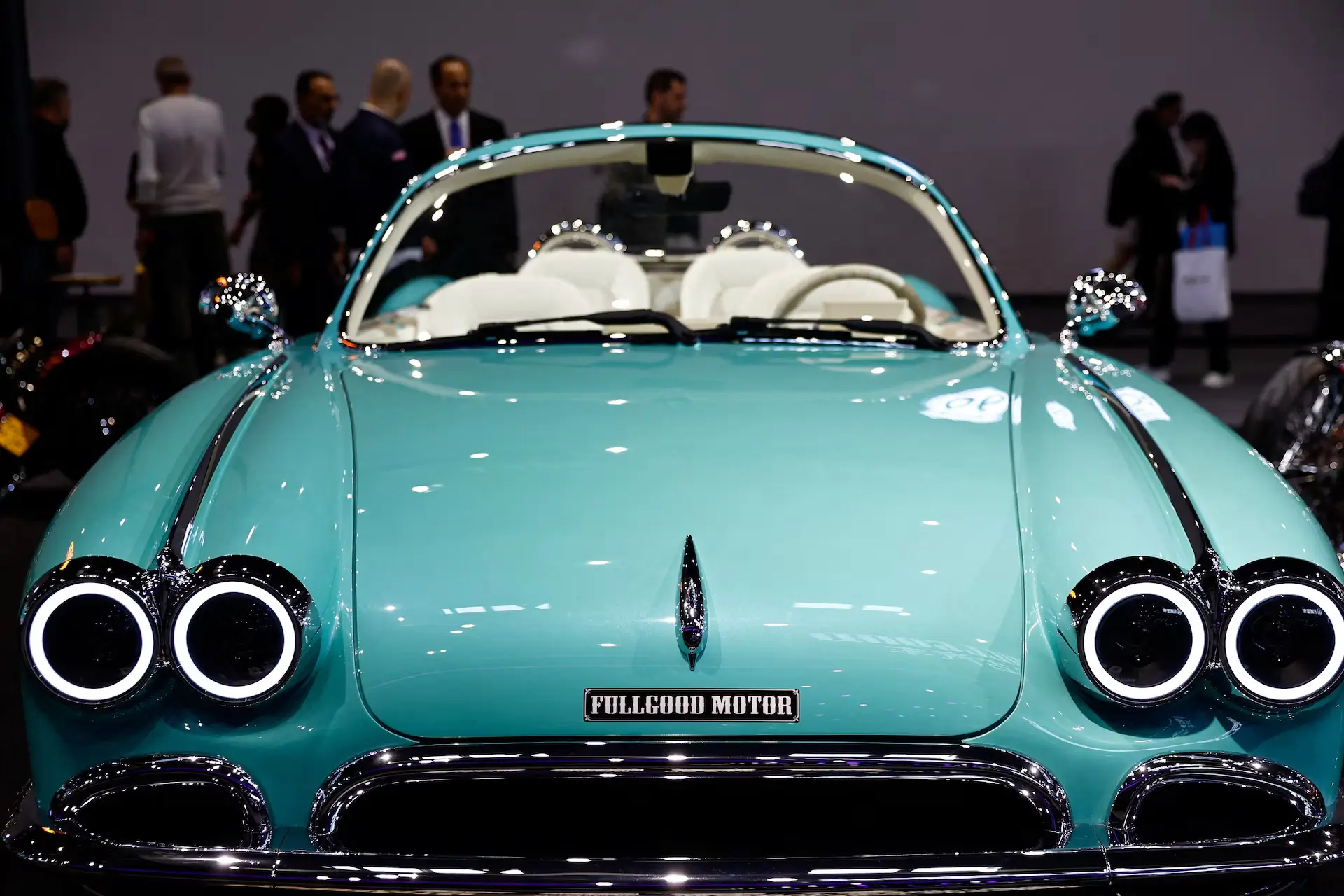
Auto China 2026 captures a pivotal moment: EVs were phase one; AI-defined mobility is phase two. From retro Fullgood displays nodding to heritage amid futuristic halls, to robotaxis and AI agents, the show reveals a confident industry reshaping global standards. Vehicles here don’t just move people—they understand, anticipate, and interact with the world.
As China exports this dirigible, the automotive revolution extends worldwide. The Beijing show isn’t merely about new cars—it’s a declaration that intelligence, not just electricity, powers the future of driving. In halls alive with lights, robots, and possibility, the message is clear: the revolution is intelligent, integrated, and unmistakably Chinese-led.
n
From the DRIFT archive: LEGO unveils buildable replica of the coveted FIFA World Cup trophy ahead of 2026 kickoff