Gen Z’s Dream Life Exists Only in Video Games: Tomodachi Life, Animal Crossing, The Sims, and Other Methods of Escapism
May 6, 2026
0
DRIFT AUDIO
Listen to this story
Choose a voice, then press play.
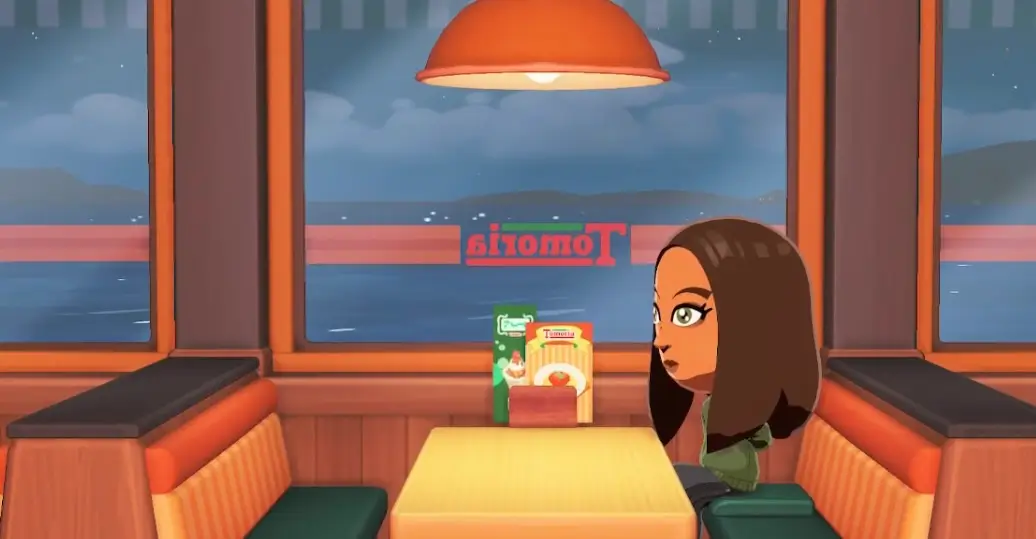
In case you somehow missed it, Nintendo released the highly anticipated Tomodachi Life: Living the Dream on April 16, 2026. The game first appeared in Nintendo’s catalogue back in 2009, but at the time it was a Japan-exclusive release and never made it to the global market.
It wasn’t until 2013, with the launch of Tomodachi Life, that the game became a viral phenomenon worldwide thanks to its meta absurdity, Japanese humour, and the carefully orchestrated chaos that defines it. Only in Tomodachi Life: Living the Dream can Michael Jackson and PinkPantheress become best friends, the social media editor of nss G-Club fall in love with Jennie from BLACKPINK, and Sergio Mattarella end up living under the same roof as Gojo Satoru from Jujutsu Kaisen.
It’s a surreal world where, paradoxically, the player has almost no control, despite being able to decorate the island however they like. A corner of digital escapism that, for this exact reason, is so beloved by Gen Z.
stir
Reality tells a harsher story. As of 2025, only about 27% of adult Gen Zers between 19 and 27 own homes, a rate significantly lower than previous generations at the same age. High prices, elevated mortgage rates, student debt, and stagnant wages relative to costs have made homeownership feel like a distant fantasy for many. Surveys show 67% of Gen Z adults struggle with housing costs, while 84% are delaying major life milestones — marriage, children, even pet ownership — simply to save for a down payment.
Enter the games. In Animal Crossing: New Horizons, players pay off their house loans to Tom Nook and slowly customize every inch of an idyllic island paradise. In The Sims 4, sprawling mansions, home theaters, pools, and impossible dream interiors can materialize in minutes. Tomodachi Life: Living the Dream pushes this even further, letting players populate entire islands with Miis inspired by friends, celebrities, internet personalities, or entirely fictional creations, all living inside apartments and homes shaped by the player’s imagination. These spaces exist without property taxes, HOA fees, or catastrophic repair bills.
This is not just nostalgia wrapped in pixels. It’s wish fulfillment structured around control. Gen Z grew up inside the aftershocks of the 2008 financial collapse, escalating urban rents, and endless discourse surrounding economic instability. Cozy life simulators offer something increasingly rare offline: permanence, predictability, and ownership. You decide the layout, the atmosphere, and the community. No landlord suddenly raises the rent. No algorithm decides who belongs in the neighborhood.
theory
The appeal goes deeper than affordability fantasies. These games recreate community structures that modern life increasingly struggles to sustain. Post-pandemic isolation, remote work culture, and the fragmentation of social spaces have left many younger adults searching for softer, low-pressure environments to exist inside. Animal Crossing: New Horizons creates gentle daily rituals where neighbors wave hello, attend island events, and casually exchange gifts. Tomodachi Life: Living the Dream amplifies the unpredictability: Miis form relationships, start arguments over trivial preferences, launch bands, perform concerts, and spiral into absurd dream sequences.
Sociologists often refer to “third places” — environments outside work and home where people casually gather, like cafés, parks, bowling alleys, or bookstores. For Gen Z, many of those spaces have either disappeared or become financially inaccessible. Remote culture, rising costs, and algorithmic online interaction have replaced physical gathering points with fragmented digital feeds. Increasingly, portable gaming devices step into that absence.
@jadeeeplays city living will forever be one of my favorite expansion packs 🤍 original rooftop loft by marmeladart (cc free build) with renovations by me #thesims #thesims4 #sims4tok #sanmyshuno #sanmyshunoapartment #sims4cityliving #simself #rooftoploft #sims4apartment #simscontent #sims4letsplay #sims4gameplay #jadeeeplays ♬ Binz – Solange
The Nintendo Switch becomes a kind of handheld sanctuary. Docked at home or played during a subway commute, it transforms into a miniature social environment players can revisit daily. Open Tomodachi Life: Living the Dream after a difficult shift, check in on your Miis, solve a few strange requests, laugh at a bizarre interaction, and suddenly an hour disappears. It functions as background comfort without becoming emotionally exhausting.
The same logic fueled the explosive popularity of Animal Crossing: New Horizons during lockdowns. Players hosted virtual weddings, created fantasy landscapes, traded turnips like a sanitized stock exchange, and used real-time seasonal cycles to build routines during uncertainty. Meanwhile, The Sims 4 grants near-total authorship over domestic life itself, allowing players to construct careers, relationships, betrayals, and entire alternate realities without real-world consequences.
why
Several emotional and cultural pressures converge inside the popularity of cozy simulators:
Economic Anxiety Relief
Virtual ownership counters real-world precarity. Saving for property offline can feel endless; achieving the same dream digitally can happen within a single play session.
Creative Agency
Customization becomes a form of self-definition. Outfits, interiors, personalities, routines, landscapes — everything is adjustable in a culture increasingly shaped by algorithmic homogenization.
Social Simulation Without Pressure
Real-world friendships often require scheduling, emotional labor, and social stamina. Games provide low-stakes interaction where connection feels immediate and manageable.
Nostalgia and Whimsy
Miis and exaggerated Nintendo humor reconnect players with childhood absurdity. Food fights, chaotic dream logic, and surreal dialogue offer emotional lightness rarely found in prestige AAA gaming.
Mental Health Utility
Many players frame cozy simulators as forms of active rest. They deliver dopamine and emotional decompression without the overstimulation of competitive online ecosystems.
scope
Critics occasionally dismiss these experiences as infantilizing escapism, but that interpretation misses the deeper cultural function they serve. These games are not replacing ambition or political awareness; they are emotional recovery spaces operating inside an unstable economic landscape. Many Gen Z players balancing side hustles, freelance careers, activism, and burnout still return nightly to pixelated islands and simulated apartments because those spaces provide something reality increasingly withholds: softness, absurdity, and control
xp
Nintendo’s positioning of Tomodachi Life: Living the Dream feels remarkably calibrated for this exact cultural moment. Enhanced customization, improved performance on the Switch ecosystem, and broader global accessibility place it directly inside the growing appetite for comfort-driven simulation games. Early reception suggests the title understands precisely what audiences missed: unfiltered weirdness paired with emotionally low-stakes play.
Of course, digital islands are not substitutes for affordable housing, functional cities, or meaningful public spaces. No virtual apartment resolves real economic inequality. But these games expose what younger generations continue searching for: stable communities, walkable intimacy, accessible creativity, and permission to exist without constant productivity. Until those conditions become more attainable offline, Gen Z will continue constructing dream versions of life through Miis, villagers, and simulated neighborhoods.
n
From the DRIFT archive: PANTONE’s 2026 Color of the Year Takes Shape With Play-Doh and Post-It Editions
Related Articles

BAPE Opened An iPhone 18 Order Window And Put Camo On The New Last
Four cases. Shark with a magnetic mini pouch. Glow solid camo. City camo. Color camo. […]